La Palma in January: Mild Winter Weather and What's Open
La Palma in January brings mild coastal temperatures, clear stargazing nights and quiet trails. See typical weather, what stays open and who this month suits.
On this page
La Palma in January is the Canary Island at its quietest and greenest, with coastal temperatures that stay mild enough for hiking, sightseeing and long lunches outdoors while most of Europe shivers. It suits walkers, stargazers and travelers who value empty trails over beach weather, and it rewards anyone willing to trade a hot sea for crisp, clear nights.
This is not a sunbathing month. Days are shorter than in summer, the Atlantic is cool, and the northeast of the island often sits under cloud while the west coast basks. Plan around those differences and January becomes one of the most rewarding months to see the island properly.
What January Is Like on La Palma
La Palma is the northwesternmost of Spain's Canary Islands, a steep volcanic island of laurel forest, black lava and a capital of balconied colonial streets. January falls in its coolest stretch, but cool here means mild: coastal averages run around 18 °C (64 °F) in January and February, climbing to roughly 24 °C (75 °F) in August and September.
The island has little seasonal swing compared with mainland Spain, so January behaves like a gentle version of spring elsewhere. What changes most is the rhythm: fewer visitors, easier parking at trailheads and a slower pace in the villages, which is exactly what draws walkers and photographers at this time of year.
January Weather: Coast, Cloud and Altitude
Treat any figure as a long-term average rather than a forecast. Winter days on La Palma typically reach 18–22 °C (64–72 °F) at the coast, with nights rarely dropping below 14 °C (57 °F), and the trade winds keep conditions comfortable. Inland and high ground is cooler, and Roque de los Muchachos sits far above the coast, so temperatures fall sharply as you climb.
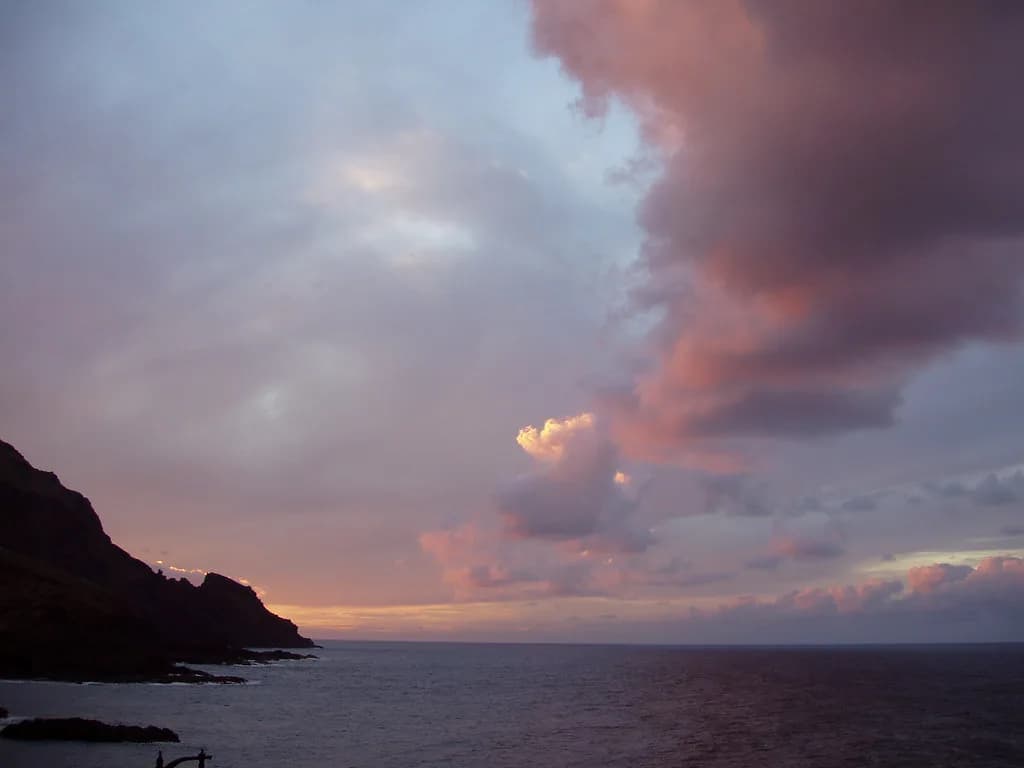
The bigger January variable is which side of the island you are on. The west coast around Los Llanos de Aridane, Tazacorte and Puerto Naos is the sunniest, driest region, while the northeast around Santa Cruz de La Palma and Breña Alta is greener and more often under cloud or fog. A single island-wide weather figure therefore tells you very little.
If you have a fixed day for a summit drive or a long hike, build in flexibility and pick the coast that looks clearer that morning. The same January day can be grey in Santa Cruz and bright in Tazacorte, an hour or so apart by road.
Calima: Saharan Dust in January
Calima is the island's wildcard: a hot, dry wind from the Sahara that lifts fine dust into the air, raises temperatures by several degrees and reduces visibility to a yellow haze. It occurs most often in winter and spring, usually lasts a few days and occasionally up to a week, after which conditions return to normal.
During a calima, strenuous hiking is unwise and the dry, dusty air can be uncomfortable for anyone with breathing sensitivities. Keep the day lighter, stay near the coast and drink more water than usual; the dust usually clears within days.
Daylight, Sea and Planning Your Days
January days are shorter than summer ones, so plan summit drives and long ridge walks for the middle of the day and keep mornings and late afternoons for towns, markets and lower trails. The observatory road to Roque de los Muchachos climbs high and can be affected by winter conditions, so allow extra time and check the state of the road before setting out.
The Atlantic is at its coolest in January, which makes swimming a short plunge rather than a long lounge. Diving and snorkelling continue year-round with good visibility, and the south of the island holds the most interesting underwater lava formations; a wetsuit makes the difference.
If you are weighing a different winter month, La Palma in February brings slightly longer days and the run-up to Carnival, while January remains the deepest low season for empty trails.
Things to Do in January
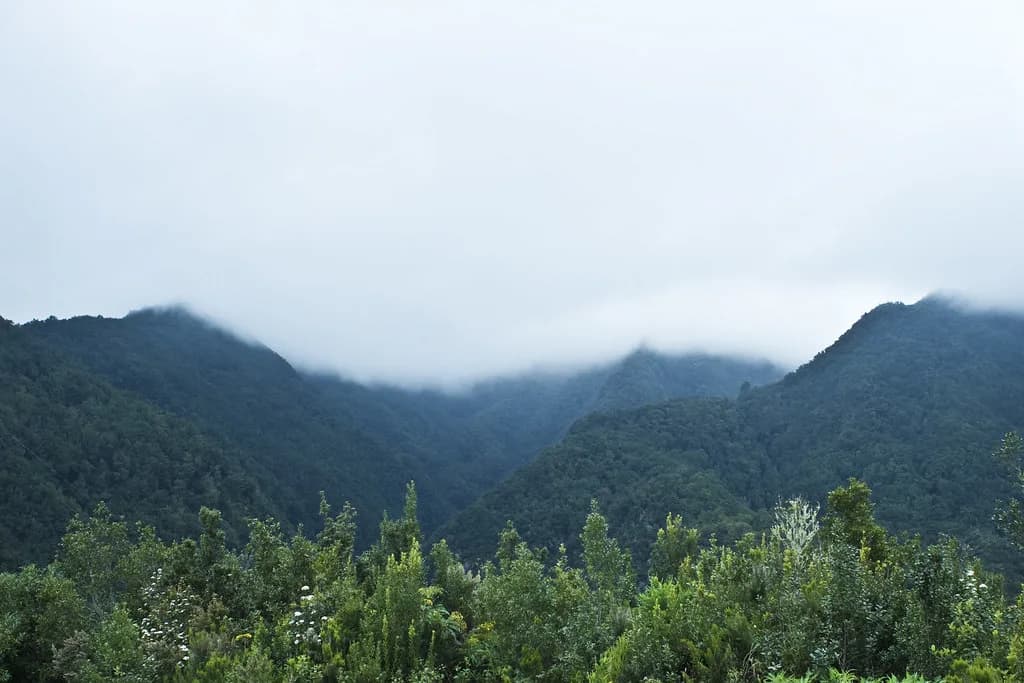
Start with the laurel forest at Los Tilos in the north, where paths run through tunnels, subtropical woodland and canyons past waterfalls and the Cascada de los Tilos. It is lush, damp and atmospheric in winter, and the nearby Charco Azul natural pool at San Andrés y Sauces makes an easy coastal stop.
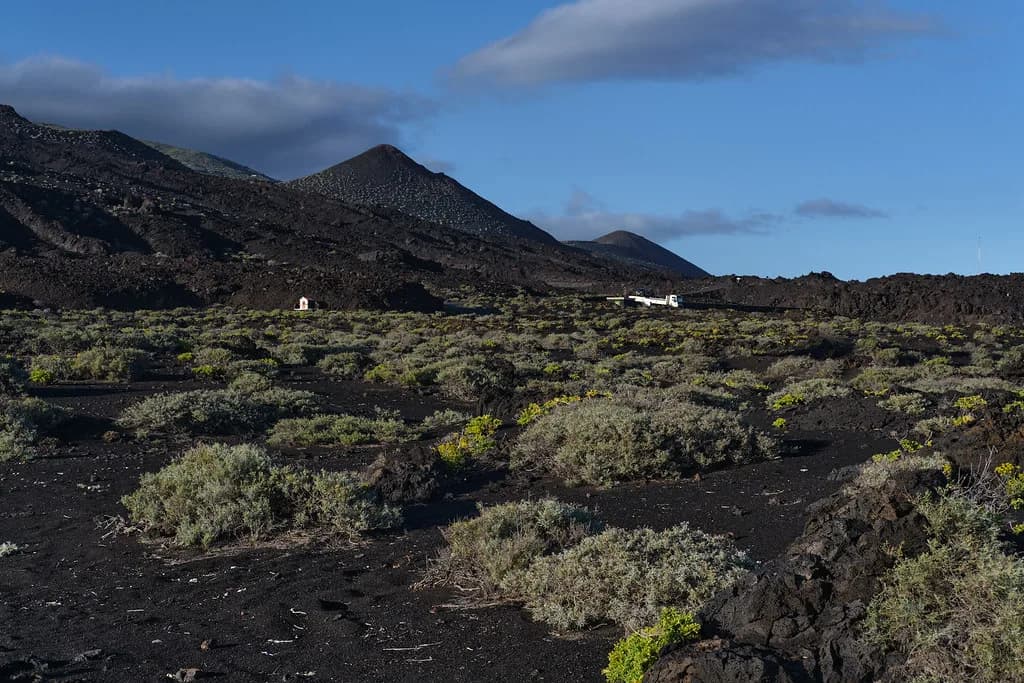
The Caldera de Taburiente National Park, about half an hour's drive from Santa Cruz, offers viewpoints over an erosion crater roughly six miles across and 2,000 metres deep, with streams, waterfalls and Canary pines along the way. Further south, the Route of the Volcanoes crosses the darker landscapes of Cumbre Nueva and Cumbre Vieja, where lava flows and coastal views open up on clear days.
Guided excursions, e-bike tours and horseback trips cover parts of the volcano country if you would rather not navigate the trails yourself in cooler, changeable weather. Book those directly with operators and leave room to swap days if cloud settles in.
Stargazing: January's Best Asset
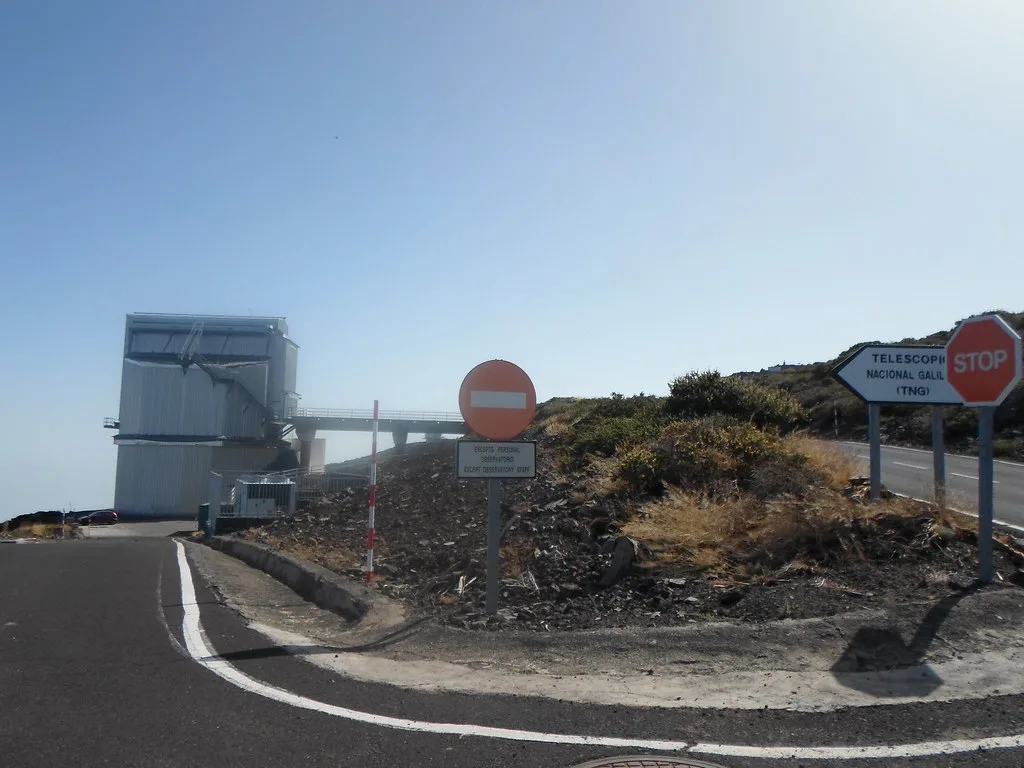
La Palma is a designated Starlight Reserve, and winter nights are among the clearest of the year, which makes January a strong month for astronomy. The Roque de los Muchachos Observatory sits on the island's highest ridge, and guided daytime tours of the Gran Telescopio de Canarias can be booked in advance.
Evening group and private stargazing sessions run from viewpoints across the island, so you do not need to drive to the summit yourself. Dress far warmer than you would for the coast; the ridge is cold after dark in January, and clear skies mean temperatures drop fast.
Santa Cruz de La Palma in Winter
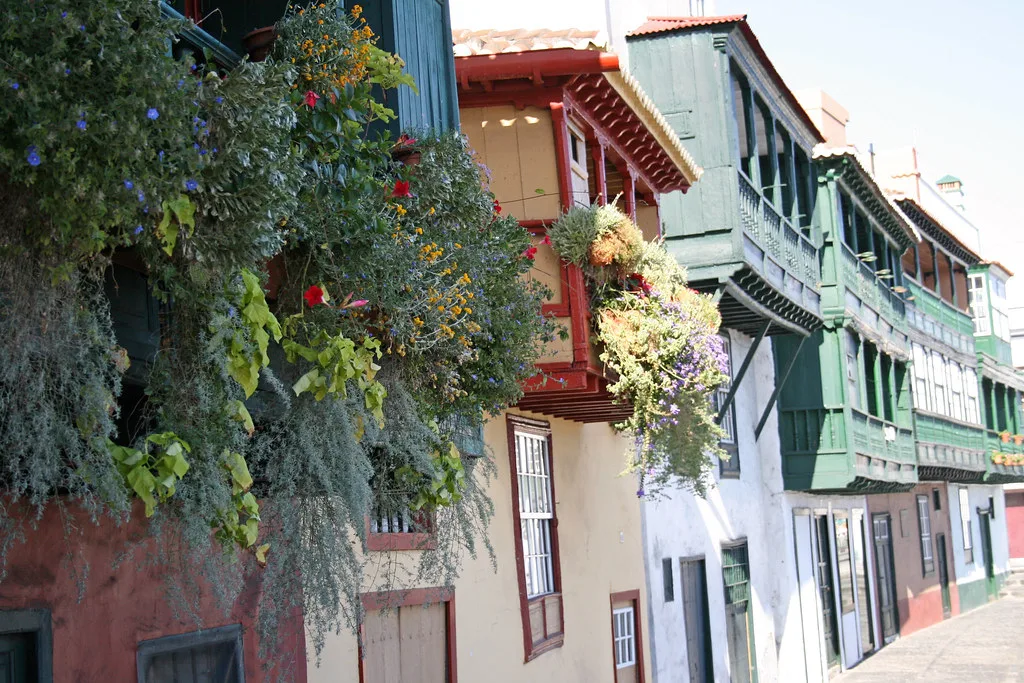
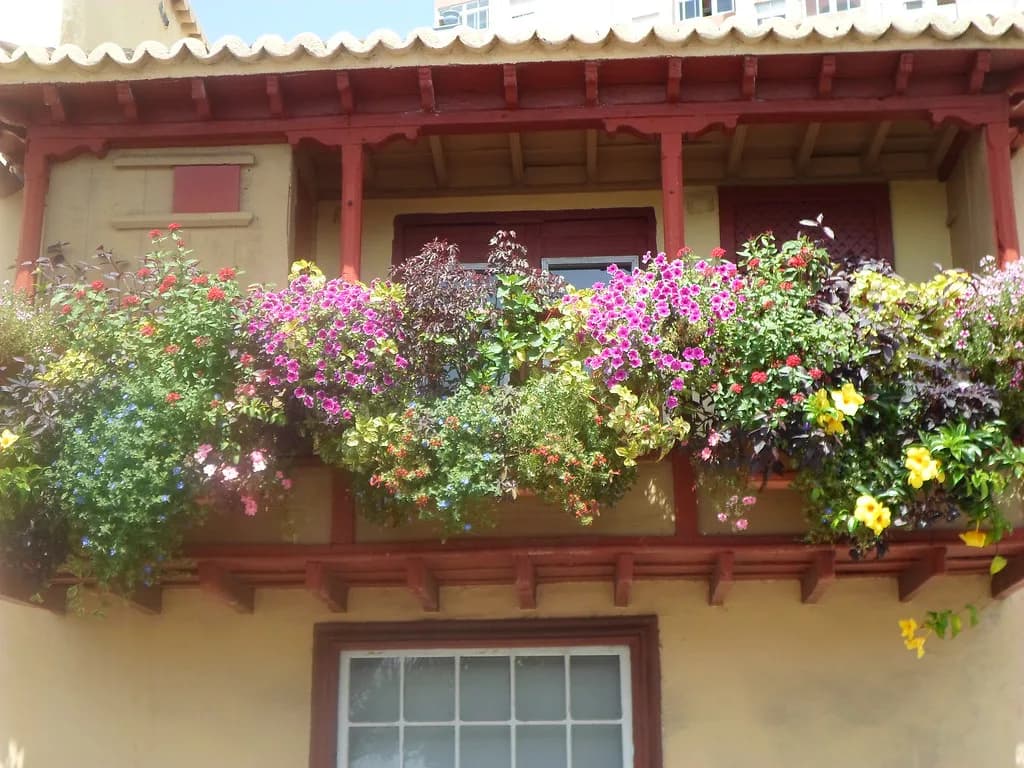
The capital rewards a slow winter day: slender streets of flower-decked wooden balconies, Renaissance architecture around Plaza de España and the 16th-century Iglesia del Salvador with its Mudéjar ceilings. The Silk Museum and the Naval Museum, with its replica of the Santa María, give you indoor options if cloud rolls in.
Santa Cruz Market, housed in an old hospital, is the place to graze on local produce, and the town's cafés are unhurried in January. If you want a livelier version of the island, La Palma in March brings warmer days and more visitors.
Coast, Water and Food
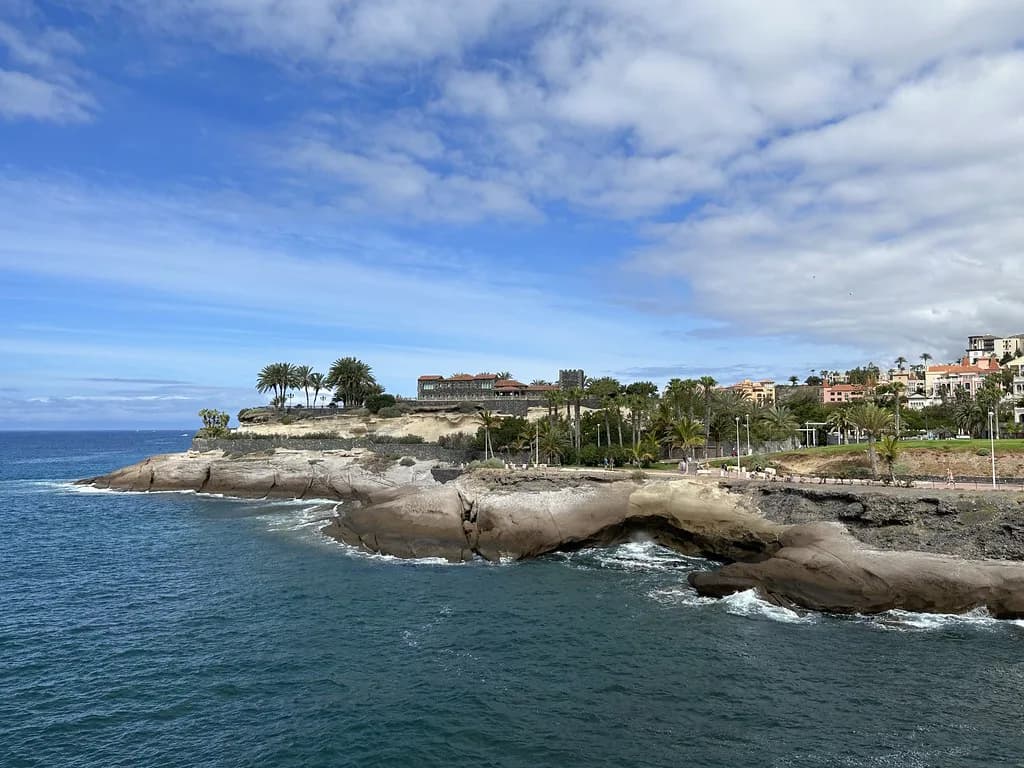
The west coast around Tazacorte and Puerto Naos is where January's sunshine is most reliable, and it is a fine base for coastal walks and a short swim if you are hardy. The natural pools and black-sand coves are quiet now, and you will have viewpoints largely to yourself.
January eating is honest and seasonal rather than showy: fresh fish and seafood, market vegetables, almond and goat's cheese from the high villages, and wines from the volcanic south around Fuencaliente. Look for the island's own labels on menus rather than imported ones.
Day Trips That Work in January
Clear January days give long views to La Gomera and the neighbouring islands from the volcanic ridges, and a loop drive through the south to Fuencaliente and Las Manchas pairs well with a winery stop. Ferries to Tenerife and La Gomera operate year-round, though winter sailings can be disrupted by swell.
If you want a broader comparison of the archipelago in the same month, Canary Islands in January sets La Palma's quiet, green character against the busier resorts of Gran Canaria and Tenerife.
Epiphany and the January Calendar
New Year's Day 2027 falls on a Friday, and Epiphany, or Three Kings, falls on Wednesday 6 January 2027, bringing the last of the winter festivities and family gatherings across the island. Expect some businesses to keep holiday hours around those dates.
If your trip runs into February, Carnival Tuesday falls on 9 February 2027, with Ash Wednesday the following day, and Santa Cruz de La Palma is the island's Carnival centre. January itself is mostly free of major events, which is part of its appeal.
Getting Around and the Trade-Offs
A car is close to essential on La Palma: many trails, viewpoints and rural houses sit outside the towns, roads are well maintained and mountain roads are narrow and winding, so choose a smaller vehicle. Book ahead in high season but expect more availability in January.
The January trade-offs are real but modest: cooler sea temperatures, shorter daylight, a chance of cloud or a calima, and reduced activity in some seasonal businesses. In exchange you get near-empty trails, clear night skies and a genuine sense of the island's everyday life.
Who January Suits
January is the right month for hikers, photographers and stargazers who want La Palma without the crowds, and who accept cooler water and changeable skies. Base yourself on the sunny west or stay flexible between coasts, and keep evenings free for the observatory or a stargazing viewpoint.
Choose another month if you want reliable swimming, beach days or a livelier calendar of events. For warmer seas and a fuller festival season, plan for spring or early autumn instead.
Explore more La Palma winter guides
Frequently Asked Questions
Is La Palma warm in January?
Mild rather than hot. Typical coastal averages sit around 18 °C (64 °F), with winter days commonly reaching between 18 and 22 °C (64–72 °F) and nights rarely below 14 °C (57 °F). Inland and high ground is noticeably cooler, and the west coast is usually sunnier than the cloudier northeast.
Where is La Palma located?
La Palma is the northwesternmost of Spain's Canary Islands, in the Atlantic off the coast of West Africa, west of Tenerife. It is a volcanic island with a green, forested north and darker lava landscapes in the south.
Is January a good time to visit La Palma?
Yes for hiking, sightseeing and stargazing, and no for beach holidays. Trails are quiet, winter nights are exceptionally clear, and the mild coastal climate makes long days outdoors realistic. The cool Atlantic, shorter daylight and occasional calima or cloud are the costs.
Do I need a car on La Palma in January?
A car makes the island far easier, because many trails, viewpoints and rural houses lie outside the towns. Roads are well maintained, but mountain roads are narrow and winding, so a smaller vehicle helps. Book early if your dates overlap holidays.
What can I do on La Palma in January when it rains?
Head for Santa Cruz de La Palma, where the Silk Museum, the Naval Museum and the market fill a damp day, or take a guided observatory tour. On the west coast around Tazacorte and Puerto Naos you are more likely to find sunshine to walk in.
Is the sea warm enough for swimming in January?
It is at its coolest, so swimming is typically a brief plunge rather than a long session. Diving and snorkelling still work year-round with good visibility, and a wetsuit makes the difference. The south of the island has the most interesting underwater lava formations.
Sources
Winter travel notes
Optional updates when we add or revise winter guides.
You might also like
Continue reading
More guides you'll find useful