Kaunas in January: Winter Weather, Daylight and Things to Do
Kaunas in January brings short days, freezing nights and quiet streets. Here is the typical weather, what stays open and who should plan around it.
On this page
Kaunas in January is a city in its quietest register. The Old Town's cobbles are cold underfoot, Liberty Avenue's café terraces sit empty, and the interwar modernism that earned the city its European heritage recognition is best studied from behind a warm window or on a brisk, short walk.
This is a month for museum-goers, architecture enthusiasts and budget travelers who would rather have a nearly private cathedral square than a queue. If your image of a Lithuanian trip involves long daylight, riverbank evenings or markets, aim for December or wait until spring; travelers planning a New Year's Eve stay in late December are working with a livelier, more crowded city than the post-Epiphany one.
Kaunas in January at a Glance
Expect a proper continental winter: hard frosts, occasional snow cover and a wind that finds the gaps between buildings. The cold is manageable with the right layers, and the low season means you can decide your day as you go rather than booking around queues. Travelers who want a city that gives up its history without distraction will find January generous.
The rhythm of the trip is set by daylight rather than opening hours. Plan one substantial indoor sight each morning and a short outdoor loop in the early afternoon, when the light is at its best and the temperature is at its mildest. Evenings belong to food, and Kaunas does hearty Lithuanian cooking well.
Weather in January: Typical Highs, Lows and Snow
January is the coldest month of the Kaunas year, with sub-freezing nights the norm and daytime temperatures usually hovering near or a little below freezing. Snow is possible throughout the month, though cover is rarely continuous; freezing rain and grey, damp days are just as likely. If you are weighing the same conditions elsewhere in the region, our Germany in winter guide shows how comparable continental cold plays out city by city. Treat any figure as a long-term average rather than a forecast and build flexibility into your plans.
Planning sources that cover the city put January and February together as the coldest, quietest window, with snow a real possibility and crowds absent. For the specific numbers — average high and low in both Celsius and Fahrenheit, monthly precipitation and the likelihood of snow days — the Lithuanian national meteorological service publishes the authoritative climate normals.
The practical consequence is that you should not plan a January day around a long outdoor walk. Keep the outdoor segments short and the indoor ones long, and leave room for a day when the cold bites harder than expected.
Daylight: How Short the Days Get
Kaunas sits at roughly 55 degrees north, so midwinter daylight is compressed into a short window. Reports from travelers and guides put usable daylight at around four to six hours in January, with sunrise late in the morning and sunset in the mid-afternoon.
That constraint is a planning tool rather than a problem. Use the bright window for the sights that depend on natural light — the Old Town streets, the view from a funicular, the riverbank — and save museums, churches and cafés for the dark hours before and after. A short winter trip structured this way feels fuller than one that tries to fight the clock.
What January Changes in Kaunas
The Christmas market season ends with the holidays, so January visitors arrive after the stalls have been packed away. If markets are the reason for your trip, Christmas in Kaunas is the better fit; in January the city returns to its everyday schedule, with museums, churches and restaurants operating year-round.
Some seasonal venues — open-air sites, the odd riverside terrace, certain cafés — run shorter hours or close for the quiet weeks, and it is worth confirming the day before you go for any specific sight you have your heart set on. The core of the city, though, stays open: the Old Town's churches, the major museums and Liberty Avenue's shops all function through the winter.
One addition worth knowing about is the Epiphany celebration on 6 January, which closes the holiday season in Lithuania with processions and church services. Lithuanian cities mark the day solemnly rather than commercially, and a visit to a church on Three Kings' Day is a genuine local experience rather than a tourist event.
Things to Do: Old Town, Museums and Indoor Sights
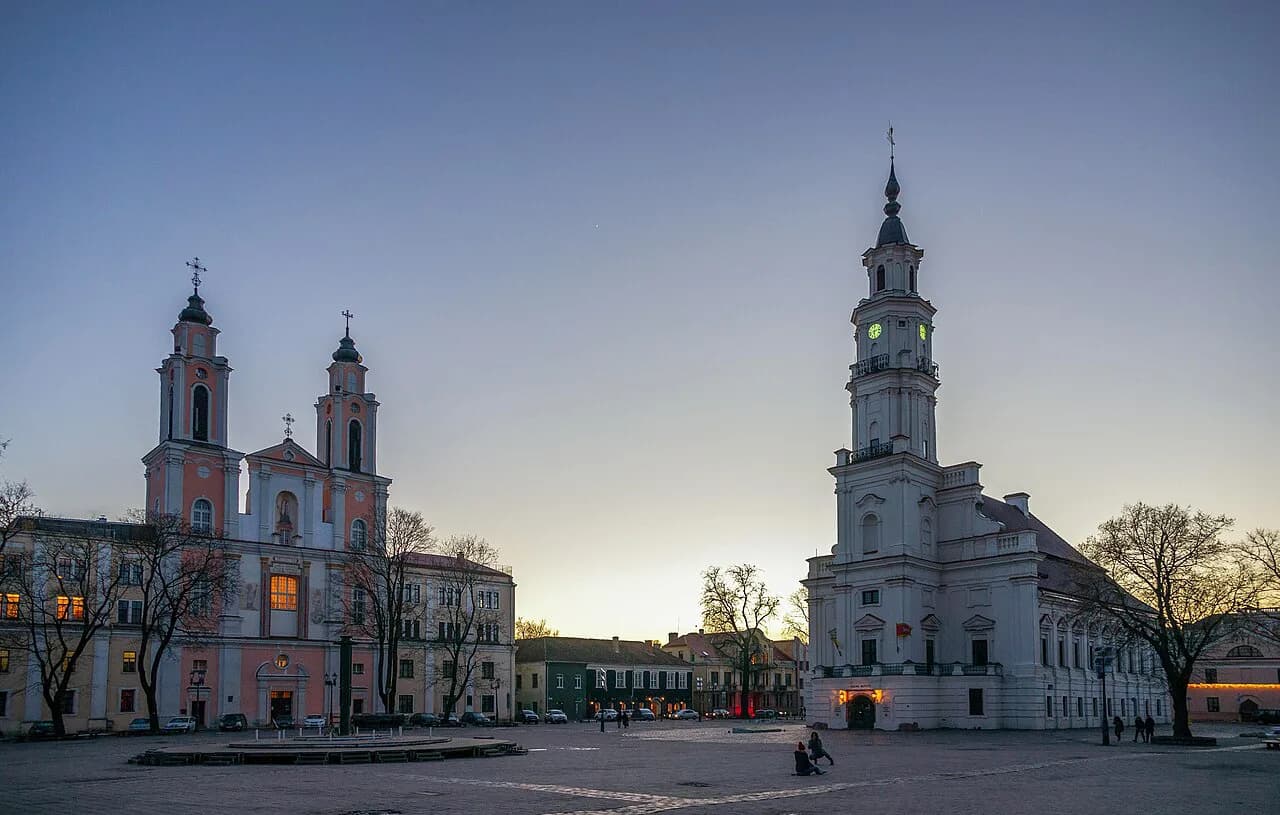
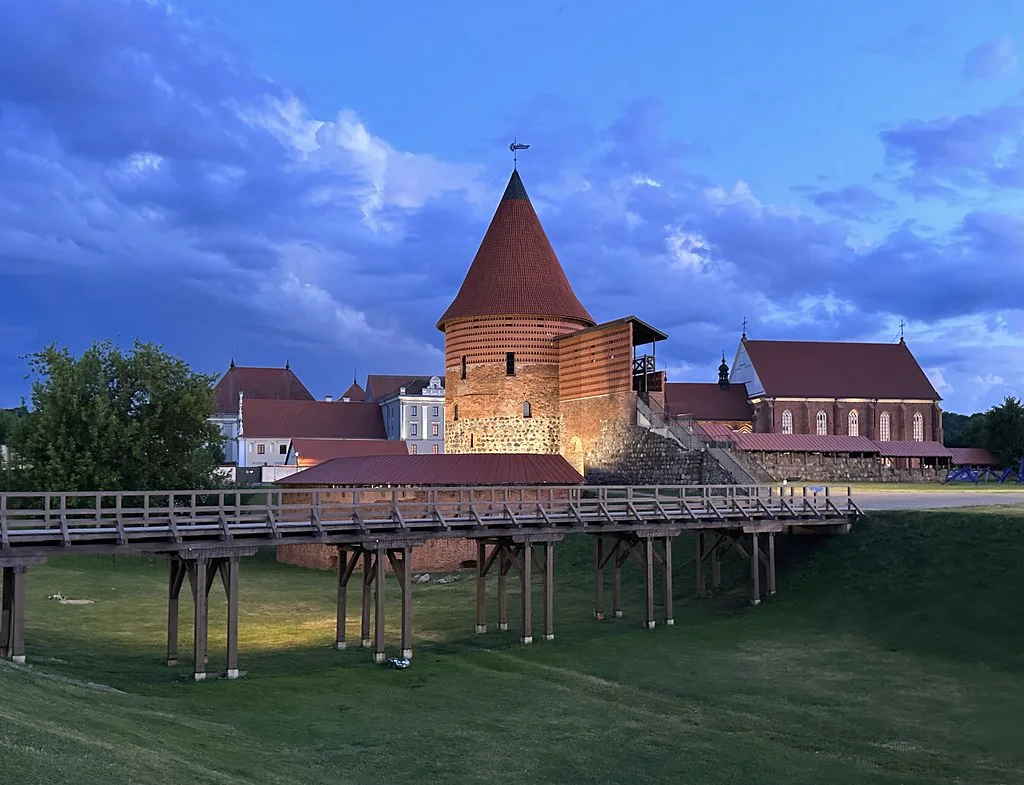
The Old Town rewards a slow walk even in the cold. Kaunas Cathedral, the Town Hall in the middle of the main square and the Castle ruins give the compact district a dense historical layer, and the short distances mean you can cover it in an afternoon without freezing.
The museum collection is the strongest reason to pick January. The M. K. Čiurlionis National Museum of Art holds the definitive collection of Lithuania's most original painter and composer, the Vytautas the Great War Museum covers the country's turbulent twentieth century, and the Devil's Museum is a genuinely unusual way to spend an hour out of the cold. All three are indoor, all three reward a long visit.
The two funicular railways — Žaliakalnis and Aleksotas — are short rides with big views, and both are worth doing on a clear winter day. They are also a reminder that Kaunas is a city of hills and river, not just a flat old quarter.
Modernist Kaunas in Winter
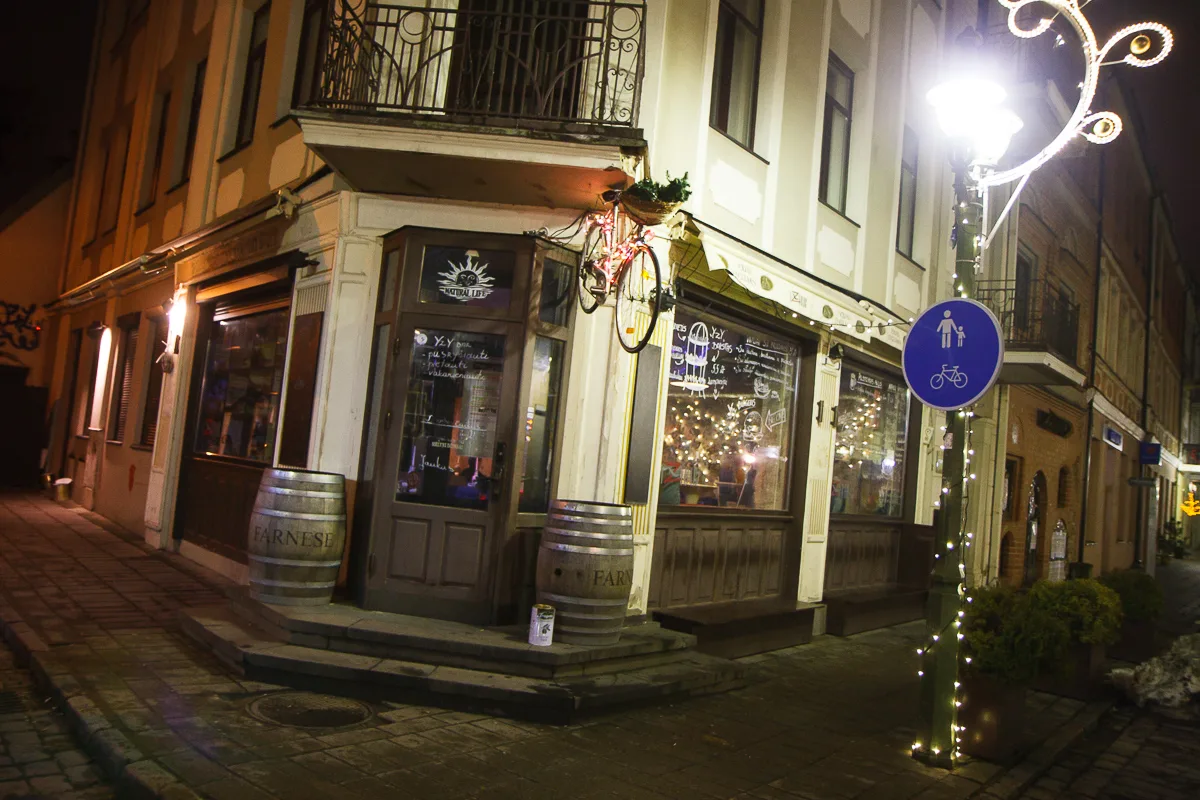
The interwar modernist ensemble that earned Kaunas its place on the European heritage list is a walking-and-reading experience rather than a seasonal one. Buildings from the 1920s and 1930s line the New Town's streets, and the pleasure is in the details: curved balconies, geometric façades, the confident civic architecture of a temporary capital.
Winter actually helps here. The bare trees open up views that summer foliage hides, and the low sun rakes across the façades in a way that makes the geometry legible. Dress for the wind and take the route in short segments, warming up in a café between blocks.
Food and Warm-Up Stops
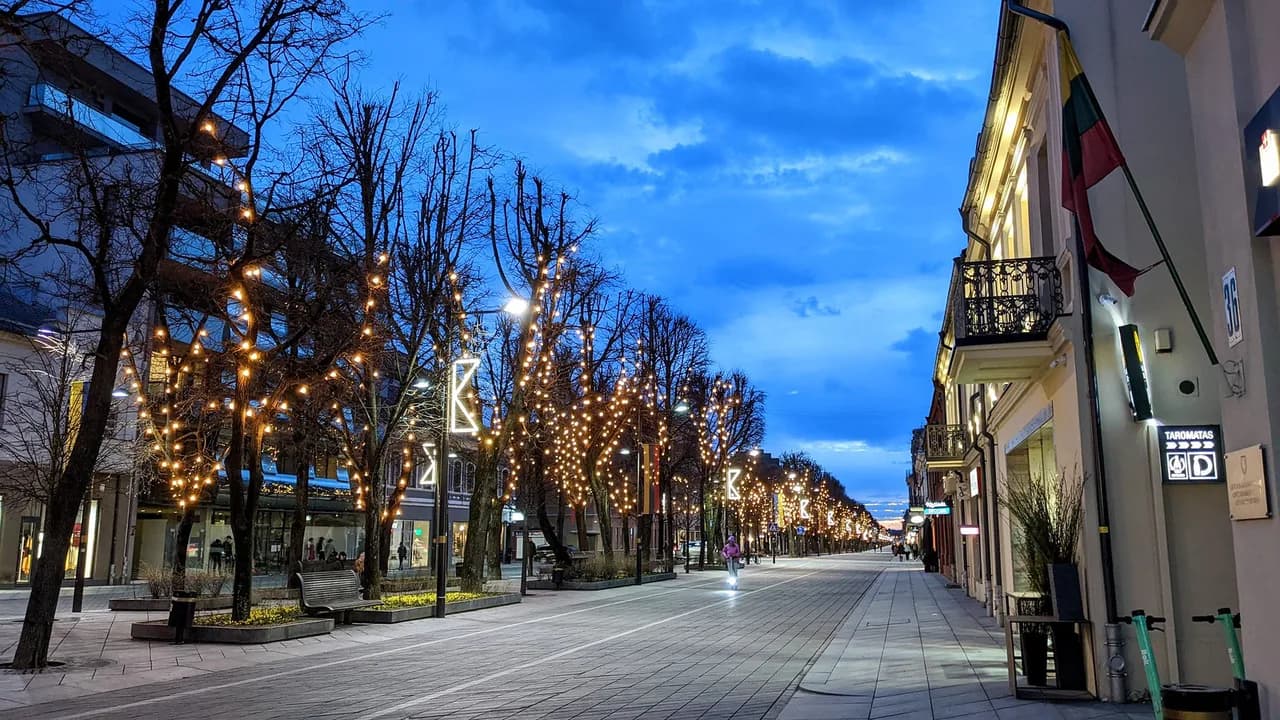
Lithuanian cooking is built for this climate. Expect potato dishes, dark rye bread, smoked meats, beetroot and thick soups, with a strong café culture on Liberty Avenue for a mid-afternoon coffee. The city's dining scene also includes Italian, Asian and Middle Eastern options, so picky eaters and families have choices.
The practical move is to book one substantial lunch rather than a late dinner. Restaurants are quieter in January and more likely to have space, and a long lunch gives you somewhere warm to sit through the darkest part of the day.
Day Trips from Kaunas That Work in January
Pažaislis Monastery, a Baroque complex on the edge of the city, is the easiest excursion, and Rumšiškės Open-Air Museum gives a picture of Lithuanian rural life across the centuries. Both sit outside the center, and travel planners who cover the area suggest a rental car makes combining several stops in one day easier.
Vilnius is the other obvious day trip, and the train makes it straightforward. In January, though, the short daylight argues for keeping excursions close and counting on fewer hours at each stop than you would in summer.
New Year's Day and Epiphany
New Year's Day 2027 falls on a Friday, so the first weekend of January is a natural time for a short break. Expect the city to be quiet on New Year's Day itself, with many places opening later than usual, and a gradual return to normal over the following week.
Epiphany on Wednesday 6 January 2027 is the liturgical close of the season, marked with church services across the city and in the Old Town. It is a good day to visit Kaunas Cathedral and to see the city in a reflective rather than festive mood.
Crowds, Prices and the Trade-Offs
January is low season. Hotels, restaurants and museum queues are at their quietest, and the city's calendar is largely free of the festivals that fill the warmer months. Late December is a different story, as the questions families raise about a New Year's stay show.
The trade-off is the weather and the daylight. Short days, freezing nights and the chance of grey, wet weather mean you should plan a shorter trip than you would in summer, with more indoor time and less ambition. Those who accept the constraint find the city calmer and easier to read.
Kaunas hotel rates in January vary widely by date and property, so check prices for your exact dates when booking.
Who January in Kaunas Suits
January suits museum-goers, architecture enthusiasts, budget travelers and anyone who prefers a city without the summer crowds. It is also a good month for a short break combined with Vilnius, since the train link makes a two-city trip straightforward.
It suits less well if your trip depends on long outdoor days, riverbank walks or Christmas markets. If markets or warmer weather are the point, Kaunas in February and the months beyond offer different versions of the same city.
Getting Around Kaunas in Winter
Kaunas is compact and walkable in the center, with trams and trolleybuses covering the longer stretches. In January the pavements can be icy, so allow extra time and choose routes that keep you off steep, unsheltered streets in the early morning and evening.
The funiculars are a practical shortcut as well as an attraction, and the railway station connects Kaunas with Vilnius and the rest of the country. Winter timetables can differ from summer, so check current schedules with Lithuanian Railways before relying on a summer frequency for the services you intend to use.
Plan a January Trip to Kaunas
January is the right month for a particular kind of traveler: someone who wants Kaunas's history and architecture without the crowds, accepts short daylight and freezing nights, and is happy to spend the afternoons in museums. If that describes you, the city delivers a serious, quiet winter break.
If you would rather have longer days, markets and terraces, look to December or later in the season, and build your trip around the light you will actually have. The city is the same; the season changes what you can do with it.
Frequently Asked Questions
What is the weather like in Kaunas in January?
January is the coldest month of the Kaunas year, with sub-freezing nights the norm and daytime temperatures usually near or a little below freezing. Snow is possible throughout the month, though continuous cover is not guaranteed. The Lithuanian national meteorological service publishes the long-term averages for planning.
How many hours of daylight does Kaunas get in January?
Around four to six hours of usable daylight, with late mornings and mid-afternoon sunsets. Plan outdoor sights for the bright window and save museums, churches and cafés for the dark hours around it.
Is Kaunas worth visiting in January?
Yes, if you want a quiet, low-season city with strong museums and a compact Old Town. It is less appealing if long daylight, riverbank walks or markets are central to your trip.
What is there to do in Kaunas in January?
The M. K. Čiurlionis National Museum of Art, the Vytautas the Great War Museum and the Devil's Museum are all indoor options, and the Old Town's Cathedral, Town Hall and Castle work for a short cold-weather walk. The two funiculars give big views on clear days, and the interwar modernist streets are best explored in short segments.
How many days do you need in Kaunas in winter?
Two to three days covers the Old Town, Liberty Avenue and the main museums, and four to five days allows for a day trip to Pažaislis Monastery or Rumšiškės Open-Air Museum. January's short daylight argues for a shorter, more focused trip than a summer visit.
Is it cheaper to visit Kaunas in January?
January is low season, so hotels and restaurants are generally quieter and more likely to have space, though pricing varies by date and property. Check current rates when you book.
Sources
Winter travel notes
Optional updates when we add or revise winter guides.
You might also like
Continue reading
More guides you'll find useful