Christmas in Innsbruck: Markets and Holiday Traditions
Christmas in Innsbruck brings Old Town markets under the Golden Roof, Christ Child parades and quiet holiday days. Here is what to expect and who it suits.
On this page
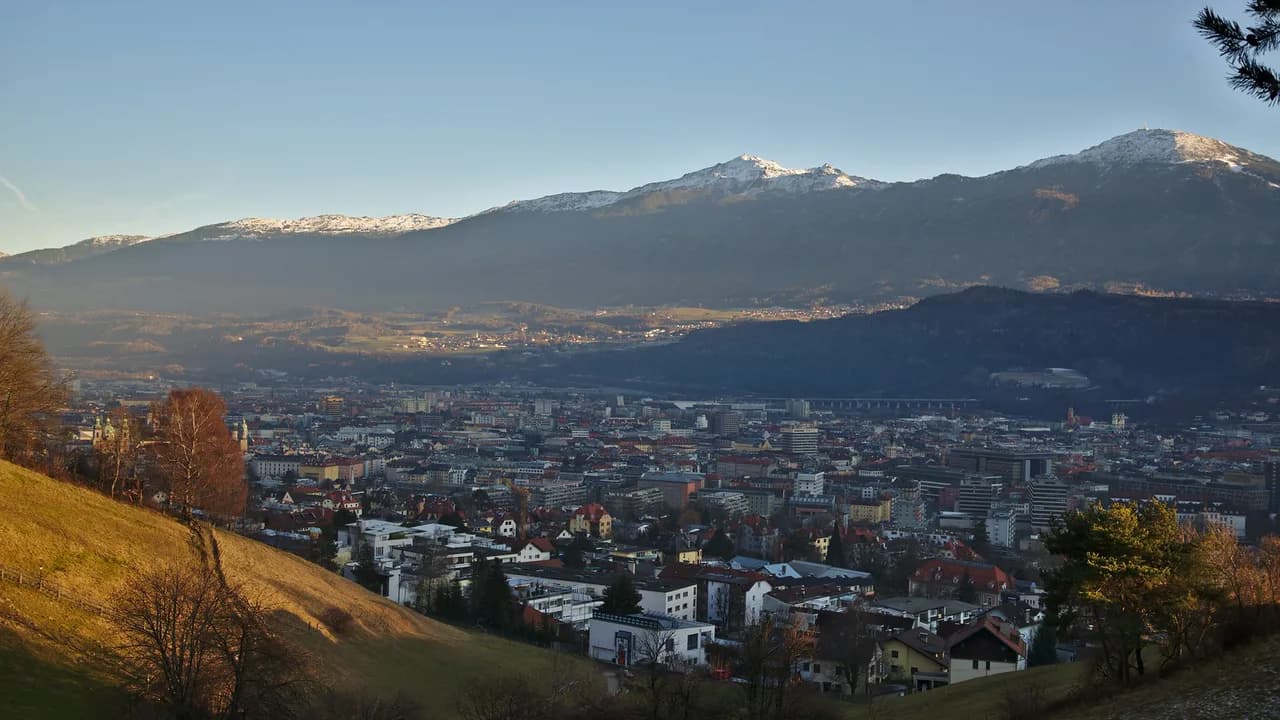
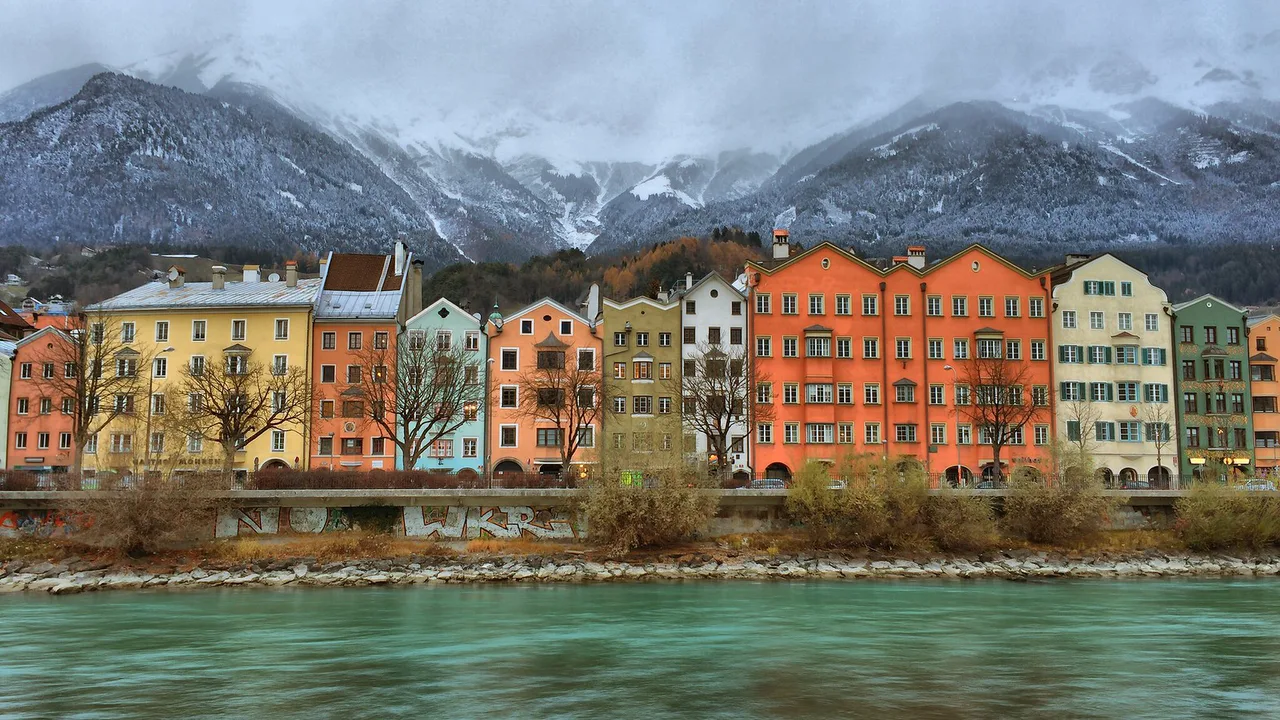
Innsbruck sits in a valley between the Nordkette range and the Patscherkofel, and in late December the city combines medieval lanes, a roaring market trade and mountain views that most Christmas destinations cannot match. The atmosphere is festive rather than refined: you stand outdoors in the cold, drink something hot, and watch the light fade off the peaks by mid-afternoon. It suits travelers who want a compact city break with genuine Alpine character and a short flight or train ride from the rest of Europe.
The important planning point is that Innsbruck's Christmas is not a single event but a run of weeks with shifting opening dates. The big Old Town markets finish before Christmas Eve, while a couple of others carry on into January, so a visit in the first half of December and a visit between Christmas and New Year feel like different trips. Decide which of those you want before you commit to dates and accommodation.
Weather in December
December in Innsbruck is genuinely cold, and the valley floor often sits in shade while the mountain terraces above it catch the sun. Expect short days around the winter solstice, with daylight shrinking to roughly eight and a half hours, so plan outdoor wandering for late morning and early afternoon. Snow is common in the surrounding mountains and possible in the city itself, but the valley does not reliably hold a white cover through the whole month.
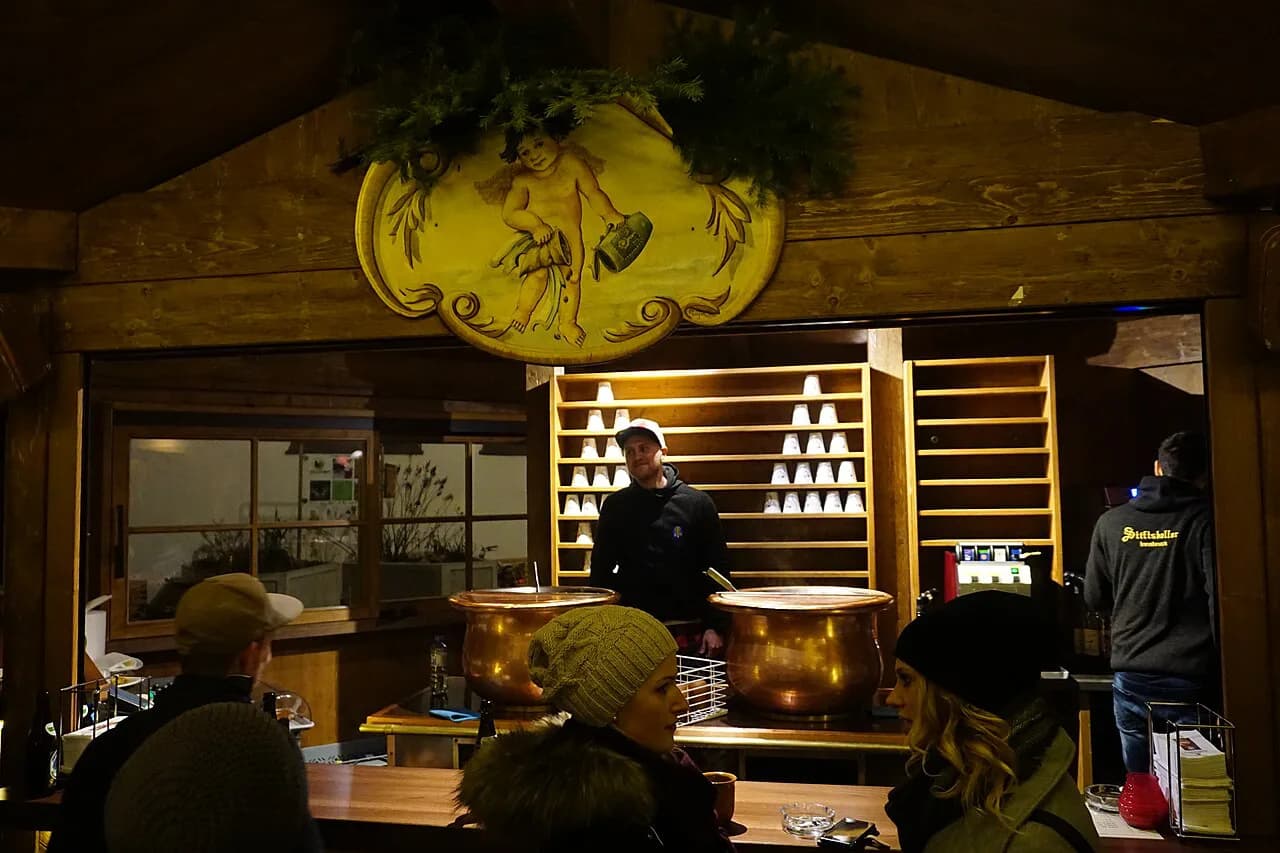
Standing at a market stall for two hours in near-freezing temperatures is the main physical challenge of a December trip, and it is worth structuring days around short outdoor blocks with warm indoor pauses in between. Museums, churches and cafés give you somewhere to thaw, and the city's compact center means you never walk far between them. If cold is a real dislike rather than a mild inconvenience, late November or early March will be more comfortable than the Christmas weeks.
What Christmas Changes in Innsbruck
The Christmas season here is short and front-loaded. The Old Town market in front of the Golden Roof and the Market Square market both run from 15 November to 23 December 2026, opening daily from 11:00 to 21:00, which means they are gone by Christmas Eve. Entry to the markets is free, and you pay only for what you eat, drink or buy. If your trip falls after 23 December, your market options narrow sharply and you need to know which ones survive.
Two markets carry on past the holiday: the Maria Theresa Street market, which runs from 25 November 2026 to 6 January 2027, and the small Hungerburg market above the city, open 20 November 2026 to 6 January 2027. Maria Theresa Street closes early on 24 December, shuts entirely on Christmas Day and finishes at 19:00 on 31 December, so it is a useful anchor for a late-December stay but not a Christmas Day activity. Everything else, including Wilten and St Nikolaus, ends on 23 December.
Outside the markets, Christmas changes the city's rhythm more than its opening hours. Shops in the center generally keep normal trading until midday on Christmas Eve, then close for the holiday, and restaurants shift to set holiday menus that are best reserved ahead. The period between Christmas and New Year is busy with Austrian and Italian visitors, so book the days you care about most rather than leaving the key nights to chance.
The Old Town and Market Square Markets
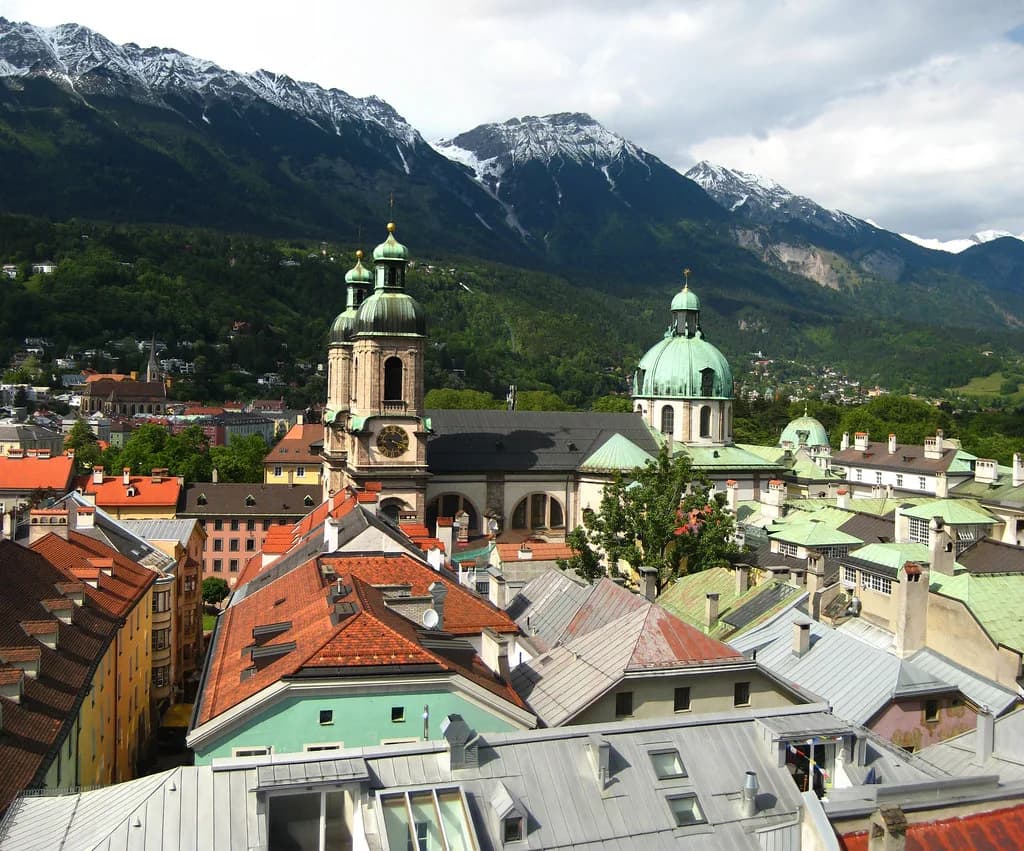
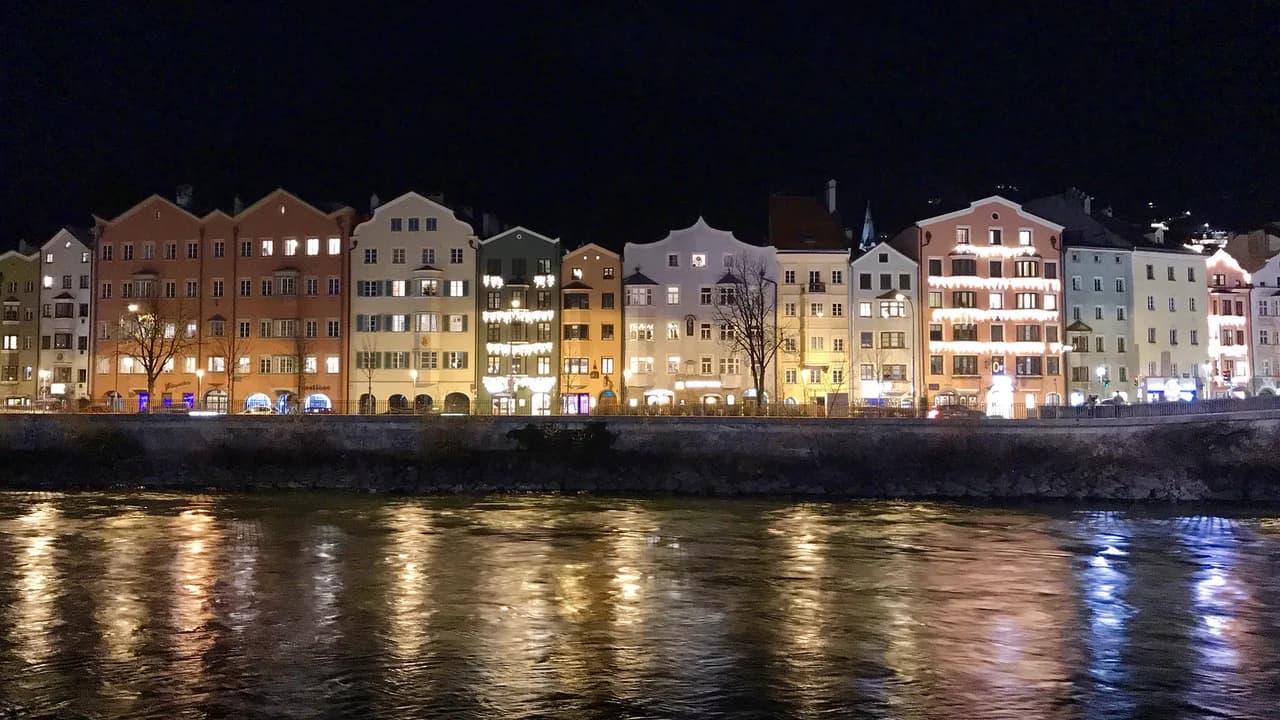
The Old Town market is the one most people picture: stalls packed into the lanes beneath the Golden Roof, a giant tree in the square and the facades of the Herzog-Friedrich-Strasse lit above your head. It is free to enter and open from 11:00 to 21:00 through 23 December, and it gets genuinely crowded in the early evening. Come in the late morning or mid-afternoon if you want room to move.
Across the river, the Market Square market is the family option, with a carousel, a petting zoo, a puppet theatre and a tall crystal-lit tree, running the same dates and hours as the Old Town. The two are within easy walking distance of each other, which makes a natural circuit: Old Town first, then across the bridge as the light goes. Both are outdoor, both are free, and both depend on you being there before 23 December.
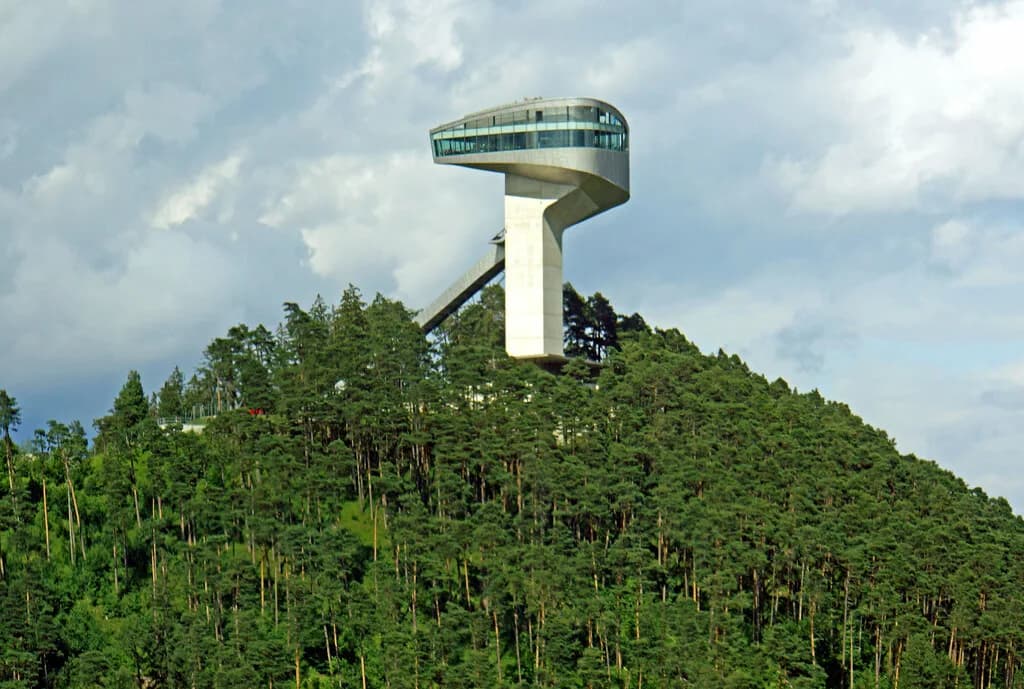
The Bergisel Kaiserweihnacht sits on the hill by the Olympic ski jump and opens only on selected weekends and a few extra days between mid-November and 20 December 2026, with afternoon and evening hours. It is the quieter, more local-feeling alternative when the center is heaving, and the view back over the city lights justifies the climb. Treat the published day list as the thing to plan around rather than assuming it operates daily.
Maria Theresa Street and Hungerburg
Maria Theresa Street runs from late November to 6 January, which makes it the most reliable market for anyone visiting over Christmas itself or in the first week of January. It sits in the pedestrianized center near the Kaufhaus Tyrol and Rathaus Galerien shopping centers, so it doubles as a shopping stop, and the Nordkette mountains fill the view at the end of the street. Holiday hours are the catch: it shuts on Christmas Day and closes early on Christmas Eve and New Year's Eve.
The Hungerburg market is small, sits roughly 300 meters above the city beside the cable car station, and specializes in handmade decorations with a view down the Inn valley. It opens on weekday afternoons and from midday at weekends through 6 January 2027, and reaching it is part of the appeal: the Hungerburg funicular climbs from the Congress station a five-minute walk from the Golden Roof. It is the best answer to a packed Old Town on a December weekend.
The altitude matters for conditions as well as views. Hungerburg is noticeably colder and more likely to hold snow than the valley floor, so a visit there can deliver the white Christmas the city center sometimes fails to. Check the funicular's winter timetable before you go, since evening service and any seasonal maintenance affect how late you can stay.
Tyrolean Christmas Traditions
Innsbruck's Christmas is rooted in Tyrolean custom rather than generic market trappings. The Christ Child, the Christkind, is the figure who brings presents to Tyrolean homes on Christmas Eve, and the city marks it with a parade of hundreds of local children dressed as shepherds and angels, usually held in mid-December in the late afternoon and running through the Old Town. The date moves each year, so the organizer's seasonal program is the place to find it.
St Nicholas Day on 6 December brings Nikolaus and his angels to the markets, and in Innsbruck that means Krampus too: horned, bell-wearing figures who run through the crowd in a spectacle that is loud and deliberately unnerving. The Hungerburg market hosts a Krampus run in its parking area with a bonfire, which is the most atmospheric setting for it. It is family entertainment in the Tyrolean sense, and younger children may find it frightening.
Choral and brass music fills the season too. Carol singing is staged at the Congress Innsbruck in mid-December, and trumpeters play from the Golden Roof balcony in the days after Christmas. These are small, atmospheric moments rather than ticketed concerts, and they are worth shaping an afternoon around. The local tourist office publishes the seasonal program each autumn.
Christmas Eve and Christmas Day
Christmas Eve, 24 December 2026, is the pivot of the whole season. The Old Town and Market Square markets have closed the day before, Maria Theresa Street trades only until early afternoon, and Austria's Christmas begins in the evening with the main family meal and gift-giving. Plan a quiet daytime walk, a long lunch and an early night, and reserve anywhere you intend to eat. Do not count on a market atmosphere on the 24th.
Christmas Day, Friday 25 December 2026, is the quietest day of the year in the city. Most shops and restaurants close, and the Maria Theresa Street market stays shut for the day, so this is not the moment for a market crawl. Churches hold services, the streets are empty, and a walk along the Inn or up to a viewpoint is the realistic plan. Confirm your hotel's arrangements for meals well before you travel.
If the markets are the reason for your trip, the trade-off is simple: arrive before 23 December. If the holiday days themselves are the reason, accept that you will get a calm, cold, largely indoor city and a couple of markets that reopen between Christmas and New Year. The days after Christmas are a good compromise for travelers who want both, and the wider winter picture is covered in the city's seasonal guide.
Between Christmas and New Year
The week after Christmas revives the city. Maria Theresa Street reopens and runs through to 6 January, the Hungerburg market operates into the new year, and the shops return to normal hours. Crowds peak around this period, with visitors from Austria, Germany and Italy filling the hotels, so book restaurants and any timed attractions ahead.
New Year's Eve, 31 December 2026, is celebrated in the streets and squares of the center, with the usual fireworks and public revelry, and the Maria Theresa Street market closes at 19:00 that evening. Expect noise, crowds and taxis that are hard to find after midnight. A quieter alternative is a mountain terrace or a hotel dinner with a view, booked well in advance.
New Year's Day, Friday 1 January 2027, is a public holiday and the city moves slowly. The Hungerburg market is a good bet for a gentle afternoon outing once things reopen, since weekend and public holiday hours there start at midday. After that, the first week of January is a pleasant, lower-key window: the Christmas crush has gone and the markets are still standing until Epiphany on 6 January.
Beyond the Markets: Museums, Cable Cars and Crystal Worlds
Innsbruck's indoor attractions earn their keep in December. The Court Church with its bronze statues, the Tyrolean State Museum and the city's galleries give you warm, substantial hours, and the Innsbruck Card bundles many of them with transport and cable cars. If you are buying it, check which attractions are included for your dates before committing, since inclusions shift between seasons.
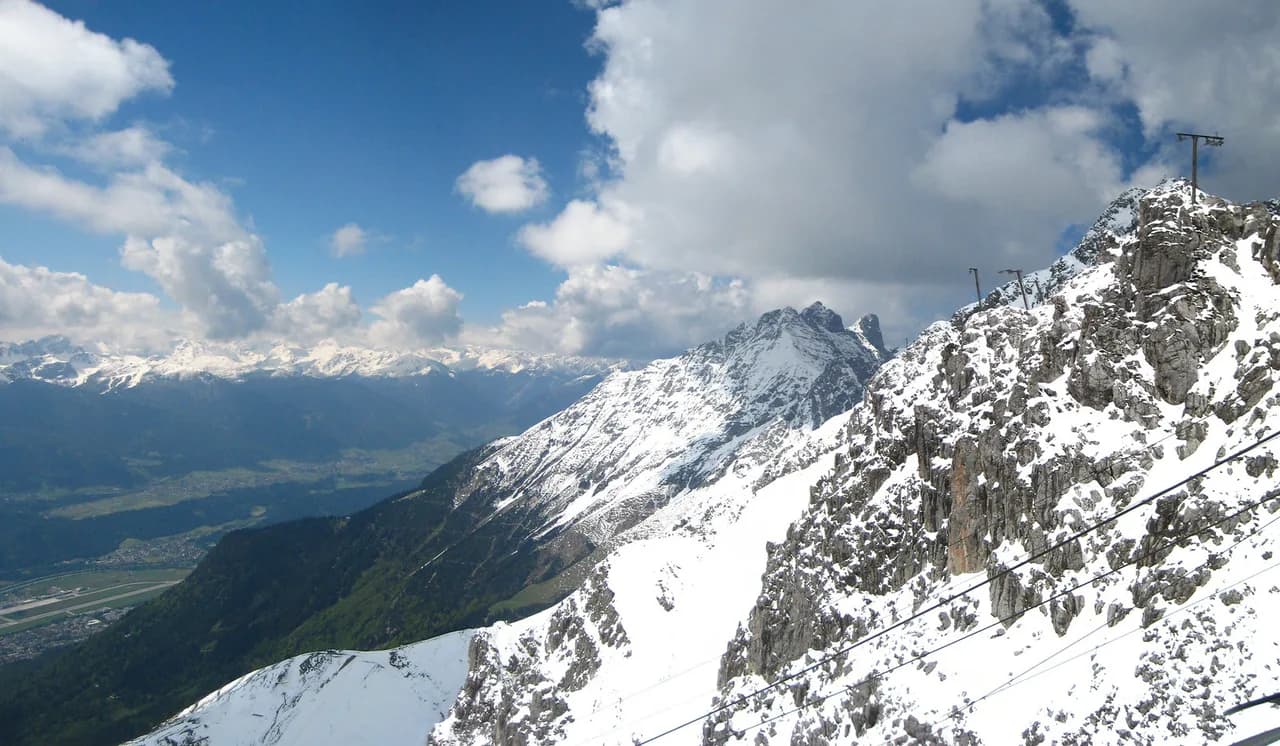
Above the city, the Nordkette cable car continues to run in winter and takes you from the center to high alpine terrain in minutes, which is the fastest way to find snow and sunlight when the valley is gray. Dress for colder and windier conditions than the city forecast suggests, and check the cable car's operating status before you go up. The view over the Inn valley is the point as much as the destination.
Swarovski Crystal Worlds in Wattens, a short trip from the city, keeps a Christmas atmosphere from November through February with fairy-tale figures and a rotating crystal tree in a snow-filled chamber. It is a polished, indoor-friendly stop that works on a wet day and appeals to families. Lumagica, the light trail in the Hofgarten, runs a similar winter window, and for 2026/27 its dates had not yet been announced as of August 2026, so check the organizer's site closer to the season.
Winter Day Trips
Hall in Tirol, a medieval town a short train ride east, holds its own Christmas market with a more local feel and fewer crowds than Innsbruck's center. It makes an easy half-day escape when the city is full, and the old town's arcaded streets offer shelter if the weather turns. Check the market's dates with the town's tourist office before you go, since they do not always match Innsbruck's.
The Stubai valley south of the city is reachable by bus or car and gives you high mountain scenery without committing to a ski trip. The Stubaier Gletscher area is the reliable snow option when the valley is bare, and the journey itself is part of the experience. Winter bus timetables are reduced, so build in slack and check connections the day before.
The Bergisel hill combines the Olympic ski jump, the Tyrol Panorama and the Kaiserjägermuseum in one stop, and it is close enough to walk to from the center if you are reasonably fit. In winter the viewing terrace gives you the city and the mountains in one sweep, and the museums give you somewhere warm to retreat. It pairs naturally with the Kaiserweihnacht market on the weekends it operates.
Crowds, Prices and the Trade-offs
Innsbruck's Christmas season is popular but not overwhelming by central European standards. The worst congestion falls on December weekends and the week between Christmas and New Year, when the Old Town lanes become a slow-moving crowd after dark. Hotel rates climb accordingly, and the best-value stays are in the first half of December or after 6 January, when the markets thin out or close.
The honest trade-offs are short daylight, cold standing around and a market season that ends before Christmas. Against that, you get mountain scenery, a walkable center, free entry to all the main markets and a genuine local tradition rather than a staged one. Prices for food and drink at the stalls are modest by Alpine city standards, but you should expect to pay a deposit on mugs, returned when you hand them back.
One practical note on capacity: the city's hotel stock is finite and Christmas weeks sell out early, particularly the four-day block around 24 to 27 December, when much of the city centres on the holiday itself. Book accommodation and any special meals months ahead, and keep your plans flexible enough to swap a market evening for a museum afternoon if the weather turns.
Who Christmas in Innsbruck Suits
This trip suits travelers who want a compact, walkable city with mountains on the doorstep and are happy to be outdoors in the cold for a couple of hours at a time. Couples, families with older children and anyone combining a city break with a day in the snow will find plenty to fill three or four days. It is less suited to travelers who need warmth, long daylight or a guaranteed white Christmas in the streets.
If markets are your priority, aim for the first three weeks of December. If you want the holiday days themselves, accept a quiet Christmas Eve and Christmas Day and plan around the markets that survive into January. If you want neither crowds nor closures, look at early December or the week after Epiphany instead, when the city returns to its normal winter rhythm.
Compared with Salzburg, Innsbruck is smaller, more mountain-framed and less formal, and its markets run on a shorter calendar. Travelers who want a grand Baroque Christmas with a long market season may prefer Salzburg; those who want altitude, scenery and a city that feels like a base for the Alps will find Innsbruck better value and easier to navigate.
Plan Your Christmas Trip
The single decision that shapes a Christmas trip to Innsbruck is the calendar. Book before 23 December and you get the full set of markets, the Christ Child parade and the busiest, most festive evenings. Book for the holiday days themselves and you get a calm, cold city with limited market hours and restaurants that need reserving in advance. Neither is wrong; they just deliver different trips.
Once the dates are set, reserve accommodation and any holiday meals early, check the city's official Christmas program for parade dates and market hours, and keep one indoor option per day for when the cold wins. The mountains are the reason to come, and they are still there after the stalls have packed up.
Explore more Innsbruck winter guides
Frequently Asked Questions
Are the Innsbruck Christmas markets open on Christmas Day?
The two large markets by the Golden Roof and on the Market Square close on 23 December, so they are finished before Christmas Eve. The Maria Theresa Street market stays shut on Christmas Day itself and the Hungerburg market follows its own holiday opening pattern. Plan Christmas Day as a quiet day for walks, church services and a booked meal rather than a market visit.
How many Christmas markets does Innsbruck have?
Innsbruck has seven main Christmas markets: the Old Town market by the Golden Roof, the Market Square market, Maria Theresa Street, Hungerburg, Wilten, St Nikolaus and the Kaiserweihnacht on Bergisel hill. The first three sit within walking distance of each other in the center; Hungerburg needs the funicular and Bergisel is a climb or a short ride away. Entry is free to all of them.
Is there snow in Innsbruck at Christmas?
Snow is common in the mountains around the city and possible on the streets, but the valley floor does not reliably hold a white cover through December. If snow is the goal, head up: Hungerburg, the Nordkette cable car and the higher valleys almost always deliver. Treat any long-range snow forecast as a guide rather than a promise.
What is there to do in Innsbruck on Christmas Eve and Christmas Day?
Christmas Eve is when Austria's main family celebration happens, so markets wind down early and restaurants fill for the evening. Christmas Day is the quietest day of the year, with most shops closed, so plan a walk along the Inn, a viewpoint visit or a hotel meal. Reserve any restaurant you want for either day well ahead.
Do you need tickets for the Innsbruck Christmas markets?
No, entry to all seven markets is free and you pay only for food, drink and gifts. Drinks usually carry a refundable mug deposit, so the first round costs more than the drink itself and you get the deposit back when you return the mug. Some light attractions such as Lumagica sell separate tickets through their own organizer.
Which Christmas market is better, Innsbruck or Salzburg?
Innsbruck is smaller and more mountain-framed, and its main markets close before Christmas Eve, while Maria Theresa Street and Hungerburg carry on into January. Salzburg offers a longer, grander Baroque Christmas but a bigger crowd. Choose Innsbruck if you want scenery and a compact base for the Alps, and Salzburg if the market season itself is the main event.
When do the Innsbruck Christmas markets open in 2026?
The Old Town and Market Square markets run from 15 November to 23 December 2026, open daily from 11:00 to 21:00. Maria Theresa Street runs from 25 November 2026 to 6 January 2027 and Hungerburg from 20 November 2026 to 6 January 2027. Wilten and St Nikolaus run from 20 November to 23 December, and the Bergisel Kaiserweihnacht opens only on selected days in November and December.
What is Christmas like in Innsbruck?
It is a cold, bright Alpine Christmas built around outdoor markets, mountain views and Tyrolean custom rather than grand civic display. Expect short days, crowds after dark, mulled drinks, brass music and the Christ Child parade in mid-December. The season is intense for about five weeks and then goes quiet, which is exactly what makes the timing decision matter.
Sources
Winter travel notes
Optional updates when we add or revise winter guides.
You might also like
Continue reading
More guides you'll find useful