Innsbruck in November: Weather, What's Open and What to Do
Innsbruck in November brings around 8°C highs, roughly 14 wet days and early dusk. Here is what stays open, what is snow-dependent and who should wait.
On this page
Innsbruck in November sits between two versions of the city: the last weeks of autumn and the first hints of winter. Valley temperatures are mild enough for wandering the Altstadt, but the short days, frequent rain and uncertain snow define what you can realistically do. This is the month before Innsbruck in winter fully takes hold, when the mountain terraces above town may already be white while the streets stay grey and damp.
It suits travelers who value quiet streets over markets and can build a flexible plan around the weather. It is a weaker choice for anyone set on reliable snow at town level, long daylight or a guaranteed festive atmosphere. If those are your priorities, Innsbruck in December fits better; if you want deep winter and dependable mountain snow, look at Innsbruck in January or February.
Weather in November
November in Innsbruck is cool rather than freezing at valley level. Long-term averages put the typical high at 8°C (46°F) and the typical low at -1°C (30°F), with around 14 rainy days and roughly 60 mm of precipitation across the month. Treat these as climate norms, not a forecast, and expect a mix of soft, bright afternoons and raw wet ones.
The wet days matter more than the temperature. Carrying a plan for a rainy afternoon, such as a museum or a long lunch in the Altstadt, keeps a short trip from being spoiled by one grey stretch. Check the daily forecast from a national weather service in the days before you travel rather than relying on monthly averages.
Daylight and the Mountain Effect
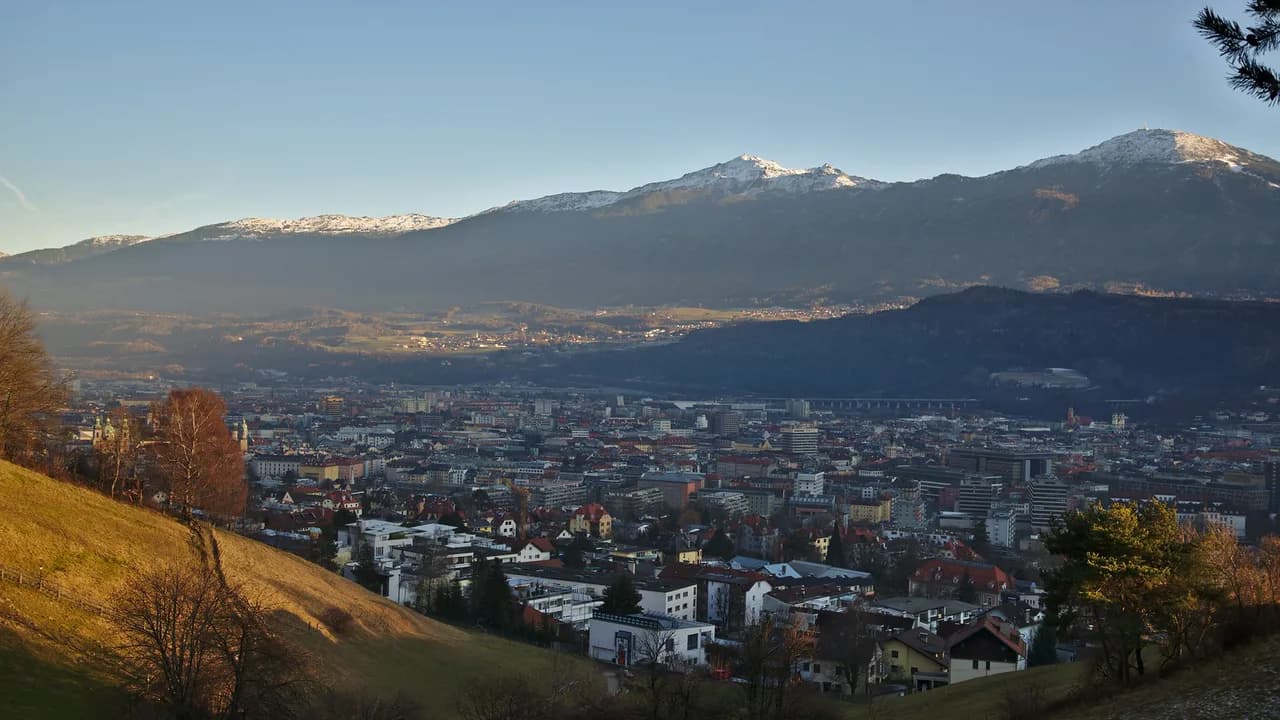
November days are short, and the mountains around Innsbruck close the valley early. Dusk arrives well before you might expect for the latitude, and by late afternoon the light is already draining from the streets. Plan viewpoints for the middle of the day and save indoor stops for the afternoon rather than the reverse.
That shadowed valley is also why November feels colder than the thermometer suggests in the city center. If you are taking the Hungerburg funicular up toward the Nordkette, go early enough to have usable daylight at the top, and remember that conditions on the mountain can differ sharply from the street below.
What Is Open in November
Much of what people come to Innsbruck for operates through November. The Alpenzoo, the old town's shops and museums and the Kristallwelt attraction are established city sights, and the Alpenzoo is especially popular with families, reachable by the Nordkettebahn or the city bus. The old town also holds a Swarovski store, described as a smaller alternative to the dedicated crystal attraction.
What changes is the mountain side. Low-elevation hiking, sledding and skiing all depend on how much snow has fallen, and in a mild November the picture is patchy rather than fixed. The reliable answer is to decide your plan once you are there, based on local snow and avalanche reports, rather than booking a single activity months ahead.
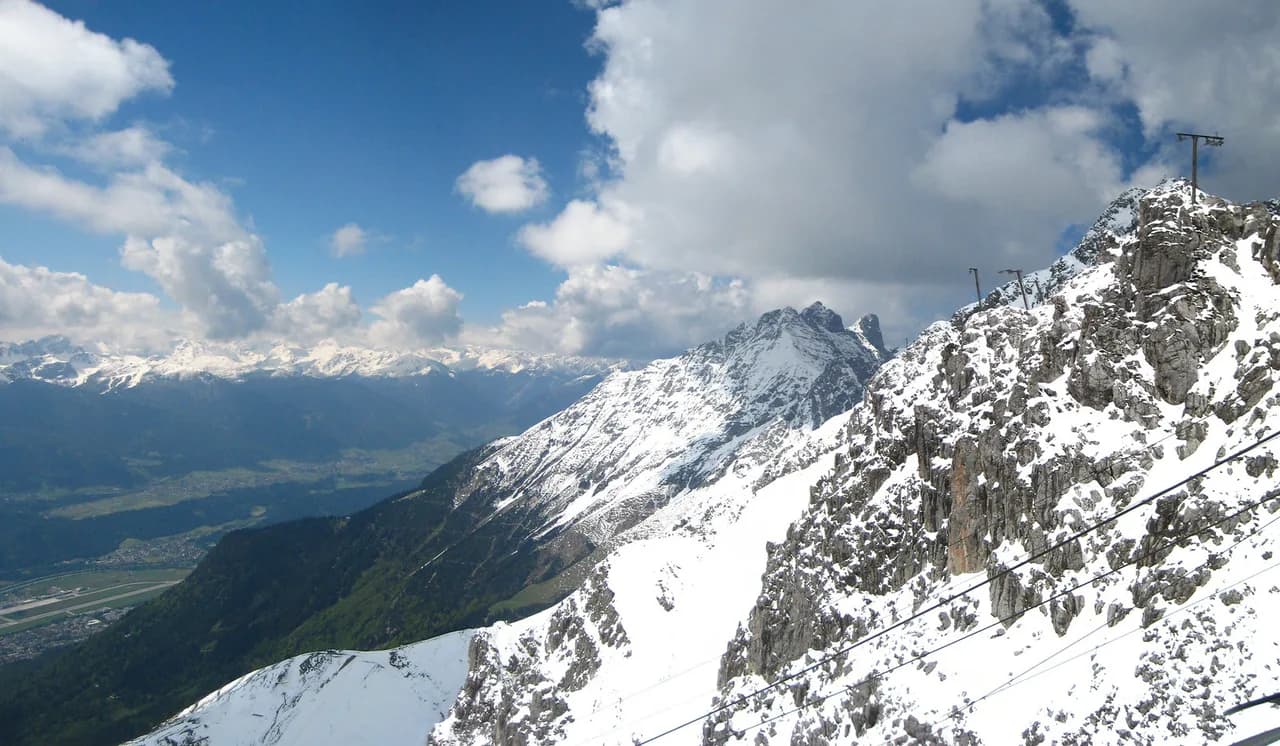
Some high mountain areas hold snow even when Innsbruck itself is mild. The Stubaier Gletscher, about an hour and a half from the main station on a dedicated ski bus route, is described as having snow even in warmer winters, and Obergurgl and Sölden lie further out. For most November visitors this is a backup rather than the main event.
Valley Snow Versus Mountain Snow
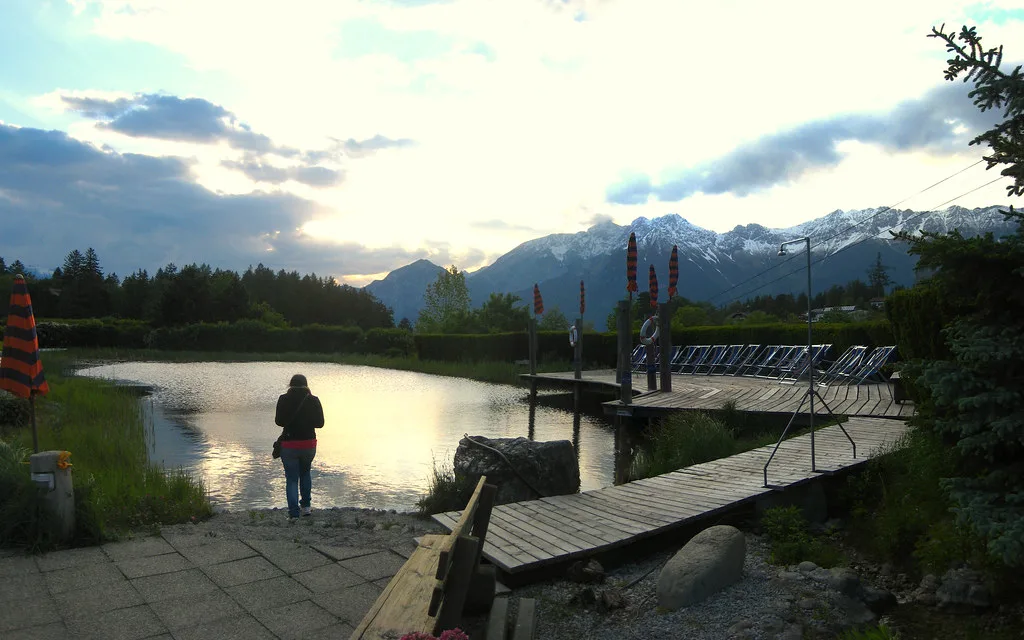
The defining feature of a warm November is the gap between the city and the peaks. In recent mild winters, the lower slopes around Innsbruck have stayed green into late December, with far less snow than a typical March, while snow remained visible on the Nordkette. That pattern means you can often see white summits from the valley without finding any snow underfoot.
For planning, this splits your options. Snow-dependent activities such as sledding courses and ski touring should be treated as available only if the season cooperates, while walks, city sights and train trips work regardless. Build a November trip around the second group and treat the first as a bonus.
Things to Do Without Snow
Hiking in a mild November is the surprise of the season. When the lower slopes stay clear, paths up toward mountain cabins above the city become walkable, with the Umbruggler Alm noted as a favorite overlooking Innsbruck. Allow anywhere from about an hour to three hours to climb, depending on your pace and route, and check avalanche warnings before committing to anything higher.
The Patscherkofel offers a gentler high option. Taking the lift up and walking from the station toward the summit gives wide views back over Innsbruck and into the Stubaital, and the trail is broad and easy to follow. In fresh snow you may want snowshoes, which can be rented at the Intersport at the base; on firmer days, boots with traction are usually enough.
The Alpenzoo makes an easy half-day when the weather turns, focusing on animals native to the Alps and drawing families in particular. Pair it with a slow lunch and an hour in the old town, and you have a solid wet-weather day without leaving the city.
Sledding and Ice Skating
Sledding, or rodeling, is a genuine Austrian winter pleasure, but it is the most snow-sensitive item on the list. Courses open depending on how much snow the area has received, so a mild November can leave them shut while a cold snap opens them quickly. Full gear, including a helmet, is part of the deal because speeds pick up fast on the descents.
Ice skating is more dependable. There is a small rink in front of the Sillpark shopping mall and several more in nearby villages, which gives you a low-commitment option for an evening. Natural ice on lakes is another matter entirely, and in a mild November the temperatures usually rule it out.
Rainy-Day Options and Food
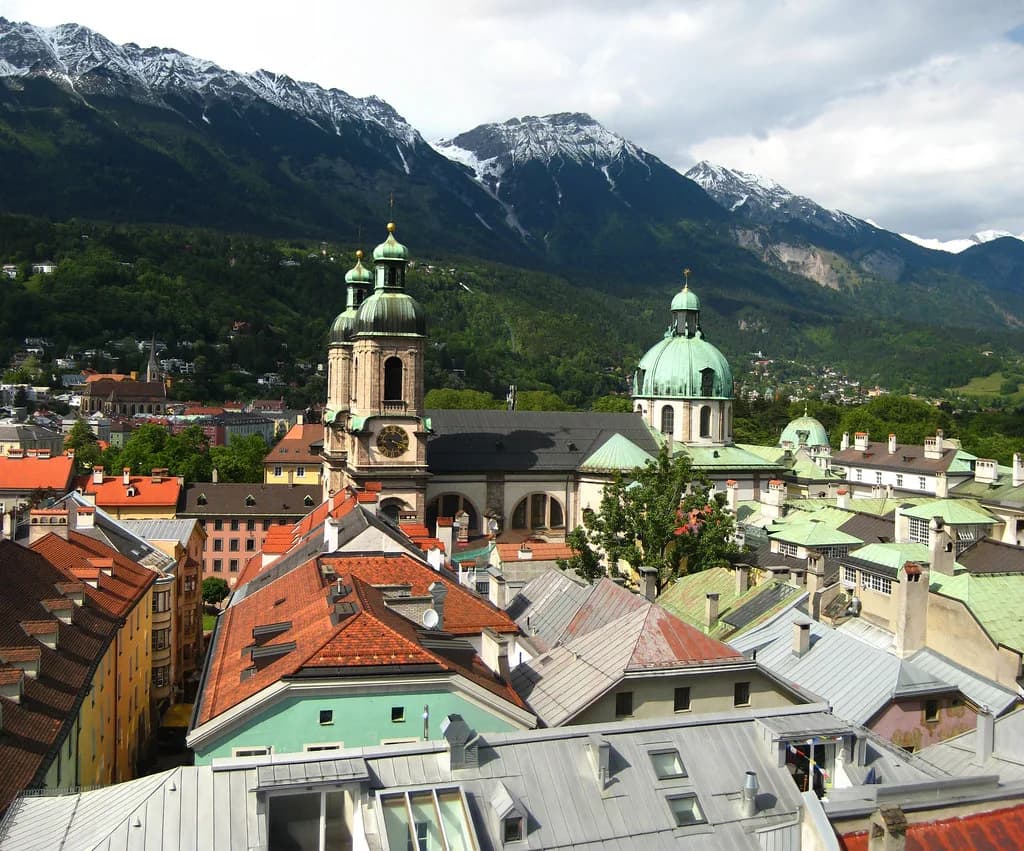
A wet afternoon in Innsbruck is best spent slowly in the Altstadt. The covered lanes and arcades let you move between shops and cafes without getting soaked, and the Golden Roof area gives you a natural anchor for a short walk when the rain eases. This is also where the smaller Swarovski store and its crystal gallery fit neatly into an indoor hour.
Food is the other reliable plan. Mountain cabins above the city, such as the Umbruggler Alm, serve hearty meals with valley views when the paths are clear, and in town the cafe culture rewards a long sit. Build at least one unhurried indoor meal into each day rather than treating it as time lost to the weather.
Day Trips by Train
The S-Bahn toward Seefeld is one of the best-value bad-weather outings in the region. The line climbs through the mountains, and one stretch runs along a ledge with a sheer drop into the valley below, giving you a full scenic experience without leaving your seat. It works in rain and low cloud, which makes it a strong backup plan.
Longer train runs toward Mittenwald and Munich offer similar views with more time on board, and the local trains keep running through the season. Treat these as half-day trips rather than full-day excursions in November, when daylight runs out early. For a wider look at the country in this month, see the Austria in November guide.
Late-November Christmas Markets
Innsbruck's Christmas markets traditionally run before Christmas itself, so late November is when the first stalls and lights begin to appear. Innsbruck in November is therefore a reasonable early taste of the season without the full December crush. Exact start dates and locations shift from year to year, and the tourist office publishes the confirmed schedule, so check it before you plan a trip around a specific market.
Crowds, Prices and Who November Suits
November is one of the quietest months in Innsbruck. Visitor numbers are at their lowest between the autumn walking season and the Christmas markets, which usually means more space in museums, easier tables in restaurants and softer room rates than December. Prices rise as the markets approach at the end of the month, so an early-November trip is calmer than a late one.
The trade-offs are real: short days, frequent rain and no guarantee of snow in town. Travelers who want festive atmosphere, reliable mountain snow or long outdoor days should look at Innsbruck in December or wait for January. Those who want the city without the crowds, and are happy to plan around the weather, get a quieter and often cheaper version of Innsbruck.
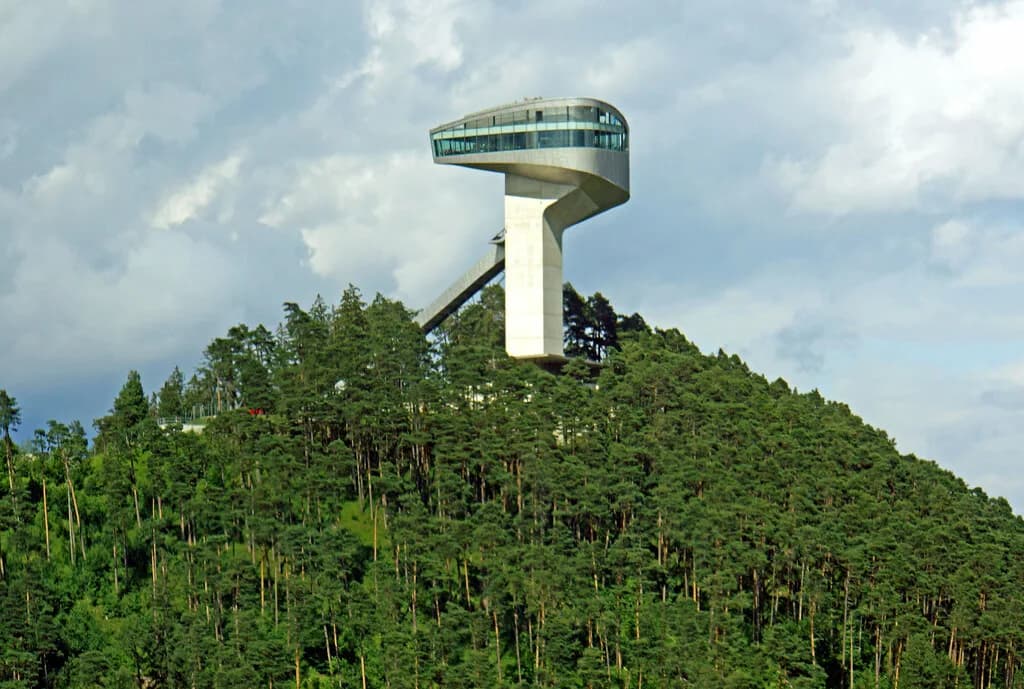
Special events change each year, and the tourist office has the current list. Ski jumping tournaments, including the well-known Four Hills competition, are traditionally part of the winter calendar, but confirm the Innsbruck dates and ticket availability directly with the organiser rather than relying on older schedules.
Plan Your November Trip
A November trip to Innsbruck works best as a flexible city break with mountain options built in. Book the accommodation early in the month for the quietest conditions, keep one indoor day ready for rain and one clear day for the Patscherkofel or a valley walk. Snow is a bonus, not a promise.
If Christmas markets are the draw, aim for the last week of November and confirm dates with the tourist office before booking. If deep snow and winter sports are the point, wait until later in the season and compare December and January before you commit.
Explore more Innsbruck winter guides
Frequently Asked Questions
What is the weather like in Innsbruck in November?
November is cool and often wet at valley level, with typical highs around 8°C (46°F) and lows near -1°C (30°F). Roughly half the month sees rain, so plan on a mix of grey, damp days and brighter breaks, and treat the figures as long-term averages rather than a forecast.
Is there snow in Innsbruck in November?
Sometimes on the mountains, rarely in town. In mild years the lower slopes and the city stay green while snow remains visible on the Nordkette, and reliable snow sits higher up or on the glaciers. Check local snow reports before planning any winter activity that depends on it.
Is November a good time to visit Innsbruck?
It is a good month for a quiet, low-cost city break with mountain walks when conditions allow. It is a poor choice if you want guaranteed snow, long daylight or a full Christmas-market atmosphere. Late November begins to bring festive stalls and more visitors.
How many days are enough in Innsbruck?
Three to four days covers the Altstadt, the Alpenzoo, a mountain outing and a train trip toward Seefeld with time to spare for a wet afternoon. Add a day if you want a longer excursion or a relaxed glacier visit, and keep the plan loose to allow for weather.
What can you do in Innsbruck in November without skiing?
Plenty: the Alpenzoo, the old town and its shops and the Kristallwelt attraction all suit wet days, while the Patscherkofel and lower mountain cabins offer walks when snow is light. The S-Bahn to Seefeld makes a strong bad-weather half-day.
Sources
Winter travel notes
Optional updates when we add or revise winter guides.
You might also like
Continue reading
More guides you'll find useful