New Year's Eve in Innsbruck: Midnight Fireworks Guide
Plan New Year's Eve in Innsbruck with typical late-December weather, markets open past Christmas, midnight viewpoints and quiet options on New Year's Day.
On this page
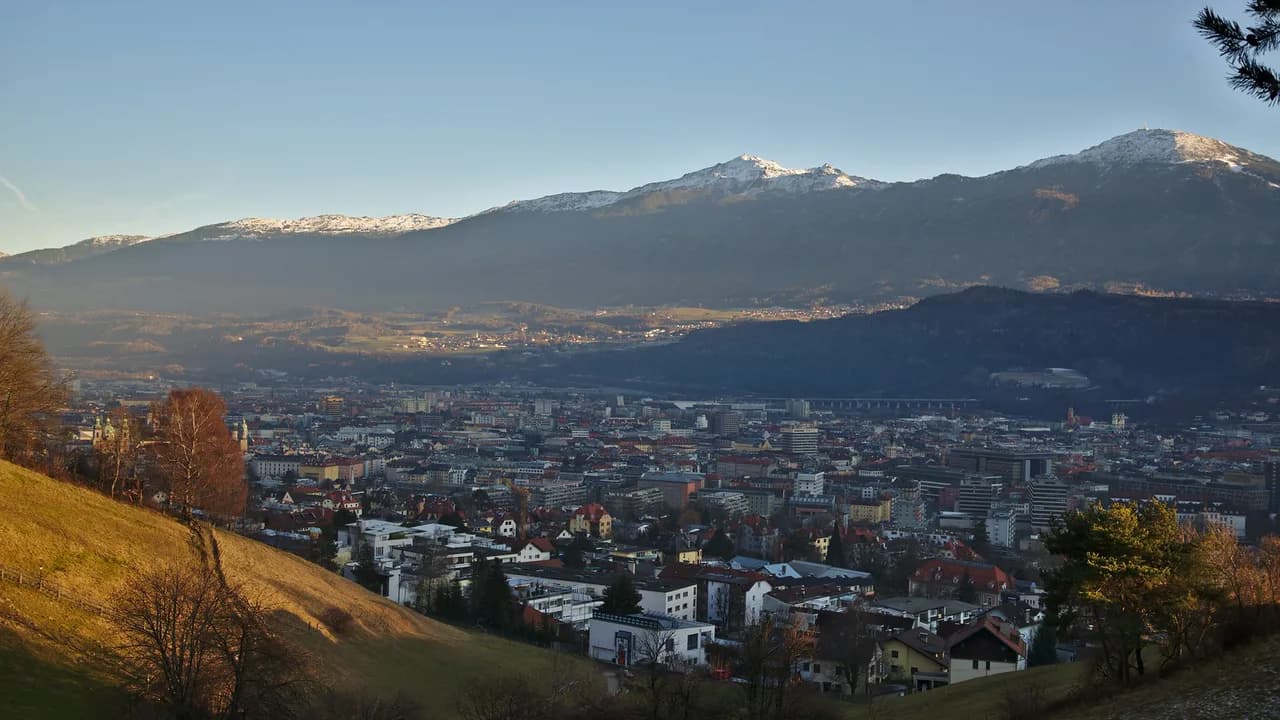
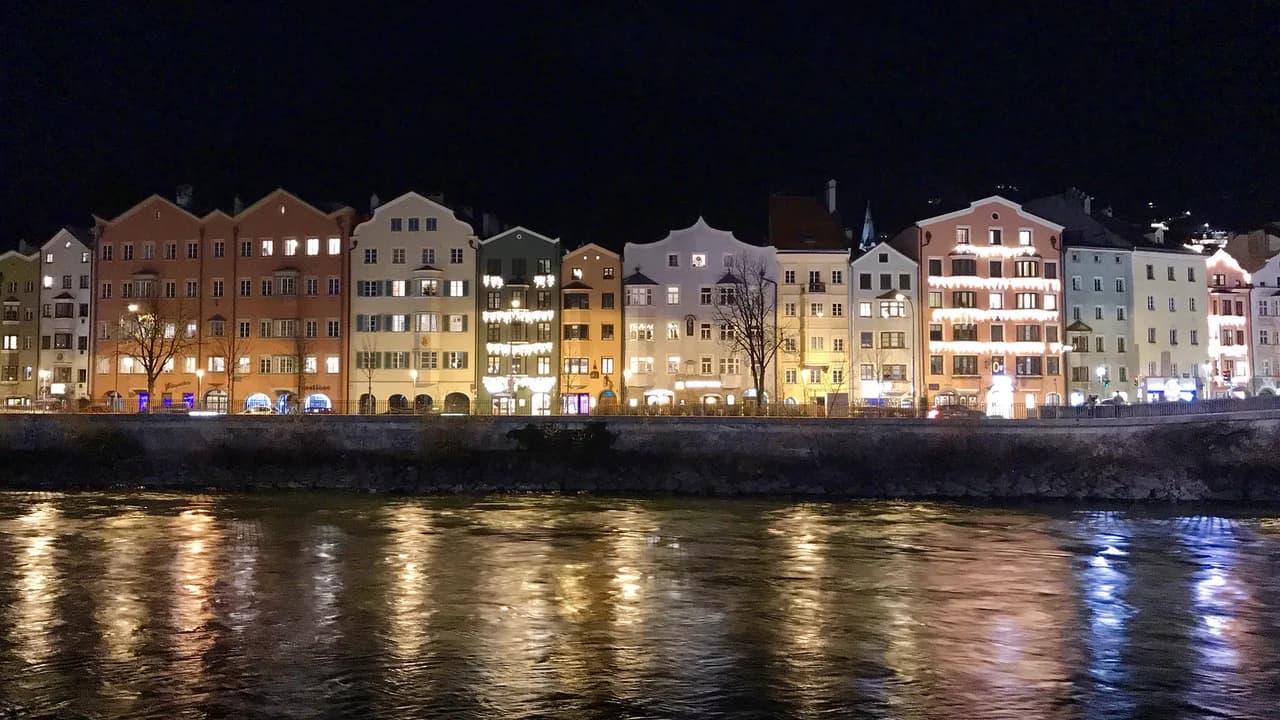
Innsbruck on 31 December is a compact Alpine city with the party on the street: a medieval Old Town, a river running through it and a wall of mountains close enough to frame whatever happens in the sky. The city suits cold-tolerant travelers on a short break who want a walkable center, real food and a mountain ride within one day. Anyone hoping for a balmy outdoor countdown or a beach-club atmosphere should look at a different week or a different city.
The 2026–27 calendar helps: Christmas Day falls on a Friday and New Year's Day on a Friday, so a three-day stay can cover the gap between the two without taking much leave. Plan around darkness and cold rather than around a fixed schedule of events, because the city's New Year's Eve program changes year to year.
Weather in Late December
Expect genuinely cold, not decorative cold. Around the turn of the year, daytime temperatures in Innsbruck are typically in the low single digits Celsius, roughly 2°C to 6°C (36°F to 43°F), and nights drop to around -2°C to -4°C (28°F to 25°F); figures are long-term averages, not a forecast, so treat them as the wardrobe and planning baseline rather than a promise.
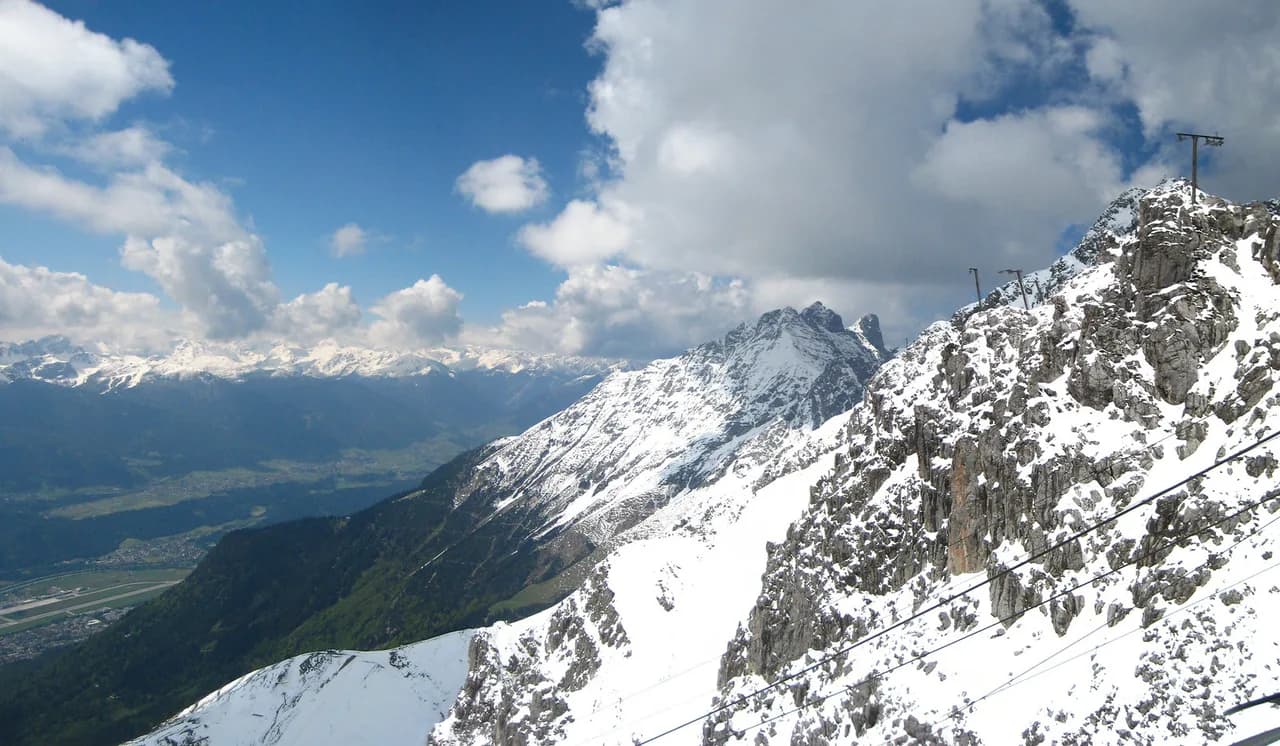
Snow is the question everyone asks. Innsbruck sits in a valley, so the streets often stay clear while the Nordkette above them is white, and that contrast — gray city pavement, snowy peaks — is the normal late-December look; the mountains around the city hold snow far more reliably than the valley floor. Short days matter as much as temperature: at the end of December you get roughly eight and a half hours of daylight, with sunset before 17:00, so build the outdoor part of the day around late morning and early afternoon. The dark evenings are exactly what the Christmas lights and the city's illuminated lanes are for.
What Stays Open Between Christmas and New Year
The week between Christmas and 31 December is a mixed picture. Many of Innsbruck's Christmas markets close before Christmas — the Old Town market under the Golden Roof and the family-oriented Marktplatz market both end on 23 December — so if the market glow is central to your plan, arrive earlier rather than later, which is also the logic behind planning Christmas in Innsbruck separately from the New Year's trip.
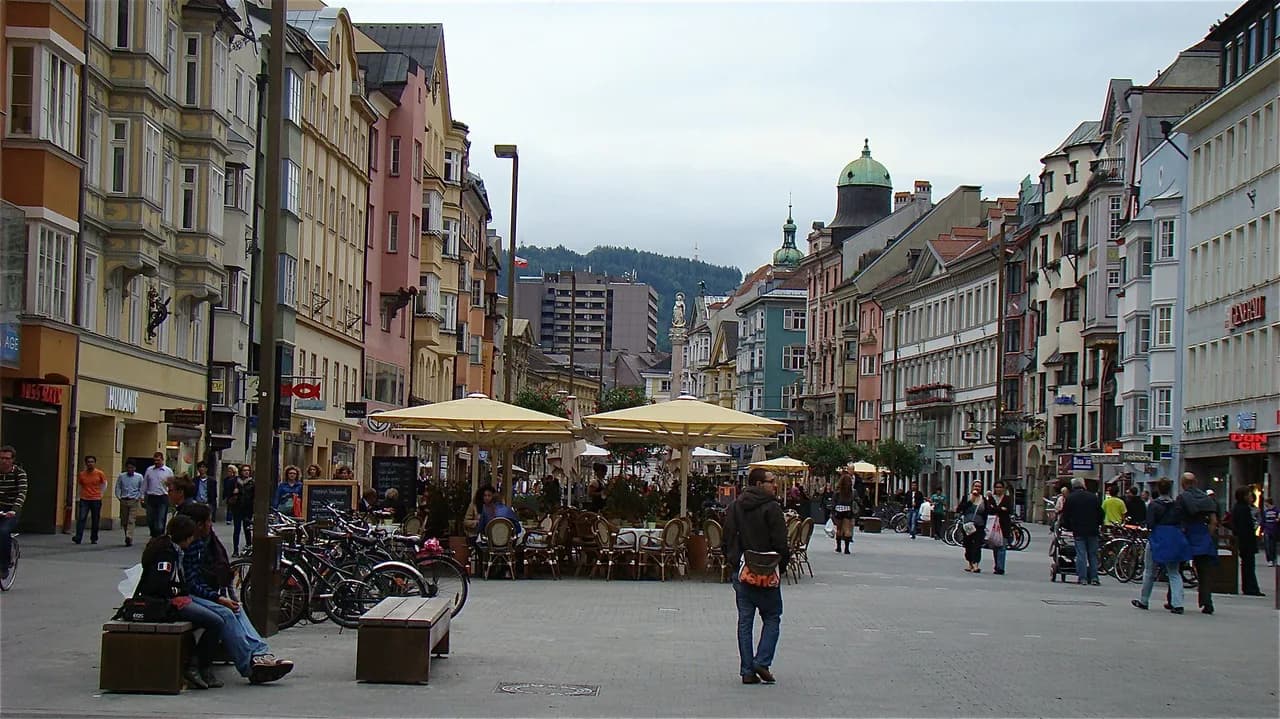
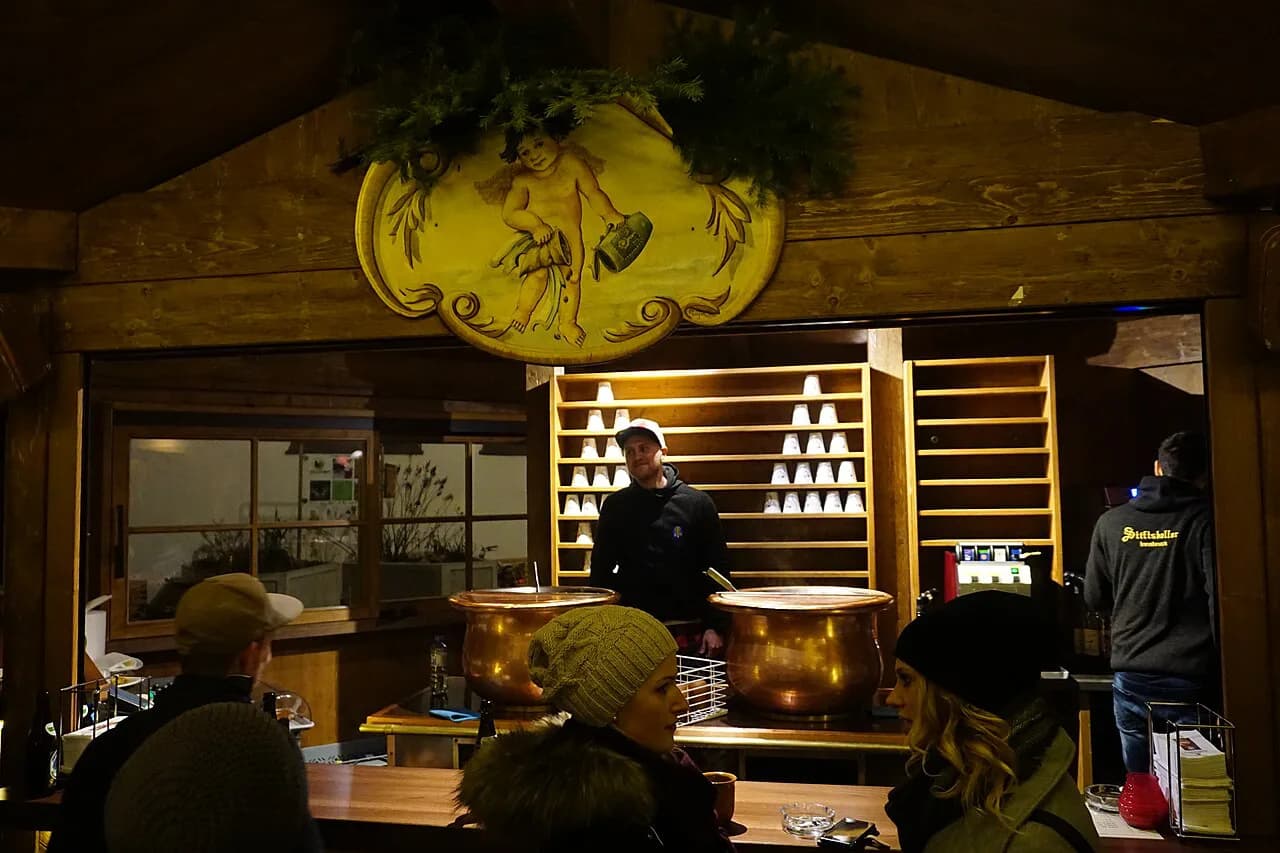
Two markets run into the new year: Maria-Theresien-Strasse stays open until 6 January, with shorter hours on 24 and 31 December and a closure on Christmas Day itself, and the small Hungerburg market above the city also runs to 6 January. That gives you a realistic 31 December plan: a market drink on the main shopping street in the afternoon, then a move to wherever you watch midnight. Museums and mountain lifts run reduced holiday timetables in this period, so check the current hours with the museums and with the Nordkette lift company before you travel.
Midnight in the City
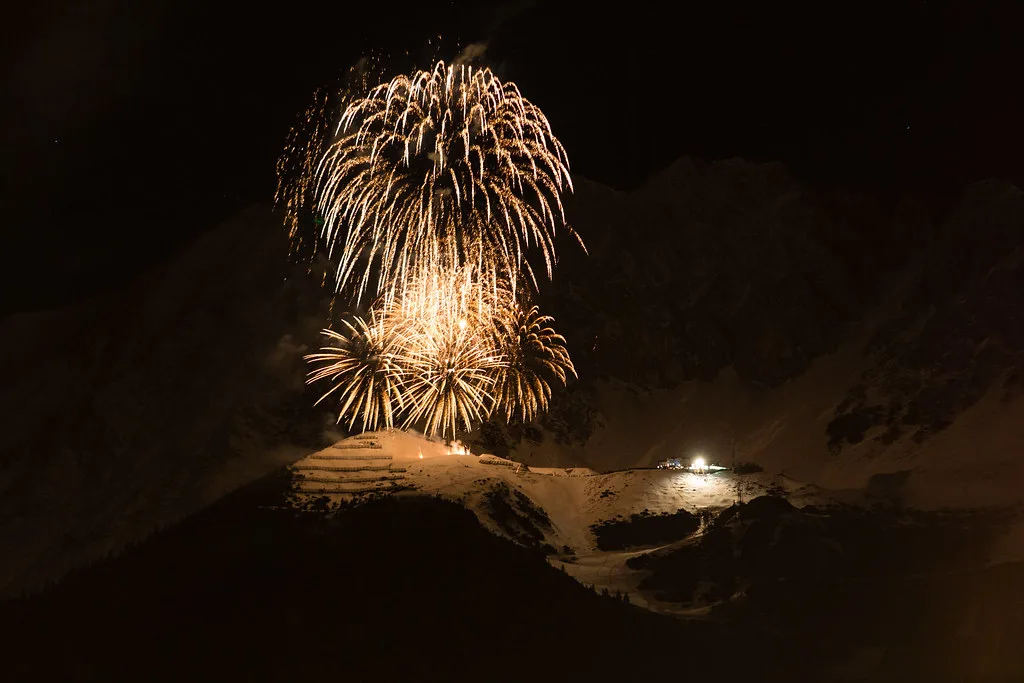
Innsbruck's midnight is a street-and-skyline event rather than a ticketed party. Crowds gather in the Old Town and along Maria-Theresien-Strasse, and the fireworks people talk about are the ones rising over the Nordkette behind the city rather than a display staged in a single square. Hotel rooftops are the classic vantage point — the Penz Hotel's rooftop bar is one of the well-known spots for watching the fireworks over the mountains — but those spaces fill and are usually reserved for guests or diners, so decide early whether you want a booked table with a view or a public square with a crowd.
If you would rather watch from higher up, look at what the Innsbrucker Nordkettenbahnen actually run that night before you commit. Travelers regularly debate whether a Nordkette ride on 31 December is worth it, and the answer depends entirely on the night's lift schedule, which the Nordkettenbahnen set each season. Have a city-center fallback: the riverbank near the Innbrücke and the broad pedestrian streets give open views uphill without any ticket at all.
A word on timing: nobody should plan a 31 December around a published fireworks hour unless the city or a venue has announced it. What is reliable is the shape of the evening — markets and restaurants busy from late afternoon, the Old Town packed from around 22:00, and a cold walk home after midnight when the streets empty quickly. Book dinner ahead if you want a table, and expect taxis and the night bus to be stretched in the hour either side of midnight.
Getting Up the Mountain
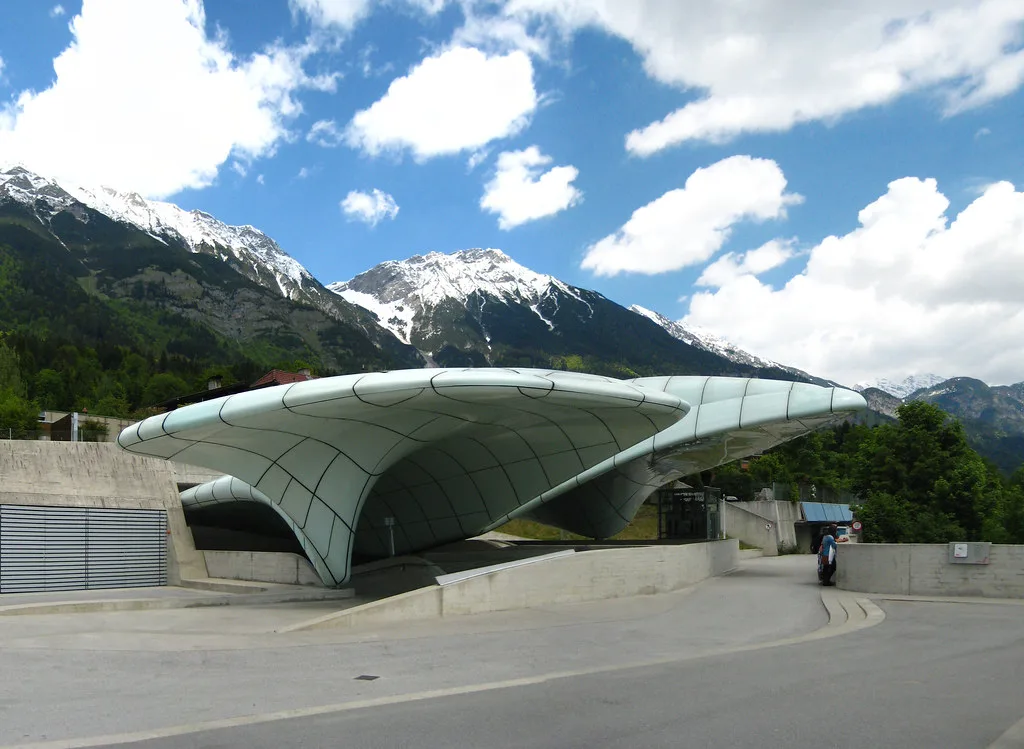
The Nordkette is the reason Innsbruck's New Year's Eve feels different from any other city's. The Hungerburg funicular, designed by Zaha Hadid, climbs from the Congress station near the Old Town to Hungerburg in under fifteen minutes, and from there a cable car continues to Seegrube and on to Hafelekar. In daylight this is the single best thing to do in Innsbruck in winter for non-skiers: you go from cobblestones to snowline in half an hour and get the whole city and the Inn valley laid out below.
For 31 December, decide between two versions of the evening. The mountain-station version means riding up before dark, eating at Seegrube and watching the city's fireworks from above — spectacular, but you are dependent on the last descent and on the lifts running at all. The city version means staying low, watching the fireworks rise against the Nordkette and keeping warm in bars and cafés between views. The first is more memorable when it works; the second is more forgiving if the weather turns.
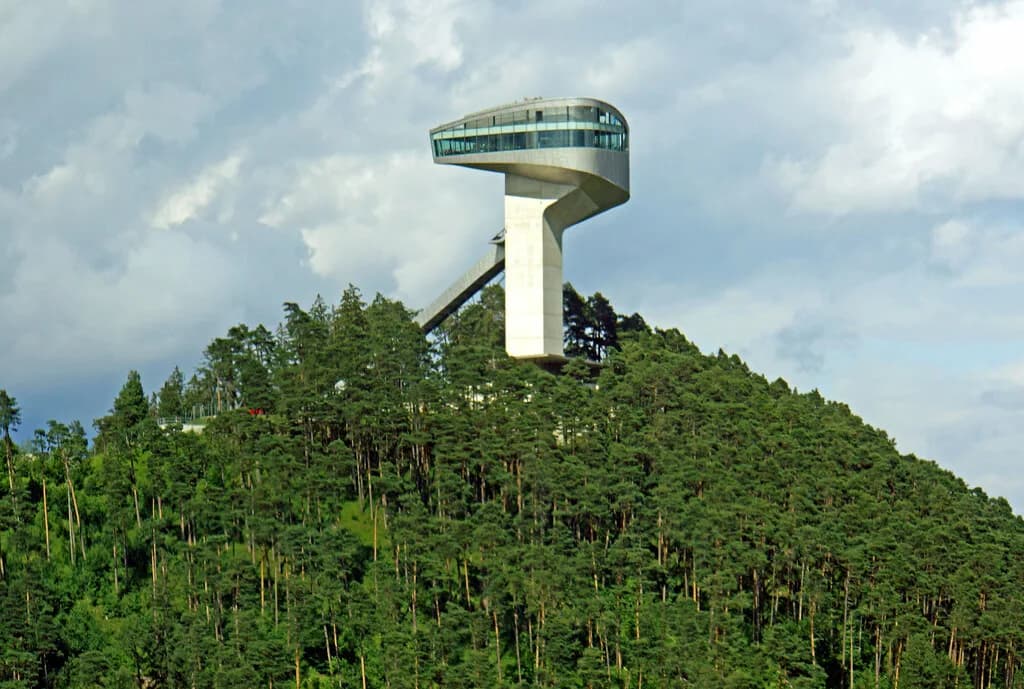
If the Nordkette is closed or booked out, the alternatives are the Bergisel hill with its Olympic ski jump and the Patscherkofel cable car on the other side of the valley. Both give elevation and open sky, both need a check of holiday operating hours, and both involve a bus or a drive rather than a walk from your hotel. If you are in town earlier in the month, the same logic powers things to do in Innsbruck in winter, from the river walk to the Tirol Panorama.
New Year's Day
1 January 2027 falls on a Friday, and Innsbruck wakes up late and quiet. Many shops and restaurants stay shut or open in the afternoon, the Christmas markets on Maria-Theresien-Strasse and at Hungerburg resume their normal holiday hours, and the Old Town is at its best for a slow walk with almost nobody in it. Use the day for the Golden Roof and the arcaded lanes, then duck into the Hofkirche to see Emperor Maximilian's cenotaph and the 28 bronze figures standing guard around it.
For a longer indoor stretch, Ambras Castle above the city opens its Renaissance collections and armory, and the Hofburg's imperial rooms give you an hour or two out of the cold. The Tirol Panorama on Bergisel hill pairs a huge 360-degree painting of the 1809 Tyrolean rebellion with views over the city when you come back out. These are the right anchors for a day that ends in darkness by half past four.
A Calmer 31 December
Not everyone wants a packed square at midnight. The Bergisel Kaiserweihnacht, a small market on the hill below the ski jump, runs on selected weekends and holiday dates through December with fires, glühwein and views over the city lights — a good early-evening stop before you head back down. Wilten and St Nikolaus, the neighborhood markets across the river, close on 23 December, so they belong to the pre-Christmas part of the trip rather than the New Year's one.
Mountain restaurants are the other quiet option: a long lunch or early dinner at Seegrube or at a hut above Igls, then a descent before the fireworks start. This suits families with younger children and anyone who would rather be warm at midnight than cold and crowded. It also sidesteps the biggest practical risk of the night, which is standing on icy cobblestones for hours in sub-zero temperatures.
Day Trips in the First Week of January
The days after New Year are good for short trips out of the city. Hall in Tirol, twenty minutes away, has a compact medieval center and a mint museum, and it is far quieter than Innsbruck in the same week. Swarovski Crystal Worlds in Wattens, a short bus or shuttle ride from town, runs its indoor chambers and gardens all winter and is the obvious rainy-day choice with children.
Seefeld, up on the plateau, gives you a pedestrian village center and flat walking rather than a resort itinerary, and the ride there is part of the appeal. If you want a second cable car after the Nordkette, the Patscherkofelbahn climbs Innsbruck's local mountain for a different angle on the valley. Check winter timetables for each before you set out, since some mountain lifts and smaller sights reduce service in early January. For a broader view of what the season offers, the full winter guide to the city covers the rest.
What a New Year's Trip Costs You
The trade-offs are real. You get short days, sub-zero nights, icy pavements and holiday closures, and you accept them in exchange for a city that is at its most atmospheric and least crowded outside the core holiday week. Hotel rates peak between Christmas and 2 January and drop sharply afterwards, so a stay that starts on 1 or 2 January is noticeably cheaper than one that straddles the night itself. Restaurants in the Old Town book out for 31 December, so reserve as soon as your dates are fixed.
Access is straightforward. Innsbruck's airport sits a short bus ride from the center, and the main station puts Munich, Verona and Vienna within a day's train travel. Within town you can walk almost everything in the Old Town and along the river, and the trams and buses cover Ambras, Bergisel and the Congress station for the mountain lifts.
Who Should Come for New Year's Eve
Come to Innsbruck for 31 December if you like cold-weather cities, want mountains framing your midnight and are happy to plan around darkness and a booked dinner. It is a strong choice for couples and for families with older children who can stay up, and for anyone combining a city break with one or two days on the slopes without making skiing the point of the trip.
Choose another week if you want long daylight, guaranteed snow on the streets or a big organized party with a published program. Late January and early February give you the same city with more snow in the mountains and cheaper rooms, while the days after New Year give you the quiet version of everything described here. Either way, lock in the two things that cannot be improvised: a table on 31 December and a plan for getting home after midnight. If a bigger, more formal midnight is what you are after, compare this with New Year's Eve in Austria elsewhere before booking.
Explore more Innsbruck winter guides
Frequently Asked Questions
What happens in Innsbruck on New Year's Eve?
The center fills with people through the evening, with the Old Town and Maria-Theresien-Strasse busiest close to midnight. Fireworks are typically set off over the Nordkette and watched from streets, squares and hotel rooftops. There is no single ticketed event that everyone attends, so the night is what you make of it: a market drink, a booked dinner and a chosen viewpoint.
Where can you watch the fireworks in Innsbruck?
Public streets and squares in the Old Town give open views uphill toward the Nordkette, and the riverbank near the Innbrücke is another free option. Hotel rooftop bars, including the Penz Hotel's, are popular but fill with guests and diners. Higher viewpoints such as Seegrube depend on the lifts running that night, which is set each season.
Are the Innsbruck Christmas markets open on New Year's Eve?
Some are. Maria-Theresien-Strasse and the Hungerburg market run until 6 January, with reduced hours on 31 December. The Old Town market under the Golden Roof and the Marktplatz market close on 23 December, so they are gone by New Year's Eve.
Is Innsbruck worth visiting for New Year's Eve?
Yes, if you want a compact, walkable city with mountains overhead and are prepared for cold, dark evenings. It suits short breaks and travelers who prefer an outdoor, informal night to a gala. If you want guaranteed street snow or a large organized celebration, another week or another city fits better.
What is open in Innsbruck on New Year's Day?
Expect a slow start: many shops and restaurants stay closed or open later, while churches, the Old Town streets and some museums welcome visitors. Ambras Castle, the Hofburg and the Hofkirche are the reliable indoor anchors. Market hours on Maria-Theresien-Strasse and at Hungerburg resume their holiday schedule, and the mountain lifts run a holiday timetable.
Sources
Winter travel notes
Optional updates when we add or revise winter guides.
You might also like
Continue reading
More guides you'll find useful