Innsbruck in January: Weather, Crowds and What's Open
Innsbruck in January brings cold valley days, snowy peaks and post-holiday calm. See typical weather, what stays open, and whether the month suits your trip.
On this page
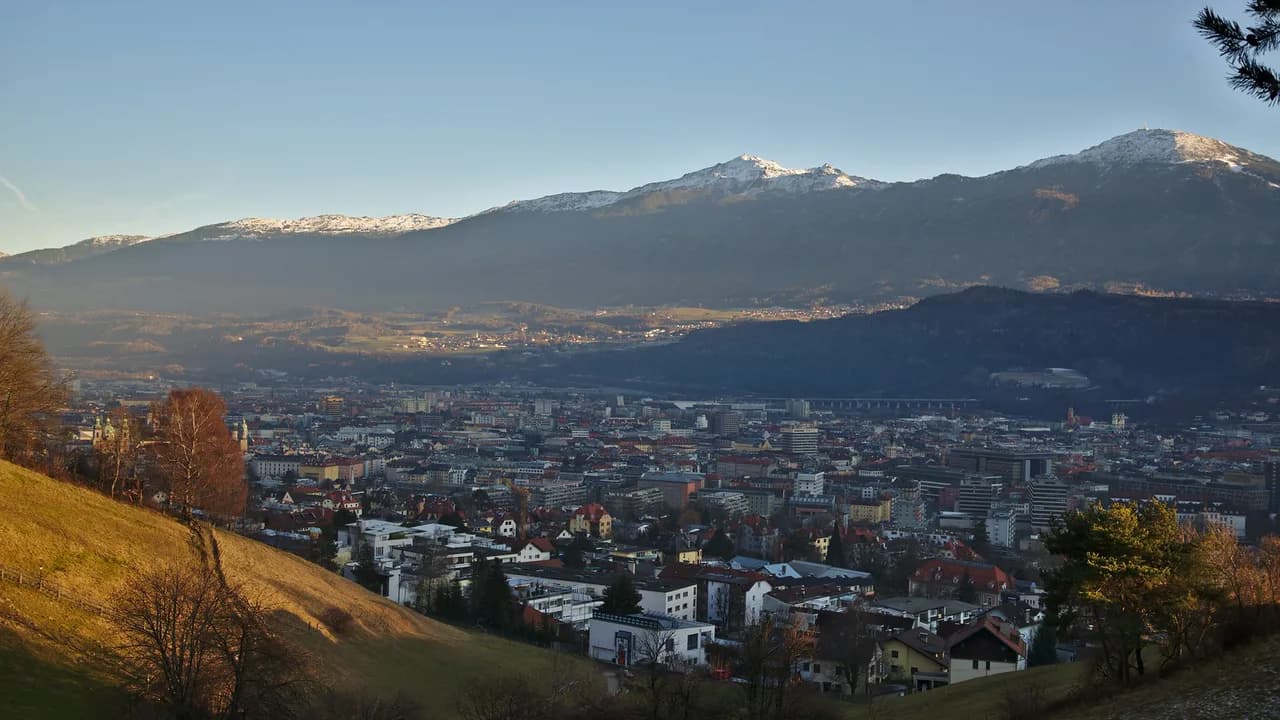
January in Innsbruck is a valley city at its calmest: the festive crowds have gone home, the streets are cold and often clear, and the Nordkette peaks above town stay reliably white. Days are short and the air is sharp, but you get the Golden Roof, the imperial palaces and a mountain railway from the center without the December queues.
It suits travelers who want a real Austrian city with alpine scenery attached and no interest in a ski pass, and who can accept a short afternoon. Anyone chasing long daylight hours, warm café terraces or guaranteed street-level snow should look at a spring or summer trip instead.
Why January suits Innsbruck — and who should pick another month
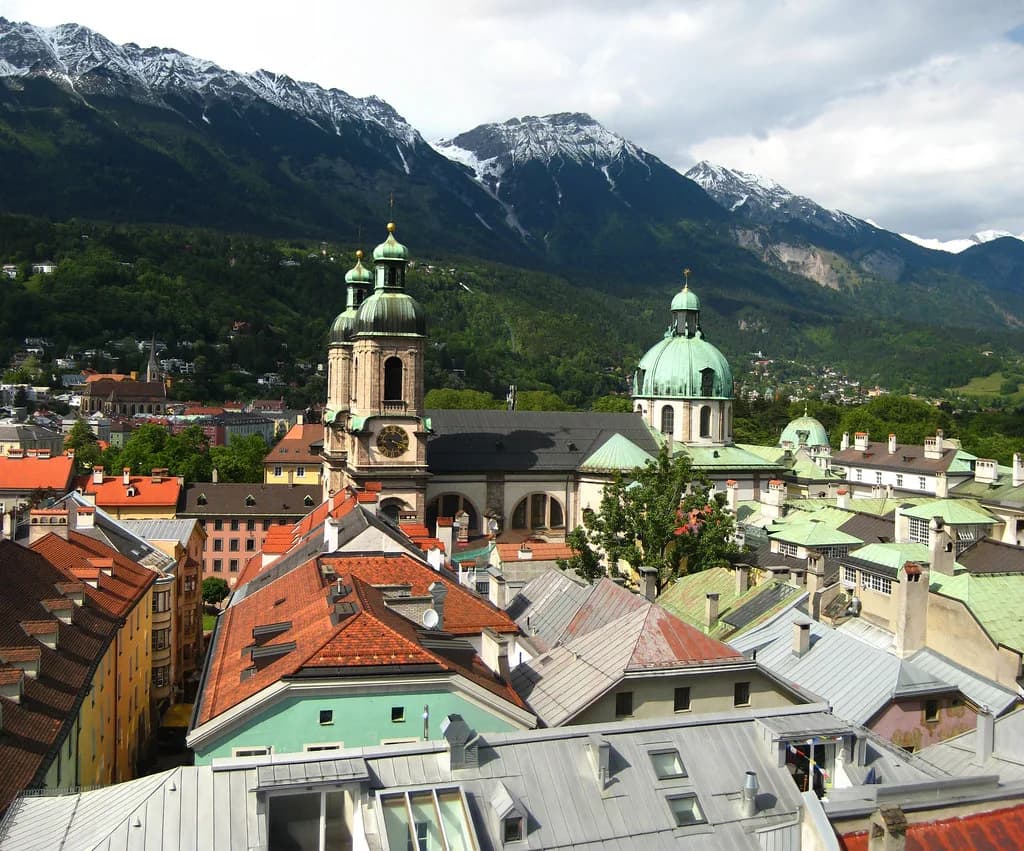
The case for January is contrast: a compact historic center where pastel facades and the Golden Roof sit directly beneath steep, snowy mountains, plus a cable car that takes you from street level to high alpine terrain in under half an hour. With the holiday season over, museums and churches are easier to enjoy at your own pace, and you can walk the Inn riverbank without jostling for the classic photo angle.
The counter-argument is light and atmosphere. January is the coldest stretch of the alpine year, the Christmas markets are finished, and the daylight window is narrow enough that a long museum morning can eat your only bright hours. If you want markets, festive lights and a buzzing Old Town, December is the better fit; if you want maximum snow reliability and don't mind cold, this month works well.
For context on how the whole season behaves, from first snow to the last cable-car weekend, the broader guide to Innsbruck in winter covers the arc from November through March and helps you place January within it.
January weather in the valley: typical highs, lows and snow
Typical winter conditions in Innsbruck run from about -2°C to 6°C (28–43°F), with bright, cold, sunny days alternating with heavier snowfall. Those are long-term averages rather than a forecast, so treat them as the range to plan around rather than a promise for any given week.
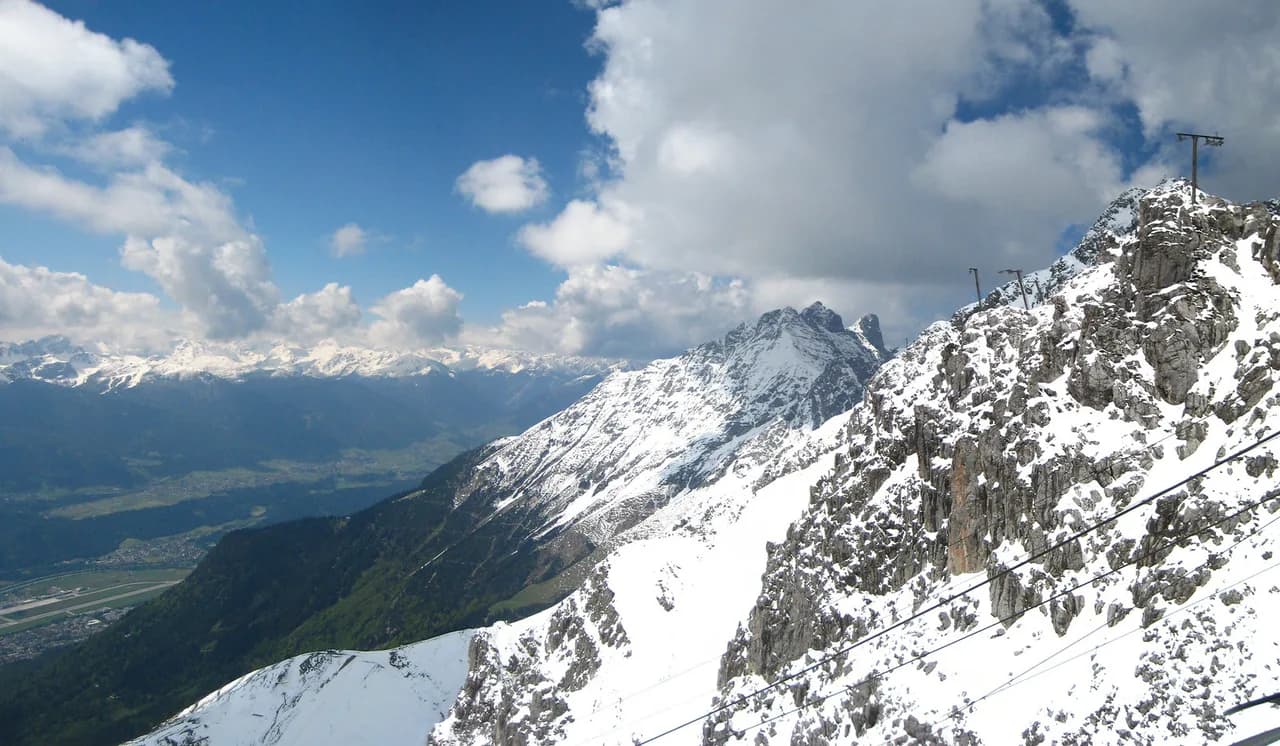
Snow is common in December and January, but the city sits in a valley, so the streets often see less accumulation than the surrounding mountains. In practice that means you can usually count on white peaks framing the town even when the pavements are clear, which is exactly the backdrop most people come for. Snowfall varies a lot year to year, so expect a mix rather than a guarantee.
The practical consequence is layering for two different climates in one day: a sheltered, often dry valley floor and a wind-exposed mountain station a few hundred meters higher. Rain in town can be snow at Seegrube, and a sunny center does not mean a clear summit, so build flexibility into which day you ride up.
Daylight and sunshine: planning around short days
January daylight is short, and the sun stays low, so the usable bright window is roughly late morning to mid-afternoon. Plan outdoor time — the riverbank, the Old Town arcades, a mountain viewpoint — for the middle of the day and keep museums, churches and cafés for the edges. Day length improves noticeably by the end of the month, so a late-January visit gives you a little more margin than the first week.
Because the valley is ringed by mountains, some parts of town lose direct sun earlier than the open riverbank or the higher districts. If photography matters to you, aim for the hours around midday, when low winter light hits the pastel houses along the water most flatteringly. Save the indoor highlights for the dim late afternoon rather than racing between them at noon.
What January changes: post-holiday closures and winter timetables
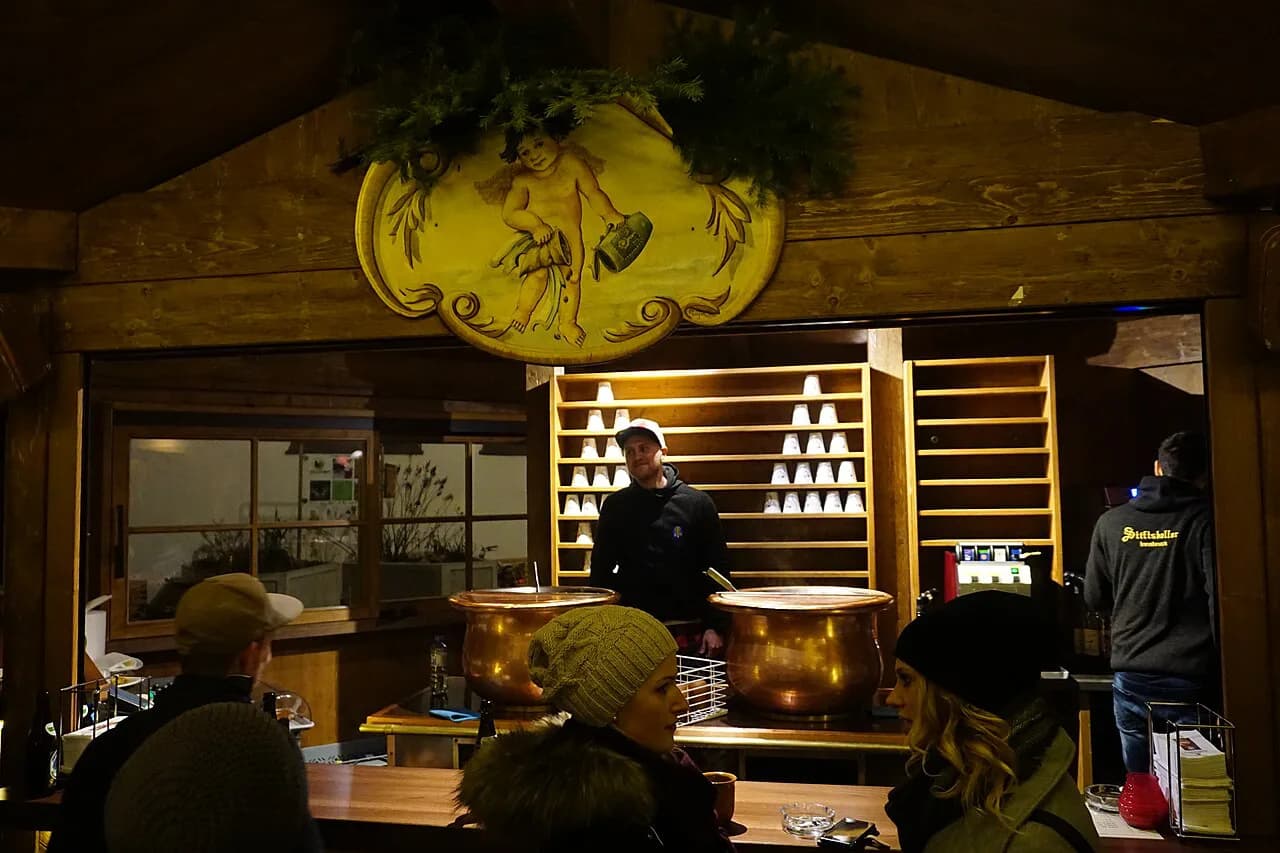
The Christmas markets around the Old Town, Marktplatz, Maria-Theresien-Strasse and Hungerburg finish before January, so you arrive to a city without wooden stalls or mulled-wine stands. What remains open is the core sightseeing: the Golden Roof, the Hofburg, the Hofkirche, Ambras Castle and Tirol Panorama, along with the mountain lifts that serve walkers and viewers as well as skiers. The Christmas in Innsbruck guide is the place to look if markets are the reason for your trip.
Winter timetables matter more than in summer: mountain railways and cable cars run reduced schedules, some high stations operate weather-dependent, and smaller attractions may shorten their days. Cable-car and funicular operators publish their winter operating calendars, and the Innsbruck City Card bundles admission to several sites with transport, which is worth pricing against your list before you commit.
The shift is social as much as logistical: with the holiday visitors gone, restaurants and coffeehouses are less harried, and you can often walk into places that need bookings in December. Austria in January is a broader picture of the same pattern, useful if you are combining Innsbruck with Vienna or Salzburg.
What is on in January: Four Hills Tournament and Epiphany
The one big date in the Innsbruck winter calendar is the Four Hills Tournament, the ski-jumping competition that stops in the city in early January. It is a spectator event rather than something you participate in, and it briefly fills accommodation and the Bergisel area, so book around it if your dates overlap.
Epiphany falls on 6 January 2027, a Wednesday, and is a public holiday in Austria, so some shops and services run Sunday-style hours that day. New Year's Day 2027 is a Friday, which makes the first weekend of the month a busy, short break for domestic visitors before the January lull sets in.
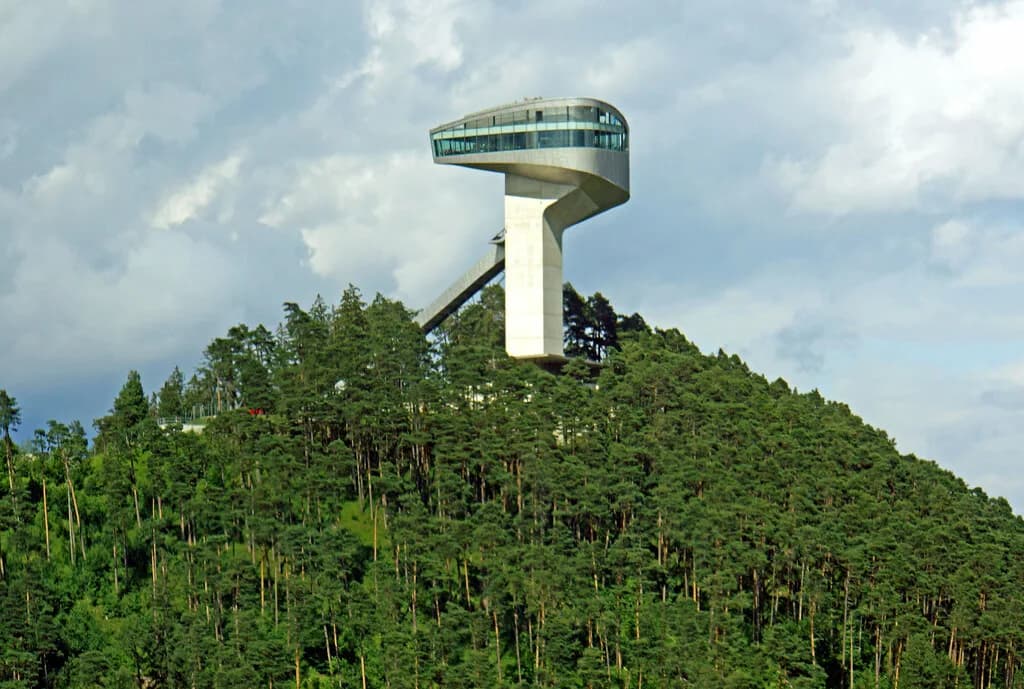
Beyond those fixed points, January is an event-light month in the city, which is part of its appeal: you are not competing with festival crowds for the Hofburg or the cable car. Check the Bergisel Ski Jump schedule separately if you want to watch training or competition jumps rather than just the view.
Old Town on foot: Golden Roof, arcades and the Inn riverbank
The Old Town is compact enough to cover on foot in a cold morning: the Golden Roof with its gilded copper tiles, the arcaded lanes of Herzog-Friedrich-Strasse, and the side streets that shelter you from wind. Duck into the covered passages when your hands get cold, then carry on — the walking itself is the attraction here, not a single sight.
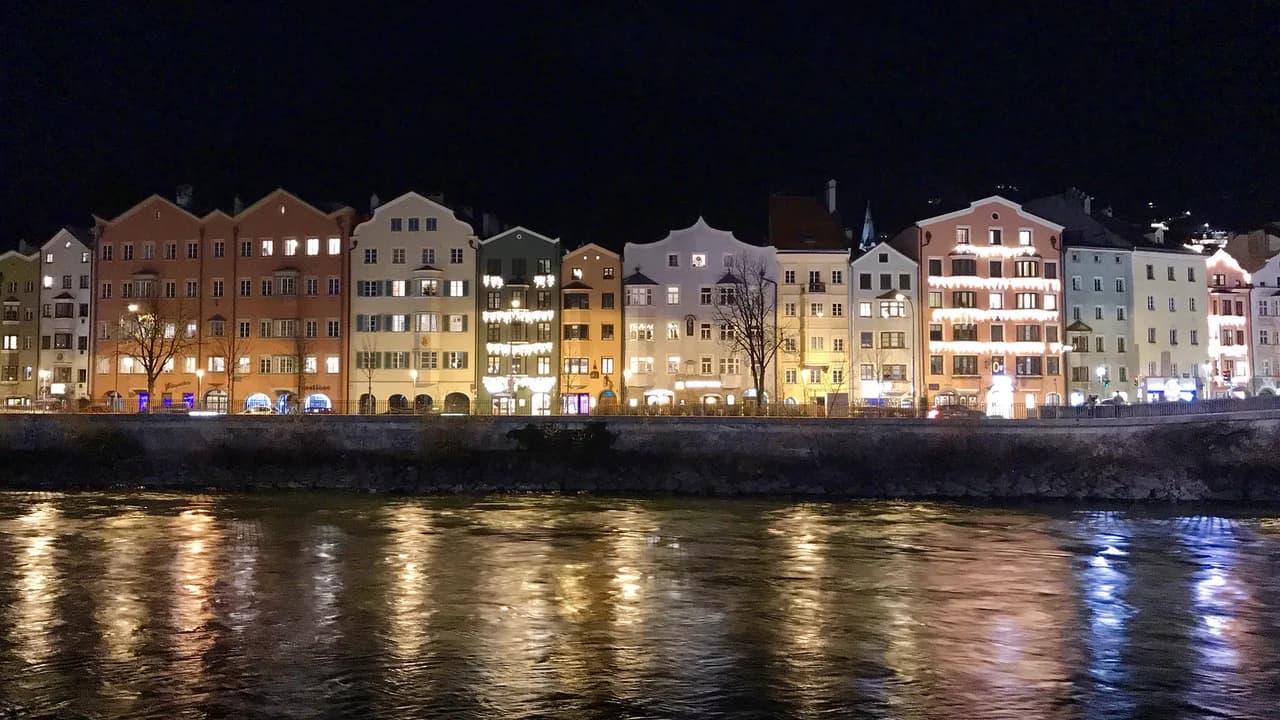
The Inn riverbank gives you the postcard view of the pastel houses backed by the Nordkette, and in January the low sun and snowy peaks sharpen the contrast. Walk it at midday when the light is best and the paths are least icy; the riverside is exposed, so it feels colder than the sheltered lanes.
Mountain trips without skis: Nordkette and Patscherkofelbahn
The Nordkette trip starts with the Hungerburg funicular, designed by Zaha Hadid, which climbs from the center to the Hungerburg district in minutes; from there a cable car continues to Seegrube and on toward Hafelekar. You do not need skis to ride it — the point is the view down over the city, the Inn valley and the peaks, plus a warm restaurant at Seegrube. The Hungerburg funicular is the piece to check for winter schedules, since reduced service is the main thing that changes in January.
For a second, quieter perspective, the Patscherkofelbahn climbs Innsbruck's local mountain south of the city, where you get wide views back over the valley and snowy trails to walk rather than ski. It is a good alternative when the Nordkette is clouded in, since the two mountains do not always share the same weather.
Both trips are weather-dependent, and high stations can be shut or unpleasant in wind and cloud. Build one mountain day into a short trip and keep a museum day in reserve so a whiteout does not cost you a whole day.
Indoor warm-ups: Hofburg, Hofkirche, Ambras Castle and Tirol Panorama
The Hofburg's imperial rooms, including the Giant's Hall, and the adjoining Hofkirche with Maximilian's cenotaph and its 28 bronze figures make a natural cold-weather pair right in the center. Ambras Castle, a short tram ride out, holds the Renaissance collections of Archduke Ferdinand II, and its grounds are a peaceful winter walk if the weather holds.
On Bergisel hill, the Tirol Panorama and Kaiserjäger Museum pair a huge 360-degree painting of the 1809 Tyrolean Rebellion with regional military history, and the location doubles as a viewpoint over the city. It is included in the Innsbruck City Card, which makes it easy to add without a separate ticket decision.
These four fill a short January visit comfortably, and together they give you a cultural spine for the days when the mountains disappear into cloud. Spread them across afternoons rather than cramming them into one, since the light is gone by late afternoon anyway.
Food and cafés: Tyrolean plates and coffeehouse culture
Innsbruck's winter eating is mountain food: käsespätzle with crispy onions, speckknödel in broth, and slow-cooked goulash, followed by apple strudel. The coffeehouse tradition is just as strong, from historic café rooms with chandeliers and pastries to laid-back student spots with strong coffee, so a cold afternoon has an obvious indoor plan.
January is a good month for this side of the city: without the market crowds, you can linger over a table instead of queuing, and a long lunch is a sensible way to bridge the darkest hours. Pair a riverside walk with a café stop rather than trying to fill every hour outdoors.
Day trips that work in January: Hall in Tirol, Seefeld, Swarovski Crystal Worlds
Hall in Tirol, about 20 minutes from the city, is a medieval salt town of narrow cobbled streets and pastel houses that makes an easy half-day wander. Seefeld, a resort town on the plateau above, has a pedestrian center of cafés and inns and snowy surroundings that suit a stroll even if you never step onto a slope.
Swarovski Crystal Worlds, created by André Heller, combines art installations, light displays and gardens, and the indoor chambers make it a genuinely bad-weather option; shuttle-and-entry combinations run from Innsbruck. Its outdoor sections are less appealing in January cold, so weight your time toward the inside.
All three are realistic January day trips, but check seasonal hours before you go, since smaller attractions and shuttle services trim their schedules outside the holiday period. A short train or bus ride out and back fits comfortably inside a short daylight window.
Crowds, prices and the trade-offs of a January visit
January is one of the quieter months in the city, and that shows in easier museum entry, more available tables and a calmer Old Town. The trade-off is that you lose the festive atmosphere entirely: no markets, no lights, and a colder, more workaday city. It is a good month for a first visit focused on sights, and a poor one for anyone who wants the postcard Christmas experience.
Accommodation and lift prices are volatile and vary by date, especially around the early-January ski-jumping weekend, so compare actual rates for your dates rather than relying on a general sense of the season. The savings, where they exist, come from the post-New-Year window rather than the first few days of the month.
Compare it with the neighboring months before booking: Innsbruck in December has the markets and darker days, while Innsbruck in February brings Carnival on 9 February 2027 and often more reliable snow in the mountains. January sits between them as the quiet, cold, clear-headed option.
Getting around Innsbruck in winter
The historic center is walkable, and trams cover the routes to Ambras Castle, Bergisel and the main stations, so you can manage a January trip without a car. For the mountains, the funicular and cable-car network from the center is the simplest option, with the Patscherkofelbahn on the other side of the valley.
Snow and ice can slow surface transport, and winter timetables mean fewer departures on some mountain lines, so allow slack around any fixed booking. The Innsbruck City Card includes public transport along with several admissions, which simplifies both planning and payment for a short city break.
Who January in Innsbruck is for
January suits travelers who want a walkable alpine city, museum time, mountain views without skiing, and a genuine sense of local life after the holidays. It rewards people who plan around short days and keep one indoor day in reserve, and it is kind to those who prefer calm to crowds.
Choose another month if you want Christmas markets, long evenings outdoors or a lively street scene: December delivers the first, and spring or summer deliver the rest. If your priority is snow in the mountains with slightly more daylight and Carnival energy, February is the stronger bet.
Plan Your January Trip
Build your January days around a midday outdoor block — the Old Town, the riverbank, one mountain — and reserve the short afternoons for the Hofburg, Ambras or Tirol Panorama. Check the Nordkette lifts and Bergisel events for your dates, and let the weather decide which mountain day you take.
Book around the early-January ski-jumping weekend if it clashes with your plans, and treat the cold as part of the experience rather than a reason to stay in. A short trip of three or four days fits the month's rhythm well, especially if you add Hall in Tirol or Swarovski Crystal Worlds as a half-day out.
Frequently Asked Questions
What is the weather like in Innsbruck in January?
Typical conditions run from about -2°C to 6°C (28–43°F), with cold, bright days alternating with snowfall. Those are long-term averages, not a forecast, and the mountain stations above the city are consistently colder and windier than the valley floor.
Does it snow in Innsbruck in January?
Snow is common in December and January, but the city sits in a valley and often sees less accumulation than the surrounding peaks. In most winters you can expect white mountains above the town even when the streets are clear.
Is Innsbruck worth visiting in January?
Yes, if you want a quiet, cold, walkable alpine city with museums, a mountain railway from the center and fewer crowds. It is less appealing if Christmas markets or long daylight hours are the main reason for your trip.
How many days do you need in Innsbruck in winter?
Three or four days comfortably covers the Old Town, the Hofburg and Hofkirche, Ambras Castle, Tirol Panorama and one mountain trip, with room for a half-day excursion. Short January daylight means fewer outdoor hours per day, so spreading sights across two or three days works better than rushing.
Is Salzburg or Innsbruck better in January?
The choice depends on whether you want a larger baroque city or a smaller one with immediate alpine access. Innsbruck puts cable cars and mountain viewpoints within minutes of the center, while Salzburg is larger and better suited to a longer city stay; both are cold and quiet in January.
What is there to do in Innsbruck in January without skiing?
The Old Town and Golden Roof, the Inn riverbank, the Hofburg and Hofkirche, Ambras Castle, Tirol Panorama, the Nordkette and Patscherkofelbahn for views, and day trips to Hall in Tirol, Seefeld or Swarovski Crystal Worlds. Coffeehouses and Tyrolean food fill the dark afternoons.
How much daylight does Innsbruck get in January?
Expect a short window of usable daylight from roughly late morning to mid-afternoon, with noticeably more by the end of the month. Plan outdoor sights for midday and keep museums for the dim edges of the day.
Sources
Winter travel notes
Optional updates when we add or revise winter guides.
You might also like
Continue reading
More guides you'll find useful