Austria in January: Weather, City Sights and Winter Closures
Austria in January brings Vienna highs near 4°C, snow in the Alps and thin crowds after New Year. See what stays open, what closes and who should go.
On this page
January is Austria at its quietest and coldest, a month when the country divides into two quite different trips: imperial cities built for long museum afternoons and Alpine valleys built for snow. The trade-off is obvious, with short daylight and icy pavements in the lowlands, but the reward is space in the places that are mobbed in summer and again in December.
It suits travelers who prefer galleries, concerts and thermal baths to outdoor sightseeing, and who can accept temperatures close to freezing as normal rather than bad luck. Anyone hoping for long mountain walks, lakeside swims or leisurely castle grounds should look at a later month instead, because the snow that makes the Alps photogenic also makes some streets and paths slow going.
Why January splits Austria into two trips
Think of the country as two itineraries running at once. Vienna, Salzburg and Graz work as city breaks where the day is built around interiors: art museums, palace tours, coffee houses and evening concerts, with the odd bracing walk between them. The Alps are a separate plan, where the point is snow and the logistics revolve around mountain transport rather than tram stops.
The two halves do not share a packing list or a budget, and they do not share a rhythm either. City sightseeing in January is entirely weather-dependent, so you want a plan B indoors for every outdoor plan; in the mountains, lifts and cable cars do the climbing while village streets demand careful footing. A trip that tries to do both in a week spends a lot of it on trains.
Picking your base decides almost everything else. If you want Mozart Week, the state opera or the big art collections, book the city and take one mountain day out; if the snow is the reason you are coming, stay in a valley town and treat a city as a possible stopover. That choice also determines how much you will notice the cold, since a museum corridor and a mountain platform ask entirely different things of you.
Weather in January: Vienna, Salzburg and the Alps
Vienna in January has the coldest temperature of the major cities in the published figures, with an average high of 3.8°C (38.8°F) and an average low of -0.8°C (30.6°F). Those are long-term averages rather than a forecast, so treat them as the likely range and pack for something colder or milder on any given week. The same figures put Vienna's January snowfall at around 186 mm (7.32 inches), which underlines that snow in the capital is a real possibility rather than a rare fluke.
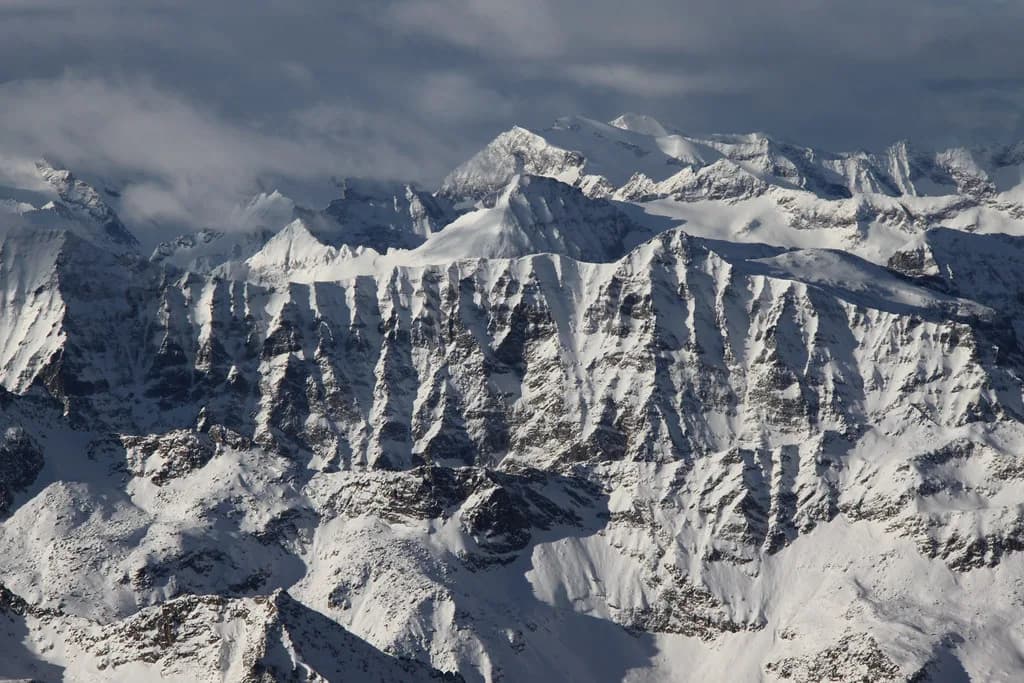
In the Alps, January is midwinter, and the reliable snow that draws skiers to resorts such as St. Anton, Ischgl and Kitzbühel is also what makes higher villages and mountain roads feel remote. Outside the cities, plan for ice on pavements and slow going on foot, especially around historic centers where streets are narrow and shaded. Winter conditions in Vienna vary widely from year to year, with mild spells as plausible as hard frost, so build flexibility into your days rather than a rigid schedule.
For Salzburg, Innsbruck, Graz and the lake towns, no published January averages appear in these sources, so the honest answer is that you should expect colder, snowier conditions than Vienna in the Alpine valleys and check a national weather service for the specific town closer to your dates. Altitude matters more than latitude here: Innsbruck sits in a mountain basin, Hallstatt faces a cold lake, and each has its own microclimate. If snow is central to your plans, regions and months differ sharply, and a national weather service is the surest guide closer to your dates.
Daylight and how it shapes your days
January daylight in Austria is short, and the practical consequence is that outdoor sightseeing compresses into a narrow window around midday while evenings belong to interiors. Plan the palace facade, the viewpoint or the old-town walk for the brightest hours, then move inside for the afternoon rather than saving museums for the end of the day. Darkness arriving in the late afternoon is also the cue for concerts, coffee houses and thermal baths, which is precisely why they fill so much of a good January itinerary.
This rhythm changes what a day can hold. Three sights spread across a city can easily become two when the light fades early and the cold shortens every stop, so group the outdoor pieces together geographically. Save the flexible indoor options as your reserve for the days when snow or rain makes walking unpleasant, since swapping a mountain excursion for a gallery costs you nothing but a decision.
Vienna in January
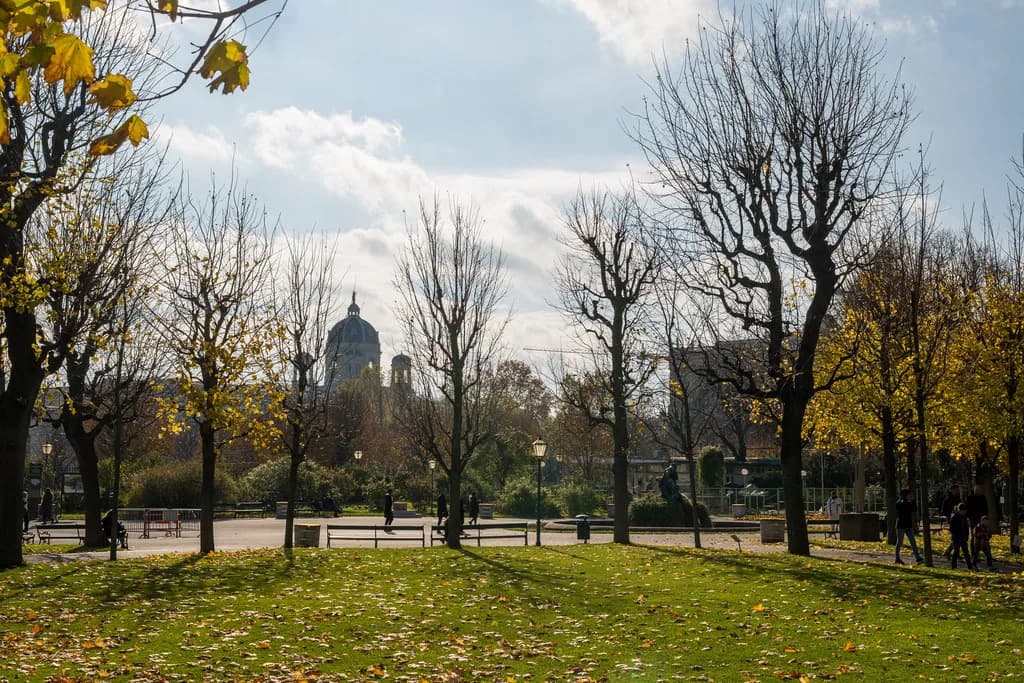
Vienna is the easiest Austrian city to enjoy in midwinter because so much of it happens indoors and on a grand scale. The Albertina, the Kunsthistorisches Museum and the Belvedere all carry major exhibitions into January, timed to catch visitors staying on past the New Year, and the permanent collections alone justify a cold afternoon. Several of January 2027's special shows close around January 10, so the first half of the month is noticeably richer for art than the second.
Crowds behave predictably: the first week of January stays busy with holiday visitors, and after that numbers drop sharply, making the big sights, the light classical concerts staged for visitors and the state opera far easier to book. Use that shift to your advantage by putting the most popular interiors in the later part of your stay. Palace tours at Schönbrunn are one of the classic examples of an attraction that becomes comfortable once the holiday rush ends.
The city's coffee houses are the unofficial warm-up stations of a January visit, and mid-January into late February is when the famous names such as Café Central and Café Sacher are least likely to have queues outside. Order a melange and an apple strudel, take the international papers and let an hour disappear; it is a genuinely Viennese way to wait out a wet afternoon. Wien Museum and the Jewish Museum add smaller, quieter exhibitions for days when you want to stay close to the center.
Salzburg and Mozart Week
Salzburg in January is a baroque city under a cold sky, with the fortress above the rooftops and the Altstadt streets best walked in the middle of the day. The month's anchor event is Mozart Week, held annually around Mozart's birthday on 27 January, when concert venues and historic halls fill with his music. Because programming and ticket sales change each season, confirm the concert calendar with the festival itself before you build a trip around a specific date.
The city also rewards the simple plan: climb or ride up to Hohensalzburg Fortress for the view over snow-dusted roofs, then retreat to a café or a museum when the cold wins. Streets around the historic sites can be icy in January, so allow more time than you would in summer and keep the walking segments short. A single Salzburg day can comfortably hold the fortress, a concert and a long lunch, which is a realistic winter pace.
Nearby castles make strong half-day outings if you have a car or use regional transport. Burg Kreuzenstein north of Vienna and Hohenwerfen above the Salzach Valley are striking in snow, though their grounds and approaches demand care underfoot. Treat these as fair-weather additions rather than fixed commitments, since a cold snap or a snowfall can change how much walking is sensible.
Innsbruck and the Nordkette
Innsbruck is the clearest example of Austria's double identity in January: a compact historic center of arcaded streets and pastel facades, and a mountain railway that lifts you from the city to snow within minutes. The Nordkette cable car is the headline move, turning a winter day into a city-and-mountain experience without a resort stay. Check operating status with the cable car operator on the day, because wind and snow can interrupt high-altitude service.
Down in the valley, the old town is small enough to cover in a few brisk hours, and the golden-roofed boulevard gives you a landmark to aim for before the light fades. If you are using Innsbruck as a base, the wider Innsbruck in January guide sets out how to divide days between the city and the surrounding valleys. Book the mountain day for the clearest forecast of your stay rather than the first morning, since views are the whole point.
Alpine villages and lake towns in snow
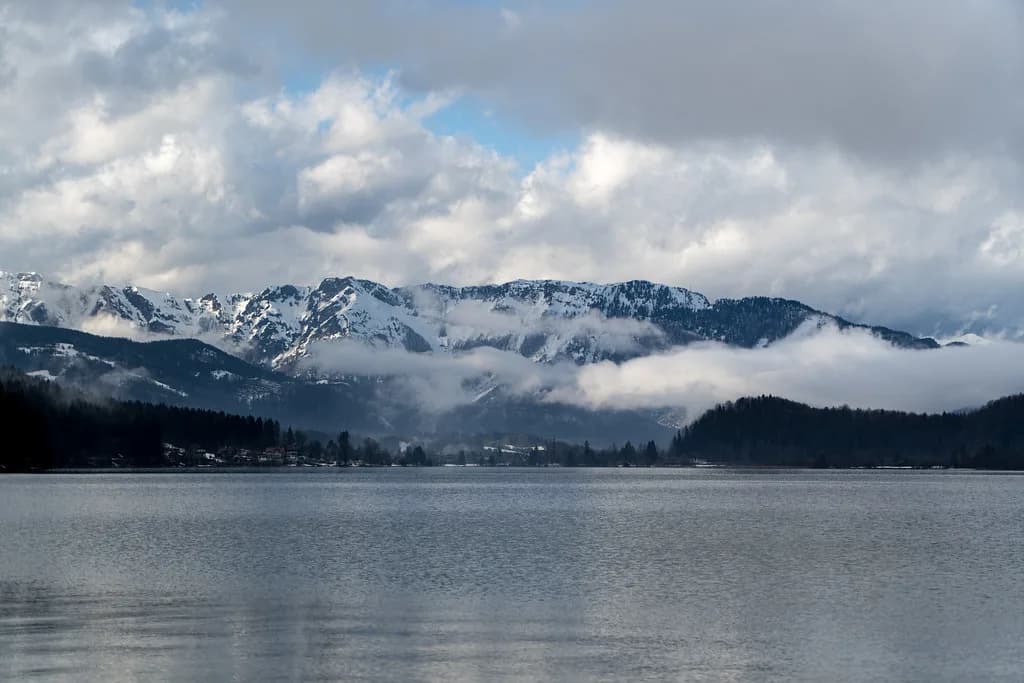
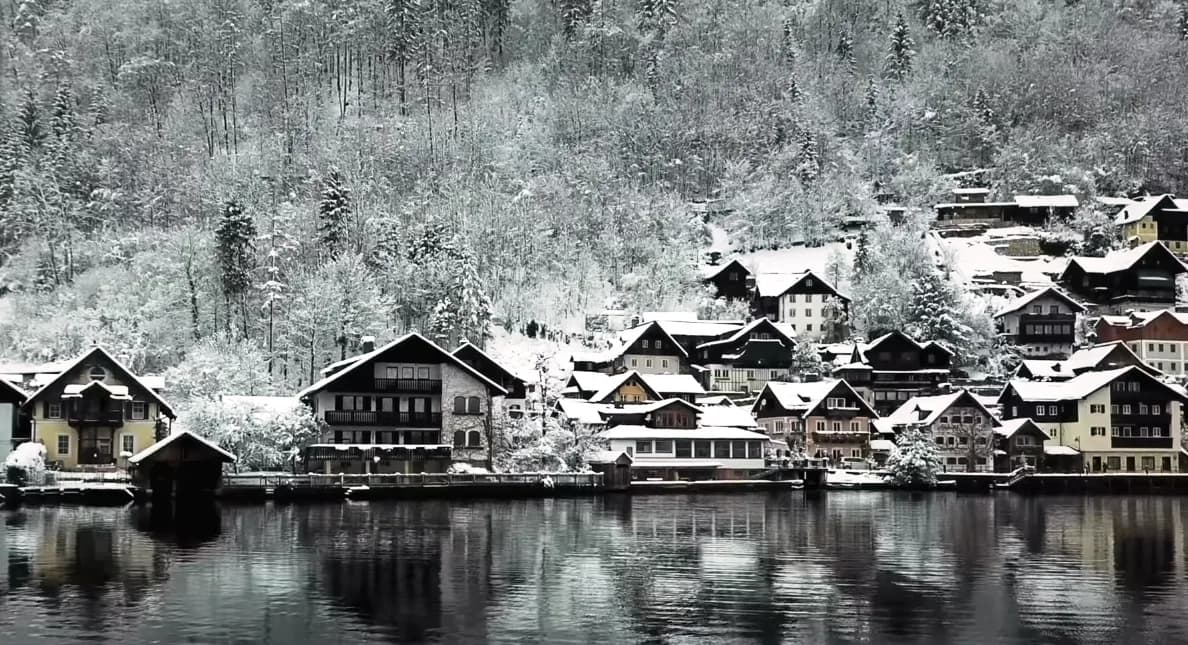
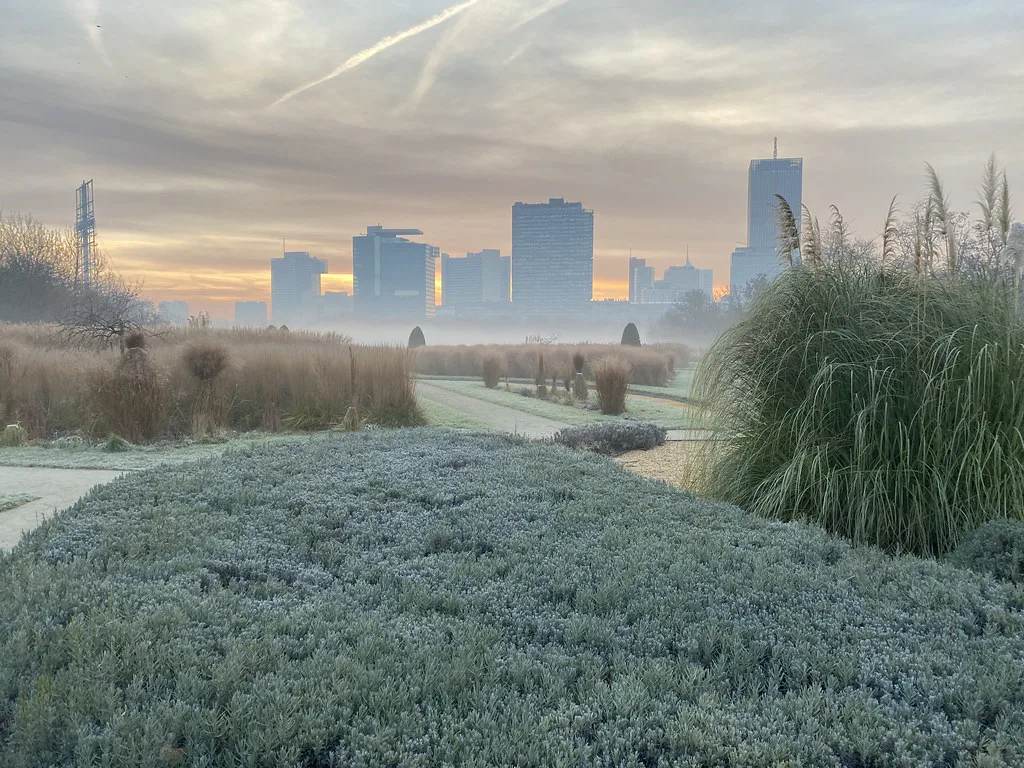
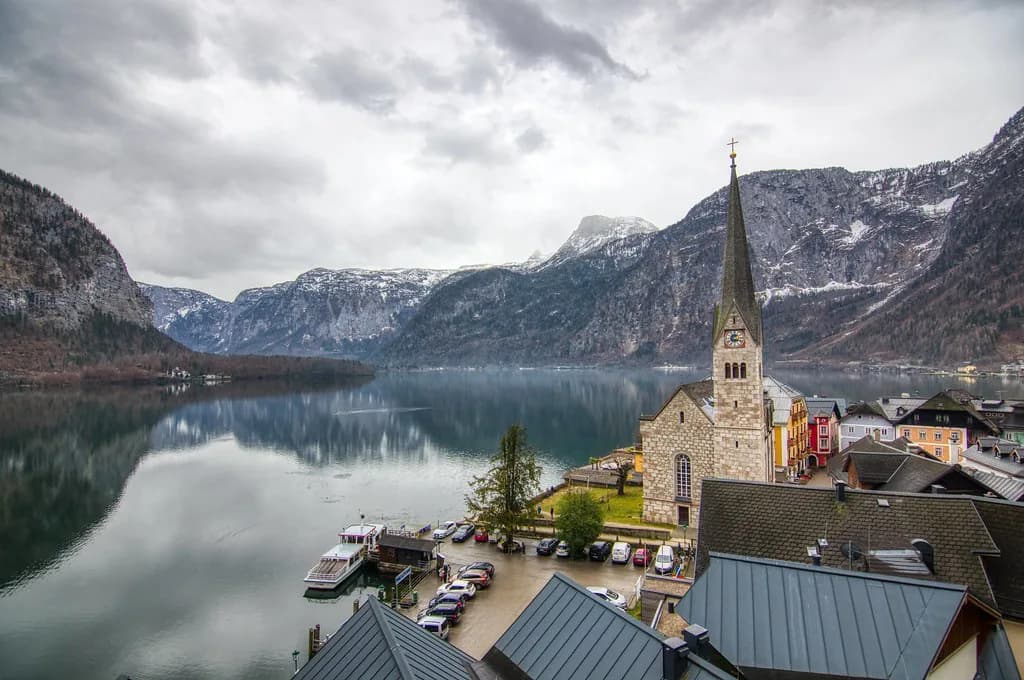
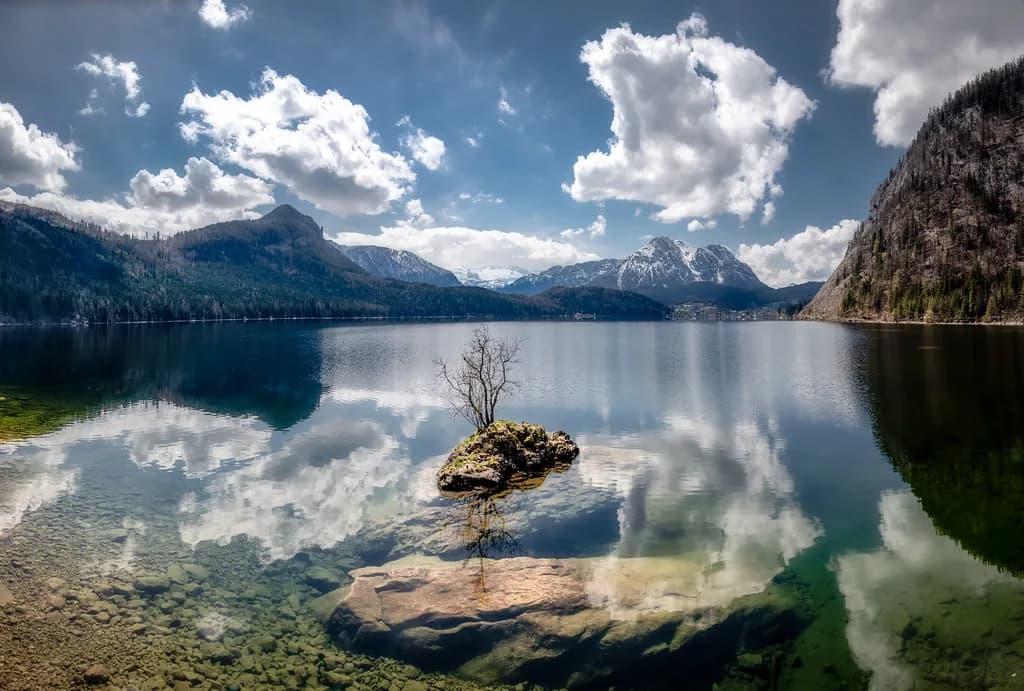
Hallstatt above Lake Hallstatt and the villages of the Salzkammergut are at their most photogenic under snow, with the salt mines and steep slopes rising behind the rooftops. The catch is that the same conditions that make them beautiful make the narrow lanes slippery and the daylight short. Go for the middle of the day, keep ambitions modest and accept that a slow stroll plus a warm lunch may be the whole outing.
These villages are also small enough that a winter visit is about atmosphere rather than a checklist of sights. Alpbach's wooden farmhouses and the maintained winter paths around the Kitzbühel Alps suit travelers who want gentle walking in mountain scenery without committing to a ski week. In lake towns, expect the water to be scenery rather than an activity, and plan around the hours of usable light.
If you are weighing months for a snow-focused trip, the timing changes the character of these places considerably. A December visit catches pre-holiday quiet with markets running, while February often brings deeper snow cover and a livelier Alpine mood; Austria in February is worth comparing before you settle on dates.
Castles and palaces in winter
Austria's palaces and castles are open-air architecture at heart, so January forces a split between interiors, which stay rewarding, and gardens and ticketed outdoor features, which close for winter. At Schönbrunn, the maze and similar outdoor attractions shut down for the season while the palace interiors and the zoo on the grounds remain the sensible targets. That mismatch is the single most common surprise for visitors who arrive expecting to roam the gardens.
The general rule across the country is to check what each property offers beyond the building itself. Winter closures usually hit fountains, hedge mazes, garden trains and seasonal cafés before they hit the state rooms, so a castle day in January is a tour of rooms, staircases and views from windows. Build the visit around the interior circuit and treat any garden walk as a bonus if the paths are clear.
Museums, concerts and coffee houses
January is the month when Austria's indoor culture earns its keep. Vienna's museum quarter and the big galleries on the Ring hold blockbuster exhibitions through the month, Salzburg programs Mozart, and both cities keep concert venues busy with light classical programs aimed at visitors. Book the headline events ahead and leave the smaller museums as spontaneous options for the day the weather turns.
This is also the period when normally crowded venues become manageable. After the first week of January, queues at the most popular museums, palace tours and visitor concerts thin out, which makes the middle of the month the sweet spot for a culture-heavy city stay. Combine a morning exhibition with an afternoon coffee house and an evening concert, and the short daylight stops being a limitation.
Vienna's ice rinks and New Year markets
Christmas markets mostly wind down at Christmas, but some advent markets extend past New Year into early January, and the Schönbrunn market is the reliable example that carries on into the new year. The Wintermarkt near the giant Ferris wheel is another post-Christmas fixture. A small rink attached to the Christkindlmarkt stays open until January 6 before the main skating season begins.
The Wiener Eistraum, the open-air rink and trail system laid out across the square in front of the Rathaus, opens from 22 January in 2027 and runs for several weeks. Before that, the traditional Eislauf-Verein rink near the Konzerthaus usually operates daily through January. Both hire skates, so this is one activity you can add without extra luggage.
Thermal baths and warm indoor days
When the cold or rain wins, Vienna's thermal baths are the best-value warm afternoon in the city. Therme Wien has indoor and outdoor thermal pools and spa treatments, and the U1 subway extension puts the center about 16 minutes from the entrance. A branch of Konditorei Oberlaa opposite the spa makes the outing a full half-day rather than a quick dip.
If you want something faster and closer to the center, the Schwerelos floating center just behind Stephansdom offers warm saltwater sessions that fit neatly into a wet afternoon. Vienna Zoo is another counterintuitive winter choice: crowds are thin and several large indoor houses, including the rainforest house, aquarium and bird house, stay warm. These are the days that make a January city break feel generous rather than compromised.
What closes or slows down in winter
Winter closures in Austria mostly hit outdoor and seasonal attractions: palace mazes and garden features, some lake-based activities, and outdoor cafés and terraces that reopen in spring. Major museums, concert venues and palace interiors generally stay open year-round, which is why the city version of January works so well. Each venue publishes its own seasonal schedule, and these differ from region to region across the country.
In the mountains, the variables are weather rather than seasons: cable cars, mountain roads and high paths can close at short notice for wind or heavy snow. That is a reason to keep your plans loose and to pair each mountain day with a low-altitude alternative. Village streets and historic centers can also be icy, so footwear and timing matter more than any attraction list.
What is on in January
The month's cultural calendar is anchored by Mozart Week in Salzburg around Mozart's birthday on 27 January, and by the Resonanzen early music festival at the Konzerthaus in Vienna, running from 16 to 23 January according to the published program. Both reward travelers who can fix their dates early. A Chocolate Festival is listed for Vienna with provisional dates of 30 to 31 January 2027, which is worth watching but not yet worth booking around.
Epiphany on 6 January closes out the holiday period that begins with New Year's Day. Expect the first week to feel like a continuation of the festive season, with some holiday opening hours and higher visitor numbers, before the city settles into its quieter midwinter mode. If you want both atmosphere and space, arrive just after Epiphany rather than before it.
Getting around Austria in January
Austria's rail network is the backbone of a winter trip, linking Vienna, Salzburg, Innsbruck and Graz with comfortable intercity services and connecting onward to smaller towns. Winter weather can slow road journeys in the mountains, so trains are the lower-risk choice for longer transfers. Book the long legs in advance and keep the short regional hops flexible.
Semmering is the classic proof that a mountain day does not require a ski week: the resort area is a short bus or train ride from Vienna, reachable via the scenic Semmeringbahn mountain railway, and it suits beginners and intermediate skiers. That makes it a realistic add-on to a city stay rather than a separate trip. If you are planning multiple city stays, a wider Austria in winter itinerary helps you sequence them sensibly.
Local transport is where the small frictions appear: trams and buses run normally in the cities, but mountain buses and cable car connections are weather-dependent. Allow a buffer around any connection that involves altitude, and keep a city-based backup for the day. Distances in Austria are short by North American standards, which is why a January trip can mix two cities and one mountain outing without feeling rushed.
Day trips that work in winter
The best winter day trips from Vienna are short and end indoors: Semmering for snow and mountain air, Burg Kreuzenstein for a castle interior, or a spa afternoon at Therme Wien. From Salzburg, the fortress and the surrounding lakes are close enough for a half-day, though lake villages are more scenic than active in January. Innsbruck gives you the Nordkette in a morning and the old town in the afternoon.
Further afield, places such as Bad Gastein and the Wachau are more rewarding in other seasons, when the walks and the wine country open up. Save those for a later visit and concentrate January on what the cold actually improves: snowy views from height, quiet museums and long indoor meals. Austria in March brings longer days and a different mood for anyone considering a second trip.
If you are choosing between late autumn and midwinter, note how much the country changes. Austria in November is darker and wetter, with the holidays still ahead; Austria in December adds markets and festive crowds. January removes the markets but also most of the crowds, which is the trade most travelers are making when they pick it.
Who January suits and who should wait
January rewards travelers who treat a European winter as an atmosphere rather than an obstacle. If your ideal day is a major exhibition, a long lunch, a concert and a short walk in falling snow, Austria in midwinter is excellent value in terms of space and attention. Couples, museum-goers, concert audiences and skiers with a plan all fit the month well.
It is the wrong month for anyone who wants long hikes, lake swimming, garden strolls, alfresco terraces or a light suitcase. Families with small children should weigh the cold and short daylight carefully, and travelers who feel the dark acutely should aim for March instead. Price levels are generally at their lowest outside the first week, but rates and lift prices vary by resort, so compare specific dates before booking.
The simplest decision rule is this: choose January for cities and snow, and choose another month for landscapes you want to walk through. If you already know which of those you are, the rest of the planning is straightforward.
Plan Your Visit
Book the cultural anchors first, since Mozart Week, the Resonanzen festival and the big Vienna exhibitions set the shape of a January trip, then build the outdoor days around the weather as it comes. Reserve one indoor option for every outdoor plan, and put the most popular sights in the middle or end of the month when crowds fall away.
Expect cold, plan for early darkness and treat snow as a bonus in the cities and a certainty in the Alps. That combination, handled with a flexible schedule, is what makes Austria in January both cheap in spirit and genuinely rewarding.
Explore more Austria winter guides
Frequently Asked Questions
Is it worth visiting Austria in January?
Yes, if you want cities rather than landscapes. Vienna's museums, concerts and coffee houses are at their best in the cold, crowds drop sharply after the first week, and Salzburg's Mozart Week gives the month a cultural anchor. It is less rewarding if you want long walks, garden visits or lake activities.
How cold is Austria in January and does it snow?
Vienna averages a January high near 3.8°C (38.8°F) and a low near -0.8°C (30.6°F), with meaningful snowfall possible. The Alps are reliably snowy and colder, while conditions in Salzburg and Innsbruck vary by altitude. Treat published figures as typical averages rather than a forecast for your dates.
Does Austria in January have enough daylight for sightseeing?
Daylight is short, so outdoor sightseeing works best around the middle of the day and indoor visits fit the darker afternoons and evenings. Plan two or three stops rather than a packed list, and keep a museum or thermal bath as a backup for bad weather.
What is on in Vienna and Salzburg in January?
Salzburg holds Mozart Week around Mozart's birthday on 27 January, and Vienna's Konzerthaus hosts the Resonanzen early music festival in mid-January. The Wiener Eistraum open-air skating season starts in late January. Check each organizer's program for exact dates and tickets.
Are Vienna's Christmas markets open in January?
Most close at Christmas, but some Advent markets continue past New Year into early January, and the Schönbrunn market is the dependable example. A small rink linked to the Christkindlmarkt also stays open into early January. Openings can change from year to year, so check the market's own schedule before you go.
Is January a cheap time to visit Austria?
Outside the first week of January, visitor numbers fall and city hotels, tours and concert tickets are generally easier and less expensive to book. Alpine accommodation and lift prices vary widely by resort and date. Compare specific dates for the places you actually plan to stay.
Can I see the Alps on a January city break?
Yes. Innsbruck's Nordkette cable car goes from the city center to high mountain terrain, and Semmering is a short train or bus ride from Vienna with beginner and intermediate slopes. Both depend on weather, so keep a city alternative for windy or snowy days.
Who should avoid Austria in January?
Travelers who want long hikes, lake swimming, garden strolls or outdoor terraces should choose a later month, and anyone sensitive to short daylight may prefer March. Families with small children should plan shorter days and more indoor stops.
Sources
Winter travel notes
Optional updates when we add or revise winter guides.
You might also like
Continue reading
More guides you'll find useful