Austria in November: Weather, City Breaks and What's Open
Austria in November brings cold days, short daylight and quiet cities. See typical Vienna weather, what stays open and which week to choose.
On this page
Austria in November is a country of short days and low grey light, and that suits travelers who want imperial palaces, gallery afternoons and coffee houses more than mountain views. Vienna's typical November weather runs to a high of about 7°C (45°F) with nights falling near freezing, so the cities are cold but rarely hostile. Travelers chasing powder, long walks above the treeline or beach-style sunshine should look at January or wait for spring.
The month is also a hinge. The first half is one of the quietest stretches of the Austrian year in the cities, while the second half tilts toward Christmas-market season and the crowds that come with it. Choosing between those two halves is the single most useful decision you can make before booking.
Austria in November: Between Late Autumn and the Christmas Run-Up
November opens with the last autumn weekends and closes in the run-up to Christmas. Vienna's peak visitor season runs roughly from May through October, with steady arrivals from March to December, so November falls into a genuinely softer stretch in the capital.
The split matters most in the mountains. Early November is a changeover season in the Austrian Alps, with snow unreliable and many seasonal businesses between their summer and winter modes. Plan mountain time late in the month only if your plans do not depend on guaranteed snow, and keep the real weight of the trip on the cities.
Weather in November: Vienna's Typical High of 7°C
Vienna's November averages give a fair anchor for the eastern cities: a daytime high of about 7°C (45°F), typical temperatures hovering between 3°C and 4°C (37–39°F), and nights that can drop nearer freezing on colder days. Monthly rainfall runs about 58 mm, humidity averages around 80 percent and winds are light in the city, rising on higher ground to the west. Treat these as long-term typical conditions, not a forecast for your week.
Salzburg and the western valleys sit closer to the Alps and feel colder and wetter in the same period, with a better chance of grey, drizzly days than crisp ones. Innsbruck has its own mountain-valley pattern worth reading separately if you plan to base there in November, so compare our guide to Innsbruck in November before you choose a base.
Rain, Sunshine and Daylight: Short Days in the Cities
November is the darkest month of the Austrian autumn. Vienna averages only about two hours of sunshine a day out of roughly nine hours of daylight, with sunrise near 7am and sunset around 4:30pm. That compresses sightseeing into a narrow window, so front-load outdoor plans into the late morning and keep afternoons for interiors.
Rain arrives as steady grey drizzle more often than as storms, and the wet days are the ones that reward a plan B. Build each day around one indoor anchor — a museum, a palace, a thermal bath — and treat any dry spell as a bonus for a walk.
Snow in November: Alps Versus Cities
Snow in the cities is possible but not something to plan around. Vienna can see a light chance of snowfall in November, and even when it falls it usually melts quickly on warm pavement. Alpine valleys and high ground see snow earlier, but the early part of the month often falls between reliable autumn conditions and reliable winter ones.
If snow is the point of the trip, treat November as a gamble rather than a plan. Resorts at altitude and glacier areas hold snow earlier than valley towns, but resort openings vary year to year and are announced by each resort individually.
What Closes and What Stays Open
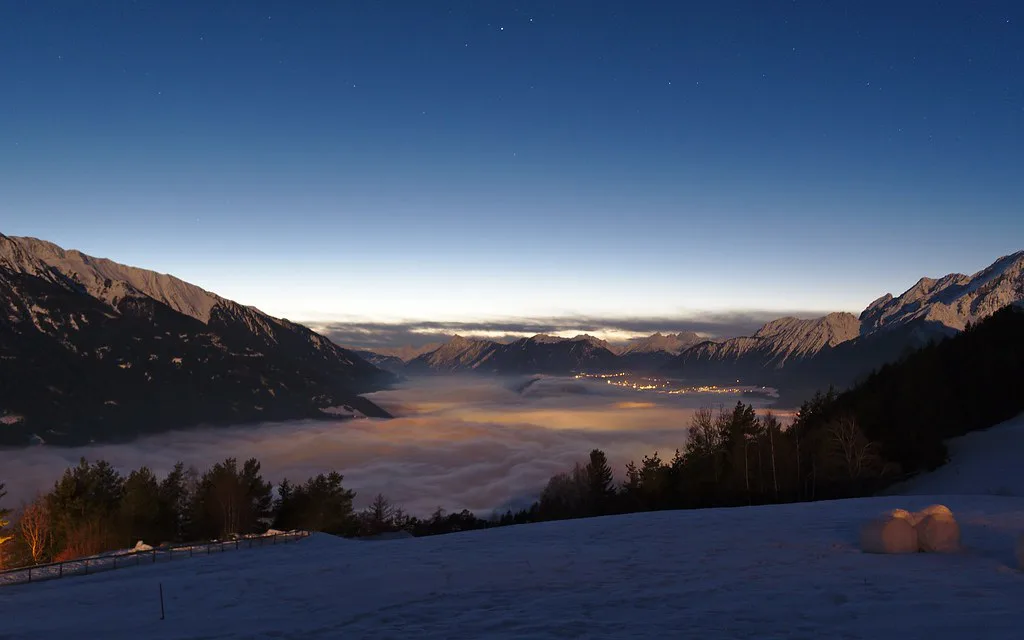
In the Alps, November is the classic between-seasons lull: seasonal lifts, mountain huts and many resort services pause between summer hiking and winter skiing. The exact dates are set locally each year, so build mountain days around what a specific lift company publishes instead of a fixed opening date.
The cities are different. November is a normal working month in Vienna, Salzburg and Graz, with museums, palaces and coffee houses running their regular schedules. That makes the cities the reliable core of an Austrian November trip, whatever the mountain weather does.
Vienna in November: Museums, Coffee Houses and Early Markets
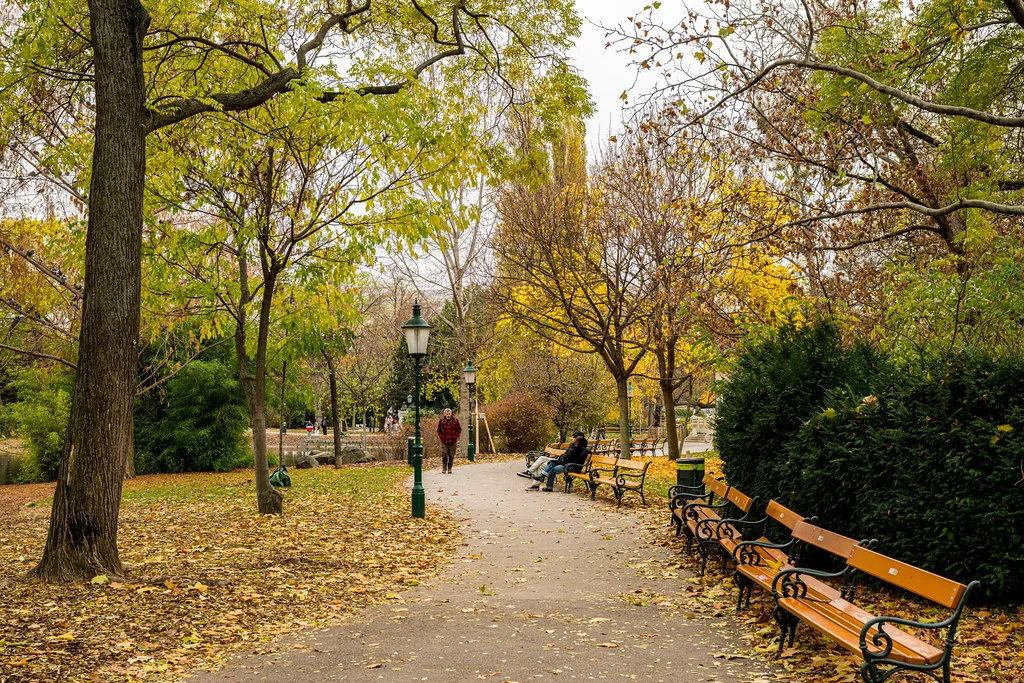
Vienna is the easiest Austrian city to enjoy in November. The Kunsthistorisches Museum and the Albertina fill rainy afternoons, the imperial apartments and Schönbrunn Palace give you indoor grandeur, and the coffee-house tradition exists precisely for the hours when it is too dark and too cold to walk.
Plan Vienna as a series of short outdoor loops linked by indoor stops. A morning walk through the Innere Stadt, an hour in a gallery, a long lunch, and an early-evening stroll before the 4:30pm sunset is a realistic rhythm for the month. Evening plans should lean toward concerts, theatre or long dinners rather than sightseeing.
Salzburg and the West: Old Town Walks and Fortress Views
Salzburg works well for a two- or three-night November stop. The old town is compact, the Mozart connections are indoors, and the walk up to the fortress rewards you with views that are better on clear, cold days than in summer haze.
Keep the Salzburg plan flexible. On wet days, swap the fortress climb for a concert, a museum or a long lunch; on dry ones, take the old town walk in the late morning when the light is best. Salzburg's lake country to the east is still reachable as a day trip, but November is not the month for lake swimming or boat-heavy itineraries.
Christmas Markets Begin in Mid-November
Austria's Christmas markets generally open from mid-November, moving the country from a quiet autumn mood into a festive one. Exact opening and closing dates differ by city and by market, and each organiser publishes its own dates and hours. If a specific market is the reason for your trip, look up its dates in advance, and expect the biggest crowds in the final week of November and into December.
Things to Do on a Wet November Day
Imperial palaces, art museums and thermal baths are the best bad-weather anchors. Schönbrunn's interior, the Belvedere's collection and Vienna's coffee houses together cover most of a rainy day, while Salzburg's cathedral quarter and its museums do the same for a shorter visit.
Thermal baths also make a strong November afternoon, particularly in the spa towns of the Alps and the Burgenland region. Book these as half-day plans with a long lunch attached so a sudden downpour does not ruin the day.
Day Trips That Still Work in November
Melk Abbey and the Wachau Valley work as a day trip from Vienna in November, but the experience is different from summer. River cruises and many Wachau wine experiences wind down, so check what is running before you go, and plan a shorter visit with the abbey as the centre.
Salzburg is a natural day trip from Vienna by train, and it can also be a base for short trips into the Salzkammergut. Keep expectations modest for mountain villages in November: the scenery is atmospheric, but lifts and seasonal services may be paused.
Crowds and Prices: One of the Quietest Months in the Cities
Outside the Christmas markets, November is one of the quietest months in urban Austria, and that shows up in hotels, museums and restaurants. The trade-off is real: shorter days, greyer skies and more drizzle, in exchange for easy gallery access and easier tables at dinner.
Late November flips this in the main squares, when Christmas-market season brings a spike in city-center crowds. If you want quiet, aim for early November; if you want festive atmosphere, accept the buzz.
Who November in Austria Suits
November in Austria suits travelers who like cities, interiors and cheap, peaceful travel. It works well for museum-goers, coffee-house fans, photographers chasing low autumn light, and anyone happy to trade long days outdoors for imperial rooms and early dinners.
It suits snow-seekers badly. If guaranteed snow or open mountain lifts are the point of your trip, January or February are better bets, and December is the natural pivot into the festive season. March, in turn, gradually returns longer days and eventually Easter week, which falls on 28 March 2027.
Getting Around Austria in November
Austria's rail network makes city-based November travel easy. Vienna, Salzburg, Graz and Innsbruck are linked by frequent direct trains, and a two-hour hops put you in a different climate zone without hiring a car. Daylight is the limit, so book morning departures and avoid arriving after dark.
For Alpine valleys, buses and regional trains still run, but seasonal timetables thin out in November. Build slack into any mountain day and check the specific operator's timetable before you travel rather than assuming summer frequencies.
Plan Your Austrian November
November rewards a city-first plan: open with two or three days in Vienna, add Salzburg and a single day trip, and leave the Alps for a later season unless a specific winter opening matters to you. That structure absorbs the rain, uses the short daylight well and keeps the trip affordable and calm.
Once you have decided between the quiet first half and the festive second half of the month, the dates almost write the rest of the plan. Book the cities, build indoor anchors into every day, and let the mountain weather stay a bonus rather than a base requirement.
Explore more Austria winter guides
Frequently Asked Questions
Is November a good time to visit Austria?
Yes, if you want cities rather than mountains. Vienna and Salzburg keep their museums and coffee houses open, the crowds are light outside Christmas-market season, and the trip is comparatively affordable. It is a poor month for guaranteed snow or high-altitude hiking.
What is the weather like in Austria in November in Celsius?
Vienna, the best anchor for the eastern cities, typically sees highs around 7°C and lows near freezing, with about 58 mm of rain and only two hours of sunshine out of roughly nine hours of daylight. Salzburg and the west tend to feel colder and wetter. These are long-term averages rather than a forecast.
Does it snow in Austria in November?
Snow can fall in Vienna but rarely stays, and Alpine areas may see snow before the cities do. Early November is a between-seasons lull in the mountains, so snow is a gamble rather than a plan. Resorts announce their own winter openings and should be checked directly.
Are Christmas markets open in Austria in November?
Yes. Most Austrian Christmas markets begin in mid-November, moving the country from quiet autumn into festive season. Dates and hours differ by city and organiser, and the busiest days come later in the season.
How many hours of daylight are there in Vienna in November?
Vienna has roughly nine hours of daylight in November, with sunrise near 7am and sunset around 4:30pm. Plan outdoor time for the late morning and early afternoon.
What is there to do in Vienna in November?
Museums, imperial palaces, coffee houses and concerts fill the short days, and walkable old-town loops work well when it is dry. Early Christmas markets add evening options late in the month.
Who should wait for another month?
Travelers who want reliable snow, long mountain days or open lifts should choose January or February. Those who want the full festive atmosphere should go in December, when markets are in full swing and the days remain short but busy.
Sources
Winter travel notes
Optional updates when we add or revise winter guides.
You might also like
Continue reading
More guides you'll find useful