Austria in March: Weather, Snow and What's Open
Austria in March brings mild days to Vienna and Salzburg and lingering snow in the Alps, plus Easter markets from mid-month. Here's what to expect.
On this page
March is the month when Austria stops being one destination and becomes two. In the western mountains winter is still doing business, while Vienna and the eastern lowlands are sliding toward spring, with daytime temperatures around 10°C (50°F) in the capital. That split is exactly why March rewards travelers who pick a region deliberately rather than trying to see the whole country in a week.
It is also the cheapest and quietest stretch of the ski season's tail end. Peak winter crowds have gone home, room rates drop, and the same cities that heave in summer feel calm. The price you pay is unpredictability: a mild week can turn low-altitude snow to slush, and some small mountain towns stay shuttered until April.
Why March Splits Austria in Two
Austria's climate divides roughly along a west-east line. The Alpine west, taking in Innsbruck and the Tyrol, is colder and holds snow longer, while the eastern side around Vienna has a continental pattern with warmer days. Treat any single national forecast as an average of two quite different trips and plan around the region you actually want.
The practical consequence is that you can ski or snowshoe in the morning in the mountains and sit outside a Vienna café in the afternoon of the same week. Decide which of those experiences is the point of your trip, then build the itinerary around it instead of splitting days between the two.
Weather in March: What to Expect
Daytime highs in Vienna sit near 10°C (50°F) in March, the first real step out of winter after February highs that hovered in the mid single digits Celsius. Conditions swing widely from year to year, so plan for a range rather than a single number. The pattern is cold mornings, a fair chance of rain or wet snow at lower elevations, and brighter, longer afternoons as the month progresses.
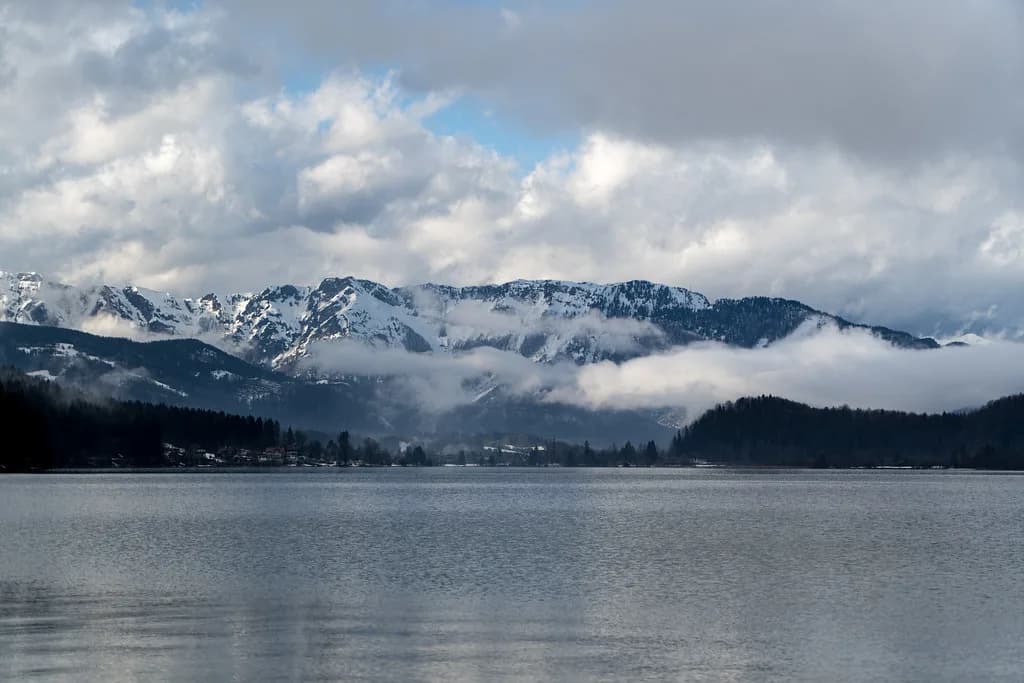
Snow lingers in the Alps even as city streets clear, which is why March often delivers more usable daylight than December or January without the summer crowds. The month reads as early spring at low altitude and deep winter higher up, and both versions are worth traveling for if you choose the right base.
How Snowy March Really Is
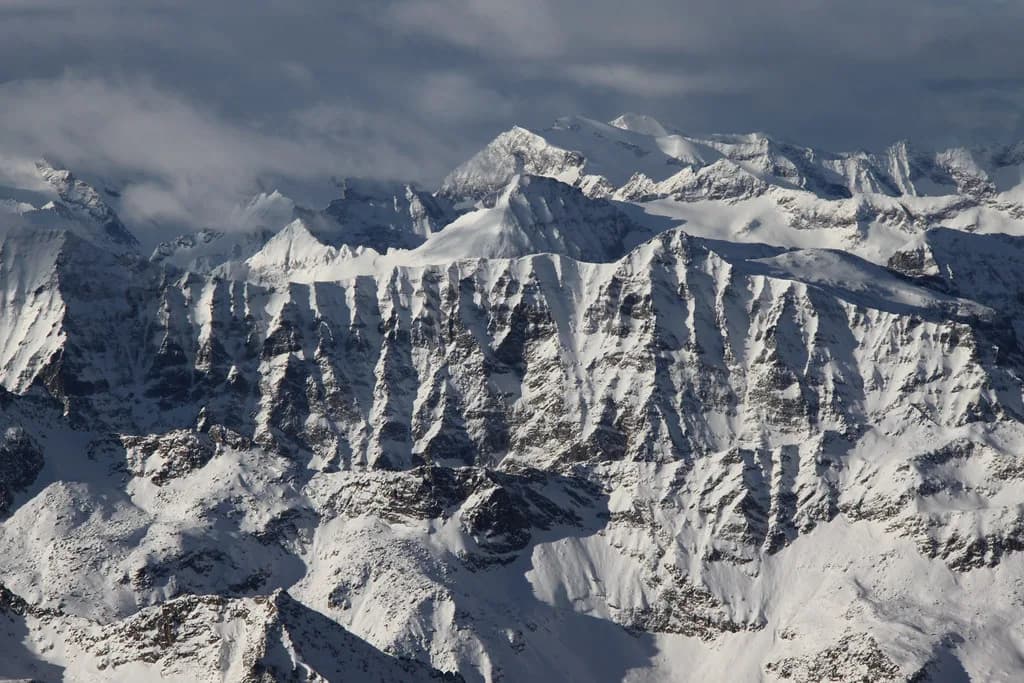
Snow in March is a question of altitude, not of the calendar. Higher resorts and shaded valleys keep their cover well into the month, while lower towns and city parks usually see the last of it early. If snow is the aim, choose elevation; if you want dry streets and museum afternoons, stay in the eastern cities.
Mild spells are the main risk: a warm week can strip low-altitude slopes quickly, and conditions higher up can change fast. Check the mountain report for the specific resort before committing to a day on the hill, and keep a flexible plan for the days when rain arrives instead. For a broader picture of where and when Austria sees snow, work through the guide to snow in Austria by month and region.
Skiing and Winter Sports in Early March
The first half of March is still viable ski territory, especially in the higher western resorts, and it comes with end-of-season discounts rather than peak prices. Late-season conditions behave differently from January: bases are deeper but softer, and lower runs deteriorate first. If your trip depends on skiing, aim for early in the month and pick a high resort.
Resort closing dates vary by valley and by snow year, and a resort can shut lifts early if cover fails. The ski area's own snow report and lift-status page is the only reliable source for what is spinning on your dates, so build your plan around that rather than around a fixed closing date. Innsbruck, with its mix of valley city and high terrain, is a sensible base if you want options; the Innsbruck in March guide covers the local picture.
Vienna in March: Museums, Concerts and the Last of the Ice
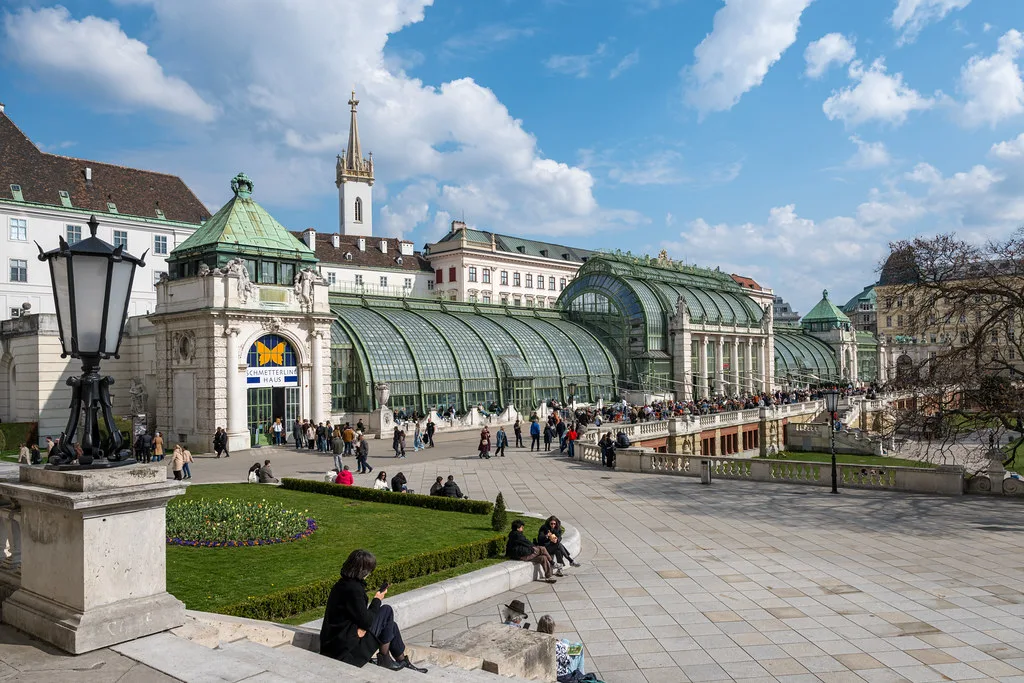
Vienna's winter season winds down in March rather than stopping. The Wiener Eistraum open-air skating rink runs until 7 March in 2027, and the ball season reaches its final weeks, so the first days of the month still feel like winter in the city center. The city's museums and concert venues run right through, which makes Vienna a sensible base when the weather turns.
The exhibition calendar is dense: the Albertina Modern's Franz West show runs to 29 March 2027, and the Kunsthistorisches Museum's display in the Neue Burg closes on the same day. Both give you a solid half-day each when it rains. For a broader shortlist of indoor options across the colder months, see the Austria in February guide, which covers the same museum scene at its quietest.
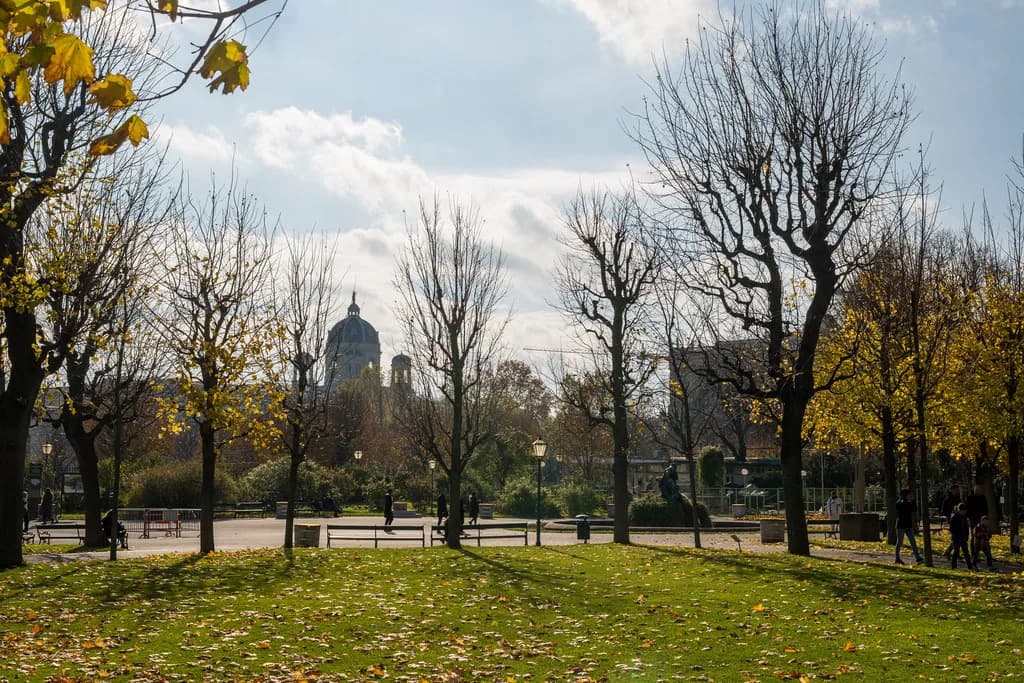
The Prater, the Lainzer Tiergarten and the Vienna Woods are all open for walking, and on a clear day they deliver more than a museum could. The city-run Hirschstetten botanical gardens usually open their outdoor areas from mid-March, a low-key option if you have already done the palaces.
Evenings remain cold enough for warm water. Therme Wien runs indoor and outdoor thermal pools with spa treatments attached, which is a practical fallback for a wet afternoon rather than a full day out. Book treatments ahead if you want a specific slot.
Salzburg and the Salzkammergut
Salzburg keeps working through March: the old town, the fortress and the concert halls stay open, and the city is far quieter than in summer. Up at the Hohensalzburg Fortress the views over the rooftops and the Untersberg are at their clearest on crisp, rain-free days, so watch the forecast and go up when the sky opens. For a sense of the city under proper snow, the Austria in January guide covers the deep-winter version.
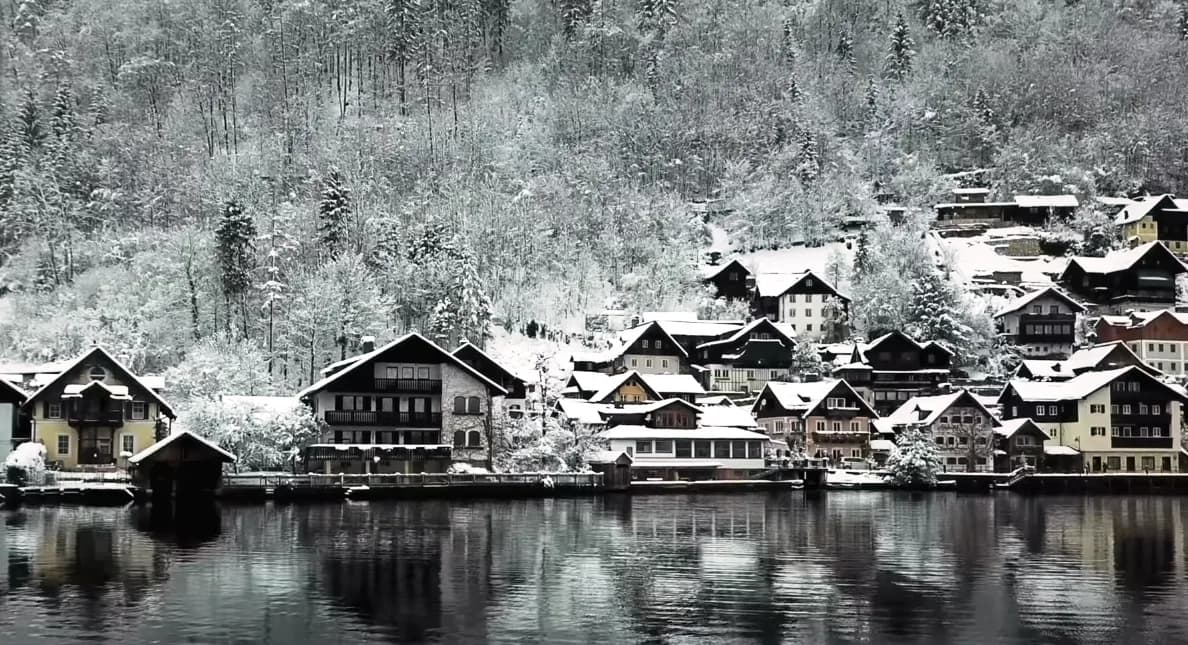
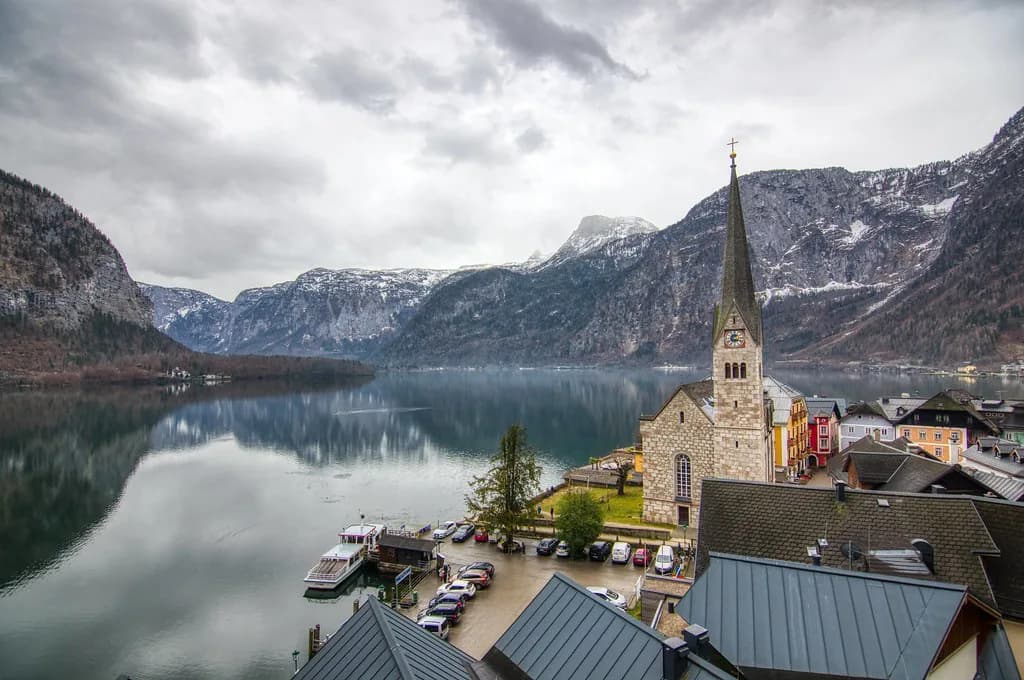
The Salzkammergut lake district is a different story. Some smaller towns there are still closed for winter in March, so a village that looks idyllic in summer photographs may offer very little in the way of open restaurants or boats. Make the larger lakeside towns your base and treat the small ones as a bonus only if you know something is open.
Easter Markets in Vienna and Beyond
Easter Sunday 2027 falls on 28 March, and Vienna's Easter markets usually open about two to three weeks before the holiday weekend. That puts the stalls at Schönbrunn, Freyung and Am Hof into roughly mid-March, with the palace courtyard the most atmospheric setting of the three. They sell decorated eggs, crafts and food, and they close around the end of the Easter break rather than running all month.
The Schönbrunn market is the natural pairing with a palace visit: shop the stalls, then go inside. Easter markets also appear in other Austrian towns and cities, so if Vienna is not on your route, look at what your base has lined up before assuming the trip is a city-only affair.
What March Suits: Crowds and Prices
March is shoulder season in the best sense. The busy winter mountain weeks are over, the summer crowds have not arrived, and hotel rates in Vienna and Salzburg are generally cheaper than later in spring or summer. You get more space in museums and shorter queues at the big sights.
The trade-off is reliability. You may get a sunny afternoon or a grey week of drizzle, and low-altitude snow may be gone while high resorts are still running. Anyone who needs guaranteed conditions, whether powder or sunshine, should look at January for snow or May for warmth instead of betting on March.
Thermal Baths and Spa Towns for Cold Days
Bad Gastein, in the Gastein Valley, pairs belle-époque architecture with thermal springs, and the town's hillside setting gives you valley views from the water. It is a good choice for a two-night reset when the weather is mixed, since the pools work regardless of what the sky is doing.
Vienna's Therme Wien covers the same need inside the city, with indoor and outdoor pools and a full spa menu. If you are traveling with people who would rather swim than hike, a spa afternoon is the easiest way to salvage a wet day without leaving town.
Day Trips That Work in March
Melk and the Wachau Valley make a straightforward day out from Vienna by train, and the abbey at Melk stays open year-round. The vineyards are bare and the river is quiet in March, which suits walkers who want the landscape without the summer coach traffic. The Danube River towns of Krems and Dürnstein fit into the same loop.
Graz is about two hours from Vienna by train and is often skipped by visitors, which keeps it calm even in shoulder season. Semmering, Vienna's local alpine escape, may still be running its slopes early in the month and is close enough for a day trip. For a city that leans fully into winter, the Austria in December guide shows what December looks like in the same places.
Who Should Go in March
March suits travelers who want Vienna and Salzburg without the summer crush, who are happy to plan around the weather, and who value cheaper rooms over guaranteed conditions. It also works for skiers who can go early in the month and pick a high resort.
Choose January if you want reliable snow and a full winter atmosphere, May if you want warm days and open lake towns, and December if Christmas markets are the main draw. March is the month for flexibility, not for certainties.
Explore more Austria winter guides
Frequently Asked Questions
Is Austria worth visiting in March?
Yes, if you want shoulder-season prices, thinner crowds in Vienna and Salzburg, and the tail end of the ski season in the high Alps. The catch is variability: some days feel like spring and others like winter, and low-altitude snow may be gone while resorts higher up are still running.
Is Austria snowy in March?
Snow in March depends on altitude. High resorts and shaded alpine valleys usually keep cover well into the month, while lower towns and city streets see the last of it early. If snow is your priority, choose elevation and check the resort's snow report before you commit.
What is the weather like in Austria in March?
Vienna sees daytime temperatures around 10°C (50°F), with cold mornings and a fair chance of rain. The Alpine west stays colder and holds snow longer. Expect a wide swing between days rather than a steady spring warm-up.
Are Easter markets open in Vienna in March?
In 2027, Easter Sunday falls on 28 March, and Vienna's Easter markets usually open about two to three weeks before the holiday weekend, so stalls at Schönbrunn, Freyung and Am Hof should appear around mid-March. They typically close near the end of the Easter break.
Can you still ski in Austria in March?
The first half of March is still workable in the higher western resorts, often at end-of-season prices. Late-season snow is softer and lower runs deteriorate first. Lift status and snow reports for the specific resort are the reliable guide to what is running.
What is the best month to visit Austria?
It depends on the trip. January delivers reliable snow and full winter atmosphere, March gives cheaper rooms and quiet cities with mixed weather, and May or summer brings warm days and open lake towns. Match the month to what you actually plan to do.
Sources
Winter travel notes
Optional updates when we add or revise winter guides.
You might also like
Continue reading
More guides you'll find useful