Austria in February: Winter Weather and What to Expect
Austria in February means deep winter: cold city days, snowy mountains, quiet Vienna and Salzburg, packed ski resorts. Here is what the month is really like.
On this page
February is deep winter in Austria, and the country behaves like two destinations at once. In the Alps it is peak season, with snow on the slopes and full hotels; in Vienna and Salzburg it is a low-season month when you can walk into museums and get a table in a coffee house without a reservation.
The month suits travelers who care more about art, music, cafés and mountain scenery than about warm weather or long evenings. It rewards people who pack for cold and plan around short daylight, and it frustrates anyone hoping for guaranteed snow on city streets or a lively lakeside scene.
Weather in February
February is mid-winter across Austria, and the cold is steady rather than extreme. Landlocked and Central European, the country sees nighttime temperatures in lower-lying cities such as Vienna and Salzburg dip below freezing, while daytime readings usually climb a little above it, with snow possible on the ground in both cities.
Vienna's February pattern follows the same shape: daytime highs hover just above freezing and nights regularly fall below zero, so the practical plan is a warm coat and indoor stops spaced through the day. Treat any figure you see as a long-term average rather than a forecast, because a single February week can swing well either side of it.
Daylight is the other constraint. February begins with short days and ends noticeably brighter, and clocks do not go forward until 28 March 2027, so evenings stay dark throughout the month. Build your day around one outdoor anchor in the late morning and keep afternoons for museums, concerts or long lunches.
Snow and the Mountains
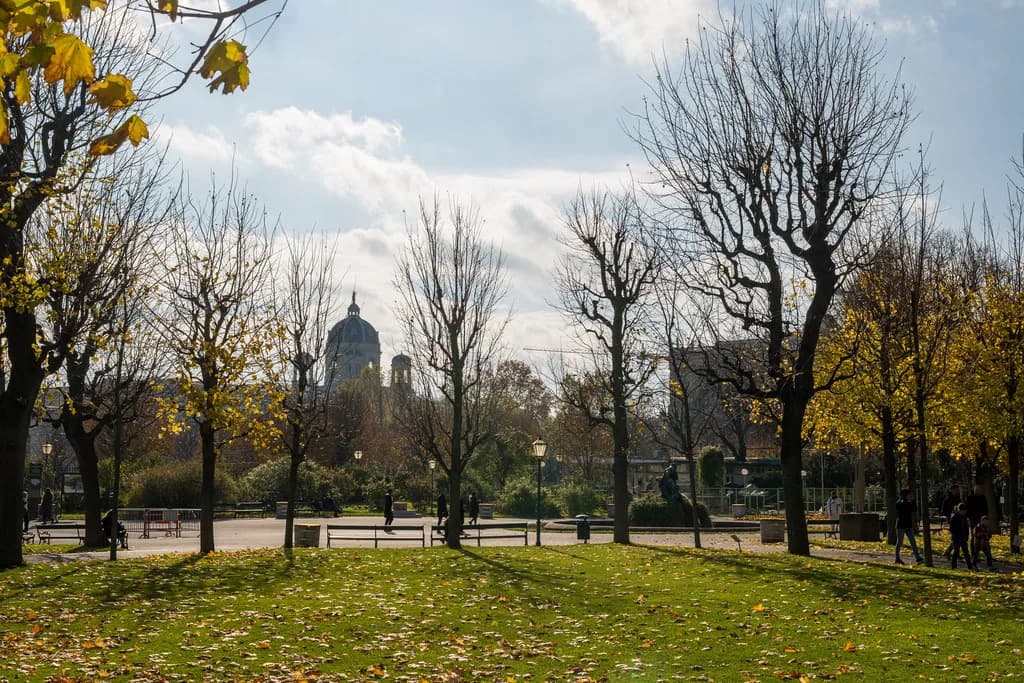
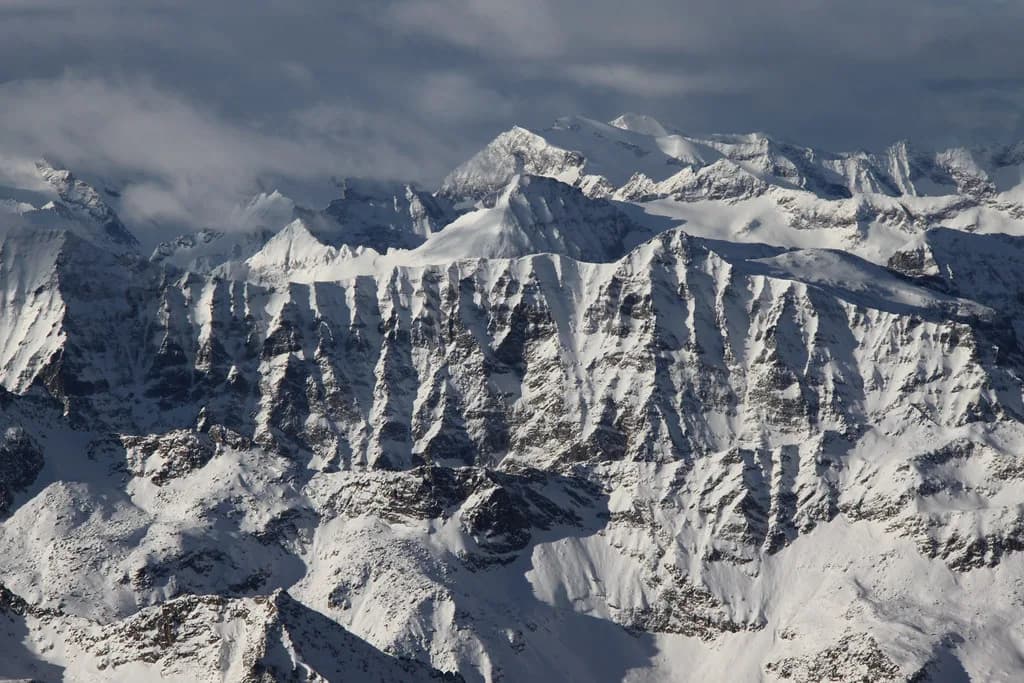
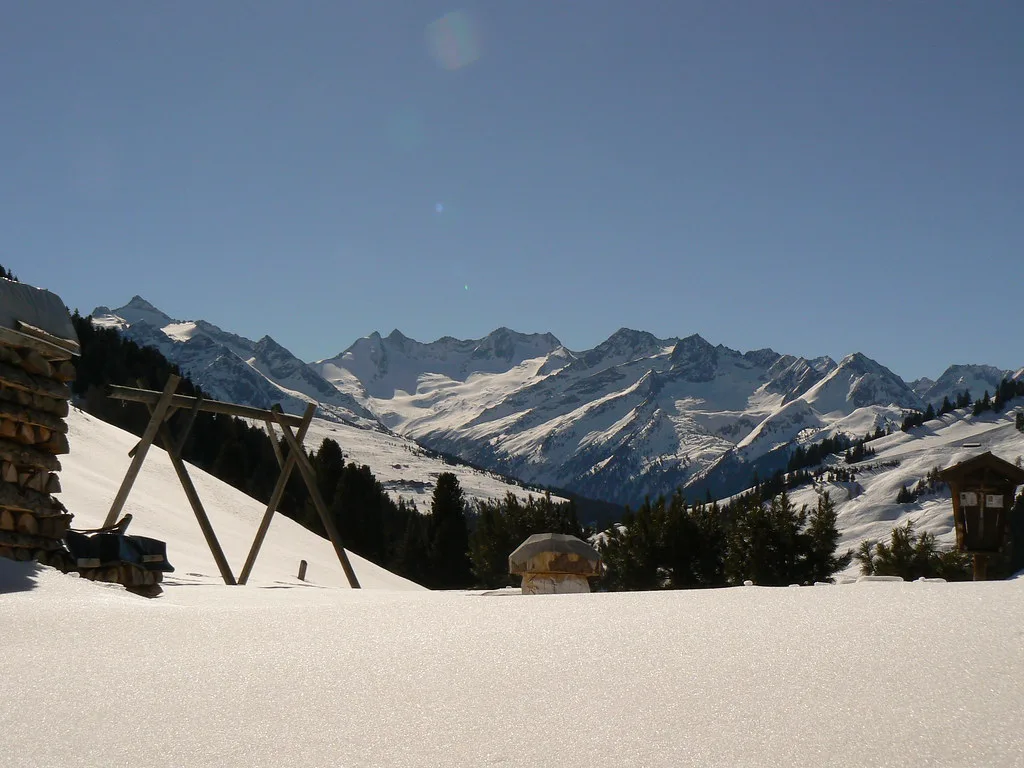
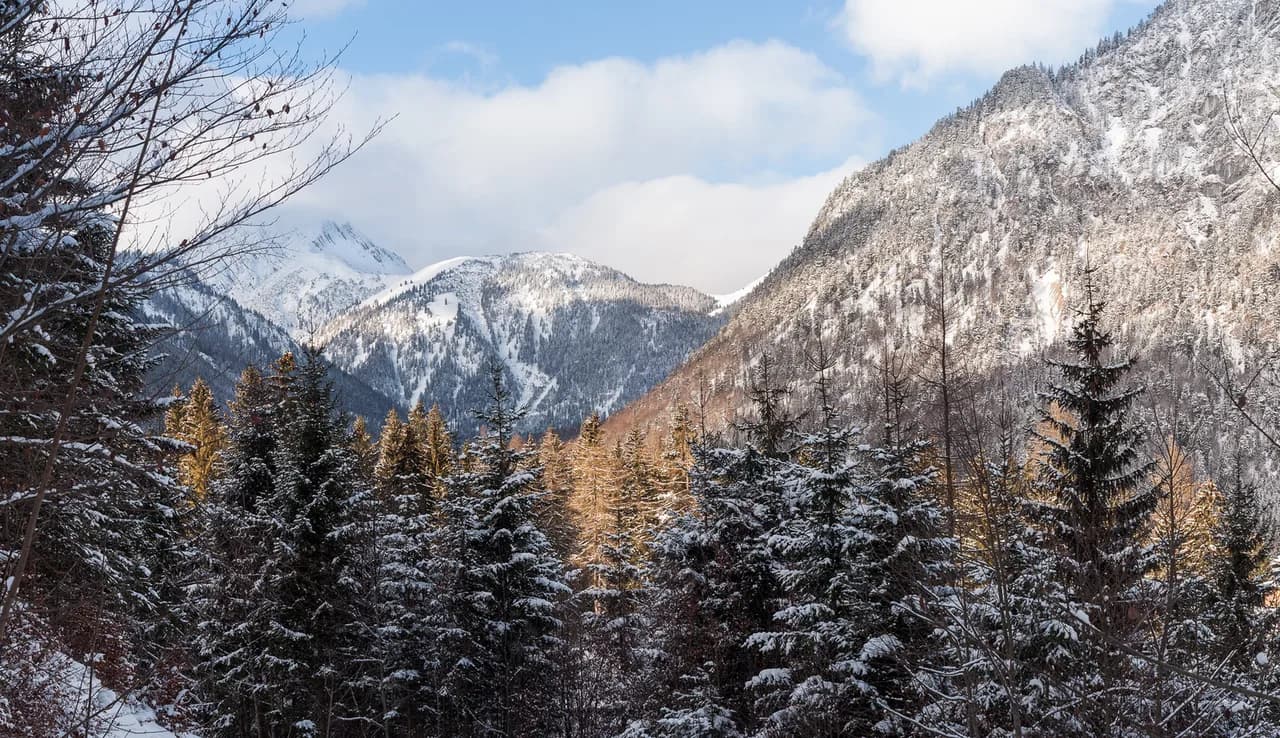
Snow in February is an alpine story. Higher towns and resorts are colder and windier than the Danube cities, and the eastern and northern lowlands are genuinely low-lying rather than mountainous, which is why Vienna can be grey and bare while the Alps are white. If snow is the point of your trip, choose the mountains, not the capital.
Ski season is in full swing, with terrain for beginners and experts and resorts such as Mayrhofen, Zillertal and Kitzbühel within reach of Innsbruck. Zauberg Semmering, close to Vienna, suits beginners and intermediate skiers, which makes it the obvious option if you want a snow day without crossing the country.
Crowds and Costs
Prices follow the snow line. Alpine resorts are at their busiest in February, hotels fill and you need to book accommodation well ahead, while cities such as Vienna and Salzburg stay relatively quiet and can offer better room rates than in spring or summer. The trade-off is simple: pay peak prices for guaranteed mountain conditions, or accept city weather for a calmer, cheaper stay.
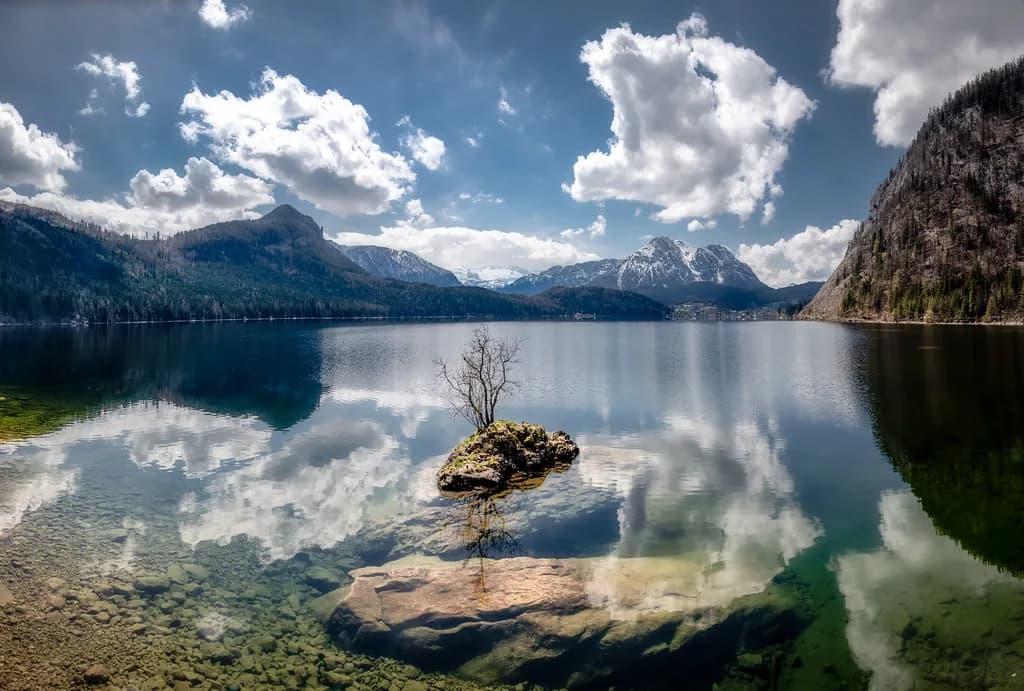
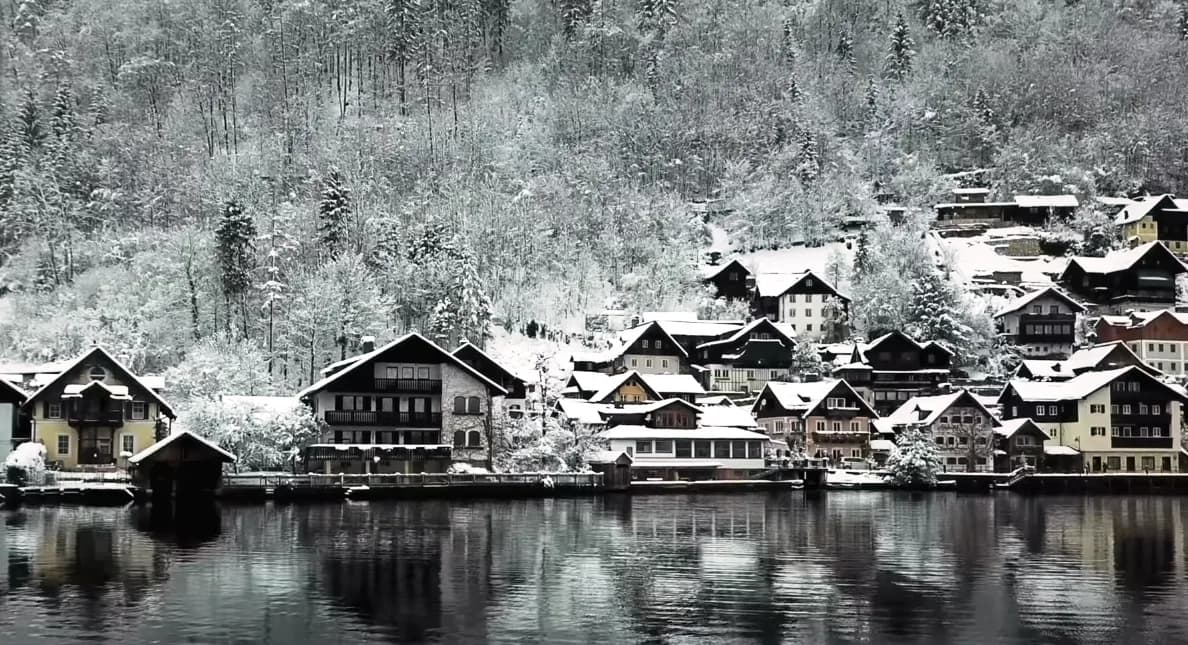
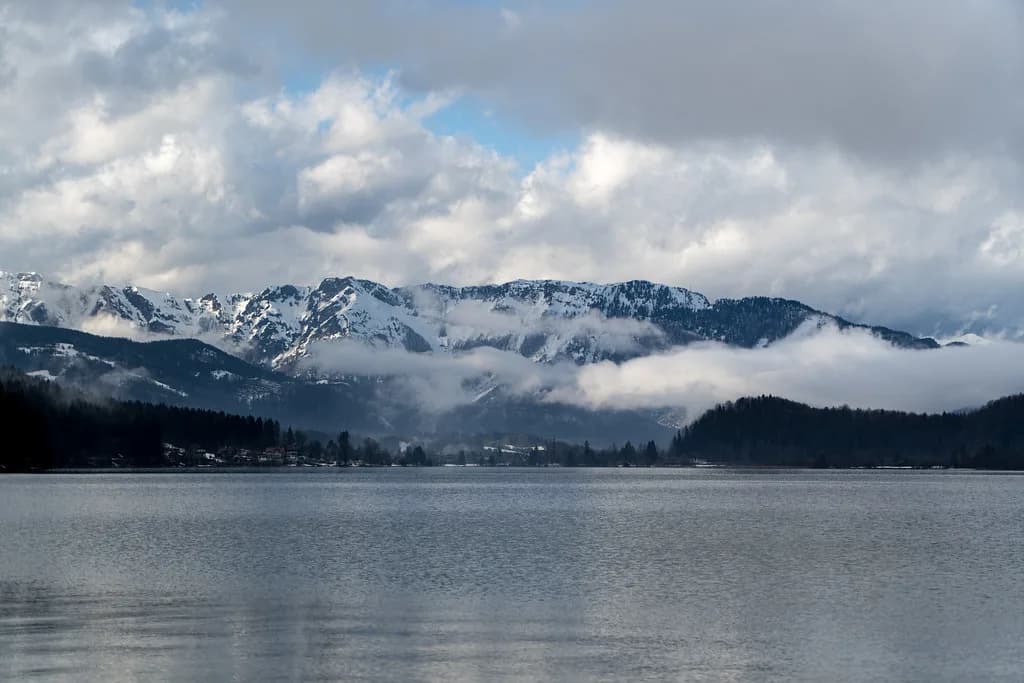
Some smaller towns, including villages in the Salzkammergut lake district, effectively shut down for the winter. That can mean a charmingly empty lakeside view and very little open around it, so check what is actually running before you base yourself outside a city in February.
Vienna in February
Vienna is at its best in February for anyone who prefers interiors to crowds. The Kunsthistorisches Museum, the Belvedere and the Hundertwasser House hold major collections of Austrian art, and the city's coffee houses give you somewhere warm to sit between visits. The cold is real but manageable if you alternate indoor and outdoor stops.
The other February fixture is the ball season, when formal dances take over palaces, concert halls and theatres across the city. Tickets for the most popular balls sell out quickly, most go on sale the preceding autumn, and the Vienna Opera Ball releases tickets around a year ahead, so February here is planned in the previous autumn, not on the night.
Formal dress is expected rather than optional, and not every ticket includes a seat at a table, so specify what you want when you buy. If waltzing is beyond you, a table ticket still lets you watch the room, which is the real spectacle.
Salzburg and Mozart Week
Salzburg pairs cold-weather sightseeing with a serious music calendar. Mozart Week runs for about a week from late January into early February, filling the city with concerts in the composer's home town, and the festival is the strongest reason to choose Salzburg over Vienna in the first days of the month.
Beyond the concerts, the city's indoor and fortress sights hold up well in the cold. Mozart's Residence and Hellbrunn Palace are the obvious pairings, and the Hohensalzburg Fortress gives you the Eastern Alps as a backdrop on clear days, though the walk up is brisk in February.
Small Towns and the Salzkammergut
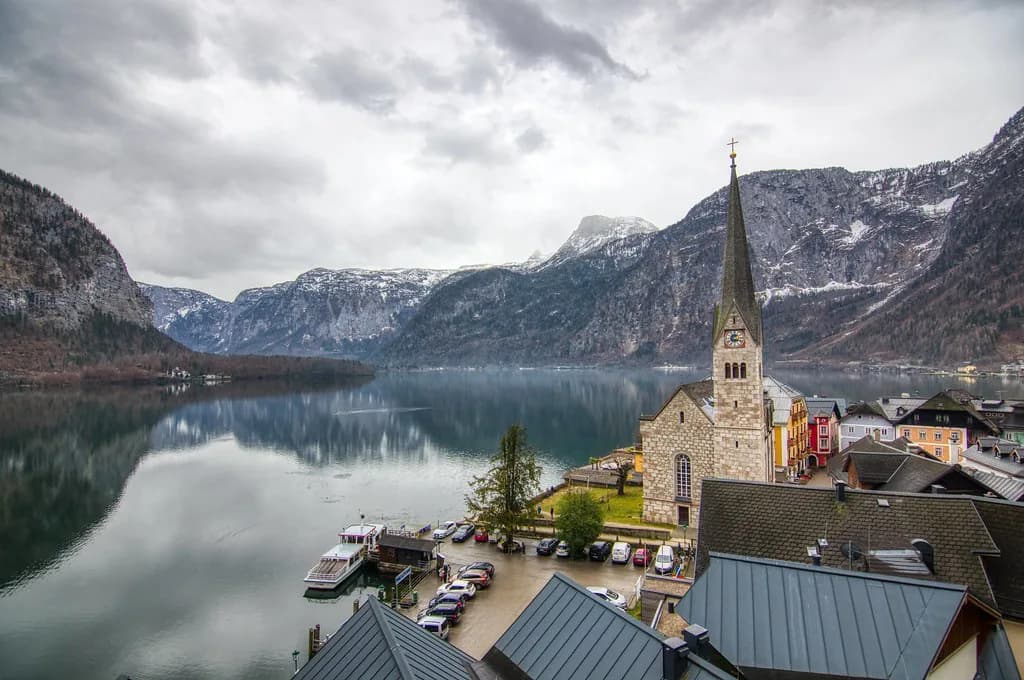
The lake district east of Salzburg is beautiful in a low, quiet way in February: mist on the water, snow on the ridges, almost no one on the promenades. What you lose is choice, because many businesses close for the season and restaurant hours thin out. Treat it as a day trip or a short stop rather than a base.
If you want small-town Austria with more life in February, ski villages are the alternative, since that is where the winter economy actually runs. Otherwise save the Salzkammergut for a warmer month when boats and cafés are open.
Things to Do
Museum-heavy days are the backbone of a February city trip. In Vienna, the Belvedere's Klimt and Schiele holdings and the Kunsthistorisches Museum's collections can absorb whole afternoons, while Salzburg's Mozart sights and fortress do the same at smaller scale. Add a concert or an opera evening and the short daylight stops mattering.
For a change of air, Innsbruck puts mountains within minutes of the centre, with a cable car running from the city up to the slopes and the Inn River valley below. It is the most efficient way in Austria to combine a city break with real alpine scenery in a single day.
Semmering, south of Vienna, is the easiest snow day from the capital for beginners and intermediate skiers, with lessons available for first-timers. Advanced skiers and riders should head deeper into the Eastern Alps, where the terrain and snow cover are more serious.
Carnival and the February Calendar
In 2027, Carnival Tuesday falls on 9 February, with Ash Wednesday on 10 February, and the run-up to Lent shapes the calendar in Catholic regions. Vienna's balls sit in this pre-Lenten window, which is why the biggest ones cluster in January and February rather than later in the year.
Beyond Carnival, February is a month without major national holidays, so museums, shops and transport run normal winter schedules. That makes it a straightforward month to plan: the constraint is weather and seasonal closures, not the calendar.

What Is Open in Winter
Cities keep running through February. Major museums, coffee houses and concert venues in Vienna and Salzburg stay open year-round, and public transport operates normally, so a city-based trip needs little forward checking beyond event tickets.
The variability is outside the cities: mountain lifts follow snow conditions, some lake-district businesses close for the season and small-town restaurants cut hours. Check directly with the venue or lift operator rather than relying on summer listings, and build flexibility into any day trip away from Vienna, Salzburg or Innsbruck.
Who February in Austria Suits
February suits travelers who want winter proper: snowy mountains, cold but manageable city days, concert halls and museums without summer queues. It is a strong month for couples and culture-focused trips, and for anyone combining a few city days with a short alpine stay.
Choose another month if you want long evenings, lake swimming, hiking at altitude or guaranteed snow on Vienna's streets. Late spring and early autumn serve those trips far better, and March, when the clocks change on 28 March 2027, begins to open up the shoulder season.
Plan Your Visit
Build a February trip around one or two bases: Vienna or Salzburg for museums, concerts and coffee houses, adding a few days in the Alps or near Innsbruck if you want snow underfoot. Book alpine beds early and ball tickets in the preceding autumn, then leave room in the schedule for a cold, short day.
Expect grey skies in the cities and treat any bright, clear day as a bonus to spend outdoors, on a fortress terrace or a mountain cable car. That mindset is what makes February work: fewer crowds, real winter atmosphere and a country that is quieter than most visitors imagine.
Explore more Austria winter guides
Frequently Asked Questions
Is it snowing in Austria in February?
In the Alps, yes, typically: February is mid-winter and higher resorts and mountain towns usually hold snow. In Vienna and Salzburg, snow can lie on the ground and nights often fall below freezing, but city snow is not guaranteed. If snow is your priority, base yourself in the mountains.
Is Vienna worth visiting in February?
Yes, if you want museums, concerts and coffee houses without summer crowds. Days are short and cold, with highs near freezing, so plan indoor anchors and one outdoor stop per day. The ball season also runs through the month, though popular balls need booking months ahead.
What is there to do in Austria in February besides skiing?
Vienna's Kunsthistorisches Museum and Belvedere, Salzburg's Mozart sights and fortress, Mozart Week concerts, and Innsbruck's cable car from the city into the mountains all work well in February. City breaks and concert evenings carry the month comfortably.
Is February a good time to visit Salzburg?
It is a strong month for music, with Mozart Week running from late January into early February. Expect cold days and quiet streets outside concert times. Sights such as Mozart's Residence, Hellbrunn Palace and the fortress stay open, and the city is far less crowded than in summer.
What is the cheapest time of year to visit Austria?
City travel in the low season, including much of February outside the ski resorts, tends to be cheaper than summer or the Christmas period. Alpine resorts are at peak prices in February because it is high season for skiing. Compare city and mountain rates separately.
Do I need to book Vienna ball tickets in advance?
Yes. The most popular balls sell out quickly, most tickets go on sale the preceding autumn, and the Vienna Opera Ball releases tickets around a year ahead. Formal dress is required, and not every ticket includes a table seat, so state what you want when buying.
How cold is Austria in February?
It is mid-winter, with nighttime temperatures in Vienna and Salzburg often below freezing and daytime temperatures usually a little above it. Alpine towns are colder and windier than the Danube cities. Treat figures as long-term averages, since individual February weeks vary widely.
Sources
Winter travel notes
Optional updates when we add or revise winter guides.
You might also like
Continue reading
More guides you'll find useful