Does It Snow in Austria? Snow by Month and Region
Austria gets snow from November to March, heaviest in January and February in the Alps. See how snow varies by region and month, and what winter travel is like.
On this page
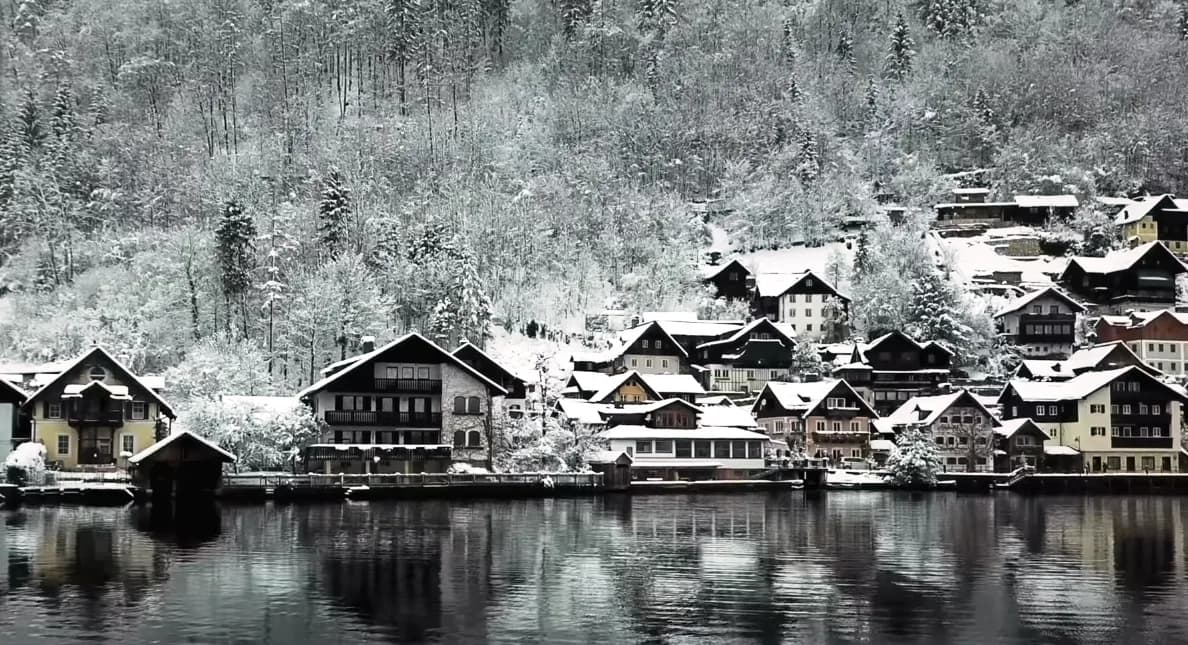
Austria is one of Europe's most dependable winter destinations, but a snowfall answer depends entirely on where you stand. A village at 800 meters in Styria and a resort at 1,400 meters in Tyrol behave like different countries once winter sets in.
This matters most for travellers deciding between a mountain trip where snow is the whole point and a city break where it is a pleasant bonus. Vienna and Innsbruck rarely hold snow on the pavements, while the high Alps usually do. An Austria in winter trip rewards planning around altitude rather than luck.
Snow Across the Year
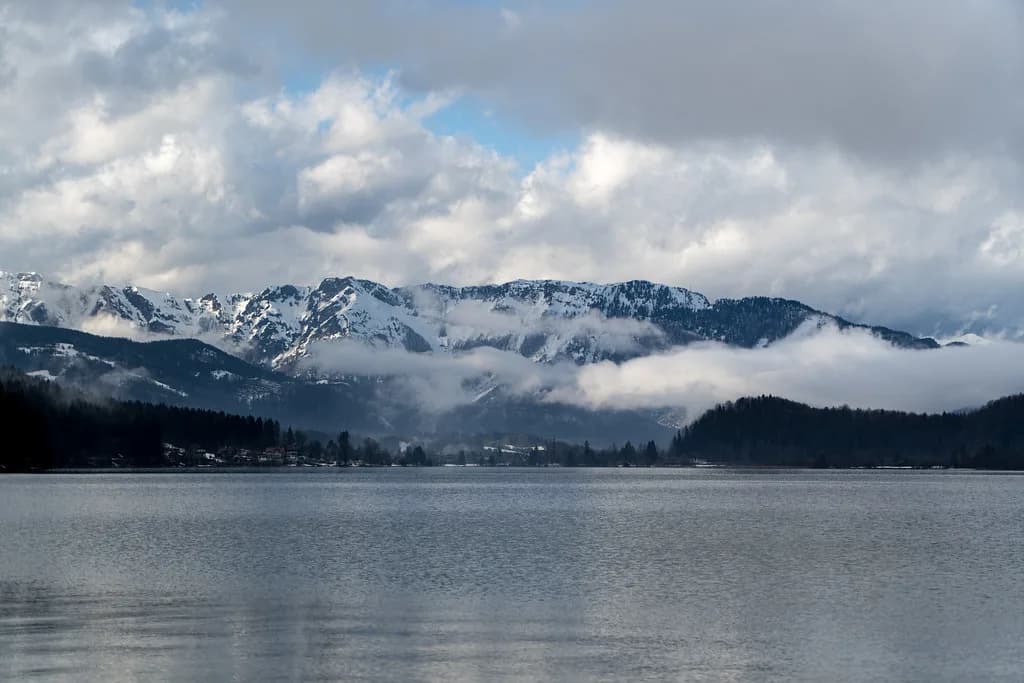
The snow season in the mountains generally runs from late November into April, with the most reliable cover concentrated in the first quarter of the year. January and February are widely regarded as the strongest months, when cold temperatures hold what has already fallen and fresh snow arrives most often.
December and March sit at the edges of that core window and depend far more on altitude. A resort with a high base and slopes above 2,000 meters can usually be skied in both months, while a low-lying valley may have thin cover or none at all. Choosing the right altitude is effectively choosing your snow.
Snow in November and December
November is the least certain month of the winter in Austria. Snow often falls on high ground, but valleys may see rain, and many lower resorts are still preparing their slopes rather than welcoming skiers. Glacier areas and the highest resorts open first, which is why early-season trips tend to head upward.
December splits into two halves. The first half is a gamble in most places, with snowmaking carrying the main slopes at many lower resorts; the second half is much more likely to bring natural cover by Christmas. If festive atmosphere matters more than powder, a low-lying town with a market square delivers it regardless of the weather.
Snow in January and February
January is typically the snowiest month across the Austrian Alps, and February often follows with a deeper base. Temperatures stay well below freezing at altitude, which keeps the existing snow in good condition. For travellers whose priority is guaranteed snow rather than a white Christmas, these two months are the safest bet.
Conditions are not just about depth. February often brings clearer, sunnier days alongside the cold, making it a strong month for both skiing and winter walking. Daytime temperatures in the valleys can sit around minus five Celsius during winter, and stormy days are always possible, so build some flexibility into your plans.
Snow in March
March still delivers good snow on high ground, thanks to the base built up through the winter. Days are noticeably longer and sunshine more frequent, which makes it an appealing month for travellers who want winter scenery without the deepest cold. The trade-off is that lower slopes and south-facing aspects can turn soft and slushy in the afternoons.
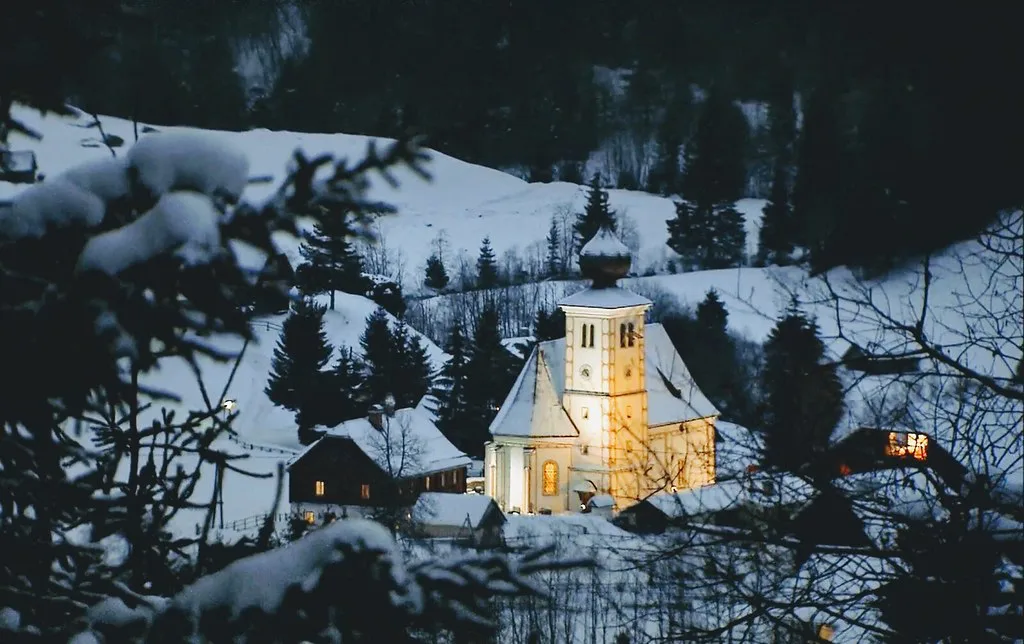
Towns such as Bad Gastein pair that milder weather with mountain air and spa culture, so non-skiers have a reason to visit too.
Snow by Region
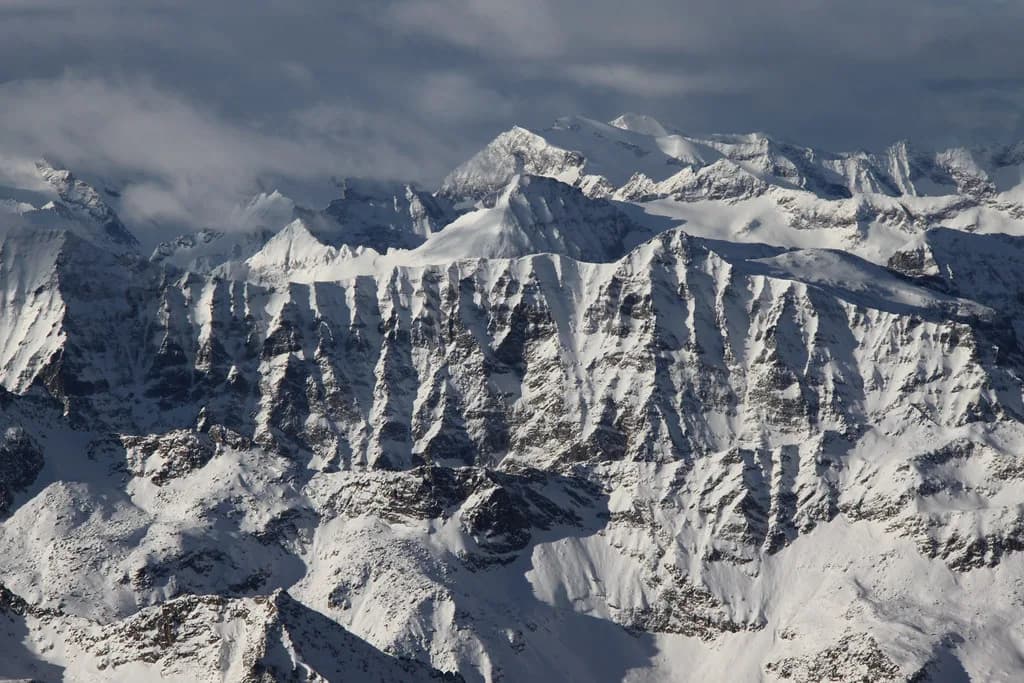
Tyrol and Vorarlberg sit on the northern Alpine ridge and catch a great deal of snow, with many resorts high enough to be reliable from December into April. Some Tyrolean areas open from November and stay fit for skiing into May thanks to glaciers and altitude. For dependable cover, this western belt is the strongest choice.
Salzburgerland offers a mix of high and low terrain. Areas around Kaprun, Zell am See and Obertauern hold snow well in January and February, while lower parts of the region depend more on the year. Carinthia and Styria sit further south and lower, leaning more heavily on snowmaking and careful preparation.
What Snow Means for a Winter Trip
In mountain areas, lifts and mountain railways run on a winter timetable, and the snow determines which ones open and how much terrain is accessible. A snow report shows which lifts and runs are operating, along with current depths and recent snowfall, before you commit to a particular valley.
Winter walking and snowshoeing work best when there is settled snow above the valley floor, and even in poor snow years higher trails usually hold it. If the snow is thin, a spa or thermal bath and an afternoon in a museum are the usual fallback.
Weather to Plan Around
Austrian winters are cold and the days are short, with roughly eight to ten hours of daylight and temperatures that can fall well below freezing at altitude. Clear, bright spells alternate with storm days, so a flexible itinerary that can swap an outdoor day for an indoor one is worth building.
Winter snow is what draws most visitors to Austria, and the Alps can hold snow into June after a heavy season. Pack for the possibility of rain or slush in the valleys, even if you plan to spend most of your time higher up.
Christmas and New Year in the Snow
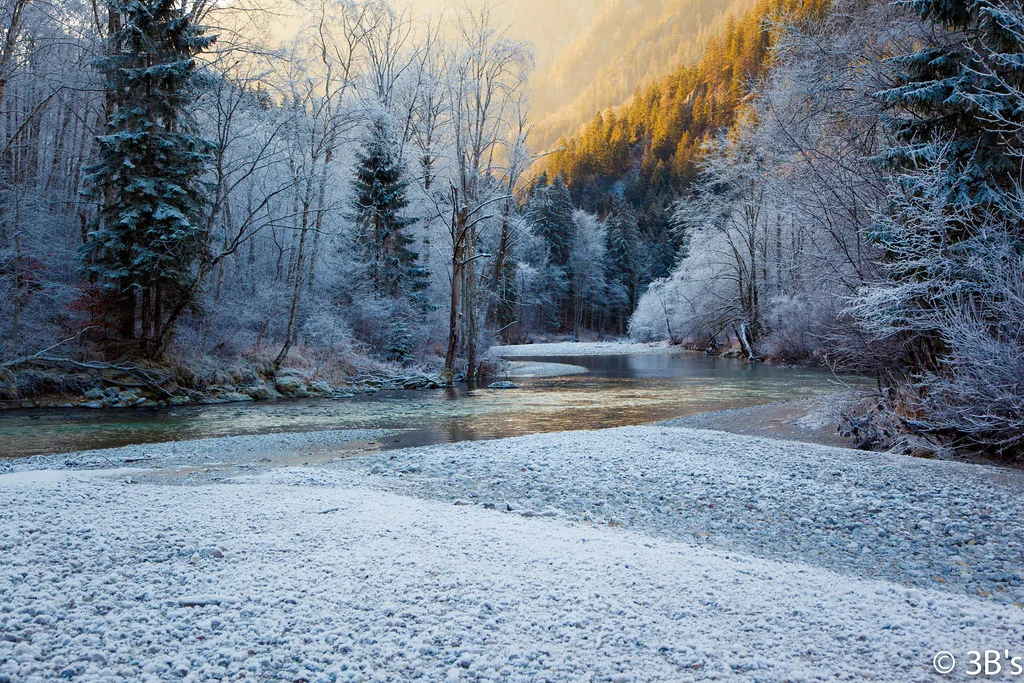
Christmas falls on Friday 25 December 2026 and New Year's Day on Friday 1 January 2027, which gives a long holiday block for a mountain stay. Low-lying villages can be wonderfully atmospheric over the festive weeks, but they are not guaranteed snow on the ground. For reliable festive cover, aim for a high base or a glacier area.
Snow reports become the most useful planning tool in the week before departure, when the picture for a specific resort is much clearer than any seasonal average. Early booking is sensible for the Christmas week itself, which draws heavy demand across the Alps.
Crowds, Prices and Timing
January and February are the busiest months in the ski regions, with Christmas week, New Year and the February school holidays the peak. Demand for accommodation and lift passes is greatest then, and the trade-off for the best snow is thinner availability and busier slopes.
If powder is essential and crowds wear you down, avoid early December and aim for the second half of January. If you want long, sunny days and a calmer pace, March on high ground is the compromise, though you may lose some of the snow quality in the valleys. Low-lying cities such as Vienna are quiet options in winter, with snow as an occasional bonus rather than a feature.
Plan Your Visit
Austria does get snow most winters, but the reliable version comes with altitude. January and February are the strongest months across the Alps, December and March are workable if you choose high ground, and November is a gamble outside glacier areas.
Pick your base by altitude rather than by postcard appeal, and check a single resort's snow report before you book or travel. A high mountain village and a valley town give you two very different winters, and knowing which one you want is most of the planning done.
Explore more Austria winter guides
Frequently Asked Questions
Does it snow in Austria in December?
Yes, particularly at altitude, but December is unpredictable. The first half can rely on snowmaking at lower resorts, while the second half is more likely to bring natural cover by Christmas. High resorts and glacier areas offer the safest early-season snow.
Does it snow in Vienna?
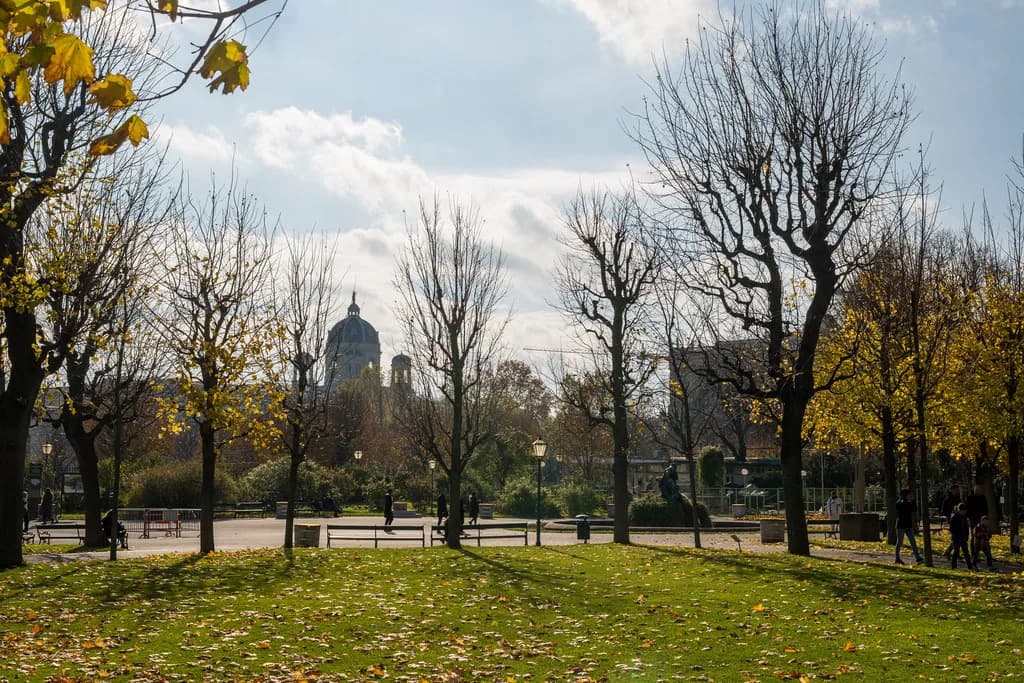
Snow in Vienna is occasional rather than expected, and it rarely settles for long in the city. Vienna is a comfortable winter city break where snow is a bonus; travellers who want deep snow should head to the Alps instead.
Does it snow in Austria in March?
Yes, on high ground, where the winter base often lasts through the month. Lower slopes and south-facing terrain can turn slushy in the afternoons. March suits travellers who want longer days and more sunshine alongside winter scenery.
When is Austria most likely to have snow?
January and February are the strongest months across the Alps, with the deepest cover and the coldest temperatures. They are also the busiest and most expensive periods, so book well ahead if those months matter to you.
Is there snow in Austria at Christmas?
Sometimes, but it depends on altitude. Low-lying villages can be atmospheric without guaranteed snow, while higher resorts and glacier areas are much more dependable over the Christmas week that starts on Friday 25 December 2026.
Does it snow in Austria in October?
Early falls are possible on high ground, but October is generally an autumn month with unreliable snow in the valleys. For a winter trip built around snow, wait until at least late November or plan around a glacier area.
Where should I go in Austria if snow matters?
Aim for Tyrol, Vorarlberg or the higher parts of Salzburgerland, where resorts sit at altitude and hold snow from December into April. Lower areas of Carinthia and Styria rely more on snowmaking and need more careful timing.
Sources
Winter travel notes
Optional updates when we add or revise winter guides.
You might also like
Continue reading
More guides you'll find useful