Bologna in March: What to See, Do and Expect
Bologna in March brings longer days, damp spells and fewer crowds than spring. Here is what typical weather, opening hours and events look like.
On this page
March in Bologna is a city shaking off winter rather than settling into spring. The porticoes stay busy with locals, the food is still hearty, and the main sights run on ordinary schedules, but the weather can swing from bright, mild afternoons to cold rain within a day. It suits travelers who want Bologna's museums, churches and trattorias without the spring crowds, and who do not mind carrying a rain jacket.
What Bologna is like in March
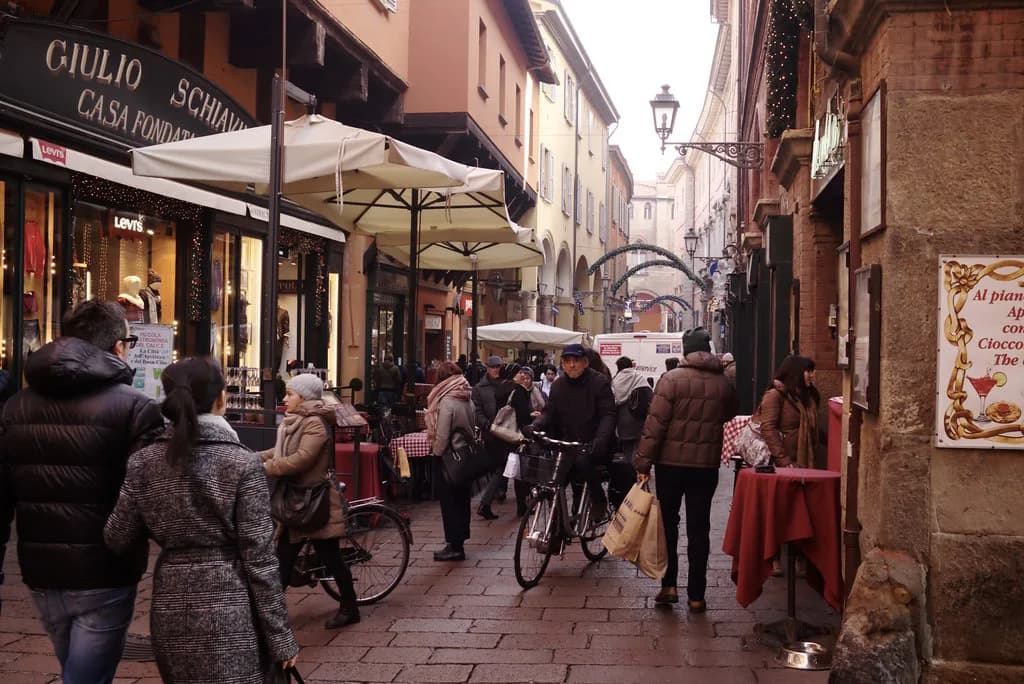
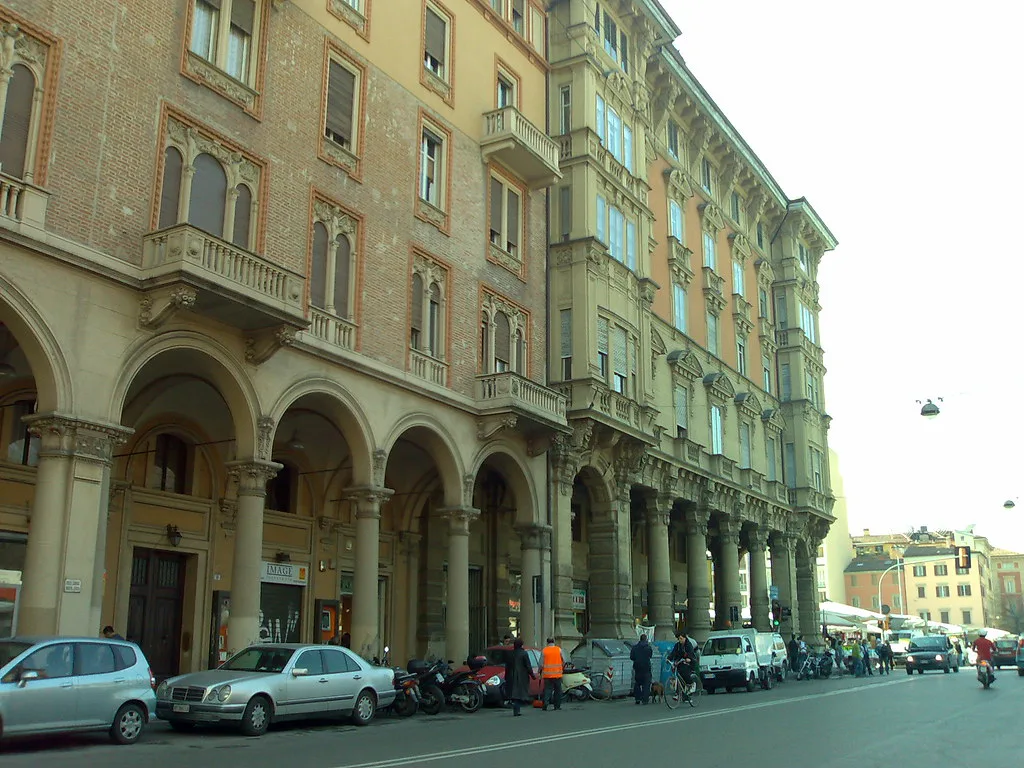
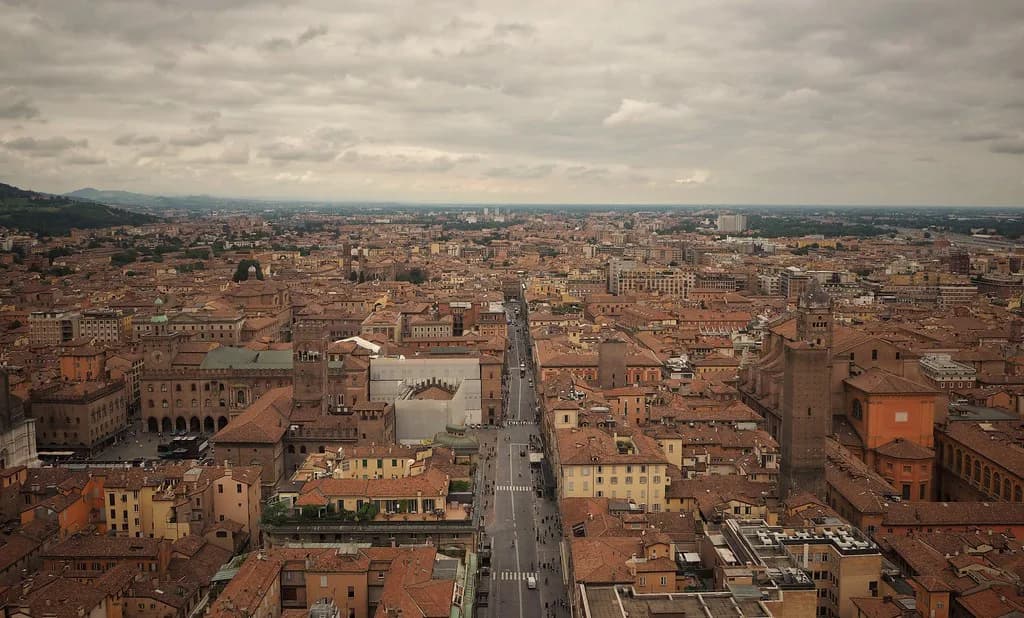
Bologna sits on the edge of the Po plain in Emilia-Romagna, with the Apennine hills rising just south of the historic center. March sits between the cold, sometimes snowy winter and the busy spring, so the city feels lived-in rather than touristy. The arcaded streets that thread through the center make walking realistic even when the weather is unsettled, because you can cover long stretches under cover.
Daylight is the big change across the month. European clocks go forward on 28 March 2027, so the final days of March bring lighter evenings and longer usable afternoons. Before that, sunset comes early enough that you should plan outdoor time for the middle of the day and save museum visits for late afternoon.
March weather: temperatures, rain and daylight
Bologna in March is typically cool rather than warm, and you should treat any given day as unpredictable. Day-to-day figures on the AccuWeather monthly page for Bologna show March highs mostly in the mid-teens Celsius, roughly the upper 50s to low 60s Fahrenheit, with nights in single digits Celsius, around the low to mid 40s Fahrenheit. Those are running observations and outlooks rather than a promise, so check the evolving forecast close to departure, because March weather in this part of Italy changes quickly from one week to the next.
Rain is a real feature of the month, and short wet spells are more likely than settled dry weeks. On the plus side, March is also the month when the city starts to dry out compared with the damp, foggy depths of winter. Locals treat showers as a passing inconvenience rather than a reason to stay in, and a compact umbrella earns its place in your bag.
What is open and what changes in March
Bologna's core sights run year-round, so March is not a month of closures. Piazza Maggiore, the Fountain of Neptune and the basilica of San Petronio are open-air or publicly accessible, and the Sanctuary of the Madonna di San Luca above the city welcomes visitors throughout the year. Museums and churches keep regular hours, though you should look up individual opening times on each venue's own site before you go, since they change with the season.
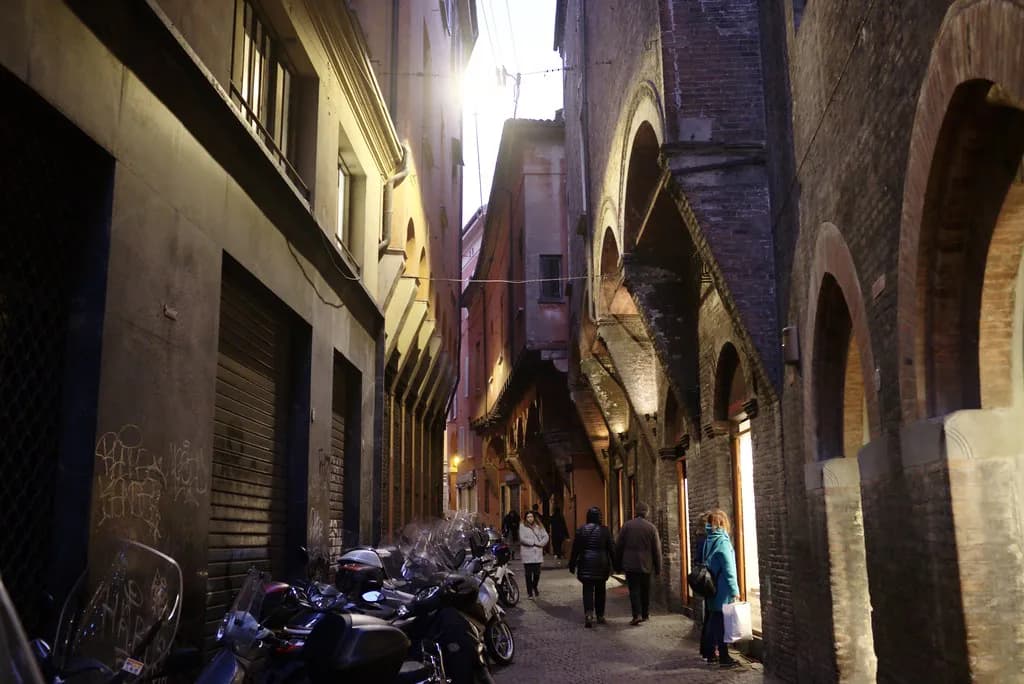
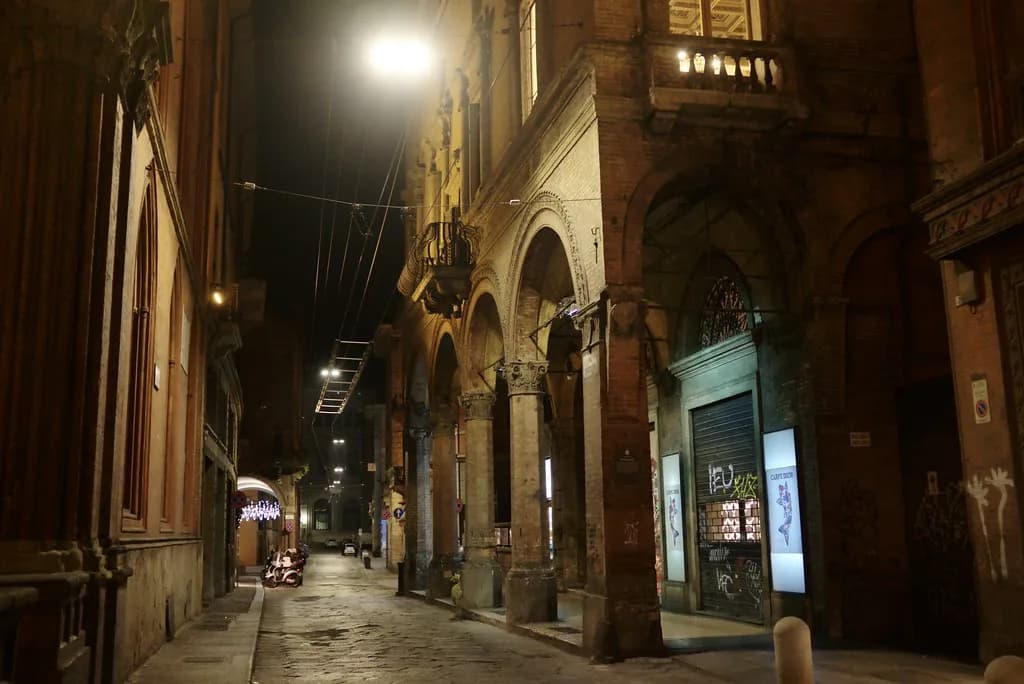
The city's covered porticoes, a UNESCO-listed network that runs from the center toward San Luca, are the practical backbone of a March visit. They let you walk for an hour or more without committing to the weather, and the climb toward the sanctuary makes a good half-day outing when the sky clears. Restaurants and cafes are fully open, and the trattorias serving tagliatelle al ragù and tortellini in brodo are in their element in cool weather.
If you are deciding between months, February is colder and quieter, with Carnival falling on 9 February 2027.
Events and dates in March
Bologna's spring cultural calendar varies year by year, and organizers confirm each edition's dates and venues closer to the time. Rather than assume last year's program carries over, look at the city's tourism office and the individual venues, such as Palazzo Fava, for what is actually running during your dates. Do not build a trip around a named exhibition until you have seen it confirmed for that year.
Two fixed calendar moments help you plan around the month. Holy Week falls 21–28 March 2027, with Easter Sunday on 28 March, so the final week brings Italian visitors and family travel and some venues fill up. Earlier in the month, the city is comparatively calm, which is the window to aim for if you want the same sights with more breathing room.
Things to do in Bologna when the weather turns
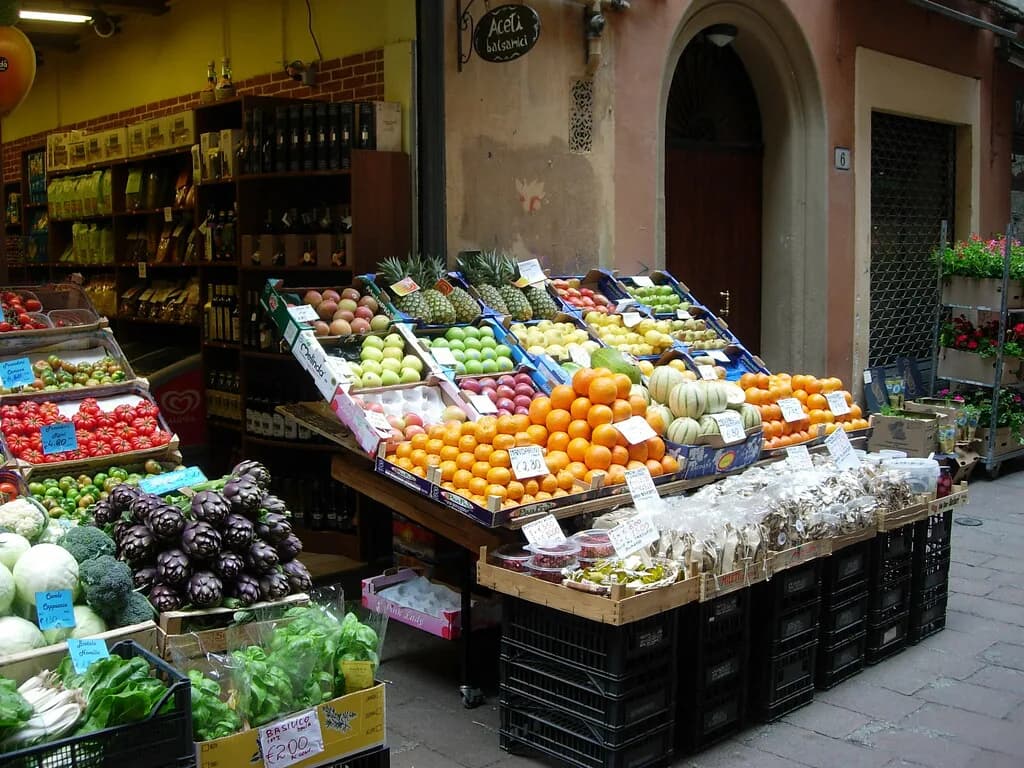
Use March for the indoor Bologna that people often rush past in summer. San Petronio on Piazza Maggiore is one of Italy's largest churches and gives you an hour of quiet, while the city's archaeological and artistic collections are a sensible fallback on a wet afternoon. The food is a reliable rainy-day plan on its own, from a long lunch of tortellini to an afternoon in a cafe under the porticoes.
When the sun appears, walk the portico route up toward San Luca for views over the red rooftops and the plain beyond. The climb is steady but not technical, and you can turn back at any point if the weather shifts. Save the open-air markets and long strolls through the side streets for a dry day, since March's charm depends more on timing than on temperature.
Seasoned travelers put Bologna's winter dining and indoor sights at the center of the colder months. Travel writers describing Bologna in winter single out the hearty comfort food and the city's many museums and churches as the season's strongest draw.
Day trips from Bologna in March
Bologna's position on the plain makes it a good base for short rail trips in March. Modena, Ferrara and Parma are all reachable by train, and each offers a compact historic center you can cover in a day without depending on good weather. Check times on the Trenitalia site before you set out, because regional schedules vary between the winter and spring timetables.
If you want a wider picture of the country in this season, the Italy in March guide covers how the shoulder month plays out in other regions, from the cities to the Amalfi Coast.
Crowds, prices and the trade-offs
March is a shoulder month, which means fewer visitors than April and May but more than the depths of winter. Hotel rates and restaurant queues are generally gentler than in spring, and you can usually get into the sights without long waits. The trade-off is the weather: cool days, rain and shorter outdoor hours mean you have to build flexibility into your plan.
Compare March with December if you are weighing atmosphere against comfort. December brings Christmas lights and cold, dark days, while March brings more daylight and the start of the spring season.
Who March suits and who should choose another month
March suits travelers who care more about food, architecture and museums than about sitting outside, and who like a city with locals going about their business. It is a good month for a short city break, a food-focused trip or a first visit to Bologna before the spring rush. It does not suit travelers who need guaranteed sunshine, long al fresco evenings or a summer-like holiday.
If warm weather is the priority, wait for late April or May, when the season is warmer and the days longer. Alternatively, a beach-focused March elsewhere in Italy looks very different from Bologna's cool, damp start, so compare before you commit. If you specifically want the cold, atmospheric side of Bologna, November and December are the months to consider.
Plan Your Visit
Build your Bologna March trip around flexibility: pick two or three indoor anchors, keep one dry afternoon free for the portico walk to San Luca, and leave room for a slow lunch when the rain sets in. Check the forecast in the week before you travel and confirm opening hours on each venue's own site.
Explore more Bologna winter guides
Frequently Asked Questions
What is the weather like in Bologna in March?
March is cool and changeable, with rain likely at some point and milder afternoons than in winter. Daylight lengthens noticeably, especially after the clocks change on 28 March 2027. Treat any given day as unpredictable and check the forecast close to your trip.
Is March a good time to visit Bologna?
Yes, if you want the city's food, museums and porticoes with fewer visitors than in spring. It is less suitable if you need guaranteed sunshine or want to spend long evenings outdoors.
Is Bologna crowded in March?
March sits between the quiet winter and the busy spring, so it is generally less crowded than April and May. The final week, around Holy Week and Easter in 2027, brings more Italian visitors and family travel.
What is there to do in Bologna in March?
Focus on the porticoes, Piazza Maggiore and San Petronio, the Sanctuary of the Madonna di San Luca and the city's museums, plus long lunches of tortellini and tagliatelle al ragù. Short rail trips to Modena, Ferrara or Parma fill a day.
How many days do you need in Bologna?
Two full days cover the historic center and a portico walk, and three days give you room for a museum, a day trip and a relaxed food-focused evening. Add a day if you want to include San Luca and the hills at an unhurried pace.
Does it snow in Bologna in March?
Snow is possible in winter but less typical by March, when rain is the more common unsettled weather. For a month-by-month look at snowfall, see the dedicated snow guide.
Sources
Winter travel notes
Optional updates when we add or revise winter guides.
You might also like
Continue reading
More guides you'll find useful