Bologna in January: Weather, Sights and Winter Tips
Bologna in January means cold, damp days, early dusk and uncrowded piazzas. Here is the weather to expect, what stays open and how to fill short days.
On this page
January is Bologna at its quietest and most inward-looking. The piazzas empty early, the porticoes keep you dry, and the city's energies shift to trattorias, frescoed halls and long lunches. It suits travelers who want a working Italian city rather than a postcard one, and who accept that daylight ends while the afternoon is still young.
The payoff is space. You can stand under the vaults of the Archiginnasio or take a table in the Quadrilatero without the queues that build later in the year, and hotel rates are generally at their softest. The cost is weather you cannot ignore: cold, often damp air and a sun that sets before you have finished your second coffee.
January Weather in Bologna
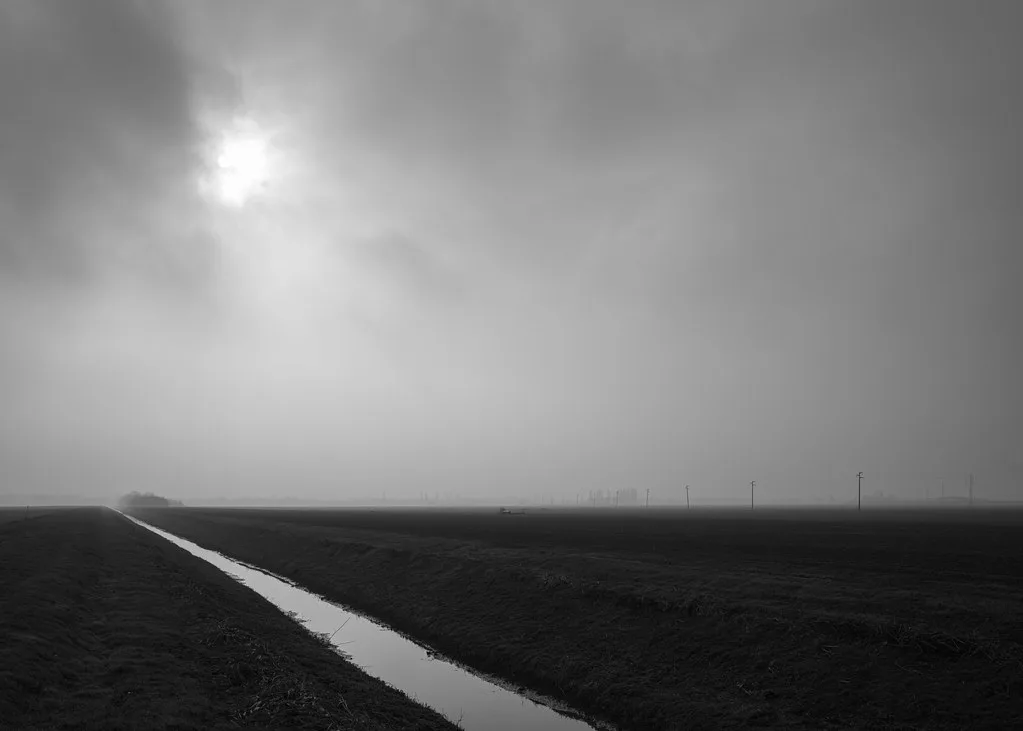
January is the coldest month of the Bologna year, and the cold is a damp cold rather than a crisp one. Typical daytime highs sit in the mid single digits Celsius, with nights hovering near or just above freezing, so a sunny afternoon and a raw evening can feel like different seasons a few hours apart. Treat any figure as a long-term average and plan layers rather than trusting a single forecast.
Rain is modest in volume but frequent enough to shape your day, and snow is occasional rather than routine. When flakes do fall on the city they usually melt on the cobbles rather than settle, though the Apennines above town are another matter. For a month-by-month look at what actually accumulates, the snowfall guide sets expectations clearly.
The bigger constraint is light. In early January Bologna gets roughly nine hours between sunrise and sunset, and by the end of the month you have gained perhaps forty minutes in the evening. That means museum and church visits are best front-loaded into the morning, with food, aperitivo and porticoed wandering left for the dark hours.
What January Changes in the City
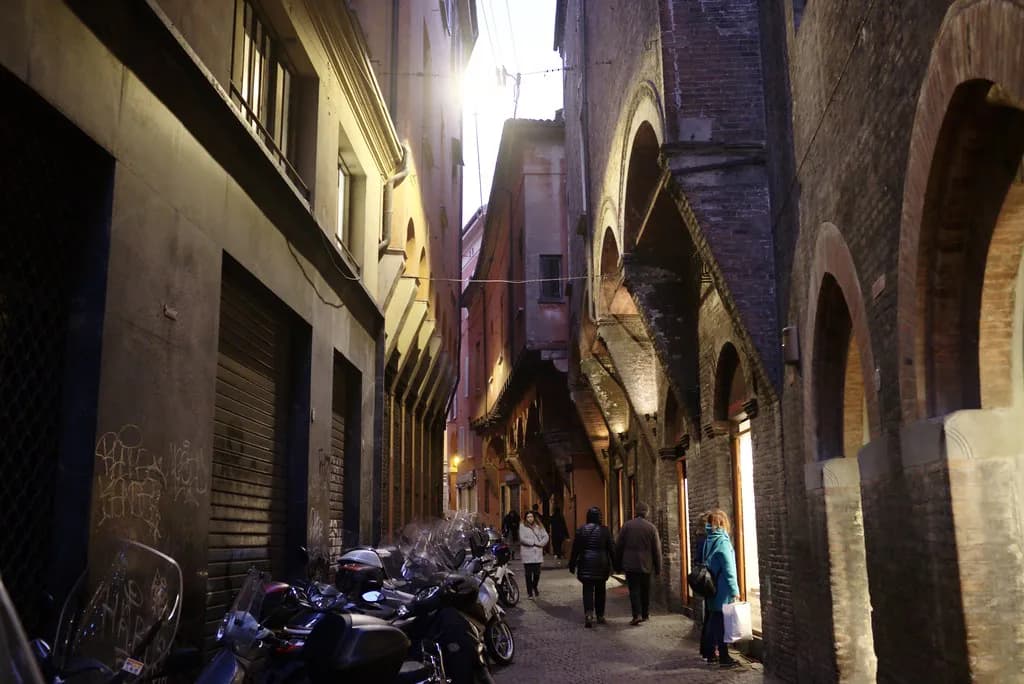
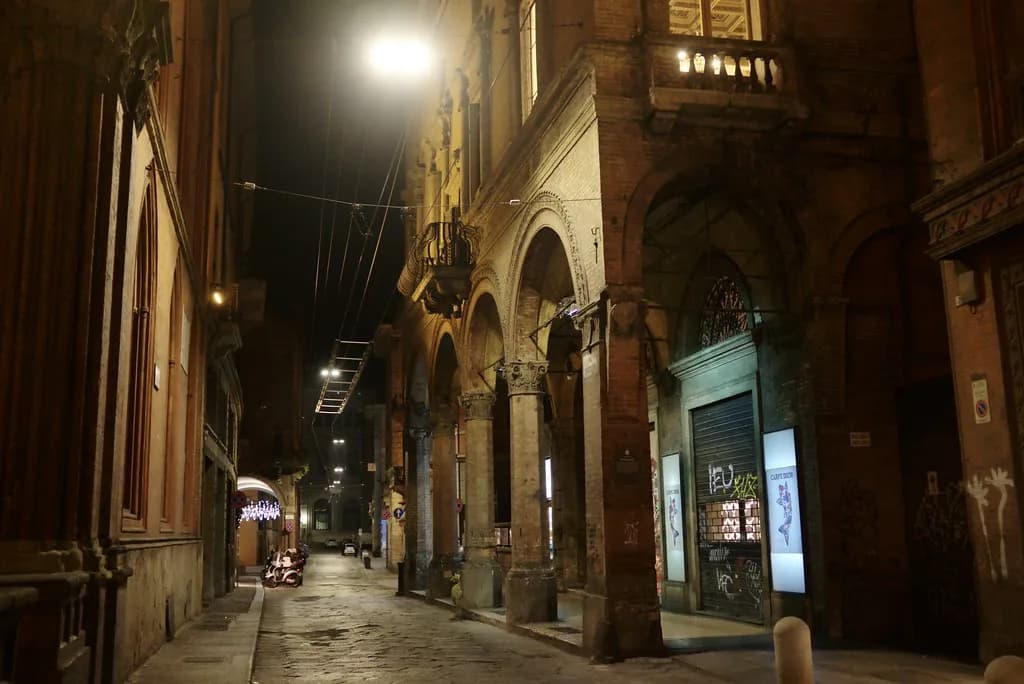
Bologna's forty-odd kilometres of UNESCO-listed porticoes are the practical answer to a grey January. The arcades run from the edge of the historic centre all the way up to San Luca, so you can walk for an hour or more without ever really being in the rain. The San Luca climb is steep and the final stretch is exposed, so save it for a dry, bright morning rather than a wet afternoon.
Indoor anchors carry the rest of the day. The Archiginnasio's Anatomical Theatre, the clock tower terrace at Palazzo d'Accursio and the music museum in Palazzo Sanguinetti all make sense on a cold or wet day, and the city's official winter pages gather the season's exhibitions and experiences in one place. Book tower and theatre entries ahead where Bologna Welcome sells timed slots, since capacity is small.
Christmas decorations come down through early January, and the Epiphany holiday on 6 January, a Wednesday in 2027, is the last real festive beat before the city settles into its winter rhythm. If you want markets and lights, plan the first week; if you want the calm version, arrive after the sixth.
What Is On in January
January in Bologna is a month of exhibitions rather than festivals. The city's winter programme lists the museum shows and art events running through the season, and the quieter streets make them easy to see without timed-entry pressure. Check the official events calendar for what is actually hanging while you are in town.
The art calendar tightens at the turn of the month. Bologna Welcome lists Art Fair 2027 at the Fiera running 5 to 7 February 2027, the anchor of the city's art week, so a late-January visit sits just before the trade and press crowd arrives. If seeing the fair matters, shift your dates into the first week of February.
For travelers weighing adjacent months, the February guide covers the art-week surge and Carnival on 9 February 2027, while the December guide handles the Christmas run-up. Reading the two side by side makes the January trade-off obvious: fewer crowds, but also fewer set-piece events.
Things to Do on a Cold or Wet Day
Start with the frescoed rooms of the Archiginnasio, then walk a few steps to Piazza Maggiore for the clock tower terrace and the municipal art collections. Neither needs good weather, and both put you in the medieval core where the next stop is a five-minute walk. Bologna Welcome sells visits to the clock tower and the Archiginnasio as bookable experiences.
The Museo e Biblioteca della Musica at Palazzo Sanguinetti is the sleeper of a January afternoon: six centuries of European music history in frescoed halls, with manuscripts and instruments that reward slow reading. Pair it with a coffee under the porticoes rather than trying to squeeze in a second museum.
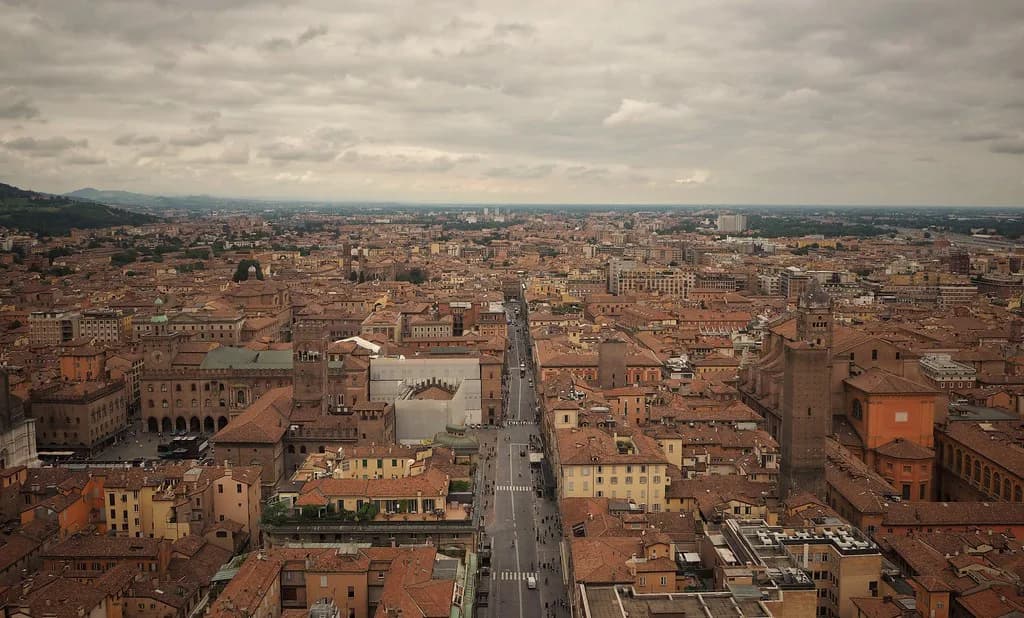
When the sky clears, spend it outdoors. The terrace of the clock tower gives you the red rooftops, and a walk along the Portico dei Servi or up toward San Luca is worth planning around a bright morning rather than an afternoon when the light drains early. The free walking tours in the centre run in winter too and give you the city's shape before you commit to a long arcade walk.
The wider region is a short train ride away. Views from the Apennines, snowshoe excursions around Corno alle Scale and a vintage-style mountain train run through the winter season, and Bologna's spas make a sensible half-day on a raw day.
Food and Drink Worth Planning a Day Around
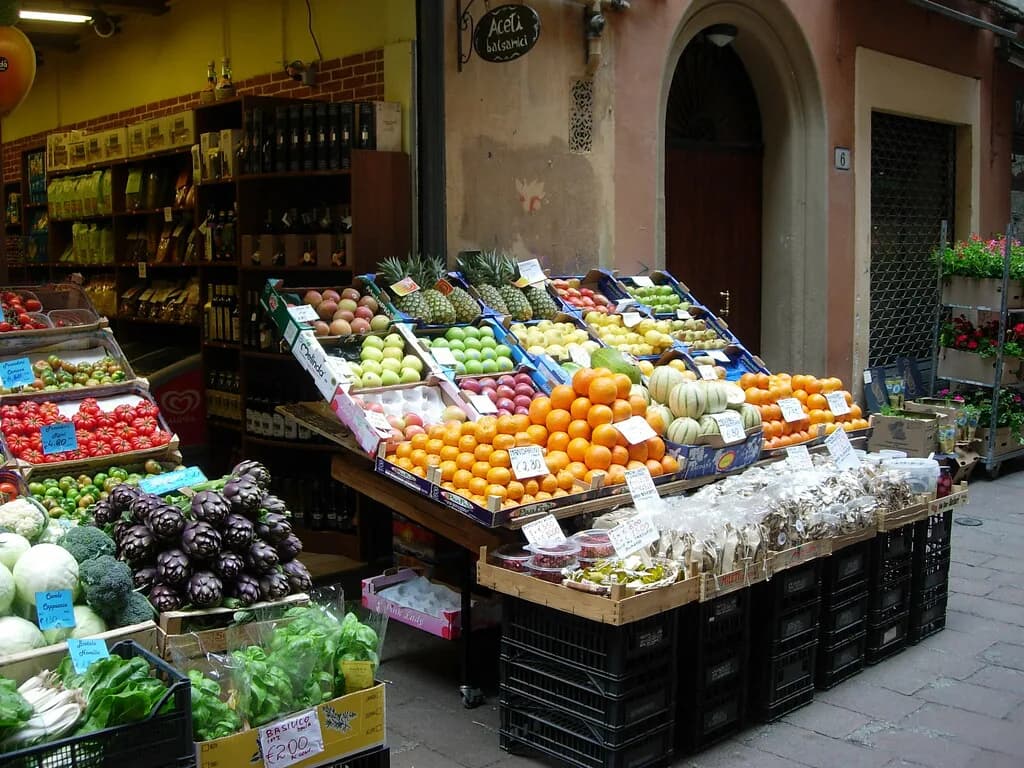
January is the season for Bologna's heaviest, best cooking. Tortellini in brodo, zampone and cotechino with lentils, and a slice of panettone from a neighbourhood pasticceria are the dishes to look for, and they are everywhere rather than confined to a single street. Portions are generous; plan one serious meal a day and graze the rest.
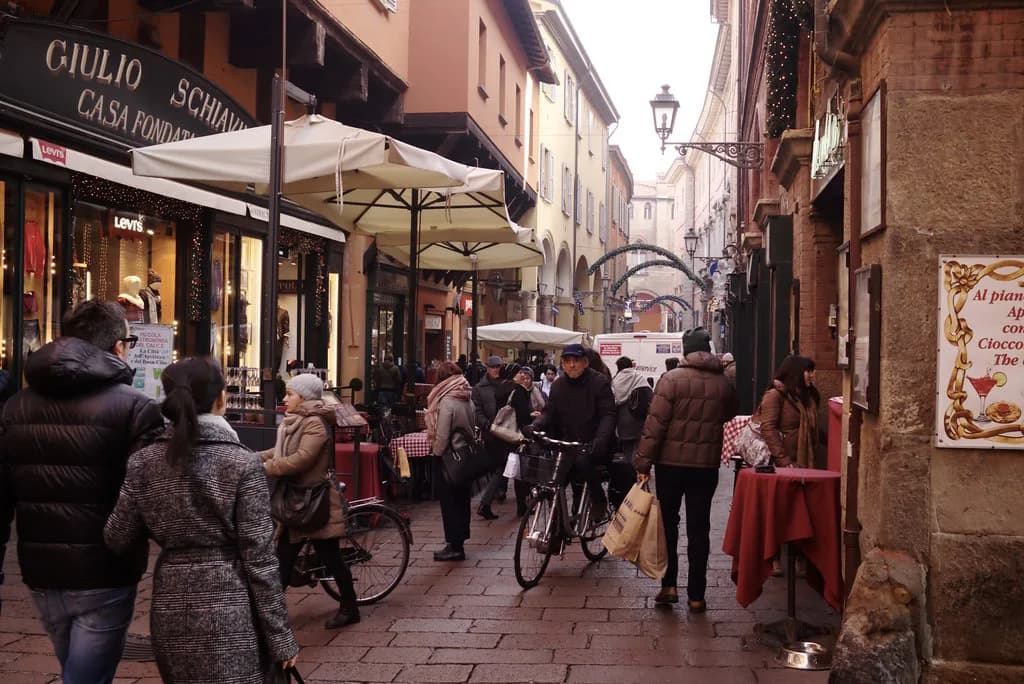
The Quadrilatero is the practical base for a food day: a plate at Mercato di Mezzo, cheese and cured meat from a standing counter, then an early aperitivo before the kitchens open. Bologna's aperitivo culture continues through the cold months, though by evening most of the drinking moves inside the enotecas.
Book dinner ahead for the well-known trattorias: January is quiet, but small rooms still fill. Vegetarians are well served in Bologna's traditional cooking, with tortelloni, pumpkin dishes and vegetable antipasti on most menus. If you want a food-led trip, January's low prices and calm tables may suit you better than spring.
Day Trips That Work in January
Bologna sits on the main line between Florence and Venice, making both a realistic day trip by high-speed train. In January you get shorter queues at the Uffizi and a quieter St Mark's, but you also lose daylight on the journey. Pick one city, take an early train and plan an indoor anchor for the afternoon.
The Apennines are the closer option. Corno Express snow packages run from Bologna into the mountains around Corno alle Scale, and the regional spa towns such as Porretta Terme and Castel San Pietro give you a warm, indoor day within easy reach. Both suit a grey January day better than a long outdoor walk.
If you are comparing Italian cities in winter more broadly, the Italy in January guide sets Bologna against colder northern cities and milder southern ones. Bologna sits in the middle: properly cold, but not brutal, and far less crowded than in spring.
Trade-Offs: Crowds, Prices and Short Days
January is one of Bologna's cheapest and calmest months. Expect hotel rates below spring and autumn levels and easy tables at lunch, but accept that restaurants close one day a week and some smaller businesses take a post-holiday break. Prices for specific museums and experiences vary, so check Bologna Welcome's booking pages before you budget.
Daylight is the real cost. Plan on a late sunrise and a sunset before 5pm for most of the month, which turns a long outdoor itinerary into a race. Build your day around a morning outdoor activity and an afternoon indoors, and keep the evenings for food and the porticoes lit up after dark.
Who January in Bologna Suits
January suits food-led travelers, museum-goers and anyone who wants an Italian city without the crush. It also suits travelers on a budget and repeat visitors who have already seen the obvious sights and want the local version. The porticoes mean rain does not ruin the trip, which makes it a reasonable gamble for a four- or five-day stay.
It suits less well if you need reliable sunshine, long outdoor days or a festival atmosphere. Travelers with limited mobility should note that cobbled streets and long arcades are tiring even when dry. If Christmas lights are the point, come in December; if art-week energy is, come in February.
Plan Your January Trip
Book January in Bologna for the food, the frescoed interiors and the space to enjoy them, and you will find a city that works in the cold. Accept early dusk and damp air, front-load outdoor walks into mornings, and let the arcades and trattorias carry the rest.
Before you lock dates, read the wider winter guide for the season's shape, then check Bologna Welcome's events page for what is on during your week.
Explore more Bologna winter guides
Frequently Asked Questions
Is Bologna worth visiting in January?
Yes, if you are going for food, museums and an uncrowded city. The porticoes keep you dry and the trattorias are at their best, but daylight is short and the weather is often grey and damp. Travelers who need sunshine and long outdoor days should pick spring instead.
How cold is Bologna in January?
January is the coldest month. Typical highs sit in the mid single digits Celsius with nights near freezing, and the air often feels damper than the number suggests. Treat these as long-term averages, not a forecast, and pack for cold evenings.
Does it snow in Bologna in January?
Snow is possible but not routine, and when it falls in the city it usually melts on the cobbles rather than settling. The Apennines above Bologna see proper snow. Check the national weather service in the days before you travel for a real forecast.
What is there to do in Bologna in January?
Indoor anchors work best: the Anatomical Theatre at the Archiginnasio, the clock tower terrace, the music museum at Palazzo Sanguinetti and the city's winter exhibitions. On dry days, walk the porticoes toward San Luca or take a day trip by train to Florence or the Apennines.
Is January a good time to visit Bologna for food?
It is one of the best months for it. Tortellini in brodo, zampone with lentils and panettone are in season, the Quadrilatero is calm, and tables are easier to get than in spring. Book the best-known trattorias ahead even so.
What is on in Bologna in January?
January is more about exhibitions than festivals. The Christmas decorations wind down after Epiphany on 6 January, and the city's art week and the Fiera art fair follow in early February. Check Bologna Welcome's events calendar for what is running during your dates.
Sources
Winter travel notes
Optional updates when we add or revise winter guides.
You might also like
Continue reading
More guides you'll find useful