Bologna in November: Weather, Rain and What to Do
Bologna in November brings typical highs near 14°C and lows near 6°C, with plenty of rain and short days. Here is what that means for sightseeing and food.
On this page
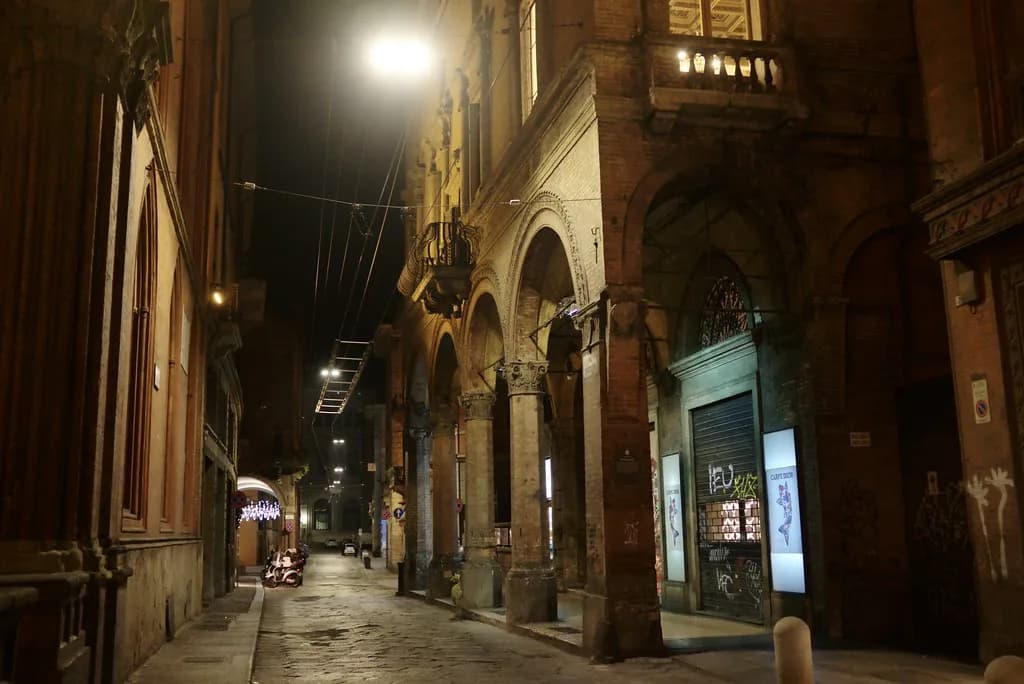
Bologna in November is a city of long porticoes, early dusk and the smell of ragù drifting out of trattorias. Typical days run mild but damp, and the famous squares fill with locals hurrying under the arcades rather than tourists lingering over coffee. It suits travelers who want food, museums and covered walks more than blue skies.
The month marks a real shift in how the city works. Rain becomes the organizing fact of the day, daylight shrinks to under ten hours, and the pace slows. Plan indoor anchors and use the covered walkways as your rainy-day route through the center.
Weather in November
Typical November days in Bologna see highs around 14°C (58°F) and lows around 6°C (42°F), so mornings and evenings feel distinctly chilly while midday can still be mild. The month is generally breezy, with wind averaging around 10.9 mph, which makes a covered arcade more comfortable than an open square when a front moves through.
Rain is the defining feature: November is Bologna's wettest month, with an average of roughly 15 rainy days. Expect grey skies and wet pavements rather than constant downpour, but build slack into each day so a shower does not wipe out your plan.
Daylight is short. Typical conditions give about 9.7 hours of daylight, so an afternoon walk to a hilltop viewpoint needs to start early if you want to be back in the center before dusk closes in.
How November Changes the City
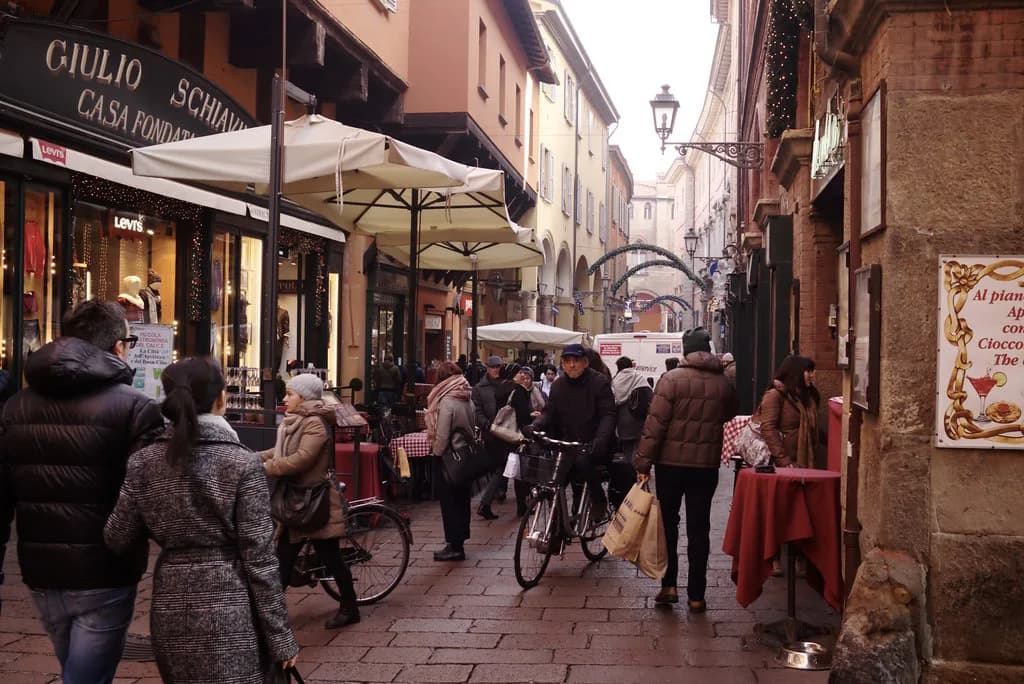
The most useful adaptation to a wet November is the portico network. Bologna's arcades run for kilometers through the historic center, letting you move between Piazza Maggiore, the shopping streets and the university quarter while staying largely under cover. Treat them as your default route rather than a scenic extra.
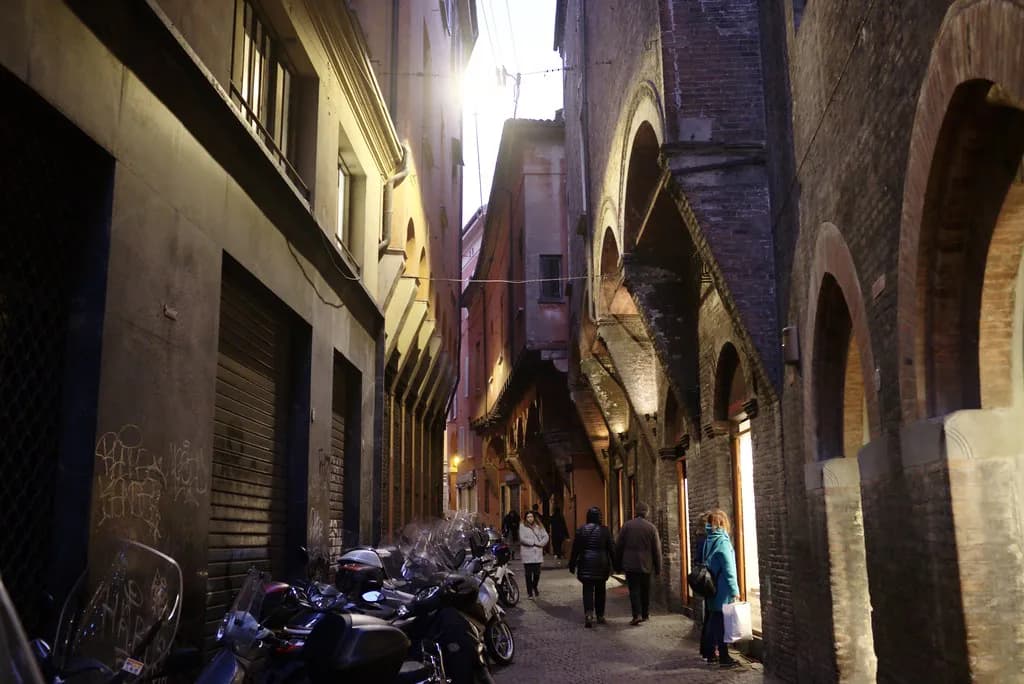
Shorter days push the rhythm indoors. Museum and church visits work better in the afternoon when the light fades, while the morning is the moment for outdoor squares and markets. The quieter streets also mean you can linger in front of a facade or a fresco without a crowd pressing behind you.
If early winter is your window, December brings its own character with lights and seasonal stalls, while January trades the crowds for cold quiet. Comparing the months helps you decide whether November's damp mildness or a colder, brighter week suits you.
Things to Do in the Center
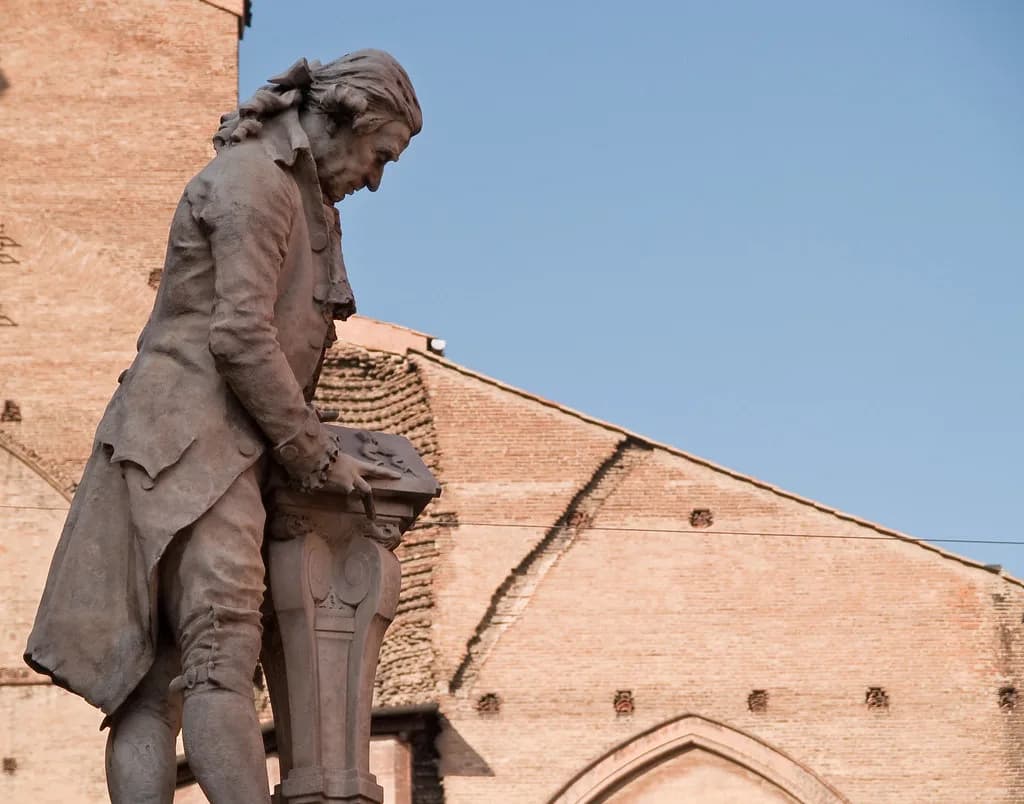
Piazza Maggiore is the natural starting point, ringed by the medieval and Renaissance buildings that define the city's skyline. The Basilica di San Petronio dominates one side with its famously unfinished facade, half marble and half bare brick, and its interior holds 22 chapels and a meridian line set into the floor.
The Two Towers, Garisenda and Asinelli, remain the city's symbols, built by noble families in the twelfth century. Their viewing role has varied over time, so if climbing is part of your plan, confirm access with the city's tourism office before you build a day around it.
For a wet afternoon, the Archiginnasio and its Teatro Anatomico offer intricate wood carving and frescoed halls in a compact space, and the Salaborsa library shows ancient ruins beneath a glass floor. Both are central, warm and easy to slot in between showers.
Piazza Santo Stefano and the Seven Churches complex give you a quiet, layered Romanesque corner of the city, while Santa Maria della Vita holds a celebrated terracotta lamentation. These are short visits that reward a slow, damp morning.
Food, Markets and Seasonal Cooking
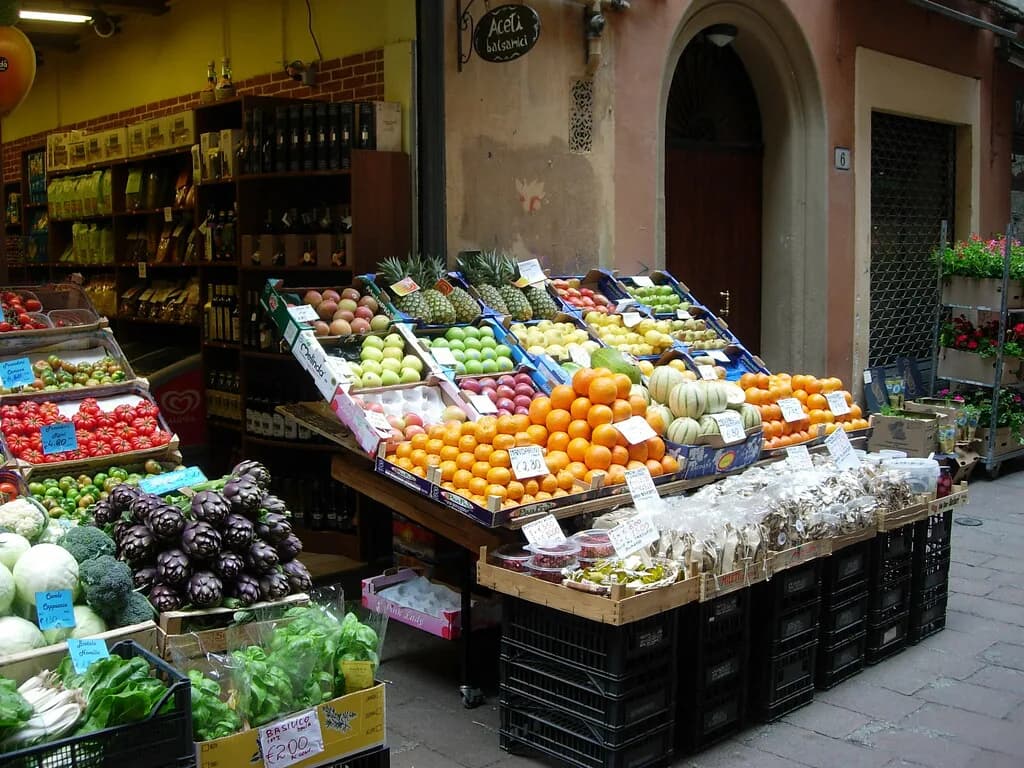
November is a strong month to eat in Bologna. The covered Mercato di Mezzo is a practical lunch stop on a rainy day, with pasta, cheese, pizza and drinks under one roof, and it sits close enough to the center that you can duck in mid-walk.
Cooking classes are a natural wet-weather activity, and many schools teach classics such as tagliatelle al ragù and tortellini in brodo. Book ahead for a class that includes a market visit, since a guided shopping round adds context to the ingredients you will use.
The countryside around Bologna is truffle country, and November is a strong season for guided truffle hunts with dogs followed by a meal built around the find. FICO Eataly World, the large agri-food park outside the center, is another indoor option that suits a family or a food-focused half-day.
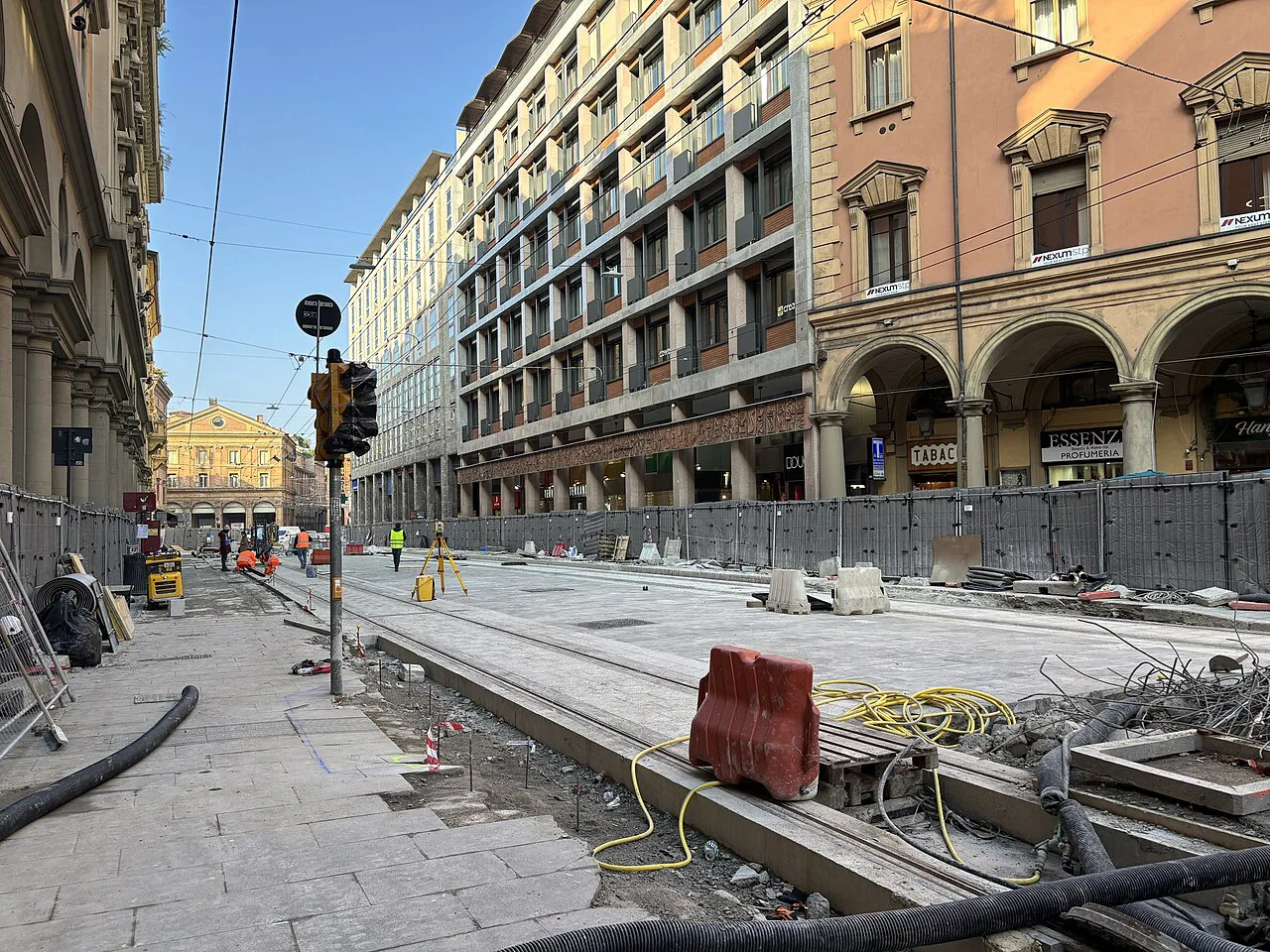
The Portico di San Luca in Wet Weather
The Portico di San Luca is a roughly 3.5-kilometer covered walkway climbing from the edge of the center to the Sanctuary of the Madonna di San Luca. Because it is arcaded, it remains workable in light rain, and autumn foliage adds color to the approach.
The trade-off is that the climb is exposed at points and the top can sit in cloud while the city below is dry. Start early enough to finish before the short daylight ends, and treat the hilltop view as a bonus rather than the point of the walk.
Day Trips That Still Work
Emilia-Romagna rewards short rail hops in November. Modena and Parma are easy train rides from Bologna and give you covered markets, churches and food shops for a damp day, while Ferrara's brick streets feel atmospheric in grey light.
Further afield, Florence and Ravenna are reachable by train and hold enough indoor art to fill a rainy day, though the longer journey eats into short daylight. If you are weighing a wider Italian trip in the shoulder season, wider Italy in November planning helps you compare cities before you commit.
Events and Holidays in November
All Saints' Day on 1 November is the month's fixed public holiday, and you should expect churches to be busy and some businesses to keep reduced hours around it. Build that into your first day rather than assuming everything runs normally.
Chocolate fans have the Cioccoshow festival, which fills the historic center with stalls and workshops during November, and the event calendar also features truffle experiences and cooking classes. Dates vary by year, so confirm the current schedule with the organizer before booking travel around it.
Crowds, Costs and the Trade-offs
November is quieter than spring and summer, and the cooler, wetter weather keeps the big sights calmer. That means more room in the basilica, easier tables at lunch and a generally slower pace, with the caveat that you lose the long evenings and reliable sunshine of other months.
Accommodation and travel tend to be cheaper than in high season, though you should still expect rain to reshape plans. The calculation is simple: fewer crowds and lower costs in exchange for short days, wet pavements and the chance that a hilltop view disappears into cloud.
If you are deciding between November and the months around it, February holds Carnival season, while March begins to stretch the daylight again. Matching your tolerance for rain against those differences is the most useful way to choose.
Who Should Pick Another Month
November suits food lovers, museum-goers and travelers who value quiet streets over sunshine. It also works well for anyone who wants to walk the porticoes without summer heat and does not mind carrying an umbrella between stops.
Skip November if long daylight, reliable dry weather or hilltop photography is central to your trip. Spring and early autumn give you a better chance of clear views, while summer brings long evenings at the cost of heat and heavier crowds.
Plan Your November Trip
Build your Bologna days around a simple rhythm: outdoor squares and markets in the morning, covered portico walks or a museum in the afternoon, and a long lunch when the rain sets in. Keep one flexible day for a rail trip and one for the San Luca climb if the sky clears.
Expect mild but damp conditions, short daylight and a quieter city, and you will get the most from November. If you want the full picture of the season, the Bologna in winter guide covers December and January so you can compare before booking.
Explore more Bologna winter guides
Frequently Asked Questions
What is the weather like in Bologna in November?
Typical November days see highs near 14°C (58°F) and lows near 6°C (42°F), with a breeze and about 9.7 hours of daylight. Expect a mix of mild, grey days and chillier evenings rather than a forecast of constant rain.
Does it rain a lot in Bologna in November?
November is Bologna's wettest month, with an average of around 15 rainy days. Showers are common, but they tend to be manageable if you keep your plans flexible and use the covered porticoes.
How cold is Bologna in November?
Lows typically sit around 6°C (42°F), so mornings and evenings feel genuinely chilly. Midday highs near 14°C (58°F) can still feel mild when the sun breaks through, so layers help.
Is November a good time to visit Bologna?
It is a strong month for food, museums and quieter streets. The trade-off is rain and short daylight, so it suits travelers who prioritize atmosphere and cuisine over long sunny sightseeing days.
What is there to do in Bologna in November?
Piazza Maggiore, the Basilica di San Petronio, the Archiginnasio and the covered Portico di San Luca all work in November. Markets, cooking classes and the Cioccoshow chocolate festival round out the month.
How many hours of daylight does Bologna get in November?
Typical conditions give about 9.7 hours of daylight, which shortens through the month. Plan outdoor climbs and viewpoints for the morning so you are back inside before dusk.
Are day trips from Bologna worthwhile in November?
Yes, with planning. Modena, Parma and Ferrara are short rail rides and offer indoor markets, churches and food shops that work well on a wet day, though shorter daylight means leaving early.
Sources
Winter travel notes
Optional updates when we add or revise winter guides.
You might also like
Continue reading
More guides you'll find useful