Innsbruck in February: Weather and Things to Do
February in Innsbruck brings cold valley days, snowy peaks and Carnival. See typical weather, open sights and whether the month suits your trip.
On this page
February is still deep winter in the Inn valley. The city keeps its winter rhythm, with short days, cold mornings and snow on the mountains above the rooftops, while the streets below are far more manageable than in the Christmas crush. It suits travelers who want Alpine scenery and indoor sightseeing in equal measure, and less well anyone hoping for long daylight hours or warm-weather walking.
February in Innsbruck at a Glance
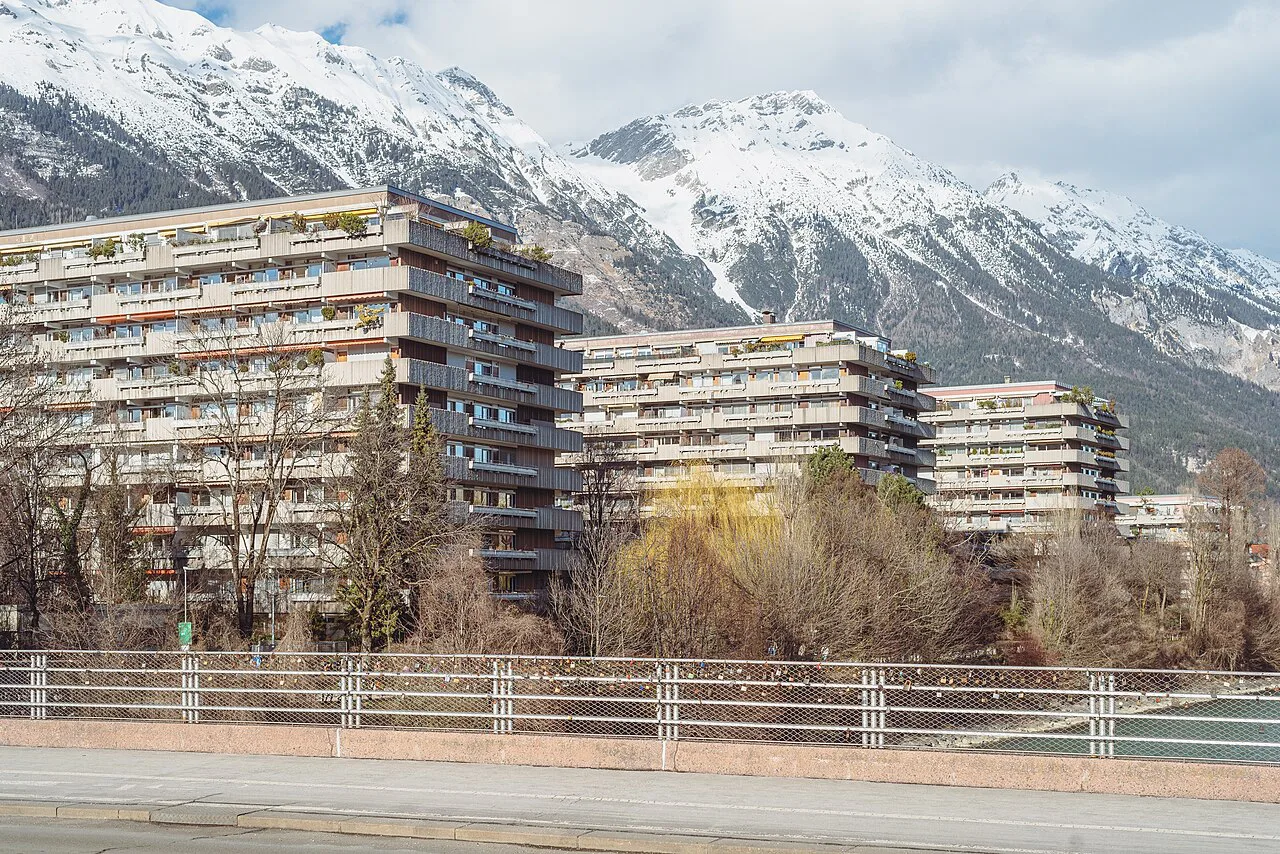
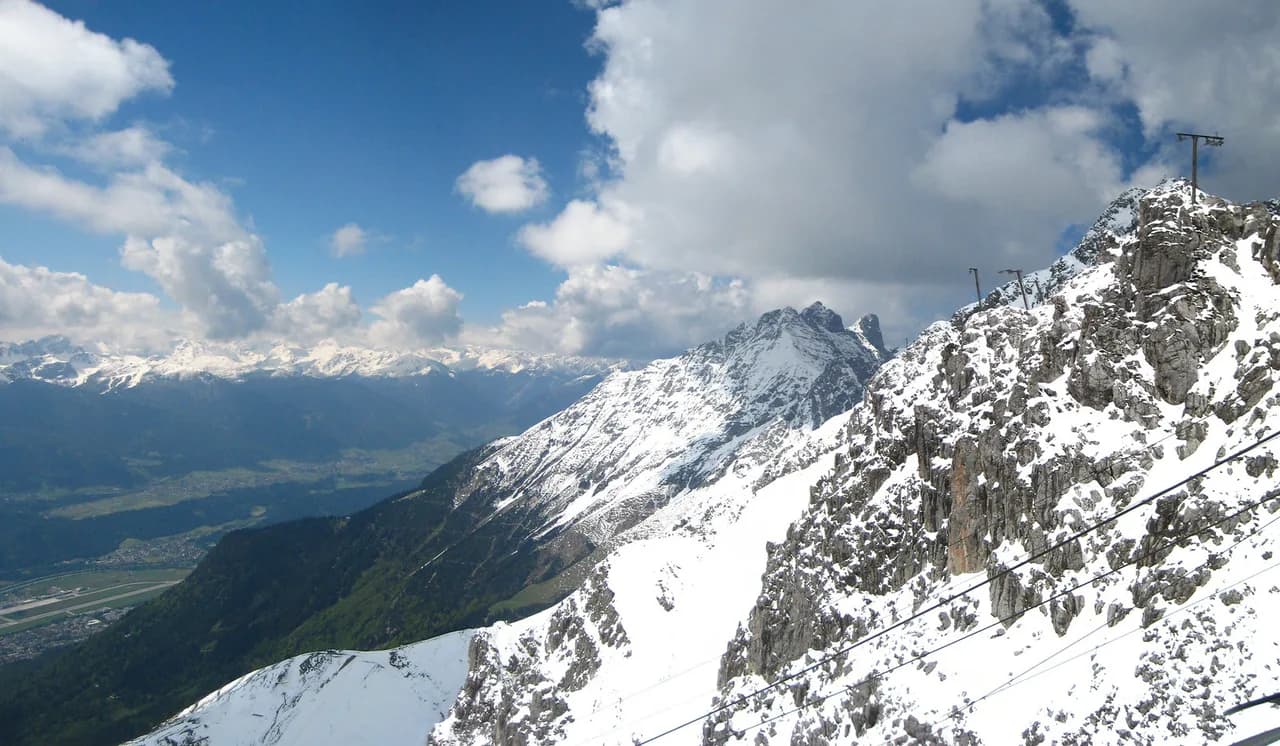
Think of February as the hinge of the Innsbruck winter. The ski season is still in full swing on the surrounding mountains, the Christmas markets are long gone, and the city settles into its ordinary pattern of museums, cafés and riverside walks under a low sun. Valley temperatures sit just above freezing by day and below it at night, and the Nordkette ridge above town stays white while the pavements can be clear.
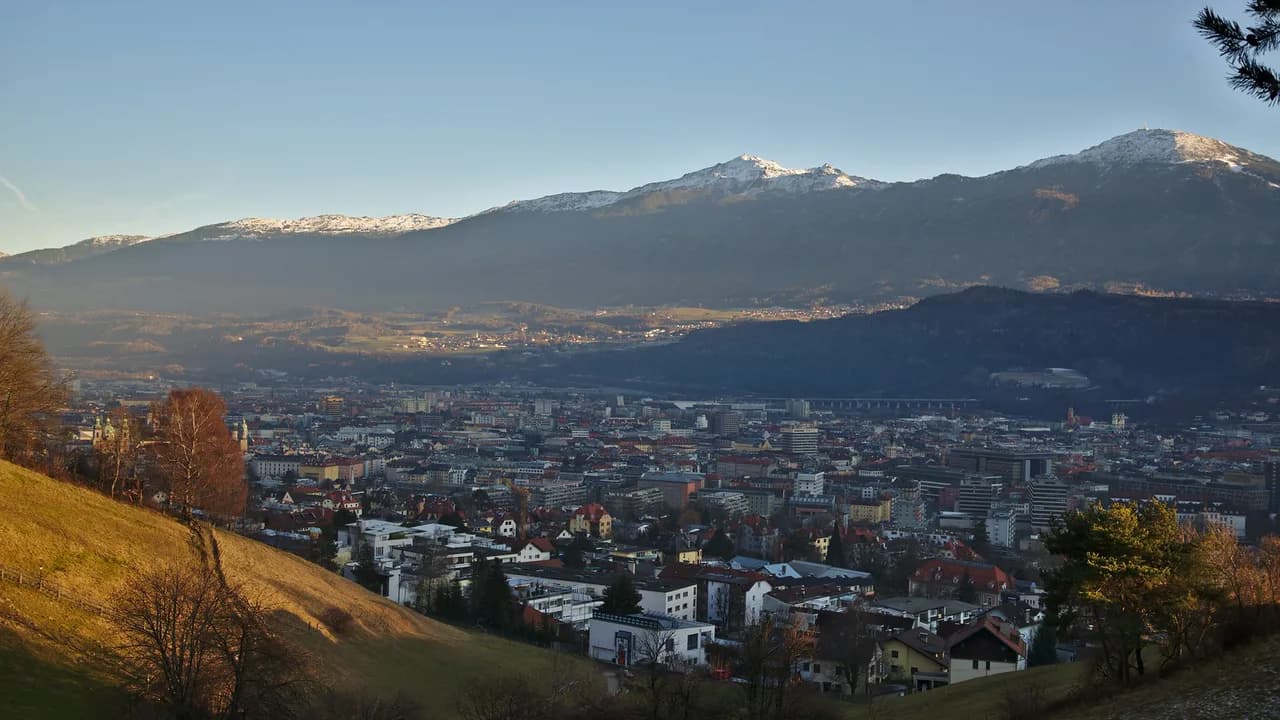
That split between town and mountain is the key to planning the month. Innsbruck's valley location means the city itself often sees less snow than the peaks, so a February day can look grey and dry at street level while Seegrube and Hafelekar are buried. Travelers who want guaranteed snow on the ground should ride up rather than expect it outside the hotel door.
Weather in February
Broad winter averages for Innsbruck run between roughly -2°C and 6°C (28–43°F), and February sits within that range rather than at its mild end. If you are comparing nearby options, our guide to Austria in February shows how the same cold, bright-or-grey pattern plays out elsewhere in the country. Treat these as typical conditions, not a forecast: some February days are brilliantly sunny and crisp, others bring snowfall or a cold, damp wind funnelling along the Inn.
February is a dry-ish month by Alpine standards but not a reliably dry one, and the mountains above the city receive considerably more snow than the valley floor. If your trip depends on specific figures for February rainfall, snow days or sunshine hours, the Austrian national weather service, GeoSphere Austria, publishes long-term climate tables for Innsbruck that are the right place to look.
Daylight and Short Afternoons
Days are lengthening through February, but the mountains cut the light early. Innsbruck sits in a valley with the Nordkette to the north, so the sun can disappear behind the ridge well before official sunset, and the city's late afternoons feel dimmer than the clock suggests. Plan outdoor sightseeing, river walks and cable car rides for the morning and early afternoon, and keep the last few hours for museums, coffeehouses or an early dinner.
This matters most for viewpoints. A ride up to Seegrube in the middle of the day gives you the best chance of sun and clear views across the valley toward the Patscherkofel side, while late afternoon often brings shadow and a sharp drop in temperature. If you want both city and mountain in one day, put the mountain first and the Old Town second.
What Is Open in February
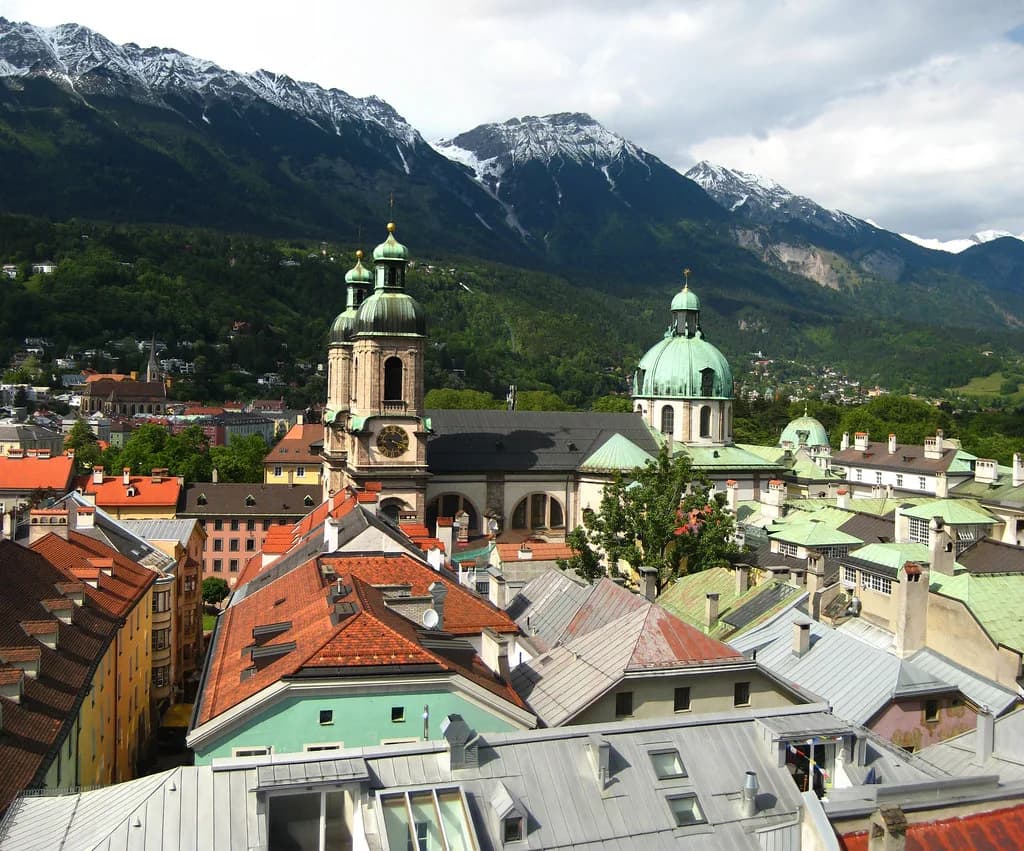
Innsbruck's main indoor sights operate through the winter. The Hofburg, the Hofkirche with Maximilian's cenotaph and its bronze figures, Ambras Castle above the city and the Tirol Panorama with its 360-degree painting of the 1809 rebellion all give you somewhere warm and substantial to spend a cold afternoon. They are the natural bad-weather anchors of a February trip, and they draw smaller crowds than in high summer.
Up on the mountain, the Nordkette cable car runs from the Hungerburg to Seegrube and on to Hafelekar, weather permitting, so you can be among snow within about half an hour of the city center. At Seegrube there is an igloo bar and a restaurant with big windows over the valley, useful when cloud or wind makes standing outside unpleasant. Morning cable cars are usually the calmest, and it pays to ride up on a clear day rather than a grey one.
Carnival in February 2027
Carnival, or Fasching, gives February its own character in the Tyrol. In 2027 Carnival Tuesday falls on 9 February, with Ash Wednesday on 10 February, and the days before it are the traditional peak of costume parties, masked events and merrymaking in the region. It is worth checking what Innsbruck's venues and the city's events calendar have programmed for that week if Carnival is the reason for your trip.
Outside Carnival week, February's calendar in town is quieter than December's. If a specific concert, exhibition or sporting fixture would make or break the trip, look at the official Innsbruck events listing closer to your dates rather than relying on the general pattern of the month.
Things to Do in February
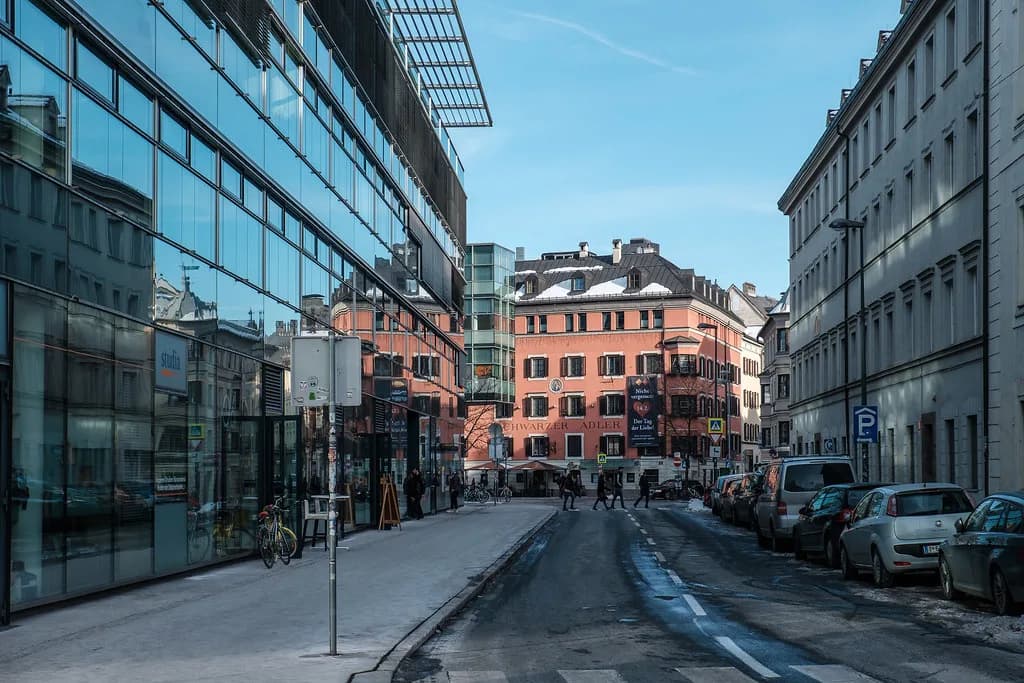
Start with the compact Old Town. The Golden Roof, with its gilded copper tiles, sits at the heart of the medieval streets, and in February you can actually stand in front of it without a crowd of phones blocking the view. From there, wander the arcaded lanes, duck into the Hofkirche and the Hofburg a couple of minutes away, and treat the walk itself as the day's backbone rather than rushing between sights.
For a wider view of the city, the Tirol Panorama on the Bergisel hill combines the giant circular painting with the adjoining Kaiserjäger museum and gives you sweeping outlooks over Innsbruck once you step back outside. Ambras Castle, a short tram or bus ride from the center, holds a Renaissance collection of armor and curiosities and is quieter again in winter. Both reward a slow visit rather than a quick circuit.
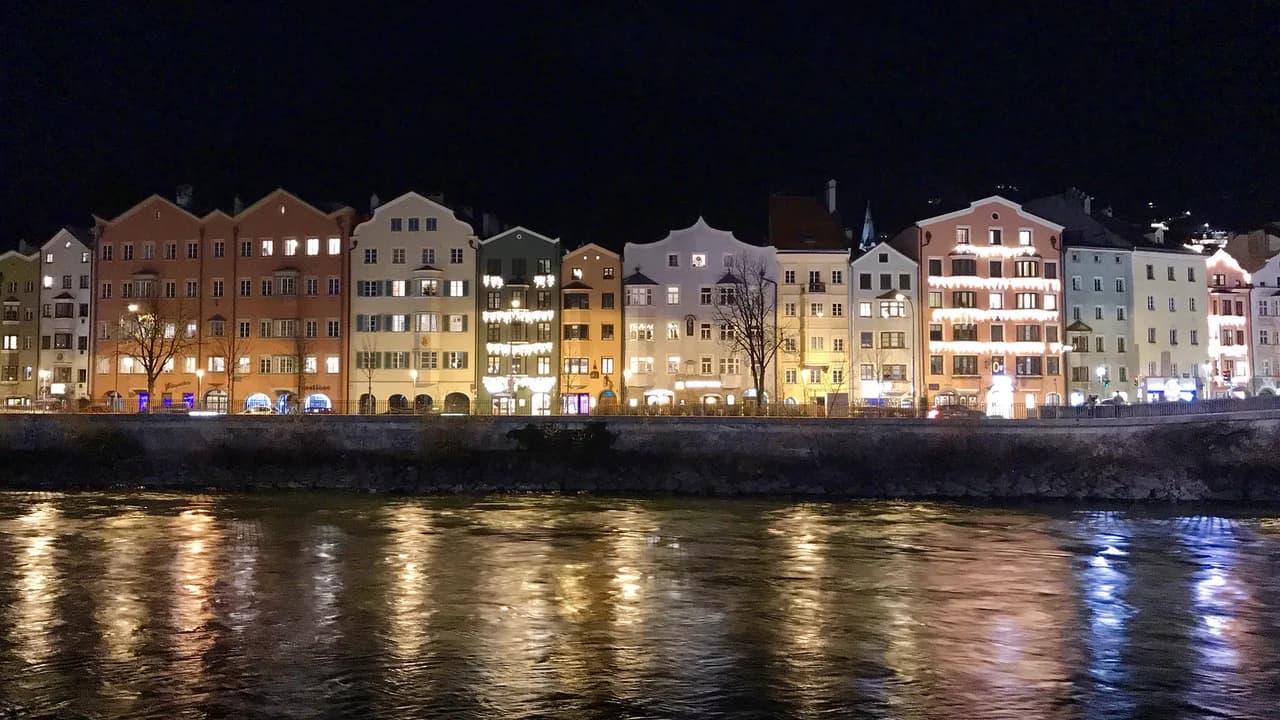
On a clear afternoon, walk the Inn riverbank. The row of pastel houses with the Nordkette rising behind is the city's defining image, and in February, with snow on the peaks and a low sun on the facades, it looks its best. Take a coffee to go, cross to the far bank for the classic photograph and keep the walk short if the wind is sharp.
Riding up to Hungerburg and Seegrube
The Zaha Hadid-designed funicular climbs from near the city center to the Hungerburg district in a few minutes, and from there the cable car continues to Seegrube and Hafelekar. Even without skiing, this is the easiest way to experience the Alps on an Innsbruck winter trip, and the terrace at Seegrube has the restaurant and bar for warming up. Check which sections are running before you go, since wind and cloud can affect the upper stretches.
The Patscherkofel cable car, on the other side of the valley, gives a different perspective back across the city and over toward the Nordkette. It is a good alternative if the upper Nordkette is closed or in cloud, and it tends to be quieter. Pick one mountain per day rather than trying to do both, especially when daylight is short.
Warm-Up Stops and Tyrolean Food
Innsbruck's café culture is one of the best reasons to travel here in February. Traditional coffeehouses with chandeliers and pastries, student hangouts serving strong coffee, and modern specialty cafés near the Old Town all offer a reason to sit down when your hands get cold. Culture tip: matching your plan to the weather is easy when every street seems to have somewhere to warm up.
Tyrolean cooking is exactly what the month calls for. Expect käsespätzle with crispy onions, bacon dumplings in broth and slow-cooked goulash, plus kaiserschmarrn for dessert if you are hungry. Portions are generous, so a substantial lunch and a light evening meal suits a day that starts early because of the short daylight.
Day Trips That Work in February
Hall in Tirol, about twenty minutes by train or bus from Innsbruck, is a quiet medieval town with pastel facades and a well-preserved old center. In February it is peaceful rather than lively, and the walkable streets make it a low-effort half-day out of the city. Seefeld, up in the mountains, is another easy rail trip and gives you a snowier, resort atmosphere without requiring you to ski.
Swarovski Crystal Worlds, outside Wattens, is a partly indoor attraction of art installations and light displays that suits a wet or grey day. It is popular with families and couples, and the combination of glittering interiors and snowy gardens works well in February. Check the Swarovski Kristallwelten site for current opening arrangements and any winter changes before you set out.
Crowds and Prices in February
February in Innsbruck is generally calmer than December, when the Christmas markets drive demand, and calmer again than the peak ski holiday weeks, when Alpine resorts across the region fill up. Outside those windows, expect reasonable availability and a more relaxed Old Town, even if mountain hotels and weekend trains get busy. Exact prices vary too much by date to quote, so compare your own dates directly with hotels, cable car operators and rail operators.
The trade-off is weather rather than crowds. You get short days, a real chance of cold and cloud, and a city that is fully itself rather than in festive dress. In exchange you get quiet museums, the pick of viewpoints on clear mornings and the mountains at their most dramatic.
Who February Suits
February suits travelers who want a genuine winter city with Alpine scenery on the doorstep. If you like the idea of a snowy cable car ride in the morning, a Renaissance castle or palace in the afternoon and a long Tyrolean dinner, this is your month. It also suits nonskiers, because everything described above works without ever clipping into skis.
Choose another month if you need long daylight for hiking, want the festive markets, or are traveling mainly for you know what. Those trips belong in December or January, whereas February rewards travelers who accept a slower pace and a mountain that dictates the plan.
Getting Around in February
Innsbruck's center is compact enough to walk, and trams and buses connect the main station, the Old Town, Ambras and the Bergisel hill. In February, the practical difference is footwear and timing: icy patches on side streets are common, and the walk to the funicular or cable-car station is easier while the sun is out. Keep a tram ticket option for the return leg if the temperature drops.
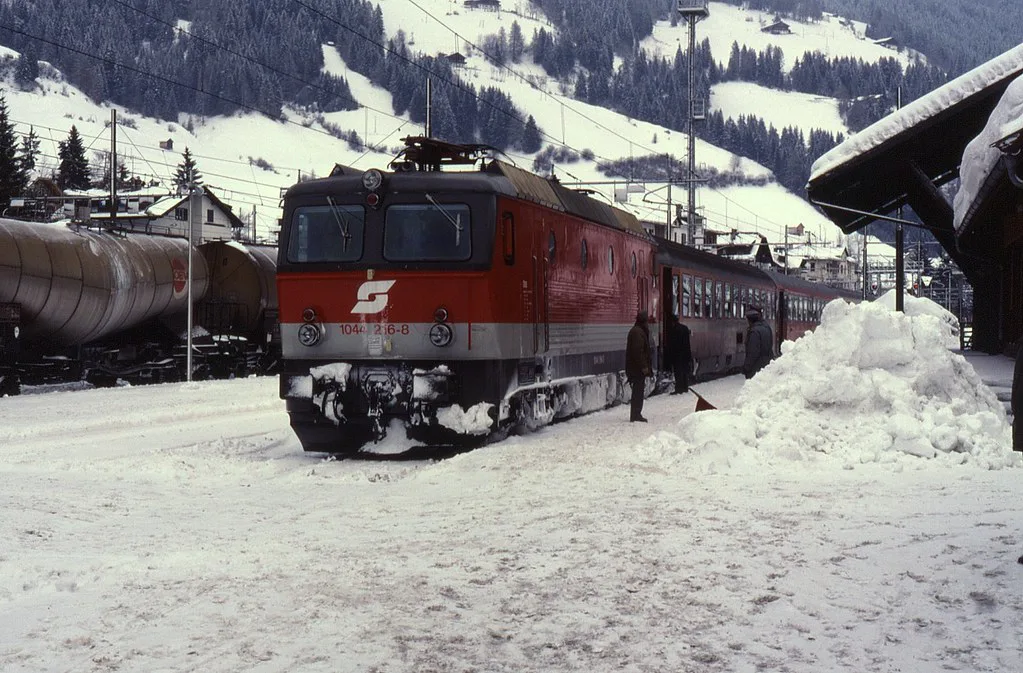
Trains are the easiest way to reach the outer sights and day trips. Seefeld and Hall in Tirol are short, scenic railway hops, and Innsbruck's main station sits on the main line between Munich, Bolzano and Verona, which makes a cross-border winter itinerary practical. Buy regional tickets through the Austrian rail operator rather than relying on old prices quoted in guidebooks.
Plan Your February Trip
February is a good month to see Innsbruck as a winter city rather than a ski base. Build your days around the morning light, ride up to the snow when the sky is clear, and keep the afternoons for the Hofburg, Hofkirche, Ambras or the Tirol Panorama. Give Carnival week its due if your dates fall around 9 February 2027.
Then check the details that change. Confirm cable car operating sections with the Nordkette operator and opening days at the state palaces and Swarovski Crystal Worlds before you travel, and match your clothing and footwear to cold, potentially icy streets.
Explore more Innsbruck winter guides
Frequently Asked Questions
What is the weather like in Innsbruck in February?
February is deep winter in the valley, with typical temperatures around -2°C to 6°C (28–43°F) as a long-term average. Expect a mix of bright, crisp days, grey skies and occasional snowfall, with far more snow on the peaks than in the city streets. Treat any figures as typical conditions rather than a forecast.
Does it snow in Innsbruck in February?
Snow is common on the mountains around Innsbruck, and the Nordkette and Seegrube are reliably white. The city sits in the valley and often sees less snow than the peaks, so you may find clear pavements in town while the cable car above runs through deep snow.
Is Innsbruck worth visiting in February?
Yes, for travelers who want Alpine scenery, indoor sightseeing and a quieter city than December offers. The trade-offs are short daylight, cold and possible cloudy days. Anyone wanting long hiking days or a festive market atmosphere should look at a different month.
What are the best things to do in Innsbruck in February?
The Old Town and Golden Roof, the Hofburg, Hofkirche, Ambras Castle and the Tirol Panorama all work well in cold weather. A ride up the Nordkette cable car on a clear morning is the best snow experience without skiing, and the Inn riverbank is worth a short walk on a sunny afternoon.
Are two days enough in Innsbruck?
Two days cover the Old Town, one mountain ride and one or two major indoor sights comfortably. With short February daylight, a single mountain day and a single city day is a realistic split; add a third day if you want a day trip to Hall in Tirol or Seefeld.
Is Salzburg or Innsbruck better in winter?
They offer different winters. Innsbruck puts mountains, cable cars and snow immediately above the city, while Salzburg is a baroque city of music and river views. Choose Innsbruck if Alpine scenery and a mountain ride matter most, and Salzburg if you want a more urban winter break.
What is the best month to visit Innsbruck?
For festive atmosphere, December; for snow on the peaks with quieter streets, January and February; for longer days and easier walking, later in spring. February suits travelers who accept cold and short daylight in return for snow, mountain views and calmer museums.
Sources
Winter travel notes
Optional updates when we add or revise winter guides.
You might also like
Continue reading
More guides you'll find useful