Things to Do in Innsbruck in Winter: Alpine City Guide
Plan winter in Innsbruck with mountain cable cars, imperial sights, warm cafés and easy day trips, plus what short daylight and cold weather mean for your days.
On this page
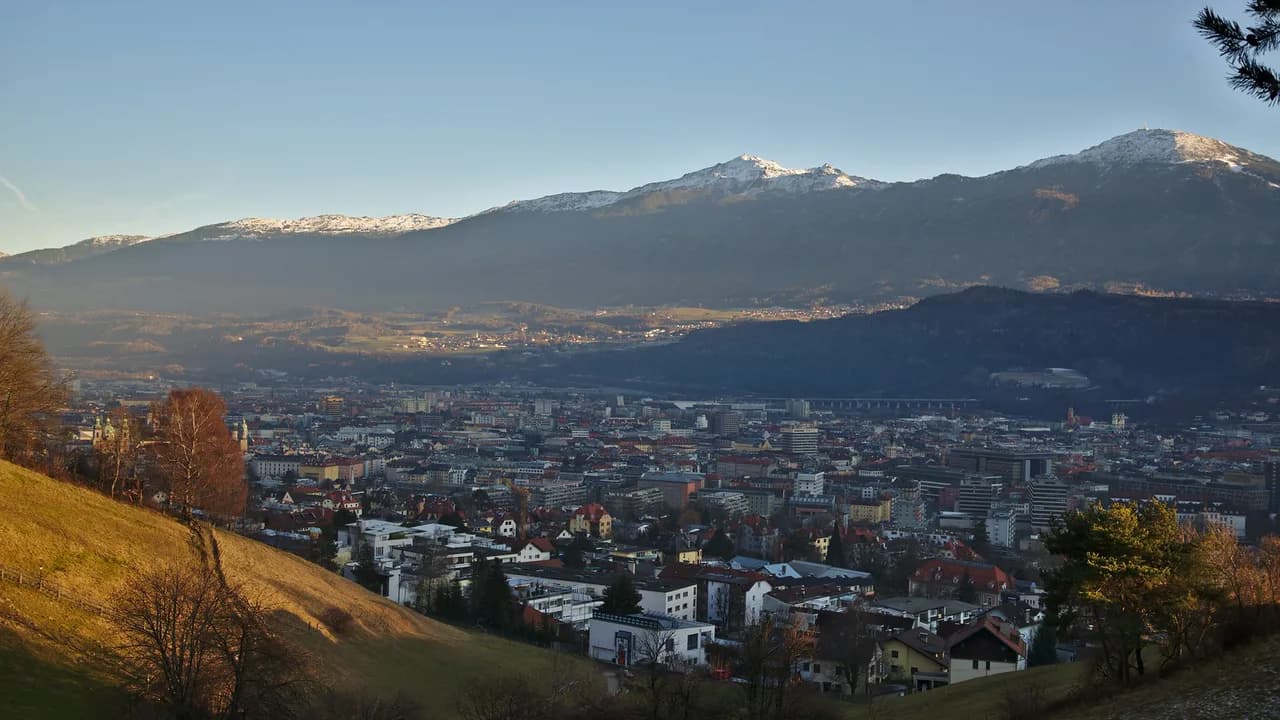
Innsbruck sits in a wide valley with the Nordkette wall rising directly behind the pastel Old Town, so winter here feels like a mountain trip without the resort. The city suits travelers who want imperial history and museums in the morning and a cable car into the snow after lunch, and it works well for a two- or three-night break. Anyone craving long evenings outdoors or guaranteed snow on the streets should look at the season honestly before booking.
Winter weather in Innsbruck
Typical winter days in the valley run between roughly -2°C and 6°C (28–43°F), with cold mornings and brighter, crisper afternoons. Snow is common in December and January, but the city sits low enough that streets can stay clear while the peaks above are white, which gives you the postcard backdrop without slush underfoot. Daylight is the real constraint in December, so front-load outdoor plans and keep a museum or café in reserve for the early dusk.
What is open in winter
The city's core sights and the mountain lifts keep working through the cold months, and the tourism board lists tobogganing, ice skating, winter hiking and cross-country routes among the region's seasonal options. Expect the Old Town to change character during Advent, when stalls and lights fill the squares, then settle into quieter weeks once the holidays pass. For the seasonal detail on markets and their timing, use the Christmas in Innsbruck planning page rather than guessing at dates.
Old Town and the Golden Roof
Start in the compact Old Town, where the Golden Roof's gilded copper tiles crown a 15th-century balcony built for Emperor Maximilian I. The surrounding lanes have arcades that shelter you from wind and rain, and the walk between the Golden Roof, the Hofburg Palace and the Hofkirche takes minutes rather than hours. Step into the Hofkirche to see Maximilian's cenotaph ringed by 28 larger-than-life bronze figures, one of the finest Renaissance monuments in the Alps.
Riding the Nordkette from the city center
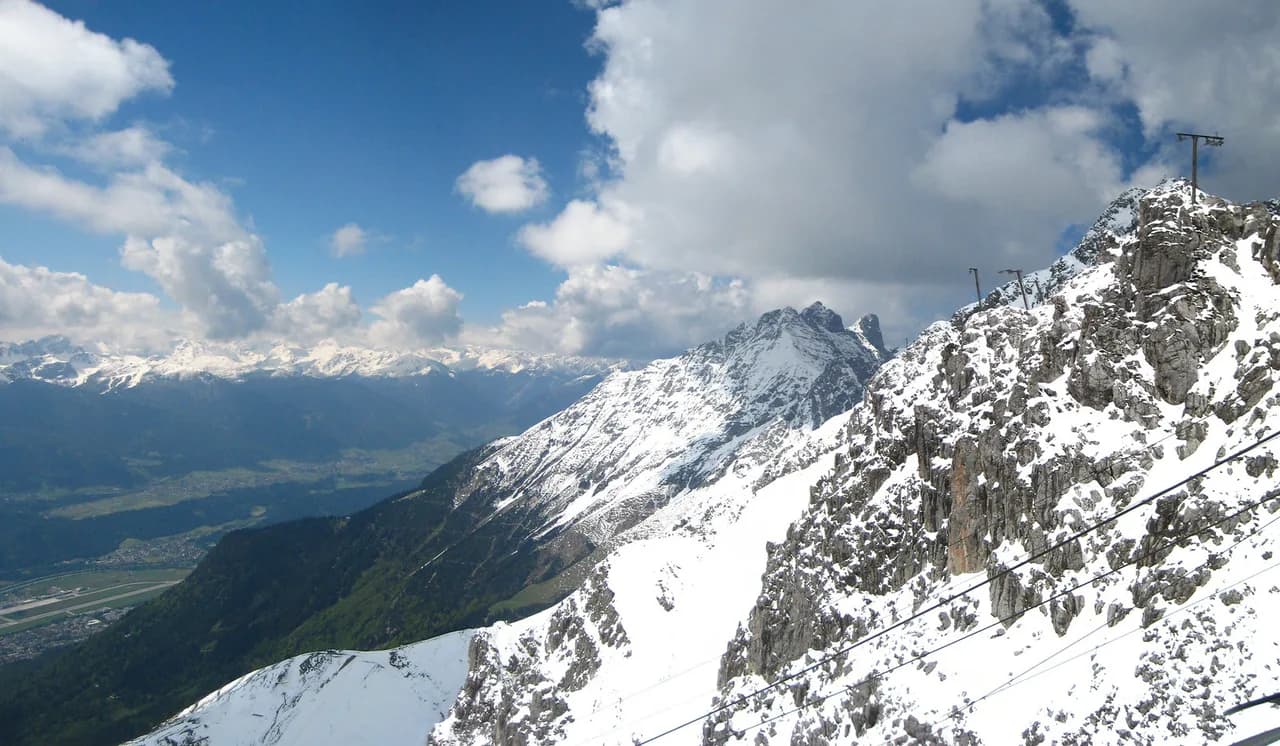
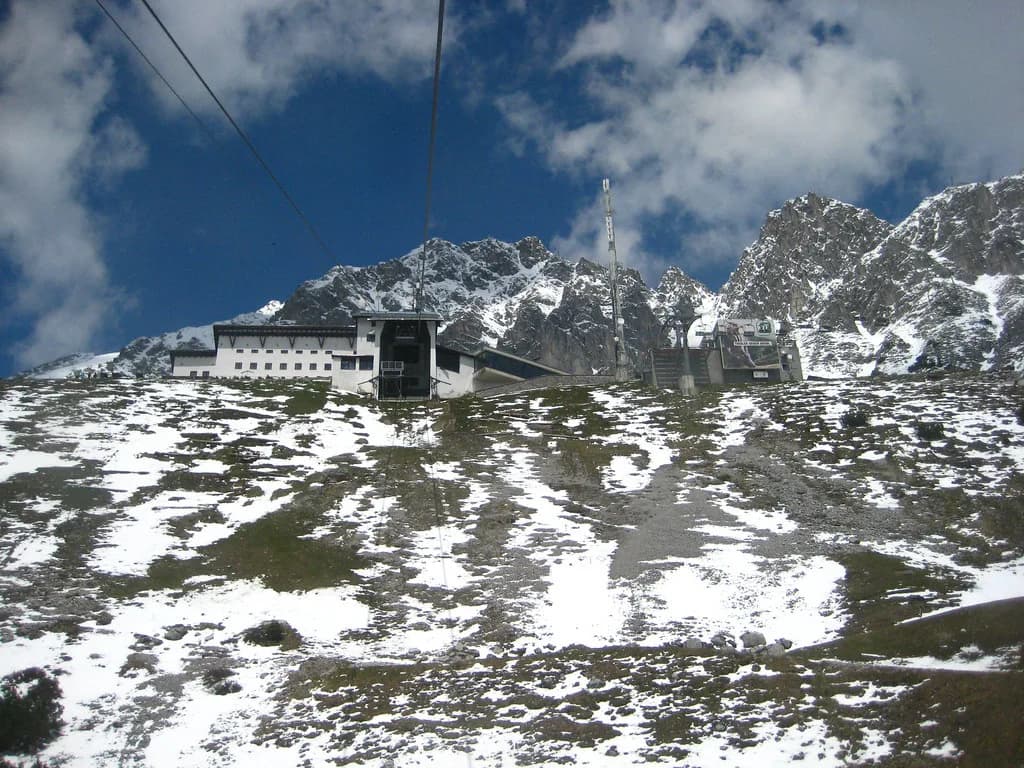
The mountain is the reason to come in winter: the Hungerburg funicular climbs from the center to the Hungerburg district, where you switch to the cable car for Seegrube and, in season, Hafelekar. Save this for the clearest morning of your trip, because the reward is the view over the Inn River and the city rather than the ride itself. At Seegrube, the Cloud 9 igloo bar and Restaurant Seegrube give you a warm stop with big windows before you descend.
Tickets and lift operating periods vary with snow and maintenance, so buy through the Nordkette lift company and check its published service information before you head up. A second mountain option is the Patscherkofelbahn, Innsbruck's local peak, which offers a different angle on the valley when the Nordkette is clouded in.
Museums for cold days
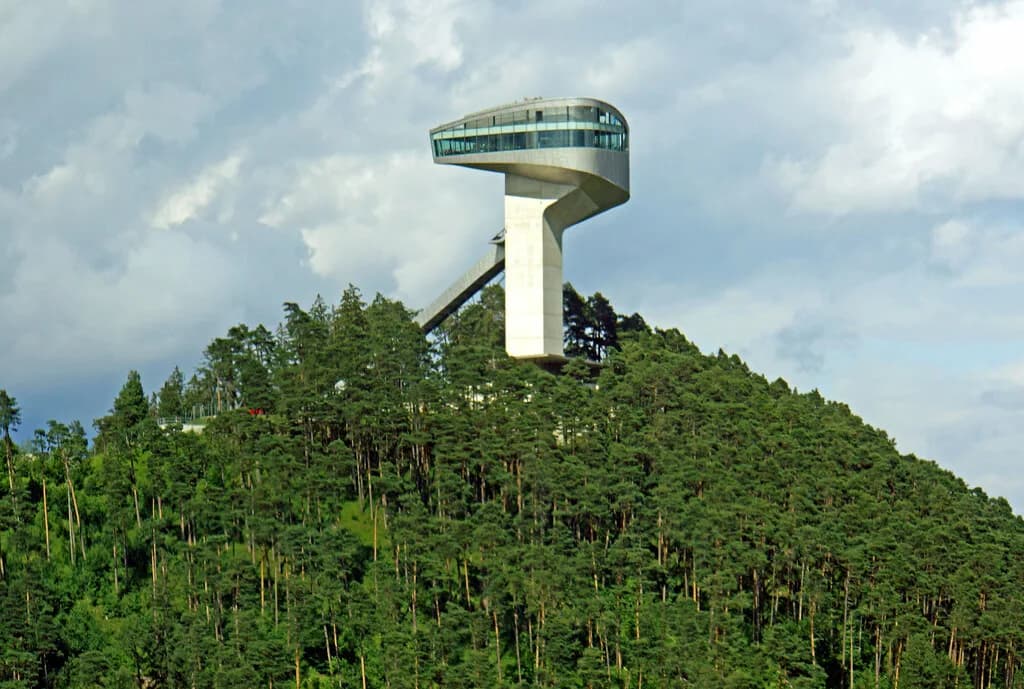
On gray days, head to Bergisel for the Tirol Panorama and its adjoining Kaiserjäger Museum, where a massive 360-degree painting depicts the Tyrolean Rebellion of 1809. The hilltop setting also gives you views back over the city between exhibitions. Ambras Castle, a short tram ride out, holds Archduke Ferdinand II's collections of armor, portraits and curiosities, and its grounds are peaceful for a short walk in winter.
If you plan to combine palaces, churches and museums, the Innsbruck City Card bundles admission with public transport and cable car rides, which simplifies a short trip. Compare what you actually want to see against the card's inclusions before buying.
The Inn River walk
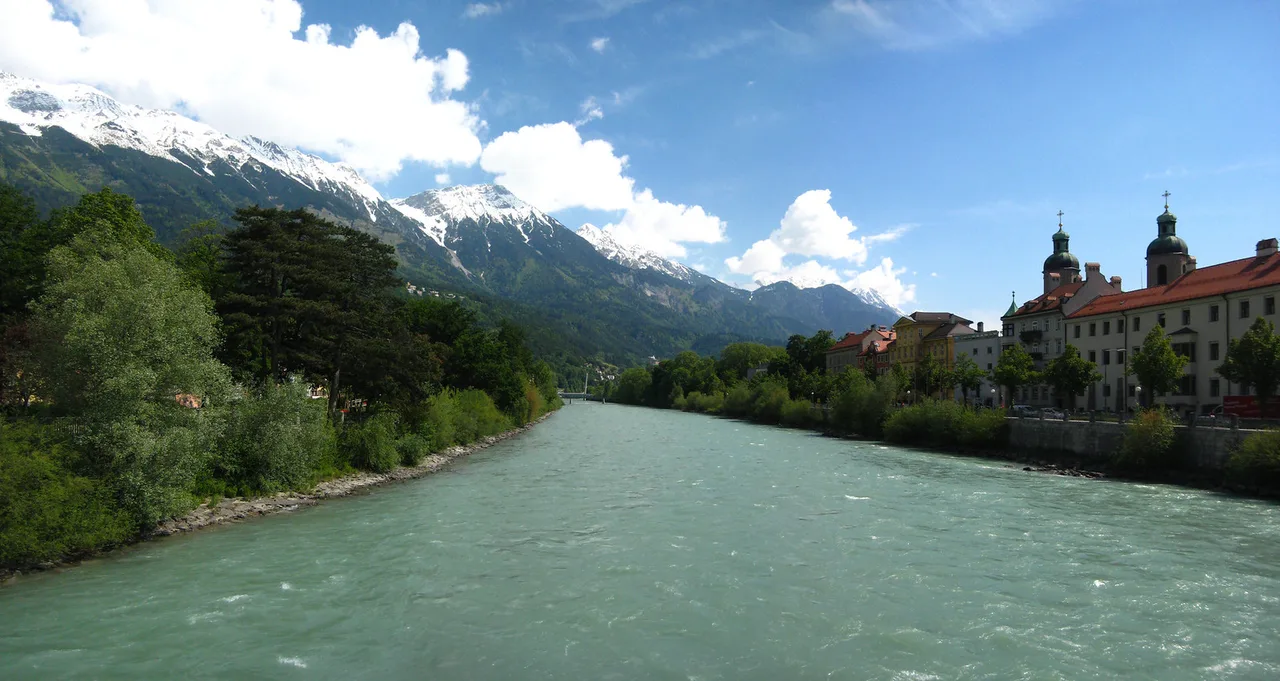
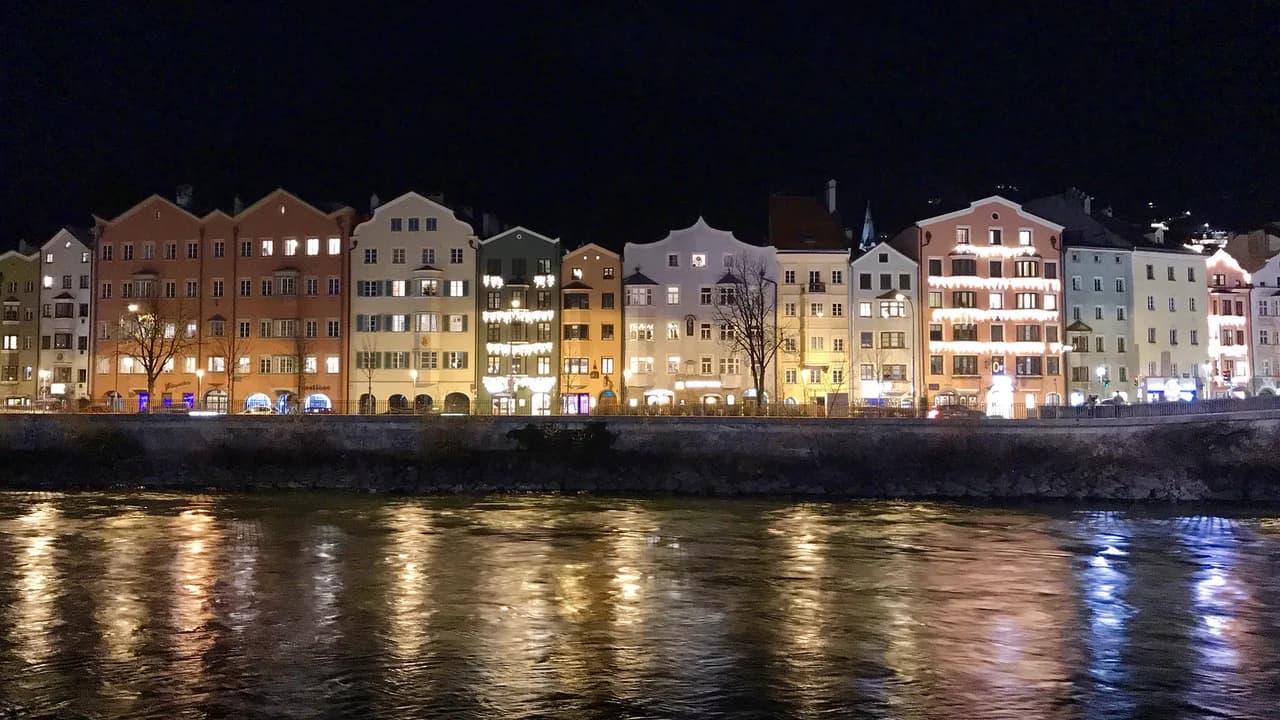
The row of pastel houses along the Inn, framed by the Nordkette, is the city's signature view and is best in low winter light when the peaks are dusted white. It is a short, flat walk rather than an excursion, so pair it with a coffee and treat it as a pause between bigger sights. If you are visiting early in the season, the Inn River in December guide covers how the riverside and the city feel as Advent gets going.
Eating and warming up
Tyrolean food is built for this weather: käsespätzle topped with crispy onions, speckknödel in broth and slow-cooked goulash appear on most traditional menus. Innsbruck also has a serious café culture, from historic coffeehouses with chandeliers and pastries to small student spots with strong coffee, so an afternoon outdoors can end with cake and no guilt. Book nothing for lunch and let the cold decide when you go in.
Christmas markets in brief
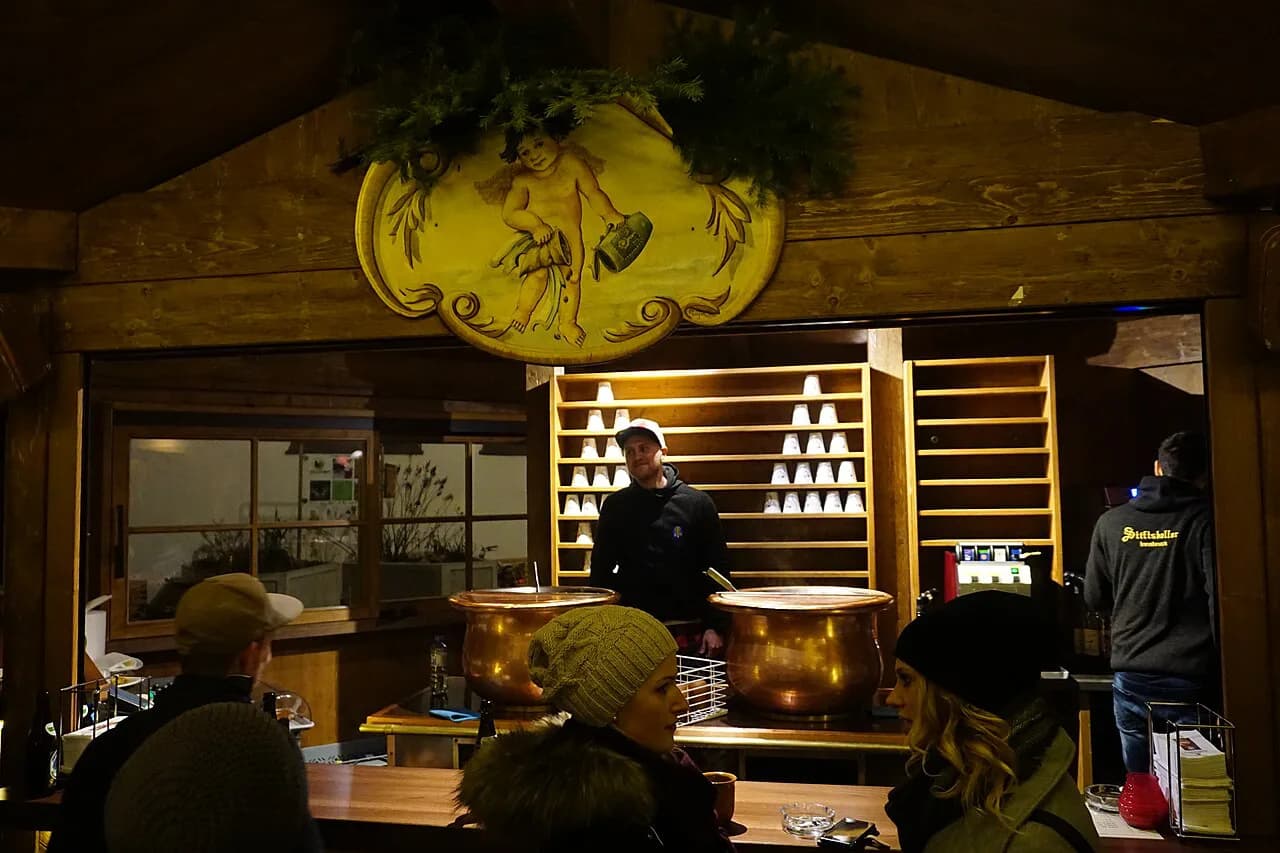
During Advent, wooden stalls fill the Old Town beneath the Golden Roof, with further markets at Marktplatz by the river, along Maria-Theresien-Strasse and up at Hungerburg above the city. The Hungerburg version is small but has the advantage of altitude, putting you at eye level with the snowy peaks. For mulled wine away from the official markets, Glühweinstand Fischerhäusl on Herrengasse is a well-known Advent pop-up.
New Year and the quiet weeks after
New Year's Day 2027 falls on a Friday, and the city's festive season winds down after Epiphany on Wednesday 6 January 2027. Once the stalls disappear, Innsbruck becomes noticeably calmer and cheaper, but January also brings the shortest daylight of the year, so plan one indoor anchor and one outdoor stretch per day. The Innsbruck in January guide covers how the city runs in that quiet stretch.
February keeps the mountain conditions strong and adds Carnival, with Carnival Tuesday on 9 February 2027 before Ash Wednesday. If you want the festive version of the city instead, New Year's Eve in Innsbruck sets out what happens around 31 December. The Innsbruck in February guide is the place to weigh snow conditions against crowd levels.
Day trips that work in winter
Swarovski Crystal Worlds, created by artist André Heller, combines light installations and gardens a short trip from the city and is an easy half-day when the weather turns. Hall in Tirol, about 20 minutes away, has a compact medieval center of cobbled lanes and pastel houses that is pleasant to wander in cold weather. Seefeld, a resort town on the plateau, works for a gentle stroll through a pedestrian center lined with cafés and inns even if you never touch the slopes.
November and March at the edges of the season
November is the shoulder: the mountains may already be white while the city waits for its markets, which suits travelers who want the landscape without the crowds. Innsbruck in November explains what is running in that gap. March stretches the days again and Holy Week falls 21–28 March 2027, so the Innsbruck in March guide helps if you are weighing a late-season visit against Easter crowds.
Crowds, costs and short days
The busiest and most expensive stretch runs through Advent and the New Year, when the Old Town fills in the evenings and accommodation tightens. From mid-January the city quiets down and prices soften, at the cost of the shortest daylight and a higher chance of gray valley days. Build each day around one mountain ride or one cluster of sights rather than a long list, and accept that a clear forecast can rewrite your plan.
Who a winter Innsbruck trip suits
Come in winter if you want a walkable Alpine city with serious museums, a cable car that reaches snow in under half an hour, and hearty food at the end of a cold day. Choose another season if long daylight, guaranteed street snow or high-altitude hiking matter more than atmosphere. Skiers will find plenty of terrain, but the city rewards people who never clip in at all.
Plan Your Visit
Two full days cover the Old Town, one mountain excursion and a museum, while three give you room for a day trip and a weather buffer. Base your itinerary on a flexible order, put the Nordkette or Patscherkofelbahn first on the clearest morning, and let rain push you indoors. Check lift and museum times before you set out, then spend the rest of your planning on where to eat.
Frequently Asked Questions
Is Innsbruck worth visiting in winter?
Yes, if you want an Alpine city where imperial palaces, museums, cafés and a mountain cable car sit within minutes of each other. It is less compelling if you need long daylight or guaranteed snow on the streets, since the valley can stay clear while the peaks are white.
What can you do in Innsbruck in winter without skiing?
Walk the Old Town and see the Golden Roof, visit the Hofburg Palace and Hofkirche, ride the Hungerburg funicular and Nordkette cable car to Seegrube, and spend cold afternoons at the Tirol Panorama or Ambras Castle. Evenings are for Tyrolean food and coffeehouse cake.
Does it snow in Innsbruck in winter?
Snow is common in December and January, but the city sits in a valley and often sees less of it than the surrounding mountains. The peaks are usually white even when the streets are clear, so the winter backdrop is reliable rather than the street snow.
Are two days enough in Innsbruck?
Two full days are enough for the Old Town, one mountain excursion and one museum, with time for cafés and the riverside walk. Add a third day if you want a day trip to Swarovski Crystal Worlds, Hall in Tirol or Seefeld, or a buffer for bad weather.
When is Innsbruck quietest and cheapest in winter?
The weeks from mid-January into early February are typically calmer and less expensive than Advent and the New Year period. The trade-off is the shortest daylight of the year and more gray valley weather, so plan indoor anchors.
How do you get up the mountain from central Innsbruck?
The Hungerburg funicular leaves from the city center and connects to the cable car for Seegrube and Hafelekar. Service depends on snow and maintenance, so confirm operating times with the operator on the day and go up on a clear morning.
Sources
Winter travel notes
Optional updates when we add or revise winter guides.
You might also like
Continue reading
More guides you'll find useful