Innsbruck in December: Weather, Snow and What's On
Innsbruck in December means cold valley days, snow on the Nordkette and short daylight. Here is the weather, what stays open and who it suits.
On this page
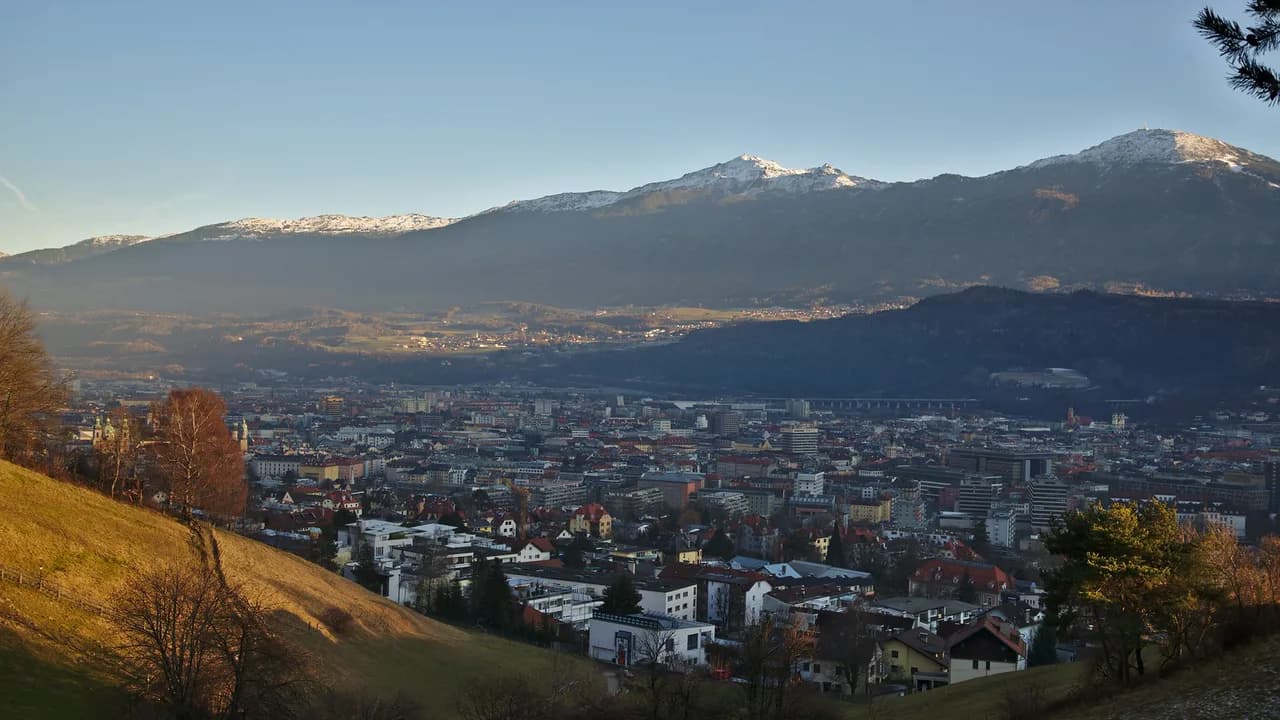
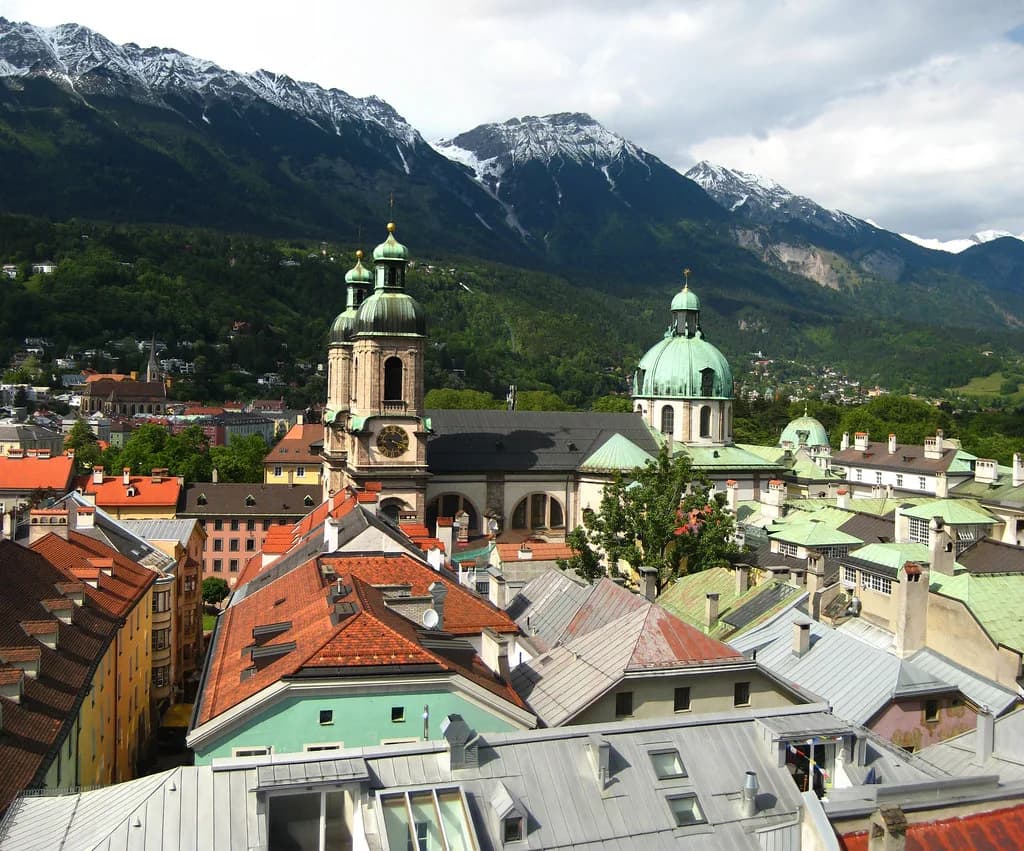
December turns Innsbruck into a compact mountain city with two distinct moods. Down in the valley you get crisp, often sunny cold and a walkable old town; a few hundred meters above it, the Nordkette ridge is reliably white and visible from almost every street. It suits travelers who want Alpine scenery and a real city in the same short break, and who are happy to plan around daylight that ends mid-afternoon.
Weather in December
Expect genuinely cold days rather than mild ones. Innsbruck's winter temperatures typically sit between about -2°C and 6°C (28–43°F) on average, with some brilliantly sunny days and others bringing heavy snowfall, according to one account of conditions there.
Treat those figures as long-term typical conditions, not a forecast: a December week can deliver crisp sunshine or a gray, wet cold that feels much sharper than the numbers suggest. Inversions are part of the deal in an Alpine valley, so the city can sit under cloud while the peaks above it are in full sun, and the reverse happens too. Pack for both.
Daylight and Short Afternoons
The single biggest planning constraint in December is light, not temperature. The days are short enough that outdoor sightseeing, a river walk and a cable car ride all compete for the same few bright hours, and dusk arrives well before you are ready to go back inside.
Build the day around that. Put viewpoints, the Old Town lanes and any mountain ascent in the morning and early afternoon, then keep palaces, museums and cafés for the dark hours. If you only have one clear day, spend it outdoors and move everything indoors to the following morning.
Does It Snow in Innsbruck in December?
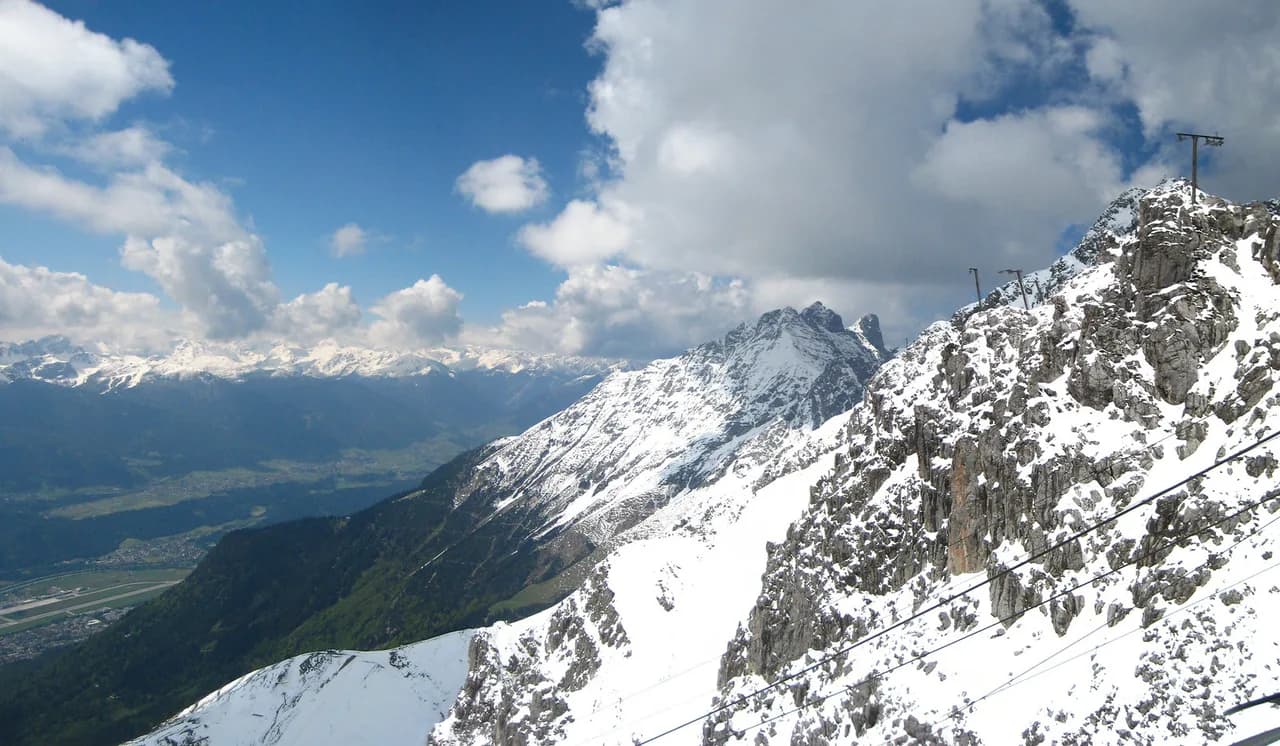
Snow is common in December and January, but the valley floor often holds less of it than the surrounding mountains, so the city can look clear while the peaks are white.
That difference matters when you plan. If snow is the point of the trip, head upward rather than hoping for it in the streets; if you want a walkable city with snowy scenery as a backdrop, the valley is the better base. The same source notes that winter temperatures range roughly between -2°C and 6°C, with heavy snowfall possible on some days.
Advent in the City
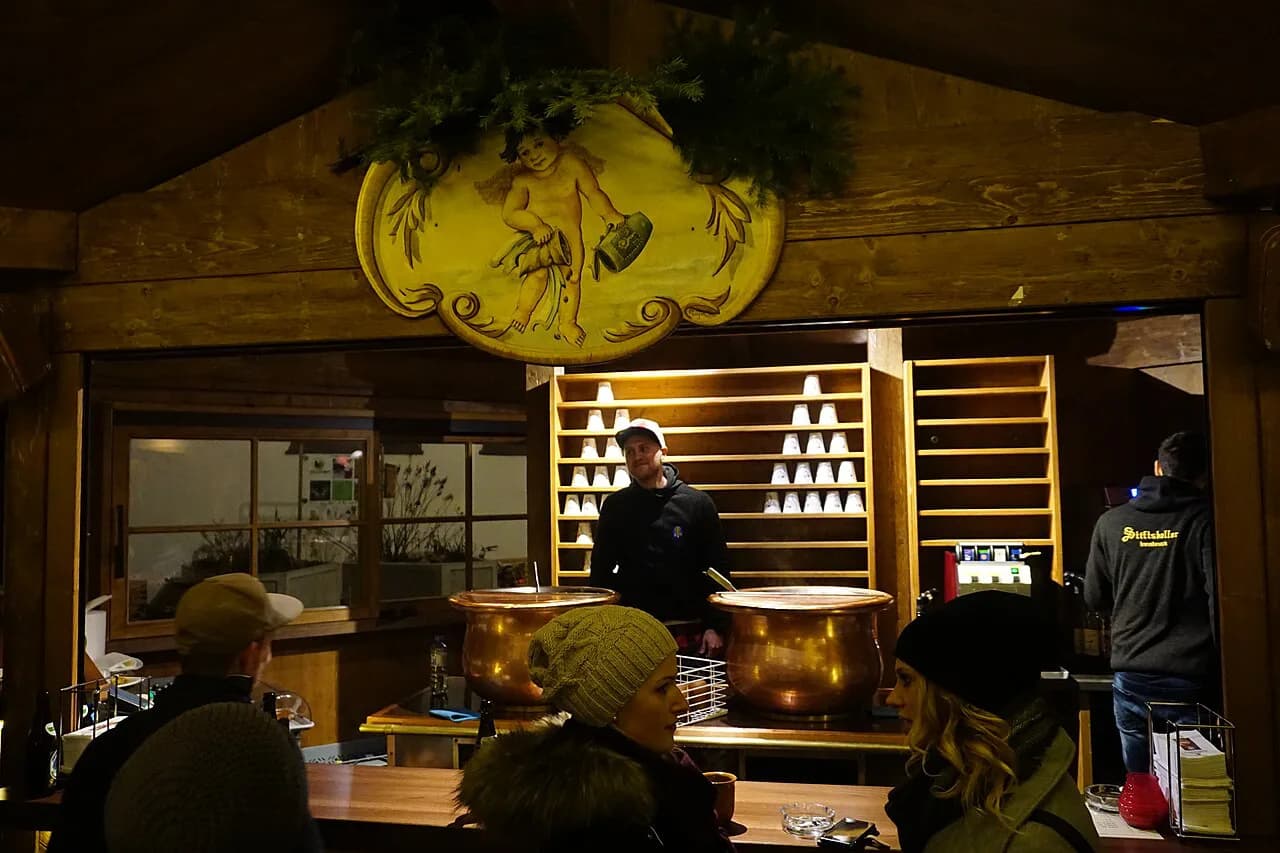
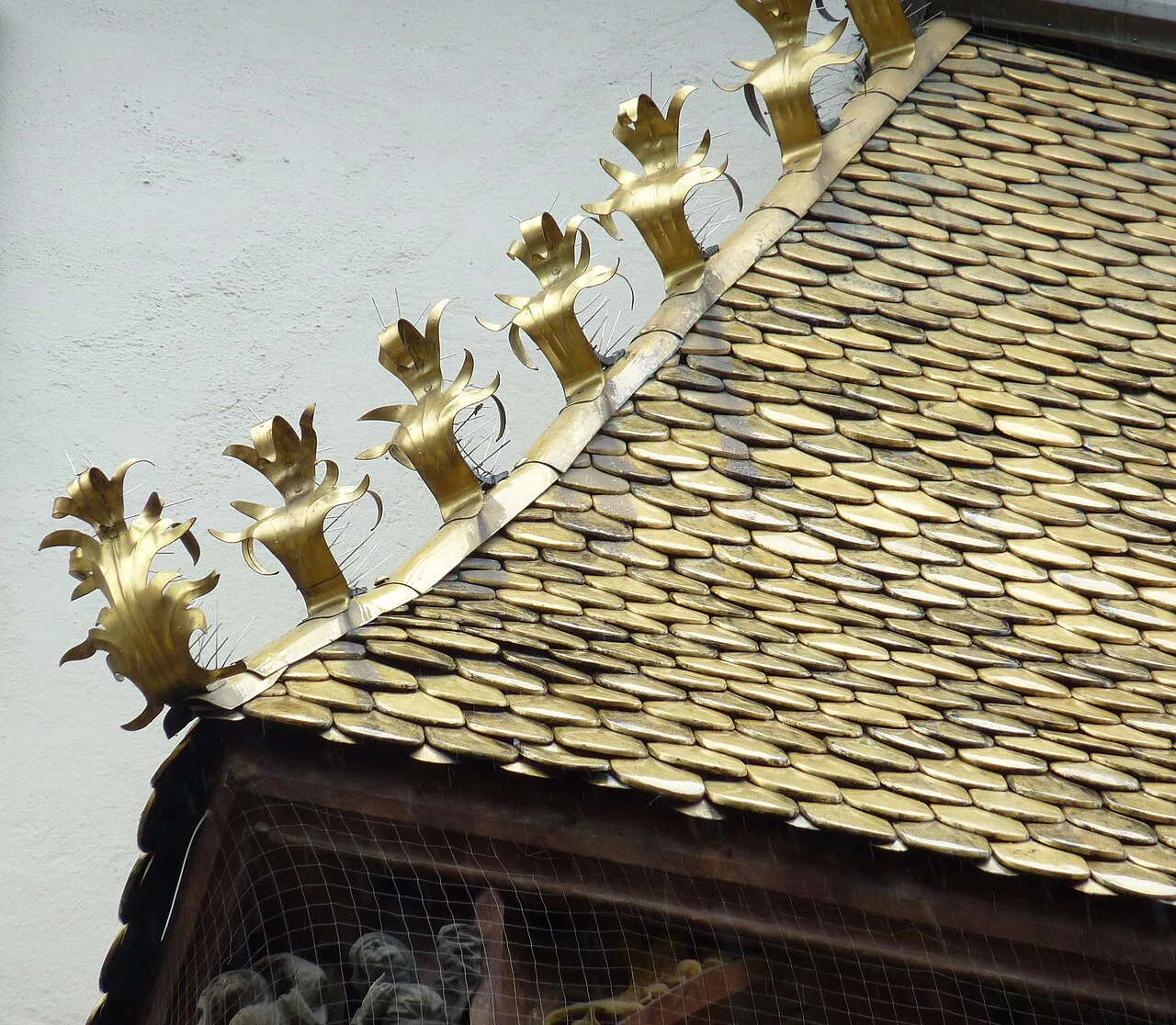
Advent is when December feels most itself. The Old Town market sits directly beneath the Golden Roof, with wooden stalls and the fairy-tale lane of Kiebachgasse nearby, while the Marktplatz market by the river adds a carousel and a crystal tree that work well with children.
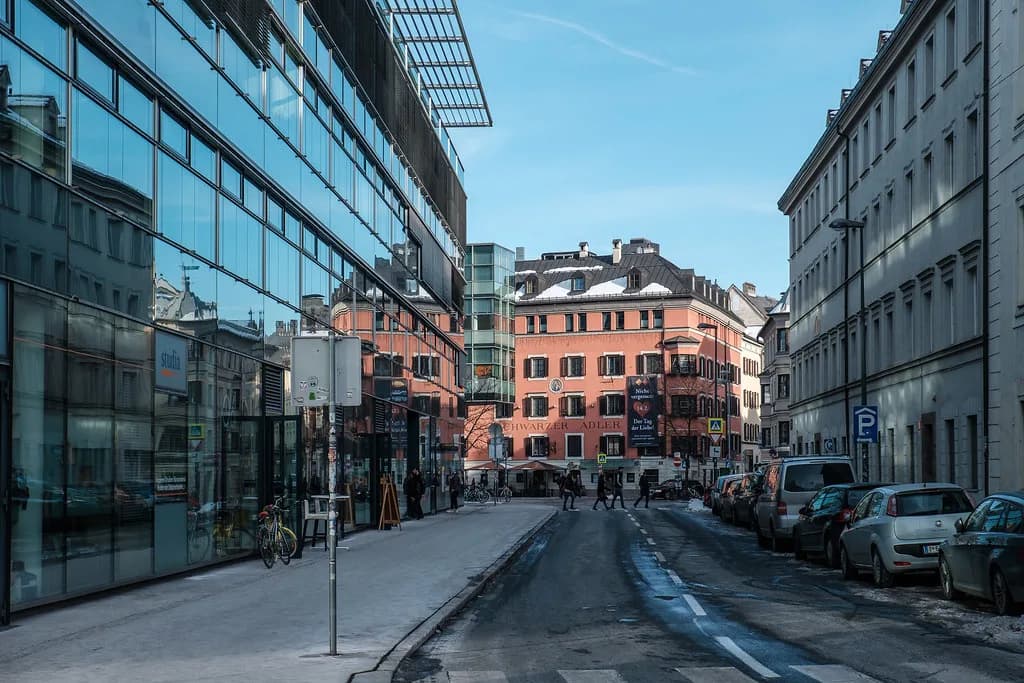
For a modern feel, the stalls along Maria-Theresien-Strasse mix holiday shopping with the city's main shopping street. If you want the full picture of what runs where, the Christmas in Innsbruck guide covers the individual markets in more detail.
Christmas Eve, Christmas Day and the Days After
Christmas Day 2026 falls on a Friday and New Year's Day 2027 also falls on a Friday, so a December trip can end in either a quiet family holiday or a festive city break depending on your dates. Note that Christmas Eve and Christmas Day themselves are the hardest days to plan around: many businesses and restaurants in Austria scale back or close, and a city break built entirely on those two days can feel thin.
The practical move is to put the Christmas week at the end of the trip and use the earlier part of December for sightseeing, or to shift the whole visit to the days between Christmas and New Year, when the city is busy again. If you are weighing that second option, New Year's Eve in Innsbruck sets out what the city does on 31 December.
Things to Do When It Is Cold
The Old Town is the natural starting point: the Golden Roof's gilded tiles, the arcaded lanes and the Hofburg's imperial rooms are all within a few minutes of each other. The Hofkirche next door holds Maximilian I's cenotaph surrounded by 28 larger-than-life bronze figures, one of the finest Renaissance monuments in Europe.
For a longer indoor block, Ambras Castle sits a short tram ride from the center and holds Ferdinand II's collection of armor, portraits and curiosities; the Tirol Panorama on Bergisel, with its huge 360-degree painting of the 1809 rebellion, is the other reliable wet-weather stop. Both are covered by the Innsbruck City Card, which also includes public transport and cable car rides.
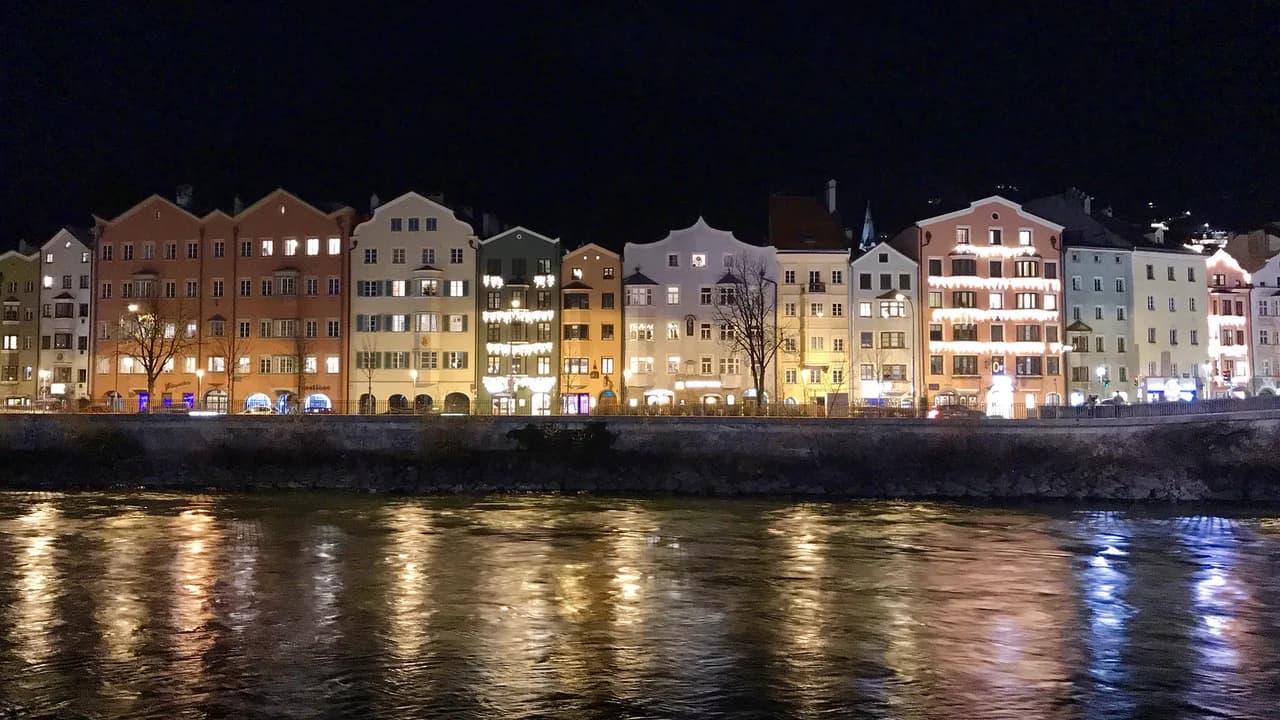
When the sun does come out, walk the Inn River path for the classic view of the pastel houses against the Nordkette. It is a short stroll, not a hike, and it works best in the early afternoon when the light is on the facades.
Riding Up the Nordkette
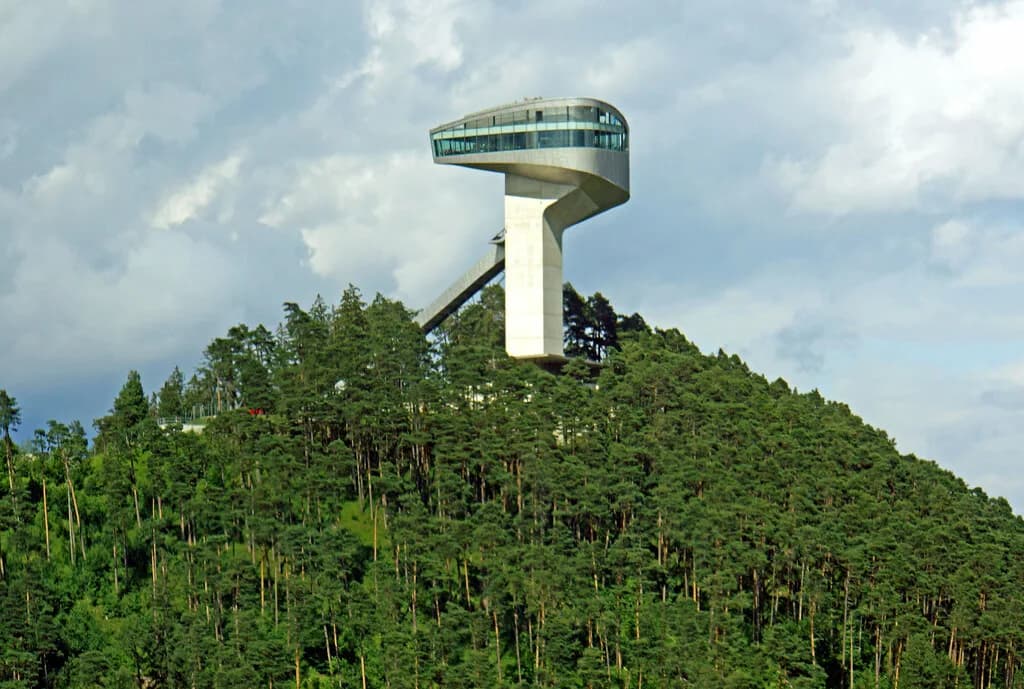
The ascent happens in stages, which is what makes it work in winter. The Hungerburg funicular, designed by Zaha Hadid, climbs from the city center to the Hungerburg district in under ten minutes, where you can stop for the small hilltop market and the view before deciding whether to continue. From there the cable car runs up to Seegrube and on to Hafelekar.
Above Seegrube the conditions are alpine, not urban, so check the day's operating status with the Nordkette lift company before buying a ticket, and be ready to turn back at Hungerburg if the upper mountain is in cloud. A return ticket for the full ascent is a serious outlay; the Innsbruck City Card can make it better value if you are also visiting the palaces and museums.
Food and Cafés
Tyrolean food is built for this weather: käsespätzle with crispy onions, speckknödel in broth and slow-cooked goulash all appear on winter menus, and the coffeehouse tradition gives you a reason to sit still for an hour in the afternoon. The city's café scene runs from historic rooms with chandeliers and pastries to student places with strong coffee.
Kaiserschmarrn, the shredded pancake served with apple sauce, is filling enough to count as a meal, and it is the dish most visitors remember. Book or go early on Advent weekends, when the center fills up and the good tables go first.
Day Trips That Work in December
Hall in Tirol is about 20 minutes away and offers a quiet medieval old town of cobbled streets and pastel houses, which makes it an easy half-day when the city is crowded. Seefeld, half an hour by train from Innsbruck Hauptbahnhof, is a mountain village with a compact center and reliable snow, and Patscherkofelbahn cable car offers a different panorama over the city from the Nordkette.
Swarovski Crystal Worlds, a short shuttle or train ride out of town, pairs sparkling art installations with gardens and a play tower, and works well for families on a gray day. If your trip stretches into January, the Innsbruck in January guide covers how the city changes once the markets pack up.
Crowds and Prices in Words
December is not one crowd level; it is two. The Advent weekends and the days around Christmas bring the heaviest footfall to the Old Town and the markets, with accommodation at its most expensive, while the first half of the month and weekday stays are markedly calmer and cheaper.
If you want the markets without the crush, aim for a weekday in early or mid-December and accept that some daylight will be lost to the short afternoons. If atmosphere matters more than elbow room, take the Christmas week and book well ahead. For a wider view of the season across the country, Austria in December compares the options.
Who December in Innsbruck Suits
December in Innsbruck is a good fit for travelers who want a real city, snowy mountains in the frame, and Advent atmosphere without a resort stay. It rewards people who like cold, clear air, museum afternoons and long café stops, and who do not mind finishing outdoor plans by mid-afternoon.
It is a weaker choice if you want long daylight, guaranteed valley snow or quiet streets in the days around Christmas; those travelers are better off in January or early February, or choosing a different month altogether. Skiers will find the city a base rather than the point, and the mountain conditions above Seegrube are the real draw.
Plan Your December Trip
Decide first which December you want: a calm early-month city break with short days and room to move, or the full Advent experience with crowds and higher prices. That choice settles your dates, your budget and how much of the trip you spend on the mountain versus in the museums.
Then build days around daylight, put the Nordkette on a clear morning, and keep the Hofburg, Ambras and the Tirol Panorama ready for the gray ones. Check current opening hours with the venues and the Nordkette lift company before you travel, since December schedules change around the holidays.
Explore more Innsbruck winter guides
Frequently Asked Questions
Is Innsbruck worth visiting in December?
Yes, if you want a cold, atmospheric Alpine city rather than a ski resort. December brings Advent stalls in the Old Town, snowy peaks visible from the streets, and a strong set of indoor sights for bad weather. The trade-off is short daylight and heavier crowds around the Christmas weeks.
Does it snow in Innsbruck in December?
Snow is common in December, but the valley floor often sees less of it than the surrounding mountains, so the city can be clear while the peaks are white. If snow is the main reason for your trip, plan on going up rather than waiting for it in the streets.
Are two days enough in Innsbruck?
Two days covers the Old Town, the Golden Roof, one palace or museum and a trip up the Hungerburg funicular with time for cafés. Add a third day if you want Ambras Castle, the Tirol Panorama and a day trip to Hall in Tirol or Seefeld without rushing.
Is Innsbruck or Salzburg nicer in December?
They offer different Decembers. Innsbruck puts mountains directly above the city and gives you a cable car from the center, while Salzburg is a larger Baroque city with its own markets and a heavier tourist load. Choose Innsbruck if Alpine scenery matters most; choose Salzburg if you want a bigger urban program.
What is there to do in Innsbruck in December without skiing?
Plenty: the Old Town and Golden Roof, the Hofburg and Hofkirche, Ambras Castle, the Tirol Panorama, Advent markets around the center, the river walk, and the funicular and cable car up the Nordkette. Day trips to Hall in Tirol, Seefeld and Swarovski Crystal Worlds fill out a longer stay.
Sources
Winter travel notes
Optional updates when we add or revise winter guides.
You might also like
Continue reading
More guides you'll find useful