Does It Snow in Inverness? Highland Snow by Month
Snow falls in Inverness in most winters, but it rarely settles in the city centre. Typical winter temperatures run 0-6°C, with more snow on the hills.
On this page
Inverness sits at the head of the Moray Firth, where the northern Highlands meet the sea, and winter here is cold, dark and changeable rather than reliably white. Snow is plausible in most winters, but a snow-covered city centre is the exception, not the rule. The trip suits travelers who want a quiet Highland winter with short daylight, low visitor numbers and the chance of snow on the hills rather than a guaranteed winter wonderland.
Does It Snow in Inverness? The Short Answer
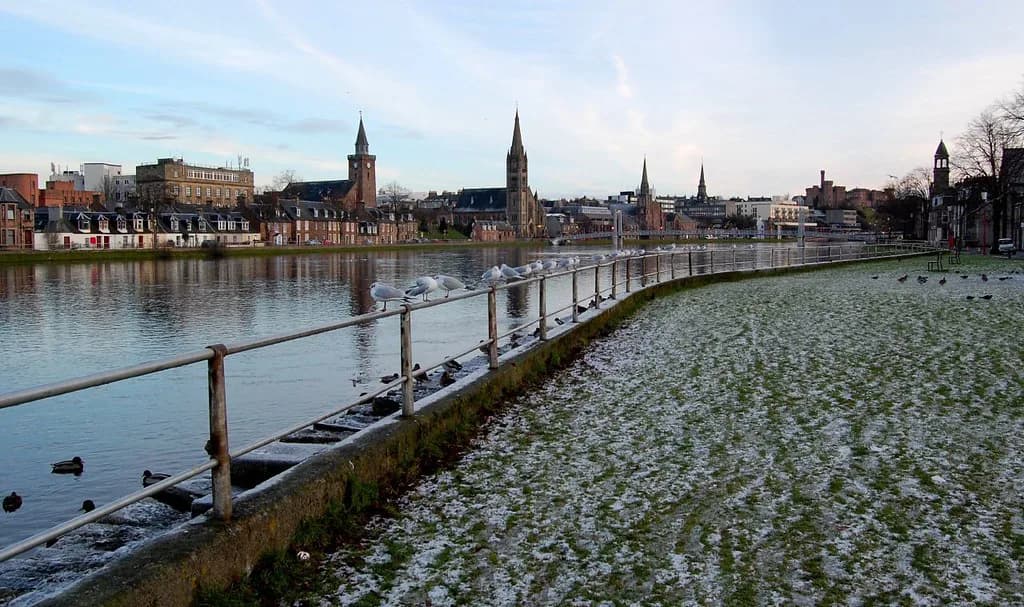
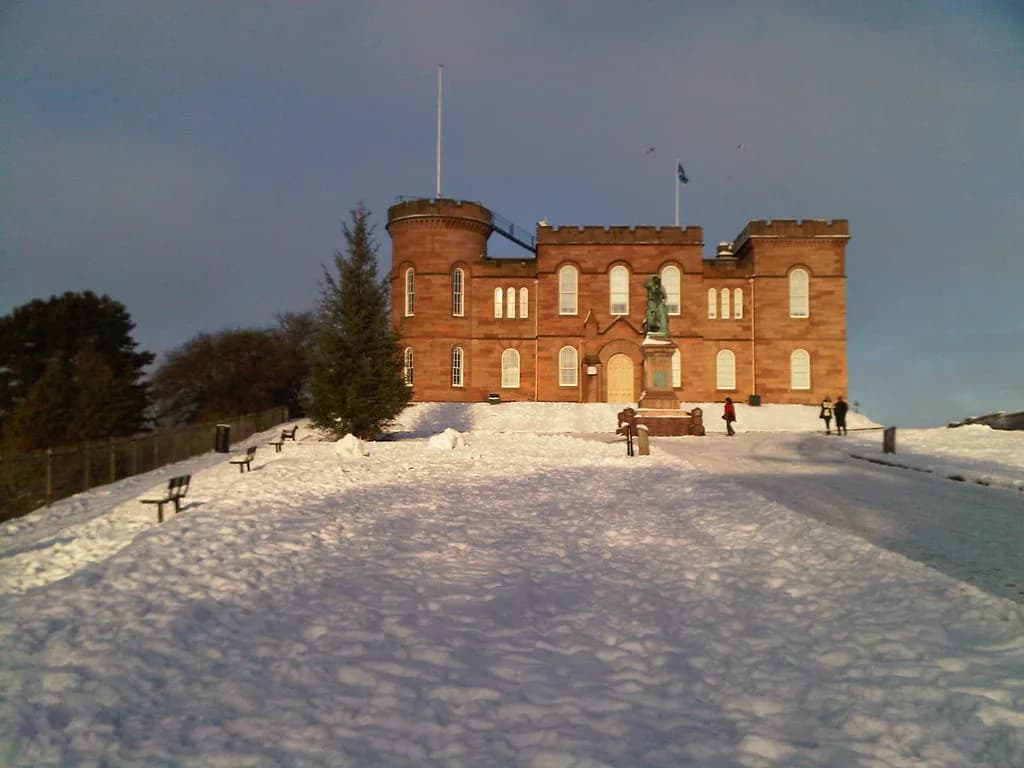
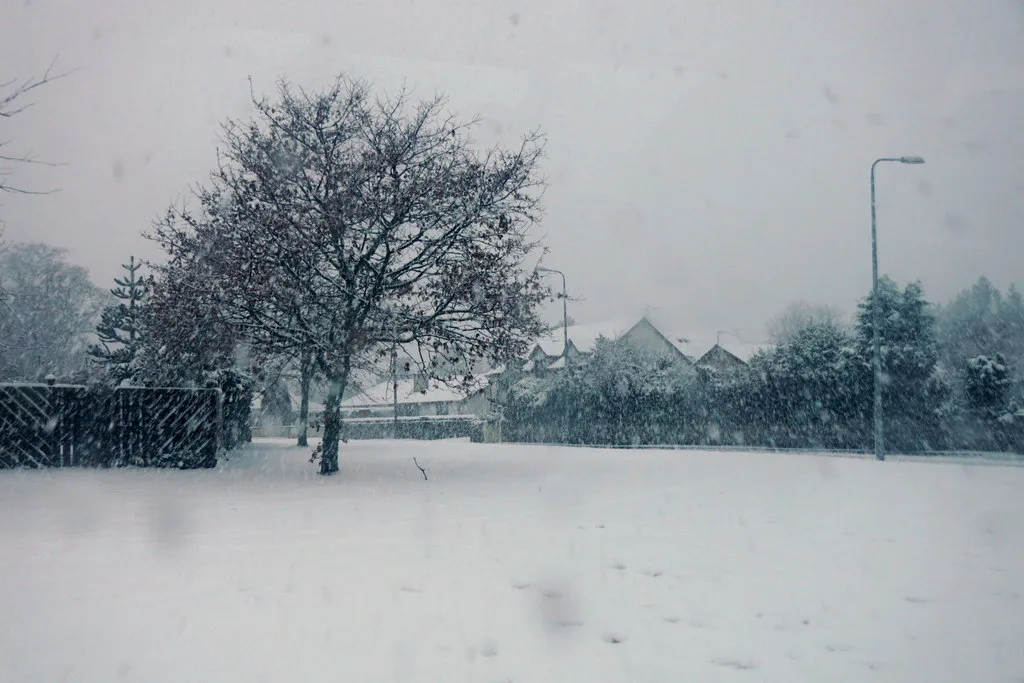
Yes, snow falls in Inverness in most winters, and the city is more snow-prone than southern Scotland because it sits further north and closer to cold Highland air. What you should not expect is a deep, lasting accumulation in the city centre: snow that settles around the River Ness is usually light and short-lived, often turning to slush within a day. The nearby hills are a different story, and that contrast is the key to planning a winter trip here.
Travelers who book Inverness hoping for a guaranteed white Christmas are usually disappointed, while those who treat snow as a bonus tend to enjoy the trip more. If a snowy landscape is the main goal, plan on heading up into the hills rather than waiting for the streets to turn white.
Snow by Month: November to March
The odds of snow lying on the ground are highest in January and February, when cold air settles over the Highlands and temperatures hover near freezing. November and March sit at the shoulders of the season and are more likely to bring sleet, rain or a brief dusting than lasting cover. December can deliver snow, but it competes with milder Atlantic air, so a white Christmas in the city is possible rather than probable.
Because the snow season overlaps with the quietest visitor months, you get the best chance of winter scenery at the same time as the smallest crowds. In November the transition into winter is still underway, and by March the days are lengthening again even though snow remains possible on high ground.
Inverness Weather in Winter
Typical winter averages for Inverness sit at 0-6°C (32-43°F) in December, 0-5°C (32-41°F) in January and 1-8°C (34-46°F) in February. These are long-term averages, not a forecast, so expect individual days to run colder or milder. Hard frosts are common, and daylight is short: the sun sets early in December and January, which compresses any outdoor plans into a narrow window.
Temperatures near freezing matter more than the snow itself, because ice on pavements and untreated side roads is the practical hazard. A day that looks mild in the forecast can still be slippery underfoot after an overnight frost, so build some flexibility into your schedule.
Snow on the Hills Versus Snow in Town
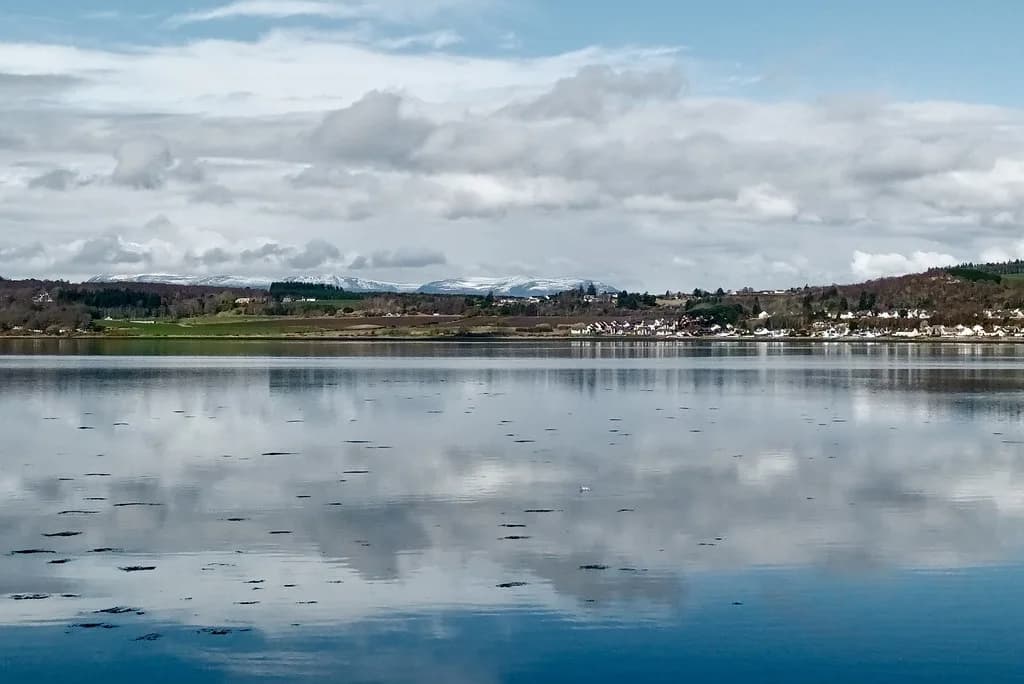
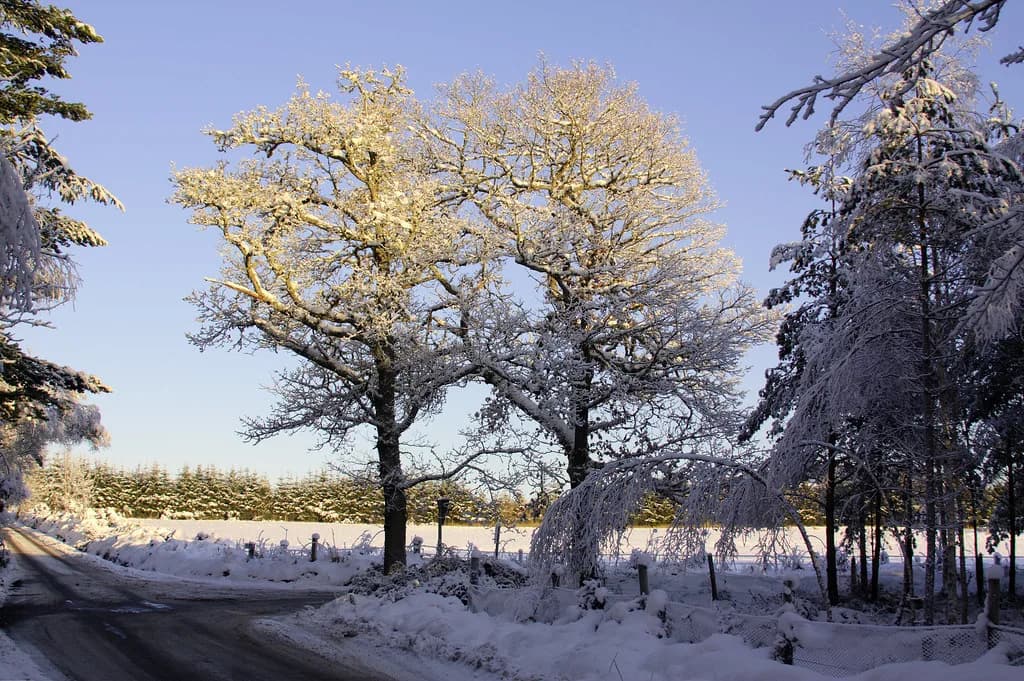
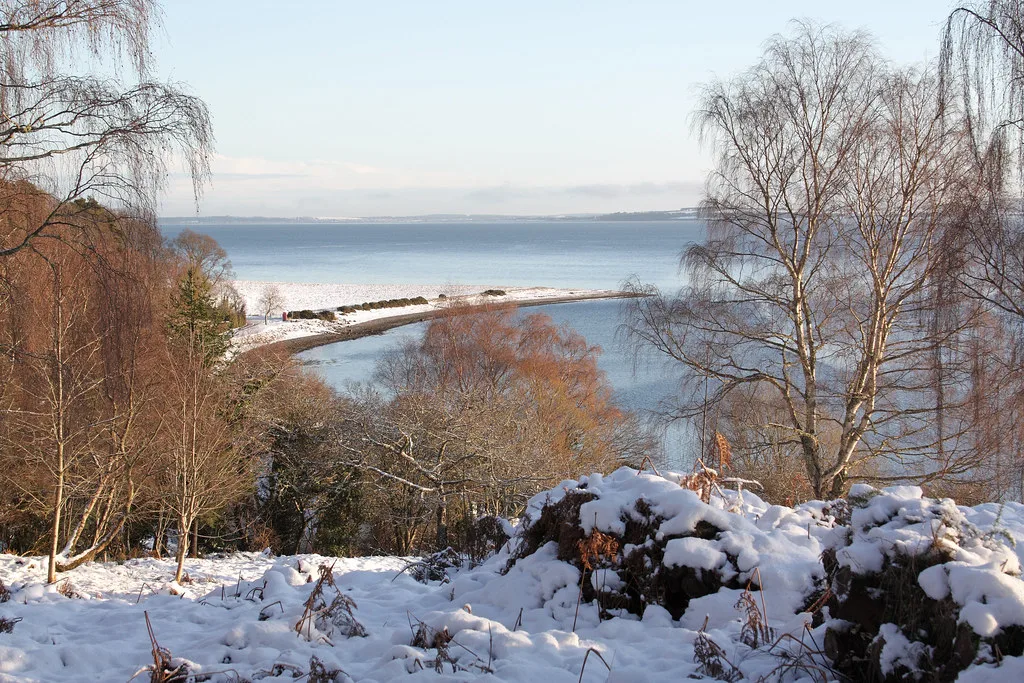
The surrounding Highlands see far more snow than the streets around the River Ness, because elevation does the work that the city's low, coastal position prevents. That means a day trip out of Inverness can put you in a snowy landscape even when the city centre is bare and damp. The trade-off is that higher routes are the first to be affected by snow and ice, so a hill day needs a weather window and a Plan B.
If you are based in the city for several days, watch the higher ground rather than the pavements: a morning with snow on the hills is your cue to head out, while a mild, wet day is better spent indoors. This is also the reason winter visitors who want guaranteed snow often base themselves further inland or higher up.
What Snow Changes in Practice
When snow does arrive, the disruption is usually local rather than dramatic: untreated side roads, icy pavements and slower going on higher routes. Main roads, including the A9 corridor, are the priority for gritting, so getting into and out of Inverness is rarely the problem. The bigger risk is a day trip into the hills being cut short by a closed or treacherous road.
Build in a spare day if hill scenery is central to your plans, and keep city-based activities as a fallback for the morning after a snowfall. That way a closed route costs you an afternoon rather than the whole trip.
Things to Do When It Snows
Culloden Battlefield, just outside the city, is atmospheric in cold weather and gives you open moorland without a long drive. Loch Ness boat tours run in winter on reduced schedules, so a still, cold day on the water can be the highlight of a snowy trip. Back in town, museum and gallery time, whisky distilleries and riverside walks when the paths are clear fill the short daylight hours well.
The city rewards a slower pace in winter: a morning outdoors, an afternoon indoors and an early dinner suit the light. If the snow keeps you in town, the museum and the riverside paths give you a respectable half-day without needing a car.
Northern Lights from Inverness
The aurora is strongest between October and March, when the skies are at their darkest, so a winter trip gives you the best chance of seeing it. Inverness itself has too much light for good viewing, but dark skies outside the city are within reach on a clear night. Treat any sighting as a bonus: cloud is common in winter, and no forecast can guarantee a display.
If the aurora is a priority, plan at least a few nights and keep one of them flexible for a late drive out of town. A cold, clear night after a snowfall is often the best combination, because the snow reflects what light there is.
Christmas and Hogmanay in Inverness
Christmas and Hogmanay give the winter season its focus in Inverness, with festive events and a Highland New Year celebration. The city keeps its quiet character even then, so this is not a destination for a big-market atmosphere. If you are traveling over the holidays, plan around the fact that some businesses close or reduce hours, and book the days you care about in advance.
New Year in the Highlands is a distinct experience from Christmas, with its own traditions, and the two periods book up differently. Travelers who want both should expect to stay through the gap between them rather than making a quick dash.
Who Should Visit in Winter and Who Should Wait
Winter suits travelers who value quiet streets, low prices and the drama of a Highland landscape in cold weather, and who are content with short days and uncertain snow. It does not suit anyone who needs guaranteed snow, long daylight or reliable outdoor conditions for hiking or driving. If those matter more than solitude, May or September gives you longer days and better odds of dry weather.
The main trade-off is straightforward: you get the Highlands at their emptiest and cheapest in exchange for rain, ice and a real chance that the snow you came for falls on the hills rather than in town. Decide which of those you can live with before you check current conditions and prices for your dates.
Getting Around in Winter
The city centre is walkable, and buses cover the routes you are likely to need, so a car is optional for a city-based trip. A car earns its place only if you are comfortable on Highland winter roads and want to chase snow into the hills. Even then, watch conditions before setting out and keep your plans flexible.
If you are relying on public transport, build your days around a single destination rather than trying to string several together. Distances in the Highlands are deceptive, and winter daylight leaves little room for error.
Plan Your Winter Trip
Inverness delivers snow in most winters, but the reliable version of the experience is cold, crisp Highland weather with snow on the hills and a bare city centre. Plan around the chance of snow rather than the promise of it, keep a flexible day for the hills, and the trip rewards you. If you need guaranteed winter scenery, choose a higher base instead.
Explore more Inverness winter guides
Frequently Asked Questions
Does it snow in Inverness?
Yes, snow falls in Inverness in most winters, but it rarely settles deeply in the city centre. The surrounding hills see far more snow than the streets around the River Ness.
Does it snow in Inverness at Christmas?
Snow is possible at Christmas but not guaranteed. December can bring snow when cold air settles, but milder Atlantic air often turns it to rain or sleet in the city.
Which month has the most snow in Inverness?
January and February give the highest odds of snow lying in Inverness. November and March are more likely to bring sleet or a brief dusting than lasting cover.
What is the temperature in Inverness in winter?
Typical averages are 0-6°C (32-43°F) in December, 0-5°C (32-41°F) in January and 1-8°C (34-46°F) in February. These are long-term averages, not a forecast, so expect colder and milder days in any given winter.
Can you see the Northern Lights in Inverness in winter?
The aurora is strongest between October and March, when the skies are darkest. Inverness has too much light for good viewing, so you need a clear night and a dark spot outside the city.
Is Inverness worth visiting in winter?
Inverness is worth visiting in winter if you want quiet streets, low visitor numbers and a Highland landscape in cold weather. It is less suited to anyone who needs guaranteed snow or long daylight.
Sources
Winter travel notes
Optional updates when we add or revise winter guides.
You might also like

Continue reading
More guides you'll find useful