Inverness in March: Weather, Daylight and What's Open
Inverness in March brings lengthening days, changeable Highland weather and quiet streets. See typical temperatures, rain and what stays open.
On this page
March in Inverness is the Highland shoulder season in motion. Daylight stretches noticeably, the city centre stays quiet enough to wander at an unhurried pace, and the surrounding glens and mountain roads still behave like winter when the weather turns. It suits travelers who want long walks, museums and big landscapes without summer coach crowds, and who can build flexibility into boat and mountain plans.
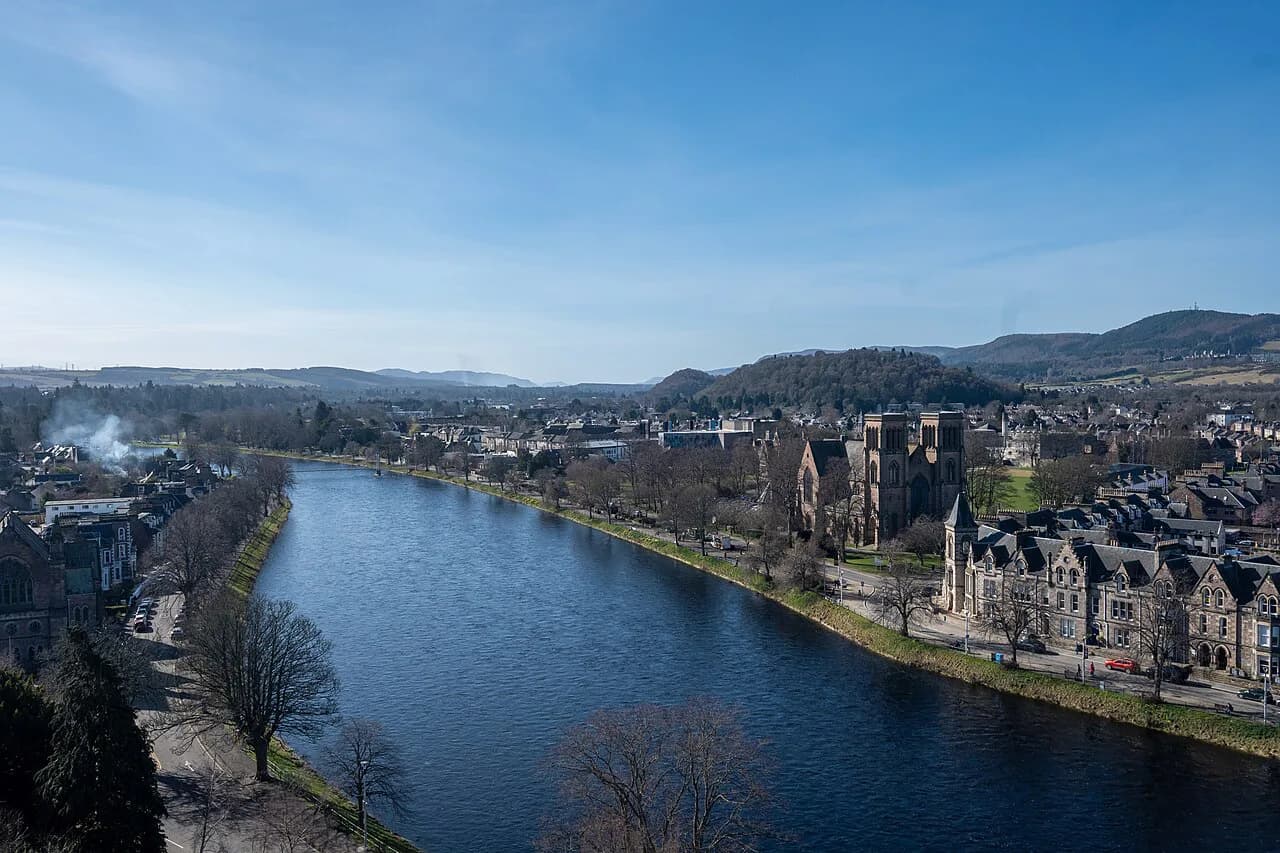
The city itself is compact: most of the centre is walkable, and Stagecoach buses cover the rest, so a mixed week of city days and weather-dependent outings is realistic. If you are weighing the whole season rather than this single month, the broader case for Inverness in winter sets out how the darker months compare.
Weather in March
Expect cool, unsettled days rather than a deep freeze. Average temperatures across spring in Inverness sit between roughly 6°C and 12°C (about 43°F to 54°F), with March at the cooler end of that band and the warmest afternoons usually arriving later in the season.
Rain is the defining feature of Highland weather in March, and a dry week is the exception rather than the rule. Conditions change quickly, so a morning of low cloud over the firth can turn into bright, clear light by afternoon; plan outdoor set pieces for the first clear window rather than a fixed day.
Treat any figure as a long-term average, not a forecast, and build each day around one indoor anchor and one outdoor option. Which indoor options hold up in the coldest weeks is covered in the guide to Inverness in January if you want to compare months before booking.
Snow and Wind Around Inverness
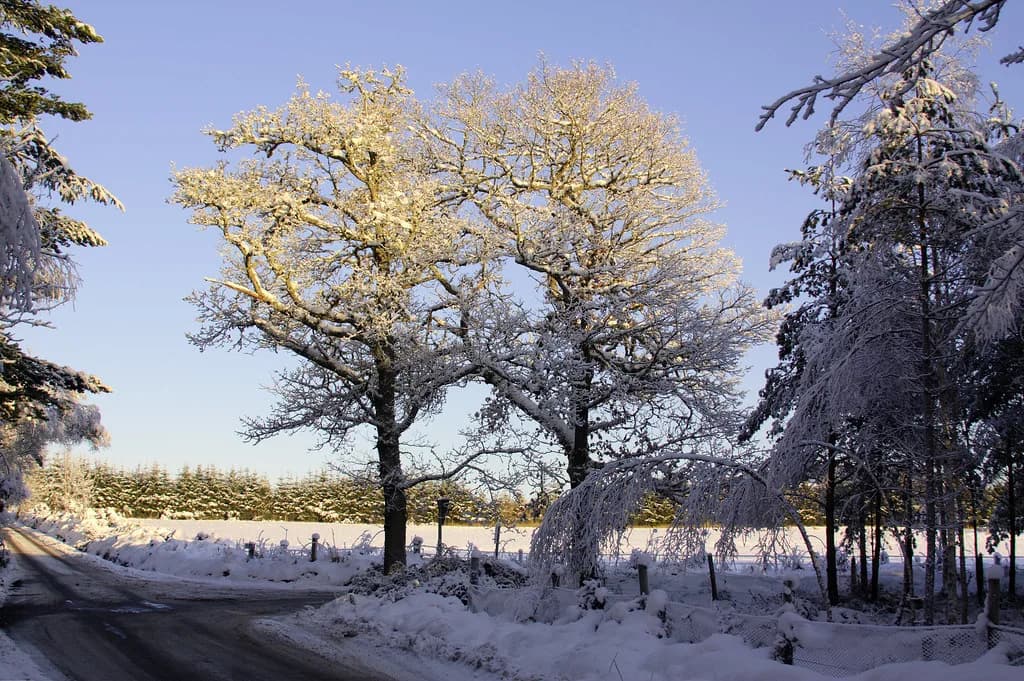
Snow in the city is possible but unreliable in March; the more consistent snow lies on higher ground, where the Cairngorms and the hills west of the Great Glen can still hold winter conditions. That matters for anyone planning a hill walk or a drive over a high pass, where conditions can differ sharply from the sheltered streets of Inverness.
Wind is the other variable. Exposed viewpoints, loch shores and the open ground at Culloden feel considerably colder than the city centre, so treat a mild reading in town as a city figure only. For a month-by-month view of how snow typically behaves, see Does It Snow in Inverness? What to Expect in Winter, and if you are traveling earlier, Inverness in February covers the tail of midwinter.
Daylight and the Clocks Going Forward
March delivers the biggest jump in daylight of the winter half-year. Early in the month evenings close in soon after dinner, but by the end of March there is useful light well into the evening, which changes how much you can fit into a day: a late-afternoon walk along the River Ness or a second museum stop becomes realistic.
The clocks go forward on 28 March 2027, moving sunset an hour later at a stroke and making the final days of the month feel like early spring. If your trip straddles that date, plan the outdoor day trips for the second half and keep the first days for city sights.
What Is Open in March
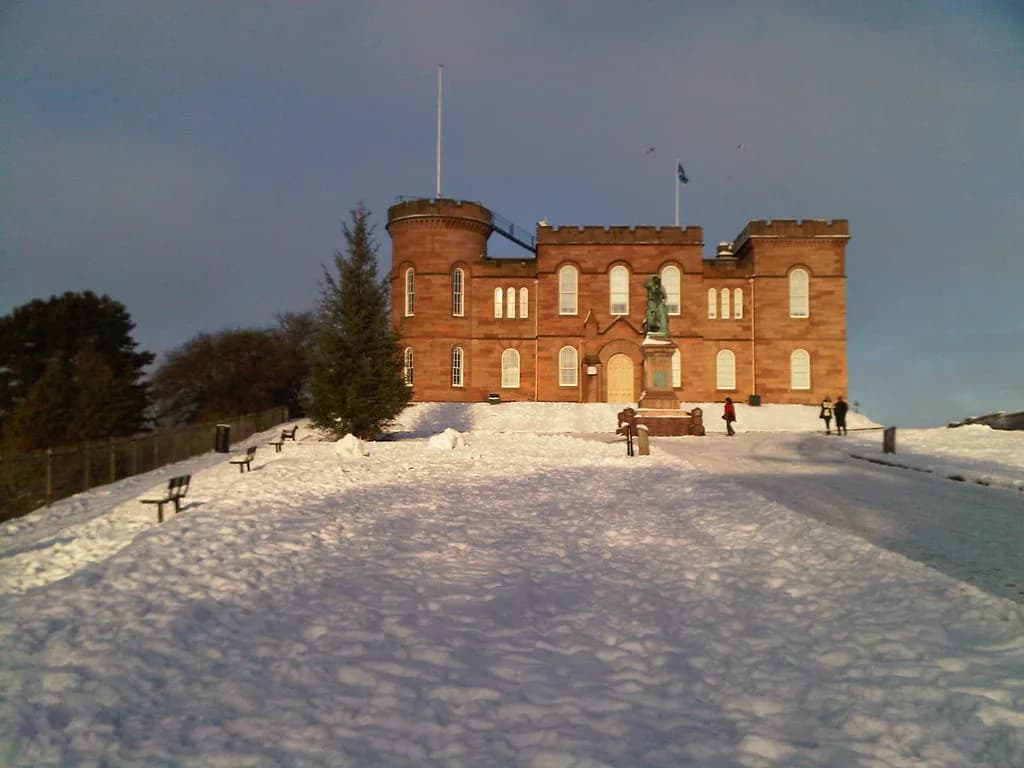
Inverness works well as a March base because the core sightseeing is in and around a compact centre. The Inverness Castle Experience is open and presents the city's story in an immersive format, and the Victorian Market, Leakey's Bookshop and the Inverness Botanic Gardens give you a set of indoor or short outdoor stops that do not depend on a long weather window.
Beyond the centre, Culloden Battlefield, Clava Cairns and the Ness Islands are outdoor sites that stay accessible on foot or by short bus or taxi ride, but they reward a dry, still day. In the wider Highlands, some outdoor operators scale up only later in spring, so if a specific boat trip or guided activity is the reason for your trip, find out which departures already run in March before you fix dates.
If you are building the whole winter picture rather than March alone, Inverness in December and Inverness in November show how much shorter the days get at the other end of the season.
Things to Do in Inverness in March
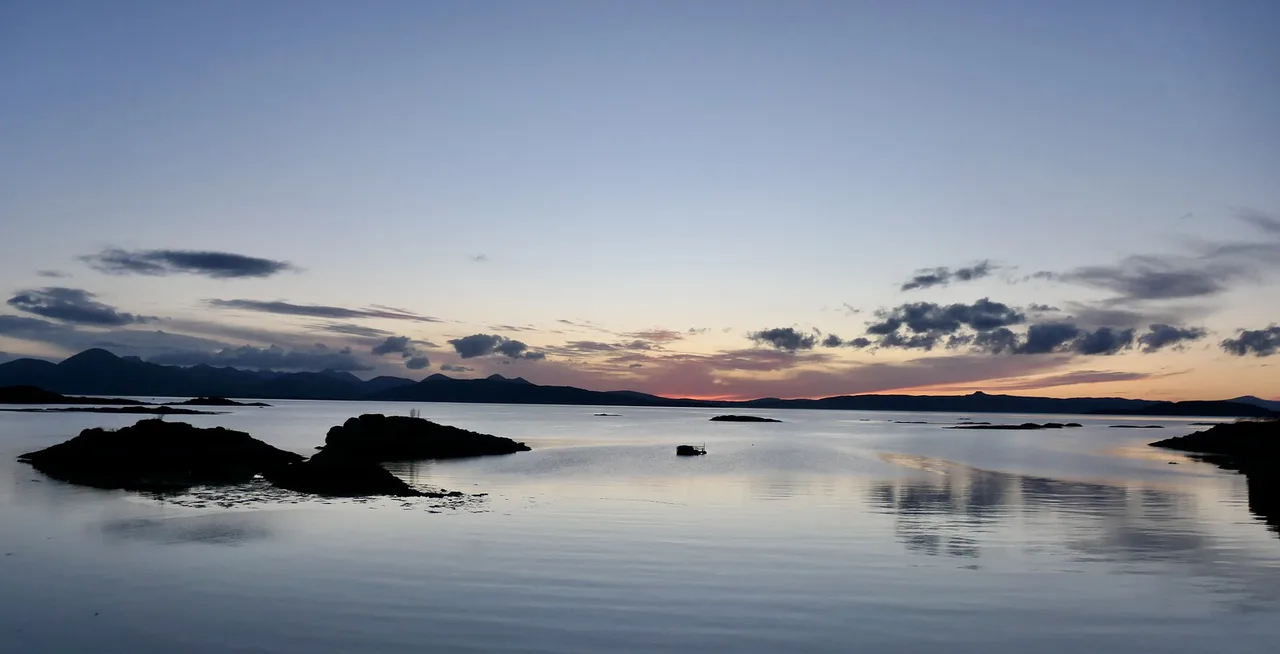
Shape days around a single outdoor plan and a fallback. A morning at the Botanic Gardens or browsing the Victorian Market, then an afternoon walk along the River Ness to the Ness Islands, works in almost any weather; save the bigger landscapes for a clear day.
Whisky is a dependable March activity because distilleries work indoors regardless of the weather. Several operate around Inverness and in Moray Speyside to the east, and tasting rooms are a sensible way to spend a wet afternoon without wasting a clear one.
Wildlife watching is another option: dolphin spotting at Chanonry Point on the Black Isle is a short drive or bus ride from the city, and red deer, golden eagles and ptarmigan are possibilities in the wider Highlands. Binoculars and patience matter more than perfect weather, but pick a calm, dry day.
History-minded visitors can pair Culloden Battlefield and Clava Cairns in one outing, since both sit east of the city within a short drive of each other. If you are in Inverness over Christmas instead, the Christmas in Inverness material covers the festive side of the year; March is a different, quieter proposition.
Loch Ness and the Caledonian Canal in March
The Caledonian Canal runs through the heart of the city and is a fine short walk in any month, with the flight of locks at Muirtown a gentle way to spend an hour. Loch Ness itself begins just southwest of Inverness, so it can be visited as a half-day outing rather than a full expedition.
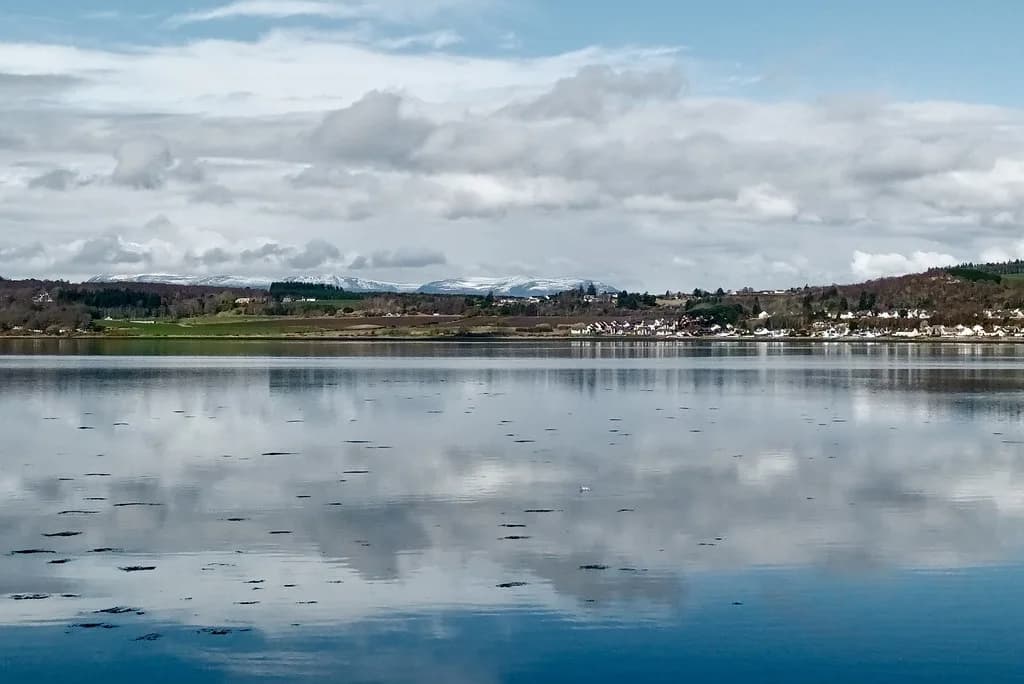
A March visit to the loch is best treated as a shoreline and viewpoint trip first, with a boat trip added only when a boat company is sailing on your dates. The VisitScotland Inverness pages list boat tours on the loch and canal, so look up which ones run in March before committing to a specific day.
The Loch Ness 360° Trail and the Great Glen Way offer walking options ranging from short stretches to longer days, and the Ness Islands walk in the city is a shorter fallback when the loch road is under low cloud.
Day Trips That Work in March
Inverness is a useful base for Highland day trips: Loch Ness, the Black Isle, Culloden and the Cairngorms National Park are all within reasonable reach. In March the limiting factor is usually weather on the roads and hills, not distance, so choose trips that keep you at lower levels when snow is lying above.
Nairn, east along the coast, gives you a town day with a seafront walk, while the Cairngorms National Park offers forest trails and lower-level walks at a time of year when the high mountains are still winter ground. ScotRail runs express trains to Inverness from major cities, and the ScotRail timetables are the place to plan rail-based days.
For driving, the A9 links Inverness to the rest of Scotland, and Edinburgh or Glasgow is roughly a three-hour drive each way in good conditions, so a March day trip by car should stay closer.
Events and Holidays in March
The March calendar is thin for public events in Inverness itself, and the big Highland gatherings fall later: The Gathering in Inverness is scheduled for 29 May 2027 and the Inverness Highland Games for 10 July 2027. Easter Sunday falls on 28 March 2027, bringing Holy Week to the end of the month and longer holiday weekends further south.
Easter weekend is the main variable at the end of March 2027, and since the clocks also change on 28 March, that final weekend brings both family travel and later light. If you are sensitive to crowds, aim for the first three weeks of the month.
Crowds, Prices and the Trade-offs
March is quiet in Inverness compared with summer, and that is the central trade-off in its favor: streets, museums and loch viewpoints are uncrowded, and the city is easy to navigate on foot without queues. The cost is unpredictability, since rain and wind can rule out a boat trip or a hill walk on any given day.
Accommodation and transport are generally easier to arrange than in high season, though rates vary by date, so compare your own dates rather than rely on a rule of thumb. Sunshine is limited and short days persist into the middle of the month, so travelers wanting long, reliably dry days should choose May or June.
The other trade-off is distance. Highland day trips involve real driving on single-track or high roads, and in March those are the routes most likely to be affected by weather; build a spare day into the plan if a specific view or walk is a priority.
Who Should Come in March and Who Should Wait
March suits travelers who value quiet over guaranteed sunshine: walkers comfortable with changeable weather, whisky and museum visitors, and anyone using Inverness as a base for slow Highland days. It is also a good month for photographers, since changing light over the firth and lochs produces more drama than midsummer haze.
Wait for later spring or summer if your trip depends on boat schedules, high-level hill walking or reliably dry days. Families tied to school holidays may find the Easter weekend busier than the rest of the month, while anyone wanting the full winter atmosphere should look at January or February instead.
Plan Your Visit
Build a March trip around two or three outdoor priorities and keep the rest flexible. Use the compact centre for wet mornings, save Loch Ness, Culloden and the Black Isle for clear days, and put the clock change on 28 March 2027 in the diary so you know when the evenings open up.
Ask the specific boat trip, distillery tour or guided walk operator what runs on your dates once your trip is fixed, then let the weather decide the order of everything else.
Frequently Asked Questions
What is the weather like in Inverness in March?
March is cool and changeable rather than freezing. Spring averages in Inverness run from about 6°C to 12°C (roughly 43°F to 54°F), with March at the colder end, and rain can arrive on any day. Treat those numbers as long-term typical conditions, not a forecast, and plan one indoor and one outdoor option each day.
Is March a good time to visit Inverness?
It is a strong month for travelers who prefer quiet streets, low museum queues and big Highland landscapes over guaranteed sunshine. The compact centre, the Inverness Castle Experience, the Victorian Market and riverside walks work in mixed weather. Anyone depending on boat trips or high-level hill walks should be ready to reorder plans.
Do the clocks change in March in Scotland?
Yes. Clocks go forward on 28 March 2027, so evenings gain an hour of light from that Sunday and the last days of the month feel noticeably more spring-like. If your trip spans that date, put the outdoor day trips after it and keep the earlier days for city sightseeing.
Can you visit Loch Ness in March?
Loch Ness begins just southwest of Inverness and works well as a half-day trip focused on shorelines and viewpoints. Boat tours are listed for the loch and Caledonian Canal, but March sailings vary, so ask which departures run on your dates before you commit a day to it.
Is Inverness quiet in March?
Compared with summer, yes: the city centre, museums and loch viewpoints are uncrowded and easy to walk. The exception is the Easter weekend at the end of March 2027, when family travel picks up; the first three weeks of the month are the calmest stretch.
Sources
Winter travel notes
Optional updates when we add or revise winter guides.
You might also like

Continue reading
More guides you'll find useful