Inverness in January: Winter Weather & Things to Do
Inverness in January brings highs near 4°C, long dark nights and few crowds. See what stays open, what Burns Night looks like and whether the trip suits you.
On this page
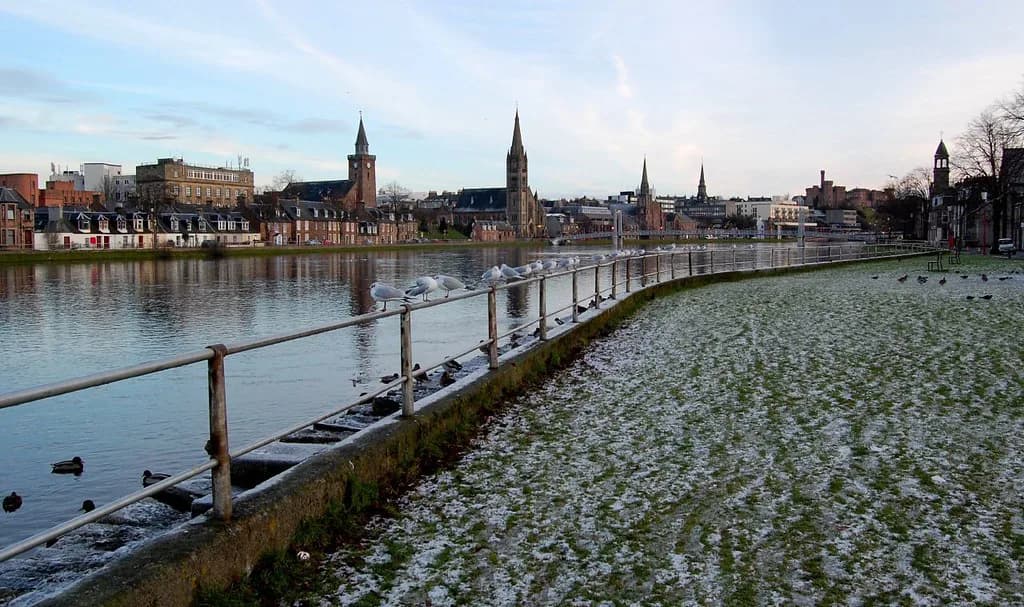
January is the quietest version of Inverness: a compact Highland city where the river, the castle grounds and a handful of good museums sit within walking distance of each other. Typical conditions are cold and often wet rather than reliably snowy, with usable daylight squeezed into roughly seven and a half hours. It suits travelers who want Highland landscapes and history without summer coach traffic, and who can accept a short, weather-dependent day.
The city also works as a base rather than a destination in its own right. Culloden Battlefield and Clava Cairns sit a short drive east, Loch Ness runs southwest, and the Cairngorms and Glen Affric are reachable on a long day out. If you want a broader picture of the season across the region, the Inverness in winter guide covers the whole November-to-March arc so you can see how January compares.
Why January suits some travelers and not others
The case for January is simple: low visitor numbers, easier tables and tours, and Highland scenery at its starkest. The case against is equally simple: short days, frequent wind and rain, and outdoor sites that lose much of their appeal when you are standing in a squall. Travelers who build each day around one indoor anchor and one outdoor stop do well here.
Anyone who needs long daylight, guaranteed dry weather or a long list of open attractions should look at May to September instead. January rewards people who treat weather as part of the trip and who are happy to swap a second sight for a long lunch.
Weather in January: typical highs, lows and wind
Long-term averages for Inverness in January put daytime highs near 4°C (38°F) and overnight lows close to 0°C (31°F), with a noticeably windy feel on exposed ground. Treat those as typical conditions rather than a forecast, because a single January week can swing well either side of them. The climate summary for Inverness in January sets out the same temperature range and wind picture.
Rain is a bigger factor than snow in the city, and the wet, gusty days are what most often disrupt plans. Build your itinerary so the outdoor element can be dropped without wasting a ticket or a booking.
Daylight: short days and what they mean for planning
Mid-January daylight in Inverness runs from sunrise around 8:44am to sunset around 4:06pm, so you are working with roughly seven and a half hours of usable light. The practical consequence is that you should start moving early by local standards and treat the afternoon as your main outdoor window. Confirm the daylight figures for your own dates before you fix a schedule.
In practice, that means one major outdoor site per day and indoor time in the late afternoon. A distillery tour, a museum or an early dinner fills the dark hours without feeling like lost time.
Does it snow in Inverness in January?
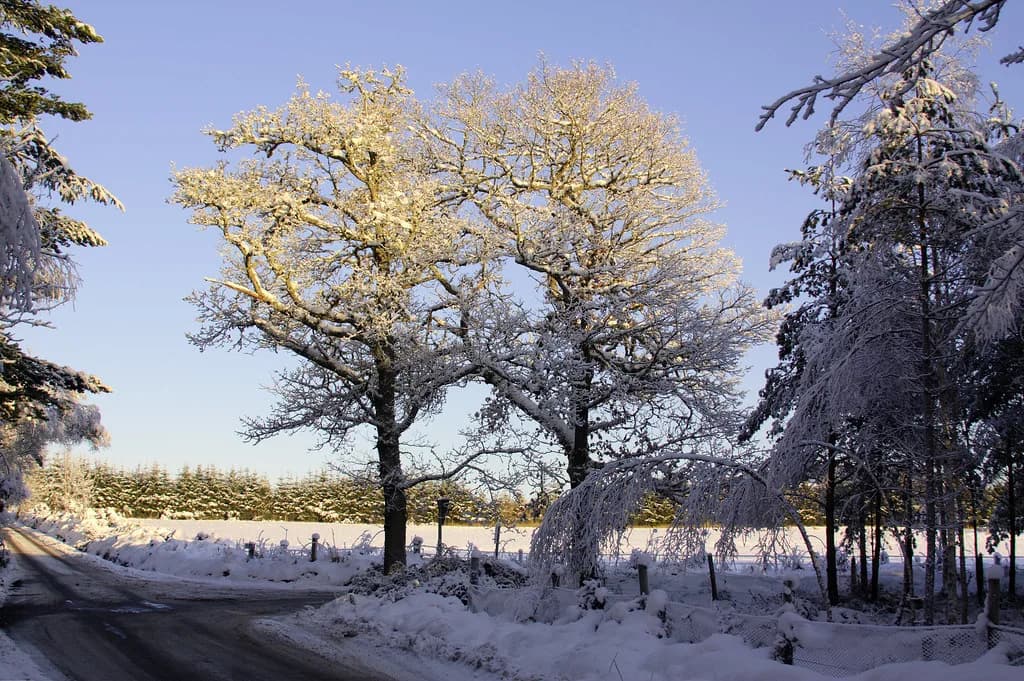
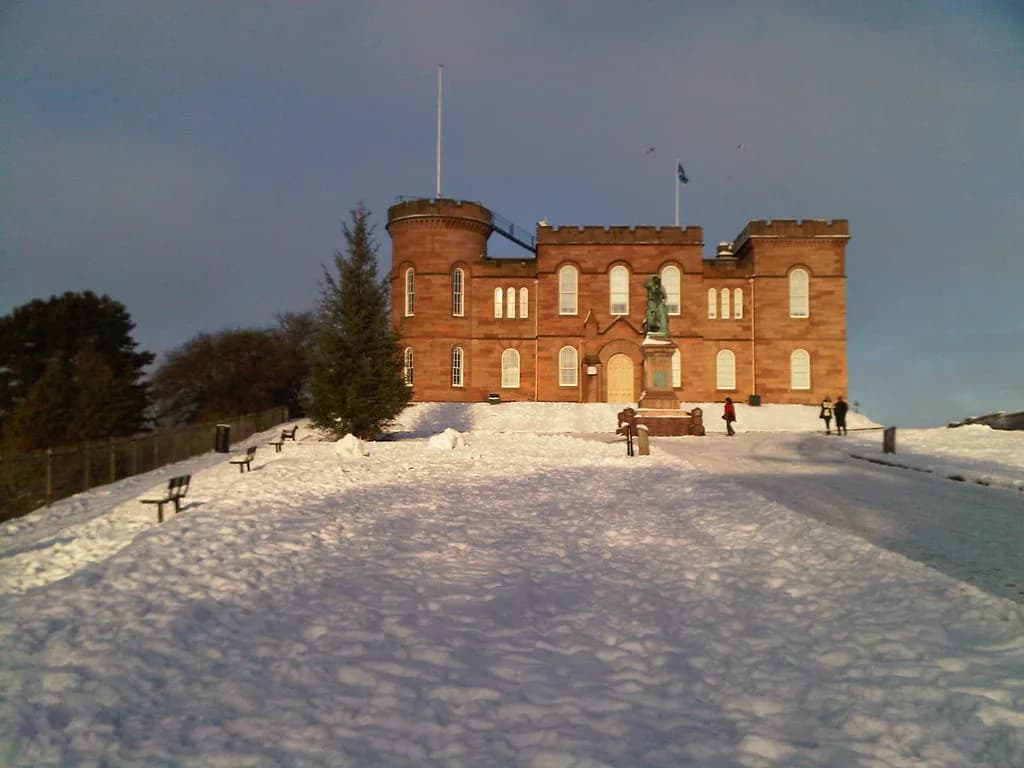
Inverness itself is more often wet than white, and a snowy townscape is not something to plan around. Snow is likelier in the surrounding Highlands, where higher ground holds colder air and accumulations last longer. Rabbie's notes that January carries the best chance of snow in the region, while stressing that rain is the more common winter experience in the city.
If snow is the point of the trip, plan to travel out of the city rather than wait for it to arrive on the river. The does it snow in Inverness guide breaks the likelihood down month by month.
What stays open in winter
Inverness keeps functioning through January: the museums, the cathedral, Eden Court and the shops and restaurants around the Victorian Market stay in business for locals, not just visitors. Some seasonal attractions and tour operators run reduced winter schedules, so book the specific thing you want rather than assuming it runs daily. Use each operator's own winter timetable as your source.
A useful habit is to anchor each day on something indoors that does not depend on the weather, then add an outdoor stop if conditions allow. That structure keeps a wet week from feeling wasted.
Burns Night on 25 January
Burns Night falls on 25 January, the birthday of Robert Burns, and it is the one January date worth planning a trip around. Inverness marks it with suppers and ceilidhs featuring haggis, neeps and tatties, poetry recitation and live music. Rabbie's points to Burns Night as a highlight of a Highland winter and suggests Inverness restaurants for a simpler version of the meal.
Tickets for organised suppers sell ahead, so decide early whether you want a formal event or a pub meal. Either way, book a table for that evening rather than leaving it to chance.
New Year's Day and the first week of January
New Year's Day 2027 falls on a Friday, and the first week of January is the quietest stretch of the whole season in Inverness. Some restaurants and smaller operators take their annual break immediately after the holiday, so the city can feel emptier than usual for a few days. Expect a slow, local rhythm rather than a full visitor offering.
If you arrive in that first week, plan around a short list of confirmed-open places rather than a long one. By the second week the town settles back into its normal winter pattern.
Things to do: Culloden Battlefield and Clava Cairns
Culloden Battlefield and the prehistoric cairns at Clava make a strong paired half-day, and both sit within easy reach of the city. Rabbie's puts Clava Cairns at roughly 20 minutes by car, or just under an hour by public transport, and Culloden at a simple 20-25 minute car or bus ride, which makes them feasible without a rental car. Go early to use the best of the light and to have the stones largely to yourself.
These are exposed sites, and a January wind on open moorland is the defining memory for many visitors. Budget less time outdoors than you would in summer and more time in the visitor centre.
Loch Ness and Urquhart Castle in winter
Loch Ness is at its most atmospheric in January, with mist, low cloud and far fewer boats than in summer. Urquhart Castle's ruined walls above the water are the classic viewpoint, and the loch road south from Inverness is a straightforward drive. The Loch Ness material in the winter guide covers the full season around the loch.
Cruise and tour schedules thin out in winter, so choose an operator that publishes January departures before you commit a day to the loch. Pair a short cruise or a shore walk with a stop at the castle rather than trying to do both at length.
Museums, cathedral and Eden Court
The Inverness Museum and Art Gallery covers geology, natural history and archaeology in a compact space, and the Highlanders' Museum at Fort George adds the regimental story for anyone willing to drive east. Inverness Cathedral, a red stone Episcopalian building, gives you a quiet indoor pause near the river. Eden Court runs theatre, film and music through the winter and is the reliable wet-afternoon option.
These indoor anchors also carry you through the dark hours after 4pm, when outdoor sightseeing effectively stops. Check what is on at Eden Court for your dates and build an evening around it.
Whisky distillery tours near Inverness
Distillery tours are the best bad-weather plan in the area, since most of the visit happens indoors and ends with a tasting. Tomatin, south of the city, is the best-known visitor centre nearby and runs guided walks through a working Highland distillery. Book ahead in January, when tours run on reduced frequencies.
Designate a driver or take a tour that handles transport, because the roads south of Inverness are not somewhere to combine tastings with driving. An afternoon tour also uses the short daylight well.
Walks along the River Ness and the Caledonian Canal
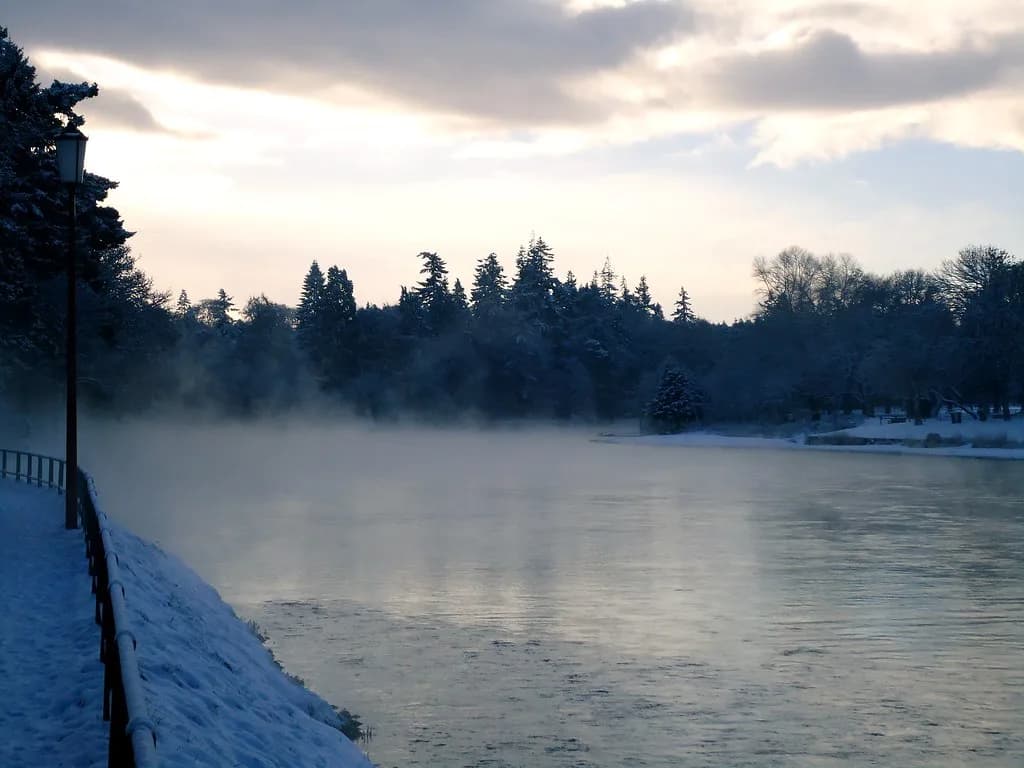
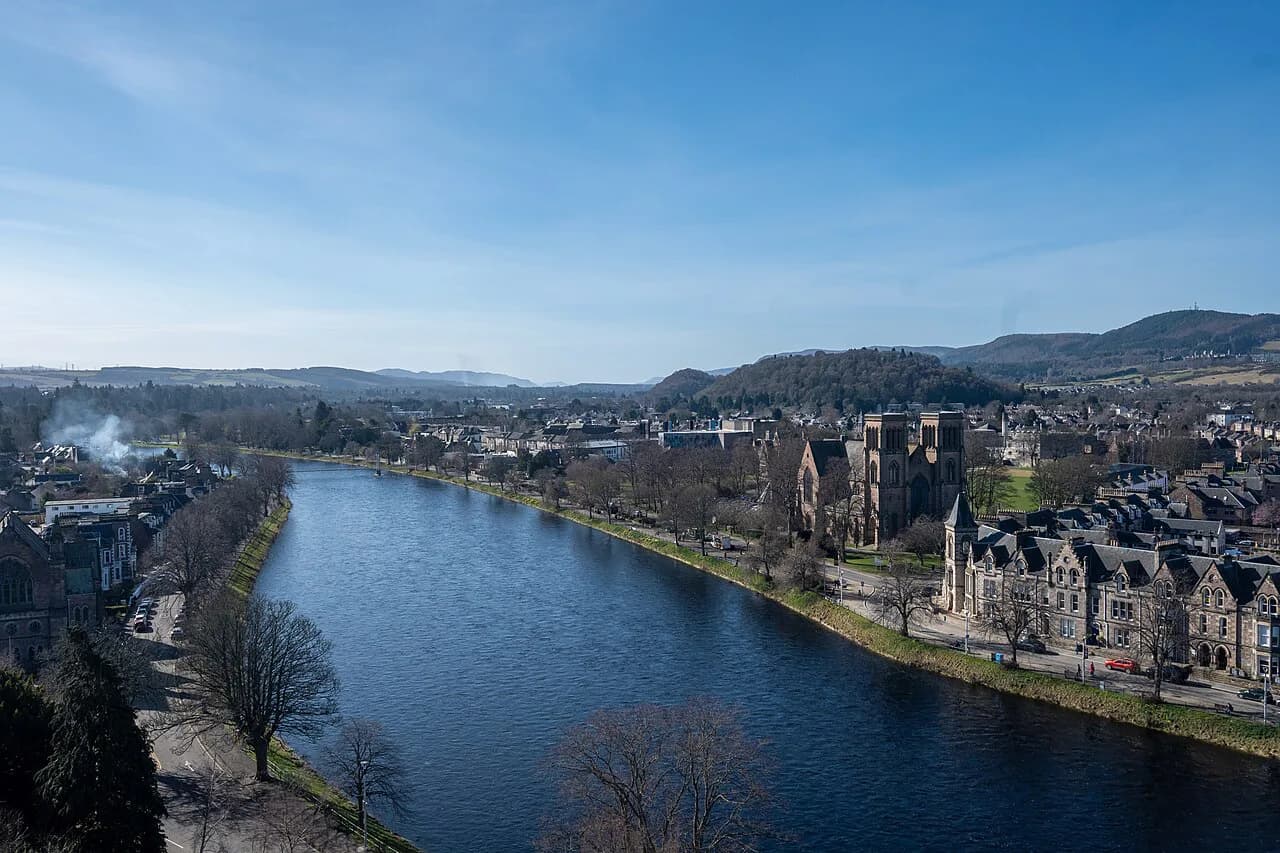
The River Ness path through the city is the easiest winter walk here: flat, close to cafes and easy to cut short when the weather turns. The Caledonian Canal at Muirtown gives a longer, quieter stretch of towpath on the edge of town. Both are low-commitment options for a day when the hills are clouded in.
Save the bigger Highland walks for a settled forecast and a guided group if you are not experienced in winter conditions. Snow and ice on higher ground change the difficulty considerably.
Day trips that work in January: Glen Affric, the Black Isle and the Cairngorms
Glen Affric, southwest of Inverness, holds ancient pinewoods and lochs that look their best in low winter light, but it rewards a car and flexible timing. The Black Isle to the north gives shorter outings to villages and coast, while the Cairngorms offer the most reliable snow and the most weather risk. Rabbie's singles out Glen Affric as a standout Highland glen worth the detour.
Treat any January day trip as weather-dependent and keep an alternative indoors. Distances are short on the map but slow on winter roads once ice or lying snow appears.
Getting around Inverness without a car
The city centre is compact and walkable, and the railway station puts you on direct services south to Perth and Edinburgh and north into the Highlands. For Culloden and Clava Cairns, buses run from the city, though the journey takes longer than driving. Rabbie's describes Inverness as very walkable for the main sights.
Without a car, you can still do the city, Culloden, a distillery tour with transport included and a Loch Ness day tour. Glen Affric and the more remote glens are realistically car or guided-tour territory in January.
Crowds, prices and the trade-offs of a January visit
January is low season, so you will not be queuing for museums or struggling to find a table, and accommodation is generally cheaper than in summer. The trade-off is real: short daylight, frequent rain and wind, and a thinner choice of tours and opening hours. You are buying quiet, not guaranteed comfort.
Weigh that against the alternative months. Inverness in March brings longer days and the first signs of spring, while February keeps the winter quiet with slightly more daylight than January.
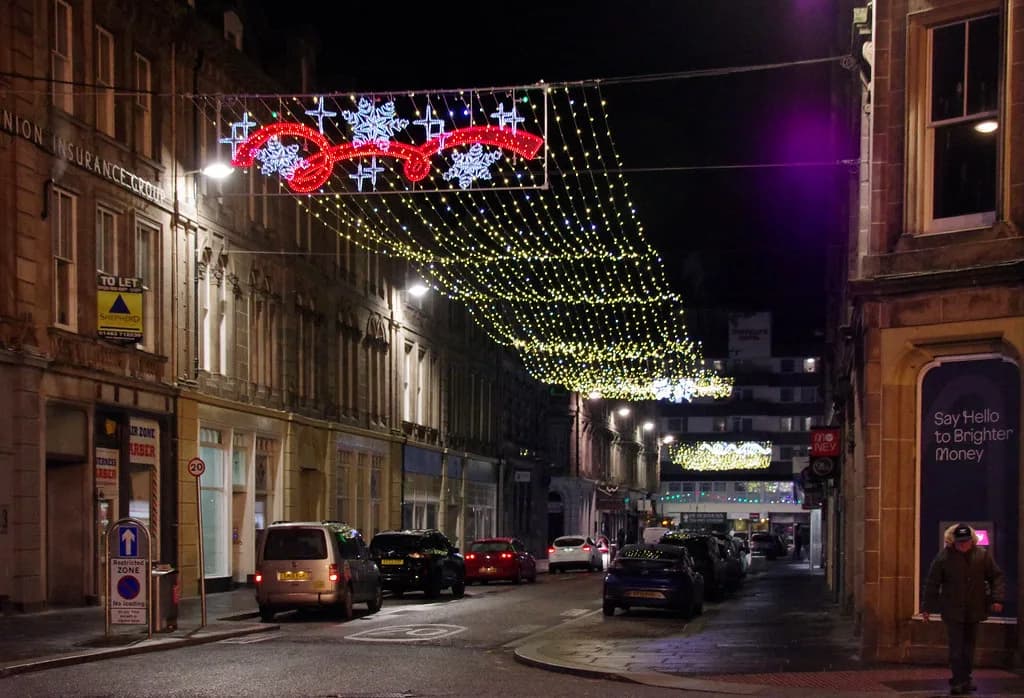
If you want the season at its most festive, plan around Christmas in Inverness instead, when markets and lights add evening activity that January lacks.
Who should pick another month
Choose another month if you want long hikes, reliable dry days, boat trips on the loch or a full calendar of events. Late spring and early autumn give you the Highlands without the daylight pressure. January is for travelers who value atmosphere and emptiness over convenience.
If you are set on winter but want more usable light, come in February or March rather than January. The Inverness in February and Inverness in March guides compare the later weeks of the season.
Travelers who want a city break with more indoor choice may prefer to look south, where Leeds in January and Liverpool in January offer larger urban programmes for the same season.
Plan Your January Trip
January in Inverness is a trade: you give up daylight and dependable weather, and you get quiet streets, easy access to Culloden, Clava Cairns and Loch Ness, and a Burns Night worth building a trip around. Plan one indoor anchor and one outdoor stop per day, and keep the outdoor element flexible.
Book Burns Night and any distillery or loch tour early, since winter schedules are limited. For the wider season, compare the Inverness in November and December guides to see how the light and the crowds shift across the winter.
Frequently Asked Questions
What is the weather like in Inverness in January?
Typical January conditions see daytime highs near 4°C (38°F) and overnight lows close to 0°C (31°F), with a windy feel on exposed ground. Rain is more common in the city than snow, and conditions can swing well either side of the average in any given week.
How many hours of daylight does Inverness get in January?
Mid-January runs from sunrise around 8:44am to sunset around 4:06pm, giving roughly seven and a half hours of usable light. Plan your main outdoor sight for the middle of that window and keep indoor options for the late afternoon.
Does it snow in Inverness in January?
Inverness itself is more often wet than white. January carries the best chance of snow in the region, but accumulations are far likelier in the surrounding Highlands than in the city, so head out of town if snow is the goal.
What is there to do in Inverness in January?
Culloden Battlefield, Clava Cairns, Loch Ness and Urquhart Castle, the city museums, Inverness Cathedral, Eden Court and a distillery tour all work in January. Build each day around one indoor anchor, since outdoor sightseeing effectively ends around 4pm.
Is January a good time to visit Inverness?
It suits travelers who want low crowds and atmosphere and can accept rain, wind and short days. If you need long daylight or a full events calendar, come in February, March or the summer instead.
How do I get to Culloden Battlefield from Inverness in winter?
Culloden is roughly 20 minutes by car from the city, and Clava Cairns is close by. Public transport reaches both, with the journey to Clava Cairns taking just under an hour, so a car helps but is not essential.
Is Loch Ness worth visiting in January?
Yes, if you want mist, low cloud and far fewer boats than in summer. Cruise and tour schedules thin out in winter, so pick an operator that publishes January departures and pair the loch with Urquhart Castle.
What happens in Inverness on Burns Night?
Burns Night on 25 January brings suppers and ceilidhs with haggis, neeps and tatties, poetry recitation and live music. Organised events sell ahead, so decide early between a formal supper and a restaurant meal.
Sources
Winter travel notes
Optional updates when we add or revise winter guides.
You might also like
Continue reading
More guides you'll find useful