Innsbruck in March: Weather, Snow and What's Open
Innsbruck in March brings cold days, snow still on the peaks and longer daylight for sightseeing. Here is what the weather and mountain lifts are like.
On this page
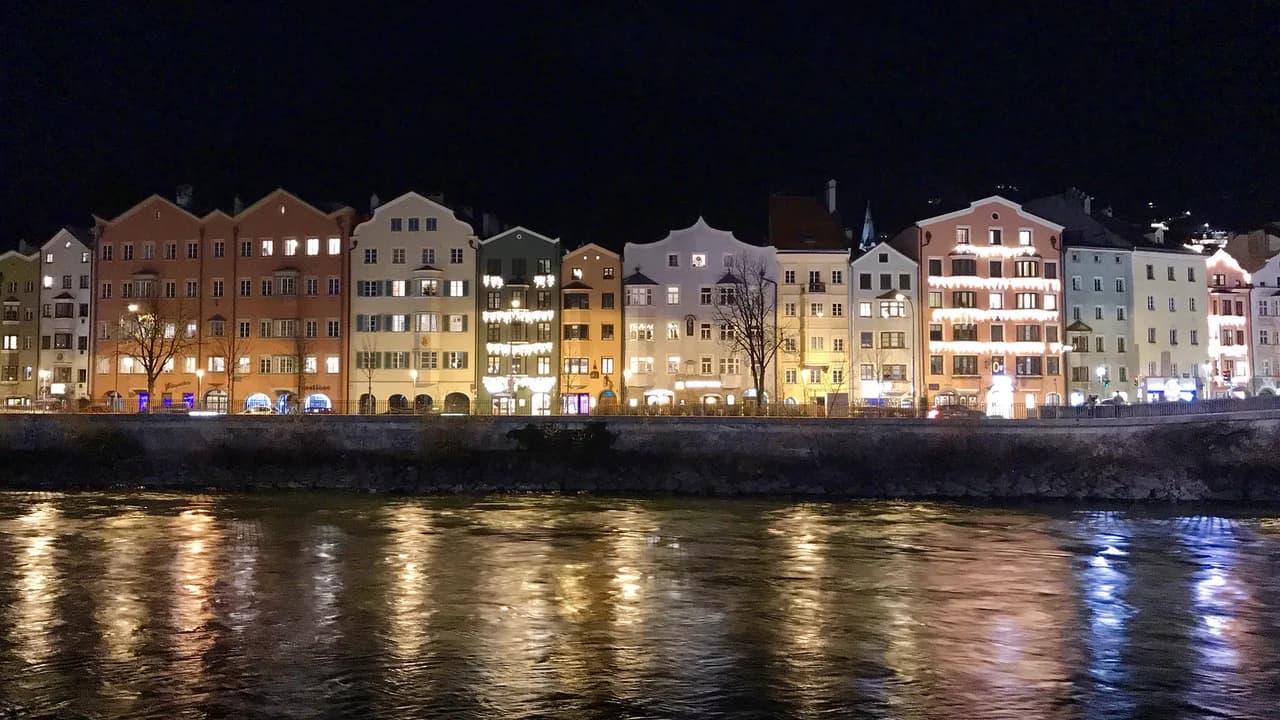
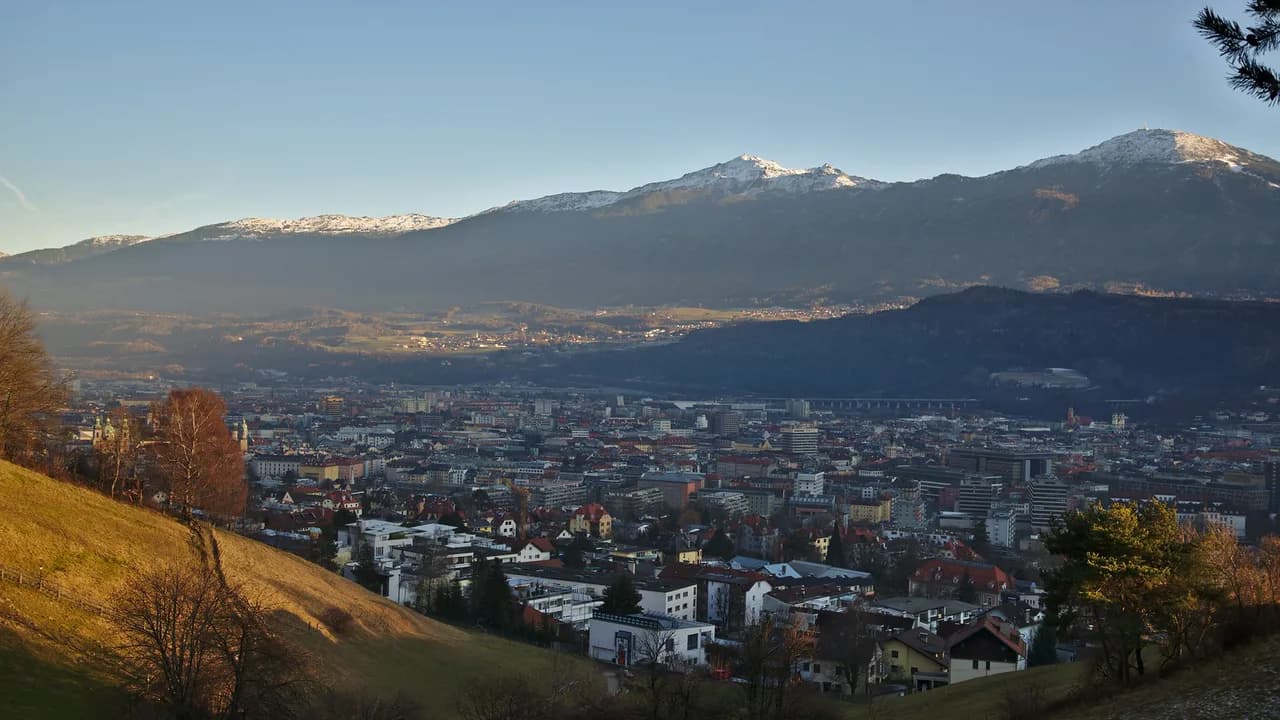
March in Innsbruck is a handover month. The valley floor is cold but increasingly bright, the afternoons stretch out for wandering the Old Town, and snow still sits on the Nordkette above the rooftops. It suits travelers who want alpine scenery and museum time without February's peak-season crush, and who accept that a terrace lunch is not part of the plan.
The month rewards a two-track approach. Plan indoor sights and city walks for the valley, then decide separately whether you want a cable-car morning or a snowshoe outing at altitude, because conditions up top and down in town rarely match. Easter lands on 28 March 2027, so the final days of the month carry holiday crowds and closures that earlier weeks do not.
Weather in March
Typical March days in Innsbruck run from a high of about 4°C (39°F) to a low of around -6°C (21°F), which is noticeably milder than January's roughly -2°C (28°F) high and -11°C (13°F) low. Daylight reaches about 11.8 hours by mid-month, with sunrise near 6:35 AM and sunset near 6:26 PM in the historical averages. Expect a real chance of rain and snow mixed in the valley, and dress for a cold that lingers into the evening.
Treat these figures as long-term climate norms rather than a forecast for your dates. Innsbruck sits on a valley floor while the Nordkette and Stubai areas climb far higher, so the town can feel several degrees warmer than the slopes on the same afternoon. Snow is expected to persist into mid-April, which means the Alps above the city usually stay white-capped through your visit.
Wind is the wildcard. Innsbruck experiences a strong alpine wind that can blow hard through the valley, so a mild-looking afternoon can feel raw on exposed bridges and squares. Build flexibility into each day: a windy morning is the moment for a museum, and a still, sunny one is the moment for the cable car or the riverside walk.
How March Differs from January and February
The biggest change is light. January afternoons close in early, while March gives you roughly twelve hours of daylight and a genuine late afternoon for the Old Town or a viewpoint. Temperatures climb from deep-winter lows toward something that feels merely cold, which makes standing at an outdoor sight far more comfortable than in mid-January.
Crowds thin as the month progresses. February draws winter-sport visitors and peak rates on rooms and lift tickets, and that pressure eases once March arrives and the ski season enters its closing stretch. Sightseeing is entirely workable in March, with the trade-off that some mountain operations may be scaling back as the season winds down.
Surface conditions in town are the honest downside. Snow at valley level can turn to slush by afternoon, refreeze overnight and leave pavements slick, so the walking you planned around the Altstadt needs sturdy footwear and a slower pace. Late-season snowpack at altitude, by contrast, is often still generous, which is why March splits so neatly between city and mountain plans.
What Is Open in March
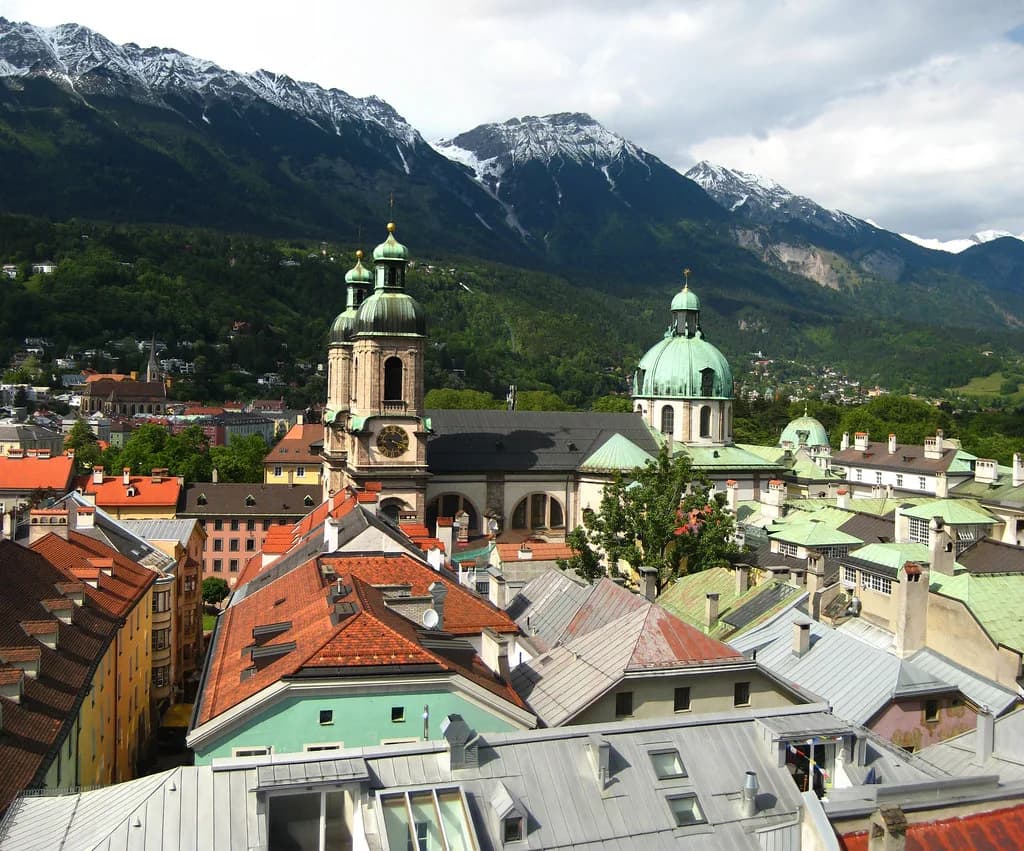
City sights generally keep running through March: the Golden Roof and its museum, the Hofburg, the Court Church with Maximilian's tomb, the Tyrolean Folk Art Museum and the Tirol Panorama all give you closed-in options for a grey day. Schloss Ambras, the Renaissance palace on its wooded hill above town, adds another half-day of art, armour and portrait collections when the weather turns.
Hours are the thing to pin down before you commit a day. Attractions often operate on shortened winter schedules, and November in particular sees many close outright, so spring hours can differ from what a summer listing suggests. Check times for your specific dates with the individual museum or with the Innsbruck tourist office, since a summer timetable does not automatically carry over into March.
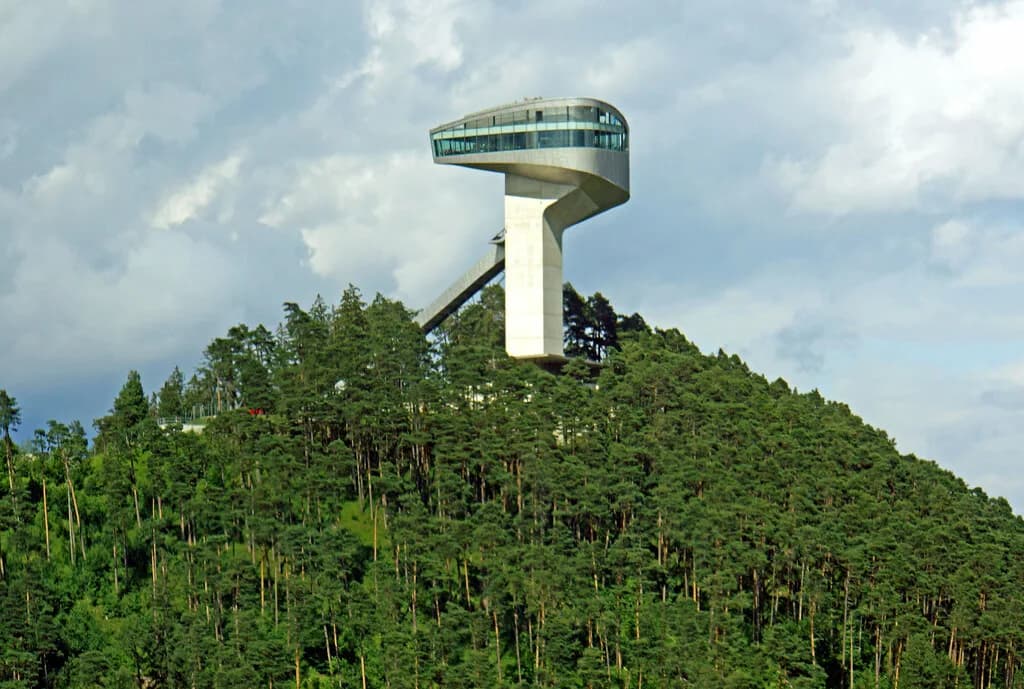
On the mountain side, the Nordkette cable car sequence from the Congress funicular up through the Hungerburg station and onward remains the signature ride, and the Bergisel Ski Jump's viewing platform and cafe stay a year-round viewpoint. Late March can bring maintenance windows or reduced service as the lifts transition between seasons, so a lift ride is best treated as something to check for your dates rather than a guaranteed fixture, as the local advice notes.
What Is on in March
The month's calendar is dominated by Easter in 2027. Easter Sunday falls on 28 March, with Holy Week running 21–28 March, so Palm Sunday opens the sequence and Easter Monday follows on 29 March. Expect holiday closures and fuller accommodation in that final week, and book the days around it before the rest of your itinerary.
Clocks go forward on 28 March 2027, the same day as Easter Sunday, which adds an evening of light but also a lost hour on the busiest holiday morning of the month. If you are flying home that weekend, build the change into your timing rather than relying on a phone to update itself. Outside Easter week, March has no city-wide festival that transforms the trip; the draw is the shifting season itself.
Winter-season fixtures such as the Four Hills Tournament and the New Year's Eve celebrations belong to December and January, not March, so do not plan around them. The Easter Festival Tyrol is listed as a March-to-April event, which makes it the one cultural item worth watching for late-month dates from the organizers themselves.
If your dates are fixed earlier in the winter instead, the December and New Year's material covers markets, Advent weekends and the holiday program in detail. For March, the practical planning is about Easter week and daylight, not a big public event.
Things to Do on Cold or Changeable Days
Start with the compact Old Town. The Golden Roof's 2,657 copper tiles, the Imperial Palace interiors and the baroque cathedral of St. Jakob sit within a few minutes of each other, so you can move between them as showers pass. Maria-Theresien-Straße gives you a broad, shop-lined walk with mountain views when the sun breaks through.
For a deeper half-day, Schloss Ambras houses the armory, a Renaissance curiosity cabinet and the Spanischer Saal lined with portraits of Tyrolean rulers, all under one ticket for the upper and lower castle. The Tirol Panorama's giant circular painting and the adjoining Kaiserjäger Museum make another strong indoor pairing near the Bergisel hill.
The Tyrolean Folk Art Museum displays its collection in period rooms, which suits a slow, cold morning better than a rushed circuit. Pair it with the Court Church, where Emperor Maximilian I's tomb and the 450-year-old organ give the day a historical anchor.
A concert or an evening in a Tyrolean dining room rounds off a cold day, but leave the market-season rituals to December. March evenings are better spent indoors and unhurried.
Views and Mountain Time
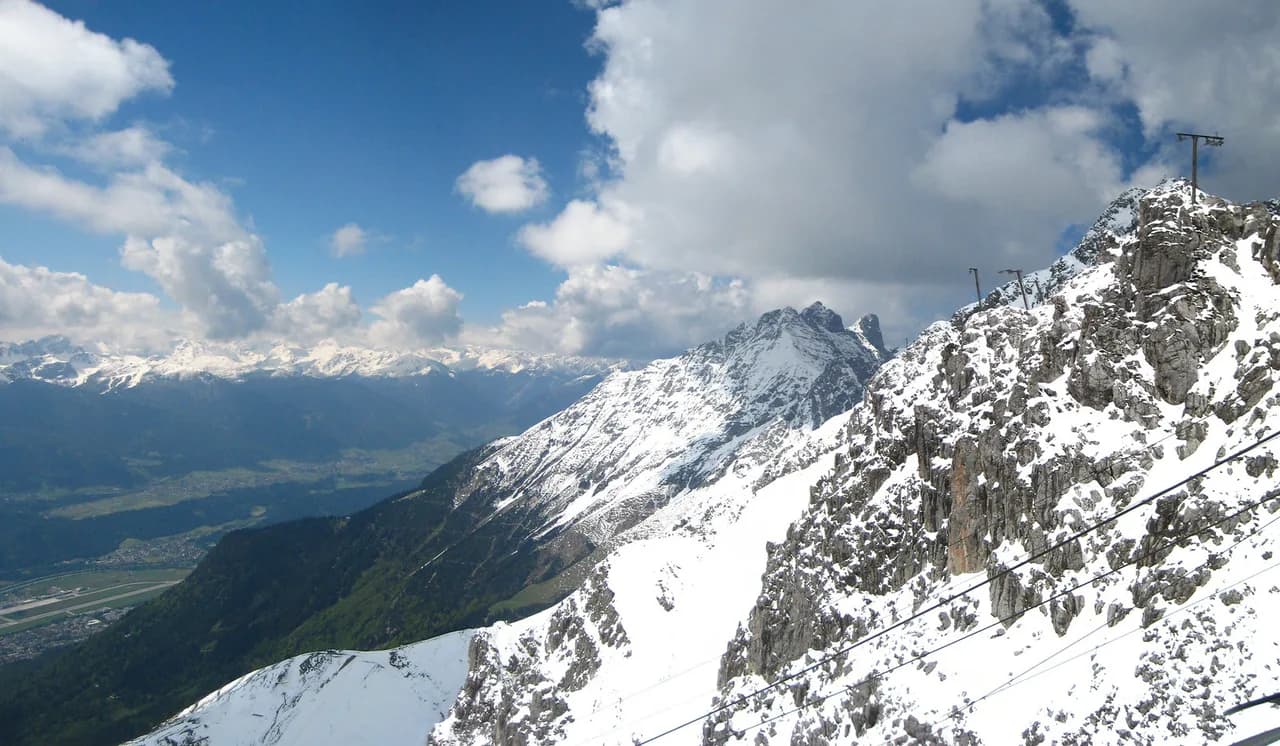
The Nordkette cable car is the classic Innsbruck experience: a hybrid funicular and cable car designed by Zaha Hadid links the city to Hungerburg, and the line continues up to alpine terrain with sweeping views. Ride it on the clearest morning of your trip, since cloud can swallow the panorama within an hour, and choose the full ascent if you want the apex hike.
The Bergisel Ski Jump, also a Zaha Hadid design, offers a viewing platform and cafe over the city and the valley, and it works as a shorter outing when the high mountains are socked in. The City Tower in the Old Town gives a cheaper, quicker climb to a rooftop view without leaving the streets.
At altitude, March still supports snowshoe hikes in the Stubai Valley and late-season skiing on the Nordkette, which is exactly why the month rewards a split itinerary. Check the day's lift status and snow report on the morning you plan to go up rather than committing days in advance.
Day Trips That Work in March
Hall in Tirol, a short trip east of the city, is a medieval old town with a mint tower and quiet lanes, and it suits a half-day when you want a change of streetscape without a long transfer. Wattens, home of Swarovski Crystal Worlds, gives you a fully indoor art and design stop for a wet afternoon.
The Stubai Valley and Seefeld in Tirol both sit within reach for a mountain day, and both hold snow later than the valley floor. Treat either as a weather-dependent plan: in a whiteout, the museums in town are the better use of the day.
For a broader comparison of what the month looks like across the country, including spa towns such as Bad Gastein, it helps to see how altitudes and regions differ before you fix your base. Innsbruck's advantage is that city and mountain days can alternate without a change of hotel.
Walks and Open-Air Time
On milder afternoons, the Hofgarten gives you formal gardens, a pavilion and a restaurant within minutes of the Old Town, and it is free to wander. The riverside paths along the Inn offer flat, quick walks with mountain views, useful when you want air without a climb.
Maria-Theresien-Straße is the natural evening stroll, with cafes and shops and the Triumphal Arch at one end. Keep expectations modest: March light fades by early evening, and a cold wind can cut a walk short, so plan two short outings rather than one long loop.
Food and Drink in March
Tyrolean cooking suits the month: dumplings, speck, cheese spätzle and hearty soups in wood-panelled dining rooms are exactly what a cold afternoon calls for. Cafe culture fills the gaps between sights, and a mid-afternoon coffee is a legitimate way to warm up before the next museum.
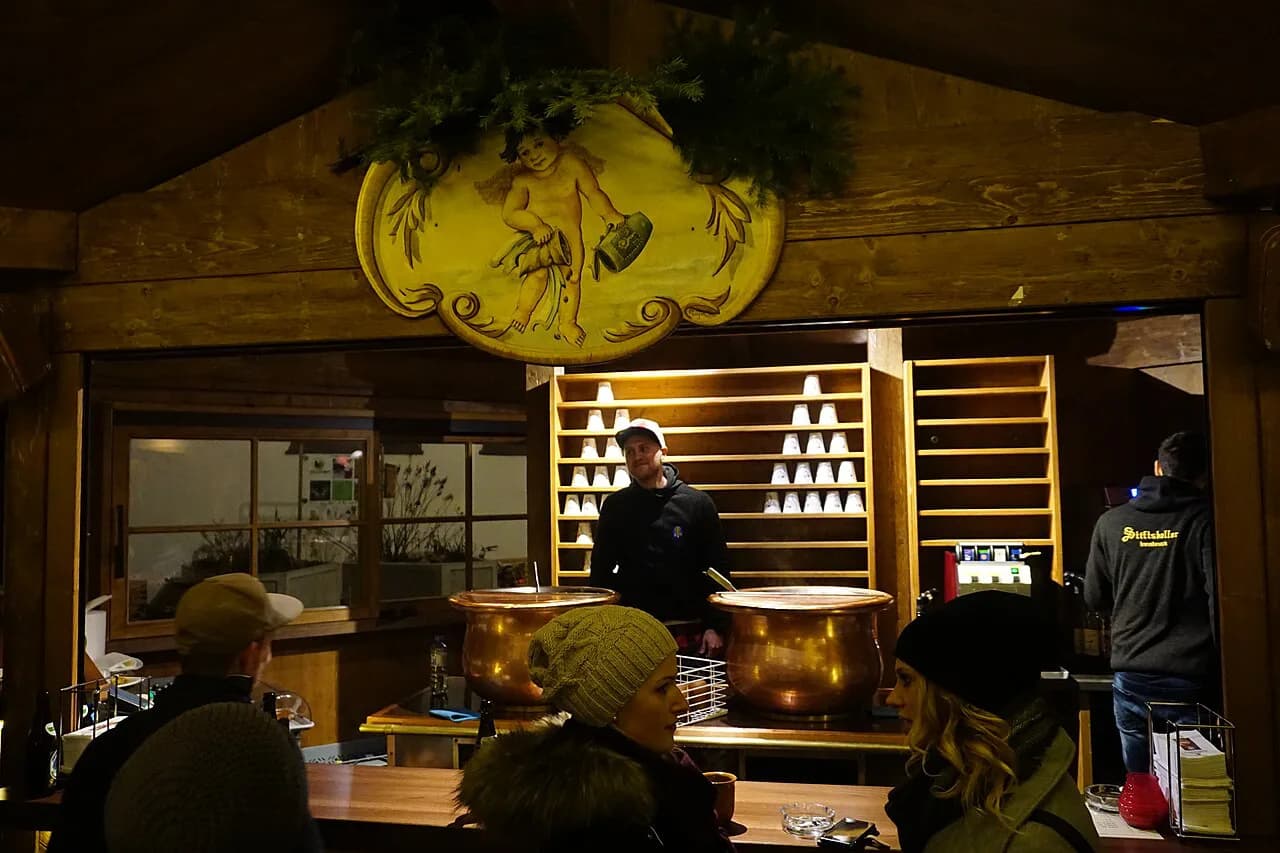
March marks the shift away from market season, so the mulled-wine stalls and Christmas market food of December are gone, and the city's restaurants and cafes carry the evenings. That makes reservations more useful than they are in the thick of the holiday period.
Crowds, Prices and Planning
Cost and crowding follow the ski calendar rather than the sightseeing calendar. February is the peak for winter sports, with rooms, flights and lift tickets at their highest, and March eases that pressure as the season closes. You get better value on beds and lifts than in midwinter, at the cost of possibly reduced mountain service late in the month.
Midweek days in the first three weeks of March are the quietest window for the Old Town and the museums. Avoid the Easter week if you want empty streets, and embrace it if you want holiday atmosphere and are willing to book ahead.
Who March in Innsbruck Suits
March suits travelers who want alpine scenery, a walkable historic center and a genuine mix of snow and city life, and who are happy to decide each morning between altitude and indoors. It is a strong choice for couples and independent travelers who value daylight and thinner crowds over guaranteed sunshine.
Skip March if you want reliable warm weather, long terraced evenings or a guaranteed full mountain program on fixed dates, and choose summer instead. If you specifically want deep winter atmosphere, markets and reliable snow at valley level, January and February deliver more of it.
For a wider view of the month across the Alps, the Austria in March comparison covers how other regions behave; the single-answer guide for Innsbruck in winter remains the best starting point for the season as a whole.
Getting Around
The Old Town is compact enough to walk, and most of the sights named here sit within twenty minutes on foot of each other. For the Nordkette, the Hungerburg funicular starts from the Congress area and connects to the cable car, so you can leave the city center and be at altitude without a car.
Buses and trams cover the spread-out sights, including Schloss Ambras and Bergisel, and a guest card from your accommodation often bundles local transport. Day trips to Hall in Tirol and Wattens run by train and bus, so check the connection times for your chosen day, as shoulder-season services can be less frequent than in high season.
Plan Your March Trip
Book the Easter week first if your dates include late March 2027, then build the rest of the itinerary around daylight and weather rather than a fixed checklist. A March trip to Innsbruck works best when you hold two plans for each day: one for the city and one for the mountains.
Decide early whether your priority is late-season snow at altitude or unhurried sightseeing in the valley, because that choice shapes everything from where you spend mornings to how many days you need. Either way, the long afternoons and thinner crowds make March a quietly rewarding month.
Explore more Innsbruck winter guides
Frequently Asked Questions
Is it worth visiting Innsbruck in March?
Yes, if you want cold but brighter days, snow still visible on the peaks and a quieter city than in February. The month suits travelers who plan around both mountain and indoor options, and who accept that valley surfaces can be wet or icy. If you need guaranteed warm weather, choose summer instead.
Is there still snow in Innsbruck in March?
Snow at altitude generally lasts well into spring, and snowfall is expected to continue into mid-April, so the Nordkette and Stubai slopes usually stay white through March. In the valley, snow can turn to slush and refreeze overnight. Check the daily snow report for the specific area you plan to visit.
How cold is Innsbruck in March?
Typical March conditions run from a high of about 4°C (39°F) to a low of around -6°C (-11°C), with rain or snow possible and a strong alpine wind that makes exposed spots feel colder. Treat these as long-term averages, not a forecast, and expect the mountains above town to be colder than the valley.
Is three days enough for Innsbruck in March?
Three days covers the Old Town, one major museum and one mountain outing comfortably. Add a day for a castle or day trip such as Hall in Tirol or Wattens if you want a slower pace. In March, keep one day flexible for weather and one for a fixed booking.
Should I choose Salzburg or Innsbruck in March?
Innsbruck is the stronger pick if you want mountain access in the same trip as city sightseeing, since the Nordkette rises directly above town. Salzburg suits travelers more focused on baroque architecture and music. Weigh how much time you want at altitude before deciding.
What happens around Easter in Innsbruck in March 2027?
Easter Sunday falls on 28 March 2027, with Holy Week from 21 to 28 March and Easter Monday on 29 March. Expect holiday closures and fuller accommodation in that final week. Clocks also go forward on 28 March 2027, so the morning of Easter Sunday is shorter.
Are mountain lifts and cable cars running in March?
The Nordkette cable car from the Congress funicular via Hungerburg generally operates in March, but late-season maintenance windows and reduced service can appear as the winter season closes. Confirm the operating status with the lift operator for your dates before building a day around it.
Sources
Winter travel notes
Optional updates when we add or revise winter guides.
You might also like
Continue reading
More guides you'll find useful