Verona in Winter: What November to March Is Really Like
Verona in winter brings cold, clear days, quiet piazzas and a walkable historic center. Here is what the season is like and who it suits.
On this page
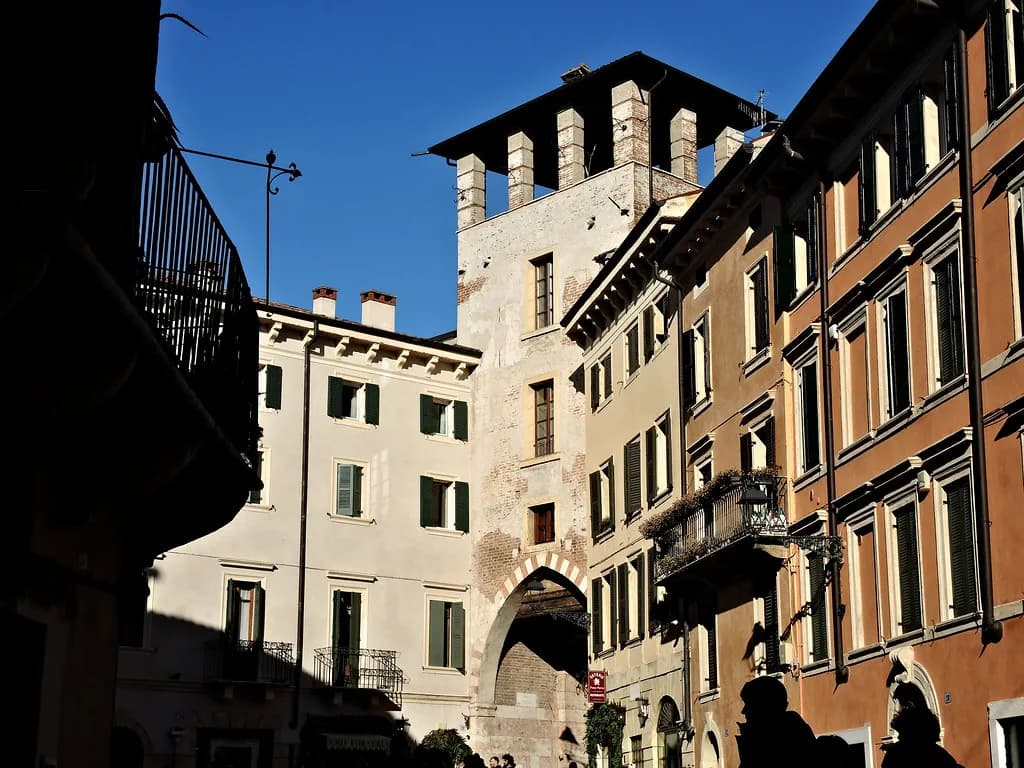
Verona in winter is a small, golden-stone city that you can cross on foot in half an hour, and between November and March it belongs mostly to locals. The summer crowds and the Arena opera season are gone, leaving room on the piazzas and a pace that suits slow weekends rather than checklist sightseeing. It rewards travelers who like cold, bright walks, Roman and medieval architecture, and long lunches more than travelers chasing heat or nightlife.
The season has a clear shape. The Christmas lights and the Arena nativity exhibition fill late November and December, the Santa Lucia feast falls on 13 December, Epiphany on 6 January 2027 closes the festive period, and Carnival builds toward Tuesday 9 February 2027. After that the city empties out and waits for spring, with longer days arriving after the clocks go forward on 28 March 2027.
Who Winter in Verona Suits
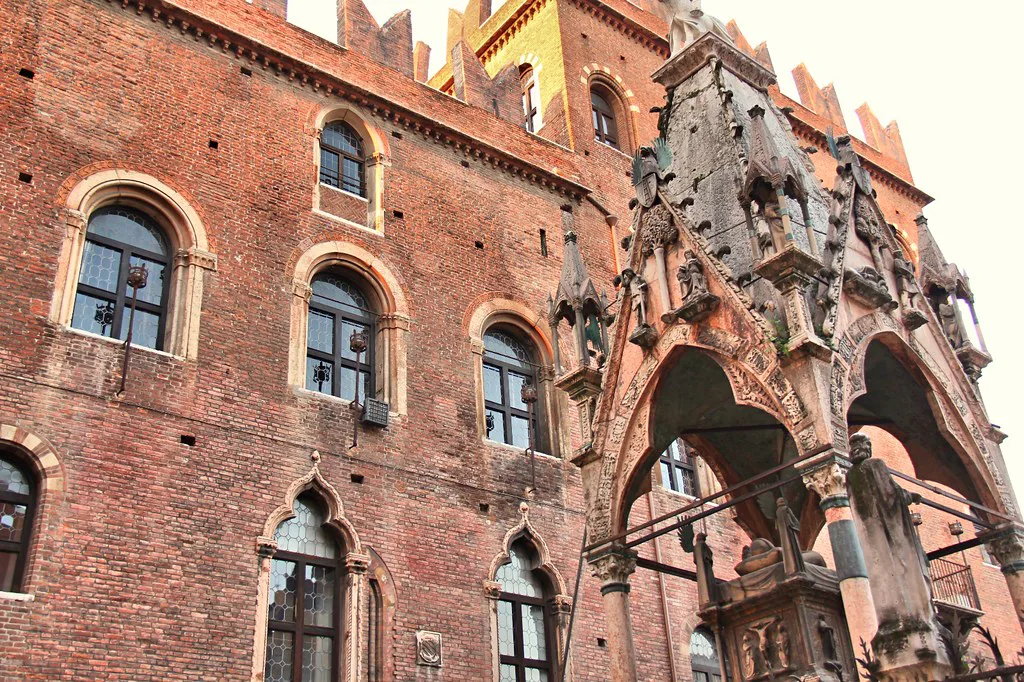
Come in winter if you want Verona's architecture without queues: the Arena, the Scaliger tombs and the river bridges are at their most legible when you are not peering over shoulders. Cold-weather food and wine are another reason, from Amarone and Valpolicella tastings to warm pastries in the city's historic cafés. Couples and solo travelers on a two- or three-night break get the most out of it, because the historic center is small enough to cover properly in that time.
Choose another season if you want warmth, long evenings outdoors, or the Arena opera under the stars, which is a summer event and does not run in winter. Travelers with limited mobility should also weigh the short daylight hours, since sightseeing gets compressed into roughly eight hours of light in December. Anyone hoping for a beach-and-lake holiday should look at Lake Garda in summer instead, when the lakeside towns are fully awake.
Weather in Verona in Winter
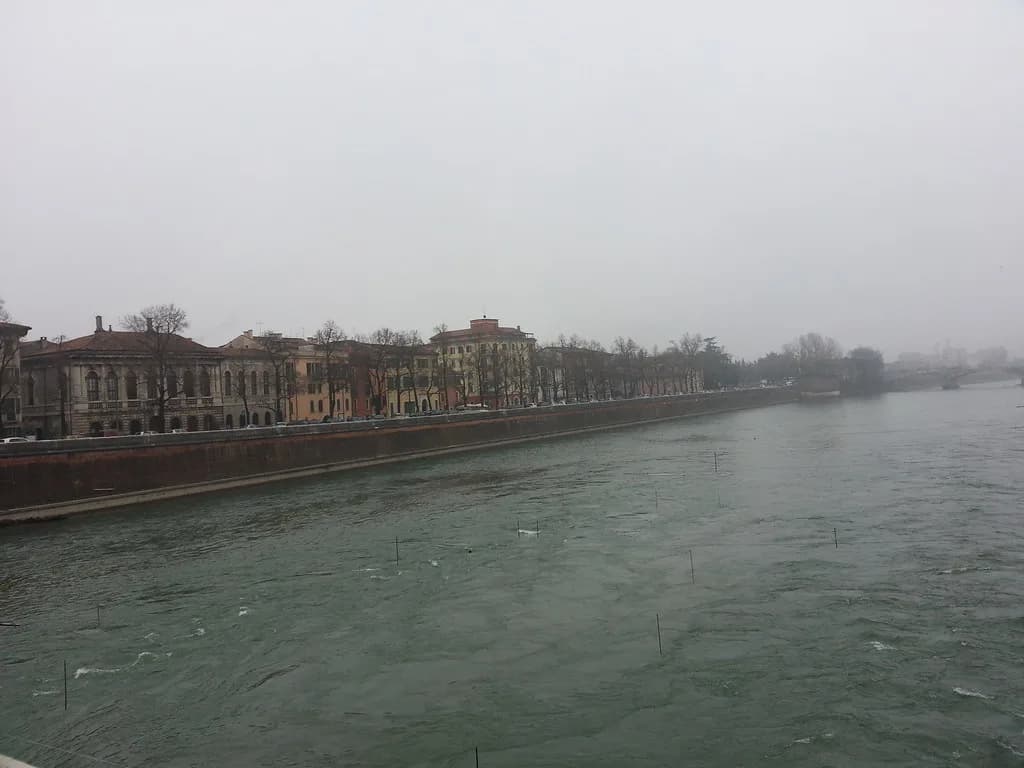
Verona sits in the Po Valley at the foot of the Lessini hills, which gives it genuinely cold winters rather than the mild Mediterranean version many visitors expect from Italy. December and January are the coldest months, with frosty mornings, occasional fog and a raw chill that comes from the humidity rather than extreme temperatures. February stays cold but often turns clearer, and by March afternoons become noticeably softer while evenings still need a proper coat.
For exact averages, use the published climate normals from the regional weather service for Veneto rather than a general Italy figure, since the valley runs colder than the coast. Treat any temperature you read as a long-term average, not a forecast, and expect snow to be rare in the city itself but common on the hills above it.
Rain is spread across the season rather than concentrated in one month, and wet days tend to be gray and persistent instead of dramatic. Pack for the possibility and plan each day around one indoor anchor and one outdoor walk, so a damp afternoon costs you nothing.
Daylight and How Short the Days Feel
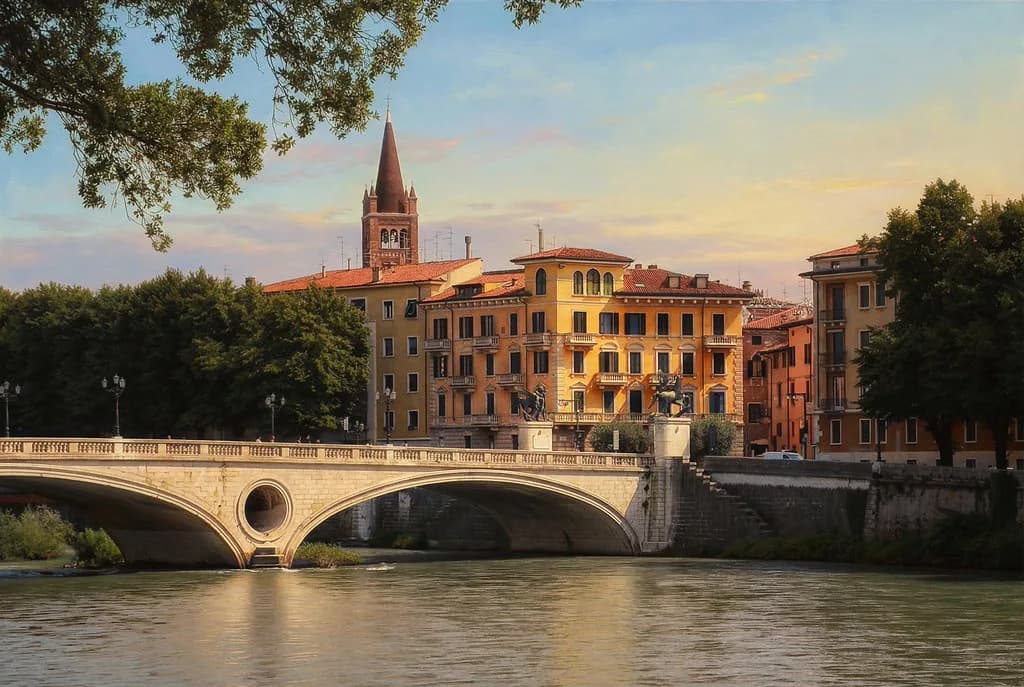
The practical constraint on a winter city break here is daylight, not temperature. Around the winter solstice, sunset arrives in the late afternoon, so a late breakfast and a museum visit can eat most of your usable light. Plan outdoor sights such as the Arena exterior, the bridges over the Adige and the viewpoints for the middle of the day.
Evenings are long and dark, which is exactly when Verona works best indoors: an early aperitivo, a theatre performance, or a slow dinner with risotto all'Amarone. By March the balance shifts and you can add a late-afternoon walk before dinner without rushing.
What Closes and What Stays Open
Verona's main sights are year-round city institutions rather than seasonal attractions, so the churches, the Castelvecchio Museum and the Teatro Filarmonico stay in business through the winter. Outdoor café terraces thin out and some riverside spots reduce their hours, but the center never shuts down. Confirm times directly with the Castelvecchio Museum and individual churches before you build a day around them, since winter schedules are shorter than summer ones.
The Arena's summer opera festival is over by winter, but classical music does not leave the city: the Teatro Filarmonico carries opera, ballet and concerts through the colder months in an intimate 18th-century house. Check the theatre's own season listing for what falls during your dates rather than assuming a fixed programme.
Christmas in Verona: Markets, Lights and the Arena
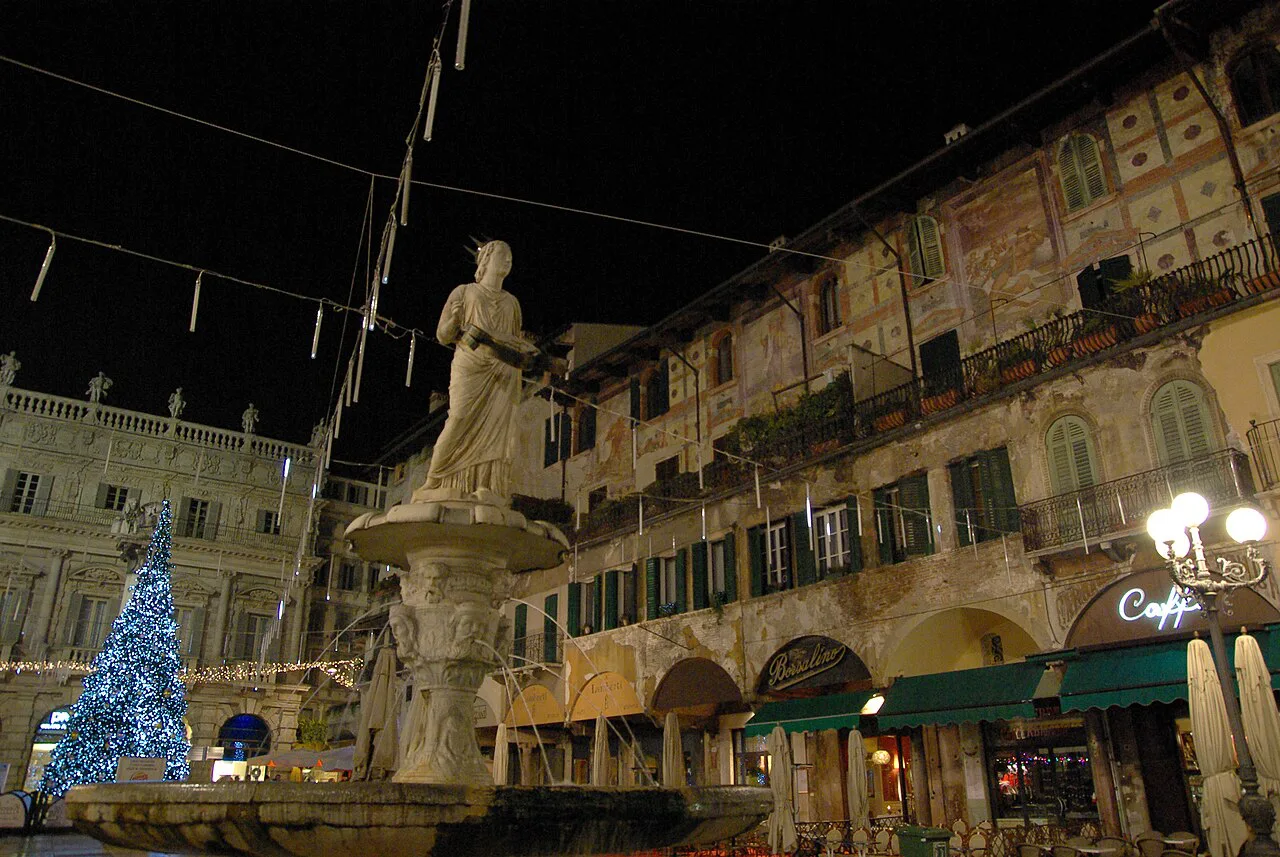
From late November, wooden stalls appear around Piazza dei Signori and the Cortile Mercato Vecchio in a German-inspired format, with mulled wine, cured meats and crafts beneath the Torre dei Lamberti. The elegantly understated lights along Via Giuseppe Mazzini and the shooting star over the Arena are the real spectacle, and they cost nothing to see on an evening walk.
Inside the Arena, the international nativity exhibition Presepi dal Mondo fills the Roman amphitheater with crib scenes from around the world during the Christmas period. The dates move each year, so check the exhibition's own announcement before planning around it.
Santa Lucia, Epiphany and the New Year Period
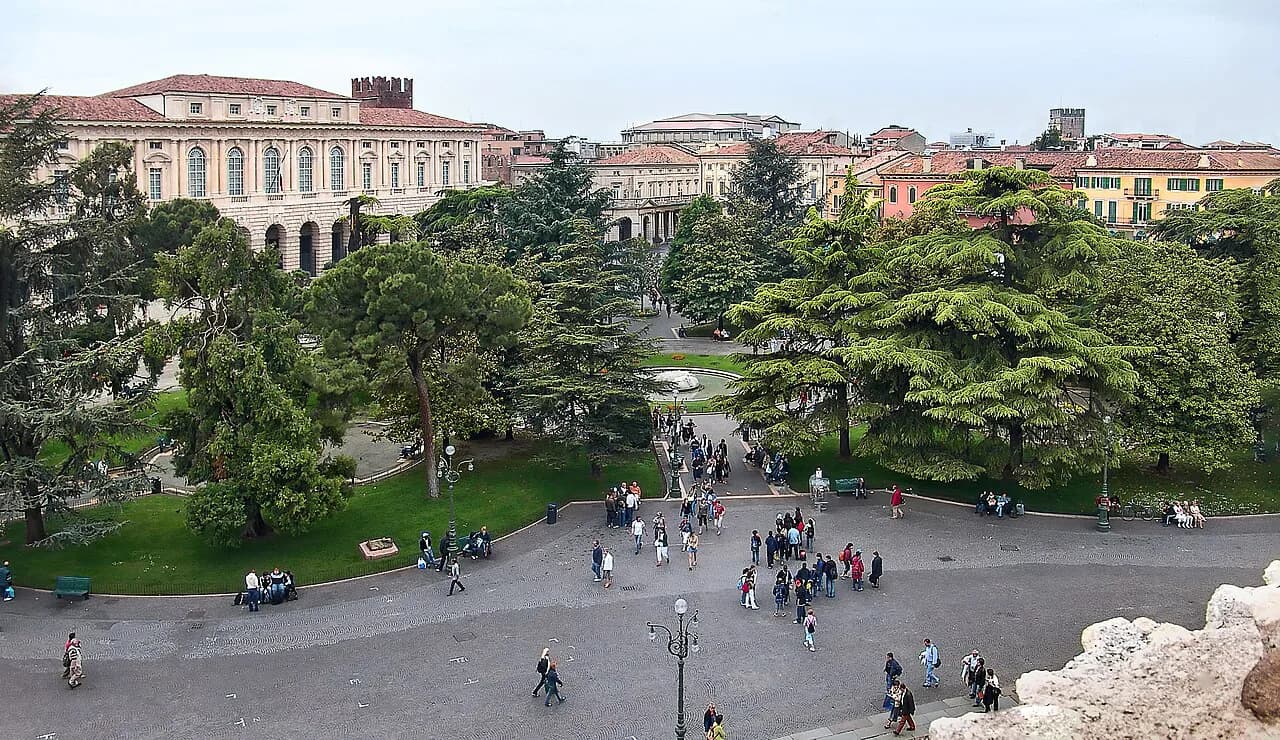
The local calendar's true anchor is 13 December, the feast of Santa Lucia, when Piazza Bra fills with stalls selling frittelle, mandorlato and marzipan figures, and children traditionally receive gifts from Santa Lucia rather than Father Christmas. It is a Veronese celebration first and a tourist event second, which is exactly why it is worth arranging your trip around.
The festive season runs to Epiphany on 6 January 2027, when La Befana brings sweets or coal to children and the Christmas period formally ends. New Year's Eve in Verona is a local, piazza-based affair rather than a big-ticket production, so plan dinner early and expect the center to be busy but manageable.
Carnival and the End of Winter
Verona's Carnival, the Bacanal del Gnoco, is one of Italy's older pre-Lenten festivals, with roots in a 16th-century distribution of gnocchi to the hungry. The parade is led by Papà del Gnoco, a bearded figure carrying a giant fork, and the streets fill with costumes and masquerade parties in the days before Lent.
In 2027, Carnival Tuesday falls on 9 February and Ash Wednesday on 10 February, so the final weekend of Carnival sits immediately before those dates.
Things to Do Indoors
Start with the churches: the Basilica of San Zeno with its Romanesque facade and bronze doors, the Cathedral with its frescoes, and Sant'Anastasia with its Gothic arches and artwork. These are cool stone buildings, so visit them in the middle of the day when the light through the windows is strongest, and treat each as a twenty- to forty-minute stop rather than a whole morning.
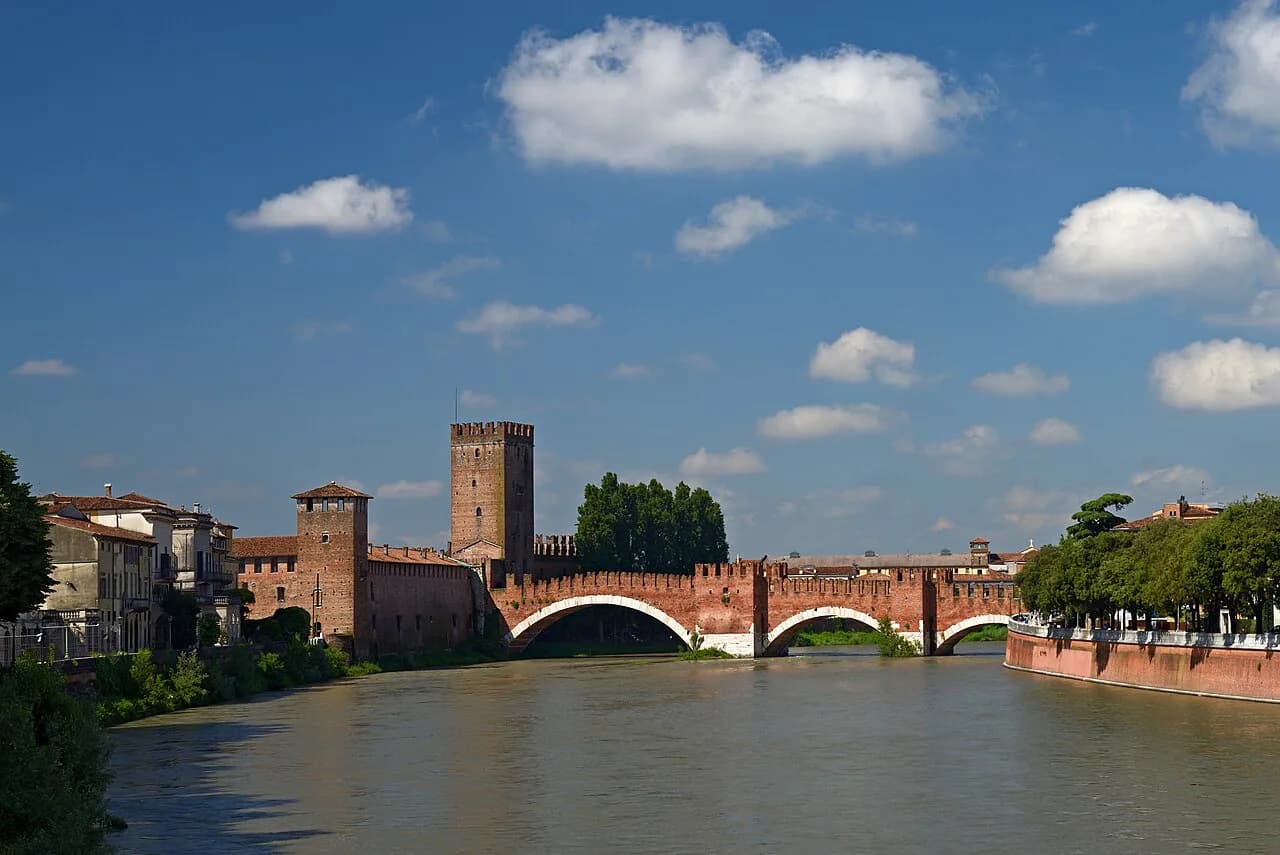
The Castelvecchio Museum, housed in the Scaliger family's 14th-century fortress, holds Renaissance paintings, medieval sculpture and armor, and gives you a solid two hours out of the cold. The Torre dei Lamberti offers the city's best high viewpoint, and a clear winter day is the ideal time to climb it.
Winter Food and Drink
Veronese winter eating is built for cold weather: pastissada de caval, a slow-cooked horse stew with red wine, and risotto all'Amarone made with the region's dried-grape wine. Order them at a traditional trattoria in the center rather than a tourist-menu place on the main piazza, and pair them with a glass of Amarone.
Pandoro is Verona's own Christmas cake, a star-shaped sweet bread dusted with sugar and served with mascarpone or melted chocolate, and good pastry shops sell versions far above supermarket quality. For a warm pause mid-afternoon, hot chocolate in a historic café beats another coffee, and gelato still works in winter because it melts slowly on the walk.
Day Trips That Work in Winter
Lake Garda is roughly half an hour from Verona by car or a short train ride to Peschiera or Desenzano, and in winter the lakeside towns are quiet rather than closed. Sirmione's Scaliger castle and thermal baths make the strongest winter day out, with mist over the water adding atmosphere that summer never has.
Monte Baldo above Malcesine is a mountain, so winter conditions there belong to a different kind of trip and the cable car runs to its own seasonal schedule rather than a year-round timetable. Valpolicella, northwest of the city, is the easier winter choice: winery visits and Amarone and Recioto tastings run indoors and need only a short drive.
Crowds, Prices and the Trade-offs
Winter is Verona's low season apart from the Christmas weeks, so hotel rates and restaurant tables are easier to find than in spring and summer and the streets are noticeably emptier. Juliet's courtyard stays busy year-round, but the Arena, the piazzas and the shopping streets feel calm by comparison with July.
The trade-offs are real: short daylight, cold and sometimes damp days, and a festive period in late December when the center gets genuinely crowded and prices rise. If you want both atmosphere and breathing room, aim for early December or the second half of January.
Getting Around Verona in Winter
The historic center is compact and walkable, so you will rarely need transport between the Arena, Piazza delle Erbe and the river. Cobblestones get slippery in frost and rain, which is an argument for shoes with grip and for planning routes that avoid unnecessary detours.
Trains from Verona Porta Nuova connect to Venice, Milan, Bologna and Lake Garda, making the city a practical base for a wider northern Italian trip in winter. If you are comparing cities, a Bologna in winter break pairs easily with Verona by rail for food and porticoes.
Who Should Choose Another Season
Skip Verona in winter if your idea of Italy is sunshine, open-air dining and long evenings, or if the Arena opera is the main reason for your trip. Travelers who feel the cold badly or who want lake swimming and boat trips should come between May and September instead.
Verona is also an easy add-on rather than a destination in its own right for some travelers, and in winter it works best combined with another northern city rather than as a week-long base. If you want milder coastal air, look further south; if you want a compact, cultured winter city break, this is one of the better value options in northern Italy.
Plan Your Winter Trip to Verona
Decide your month first: December for lights and the Arena nativity exhibition, January for quiet and the lowest crowds, February for Carnival, and March for longer days and softer afternoons. Book the Christmas period early and leave the rest of the season flexible, since winter availability favors spontaneous travelers.
Build each day around one indoor anchor and one outdoor walk, and let the short daylight shape the order rather than fighting it. Check the Teatro Filarmonico's season listing and the Castelvecchio Museum's winter hours once your dates are fixed, then plan around the light.
Explore more Verona winter guides
Frequently Asked Questions
How cold is Verona in winter?
Verona sits in the Po Valley, so winters are genuinely cold by Italian standards, with frosty mornings, occasional fog and a damp chill from December through February. March softens in the afternoons but evenings remain cold. For exact averages, use the regional weather service's published climate normals for Veneto rather than a general Italy figure.
Is Verona worth visiting in winter?
Yes, if you want the city's Roman and medieval sights without summer crowds and are happy to trade long evenings for crisp days and indoor culture. It is less appealing if you want heat, lake swimming or the Arena opera, which is a summer event.
Does Verona have an opera season in winter?
The Arena's summer opera festival does not run in winter, but the Teatro Filarmonico stages opera, ballet and classical concerts through the colder months. Check the theatre's own season listing for what falls during your dates.
What is there to do in Verona in winter?
The churches of San Zeno, the Cathedral and Sant'Anastasia, the Castelvecchio Museum, the Torre dei Lamberti viewpoint, and the Teatro Filarmonico's winter programme. Outdoors, the Arena exterior, the bridges over the Adige and the Christmas lights reward a cold walk, and Lake Garda and Valpolicella work as day trips.
Is Verona busy in winter?
Outside the Christmas period it is one of the quietest times of year, with space on the piazzas and easier restaurant tables. Late December brings a genuine festive crowd around Piazza dei Signori and Piazza Bra, and Juliet's courtyard stays busy all year.
What happens in Verona for Carnival?
The Bacanal del Gnoco fills the streets with parades and costumes in the days before Lent, led by Papà del Gnoco and his giant fork. In 2027, Carnival Tuesday is 9 February and Ash Wednesday is 10 February, so the final Carnival weekend falls just before those dates.
Can you visit Lake Garda from Verona in winter?
Yes. The lake is roughly half an hour away by car, with train connections to Peschiera and Desenzano, and towns such as Sirmione are quiet rather than closed in winter. Mountain areas like Monte Baldo operate on their own seasonal schedule, so plan those separately.
How many days do you need in Verona in winter?
Two full days cover the historic center comfortably, and three let you add a Lake Garda or Valpolicella day trip. Because daylight is short in December and January, plan one indoor anchor and one outdoor walk per day rather than trying to fit everything in.
Sources
Winter travel notes
Optional updates when we add or revise winter guides.
You might also like
Continue reading
More guides you'll find useful