Verona in March: Weather, What's On and Whether to Go
Verona in March brings typical highs near 14°C (57°F), even odds of rain and the last of the winter quiet. See what is open and who should go.
On this page
Verona in March still feels like the tail of winter in the mornings and the beginning of spring by mid-afternoon. The lanes around Piazza delle Erbe are walkable without jostling, the museums take an hour rather than a queue, and the Adige runs high and fast under Ponte Pietra. It suits travelers who want the city's art and food without summer heat or summer crowds, and who accept that one day in three may send them indoors.
The month is not a single experience. Early March holds onto the cold, quiet, fog-tinged character you get across the Veneto in winter, while the final week brings Holy Week travel, longer evenings after the clocks change and the first wave of spring visitors. Choosing your dates matters more here than in almost any other month.
Weather in March
Typical March conditions in Verona run to daytime highs of about 14°C (57°F) and nighttime lows near 4°C (39°F). Treat these as long-term averages rather than a forecast: a bright afternoon on a piazza terrace and a raw morning in the same week are both normal. Mornings and evenings still call for a proper jacket.
Rain is the honest caveat. The chance of rain against sunshine in March is roughly even across Verona and the Veneto, so plan on at least one washout in a short break and keep a museum or two in reserve. Showers here tend to pass rather than settle, which makes a flexible daily plan more useful than an umbrella.
Daylight stretches noticeably during the month, and the clocks go forward on 28 March 2027, so evenings suddenly end in daylight rather than dusk. That single change makes late March better than early March for an after-dinner walk along the river or up to a viewpoint. Verona has no coast, so sea temperatures are irrelevant here.
For comparison across the season, the Verona in winter guide covers December through February, when highs sit several degrees lower and the city is at its quietest.
Early March Versus Late March
Early March is still winter's shoulder. Carnival has finished, the Christmas stalls are long gone, hotel rates are at their softest and you can walk into most churches and civic museums without planning. If your priority is a calm, cheap, adult city break built around art and long lunches, the first fortnight is the better bet.
Late March flips the equation. The clock change on 28 March 2027 gives you light until early evening and Easter Sunday falls on 28 March 2027, so the final week runs straight into Easter and draws religious travel, Italian family visits and Venice-bound day trippers passing through. Book the last week only if you want that energy, and expect the stations and main sights to feel busier.
Carnival itself is not a March event in 2027. Carnival Tuesday is 9 February 2027 and Ash Wednesday 10 February 2027, so Verona's Bacanal del Gnoco, held on the last Friday before Lent, falls in February. Anyone chasing that parade should look at the February guide instead of March.
What Stays Open and What Changes
Verona's core sights run year-round. The Arena, Castelvecchio and its bridge, the Basilica di San Zeno Maggiore, Sant'Anastasia, the Torre dei Lamberti and the Teatro Romano all stay on the visitor map in March, with the outdoor opera season not starting until June. The official Verona tourist board keeps a live events and exhibitions calendar, which is the practical way to see what overlaps your dates.
One concrete money saver: entrance to Verona's civic museums drops to €1 on the first Sunday of each month from October through May, which puts a March first Sunday among the cheapest days of the season to see Castelvecchio.
Opening hours shift with the season at individual churches and museums, and the Verona Card's value depends on how many of the included sites you actually visit. Decide from the current list on the city's tourism site rather than from a winter leaflet picked up in December.
If you are weighing March against the depths of winter, the December and January guides set out how much quieter and colder the city gets either side of the holidays.
What Is On in March
The headline March event is Primavera del Prosecco, which runs from March to June along the Prosecco wine road in the Conegliano and Valdobbiadene hills. It is a hill-country program of tastings and open-cellars rather than a city festival, so it works best as a day out with a driver or a train-and-taxi plan.
Holy Week lands in the last week of March 2027, ending with Easter Sunday on 28 March. Churches across Verona hold services through the week, and the city fills with visitors using it as a base for the wider Veneto. Check individual church schedules locally, since times vary by parish.
Beyond those, March is thin on fixed dates. Concerts, exhibitions and theatre appear in the city's own what's-on listings rather than in a predictable annual calendar, so cross-check the tourist board's events diary against your travel dates before you commit to a week.
Things to Do When the Weather Turns
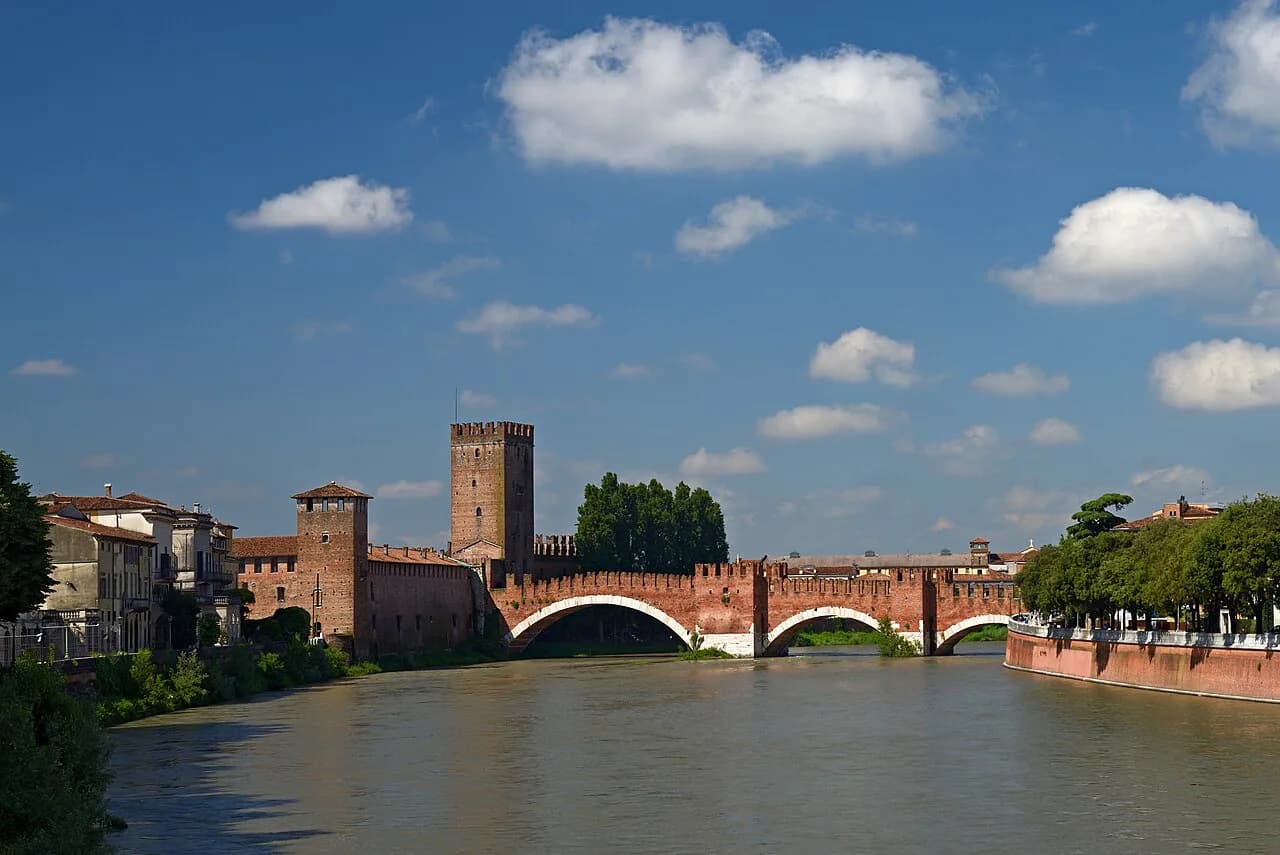
Build a rainy-day day around Castelvecchio Museum, whose Carlo Scarpa renovation makes the building as interesting as the paintings, then walk the brick battlements of the bridge for a view down the Adige. Sant'Anastasia and San Zeno Maggiore give you two very different interiors within a short walk of the center, and both reward an unhurried hour.
Piazza delle Erbe works in any weather: the market stalls, the cafes under the frescoed facades and the Madonna fountain give you a place to sit out a shower with a coffee. From there it is a few minutes to Casa di Giulietta and the Scaliger tombs, both easily combined into a single morning.
Food is the other reliable indoor plan. A risotto or pasta class, a tasting of Amarone and Valpolicella in a city wine bar, or a slow lunch of pastissada and polenta fills the hours when the sky will not cooperate. Book ahead for anything led by a chef or sommelier, since small classes fill in the run-up to Easter.
Views and Walks
The Torre dei Lamberti is the best short climb in the city, with a lift as well as stairs and a panorama that lays out the river, the red roofs and the Arena in one look. Go late afternoon in March for clearer light and fewer people on the platform.
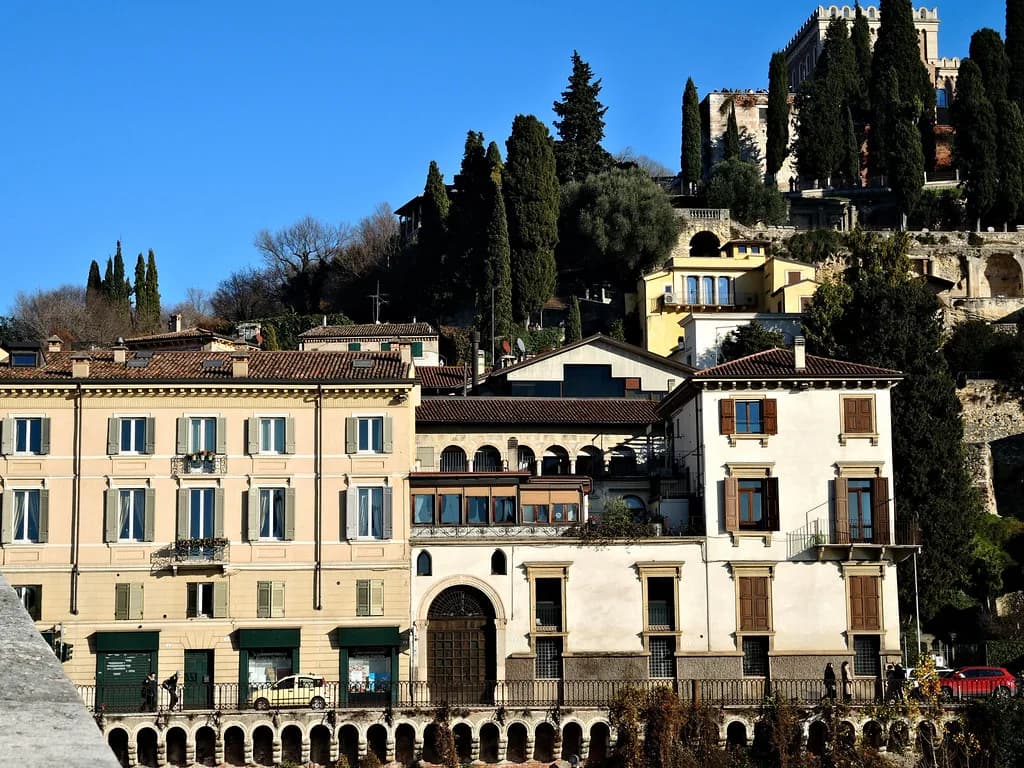
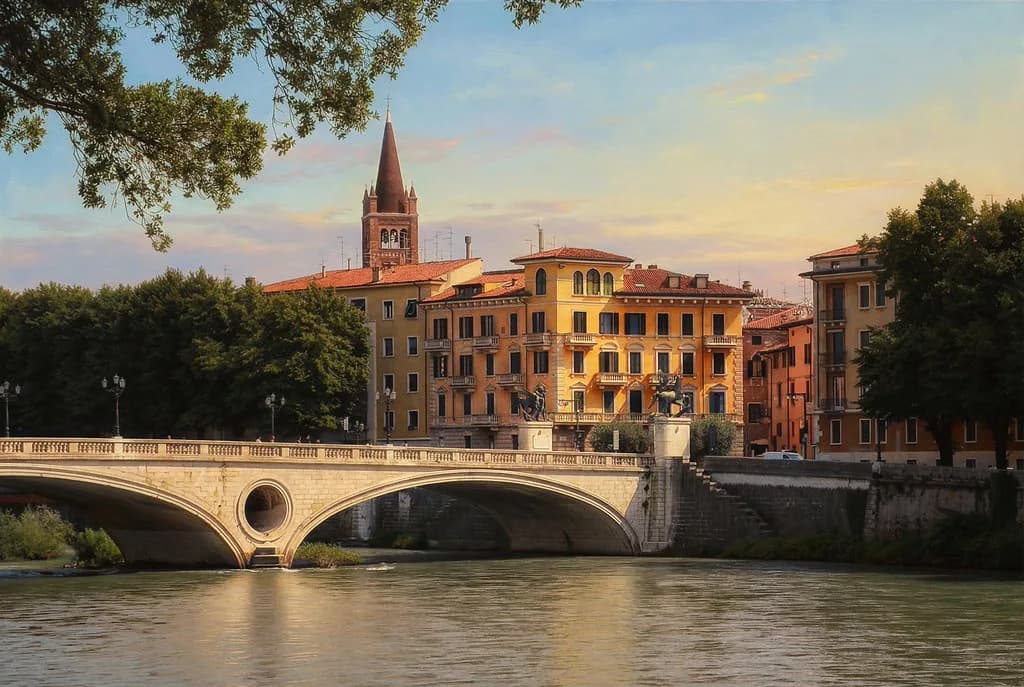
The riverside walk from Ponte Pietra to the Teatro Romano is the city's finest free hour. Ponte Pietra, the Roman arch bridge rebuilt after the war, frames the hill and the Roman theatre on the far bank, and the climb up to the theatre gives you the view back over the water that most postcards use.
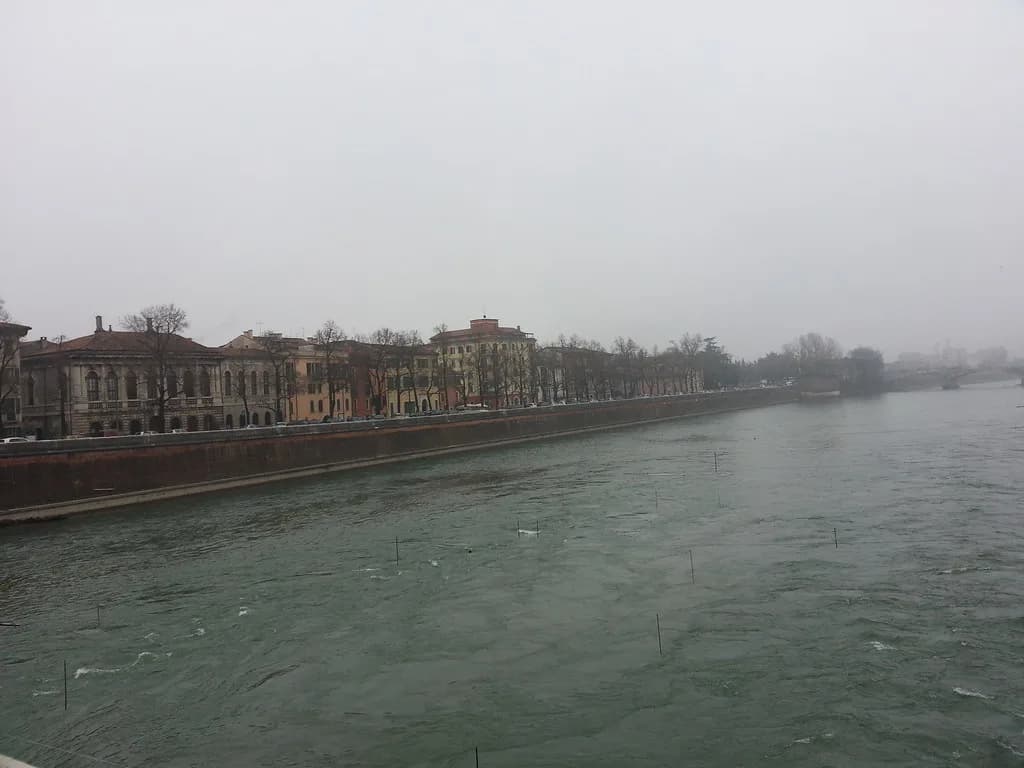
For a longer leg-stretch, follow the Adige embankments north or south of the center. Paths are open year-round, and in March the water is high enough to make the old mills and bridges worth the detour. Wear shoes that handle wet stone, since the riverside paving stays slick after rain.
Day Trips That Work in March
Lake Garda is the easiest day out: trains and buses reach the southern shore towns, where the lakeside promenades are open and the crowds of summer are absent. Expect some lake boats and seasonal attractions to run reduced winter or early-spring timetables, so check the Garda lake navigation schedule for your specific crossing before you go.
Valpolicella, just north of the city, is wine country at its most practical in March: cellar visits and Amarone tastings run through the off-season, and the hills are quiet. Soave, east of Verona, pairs its walled old town and castle with white-wine tastings in the surrounding vineyards.
For a wider view of what the month is like elsewhere in the country, Italy in March compares Verona's climate and crowds with the Amalfi Coast and other Italian destinations.

Crowds, Prices and the Easter Problem
March is low season for most of the month: rooms and restaurants are easier and cheaper than in May, and Verona's sights are manageable without timed tickets. That changes abruptly in the last week, when Holy Week and Easter bring Italian families and pilgrims into the city and prices for the Easter weekend climb toward high-season levels.
If Easter falls at the end of March, as it does in 2027, the month effectively has two prices: a soft first three weeks and a compressed holiday peak in the final days. Book accommodation early for that week or shift your trip to the first half of the month and get the same weather for less.
The Arena di Verona's outdoor opera season runs June to September, so March visitors see the amphitheater as a monument rather than a venue. Check the Arena di Verona's own program for any spring concerts or events rather than assuming a performance will be on.
Who March in Verona Suits
March suits travelers who want the city's art, churches and food at winter prices with spring light, and who are happy to trade guaranteed sunshine for empty piazzas and short queues. It is a strong month for a two- or three-night city break, a couple's long weekend, or a base for Valpolicella and Lake Garda day trips.
Choose another month if you want reliable warmth, long outdoor evenings or the opera. May brings warmer days and fuller terraces, while December gives you the festive city and the Christmas atmosphere. For a purely festive visit, the Verona in December guide covers the markets and the New Year's Eve period.
Skip late March if you dislike holiday crowds or need guaranteed dry weather for hiking and lake boats. And if you are comparing Verona with the south for an early-spring escape, Amalfi in March shows how much warmer the coastline typically runs that month.
Plan Your Trip
Book the first three weeks of March for the best balance of price, space and mood, and keep one indoor day in reserve for rain. If you want the longer evenings and can handle the Holy Week surge, aim for the days after the clock change on 28 March 2027 and reserve your accommodation early.
Pack for two seasons in one day, plan your museum visits around the first-Sunday civic rate, and use the tourist board's calendar to confirm what is running during your dates. Get those right and Verona in March gives you the city at its most usable.
Frequently Asked Questions
How cold is Verona in March?
Typical March conditions see daytime highs of about 14°C (57°F) and nighttime lows near 4°C (39°F). These are long-term averages, not a forecast, so expect some days noticeably milder and some raw mornings. Evenings stay cool enough to need a jacket through the whole month.
Does it rain a lot in Verona in March?
Rain and sunshine are close to even in March across Verona and the Veneto, so a short trip should assume at least one wet day. Showers usually pass rather than settle, which makes a flexible plan of indoor sights more useful than an umbrella. Keep Castelvecchio or a church visit as your fallback.
Is March a good time to visit Verona?
Yes, especially for travelers who want museums, churches and food without summer heat or crowds. The first three weeks are low season with easier rooms and short queues. The final week brings Holy Week and Easter visitors, so book early or shift your dates earlier in the month.
What is there to do in Verona in March?
Focus on Castelvecchio and its bridge, the Basilica di San Zeno Maggiore, Sant'Anastasia, Piazza delle Erbe and the Torre dei Lamberti for views. Riverside walks from Ponte Pietra to the Teatro Romano work in most weather. Day trips to Lake Garda, Valpolicella and Soave fill out a longer stay.
When does the Verona Arena opera season start?
The outdoor opera season in the Arena runs from June to September, so it is not a March event. In March the amphitheater is a monument to visit rather than a performance venue. Check the Arena's own program for any spring concerts.
Is Verona crowded in March?
Most of March is quiet by Verona standards, with manageable queues and softer room rates. The last week changes sharply when Holy Week and Easter draw Italian families and pilgrims, and the Easter weekend itself can feel close to high season.
Sources
Winter travel notes
Optional updates when we add or revise winter guides.
You might also like
Continue reading
More guides you'll find useful