Verona in February: Winter Weather, Crowds and Things to Do
Verona in February brings cold, quiet streets, low crowds and some rain. See typical temperatures, what stays open, and whether the month fits your trip.
On this page
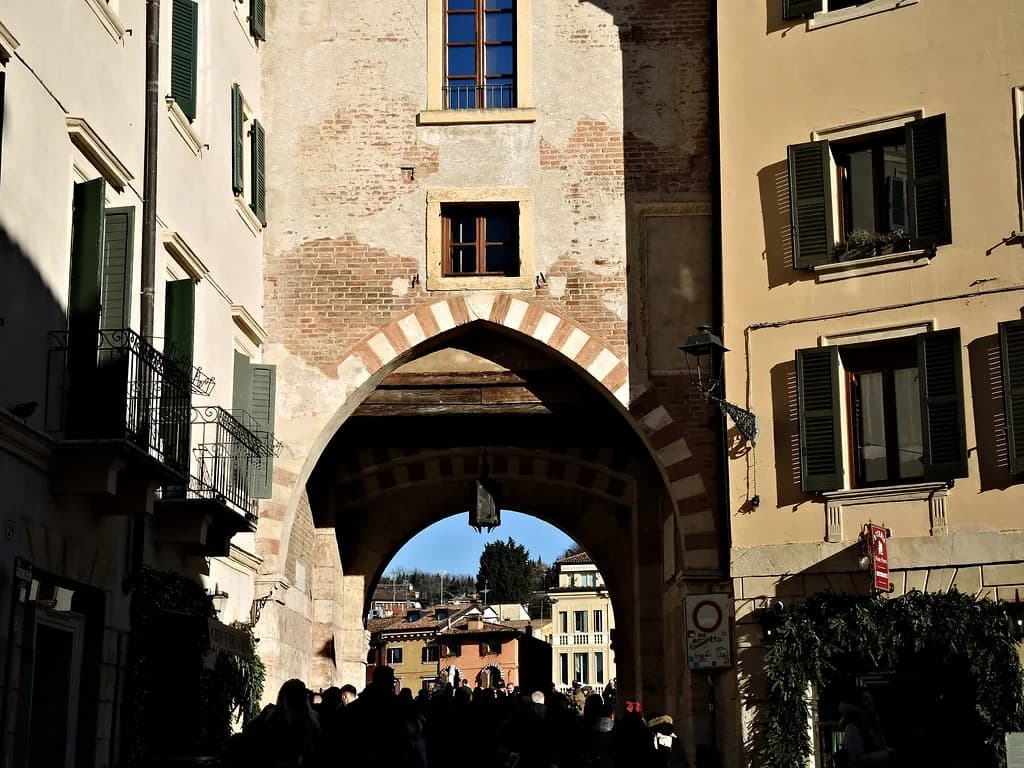
February is Verona at its quietest: a compact medieval city on the Adige where you can walk the whole historic center in a long morning, then spend the afternoon in a museum or over a plate of risotto. The Arena opera season is months away, so the city belongs to residents, market traders and the handful of travelers who don't mind a coat. This is a month for people who would rather have Piazza delle Erbe almost to themselves than watch a summer opera under the stars.
It is not a month for long river walks at dusk or day trips that depend on boats. Daylight is still short, rain is common, and some of the surrounding countryside and lakeside resorts run on reduced winter hours. What you gain is space, lower room rates and a genuine look at how Verona lives when the tourists are gone.
Weather in February
February is one of Verona's coldest months, and the figures travelers rely on are long-term climate averages, not a forecast. Expect typical daytime highs around 9°C to 10°C (48°F to 50°F) and nights that regularly fall to 0°C to 1°C (32°F to 34°F). Pack for damp cold rather than deep snow; the Po Valley plain gets fog and drizzle more often than a heavy snowfall.
Rain arrives in spells rather than all at once, so a single day of steady drizzle is more likely than a week of it. Sunshine is modest: February gives Verona a few hours of sun on a clear day, and the day length is still short. Sunrise comes late enough that a slow breakfast makes sense, and sunset falls before most people are ready for dinner, so plan your outdoor sightseeing for the middle of the day.
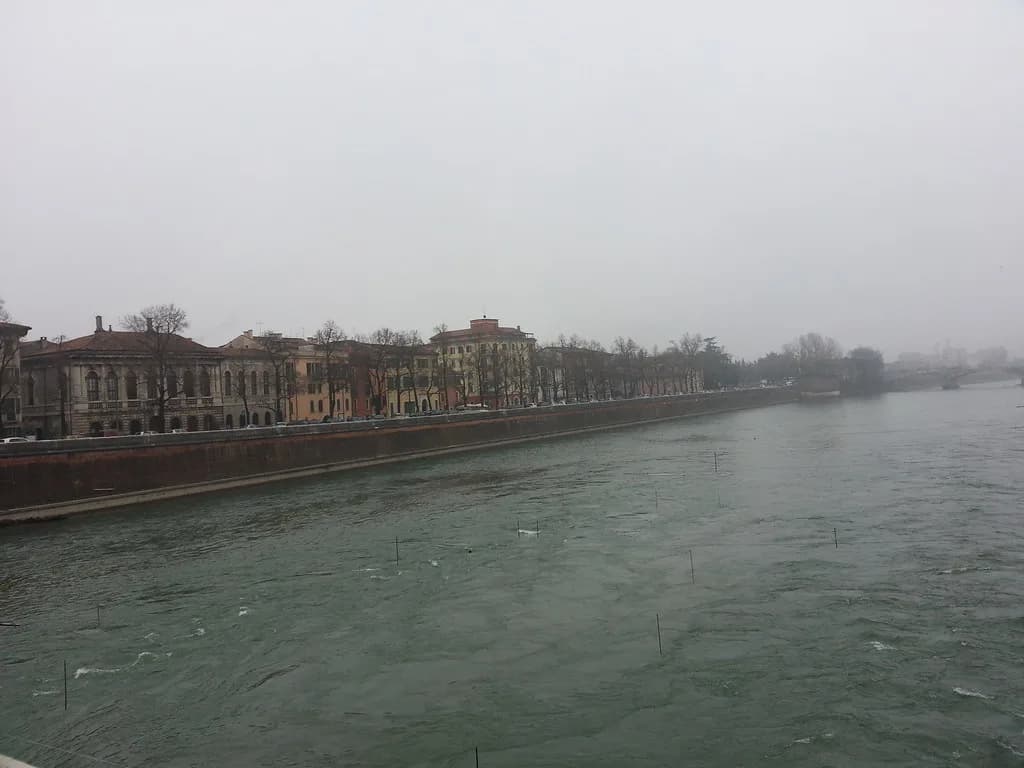
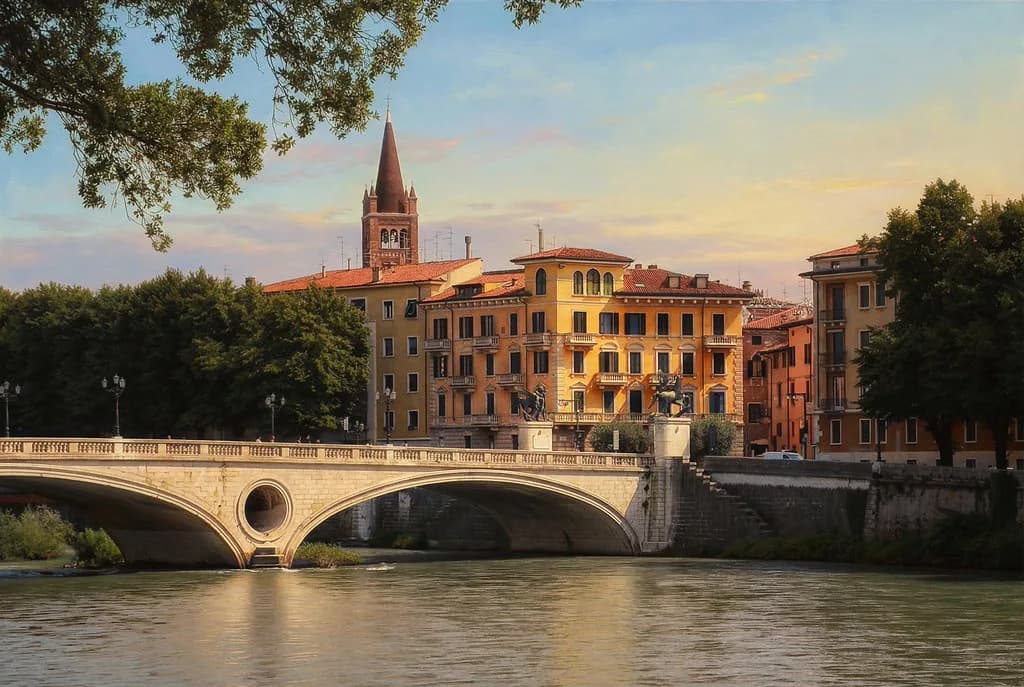
The Adige runs cold and fast in February, and the riverside paths are better for a brisk twenty-minute loop than a long stroll. Fog sometimes settles over the river and the bridges in the early morning, which is atmospheric but does cut visibility from high viewpoints like Torre dei Lamberti. Check the daily forecast a few days before you travel rather than relying on any February average.
February Compared with January and March
January and February are close cousins in Verona: both are cold, both are quiet, and both keep you indoors more than you'd like. February edges ahead on daylight — the days are noticeably longer than in December and January — and it brings Carnival into the calendar. If you want the darkest, quietest version of the city, January delivers that; if you want the first hints of spring light, February is the better pick.
March is a real change of season. Temperatures climb, terraces start to fill again, and the run-up to Easter brings more visitors. By the end of March the clocks go forward on Sunday 28 March 2027, which adds an hour of evening light and makes late-afternoon sightseeing far easier. Early March still feels like winter, late March often feels like spring, so the middle of the month is the transition point.
The trade-off is simple: February gives you the fewest crowds and the shortest days; March gives you more light and more company. If quiet streets matter more than sunshine hours, take February. If you want long evenings and milder air, wait a few weeks.
Carnival Tuesday and the Run-up to Lent
Carnival Tuesday falls on 9 February 2027, with Ash Wednesday the following day, 10 February 2027. In Italy the weeks before Lent are when families, schools and towns mark Carnival, and Verona and the surrounding Veneto towns hold their own versions. The exact programme of parades, masked events and children's parties varies by year and by town, and organisers usually publish it only in the weeks before the event.
If you are in Verona in early February, plan around the fact that Carnival dates shift each year and that Lent changes what is on. Restaurants may serve special seasonal dishes, and towns in the province — not just the city — often hold their own celebrations. Rather than guessing dates, look at the tourism office and town council announcements close to your travel date.
What Stays Open and What Changes in Winter
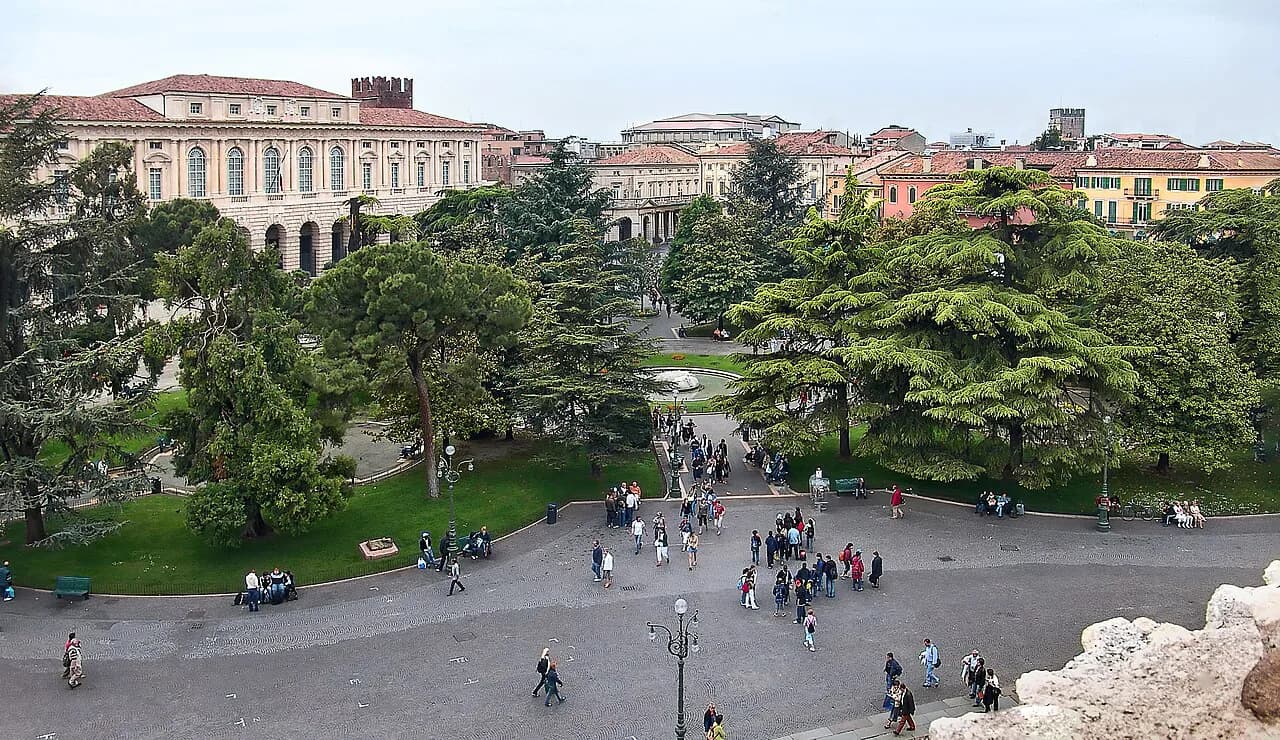
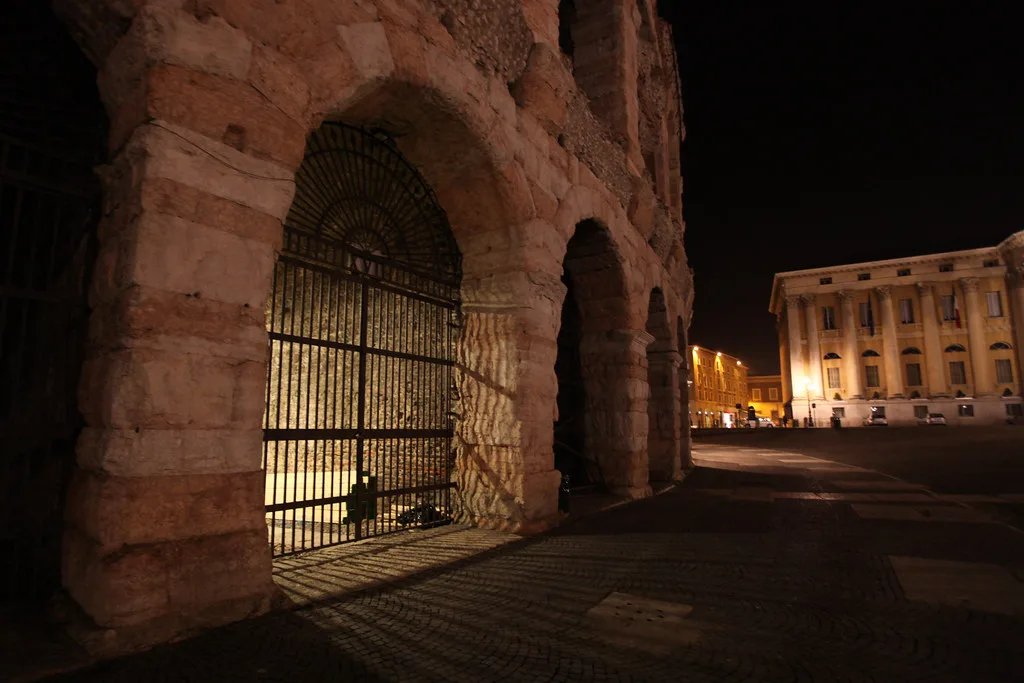
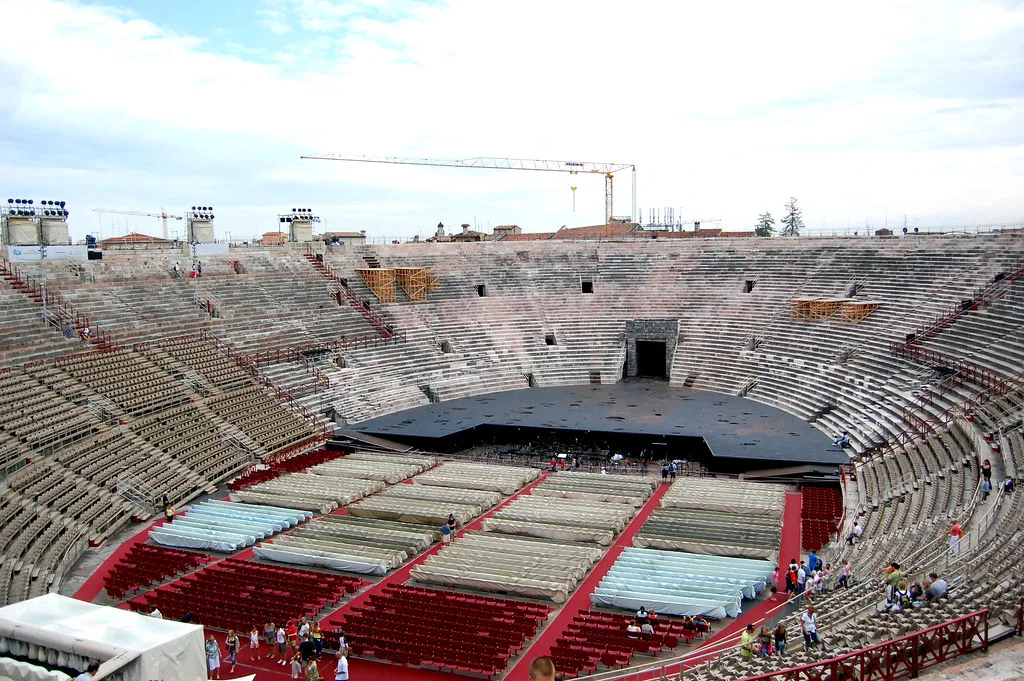
Verona's headline sights stay open through winter: the Arena di Verona can be viewed from Piazza Bra, Castelvecchio Museum and the city's churches keep their usual schedules, and Piazza delle Erbe still hosts its daily market. What changes is the opera. The Arena opera season is a summer event, so February is a month for looking at the amphitheater rather than sitting inside it.
Juliet's House and its balcony remain open and busy even in low season, but it is a staged tourist sight rather than a historical relic — treat it as a quick stop rather than the reason for the trip. Torre dei Lamberti gives you the best city view if the fog lifts, and the walk across Ponte Pietra to the Roman Theater side of the river is short enough for a cold day. Museum and church opening hours can vary in the quiet months, so check the individual venue's website before you build a day around it.
Day trips in February need some realism. Valpolicella's wineries generally welcome visitors but by appointment, and Lake Garda's lakefront towns run on reduced winter hours, with some boat services limited. Verona Porta Nuova remains the regional rail hub, so Verona itself works well as a base for shorter winter excursions rather than a launchpad for a full lake circuit.
If you're coming in December instead, the city looks quite different: lights, a Christmas market and holiday crowds. Otherwise a trip later in the winter is a quieter, more local version of Verona.
Things to Do in February
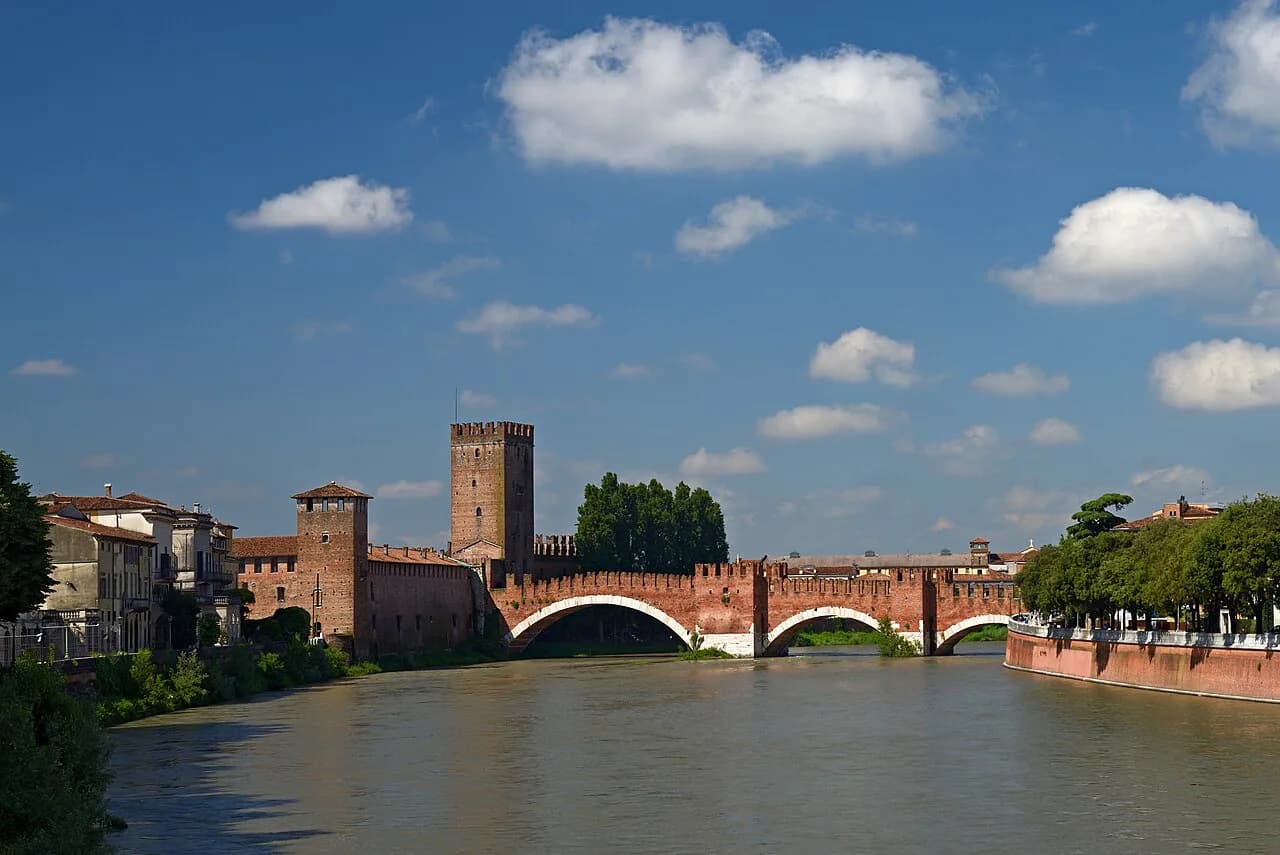
Build your days around interiors and squares. Start at Piazza Bra with the Arena's outer arcade, then cut into the historic center for Piazza delle Erbe and its market, the Scaliger Tombs, and the Basilica of San Zeno Maggiore if you don't mind a longer walk. Castelvecchio Museum is a strong rainy-day choice, combining the castle itself with a serious art collection.
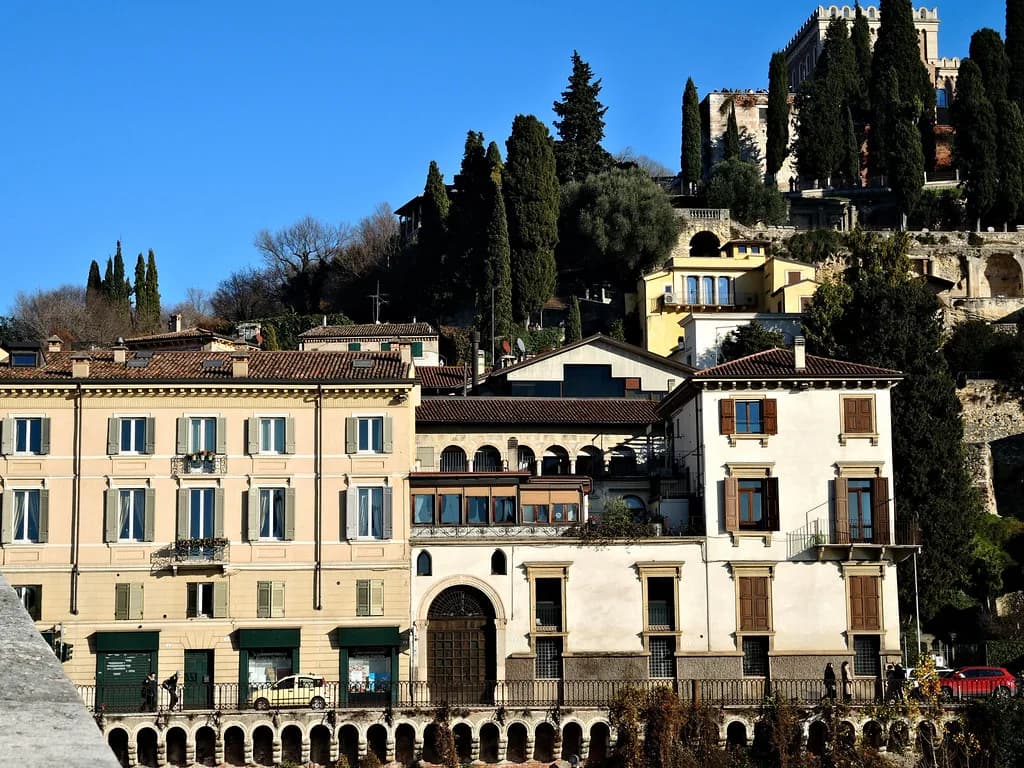
For the river, cross Ponte Pietra and climb to the Roman Theater and St. Peter's Castle for a view back over the terracotta rooftops. On a clear day the walk up is worth the cold; in fog, skip it and spend the time in a café instead. A walking tour can compress the highlights into a couple of hours and keep you moving.
Verona is compact and flat, which makes it one of the easier Italian cities to explore on foot in cold weather. Two days covers the essential sights; three gives you room for a museum afternoon, a slow lunch and a day trip. If you have only one day, concentrate on the Arena, Piazza delle Erbe and the riverside rather than trying to cover everything.
Food and Drink in February
Cold weather is the right excuse for Veronese cooking. Risotto — often with mushrooms, truffle or Amarone — is the local staple, and the city's trattorias serve it as a first course rather than a side. Valpolicella and Amarone come from the hills just north of the city, and February is a good month for a cellar visit if you book ahead. Look for the simpler osterie around the center rather than the restaurants on Piazza Bra.
Lunch tends to be the main meal in this part of Italy, and in February a long midday lunch neatly fills the coldest part of the day. Afternoon aperitivo starts early, so plan your evening around an early dinner rather than a late one. For the region more broadly, see what else is happening in Italy in February.
Day Trips That Work in Winter
Valpolicella is the most rewarding winter day trip: the hills are close to Verona, the wineries are indoors, and tastings run by appointment all year. Lake Garda is doable but less rewarding in February — the waterfronts are quiet, many seasonal businesses are closed, and boat services are reduced — so treat it as a short outing rather than a full day. Further afield, Venice is a straightforward train ride from Verona Porta Nuova and works well in winter, especially during Carnevale di Venezia.
Crowds, Prices and Trade-offs
February is genuinely low season in Verona, and that shows in hotel availability and restaurant tables. Room rates are typically at their softest of the year, and you can often book closer to your dates than in spring. The trade-offs are real: short daylight, cold and damp weather, and some attractions and lake services running on reduced hours. It's a month that rewards travelers who plan indoor anchors for each day, not those hoping for long alfresco afternoons.
Compare this with Amalfi in February if you're considering a warmer-sounding coastal alternative — southern Italy is milder but still wintry on the coast, and many seasonal hotels and restaurants stay shut until spring. For Verona, the calculation is straightforward: accept cold and rain, and you get a manageable, atmospheric city with time to actually look at it.
Who February in Verona Suits
This month suits museum-and-food travelers, couples who want a quiet city break, and anyone who has seen Verona before and wants it without crowds. It also works for people who plan around interiors and can be flexible about weather. It does not suit travelers who want the opera, long lakeside afternoons, boat trips on Lake Garda or guaranteed sunshine. If those are your priorities, come back in late spring or summer. If a cold, atmospheric, affordable Verona sounds right, February delivers.
Getting Around
Verona's historic center is walkable and largely flat, so you'll cover most of it on foot. For anything farther out, the city bus network and Verona Porta Nuova station connect you to the rest of the Veneto, including Venice and Lake Garda. A hop-on hop-off bus tour is an option if you want an overview on a cold first day.
Plan Your February Trip
February in Verona is a cold, quiet, low-season month that rewards travelers who plan around interiors and accept short, damp days. The opera is dormant, the Arena is a sight rather than a stage, and the city is cheap and uncrowded — which is exactly the trade most winter visitors are looking for. If you want warmth, boats and long evenings, choose another month.
Explore more Verona winter guides
Frequently Asked Questions
Is Verona cold in February?
Yes. February is one of Verona's coldest months, with typical daytime highs around 9°C to 10°C (48°F to 50°F) and nights close to freezing. It is damp cold rather than deep snow, so drizzle and fog are more common than a heavy snowfall.
Is February a good time to visit Verona?
It is a good month if you want low crowds, lower room rates and a quiet city. It is less good if you want the Arena opera season, long daylight or boat trips on Lake Garda, all of which suit the warmer months better.
Does Verona have a Christmas market in February?
No. Verona's Christmas market is a December event, and by February the city has moved on to Carnival and the run-up to Lent. If you want markets and lights, plan for December instead.
Is Juliet's balcony in Verona real?
The balcony is a 20th-century addition to a building associated with the story, not the scene of a real romance. It is still a fun, quick stop in the center, but it shouldn't be the highlight of your trip.
How many days do you need in Verona in winter?
Two days covers the main sights on foot, and three gives you room for a museum afternoon, a long lunch and a short day trip. With only one day, focus on Piazza Bra, Piazza delle Erbe and the riverside.
Sources
Winter travel notes
Optional updates when we add or revise winter guides.
You might also like
Continue reading
More guides you'll find useful