Sitges in Winter: What November to March Is Really Like
Sitges in winter brings mild days, quiet beaches and Catalan festivals. See typical weather, what stays open and who should visit between November and March.
On this page
Winter turns Sitges from a beach town into a small Catalan city that happens to sit beside the sea. The sand is mostly empty, the seafront is given over to dog walkers and joggers, and the museums and old-town lanes carry the weight of the day. It suits travelers who want a calm base with good food, easy trains to Barcelona and a fraction of the summer bustle.
What it does not suit is a swimming-and-sunbathing holiday. Days are short, the water is cold, and much of the seasonal life of the town moves indoors or onto the calendar of local festivals. Plan around culture, food and walking rather than the beach, and Sitges rewards you with a genuinely lived-in version of itself.
Weather in December, January and February
The core winter months are mild by northern European standards but rarely warm: expect cool, changeable days with a Mediterranean rhythm of sunshine followed by wet spells. Long-term averages from Spain's meteorological agency, AEMET, are the figures to plan against rather than any single forecast, and they vary noticeably between the coast and the hills behind town.
For a realistic picture, work from typical highs in the low-to-mid teens Celsius, falling to single-digit lows at night, with the sea holding a chill that makes swimming a pursuit for the hardy. Check AEMET's climate normals for Sitges and the wider Garraf comarca before you book, and treat any ten-day forecast as a rough guide only.
Daylight and Short Days
The practical constraint on a winter itinerary is light, not heat. Around the December solstice, sunset comes in the late afternoon and daylight is limited to roughly nine hours, which means a museum, a long lunch and a seafront walk can fill a day without much slack.
Build your days around the middle hours: start with a morning walk on the promenade, take the museums in the early afternoon, and leave the evening for dinner rather than sightseeing. By late January the days stretch noticeably, and by March the clocks going forward on 28 March 2027 adds a sudden extra hour of evening light.
November and March: The Shoulder Months
November and March bracket the winter and behave quite differently from each other. November still carries autumn warmth and the last of the outdoor season, but it is also one of the wetter months, so plan indoor anchors. March brings longer days and the first hints of spring, plus the Easter travel surge in the final week as Holy Week runs 21–28 March 2027.
If you want the mildest possible version of winter, aim for late March; if you want the quietest, November delivers empty streets and low prices at the cost of more rain.
What Is Open in Winter
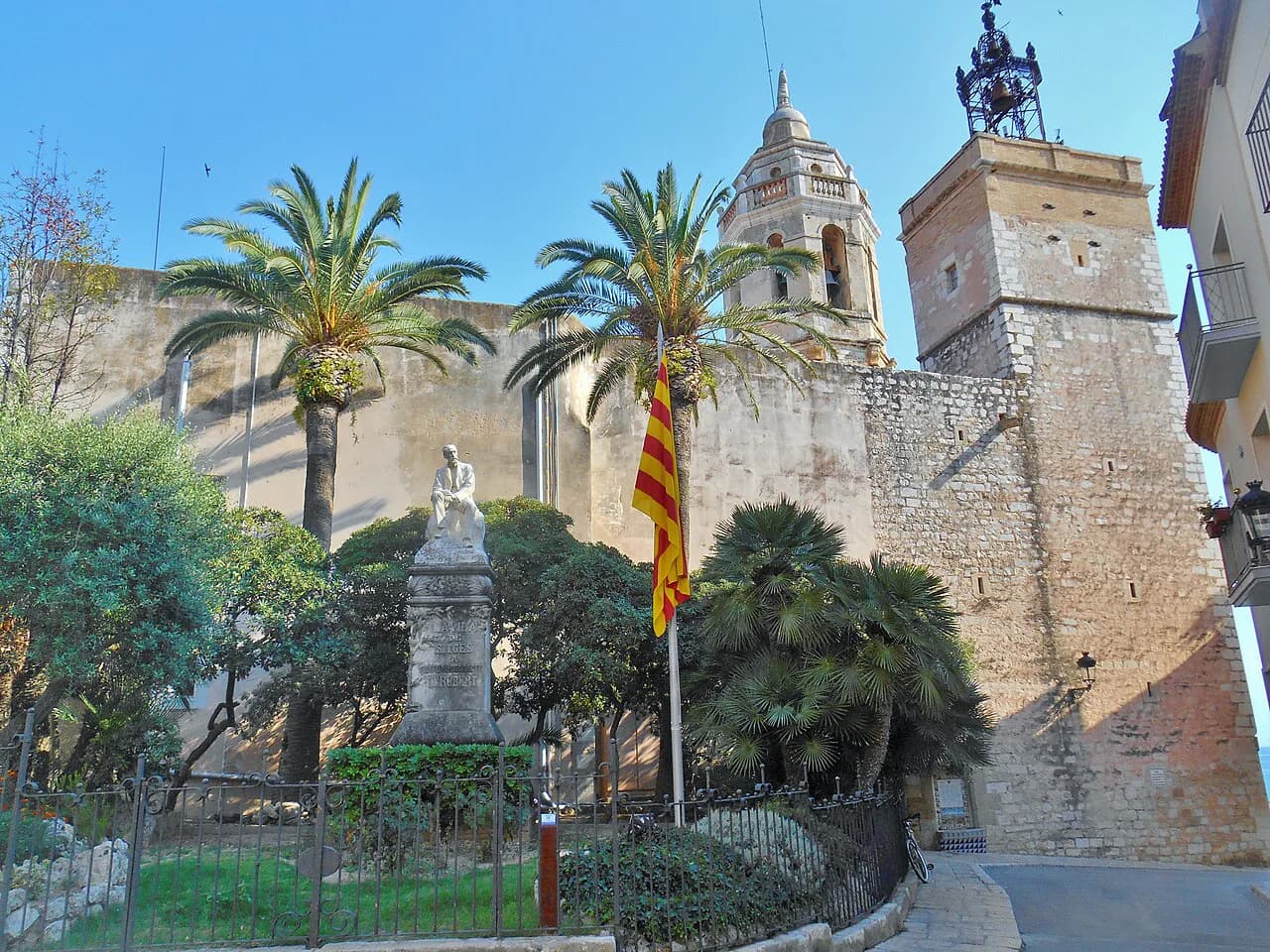
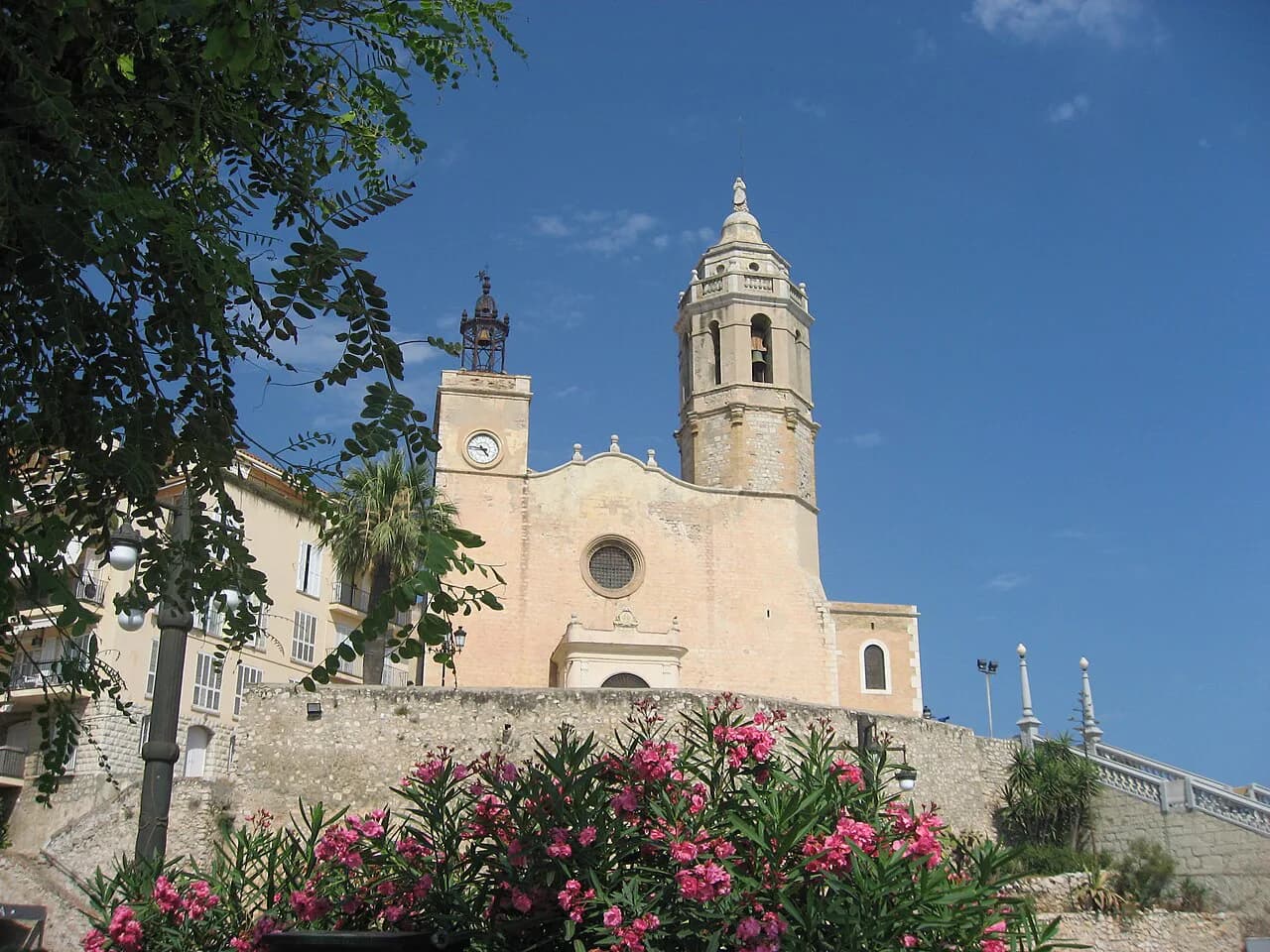
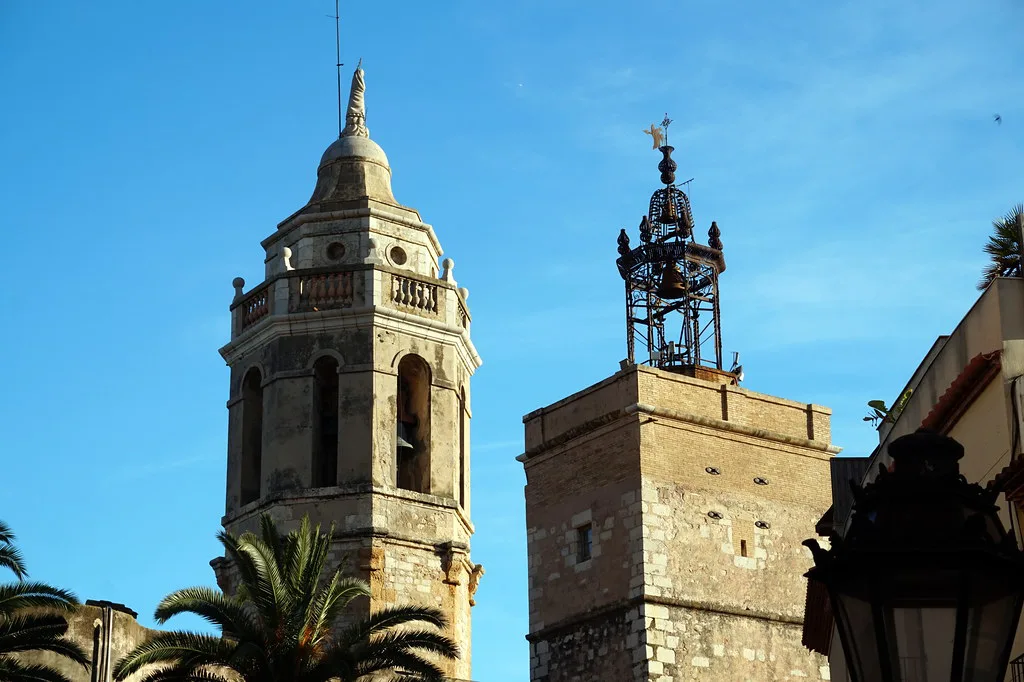
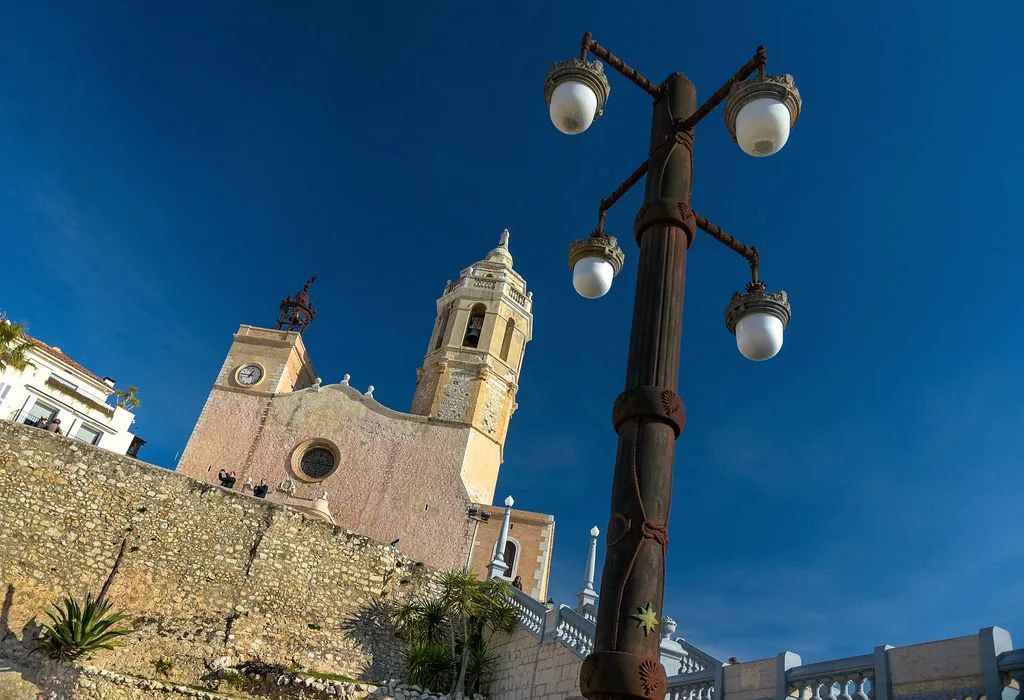
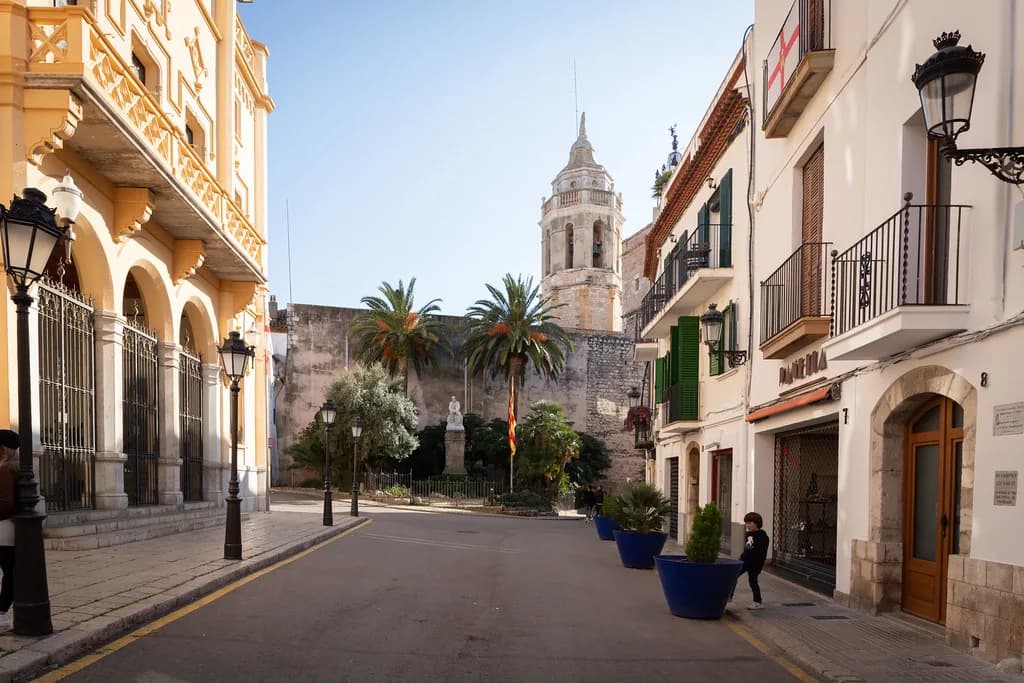
Sitges is a working town, not a seasonal resort, so the old town, the seafront promenade and the parish church of Sant Bartomeu i Santa Tecla remain part of daily life all winter. The Church of St. Bartomeu, a 17th-century baroque landmark presiding over the harbor, is one of the most photographed spots in Catalonia and is worth a look even on a grey day.
The seafront Passeig Marítim stays walkable and is where locals exercise in winter, tying together the main beaches and the old town.
Restaurants and bars keep going, though some seasonal beach clubs and terrace venues scale back outside the summer months. The safest approach is to check individual venues for winter hours before you build an evening around them, especially in January, when the town is at its quietest.
Beaches and the Sea in Winter
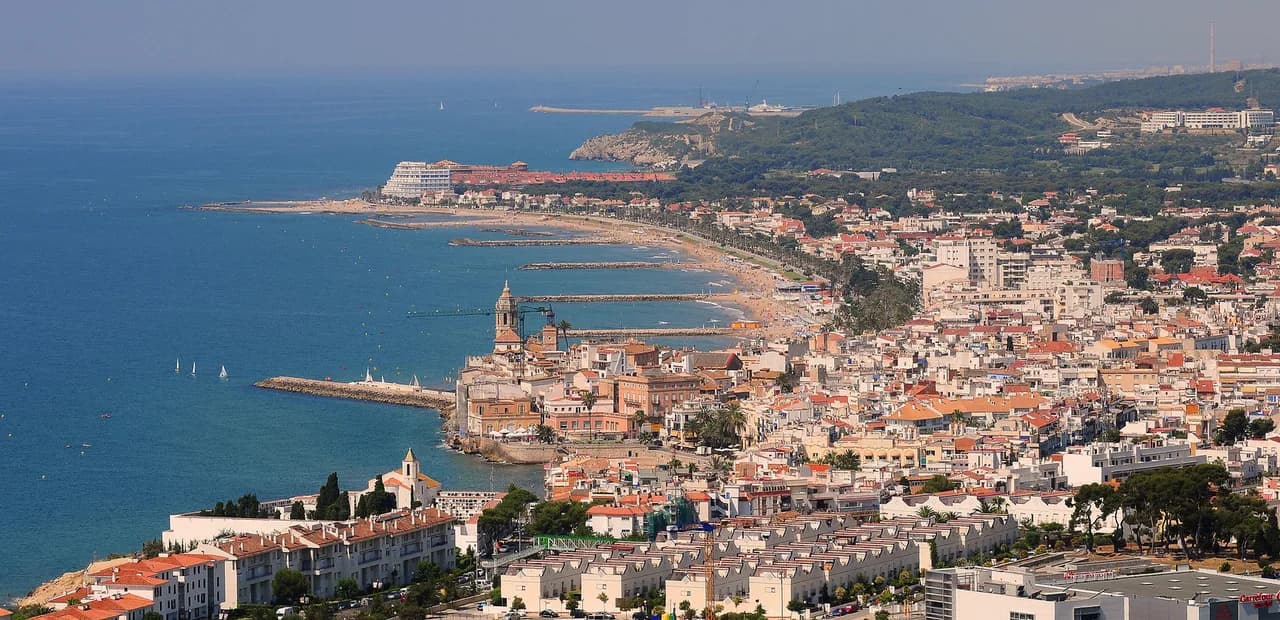
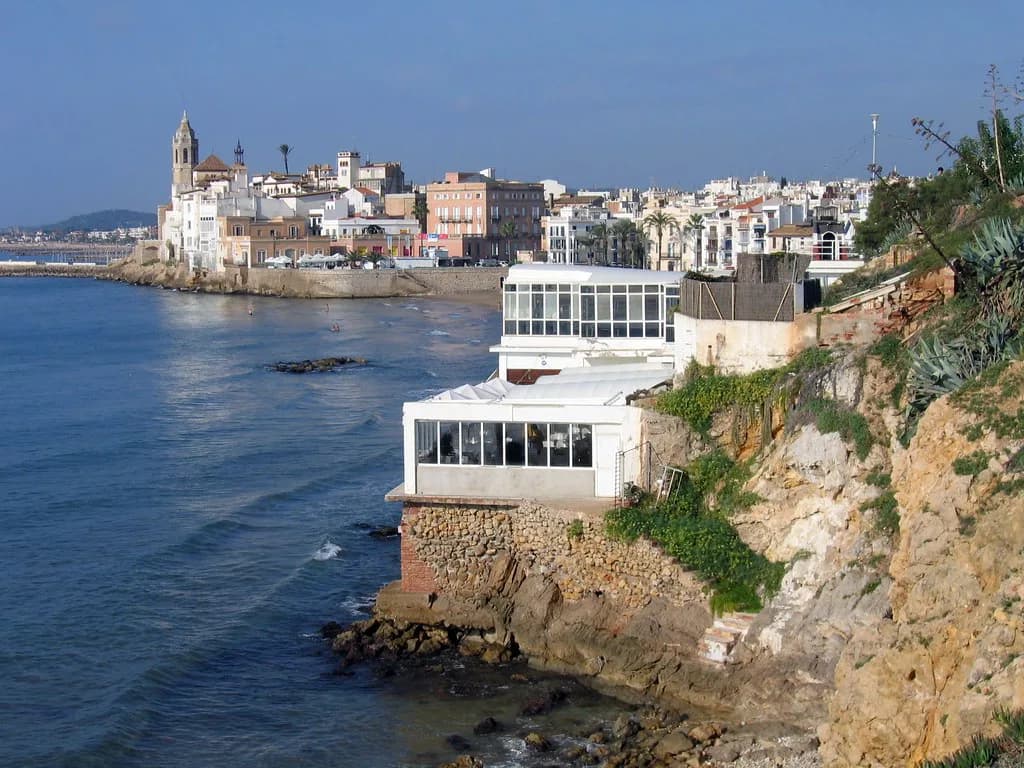
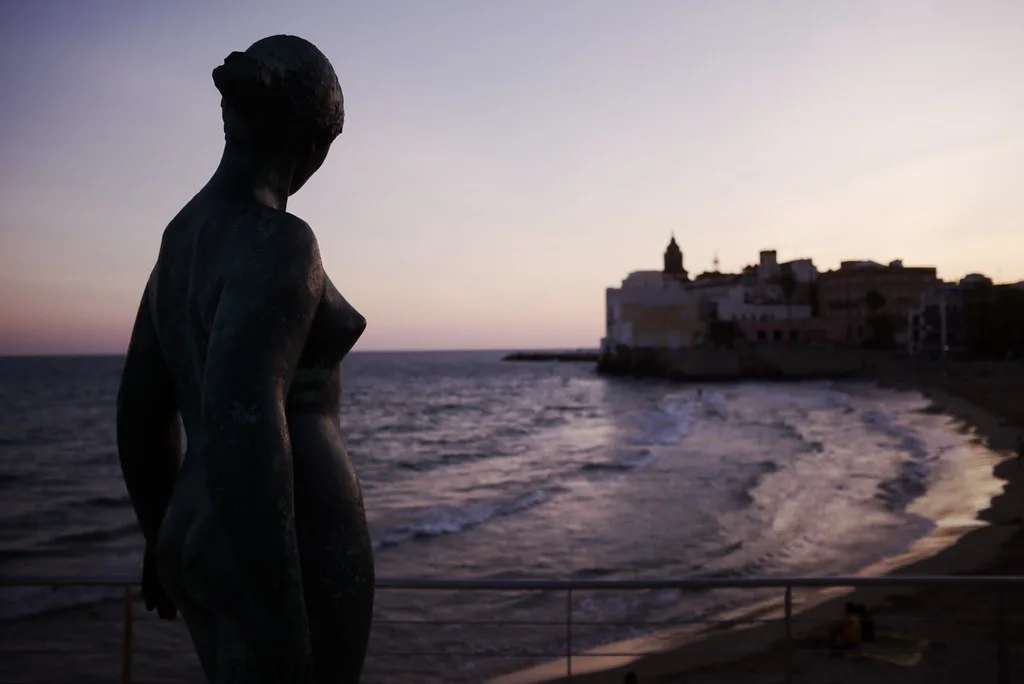
Sitges has several beaches in and around the town center, from the central Platja de la Ribera to the quieter coves toward the marina. In winter they are best treated as walking country: the sand is firm, the water is cold, and the appeal is the light and the emptiness rather than swimming. A jacket-and-boots stroll along the shore, with the church on the skyline, is one of the great simple pleasures of an off-season visit.
Things to Do in Winter
The museums are the heart of a winter day in Sitges. The Cau Ferrat Museum, the former home and studio of the artist Santiago Rusiñol, sits beside the Maricel Museum, which holds a broad collection of Catalan art and artifacts. A short walk away, the Fundació Stämpfli adds a contemporary note with modern art. Together they make an easy, rewarding rainy-afternoon circuit in the old town.
Food is the other pillar of a winter visit. Sitges cooking leans on its coastal Catalan heritage: seafood, paellas and the brothy rice dish arròs caldós, plus cava and wines from the nearby Penedès region. In winter, tables are easier to come by and lunch can stretch without a queue.
Christmas and New Year in Sitges
Christmas in Sitges is understated but real: a modest seasonal market, concerts and cultural programming in venues such as the Palau de Maricel, and the Spanish tradition of the Three Kings on Epiphany, 6 January 2027, which is a Wednesday. Christmas Day 2026 falls on a Friday and New Year's Day 2027 on a Friday, so the holiday period is a long, gentle stretch rather than a single blowout.
Expect a few Christmas stalls and lights rather than a vast market; the appeal is the mild weather and the chance to see the town without summer crowds. For the Three Kings parade and any specific concert dates, check with the Ajuntament de Sitges as the season approaches.
Carnival and Late-Winter Events
Carnival is Sitges' biggest winter event and one of the most exuberant in Catalonia. Carnival Tuesday 2027 falls on 9 February, with Ash Wednesday on 10 February, so the parades and parties cluster in the days before. Book accommodation early if you plan to be there, as the town fills up.
Later in the season, March brings longer days and the first signs of spring, with Holy Week running 21–28 March 2027 and Easter Sunday on 28 March. The clocks go forward the same day, so evenings suddenly stretch.
Day Trips That Work in Winter
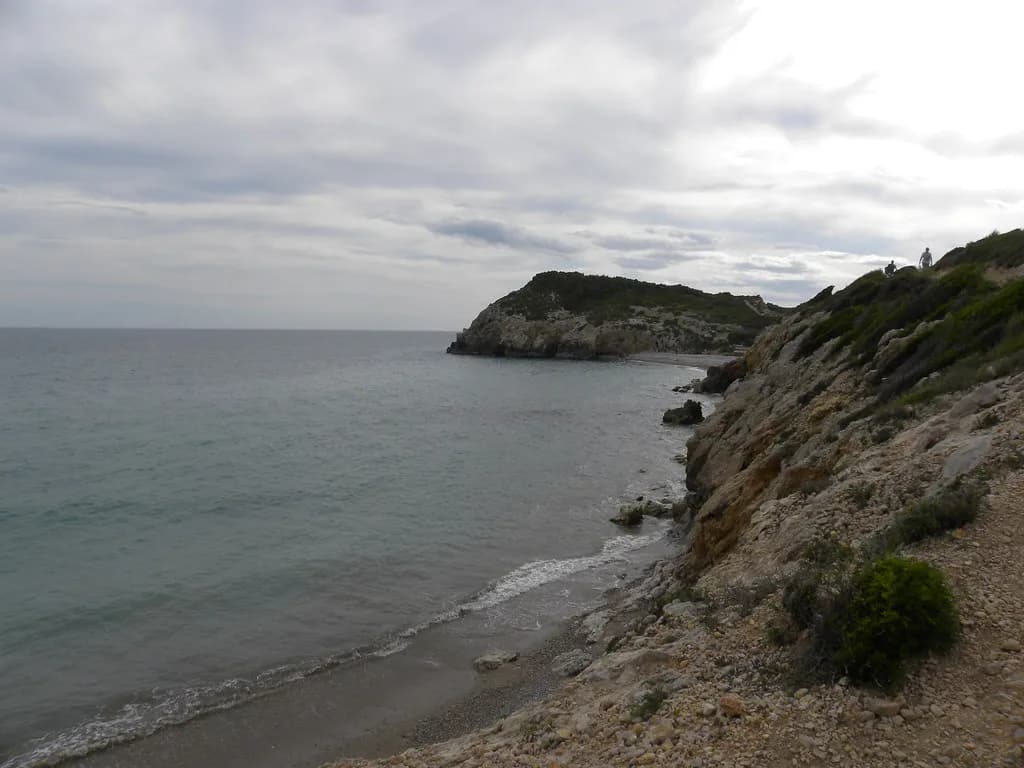
Barcelona is the obvious day trip and is easy by train; in winter, sightseeing is more comfortable than in summer heat, and the city's museums and markets are at their best. Closer to home, the Parc del Garraf, a rugged limestone landscape of hills and valleys east of Sitges, offers walking on cooler days, though you should check trail conditions and daylight before setting out.
Getting Around Sitges in Winter
Sitges is small and walkable, with the train station in the old town making car-free trips easy. Frequent trains from Barcelona put the city within easy reach, and the airport is a short drive or bus ride away. Winter transport is less crowded than summer, so you can be more spontaneous about day trips.
For those who want a quieter island alternative, the Canary Islands offer genuinely warm winter sun, and La Palma in winter suits walkers.
If you want a warmer winter, Spain's south and the Canaries are the choices most people make.
Who a Winter Trip Suits
Sitges in winter suits couples, culture-lovers and slow travelers who want a base for museums, food and easy day trips to Barcelona without the summer crush. It also works well for a short break in the shoulder months. Families with young children may prefer spring or early autumn for beach time, and anyone set on swimming should look to the Canaries or wait for summer. For a comparison, see how the Canary Islands handle winter.
Sitges in January
January is the quietest month: Christmas visitors have gone, the Three Kings celebrations have passed, and the town settles into its ordinary winter rhythm. Days are short and the weather is cool and changeable, but museums, restaurants and the seafront remain open. If you want Sitges to yourself, this is the month, but plan for indoor anchors and check that specific restaurants are open before you rely on them.
Sitges with a Dog in Winter
If you are travelling with a dog, the quieter winter months change how you use the town. Sitges is small, laid-back and easily walkable, and the long promenade lets you stroll along the coastline past the medieval Church while keeping your dog beside you. Because Sitges is a popular day trip from Barcelona, it tends to get busier in the middle of the day and quieter at night, so winter walks on the promenade and through the latticework cobblestone streets of Old Town are easiest in the softer hours rather than at midday. In December, January and February the mild winter days are the ones to save for outdoor exploring, and a dog gives you a good excuse to take them slowly.
Be realistic about the sea. The source material notes that Sitges has 17 beaches, and off season these are far less crowded than in summer, when locals and visitors fill them. Winter swims are a matter for you and your dog to judge, not something to plan around, and the cold water means short shoreline walks rather than long afternoons on the sand. When the weather turns, the town's indoor draws are limited for animals, so build your days around the streets, the marina area and the coastal path instead of museums or concerts; the Christmas concert at the Palau de Maricel on December 20th, the Joaquim Sunyer seminar on December 13th and the theatre performances are events you would need to attend without your dog.
Getting there with a dog is simplest by road. Sitges is about a 45-minute drive from Barcelona's Prat airport, and an Uber from the airport took 37 minutes and cost 55 euros for the comfort car, which suits a traveller with an animal and luggage better than the bus line, which runs directly from the airport to Sitges for around €5 per ticket and runs every half hour on most days. Once in town, the compact layout means most of your dog's exercise comes from walking rather than transport. Book accommodation early, as the source advises jumping on villa bookings early because December in Sitges fills up, and confirm your chosen place accepts dogs before you commit.
Plan Your Winter Visit
Sitges in winter is a low-key coastal town with culture, food and easy trains to Barcelona, not a beach destination. If mild days, short daylight and a slower pace appeal, November to March is a rewarding time to visit; if you want sunbathing and long evenings, look to the Canaries or come back in summer.
Explore more Sitges winter guides
Frequently Asked Questions
Is Sitges warm in winter?
Mild rather than warm: expect cool, changeable days with a Mediterranean rhythm of sunshine and wet spells, falling to single-digit lows at night. December and January are the coolest, while March brings longer days and the first hints of spring.
Is Sitges worth visiting in January?
Yes, if you want the town at its quietest. Museums, restaurants and the seafront remain open, but days are short and some seasonal venues scale back, so plan indoor anchors and check individual hours before you rely on a specific place.
Can you swim in Sitges in winter?
Swimming is a pursuit for the hardy: the sea holds a chill through the core winter months. The beaches are best treated as walking country, with firm sand, empty views and the church on the skyline.
Does it rain much in winter in Sitges?
November is one of the wetter months, and winter generally brings changeable, showery weather. Check AEMET's climate normals for Sitges and the Garraf comarca for typical rainfall rather than relying on any single forecast.
What is there to do in Sitges in winter?
Museums (Cau Ferrat, Maricel and the Fundació Stämpfli), food and cava, walks on the Passeig Marítim and the old town, plus easy day trips to Barcelona. Carnival in February and the Three Kings in January add a burst of local color.
Is Sitges busy in winter?
No — the town is at its quietest between January and March, with easier tables and calmer streets. Carnival and the Christmas and New Year period are the busiest exceptions, so book early if you plan to be there.
Sources
Winter travel notes
Optional updates when we add or revise winter guides.
You might also like
Continue reading
More guides you'll find useful