Sitges in March: Weather, What's Open and Things to Do
Sitges in March brings mild days around 16°C, cool sea air and thin crowds. Here is what the weather feels like and what suits a March trip.
On this page
Sitges in March is a Mediterranean town coming back to life without the summer crowd that fills its promenade from June. Afternoons often reach a mild 16°C (60°F), the old town is walkable without heat or queuing, and the seafront has room to breathe. It suits travelers who want a base for museums, coastal walks and day trips rather than a beach holiday.
The catch is the sea and the evenings. Water temperatures stay cold through March, so most visitors treat the beaches as a place to walk rather than swim, and nights still call for a jacket. The upside is a town where you can get a table, see the Maricel and Cau Ferrat collections without a crush, and use the train to Barcelona as easily as in summer.
Weather in March: Typical Highs, Lows and Daylight
Long-term averages put a typical March day at a high near 16°C (60°F) and a low around 8°C (47°F), with the town feeling moderately chilly and breezy rather than cold. Wind averages about 12.9 mph, which you notice most on the exposed seafront and on the church terrace above the beach. Treat these as the shape of the month, not a forecast, and pack a layer for the evening drop.
Rain is possible but rarely a washout: recorded averages show roughly a 19% chance of rain on a given day, with humidity around 68% and cloud cover near 55%. Daylight runs about 11.9 hours, with sunrise around 7:12 AM and sunset around 7:06 PM. That is enough usable daylight for a morning museum, a long lunch and an afternoon walk, with the light going soft on the seafront by early evening.
Late March also brings the clock change: European clocks go forward on 28 March 2027, which pushes sunset back an hour and makes evening strolls along the promenade far more appealing. Book the last week of the month if long daylight matters to you, and remember that a mild afternoon of 16°C cools quickly once the sun drops behind the old town.
The Sea and the Beaches: What to Expect
Air temperature and sea temperature are different stories in March. A sunny 16°C afternoon on San Sebastian beach feels pleasant for sitting, but the Mediterranean off Sitges stays cold well into spring, so plan on short dips at most and let the sand be your main draw. If swimming is the point of your trip, this is the month to choose a warmer destination.
Beach clubs and seafront bars in Sitges operate on a reduced off-season rhythm, with the busiest summer terraces quiet and some service scaled back. The promenade itself is public and open, which is what makes March work: you get the setting without the crowds and the price level of July. Confirm opening hours with any specific beach club or bar before building an evening around it.
For a warmer March swim you would need to head south: the Canary Islands in March stay genuinely warm enough for the sea, while Mallorca in March is closer to Sitges in feel, with mild days and a cold sea.
What Stays Open and What Slows Down
Sitges in March is quiet rather than shut. The town's museums generally stay open, and the restaurant and bar scene keeps enough options running that you will not struggle to eat well, even if some summer-only spots are dark. That balance is the whole appeal of the month: fewer people, but no ghost town.
The open-air market stalls that line the seafront daily in summer are limited to weekends in the colder months, still worth a browse if your visit lands on a Saturday or Sunday. Hotels and restaurants run on winter staffing, so the pace is calmer and reservations are easier than in peak season. The rhythm of the off-season months holds through March, so check the winter patterns if you are arriving early in the month.
If you are weighing months, January and February are colder and quieter still, while December brings festive evenings along the coast; March sits after all that, with lighter evenings and improving afternoons.
Carnival, Holidays and the March Calendar
Carnival in Sitges is a February affair, not a March one. In the 2026–27 season Carnival Tuesday falls on 9 February 2027, with Ash Wednesday on 10 February, so the town's biggest party week is over before March begins. If Carnival is the reason you are visiting, plan for February rather than hoping for a late date.
March's fixed points are Easter and the clock change. Easter Sunday is 28 March 2027, which places Holy Week across 21–28 March, a period when Spanish towns fill with processions and domestic travelers. Sitges is not the center of Catalonia's Holy Week, but you should expect busier weekends and book ahead if your trip overlaps that week.
Beyond those dates, Sitges runs film festivals and local fiestas through the year, and the exact March program changes annually. Check the town council's events calendar close to your dates rather than relying on last year's lineup.
Things to Do: Museums, the Old Town and the Church Terrace
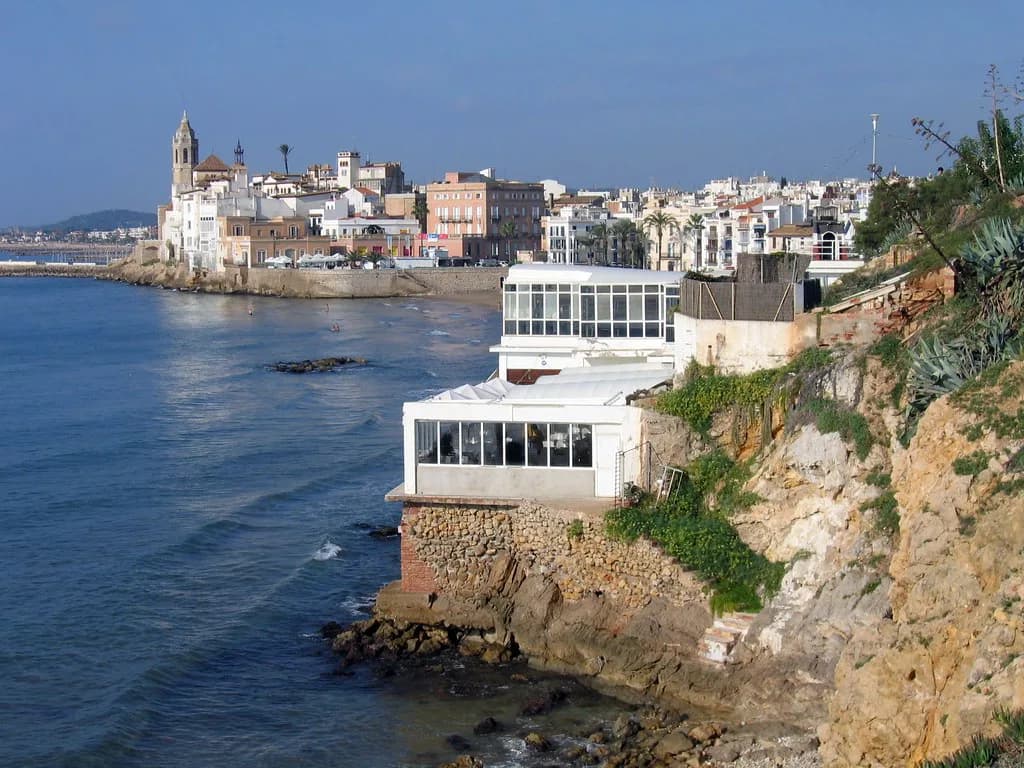
The Museu del Cau Ferrat is the strongest indoor option in town, the former home and studio of Santiago Rusiñol, filled with his paintings, ironwork and collections in a building right on the seafront. Pair it with the Palau de Maricel next door, whose terraces look straight out over the water; together they make a wet or windy morning disappear. Rain in March is intermittent, so keep these as your fallback.
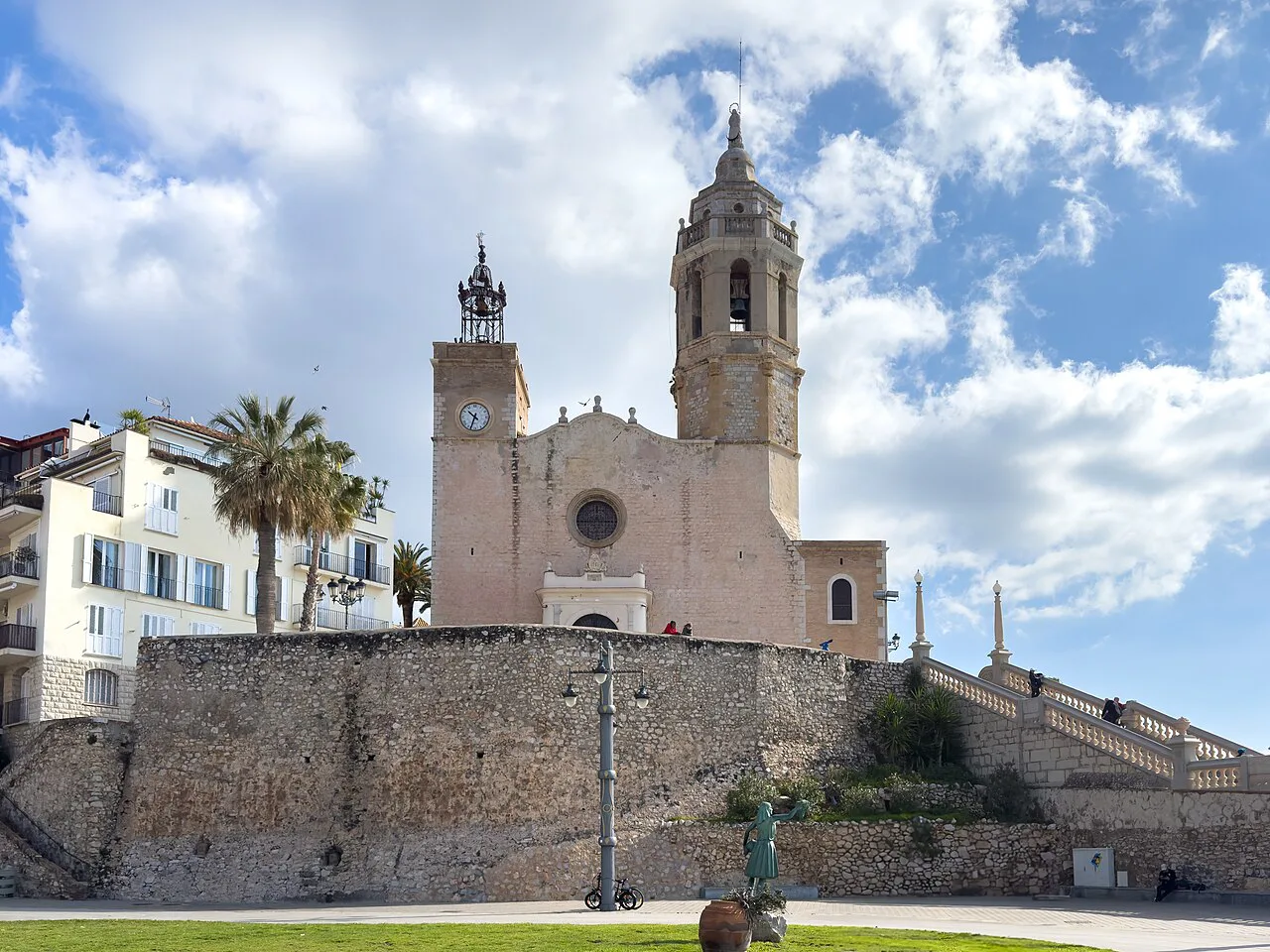
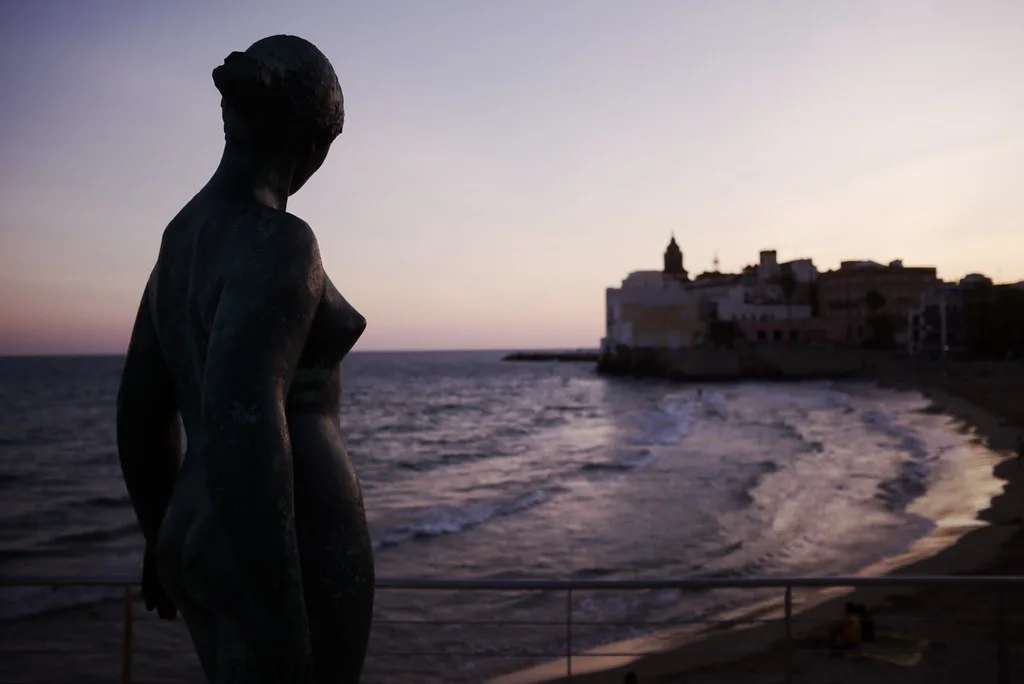
The Church of Sant Bartomeu i Santa Tecla anchors the old town on its rocky perch above the beach, and the terrace in front gives the classic view back over the rooftops and the sea. Walk up through the narrow streets, then down to the promenade for coffee. The climb is short but steep, and the wind on the terrace is stronger than in town.
The old town rewards slow wandering: cobbled lanes, the Maricel complex, small galleries and the Facundo Bacardí monument honoring the rum founder born here. Museum opening days and guided-tour times vary by season, so check with the Cau Ferrat and Maricel directly before you go.
Walks and Outdoors: Promenade, Garraf and the Quiet Coves
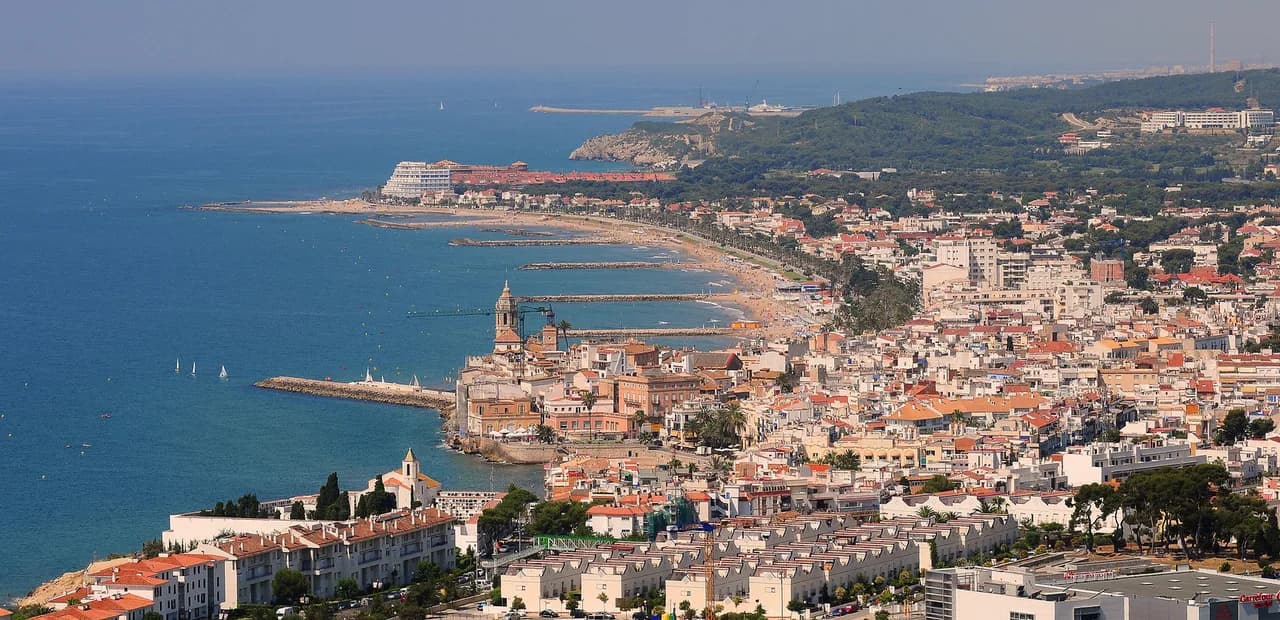
The promenade is the town's best free activity in March, running from the marina past the main beaches toward the Terramar end. On a bright day you can walk it for an hour with the sea on one side and the town on the other. Expect a breeze and bring a layer for the exposed stretches.
Garraf Natural Park sits just outside town, a limestone landscape of rocky coast, scrub and trails that suits a half-day walk when the weather holds. Paths can be muddy after rain, so pick a dry day and wear shoes with grip. After a wet morning, save it for later in the trip.
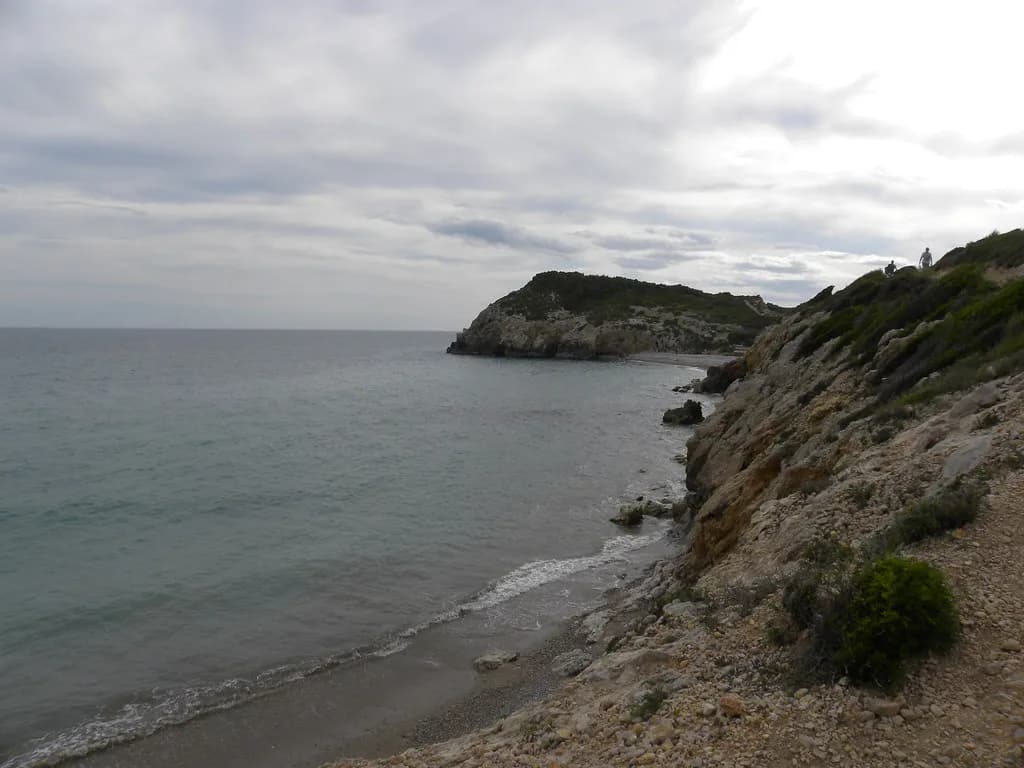
The outlying coves south of town, including Platja del Muerto, are reached by a rough track or a bus toward Miralpeix, and the walk takes the better part of an hour each way. In March these are quiet and photogenic but not serviced like summer, with no lifeguard cover. If you go, carry water and treat it as a hike rather than a beach day.
Day Trips That Work in March
Barcelona is the obvious day trip: trains from Sitges reach the city in about 40 minutes, and in March the Sagrada Família, Park Güell and the Gothic Quarter come with shorter queues than in summer. A train-bus combination also serves the route, which is budget-friendly compared with taxis. Check the current R2 Rodalies timetable for your return before you set out.
The Penedès wine country inland is the standout shoulder-season trip, centered on cava producers and vineyard tours that work well when the coast is windy or damp. Cellar visits may require booking in advance and schedules vary by estate, so contact the winery you want to visit directly. It is a calmer alternative to another beach walk.
Montserrat and the mountains behind Barcelona are a longer day out, better suited to a full day with clear weather. In March the higher ground can be cold and changeable, so keep an eye on conditions before committing.

Crowds, Prices and the Trade-Offs
March is still low season in Sitges, which means thinner crowds, easier restaurant tables and a general sense that you have the town to yourself compared with July. Lodging and dining typically sit below summer levels, though you should check current rates for your specific dates. The main trade-offs are the cold sea, the possibility of rain and cool evenings.
Holy Week changes the picture: if your trip overlaps 21–28 March 2027, expect more domestic visitors and higher demand around the long weekend. Book that window early. Outside it, March remains one of the more relaxed months to see Sitges.
Short daylight early in the month and the clock change on 28 March 2027 also affect how you plan each day. Front-load sightseeing in the morning and leave the evenings for long dinners or a drink in the old town.
Who Should Pick Another Month
March suits walkers, museum-goers, food travelers and anyone using Sitges as a base for Barcelona or the Penedès. It is also a good pick if you want the promenade and old town without the summer crush. Travelers who need warm sea, guaranteed sun and full beach-club service should wait until late spring or summer.
If you are set on winter, February brings Carnival energy and November offers the quietest shoulder season, but for milder afternoons and longer evenings March is the sweet spot. Pair it with the wider winter picture if you are building a longer Catalonia trip.
Plan Your March Visit
Sitges in March is a usable, unhurried version of the town: mild afternoons around 16°C, cool nights, a cold sea and enough open museums and restaurants to fill a few days. Build the trip around the Cau Ferrat and Maricel, the old town and the promenade, with Barcelona or the Penedès as day trips.
Book early if you fall inside Holy Week, plan around the clock change on 28 March 2027, and treat the beaches as scenery rather than swimming spots. Travelers who want guaranteed sun and warm water should look further south or wait for summer.
Explore more Sitges winter guides
Frequently Asked Questions
Is March a good time to visit Sitges?
March is a good shoulder-season choice if you want mild afternoons, thin crowds and open museums without summer heat. The sea stays cold and rain is possible, so it suits walkers and city-trippers more than beach holidaymakers.
What is the weather like in Sitges in March?
Typical conditions are a high near 16°C (60°F) and a low around 8°C (47°F), with a breeze, about a 19% chance of rain on a given day and roughly 11.9 hours of daylight. These are long-term averages, not a forecast.
Is the sea warm enough to swim in Sitges in March?
No, not for most people. Air temperatures reach a mild 16°C or so, but the Mediterranean off Sitges stays cold well into spring. Plan on short dips at most and use the beaches for walking.
Is Sitges quiet in March?
Yes, it is quiet but not closed. Museums generally stay open and enough bars and restaurants run, though some summer-only services and daily market stalls scale back. Holy Week can bring more visitors.
What is there to do in Sitges in March?
Visit the Museu del Cau Ferrat and Palau de Maricel, wander the old town and church terrace, walk the promenade and Garraf Natural Park, and take day trips to Barcelona or the Penedès cava country.
Is Sitges worth a day trip from Barcelona in March?
Yes, it works well as a day trip. Trains reach Sitges in about 40 minutes, and in March you avoid the summer crowds while still finding the old town and museums open. Check the return train time before you go.
Sources
Winter travel notes
Optional updates when we add or revise winter guides.
You might also like


Continue reading
More guides you'll find useful