Christmas in Sitges: What the Holiday Week Is Really Like
Christmas in Sitges is mild, slow and local, with short bright days, seafood lunches and Catalan traditions, and Barcelona half an hour away for big-city lights.
On this page
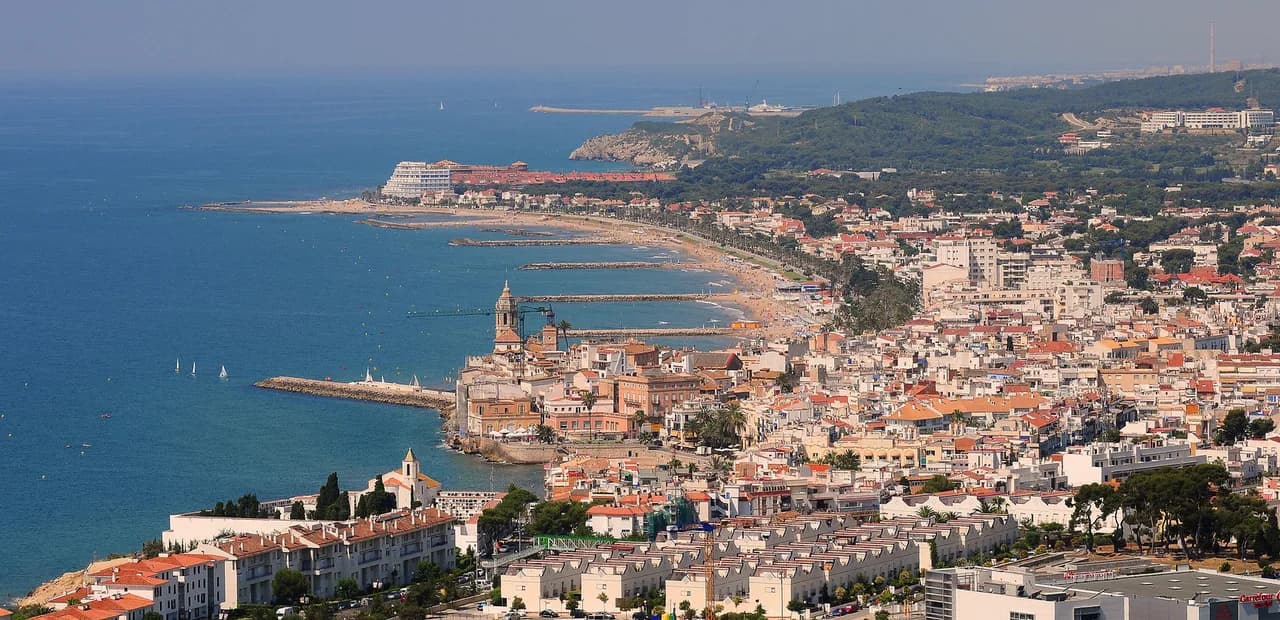
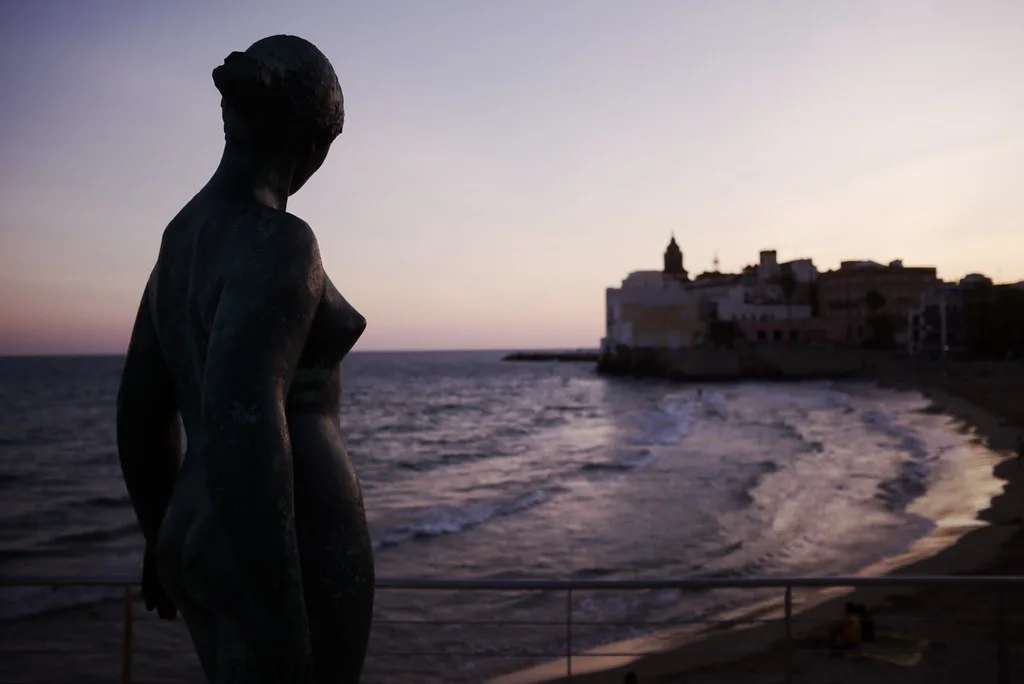
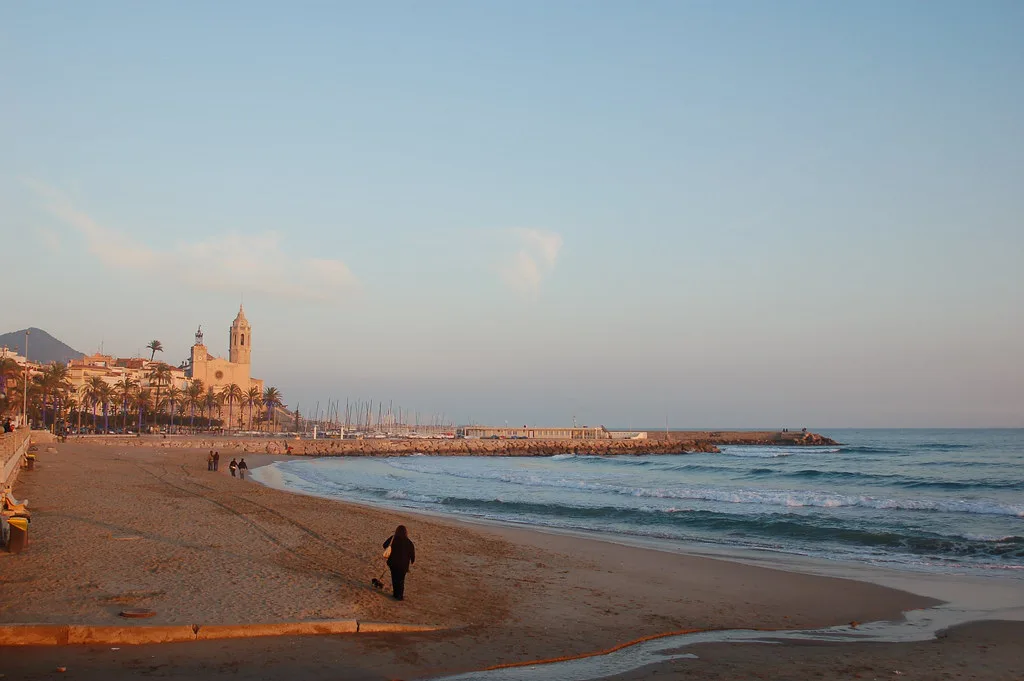
Sitges at Christmas is a Mediterranean town in hibernation mode. The promenade empties, the beach bars are shuttered and the old town settles into a rhythm built around long lunches, family gatherings and a few strings of lights rather than a grand festive production. The weather is mild enough for a jacket-and-sunglasses walk along the sea, and the reward for arriving now is space, calm and lower prices than in summer.
It suits couples, solo travelers and families who want a low-key holiday base with a real town around it and Barcelona within easy reach. It is a poor fit for anyone chasing Christmas-market atmosphere, late-night shopping or guaranteed restaurant choice on 25 December, when much of Spain effectively stops. Set expectations around a quiet week, not a spectacle.
What Sitges Is Like at Christmas
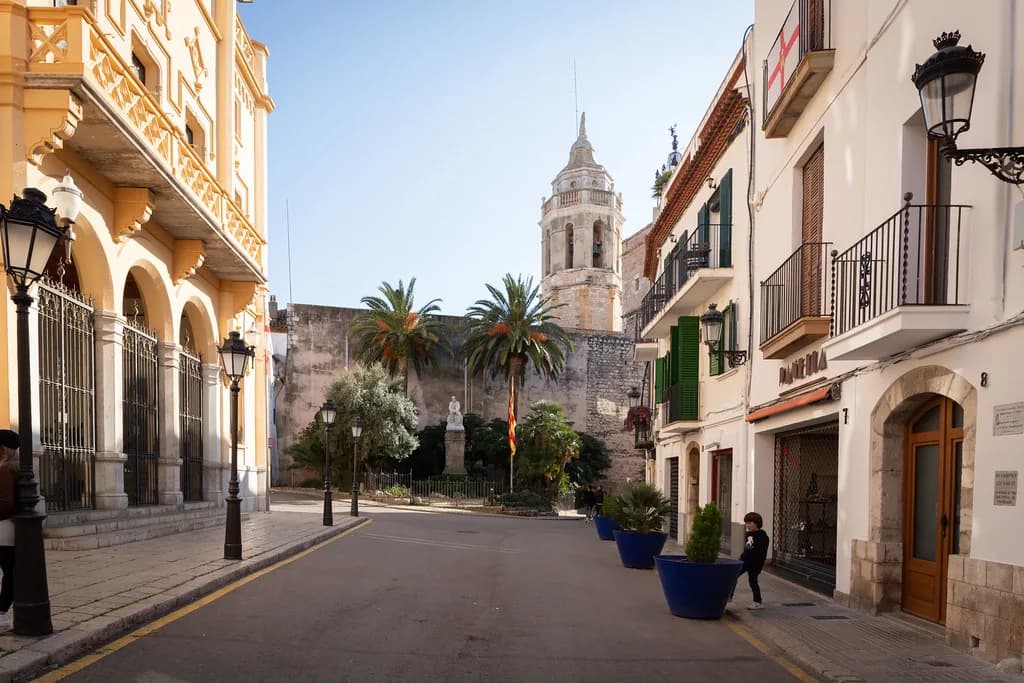
Think of late December here as the town's off season with decorations. The beaches are for walking, not swimming, the seafront terraces run on reduced hours and the old town's narrow streets are pleasant to wander without summer crowds. Locals treat the holiday as family time at home, so the public life of the town is concentrated in the days before and after the main dates.
The trade-off is real: shorter days, some closed businesses and a restaurant scene that thins out sharply around 24 and 25 December. In exchange you get a mild coastal base, easy train access to Barcelona and a version of Catalonia that feels lived-in rather than staged for visitors. If you want a Christmas built on markets, lights and crowds, plan the big-city days into your trip.
Weather in December
December in Sitges is cool rather than cold by northern European standards, with daytime temperatures typically in the low to mid teens Celsius and noticeably colder nights, especially when a clear, windless night settles over the coast. Rain arrives in occasional wet spells rather than all-day downpours, and the sea moderates the temperature compared with inland Catalonia. Treat these as long-term averages and not a forecast for your dates.
Daylight is the factor that shapes your day most around the solstice, when the sun sets shortly after five in the afternoon and mornings stay dim until well past eight. Plan sightseeing and coastal walks for the middle of the day and keep museums, long lunches and shopping for the late afternoon. Conditions shift considerably from year to year, so the wider Sitges in winter picture is worth reading before you fix dates.
Christmas Eve and Christmas Day
Christmas Eve, 24 December, is the main family evening in Catalonia, built around a late, long dinner rather than a public celebration. Many restaurants serve festive menus that night, and they book out early, so reserve well ahead if you want to eat out. Christmas Day 2026 falls on a Friday, and it is the quietest day of the entire week for shops and restaurants.
New Year's Day 2027 also falls on a Friday, which stretches the holiday feel across two long weekends. Expect some businesses to close on the public holidays and to run reduced hours in between, and treat the days from 26 to 30 December as the most normal of the period for eating out and shopping. Ask your restaurant or hotel directly about their own holiday hours when you book, because they change from year to year.
Catalan Christmas Traditions to Look For
The traditions you will encounter are Catalan rather than generically Spanish. Look for the pessebre, the nativity scene set up in homes, shop windows and public spaces, often with a quirky figurine known as the caganer tucked in among the shepherds. The tió de Nadal, a painted log that children 'feed' and then beat to release small gifts, is another fixture of family celebrations in December.
Food carries much of the season: torrons, the nougat-like sweets sold in slabs, and cava, the sparkling wine of the nearby Penedès, appear in shops and on menus throughout the month. Local sweet shops and delicatessens stock these as gifts as well as for the table, which makes them a good place to buy something genuinely regional. The Spanish Christmas lottery on 22 December is a national event that many visitors find fascinating to watch.
Christmas Lights and Street Atmosphere
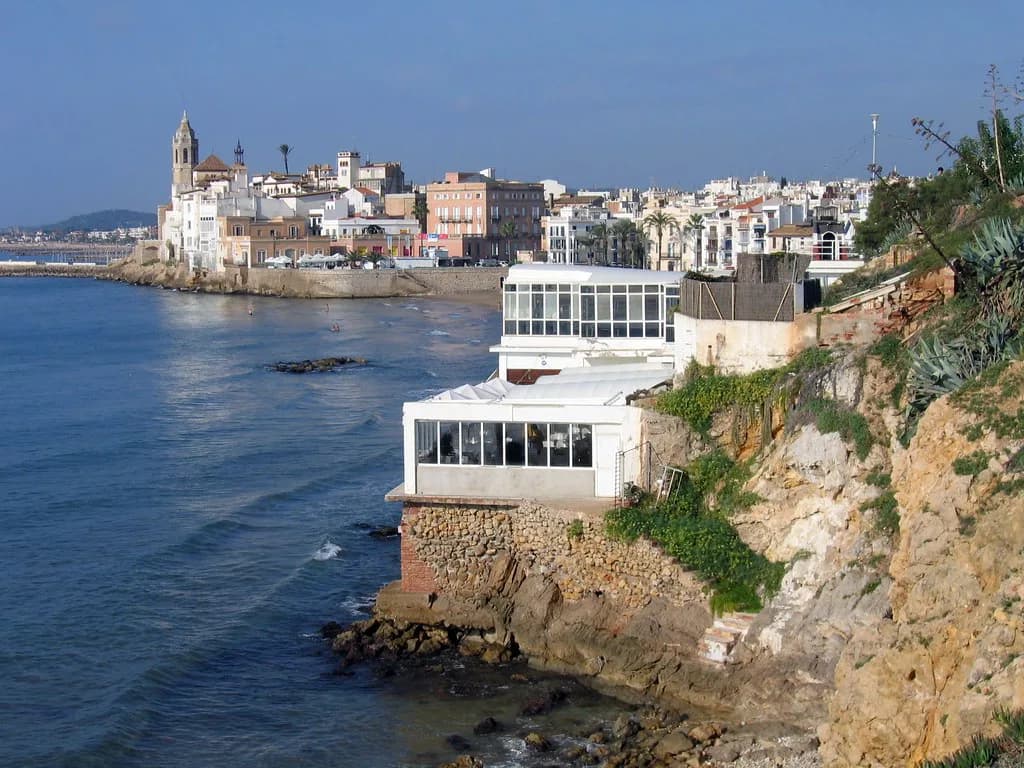
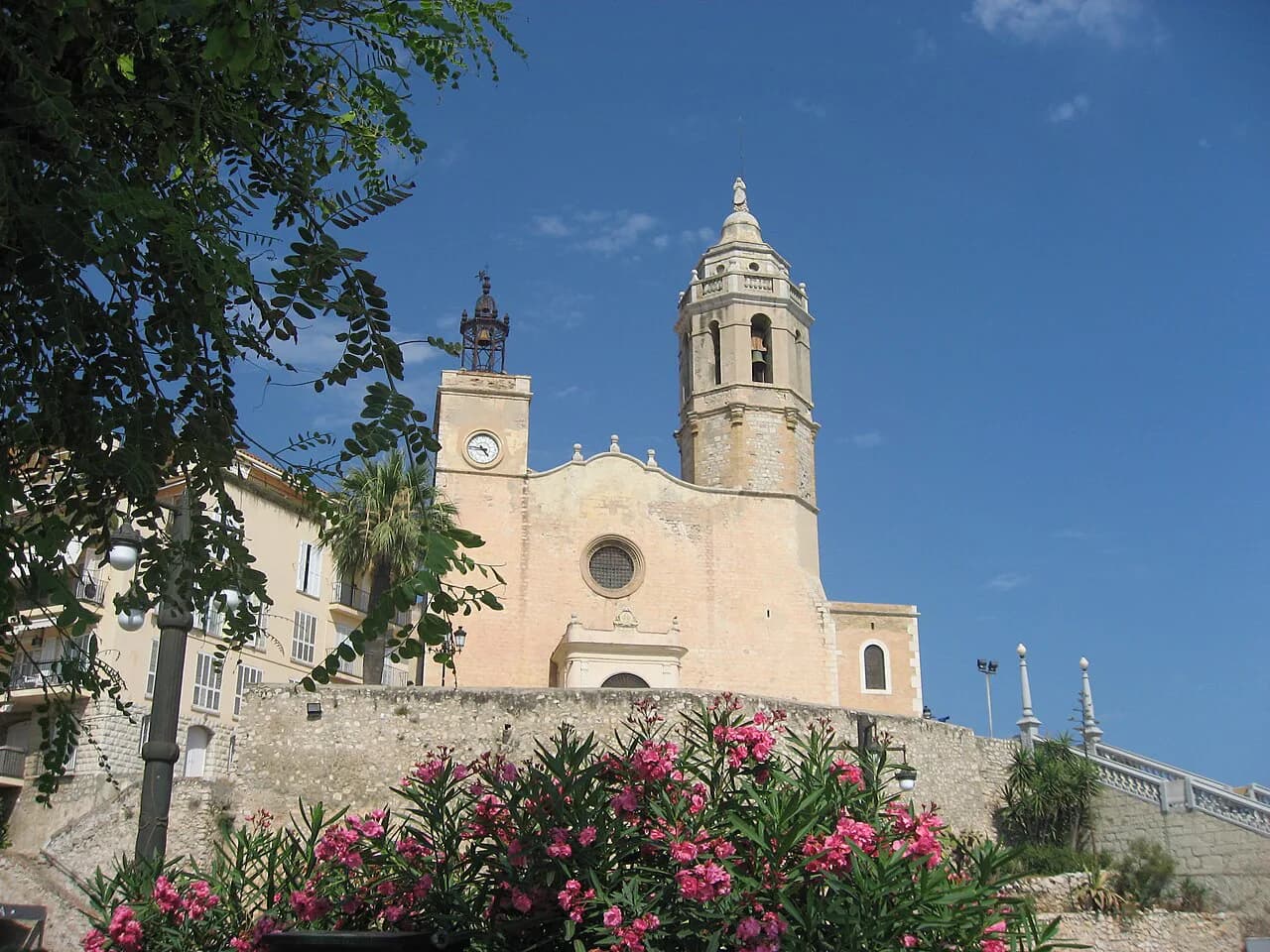
Sitges decorates its main streets and squares with lights rather than running a large-scale installation, and the effect is charming in a low-key way once the sun drops. The old town and the seafront are the places to stroll in the evening, with the lit facades of the church above the beach providing the most photographed view in town. The atmosphere is gentle rather than dazzling: this is a town that celebrates quietly.
Barcelona, around half an hour away by train, is where the big-city Christmas lighting happens. Its main shopping streets and squares carry elaborate installations that draw crowds through December and into early January, and the city's markets are on a completely different scale from anything in Sitges. A day trip into the city, timed for dusk so you see the lights come on, is the single best way to get both experiences in one holiday.
The Small Christmas Market and Local Shopping
Sitges keeps its Christmas retail modest, with shops around the town center offering decorations, handicrafts and gourmet gifts rather than a sprawling market quarter. December brings small festive events and market stalls run by local businesses, usually announced only weeks before rather than fixed a year in advance, and hotel venues stage their own gatherings alongside them. Gifts with real local character come from the food side: chocolate, torrons, artisan cheese, wine and cava.
Where to Eat Over the Holidays
Seafood and rice are the backbone of a Sitges lunch: fideuà, arròs a la cassola and grilled fish, eaten slowly at midday rather than rushed in the evening. Several restaurants offer festive holiday menus in December, and these are exactly the places that fill up first, so a reservation made days ahead is the difference between a long lunch and a supermarket dinner. Midday is the meal to prioritize around Christmas, since many kitchens wind down early.
Around the public holidays, treat eating out as something to plan rather than assume. The safest window is 26 to 30 December, when most places operate normally, while 24 and 25 December and 1 January are unpredictable even in a town that lives partly on visitors. When you reserve, ask the restaurant directly about its hours on those specific days.
New Year's Eve in Sitges
New Year's Eve in Spain follows a script: a late dinner with family or friends, then twelve grapes eaten one by one at each midnight chime, a custom that brings good luck for the year ahead. In a town like Sitges the celebration is intimate rather than spectacular, with restaurants and bars hosting dinners and gatherings rather than a single central event. Book a table if you want a proper meal, and expect informal celebrations in bars afterwards.
Some hotels and venues publish special New Year's Eve menus and parties, but details change every year and are usually announced in the late autumn. Plan the structure of your evening around a long dinner and midnight, and keep the dress code smart but relaxed. If you want the big countdown atmosphere, Barcelona is the alternative for the night.
Epiphany on 6 January 2027
Epiphany on Wednesday 6 January 2027, known in Spain as the Día de los Reyes Magos, closes the Christmas season and is often the most anticipated day for children. The evening before, towns across Catalonia stage cabalgatas, the Three Kings' parades, with costumed riders arriving to distribute presents. Towns also mark the occasion with a Rosca de Reyes, the ring-shaped sweet bread eaten on the day.
Parade routes and start times for 6 January 2027 are published locally in the final weeks, usually by the town council and local media, so watch for the announcement once you are there rather than relying on a date fixed months in advance. If you are still in Sitges on that date, the day is a rewarding, family-oriented end to the holiday period and a good reason to extend a Christmas trip into January.
Things to Do in Winter Weather
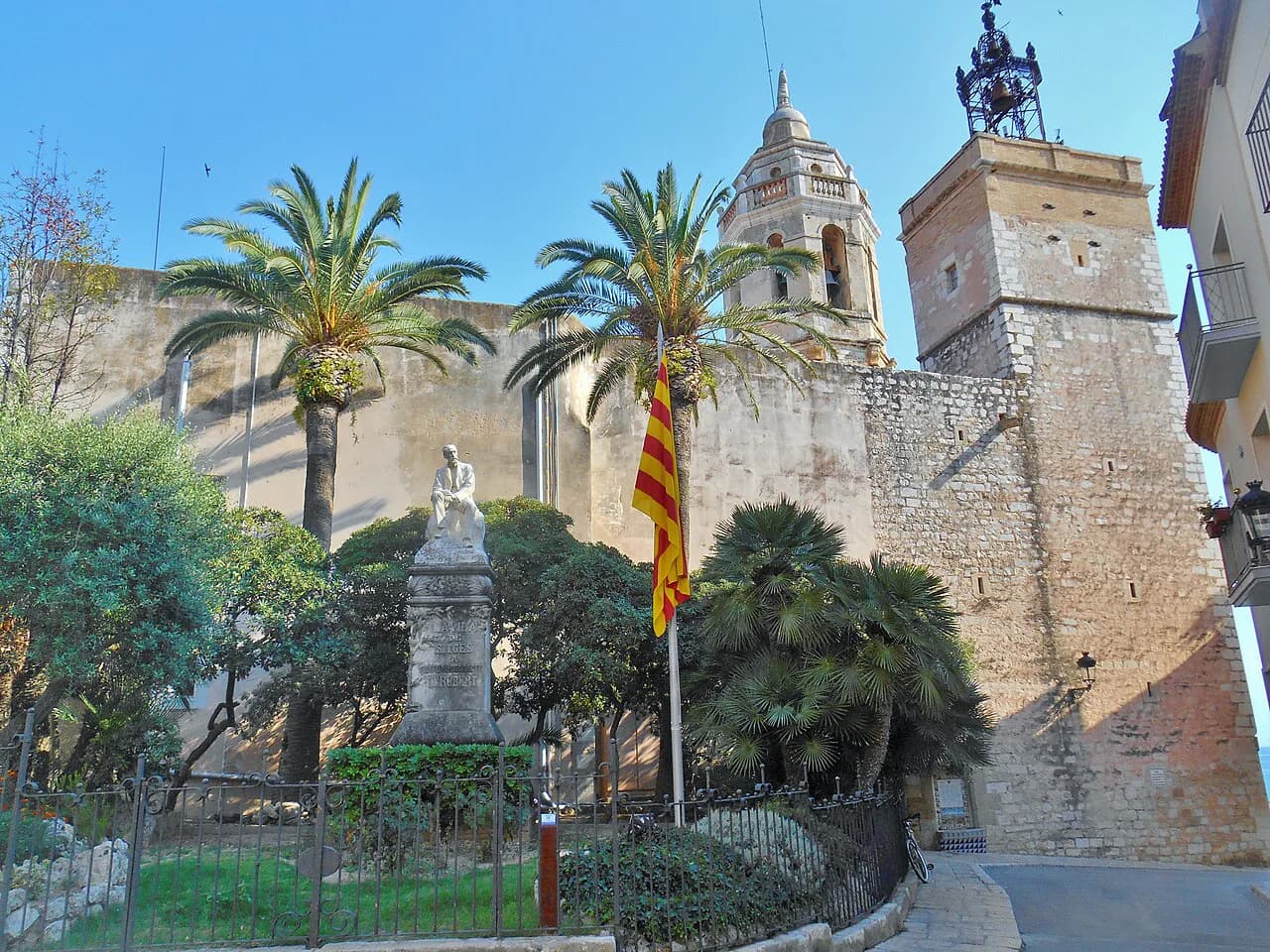
The church of Sant Bartomeu i Santa Tecla, perched above the beach, anchors the old town and rewards the short climb with views over the seafront and along the coast. Museums and cultural spaces give you an option when rain sets in, and the narrow streets of the old center are made for slow wandering and browsing rather than a checklist. The Terramar area and the coastal paths offer easy walks when the sun is out, and a January visit follows much the same pattern with fewer people about.
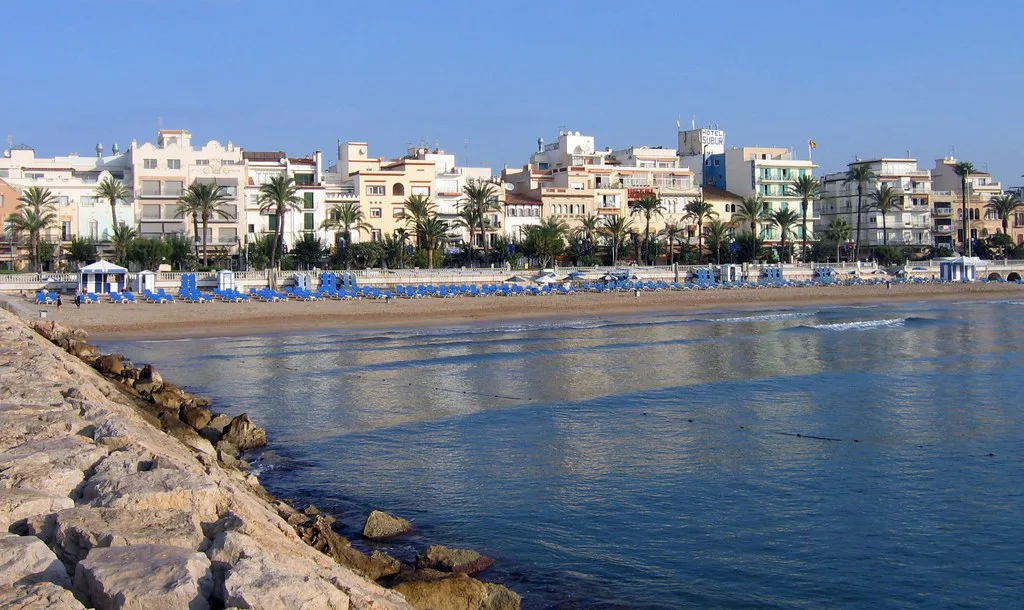
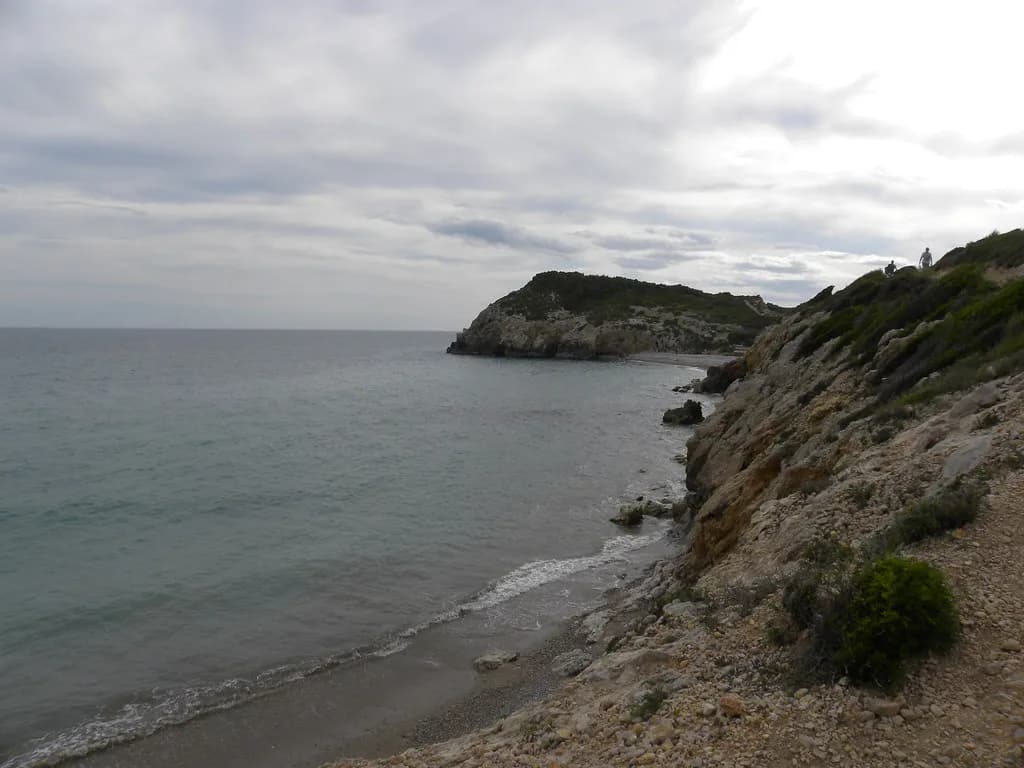
The promenade along the Passeig Marítim is the town's great winter asset: a long, level seafront walk that works in almost any weather and gives you the sea without the crowds. Beyond the town, the trails of the Garraf Natural Park climb into limestone hills with coastal views and quiet, rocky coves, suited to walkers rather than sunbathers in December. Keep a flexible plan that swaps a walk for a museum when the weather turns, and note that the Garraf paths stay open through the winter months.
Day Trip to Barcelona
Barcelona is the obvious day trip from Sitges and its Christmas offering is on a completely different scale. Expect elaborate lighting installations, city markets, department-store windows and dense evening crowds through December. Go for the afternoon and stay into the evening to see the lights at their best, then take a late train back to the quiet of Sitges; if you are weighing up Catalonia against Andalusia, Christmas in Málaga offers a warmer, louder alternative for comparison. For the full picture of Spanish festive traditions beyond Catalonia, see our guide to Christmas in Spain.
Day Trips: Costa Dorada and Penedès
The Penedès wine country lies inland from Sitges and is the source of much of the cava on local tables. Several wineries run visits and tastings in winter, although opening days can be limited, so book ahead directly with the winery you want rather than turning up. The autumn pruning season makes the vineyards less photogenic than in summer, but the cellars and tasting rooms are at their most relaxed.
The Costa Dorada stretches southwest from Sitges, with coastal towns that go very quiet outside the summer season, making them good for a scenic drive and a slow lunch rather than a beach day. Winter is also the best time to enjoy the coastline without traffic, but many seafront businesses close entirely until spring. As a comparison for a bigger-city Spanish Christmas elsewhere, Christmas in Spain covers Madrid and the south, and it is worth a look if you are still choosing a base.
Getting Around
Trains connect Sitges with Barcelona directly and frequently, and the station is a short walk from the town center, which makes a car unnecessary for most holidays. The service is the Rodalies suburban network, and winter schedules stay largely intact, with quieter carriages now that the summer day-trippers have gone. Buses link the town with nearby villages, and taxis cover the rest.
If you are coming from Barcelona Airport, the easiest pattern is to reach the city first and then take the train south, since direct airport-to-Sitges options are limited. Local buses serve nearby villages and are useful for short hops when a car is more trouble than it is worth. Keep a flexible plan and let the weather decide whether the day goes to the coast or inland.
Who Christmas in Sitges Suits
Christmas in Sitges suits travelers who want a mild, quiet coastal week with a real town around them, easy day trips and a strong local food culture. It is a good choice for couples, solo travelers, and families with older children who value walking and long lunches over entertainment programs. It is the wrong pick if you want markets, lights and a constant buzz, since this is the quietest week of the town's year.
If you are chasing a livelier winter, consider later in the season: Carnival Tuesday falls on 9 February 2027, when the town fills with costumes and processions instead of quiet streets. Summer brings the beach season and Sitges' busiest restaurants, so pick your dates based on whether you want the town packed or peaceful. Both have their appeal, and neither really competes with the other.
Plan Your Christmas Trip
Book a table for any meal you care about on 24, 25 and 31 December, and keep those days light on plans so you are not caught out by closures. Use the days from 26 to 30 December for restaurants, shopping and day trips, when the town runs closest to normal. A trip built around long lunches, seafront walks and a Barcelona day trip makes the most of the season here.
Come in with realistic expectations: short days, some closed doors and a town that celebrates at home rather than in the street. In return you get mild weather, breathing space and a genuine slice of Catalan holiday life, with the big-city Christmas a short train ride away. If that balance sounds right, this quiet Mediterranean week delivers far more than a crowded summer visit would.
Frequently Asked Questions
What is Christmas like in Sitges?
It is quiet and local rather than spectacular. The town decorates its streets with lights, families gather for long meals and Catalan traditions, and the days around 25 December see many businesses close. You get mild weather, an empty promenade and a relaxed version of the holiday.
Is Sitges worth visiting at Christmas?
Yes if you want a peaceful coastal week with mild weather, good seafood and easy access to Barcelona. It is less suitable if you expect Christmas markets, dense crowds or plenty of restaurants open on the main days. Choose it for calm rather than spectacle.
What is open in Sitges on Christmas Day?
Very little. Christmas Day is the quietest date of the holiday week, with many shops and restaurants closing, so plan a self-catered or hotel meal and sort out any restaurant booking directly with them in advance. The days from 26 to 30 December return to closer to normal.
What is the weather like in Sitges in December?
December is cool rather than cold, with mild daytime temperatures and colder nights, some rain and short daylight around the solstice. Conditions vary from year to year, so treat seasonal figures as averages and follow a current forecast before your trip.
How do you get from Barcelona to Sitges in winter?
Take the Rodalies train, which runs directly between Barcelona and Sitges with many departures a day, and the ride takes around half an hour. The station sits close to the town center. Trains run through winter, with quieter carriages once the summer visitors are gone.
When are the Three Kings parades in Sitges?
The cabalgatas take place on the evening of 5 January, the eve of Epiphany, which falls on Wednesday 6 January 2027. Routes and start times are published locally in the final weeks, so look for the town council's announcement once you are there and keep the evening free.
Sources
Winter travel notes
Optional updates when we add or revise winter guides.
You might also like
Continue reading
More guides you'll find useful