Sitges in February: Winter Weather, Carnival and What's Open
February in Sitges brings mild coastal days, low-season calm and one of Catalonia's biggest carnivals. Here is what the weather, crowds and town feel like.
On this page
Sitges in February is a Mediterranean beach town in its off-season mode: mild, often bright, and far quieter than the summer months. The seafront promenade and old-town lanes belong mostly to locals and long-stay visitors, with the museums easy to walk into and the cafes uncrowded. It suits travelers who want coastal walks, Catalan food and a bit of art without heat or queues, not those chasing swimming weather.
The month then flips for Carnival, when Sitges stages one of Catalonia's most extravagant festivals and hotels and streets fill accordingly. Plan around that split: a calm week before or after, or the celebration itself, which is a different trip entirely. For the wider season picture, the Sitges in winter overview covers December through March in one place.
Sitges in February at a Glance
Think of February as two towns. Outside Carnival week you get a low-season Costa Dorada resort where the pace is slow, the beaches are for walking rather than lying on, and the cultural sights are calm. During Carnival, the same streets host parades, costumes and late nights, and the town briefly behaves like high season.
Daytime temperatures stay mild by northern European standards, which is exactly why the town works for strolling in February. The trade-off is short daylight, a real chance of rain, and a sea that is far colder than the air. Decide early which version of February you want, because the two require different bookings and different expectations.
Weather in February
February sits at the cold end of the Sitges year, but "cold" here means mild coastal winter rather than freezing. Daytime highs are typically in the mid-teens Celsius, with nights noticeably cooler and often damp; published averages for the coldest months put daytime temperatures around 15°C (about 59°F). Treat these as long-term typical conditions, not a forecast, and expect blue-sky days to alternate with grey, rainy ones.
Rain falls on a handful of days across the month rather than in a steady drizzle, so a wet morning often gives way to a usable afternoon. Daylight is still short in early February and stretches noticeably by month's end, which argues for planning outdoor walks and the seafront in the middle of the day. Wind off the Mediterranean can make a sunny 14°C feel sharper on the promenade, so a layer matters more than a heavy coat.
The Sea Temperature Question
The Mediterranean off Sitges is at its coldest in February, well below the air temperature, so this is not a swimming month for most visitors. Local winter swimming on Christmas Day is a tradition rather than a routine dip, and even residents describe the sea as bracing. If you want warm water, February is the wrong month and the Canary Islands in February is the honest comparison for a winter beach trip.
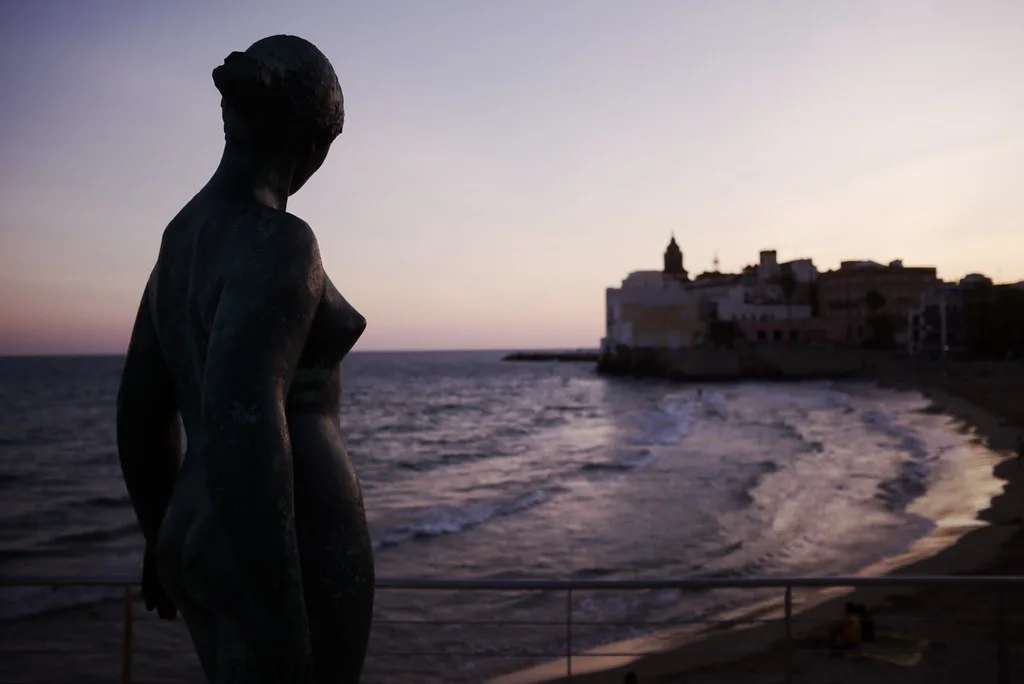
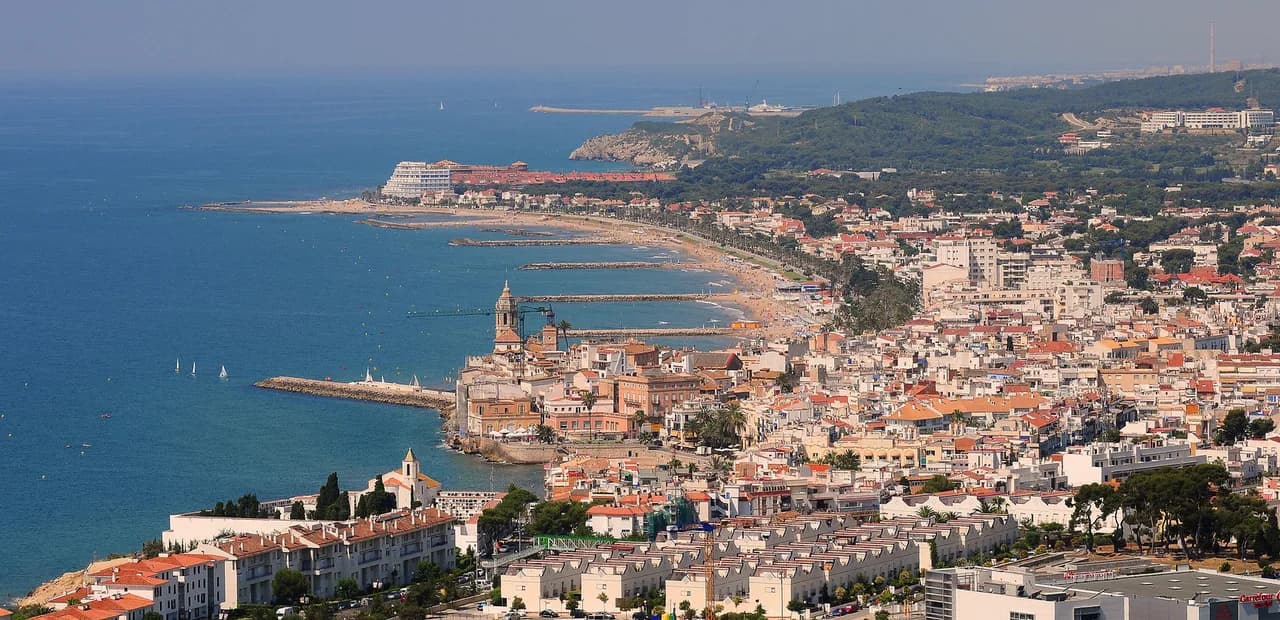
The beaches still earn their place: off-season they are quiet, clean and good for walking, with the Passeig Marítim giving a long, flat route along the water. Expect beach bars and seafront businesses to run reduced hours or stay shut outside Carnival week. For a warmer-feeling island alternative in the same month, Mallorca in February offers mild walking weather without the swimming either.
Carnival in February 2027
Carnival is the reason February matters in Sitges. In 2027, Carnival Tuesday falls on 9 February, with Ash Wednesday on 10 February, so the main celebrations cluster in the days running up to that Tuesday. The festival is built on parades, elaborate costumes, floats and late-night street parties, and it draws visitors from across Catalonia rather than just the town.
During Carnival the town changes character completely: rooms fill, restaurants get busy and the streets stay loud into the night. The exact program of parades and events is published by the organizers each year, and that is where the times and route details belong rather than in any general guide. If the festival is your reason for coming, build the trip around those days; if it is not, avoid them.
Carnival Timing: Before, During or After
Booking before Carnival gives you the quiet town plus the build-up, with decorations going up and a growing buzz, usually at low-season rates. Booking during Carnival means paying peak prices for a party rather than a beach holiday, with less space and more noise. Booking just after Ash Wednesday returns you to calm almost immediately, which suits travelers who want the museums and walks.
The practical trade-off is simple: the same week can feel like two different destinations depending on the dates you pick. Check the official Carnival program before fixing dates, then match your booking to the experience you actually want, since February is not uniformly quiet.
What Is Open in Winter
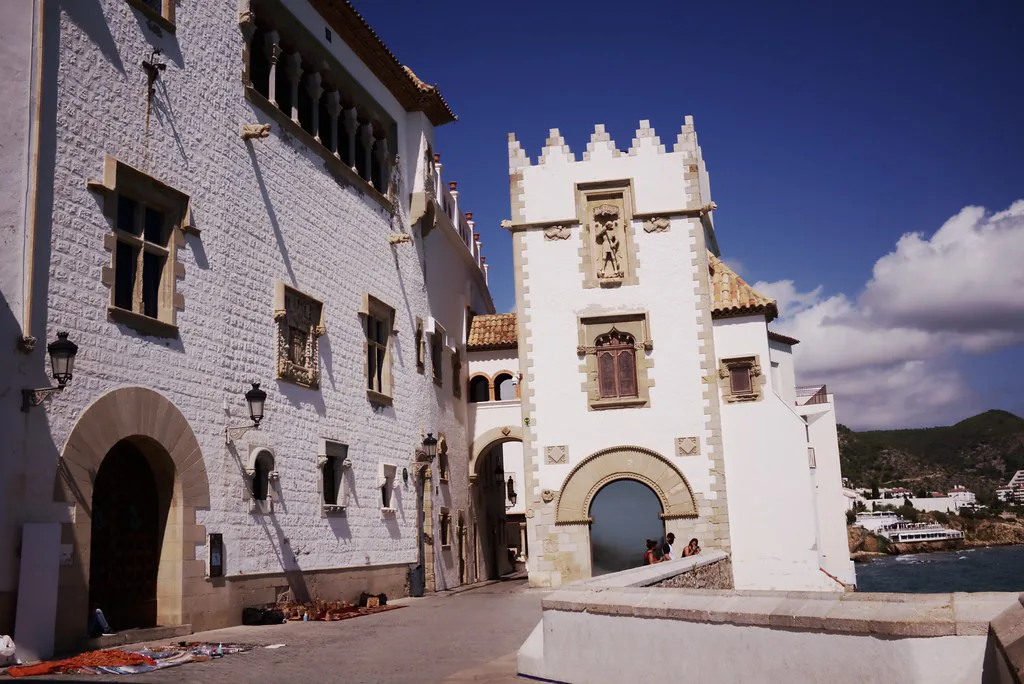
Sitges keeps its core cultural sights running through winter. The Cau Ferrat and Maricel museums, which hold the town's art and history collections, are much quieter in the colder months, so you can take them at your own pace instead of filing past crowds. That calm is one of the strongest arguments for a February visit.
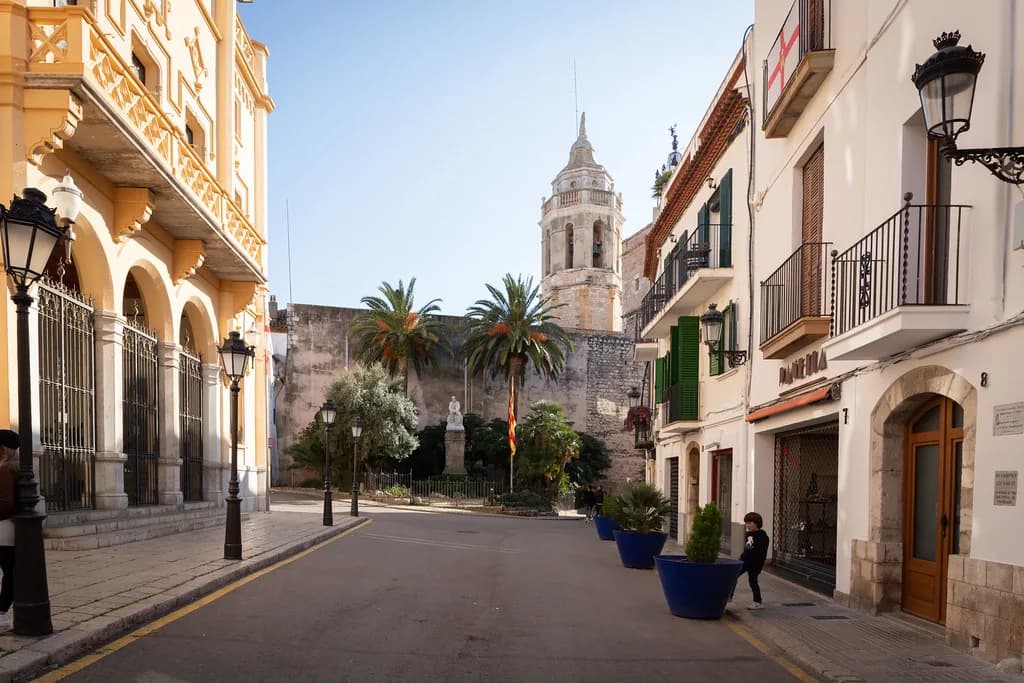
The old town, the Church of Sant Bartomeu i Santa Tecla above the seafront and the Passeig Marítim stay open and walkable year-round, since they are public spaces rather than seasonal attractions. What scales back is the commercial beach infrastructure: seafront bars, beach clubs and some seasonal restaurants cut hours or close outside the Carnival peak. For a comparison of how the town's opening pattern shifts across the season, Sitges in December shows the same rhythm a month earlier.
Things to Do in February
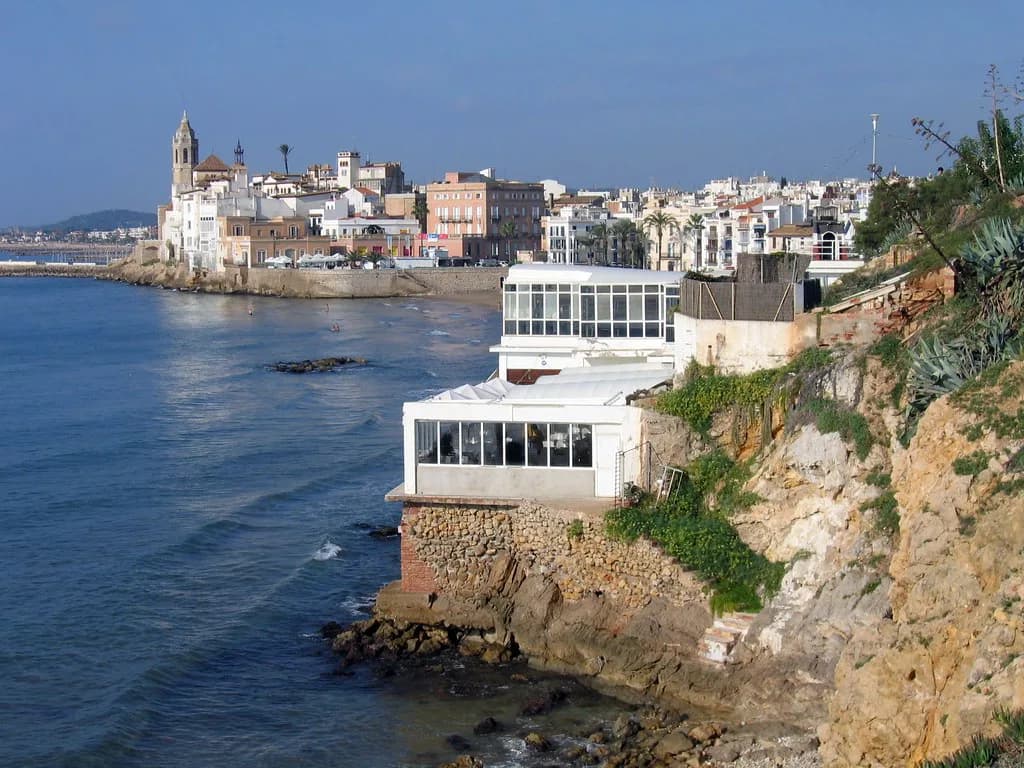
Build days around the old town and the seafront. The parish church of Sant Bartomeu i Santa Tecla sits above the rocks at the heart of town and frames the classic view back along the coast, while the lanes behind it hold boutiques, bakeries and bars that are pleasant to browse without summer crowds. The Church of Sant Bartomeu i Santa Tecla is also the landmark to orient yourself by on a short break.
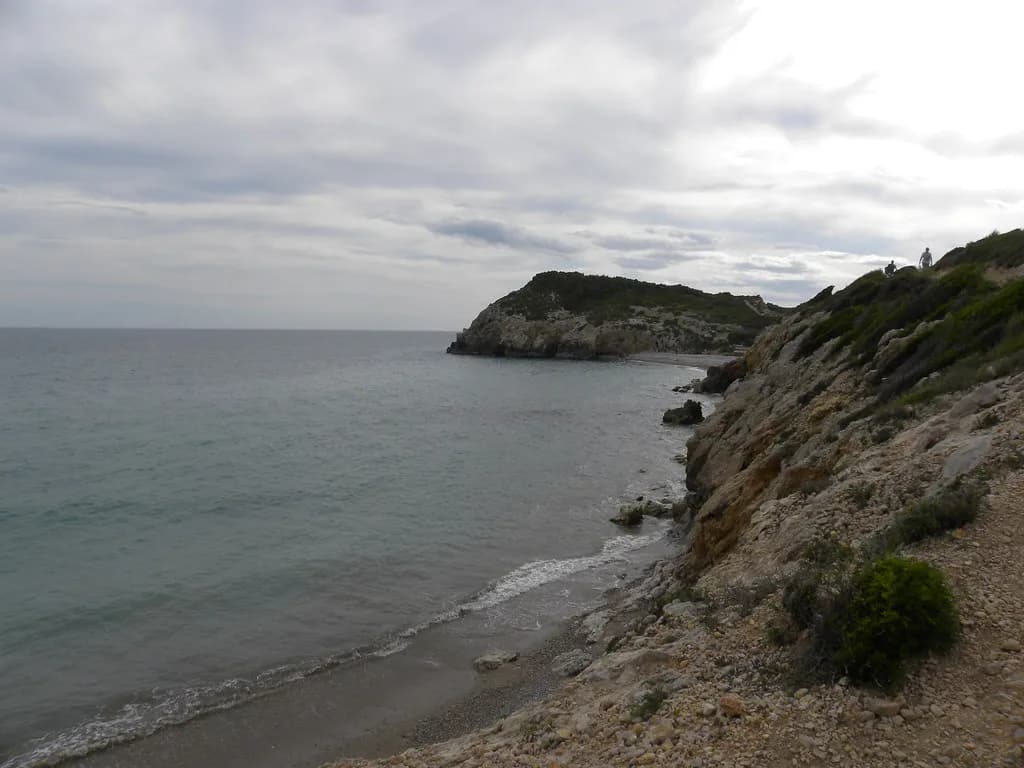
For exercise, head into the hills behind town. The Garraf massif offers trails for different levels, coastal views and vineyard country on its edges, and cooler February temperatures make middle-of-the-day walking comfortable rather than punishing. After a wet spell, paths can be muddy, so pick a dry day and start early enough to be back before the light fades. If you are weighing a different winter month, Sitges in January covers the same walks with an even quieter town.
Calçots and Catalan Winter Food
February is calçot season, and the calçotada is the meal to seek out: spring onions grilled over open flame, dipped in romesco sauce, then followed by grilled meat. It is a communal, messy, deeply Catalan winter ritual, and it gives February a genuine culinary reason to visit beyond mild weather. Sitges restaurants lean into heartier winter cooking at this time of year.
Beyond calçots, expect stews, grilled vegetables, cured meats and cava from the nearby Penedès. Winter is also when the town's restaurants are calm enough to linger, which is not true in summer. Ask locally which kitchens are running calçotades and book ahead at weekends, when Catalan families travel out for them. By Sitges in March the calçot season is winding down and the food mood shifts toward spring.
Day Trips That Work in Winter
Barcelona is the easiest day trip: frequent trains run along the coast and take well under an hour, so you can combine a Sitges base with a city day without a car. In February the city's headline sights are quieter than in summer, though Gaudí sites still need booking. Montserrat, the mountain monastery inland, works as a full-day excursion and is clearer and less crowded outside high season.
For wine, the Penedès region around Sant Sadurní d'Anoia is cava country and reachable by train, with cellar visits running through winter. Combine it with the Garraf Natural Park for a day of walking and tasting. These are all realistic February outings because they rely on trains and indoor spaces rather than summer-only beach or boat services.
Crowds and Price Level
Outside Carnival week, February is one of the quietest and best-value months in Sitges. Accommodation is cheaper than in summer or during the festival, restaurants have space, and the museums and streets are calm. The trade-off is reduced service: some seafront businesses and beach bars are closed, and the town feels residential rather than resort-like.
During Carnival, the opposite applies: rooms are in demand and prices climb toward peak levels, streets are packed and the atmosphere is festive rather than restful. If you want sun, warm sea and long evenings, wait for late spring or September. If you want quiet, mild walks, art and Catalan food, February delivers at a fraction of the summer intensity.
Plan Your February Trip
Choose your week deliberately. Book around Carnival if the festival is the draw, and just before or after it if you want the quiet, affordable version of Sitges. Either way, plan outdoor time for the middle of the day, keep an indoor museum option ready for wet weather, and treat the sea as scenery rather than a swimming pool.
The town rewards a slower pace in February: a morning in the Cau Ferrat and Maricel museums, a walk along the seafront, a long calçotada lunch and a train day to Barcelona or the Penedès. Confirm the Carnival program and museum hours with the organizers before you lock in dates, then build the rest of the trip around daylight.
Frequently Asked Questions
How warm is Sitges in February?
Daytime temperatures typically sit in the mid-teens Celsius, with the coldest winter months averaging around 15°C (about 59°F) according to published climate figures. Nights are noticeably cooler and often damp, so a sunny afternoon on the promenade feels very different from an evening in the old town. Treat these as typical long-term conditions rather than a forecast and expect a mix of bright and grey days.
Can you swim in the sea in Sitges in February?
The Mediterranean is at its coldest in February, well below the air temperature, so most visitors will not want to swim. Local winter dips around Christmas are a tradition rather than a routine, and residents themselves describe the water as bracing. If warm sea is essential to your trip, look at a winter sun destination instead and save Sitges for walking, museums and food.
Is Sitges quiet in February?
Outside Carnival week, February is one of the quietest months of the year, with space in the museums, calm restaurants and a low-key seafront. The exception is Carnival, when the town fills with visitors for parades, costumes and late-night street parties and hotel demand rises sharply. Match your dates to whichever version of the month you want.
When is Carnival in Sitges in 2027?
Carnival Tuesday falls on 9 February 2027, with Ash Wednesday on 10 February, so the main celebrations cluster in the days leading up to that Tuesday. The town's Carnival is known for parades, elaborate costumes, floats and late-night parties that draw visitors from across Catalonia. The detailed program of events and routes is published by the organizers each year.
Is Sitges worth visiting in February?
Yes, if you want mild coastal walking, quiet museums such as Cau Ferrat and Maricel, Catalan winter food such as calçotades and an easy train day to Barcelona or the Penedès. It is not the month for swimming, sunbathing or long evenings outdoors, since daylight is still short and rain is possible. Travelers who want warm sea and beach days should wait for late spring or September.
Sources
Winter travel notes
Optional updates when we add or revise winter guides.
You might also like

Continue reading
More guides you'll find useful