Málaga in November: Weather, Lights and What's Open
Plan Málaga in November with typical temperatures and rain, the Calle Larios light switch-on, open sights and day trips, plus who this mild month suits.
On this page
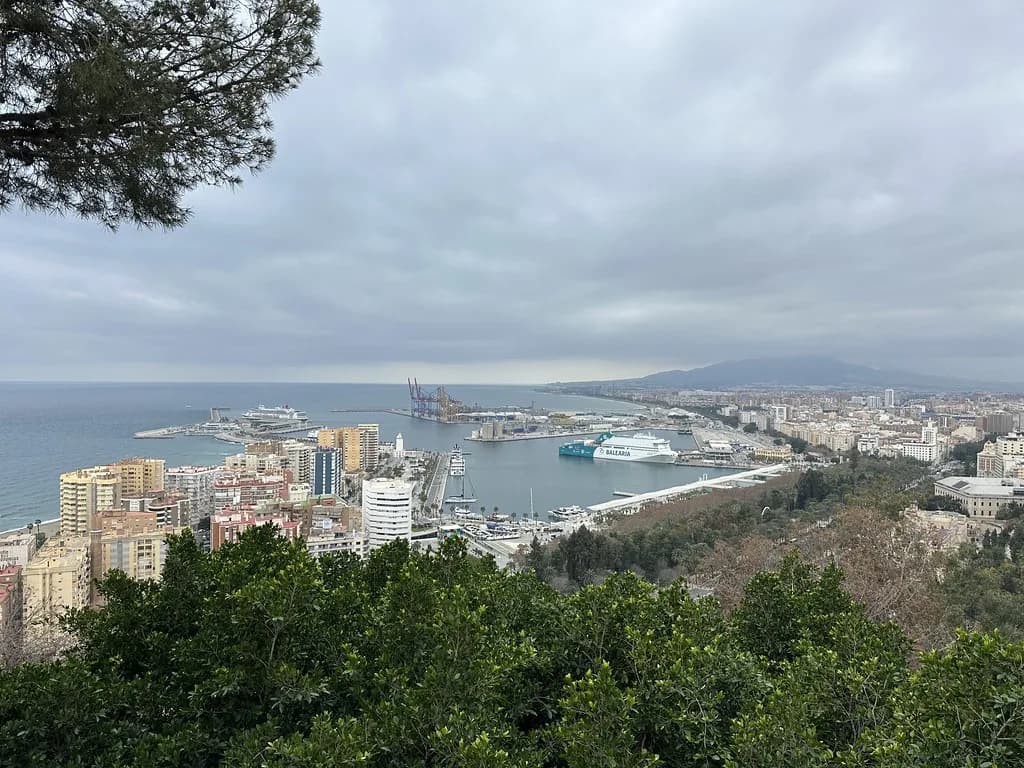
November is when Málaga stops being a beach city and becomes a city you walk. Daytime temperatures sit around 17–18°C (62–64°F) with roughly five hours of sunshine a day, which is warm enough for lunch on a terrace and cool enough for the Alcazaba hill without breaking a sweat. If you want the Alhambra-and-tapas version of Andalusia rather than the sun-lounger version, this is your month.
It also suits travelers who dislike crowds. November sits between the summer surge and the Christmas season, so museums, restaurants and the airport all feel calmer than in August. The trade-off is real, though: the sea is cold, some beach bars wind down, and the month's character changes sharply once the Christmas lights go on at the end of it.
Weather in November
Expect typical daytime highs of 17–18°C (62–64°F) and about five hours of sunshine daily — roughly three times what northern Europe gets in the same weeks. Humidity is high, so a 17°C afternoon can feel considerably warmer in direct sun and noticeably colder in shade or after sunset. Pack for both.
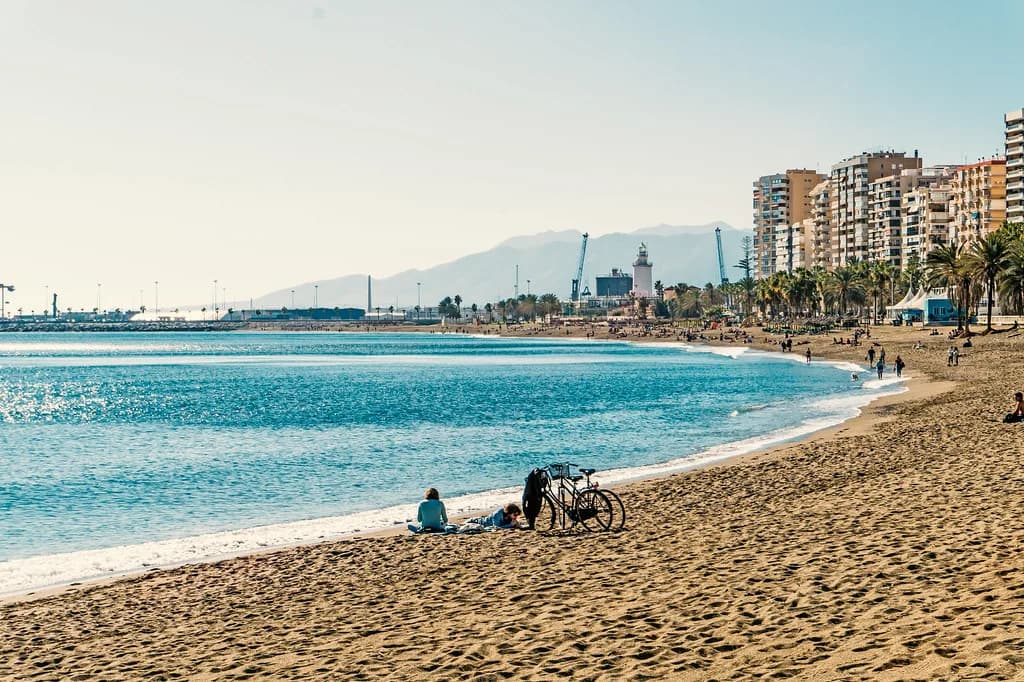
The Mediterranean cools to around 16–17°C (61–63°F) in winter, which is refreshing for a quick dip and bracing for a long swim. Sunbathing is possible on a bright afternoon but not reliable; treat the beach as a place for a walk and a coffee rather than the main event.
Rain arrives in showers rather than all-day downpours, but a wet afternoon is a real possibility in November and coastal humidity makes it feel chillier than the temperature suggests. Build one indoor option into each day so a shower costs you an hour, not the afternoon.
Daylight and Shorter Afternoons
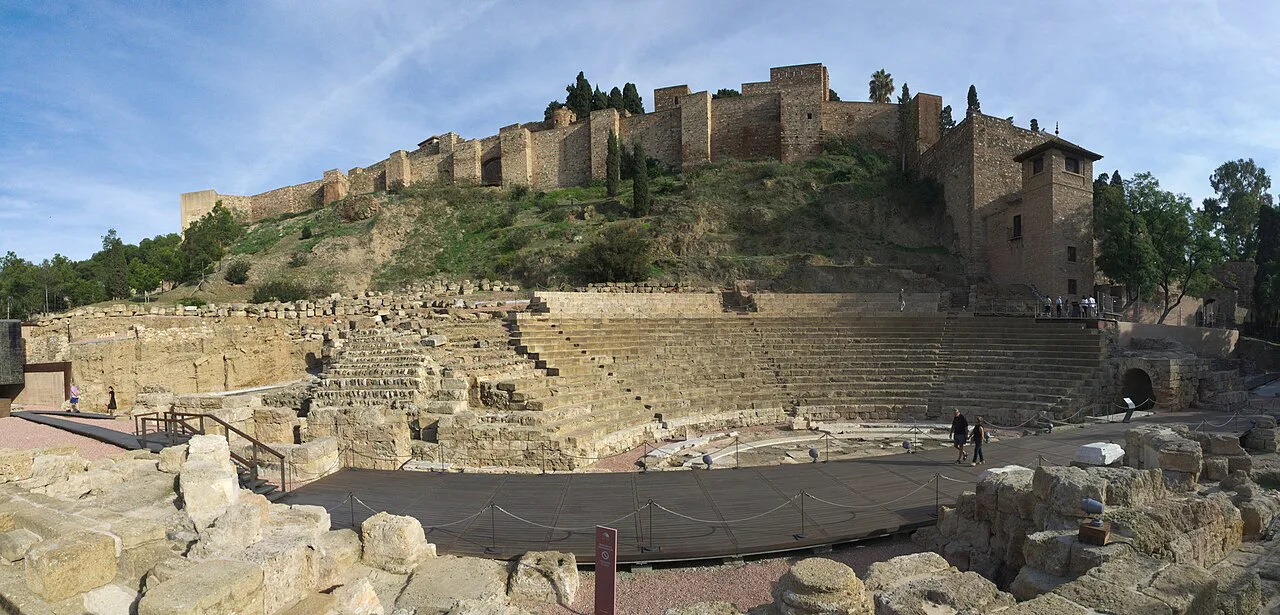
Clocks go back on the last Sunday of October, so November afternoons close in early. In early December the sun is still setting around 6pm, which tells you November light fades fast after mid-afternoon — plan outdoor sights like Gibralfaro and the Roman theatre for the morning and early afternoon.
That compressed daylight is the strongest argument for basing yourself in the historic center rather than out along the coast: you can fit in the Picasso Museum, a late lunch and a walk along the port without losing an hour to transport. Evenings are long and mild, which is why the terrace culture still works in November.
What Changes in November
Málaga is a working city, not a resort, so most museums, restaurants and major sights keep regular hours through November. Some beach clubs and chiringuitos on exposed stretches cut hours or shut from late October until March, while the ones in Pedregalejo and El Palo that serve locals tend to stay open year-round.
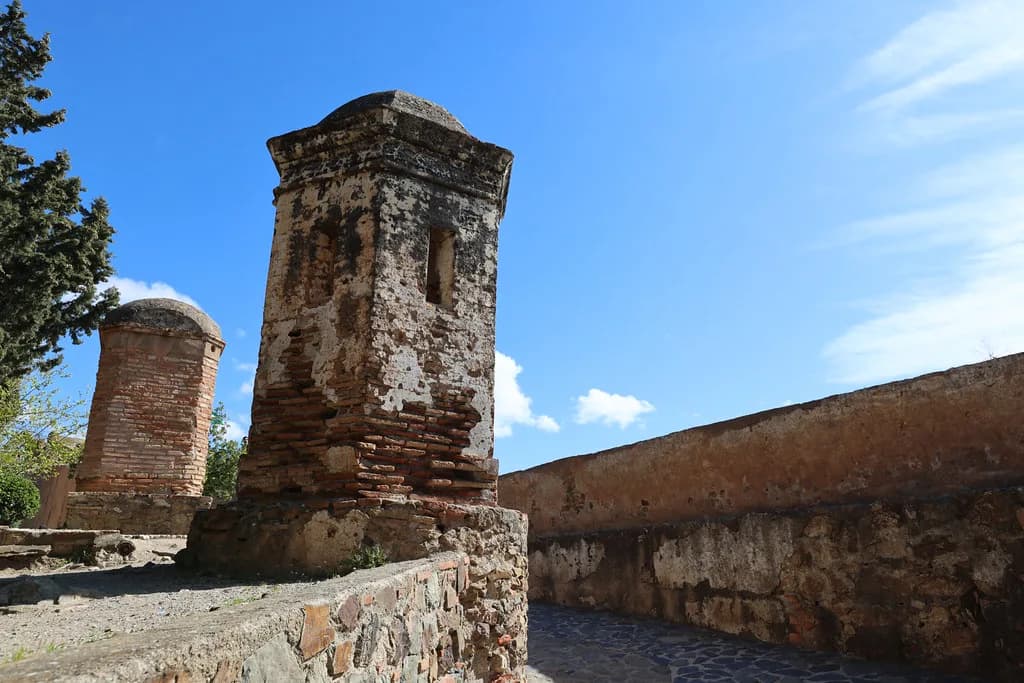
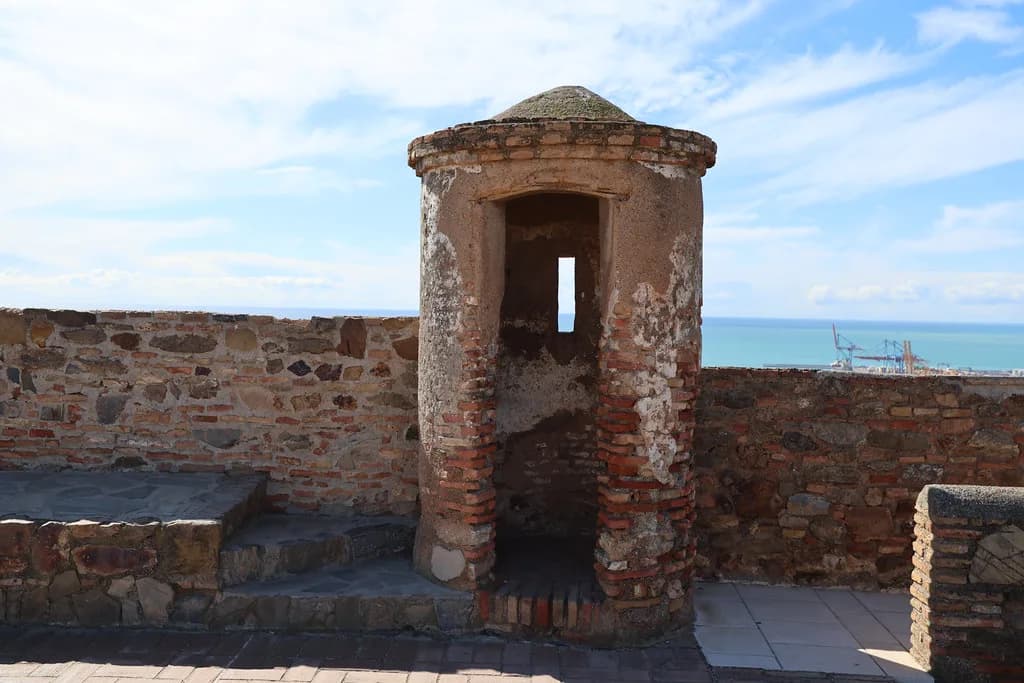
The Alcazaba shortens to a 6pm close from November through March instead of 8pm, so a late-afternoon visit needs to start earlier than in summer. The Cathedral, the Picasso Museum and the Carmen Thyssen keep consistent schedules across the winter, which makes them reliable anchors on a short trip. Check the Alcazaba's own calendar for the day you plan to go.
Calle Larios Christmas Lights and Evening Shows
The Christmas lights on Calle Larios traditionally switch on around the last Friday of November and stay up until early January, with synchronized light-and-music shows three times each evening. The exact switch-on date and show times for 2026 belong to the city's published programme, so confirm the current schedule before you book a late-November trip around it.
Opening night draws enormous crowds and is the one evening to avoid if you want to see the lights comfortably; a weekday evening early in the run is far calmer. Beyond Calle Larios, the Alameda Principal, Calle San Juan and the Cathedral facade all get their own illuminated treatment, so a single evening walk covers a lot.
The light shows are free street spectacle, which makes them the best-value evening in the city. They also mark a clear shift in the month's character: from late November Málaga is officially in Christmas mode, and the quiet, easy version of November is over.
Nativity Scenes and the Paseo del Parque Market
Spanish Christmas is built around the Belén, or nativity scene, and Málaga displays them in dozens of churches, museums and public buildings across the city. The city hall publishes a map each year showing where they are, and the Cathedral and the town hall patio are the two biggest set-pieces.
If a market is what you are after, the main one runs along Paseo del Parque, a long row of stalls near the historic center selling gifts, crafts and nativity figures through December until Epiphany. Treat it as a browse on the way to somewhere else rather than a destination: it is a Spanish Christmas market, not a Germanic one, and the lights are the real attraction.
Museums and Indoor Sights for a Wet Afternoon
November is the season to actually see the art: the Picasso Museum, the Carmen Thyssen in its 16th-century palace and the Centre Pompidou at Muelle Uno are all far quieter than in summer. The Carmen Thyssen's galleries catch soft winter light through historic windows, which makes the painting collection feel different from the height of summer.
For something quirkier, the Car and Fashion Museum in the old tobacco factory combines vintage cars with historic fashion and is genuinely good on a cold, wet day. The Picasso Museum and Centre Pompidou both sell timed tickets online, so book a slot for the rainiest afternoon of your stay rather than gambling on walk-up availability.
Hammam Al Andalus and Warm-Up Options
The Hammam Al Andalus, near the Roman theatre and the Alcazaba, offers thermal baths at three temperatures, a steam room and a Moorish-inspired setting that makes a chilly November evening feel like an event rather than a fallback. Book ahead, including any massage add-on, because slots fill even out of season.
The bar-and-tapas alternative is just as Málaga: a covered terrace, a plate of something hot and a glass of local wine. The city's restaurant terraces typically stay open and heated into November, which means the classic Málaga evening of eating outside does not stop when the beach season does.
Outdoor November: Gibralfaro, La Malagueta and La Concepción
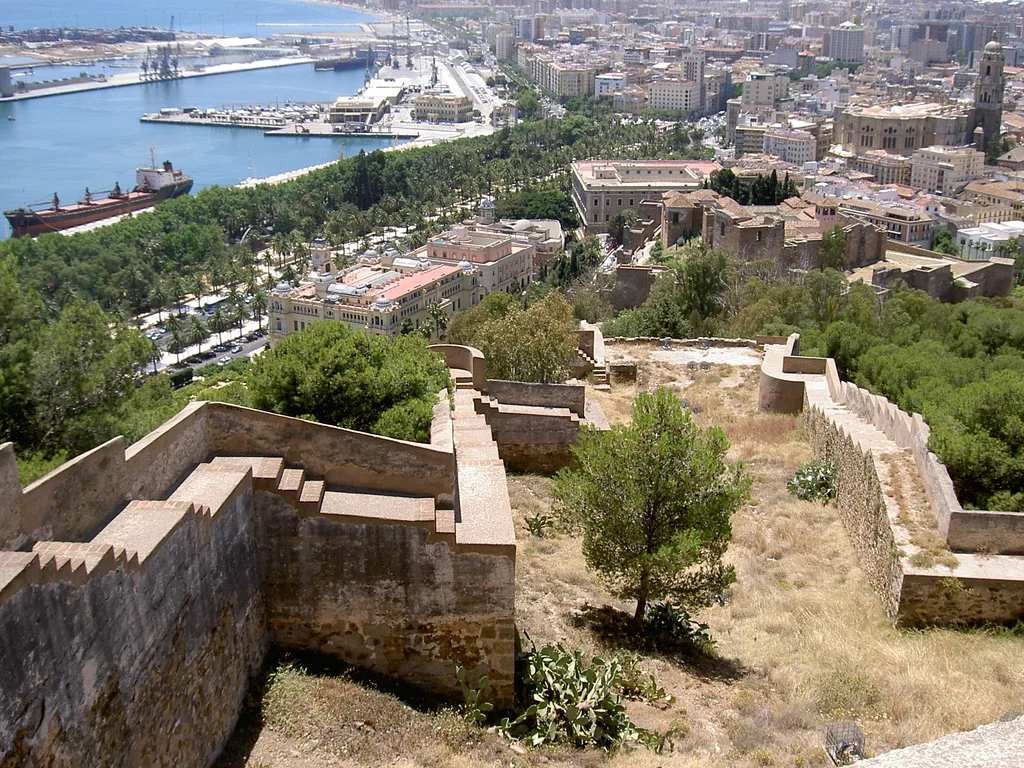
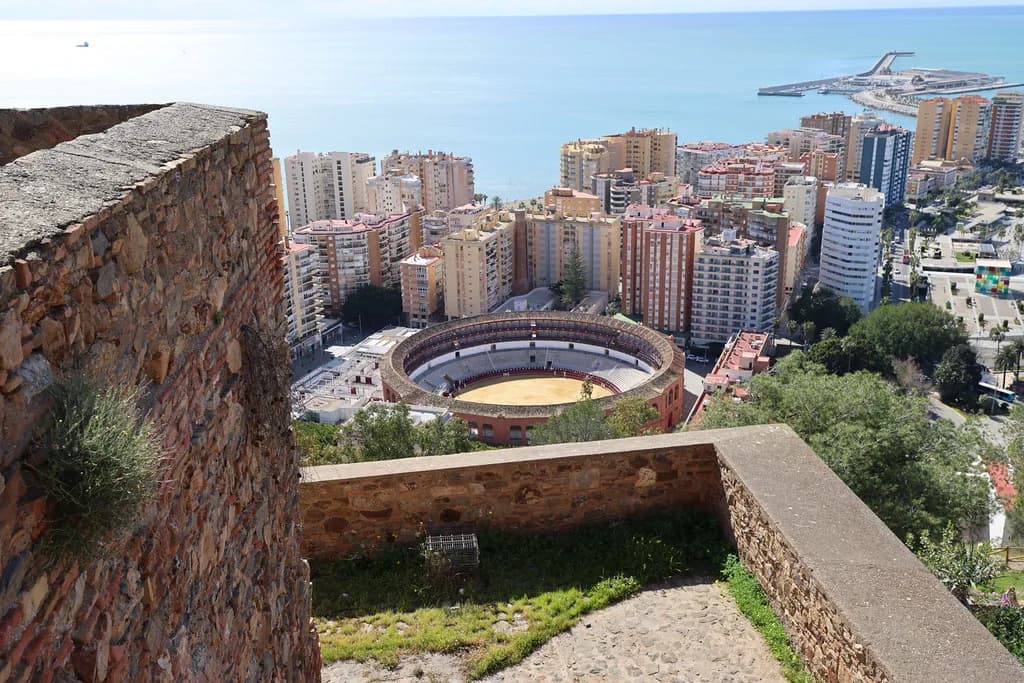
This is the month to walk up to Gibralfaro and the Alcazaba without the summer heat, and to stroll the Paseo Marítimo out to La Malagueta, where the beach is practically deserted. The promenade stays pleasant in November and the walk is one of the city's best free things to do.
La Concepción Botanical Garden, about ten minutes by taxi from the center, trims to winter hours of roughly 9:30am to 5:30pm from October to March, and its subtropical planting stays green all winter even though the wisteria waits for spring. Quiet Sunday afternoons in the garden are a genuinely local pleasure in November.
If you want to see what the rest of the Costa del Sol does as the season turns, the wider region's character shifts fast through this month, from still-warm inland cities to quieter coastal towns. For a comparison of how the season changes elsewhere in Spain, see our guide to Spain in November.
Day Trips That Work in November
The Caminito del Rey, about an hour from Málaga and reachable by direct train to El Chorro, is far more comfortable in November than in summer — but it closes in wind and rain, so watch the forecast before you commit. Ronda, roughly two hours by scenic train, is built for this season: cooler temperatures make the gorge and the Puente Nuevo viewpoints easy rather than exhausting.
For a rain-proof option, the Nerja Caves east of Málaga hold a constant temperature year-round and let you spend a wet morning underground; the town's Balcón de Europa viewpoint is a short, easy add-on. Antequera, with its courtly churches and inland feel, makes a solid full-day city trip by train and gives you a useful contrast with coastal Málaga.
November Food: Berza, Chestnuts and Turrón
Málaga eats differently in winter. Berza malagueña — a heavy stew of chickpeas, beef shank, pork, chorizo, pumpkin and greens — is the dish that defines the season, alongside gazpachuelo, a warm seafood and potato soup thickened with mayonnaise. Migas cortijeras, fried breadcrumbs with garlic and chorizo, is the mountain version of comfort food.
On the streets, roasted chestnut stalls appear as the days shorten, and Málaga's signature turrón — almond nougat, with Casa Mira among the long-standing shops to try — becomes central to the Christmas season in December. The Atarazanas Market is a good place to see what is in season if you want to eat it rather than just read about it.
Crowds, Prices and the Trade-Offs
November is the value month: flights, hotels and restaurants are all calmer than in summer and cheaper than in the Christmas period, and you can get a table without booking weeks ahead. If you care mostly about quiet sightseeing and food, this is Málaga's best few weeks.
The trade-offs are concrete: a real chance of rain, a cold sea, short afternoons and some beach infrastructure in hibernation. You also miss the full Christmas atmosphere until the very end of the month, and anyone expecting beach weather will be disappointed.
If your priority is the lights, parades and full festive calendar, come back in December when the city is fully decorated. If you want warmth without the summer crowds, October is the better bet; November is for travelers who would rather walk a quiet old town in a jacket than swim.
Getting Around Málaga in November
The airport is a short train ride from the city center, and the center itself is best done on foot: the Cathedral, the Alcazaba, the Picasso Museum and Calle Larios all cluster within a 15-minute walk. Buses and taxis handle La Malagueta, Pedregalejo, El Palo and La Concepción when the weather turns.
Day trips are easiest by train. Ronda, El Chorro for the Caminito del Rey and the inland cities all connect from Málaga's main stations, and rail keeps you out of mountain driving in wet weather. Leave the car behind on showery days.
Is November Right for Your Trip?
November is the honest shoulder month in Málaga: mild enough to eat outside, quiet enough to enjoy the museums, and just wet enough that you need a plan B. It rewards travelers who want the city rather than the beach.
Book the first three weeks if your priority is quiet and value, and the last week if you want the lights. Either way, build your itinerary around morning sightseeing, an indoor afternoon and a long terrace evening — that is what November in this city does best.
Explore more Málaga winter guides
Frequently Asked Questions
What is the average temperature in Málaga in November?
Typical daytime highs are around 17–18°C (62–64°F), with roughly five hours of sunshine a day. Humidity is high, so it can feel warmer in direct sun and colder in the shade or after dark, and the Mediterranean drops to about 16–17°C (61–63°F).
Can you sunbathe on the Costa del Sol in November?
On a bright afternoon you can sit out, and the locals still take the odd dip, but November is not a sunbathing month. The sea is around 16–17°C (61–63°F), the beach bars on exposed stretches often wind down from late October to March, and rain is a real possibility.
Is Málaga worth visiting in November?
For city travelers, yes. Museums, restaurants and the old town are far quieter than in summer, temperatures suit walking, and there is a clear shift of mood once the Christmas lights come on at the end of the month.
When do the Christmas lights switch on in Málaga?
The Calle Larios lights traditionally go on around the last Friday of November and stay until early January. The switch-on crowd is huge, so a weekday evening after opening night is calmer, and the city's published programme is the best source for the current year's date and show times.
Is the sea warm enough to swim in Málaga in November?
No, not comfortably. Water temperatures sit around 16–17°C (61–63°F), which is fine for a short invigorating dip and a shock for anything longer. Treat the promenade as the destination and the water as optional.
What day trips from Málaga work in November?
Caminito del Rey, Ronda, Nerja and Antequera are all reachable and far more comfortable than in summer. The Caminito can close in wind and rain, so check the forecast before booking; the Nerja Caves are a good wet-weather substitute.
Sources
Winter travel notes
Optional updates when we add or revise winter guides.
You might also like
Continue reading
More guides you'll find useful