Lille in November: Weather, Events and Things to Do
Lille in November means grey skies, early sunsets and a strong museum scene. See what the weather feels like and what stays open for a city break.
On this page
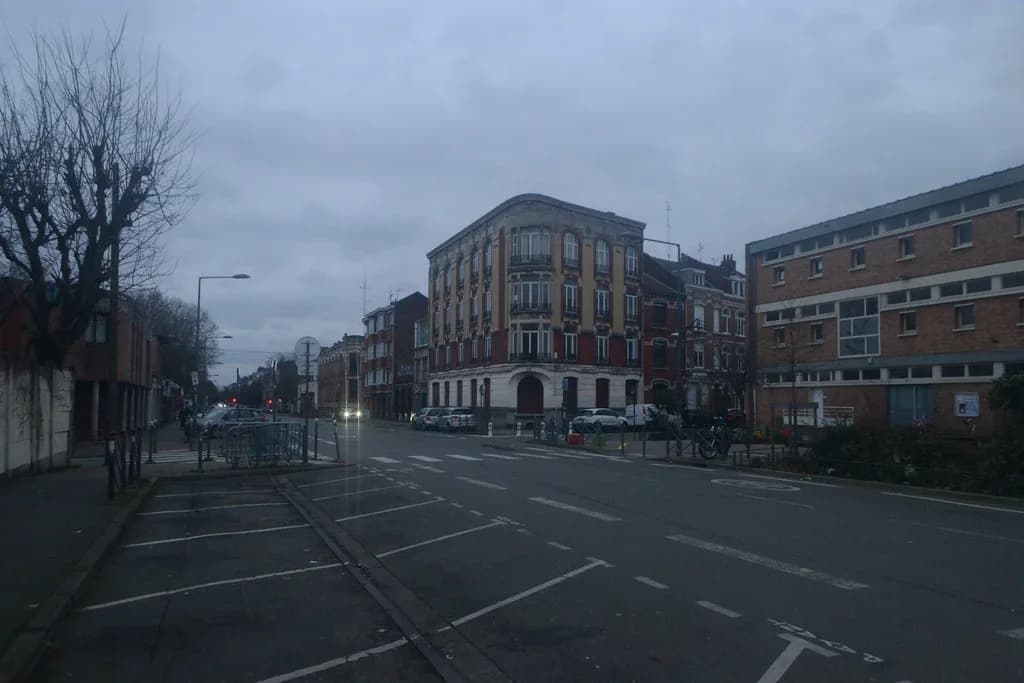
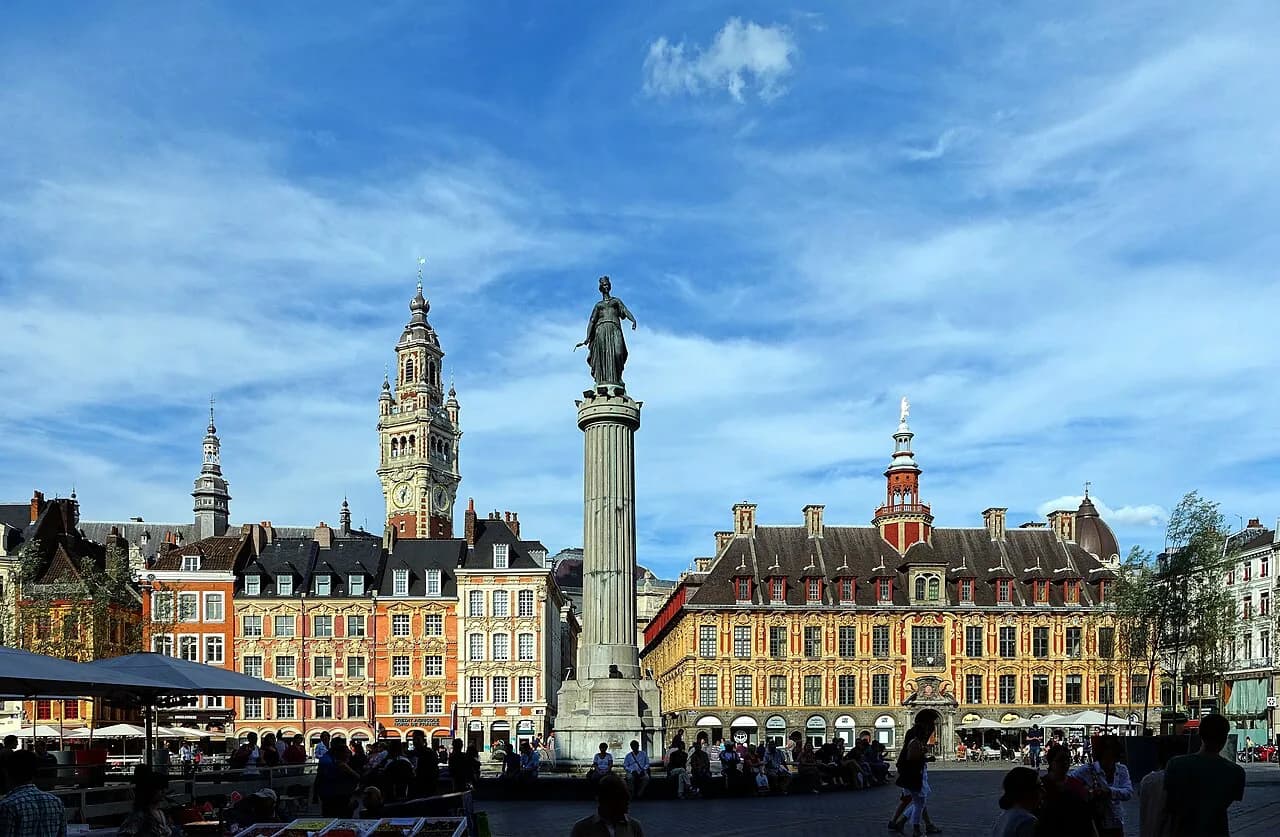
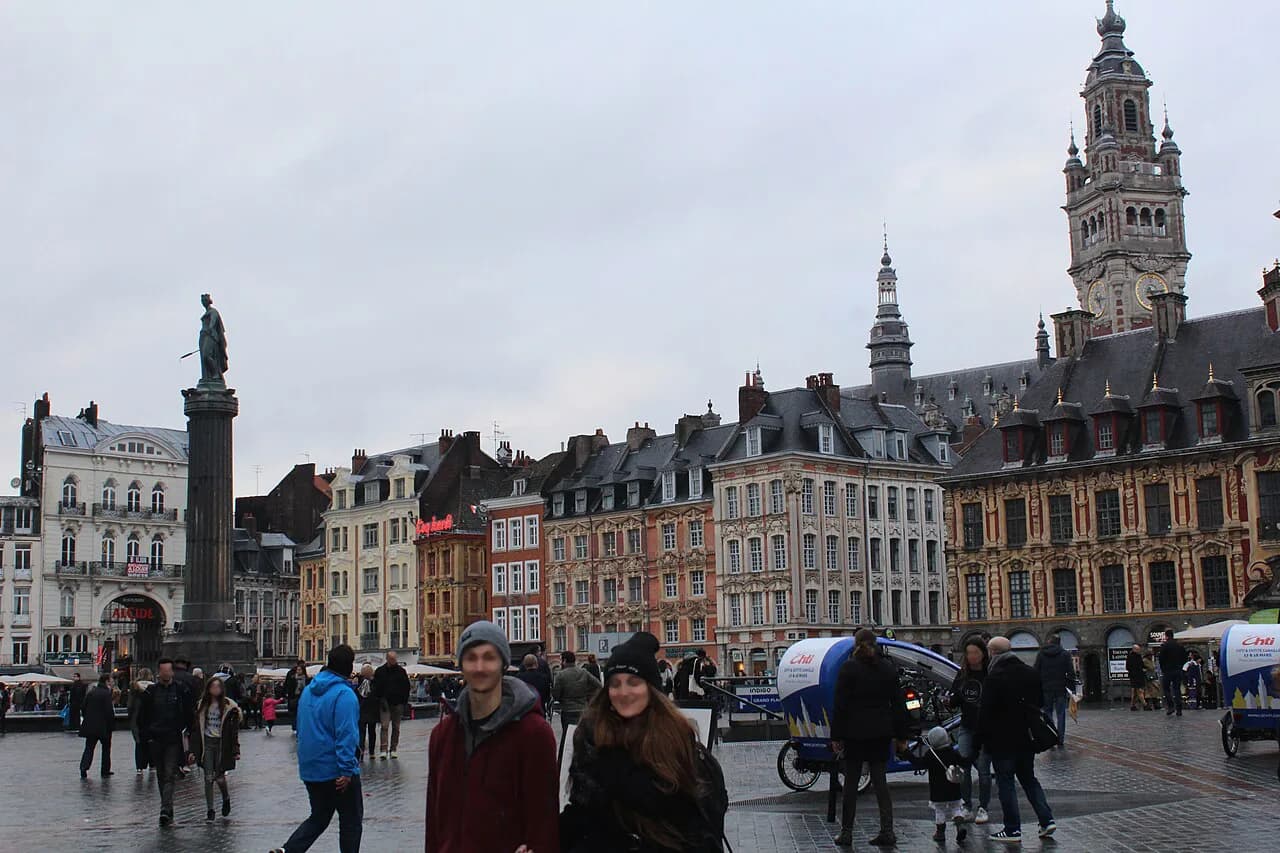
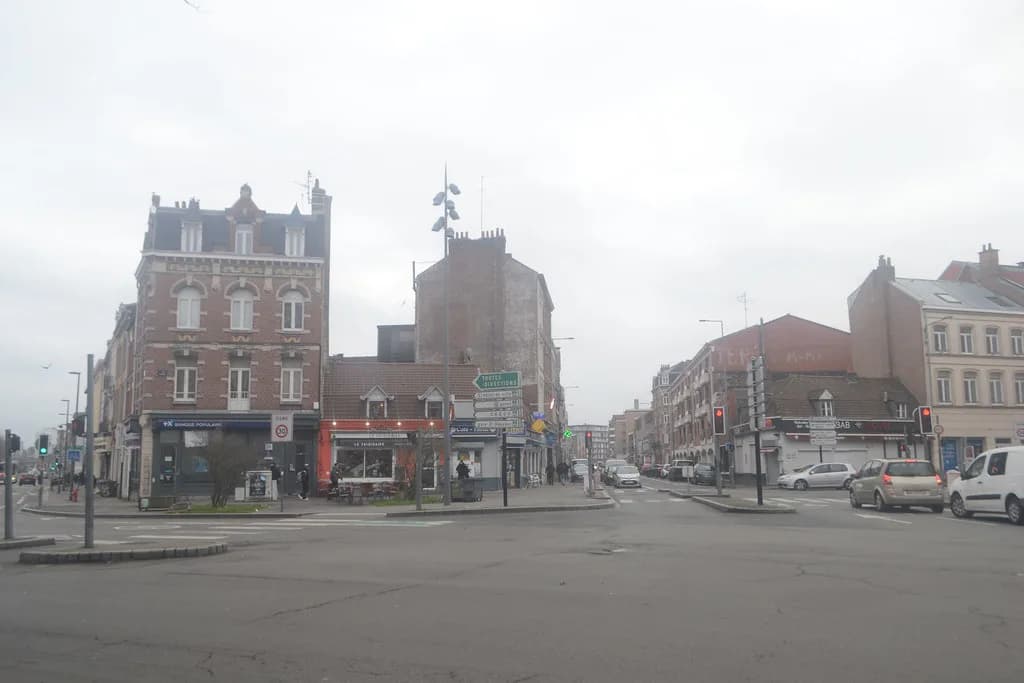
November in Lille is the moment the city moves indoors. The terraces on the Grand'Place thin out, the light goes early, and the trip pivots to the Palais des Beaux-Arts, the covered food halls and long lunches in Flemish estaminets. It suits culture-first travelers who would rather spend an afternoon with Rubens than chase sunshine, and who enjoy a northern city when it is quiet.
This is also the shoulder between autumn events and the Christmas season, so you get low-season calm without the full holiday crush. The trade-off is real: grey, damp days and sunsets that arrive before you have finished a museum. Plan your indoor anchors for the afternoon and treat any bright hour as a bonus for the belfry or a walk through Vieux-Lille.
Weather in November
Expect a cool, changeable month rather than a cold one. Long-term averages put daytime highs in the single digits to low teens Celsius and nights a few degrees above freezing, with frequent rain-bearing cloud and limited sunshine. Météo-France publishes the official climatology for Lille, and that is where to look for the current monthly normals before you commit to dates.
The practical effect is a month of layers and flexible plans. Rain in Lille often arrives as drizzle or short showers rather than all-day downpours, so a morning museum and an afternoon break for coffee works better than a rigid schedule. If you want the wider national picture for the same weeks, a France in November planner helps you compare Lille with milder southern options.
November is not the coldest month here; deep winter typically bites in January and February, when frost is more common. What November lacks in cold it makes up for in dampness, so waterproof shoes matter more than a heavy coat on most days.
Daylight and Short Days
Clocks in France go back on the last Sunday of October, so by November the afternoon light fades fast and darkness arrives well before dinner. Treat 4pm as the cutoff for outdoor plans: book the belfry climb or a Vieux Lille walk for the morning, then move inside.
This rhythm shapes the whole day. A late breakfast, a museum before lunch and a long afternoon in a café or estaminet feels natural here in a way it does not in summer. The city's compact center means you are rarely more than twenty minutes from your next indoor stop.
Sunrise comes late too, which makes early starts less rewarding. If you are photographing the Grand'Place or the Vieille Bourse courtyard, aim for the middle of the day when the light is at its best. Our broader Lille in winter guide covers how this shifts month by month.
What Is Open and What Changes
Lille's main sights run through November. The Palais des Beaux-Arts, the town hall belfry, the Musée d'Histoire Naturelle, La Piscine in Roubaix and the Villa Cavrois all feature on the official Lille tourist office listings, and several are covered by the City Pass, which bundles entry to around twenty attractions with optional public transport. Check the current pass inclusions and prices with the tourist office before buying.
The Vieille Bourse courtyard keeps its secondhand bookstalls, a fixture since 1982, and chess players and buskers still use the space in cooler weather. It is a five-minute stop rather than an outing, but it fits neatly between the Grand'Place and a hot drink at Meert's historic tearoom.
Wazemmes market runs on Tuesday, Thursday and Sunday mornings, and its covered food hall operates Tuesday to Sunday, so cold or wet weather does not cancel the visit. Go for maroilles cheese, potjevleesch and the world-food stalls that reflect the neighborhood's mixed population.
Things to Do
Start with the Palais des Beaux-Arts, whose collection runs from Rubens to Rodin and fills a rainy morning easily. Pair it with the Musée d'Histoire Naturelle, a grand 1822 building with elephant skeletons, stuffed birds and a geological wing that keeps children engaged. The natural history museum is small enough to combine with a walk in the nearby Parc Jean-Baptiste Lebas if the weather holds.
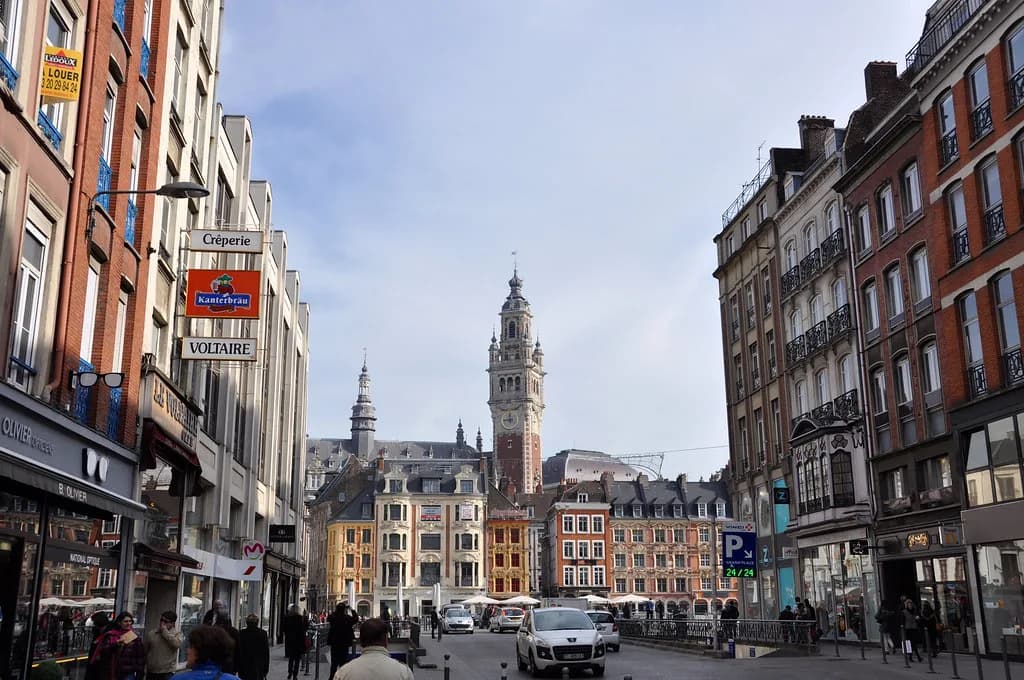
On a clear day, climb the town hall belfry, the highest in northern France, for a 360-degree view over the city, the Flanders hills and the slag heaps. Save it for the brightest forecast of your stay, since the reward depends entirely on visibility. A guided walk through the old town works as a backup, and the tourist office lists guided tours of the district.
Art lovers should also look at Les Maisons Folie Moulins, a creative center in a former brewery with a digital museum and hands-on workshops. It is a good wet-afternoon substitute when the big museums are busy, and it sits close to one of the city's better friterie stops. If you are weighing later dates, the Palais des Beaux-Arts stays central to the plan in February as well.
Eating and Drinking in November
November is estaminet weather. These old Flemish taverns serve carbonnade, chicken with maroilles, potjevleesch and welsh in warm, cluttered rooms, and they are exactly what a damp afternoon calls for. The tourist office keeps a list of estaminets and restaurants across the city if you want to book ahead for a weekend evening.
For something lighter, rue des Bouchers has become Lille's food street, with a cluster of bistros in a short stretch. Around the corner, Meert's seventeenth-century tearoom is the classic stop for a hot chocolate and a gaufre, a refined version of the local waffle. Reserve for dinner on Saturdays, when the good rooms fill.
Beer is the local drink, from artisan ales to Belgian styles brewed just over the border. Wine bars and tapas spots have opened alongside them, so a mixed group can split between a Trappist and a glass of something French without changing venue. Expect warm, busy rooms rather than quiet ones on weekend nights.
Roubaix and Day Trips
Roubaix is twenty minutes from central Lille by metro, which makes it the obvious day trip when the weather turns. La Piscine, a converted art deco swimming pool, is now a museum of art and industry with textiles, sculpture and painting in a spectacular setting, and it is included in the City Pass.
Fashion and design travelers should add the Vestiaire, a former textile factory turned showroom for emerging designers run through Maisons de Mode. Nearby, the Ateliers Jouret opens its artist studios to the public on the first weekend of each month, which in November is worth timing a trip around. Both are indoor plans that suit a wet day.
If you want a second trip later in the season, Lille in December pairs the same museums with the Christmas period, and our Lille in January guide covers the quietest, coldest weeks. For a very different November, Annecy in November trades city streets for the Lake Annecy shoreline, though the alpine weather is colder and wetter.
What Is On in November
November sits after the autumn events and before the Christmas season, so the calendar is lighter than in summer or December. The Lille tourist office publishes its agenda month by month; use that listing rather than relying on last year's dates, since festivals and exhibitions change. Armistice Day on 11 November is a public holiday in France, so some shops and restaurants may keep different hours that day.
Christmas markets in Lille and the surrounding towns generally get going in the last week or so of November, but the Lille Tourist Office confirms the exact start each year. If a market is your main reason for coming, aim for the final days of the month. The rest of the month is better for museums and food than for festive lights.
Crowds and Prices in November
November is a low-season month in Lille. Hotel rates and restaurant availability are easier than during the September Braderie weekend or the summer, and the major museums are rarely overwhelmed. The City Pass can be good value if you plan to visit several included sights, but check current pricing and what is covered before you buy.
The exception is the end of the month, when Christmas market weekends begin to pull in day-trippers from Belgium and the Paris region. If you want the quiet version of November, book earlier in the month. If you want the festive version, accept fuller hotels and busier squares.
Compared with high summer, you are trading sunshine and long evenings for cheaper rooms and shorter queues. That trade usually favors culture-heavy travelers and anyone combining Lille with a Eurostar stopover, since the center is compact and walkable.
Who November Suits
November suits museum-goers, food travelers and anyone who prefers a city without crowds. It works well for a two- or three-night break built around the Palais des Beaux-Arts, La Piscine and a couple of long meals. It is also a sensible month for a first visit if you want to see Lille's real character rather than its festival version.
It does not suit travelers who want long daylight, outdoor terraces or the Christmas market as the centerpiece. If those matter, come later in December or plan around New Year's Eve in Lille. If you want the coldest, quietest version, Lille in March offers longer days with the same low-season calm.
For broader comparisons within France, this winter guide to the country explains how northern cities such as Lille differ from the Riviera and the Alps in the same months. Use it to decide whether your November trip should stay in Flanders or head south.
Getting Around
Lille's center is walkable: the Grand'Place, Vieux-Lille, the Vieille Bourse and the Palais des Beaux-Arts sit within a fifteen-minute stroll of each other. The metro and tram network handles longer hops, including the ride to Roubaix. Buy tickets at station machines or use contactless where available.
Eurostar trains arrive at Lille Europe, a short walk from the center, while regional trains use Lille-Flandres. Both stations connect to the metro, so you can reach most central hotels without a taxi. In November, allow extra time for wet-weather delays and darker evening transfers.
Plan Your November Trip
Build your Lille trip around two or three indoor anchors and let the weather fill the gaps. A morning at the Palais des Beaux-Arts, lunch in an estaminet and an afternoon at La Piscine in Roubaix makes a satisfying November day without ever needing sunshine.
Book early in the month for calm, or late in the month if Christmas markets are the draw. Either way, pack for damp cold, plan around the early sunset and leave room for a long lunch, which is the most Lille-appropriate response to a grey sky.
Frequently Asked Questions
Is Lille a city in France?
Yes. Lille is in northern France, close to the Belgian border, and is the main city of the Hauts-de-France region. It is reachable by Eurostar from London and by direct trains from Paris.
Is November a good time to visit Lille?
It is a good month for museums, food and low-season prices, but not for long daylight or outdoor terraces. Travelers who prefer quieter streets and indoor plans will enjoy it; those who want Christmas markets should aim for late November or December.
What is the weather like in Lille in November?
Typically cool and changeable, with daytime highs in the low teens Celsius at best and nights close to freezing. Rain and grey skies are common and sunshine is limited. Météo-France publishes monthly climatology for current averages.
Which month is the coldest in Lille?
January and February are generally the coldest months, with more frequent frost than November. November is cool and damp rather than deeply cold.
How many days do you need in Lille?
Two or three nights covers the center comfortably, including the Palais des Beaux-Arts, Vieux-Lille and a day trip to Roubaix. Add a night if you want a slower pace with long meals.
Sources
Winter travel notes
Optional updates when we add or revise winter guides.
You might also like
Continue reading
More guides you'll find useful