Lille in Winter: What November to March Is Really Like
Lille in winter means short, damp days, bright Christmas lights and quiet museums. Here is the real weather, what stays open and who should go.
On this page
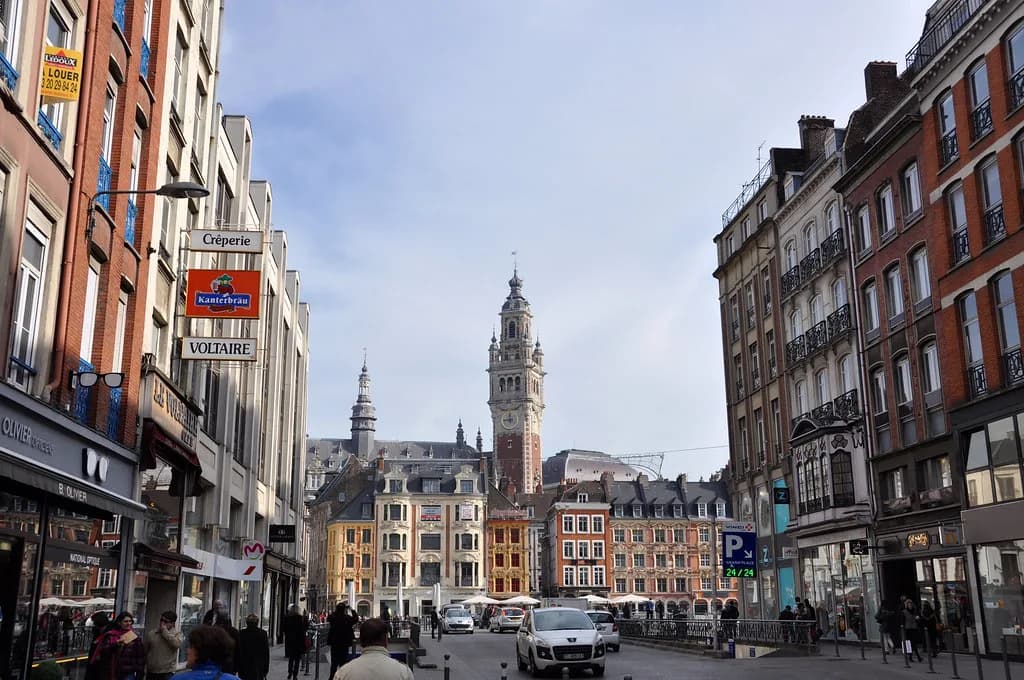
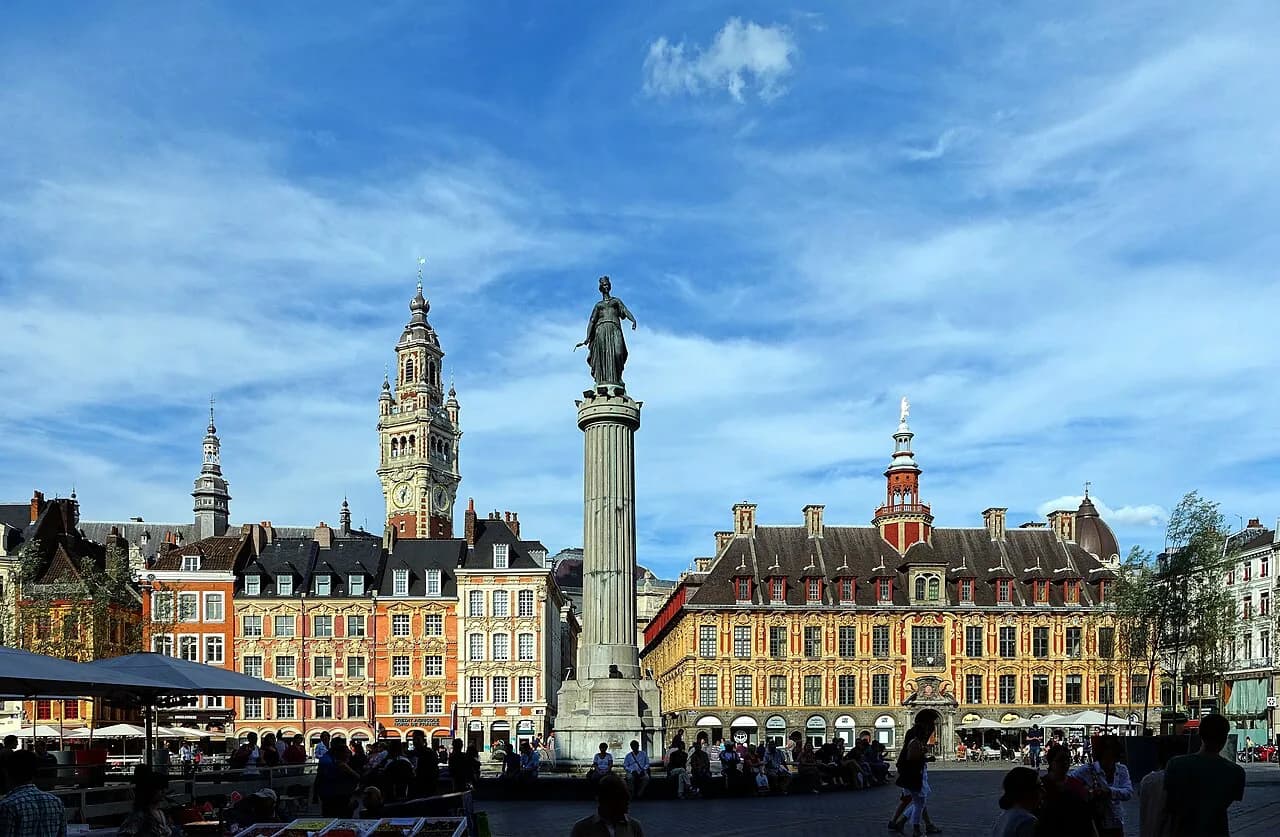
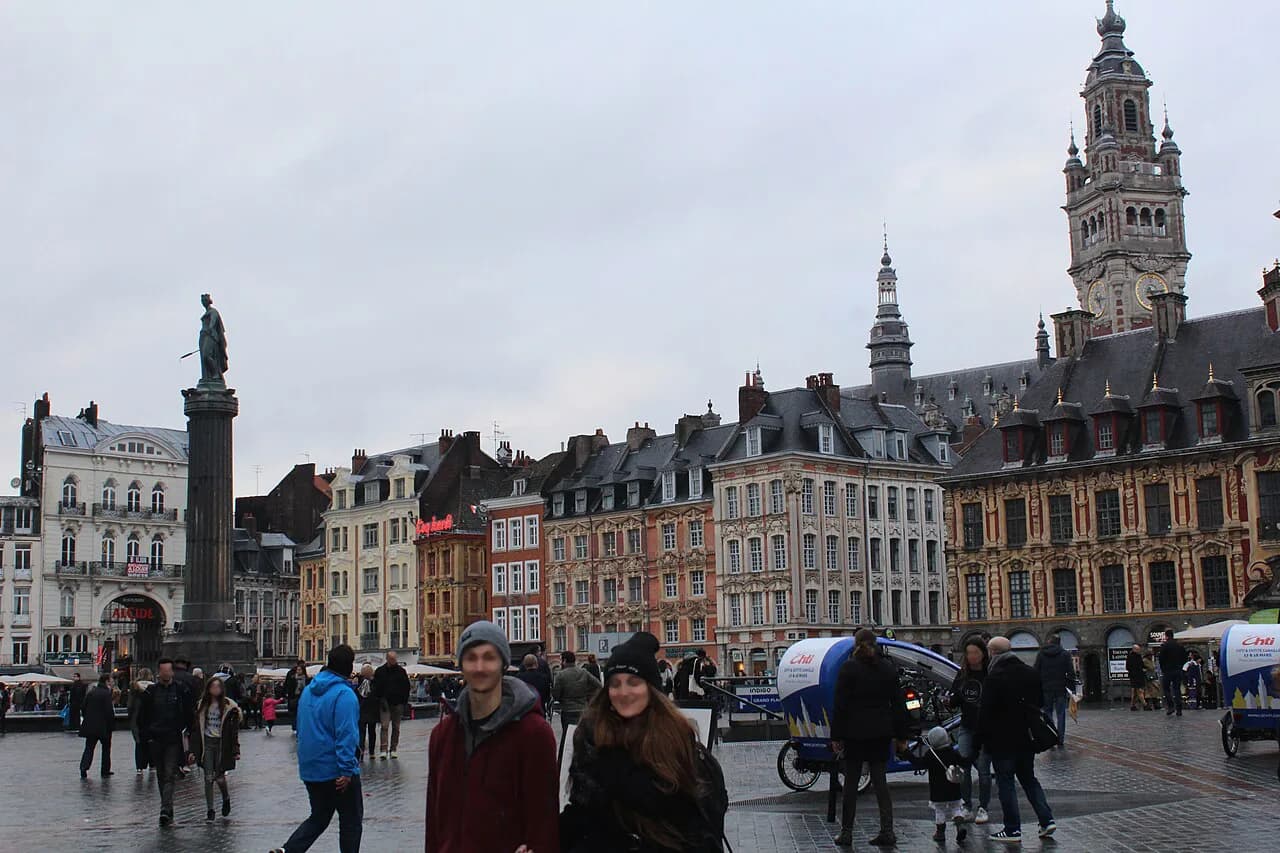
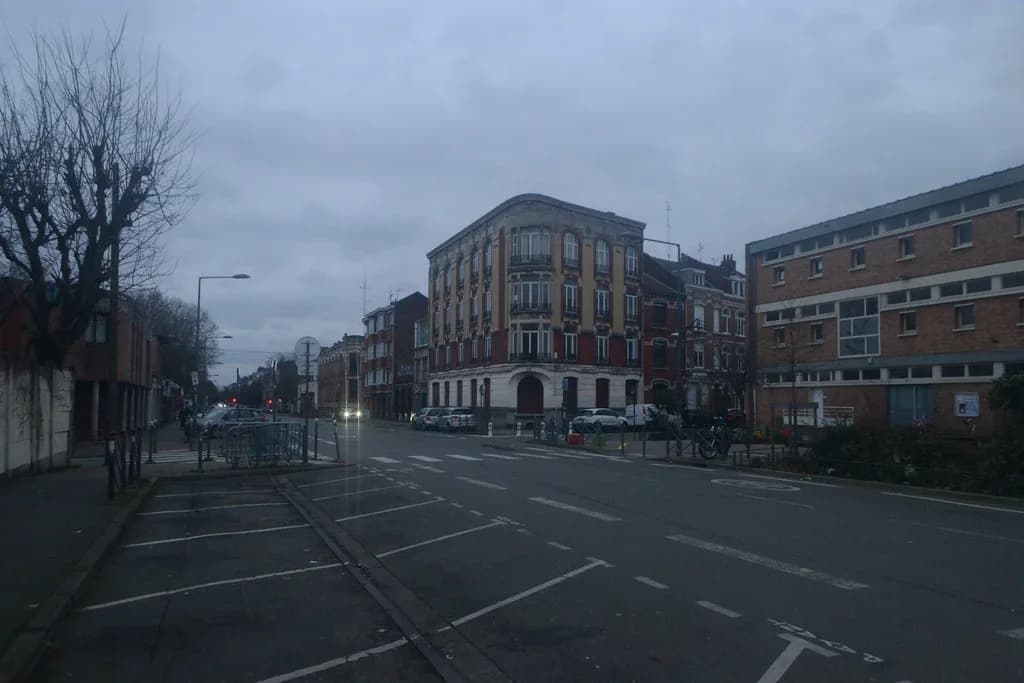
Lille in winter is a Flemish city of brick squares, belfries and estaminets under a low, grey sky, and it suits travelers who care more about food, museums and atmosphere than sunshine. The season is cool and wet rather than snowy, and the city's winter identity comes from lights, warm interiors and a compact centre you can cross on foot. Anyone hoping for deep snow or long blue-sky afternoons should look at the Alps instead.
December delivers the brightest version of the season, January and February deliver the emptiest museums and the lowest room rates, and March slowly stretches the evenings again. The trade-offs are real: roughly 10 to 13 rainy days a month, only one and a half to two and a half hours of sunshine a day in midwinter, and daylight down to about eight hours in late December. This guide lays out the figures month by month so you can judge whether that suits your trip.
What Lille Is Like in Winter, and Who the Season Suits
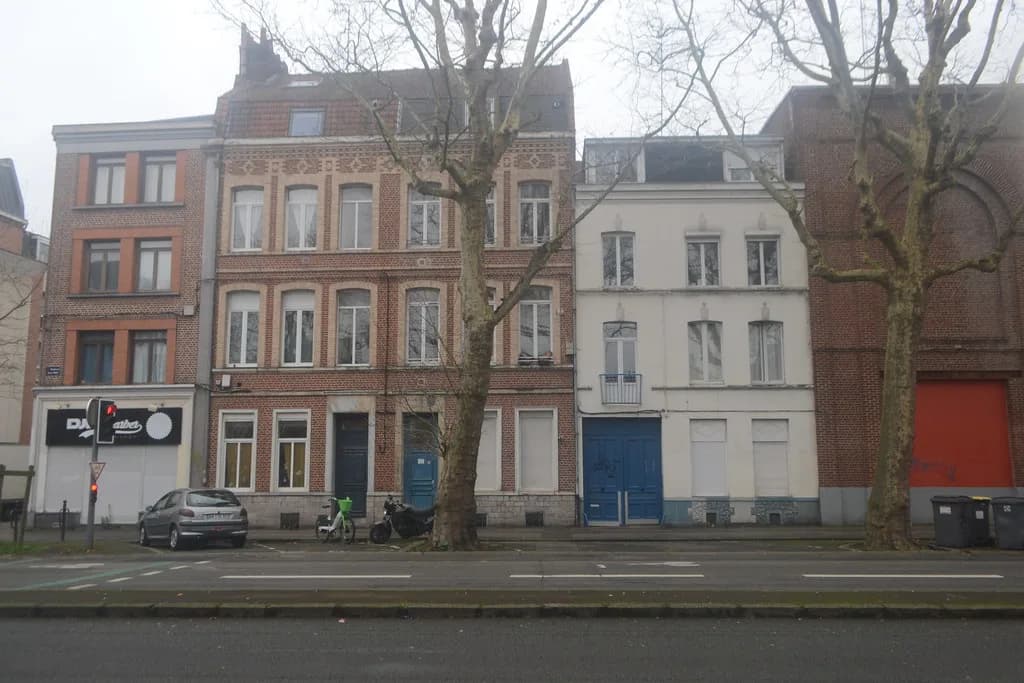
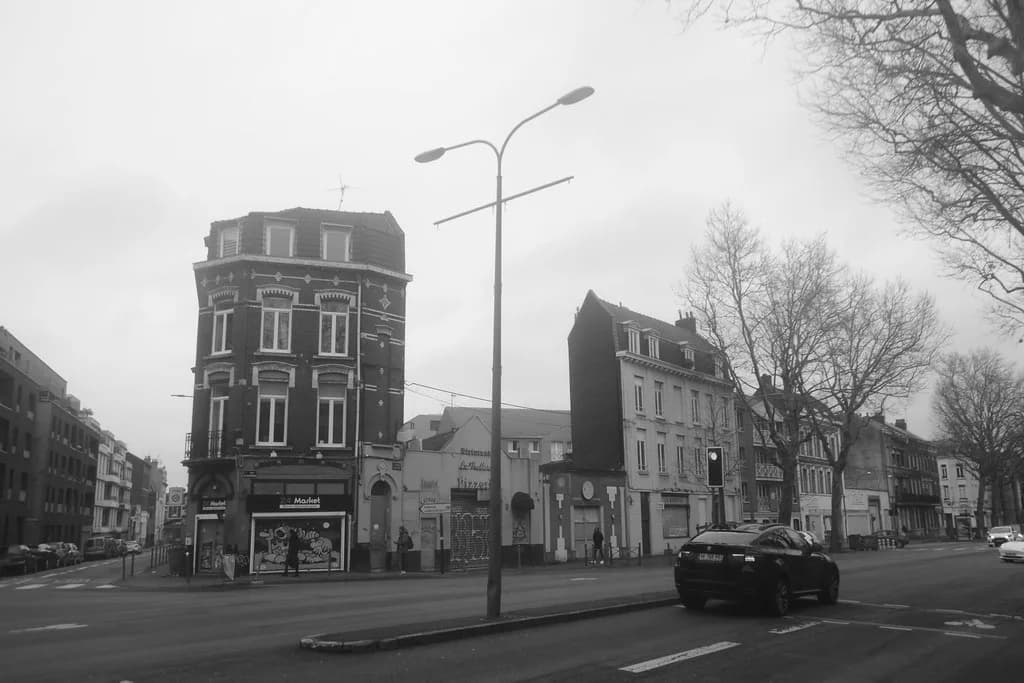
Lille sits in French Flanders, close to the Belgian border, with an oceanic climate that stays cool, wet and windy all year. In winter the maximum typically sits near 6 to 7°C (43 to 45°F), though mild Atlantic spells can push it to 13 or 14°C (55 to 57°F) with cloud and rain, while cold northern flows can bring a few days of frost and light snow. The coldest records are rare events, not the norm, so plan for damp cold rather than a snow-covered city.
This is a good season for museum-goers, food travelers, couples and anyone traveling from London or Paris who wants a short, walkable city break with strong eating. It is a poor fit for travelers who need reliable sunshine, long outdoor days or a beach holiday. If your trip depends on dry weather, Lille in winter will test your patience at least once.
The city's core is compact and pedestrian-friendly, so most of a winter day happens within a few square kilometers of the Grand'Place and the Old Town. That matters in a season when you want to duck into a cafe every hour rather than commit to a long itinerary.
Weather in December
December is cold and grey, with average highs around 7°C (45°F) and lows near 2°C (36°F). Rainfall averages 70 mm across about 11 days, sunshine is only about 1.5 hours a day, and daylight runs roughly eight hours from dawn to dusk, with the solstice on 21 December the shortest day. Nights can dip to about -4.5°C (24°F) on the coldest December nights.
Christmas Day 2026 falls on a Friday and New Year's Day 2027 on a Friday, which shapes the calendar: the fortnight around them is the busiest of the season in Lille. Expect the Christmas market and the illuminated squares to be at their most crowded on those weekends.
If you want the lights without the crush, the first week of December or the days between Christmas and New Year are calmer than the two holiday weekends.
Weather in January
January is the coldest month on average, with highs near 6.6°C (44°F) and lows around 1.7°C (35°F), 60 mm of rain over about 12 days and roughly two hours of sunshine a day. Daylight averages about 8 hours 35 minutes, and humidity sits high at around 87%, so the cold feels damp rather than crisp.
The upside is space: after the Christmas market closes and the holiday crowds leave, museums and restaurants are far easier to walk into. Book winter opening hours directly with the venues you care about, since some cultural sites trim their schedules outside the festive period.
Epiphany falls on Wednesday 6 January 2027, and bakeries around the region mark it with galette des rois, so early January is a good window for a food-focused visit.
Weather in February
February is slightly milder than January, with average highs around 7.6°C (46°F) and lows near 1.9°C (35°F). Rainfall drops to about 45 mm over roughly 10 days, and sunshine improves to about 2.5 hours a day with daylight around 10 hours.
This is normally the quietest and most affordable stretch for a city break, with fewer visitors and no market crush. The trade-off is that the city's festive energy has gone and evenings are still dark early.
Carnival Tuesday is 9 February 2027 and Ash Wednesday 10 February 2027, so the days around them bring a burst of regional celebration across French Flanders. The Lille tourist office lists what is running locally that week.
Weather in November and March
November is cool and often wet, with highs around 10.3°C (51°F) and lows near 4.9°C (41°F), 70 mm of rain over about 13 days and only two hours of sunshine a day. It is one of the wettest months alongside July and December, and the light goes early, so plan indoor anchors between walks.
By March the city wakes up, with highs near 11.2°C (52°F), lows around 3.8°C (39°F) and four hours of sunshine a day. Daylight returns to about 12 hours, and European clocks go forward on 28 March 2027, so evenings suddenly stretch.
Late March also brings Holy Week, which runs 21 to 28 March 2027 with Easter Sunday on 28 March; expect fuller churches and more visitors around that weekend.
Christmas Lights and the Village de Noël
Lille's Christmas season centres on the Village de Noël at Place Rihour, with around 90 chalets of crafts, sweets and mulled wine, next to a Ferris wheel and the decorated Grand'Place. The metropolitan area adds smaller markets in Roubaix, Tourcoing, Armentières, Wambrechies, Seclin, Comines and La Bassée, each with its own dates and hours published by the Lille tourist office. Check the current season's programme before you book, because market dates shift each year.
The lights spread through the Old Town and Roubaix's Nuit des Arts Lumineux projects onto landmark facades every evening for months, so the illuminations outlast the market itself. That makes early January a decent compromise if you want atmosphere without peak crowds.
What Stays Open and What Winds Down in Winter
Lille's museums, churches and covered markets run year-round, and the tourist office publishes a winter events diary covering guided tours, exhibitions and performances through the season. Major cultural venues stay in business, though some reduce hours outside the festive weeks, so confirm times with each venue.
The Christmas markets are seasonal by definition: the Village de Noël and the metropolitan markets open in late November or early December and close before or just after Christmas, with each town setting its own dates. The Ferris wheel and illuminations follow their own schedule too, so a late-January trip will not see the same city as a mid-December one.
Outdoor cafes and terraces thin out in cold, wet weather, but estaminets and tearooms stay busy, which is where winter Lille really happens.
Things to Do on a Wet, Cold Day: Museums and Indoor Sights
Lille's Palais des Beaux-Arts holds one of France's richest regional art collections, and it is a sensible anchor for a rainy morning. Pair it with the city's cathedral and the old bourse for a compact indoor circuit that keeps you out of the wind.
Roubaix's La Piscine, a converted Art Deco swimming pool turned museum, is the standout indoor day out in the metropolitan area, and its winter market sits opposite the building in December. Tourcoing's museums and theatres round out a wet afternoon on the eastern side of the conurbation.
The Lille tourist office sells a City Pass that bundles transport and museum entry, which pays off if you plan two or three indoor sights in a short trip.
Walks That Still Work: Old Lille, the Citadelle and the Deûle
Old Lille's cobbled lanes are best walked on a dry, cold morning when the brick facades and shop windows are lit and the streets are quiet. The Grand'Place and the surrounding squares are short hops apart, so you can warm up in a cafe between stretches.
The Citadelle park and the banks of the Deûle and Lys rivers work in winter when the ground is frosty rather than sodden, and the tourist office describes herons, canals and frosted branches on these routes. After heavy rain, expect mud and choose the paved riverside paths instead.
Daylight is the real constraint: in December, plan walks before 4pm and save the evenings for interiors and restaurants.
Flemish Food and Drink for Cold Weather
Winter is the season for carbonade flamande, potjevleesch, welsh and maroilles cheese, served in estaminets where the point is a long, unhurried meal. Sweet stops matter too: filled waffles, speculoos, sugar tart and the Meert waffle are local staples the tourist office singles out.
Christmas beers appear in bars and shops through December, and mulled wine is standard at the market, but the food scene runs all winter. Reserve dinner on Friday and Saturday nights, when the city fills with weekend visitors.
Day Trips That Make Sense in Winter: Roubaix, Tourcoing and the Coast
Roubaix and Tourcoing are short hops on the metro and tram network, which makes them realistic winter day trips even with an early sunset. Roubaix pairs La Piscine with its sustainable Christmas market in December, while Tourcoing adds the La Guinguette food and drink space at its market on the Parvis Saint-Christophe.
Villeneuve-d'Ascq, with the Château de Flers and its Christmas market on selected weekend afternoons in late November and December, is another easy suburban outing. Confirm the current season's dates with the local tourist office before you go.
The coast around Calais and Boulogne is wind-blown and short on daylight in midwinter, so treat it as a brisk half-day rather than a beach trip. If you want a longer French winter itinerary, look at how other regions handle the season.
Getting Around and Arriving from London or Paris
Lille is well connected by rail: Eurostar runs from London in about 90 minutes to two hours, and TGV services from Paris Gare du Nord take roughly an hour. Book early for December weekends, when demand peaks around the market.
Once there, the metro, tram and bus network covers the centre and the surrounding towns, and a City Pass includes public transport alongside museum entry. For most winter trips, you will not need a car.
Short Days, Rain and Crowds: The Trade-Offs
The honest picture is a cool, damp, cloudy city where sun is scarce, with around 10 to 13 rainy days a month and only one and a half to two and a half hours of sunshine in the darkest months. Days are short in December, and the wind off the flat plain can make 5°C feel much colder.
Crowds peak around the Christmas market and the holiday weekends, when the city feels busy and hotel rates rise; January and February are calmer and cheaper. December gives you the lights, February gives you space, and March gives you longer evenings.
For a different kind of winter break, compare Lille's damp cold with a lakeside Alpine town, and see what Annecy in winter is really like. If you would rather weigh a small, walkable city further north, our Luxembourg winter guide covers the same decision in a colder setting.
Who Should Pick Another Month
Choose another month if you need reliable sunshine, long outdoor days or a snowy landscape, since Lille rarely delivers any of these. Late spring and summer bring the warmest, sunniest weather and the longest days.
Winter suits museum-goers, food travelers and anyone based in London or Paris who wants a compact, affordable short break with strong eating and a bit of festive atmosphere. In December, it also suits travelers who want lights and markets more than quiet streets.
If your heart is set on a Provençal winter instead, compare the light and temperatures down south.
New Year's Eve
New Year's Eve in Lille falls on a Friday for 2026–27, which makes it a long weekend for many European travelers. Restaurants and bars fill early, and the Christmas lights are usually still up, but confirm specific events with the venues.
Plan Your Winter Trip to Lille
Plan around the light and the weather: December for lights and atmosphere, January and February for quiet museums and lower rates, March for longer evenings. Pack for rain and wind, and build each day around one indoor anchor and one short walk.
Check the Lille tourist office's winter programme for current market dates, guided tours and exhibitions, and book trains early for holiday weekends.
Explore more Lille winter guides
Frequently Asked Questions
What is Lille like in winter?
Lille is cool, damp and often windy in winter, with highs typically near 6 to 7°C (43 to 45°F). Snow is rare and usually light. The city compensates with Christmas lights, strong Flemish food and a compact, walkable centre.
Does it snow in Lille?
Snow is possible but generally light and short-lived. Cold northern flows can bring a few days of frost and light snow, but most winter precipitation falls as rain. Treat snow as a bonus rather than something to plan around.
How cold is Lille in January?
January is the coldest month on average, with highs near 6.6°C (44°F) and lows around 1.7°C (35°F). Humidity is high, so the cold feels damp, and wind can make it feel sharper.
How many hours of daylight does Lille get in December?
December averages roughly eight hours from dawn to dusk, with the solstice on 21 December the shortest day. Sunshine itself is scarce, averaging about 1.5 hours a day.
Is Lille worth visiting in December?
Yes, if you want the Christmas market, illuminated squares and festive atmosphere. Expect crowds around the holiday weekends. For quiet streets and cheaper rates, January or February works better.
What is there to do in Lille when it rains?
Head indoors to the Palais des Beaux-Arts, the cathedral and the old bourse, or take the metro to Roubaix's La Piscine museum. Estaminets and tearooms are good rainy-day stops.
Sources
Winter travel notes
Optional updates when we add or revise winter guides.
You might also like
Continue reading
More guides you'll find useful