Liverpool in Winter: What November to March Is Really Like
Liverpool in winter is cold, windy and dark by mid-afternoon, but its museums, cathedrals and theatres stay busy. Here is what each month feels like.
On this page
Liverpool in winter is a small, dense waterfront city that reorganises itself around interiors once the light goes. The Albert Dock museums, two cathedrals, world-class galleries and a theatre calendar running through pantomime season give a short break real substance, and you can walk most of the centre without a car.
The trade-off is weather: cold, often windy, frequently damp, with afternoons that end before you expect. It suits museum-goers, music and football fans, theatre bookers and anyone who prefers lower prices and thinner crowds to long outdoor days. If you want reliable sunshine and evenings on the waterfront, come between May and September instead.
Weather in Liverpool in Winter
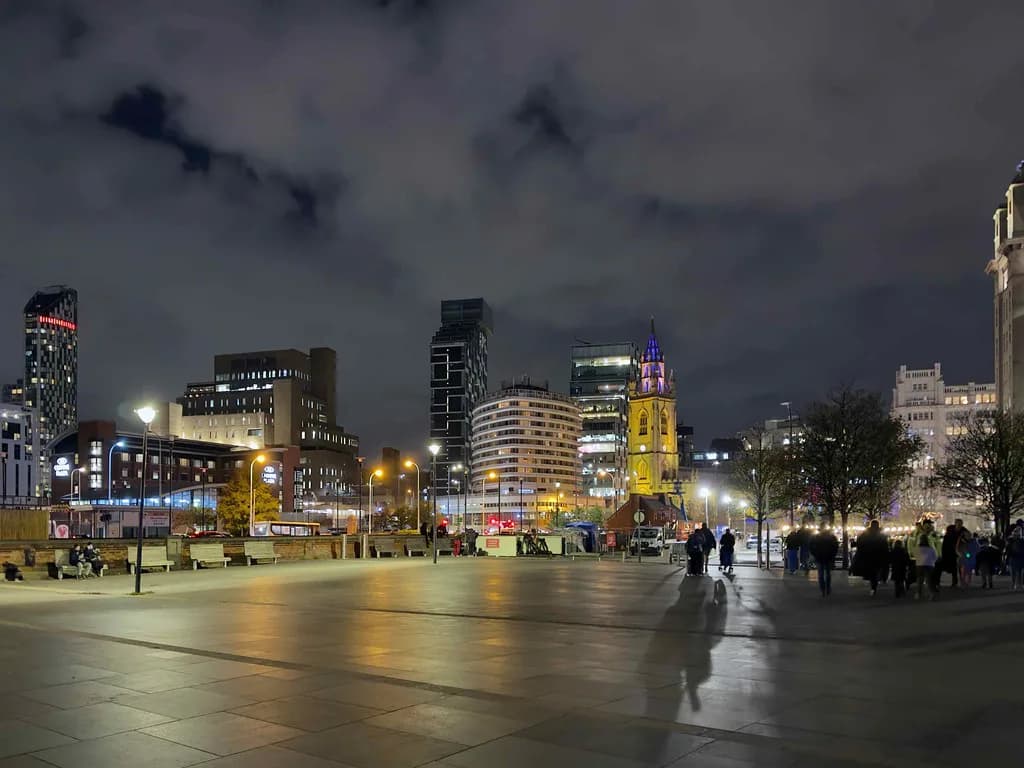
A typical January day in Liverpool runs from a high of about 6°C (43°F) to a low of around 2°C (36°F), with a noticeable wind that makes the riverside feel colder than the numbers suggest. Daylight is short: roughly eight hours, with sunrise near 8:15am and sunset around 4:25pm in mid-January, so plan outdoor sightseeing for the middle of the day.
Rain arrives in frequent light spells rather than long downpours, and snow is possible but rarely settles for long in the city centre. December and January are the darkest months, March the brightest of the winter set. Treat all of these as long-term averages, not a forecast for your dates.
Because the city sits open to the Irish Sea, wind is the factor visitors underestimate most. A thin waterproof layer and a hat do more for a day at the Pier Head than a heavy coat alone.
November: Grey, Breezy and Quiet
November is the quietest month of the season before the festive build-up begins. Temperatures sit in single figures Celsius, the trees are bare, and the Albert Dock and Pier Head are pleasantly uncrowded. It is a good month for museum-hopping without queues and for low room rates.
Theatres and venues start filling their calendars towards the end of the month, with comedy, tribute nights and touring shows across the city. The Liverpool Theatres listings are the practical place to see what is actually scheduled while you are in town.
Rain is common and the days are closing in, so build in an indoor anchor each afternoon. The Walker Art Gallery and World Museum on William Brown Street are free and central, which makes them easy wet-day defaults.
December: Festive Theatre and Early Dusk
December brings pantomime season, Christmas concerts and the busiest theatre calendar of the winter. Liverpool Empire, the Playhouse and the Royal Court all programme heavily, and booking ahead matters for weekend performances. For a fuller picture of the festive period in the city, the guide to Christmas in Liverpool sets out what happens around St George's Hall and the shopping streets.
Daylight is at its shortest, with sunset before 4pm around the winter solstice, so the waterfront is best walked in the late morning. Skiddle's December listings give a sense of the gigs and club nights running through the month.
A short Christmas market operates in the city centre in most years, but the real festive draw here is stages rather than stalls. If fireworks and late-night crowds are the point of your trip, the New Year's Eve in Liverpool guide covers how the city sees in the new year.
January: Coldest, Calmest, Cheapest
January is the coldest and quietest month, and the cheapest for rooms outside the New Year weekend. New Year's Day 2027 falls on a Friday, so the first weekend stays busy before the city settles into its slowest stretch.
Expect many attractions on reduced winter hours and some cafes and smaller venues taking a post-festive break. Larger museums, both cathedrals, the Beatles Story and the stadium tours remain the reliable anchors. The full January picture, including what runs early in the month, is in the Liverpool in January guide.
Indoor culture carries the month: theatre, comedy, live music in the Cavern Quarter and exhibitions on William Brown Street. Eventbrite's January listings show the mix of talks, classes and performances running through the city.
February: Still Cold, Slowly Brighter
February stays cold but gains roughly an hour of daylight on December, which makes late-afternoon walks along the waterfront more realistic. Rain and wind remain the pattern, and snow is possible through the winter though rarely disruptive for long.
Carnival Tuesday falls on 9 February 2027, with Ash Wednesday the following day, though Liverpool marks these dates quietly compared with Catholic Europe. Half-term week brings families into the museums and the Beatles attractions, so book those in advance.
It is a good month for combining city days with a Chester or Wirral excursion, both of which stay open through winter. For what the month specifically holds, see the Liverpool in February guide.
March: Longer Days and the Clocks Change
March is the turning point: daylight stretches past 6pm by the end of the month, and the first mild days make the Pier Head and Sefton Park genuinely pleasant. European clocks go forward on 28 March 2027, so the final weekend of the month is busy with Easter breaks.
Expect a mix of bright, cold days and wet ones, and pack for both. Spring events and lighter crowds make March one of the better-value months for a first winter visit, especially if outdoor time matters to you.
What Stays Open in Winter
Liverpool's core indoor attractions run year-round: the Walker Art Gallery, World Museum, Museum of Liverpool, both cathedrals, the Beatles Story, Strawberry Field and the Anfield stadium tour. The ferry trips, stadium tours and sightseeing buses listed by the city's tourism office also run outside summer.
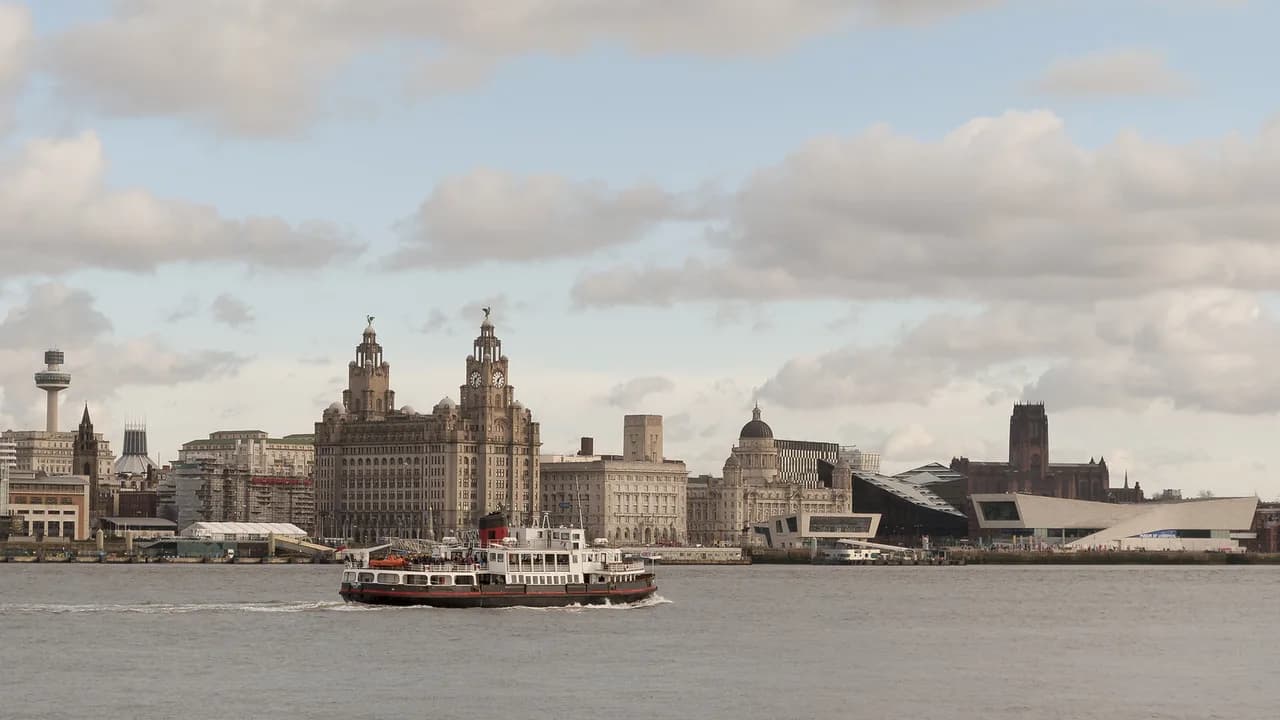
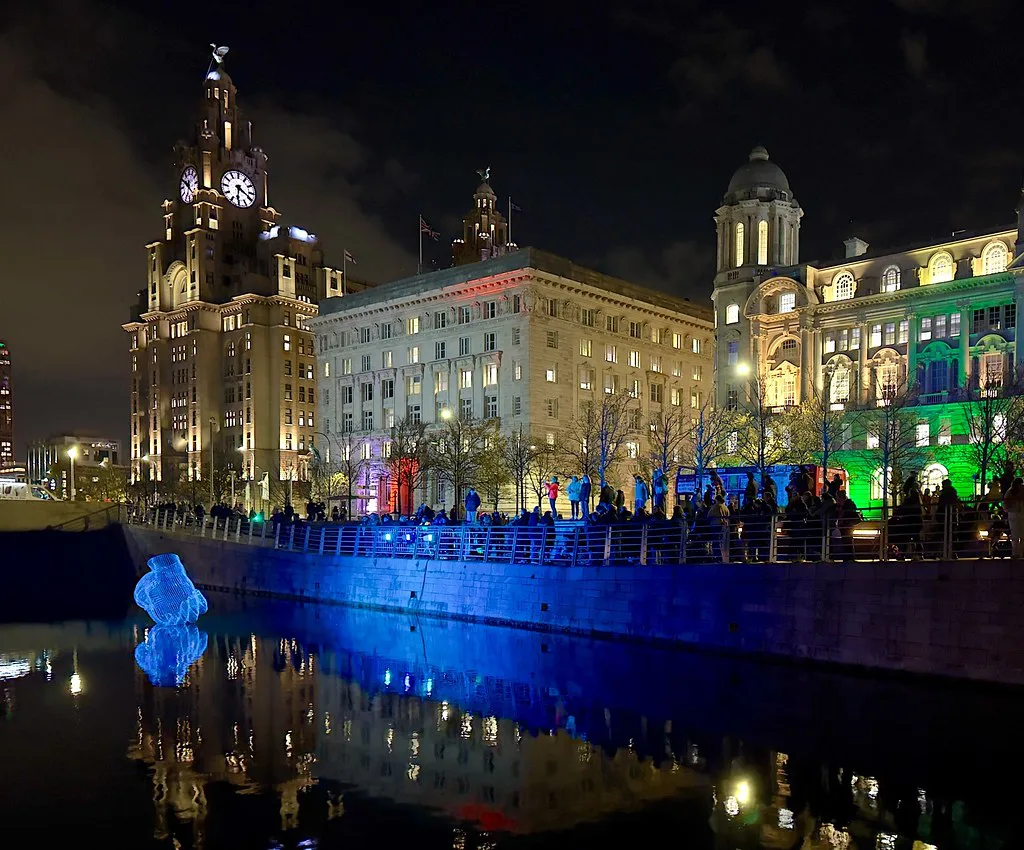
The outdoor sights are not closed, just less comfortable: the Albert Dock, Pier Head, the Three Graces and Sefton Park's palm house all remain walkable. Plan them for the middle of the day and keep an indoor back-up within walking distance.
Smaller venues, independent restaurants and some attractions trim hours in January especially. Where a timetable matters, confirm it with the venue before you travel, then build the day around the fixed opening times rather than the other way round.
Things to Do on a Wet Day
Start with the Albert Dock cluster: the Beatles Story, the Museum of Liverpool and the Maritime Museum sit within a few minutes of each other under cover. Both cathedrals are worth the walk uphill for their interiors and, at the Anglican cathedral, the tower view on clearer days.
The Walker Art Gallery and World Museum on William Brown Street are free, central and easily fill an afternoon. For music, the Cavern Quarter and the British Music Experience give the city's pop history a proper indoor home.
If you want theatre, check what is on at Liverpool Empire and the Playhouse before you book travel; touring shows sell out on weekends. The philharmonic hall programmes classical and rock through the winter too.
Winter Walks and the Waterfront
The classic walk runs from the Pier Head past the Three Graces and along the Albert Dock, then back through the Ropewalks. In winter it is best done late morning, when the light is strongest and the wind feels least punishing.
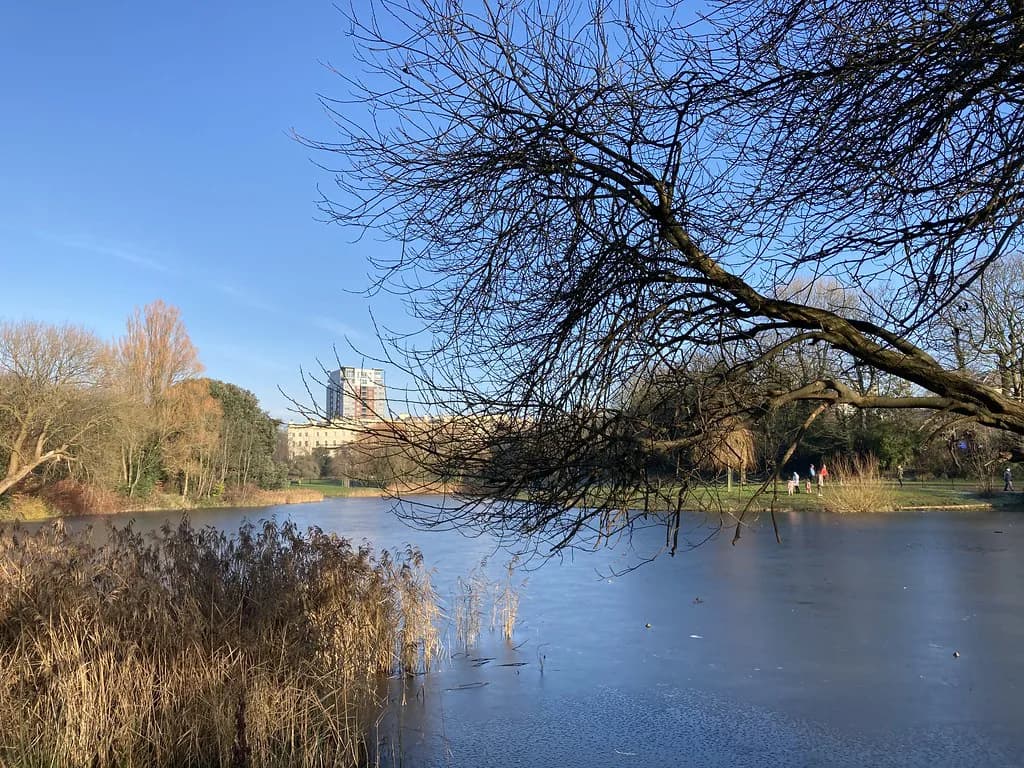
Sefton Park's palm house offers a warm, glass-roofed contrast to the bare trees around it, and the walk from the park into the surrounding streets is short. Further out, the Wirral Peninsula across the Mersey gives coastal paths and villages, but check ferry and train times before committing.
For a change of scene on a brighter day, Canterbury in winter is not the only cathedral city worth the trip, but it is a reminder that Liverpool's own cathedral quarter is a strong half-day on its own.
Beatles Sights in Winter
The Beatles Story at the Albert Dock, the Cavern Club, Strawberry Field and the National Trust childhood homes are all visitable in winter, and the indoor ones are ideal on wet days. Walking tours run through the year but are obviously more comfortable in milder weather.
Booking Beatles attractions ahead is worthwhile at half-term and around the New Year, when demand spikes. The Magical Mystery Tour and the Cavern Club combination is a popular way to cover both in one go.
Day Trips That Work in Winter
Chester is the easiest day trip: a walled Roman city about an hour away by train, with its own cathedral, Rows and riverside. It stays open through winter and works well on a dry day. Cambridge in winter is a longer journey south, but the same logic applies: indoor sights and shorter queues.
The Wirral Peninsula is closer to home: a short train ride under the Mersey takes you to Birkenhead, and coastal villages and the Leasowe Lighthouse area are reachable from there. The Mersey ferry crossing is a scenic alternative to the train when sailings suit.
Manchester is about 35 minutes by train and works as a rainy-day city break in itself. The Liverpool City Region is well connected by rail, so a winter base in Liverpool gives you several days out without a car.
Getting Around in Cold, Windy Weather
The city centre is compact enough to walk, and most sights sit within 20 minutes of each other on foot. Rain and wind make taxis or buses worth considering for longer hops, especially across to the cathedrals.
Liverpool Lime Street connects to London, Manchester and the rest of the UK, and local trains run under the river to the Wirral. Build in a little slack on strike days or in bad weather, when services can run slower.
Who Liverpool in Winter Suits
Winter suits museum-goers, Beatles fans, theatre bookers, football visitors and anyone who prefers lower prices and thinner crowds. It also suits people who enjoy a compact, walkable city with plenty of indoor options for wet afternoons.
It does not suit travellers wanting long outdoor days, evenings on the waterfront, or reliable sunshine. If those things matter, aim for late spring or summer instead, and treat winter as a city-break season rather than a holiday season.
For anyone weighing up the whole festive period, the Christmas in Liverpool read pairs well with the New Year's Eve guide and with these monthly sections. Book the fixed-date events first, then build the rest of the trip around them.
Plan Your Winter Trip to Liverpool
Pick your month on daylight and crowds rather than on temperature alone: November and January are the quietest, December is the most eventful, and March gives you longer afternoons. Lock in theatres, stadium tours and Beatles attractions early if your dates fall in half-term or around the New Year.
Build each day around one indoor anchor and one outdoor stretch, and keep the Mersey ferry and day trips flexible in case of bad weather. Confirm opening times with the venue before travelling on the day, especially in January.
Explore more Liverpool winter guides
Frequently Asked Questions
Is Liverpool worth visiting in winter?
Yes, if you want a compact city built around indoor things to do. The Albert Dock museums, the Walker Art Gallery, the World Museum, both cathedrals and the Beatles attractions fill wet afternoons, and the theatres run pantomime and touring shows through December. Anyone wanting long outdoor days or sunshine should choose late spring or summer instead.
How cold is Liverpool in January?
A typical January day reaches roughly 6°C (about 43°F) and drops to around 2°C (36°F), with wind off the Irish Sea making the waterfront feel colder. Daylight is about eight hours, with sunset in the late afternoon, so outdoor sightseeing fits best around midday. These are long-term averages rather than a forecast.
Does it snow in Liverpool?
Snow falls in most winters but rarely settles for long in the city centre, and rain is the more common winter precipitation. Cold spells with wintry showers are possible between December and February. Plan for wet, windy weather as the default and treat snow as a bonus rather than something to build a trip around.
What is open in Liverpool during winter?
The main museums and galleries, both cathedrals, the Beatles Story, Strawberry Field and the Anfield stadium tour operate through the winter months. Smaller venues and some restaurants trim hours in January in particular. The city's tourism office lists ferry trips, stadium tours and sightseeing buses that run outside summer.
When do the clocks change for a winter trip to Liverpool?
Clocks went back on 25 October 2026 and go forward again on 28 March 2027, so a trip between November and late March sits entirely in short-daylight time. That means afternoons end early and outdoor sights are best visited around midday.
Sources
Winter travel notes
Optional updates when we add or revise winter guides.
You might also like
Continue reading
More guides you'll find useful