Lucerne in January: Weather, Festival & Winter Guide
Lucerne in January brings cold, often gray days, quiet old-town lanes and the Lilu Light Festival. Here is what to expect from weather, crowds and open sights.
On this page
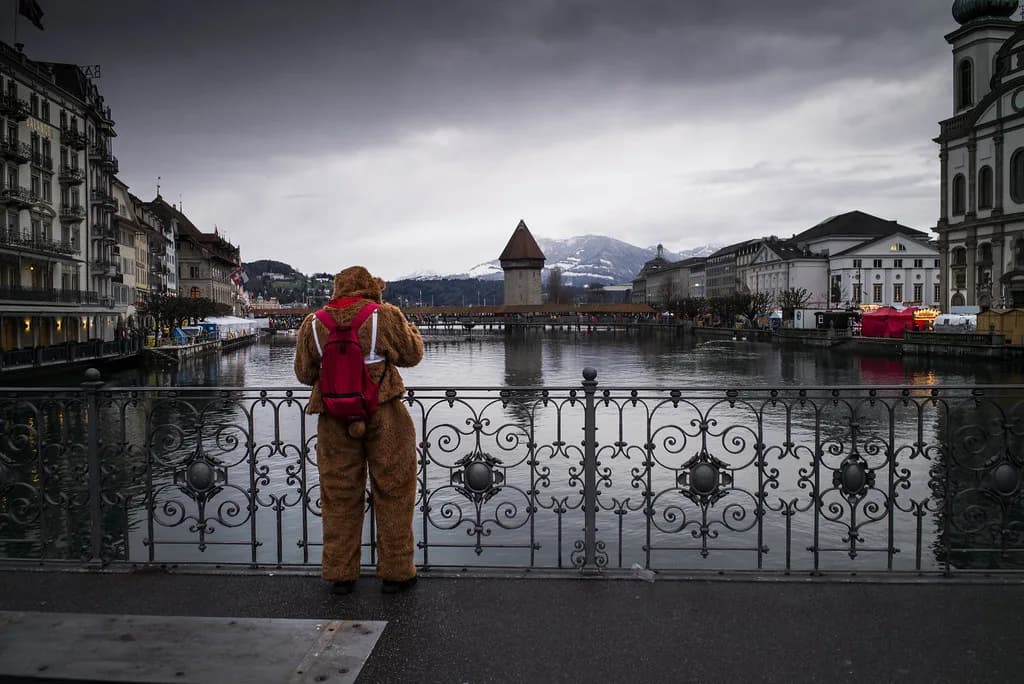
January is Lucerne in deep midwinter. Daylight is short, the old town is far quieter than in December, and the mountains above the lake usually hold snow while the city itself sits in cold, often gray air. It suits travelers who want a compact city of museums, churches and long dinners with one mountain excursion on a clear day, not those chasing long outdoor afternoons or guaranteed sunshine.
Weather in January
Expect typical January conditions rather than a forecast: cold days with highs a few degrees above freezing and nights that regularly drop below 0 °C (32 °F), often with overcast skies and damp air off the lake. Rain is more common than heavy city snow, and the mountain tops above Lucerne are usually where the snow cover sits while the streets stay wet or bare.
Light is the real constraint. Midwinter days are short, with sunrise well after 8am and sunset before 5pm, so plan outdoor sightseeing for the middle of the day and keep museums and indoor stops for the darker edges. Before you fix dates, read the national weather service's climate tables for Lucerne so you know what a normal January looks like rather than a single lucky or unlucky week.
Snow and Fog
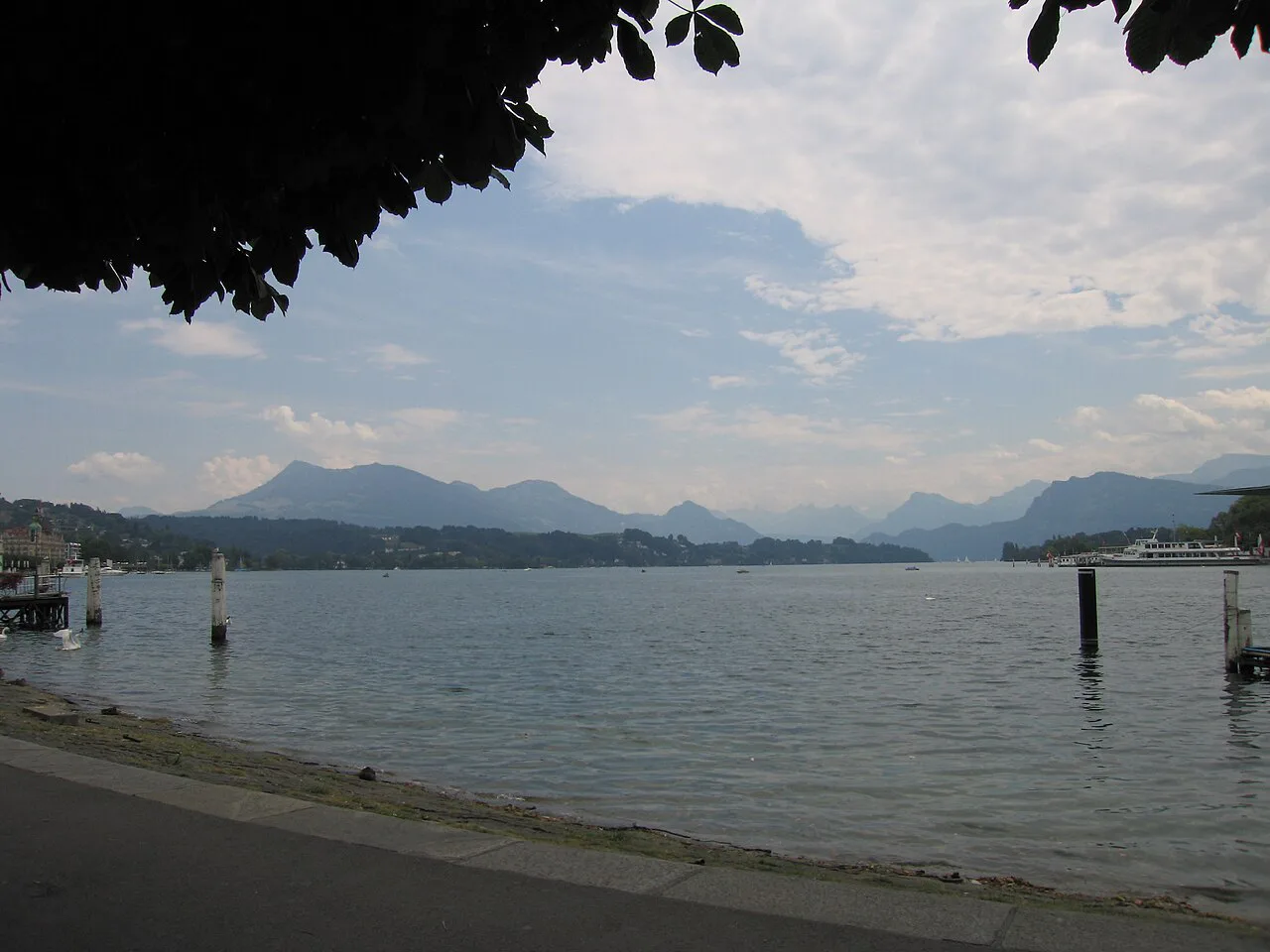
Snow in the city is possible but unreliable; the dependable snow line is higher, around Rigi, Pilatus and Titlis, all reachable from Lucerne in roughly an hour or so. Lake Lucerne itself does not freeze in a normal winter, so the water stays open and the boats keep their winter role as transport and viewpoint rather than swimming.
Fog is part of the deal. On many January days the city sits under low cloud while the peaks stand in sun above it, which is exactly why a flexible plan matters: swap your mountain day to the clearest forecast and keep the city for the gray ones. A clear föhn day is worth rearranging your week for, with sharp views across the lake to the Alps.
What January Changes
Winter schedules govern much of the region's transport in January, and boats, mountain railways and cable cars can run reduced services or pause maintenance in this period. The tourism office publishes the winter activities it operates and promotes across the Lucerne–Lake Lucerne region, from winter walking and sledging to cross-country trails. Confirm the specific lift or boat you want with its operator before building a day around it.
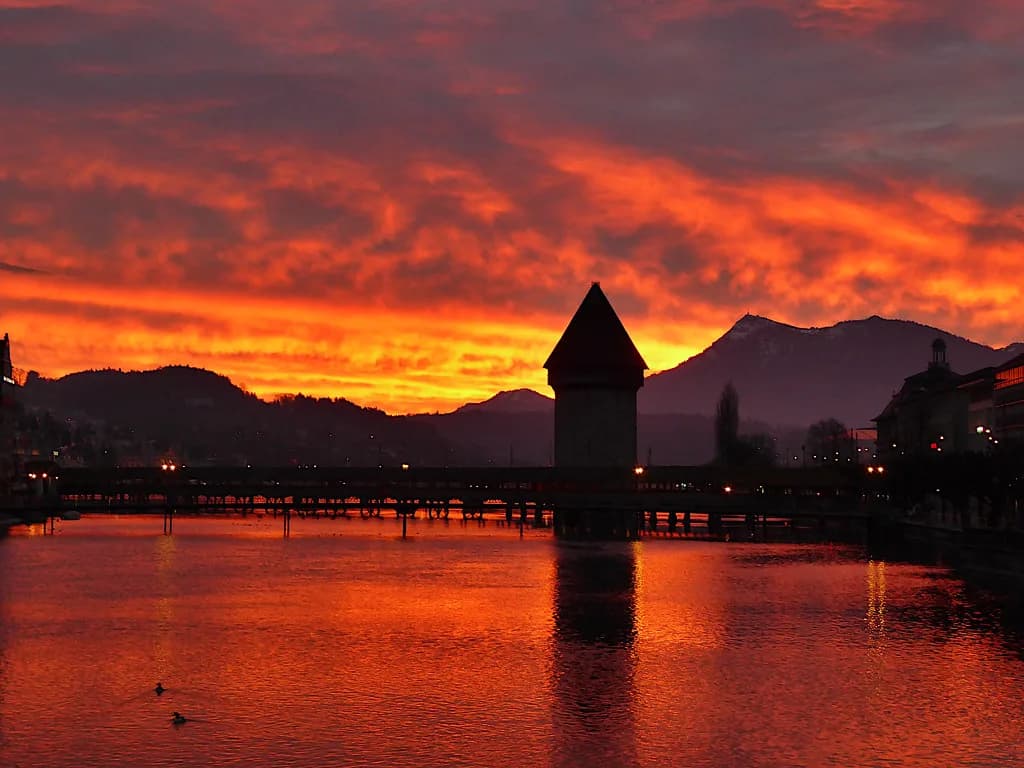
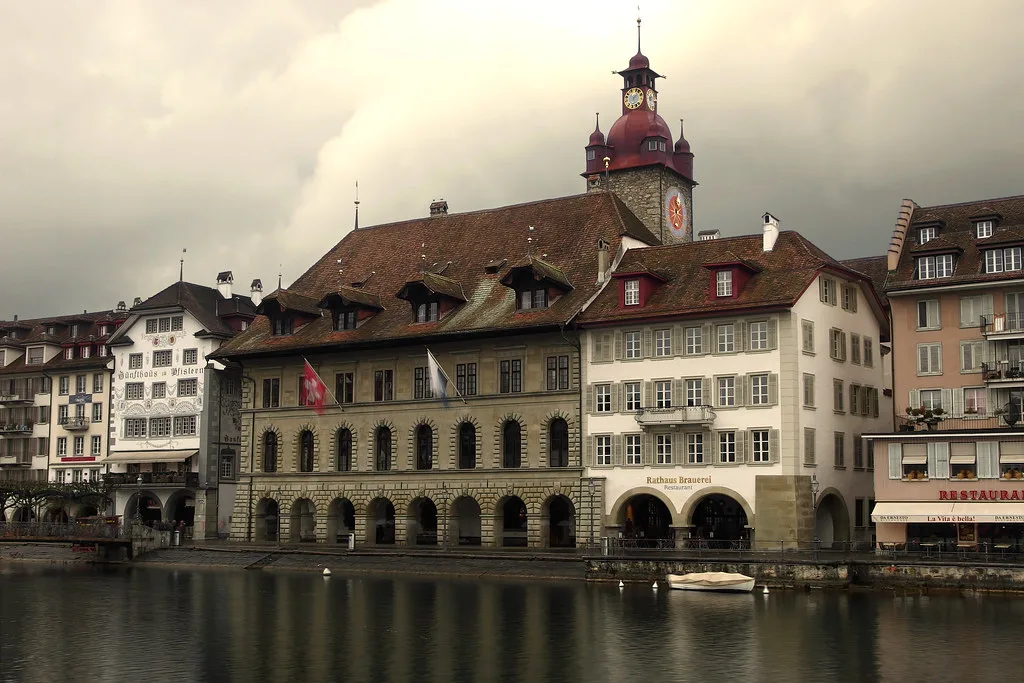
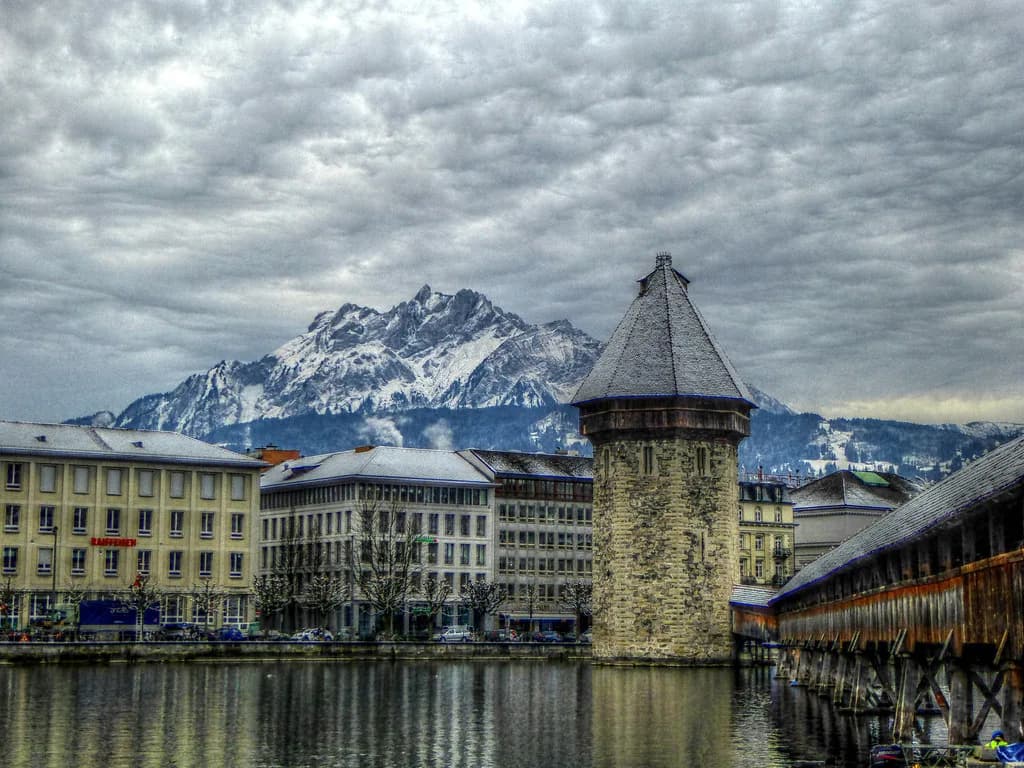
City sights are the reliable core: the Chapel Bridge, the Jesuit Church, the Swiss Museum of Transport and the Rosengart Collection keep the city working through the cold months. The weekly market by the river still runs on its usual mornings, and the old-town lanes are pleasantly empty compared with the Christmas weeks.
The Lilu Light Festival Lucerne
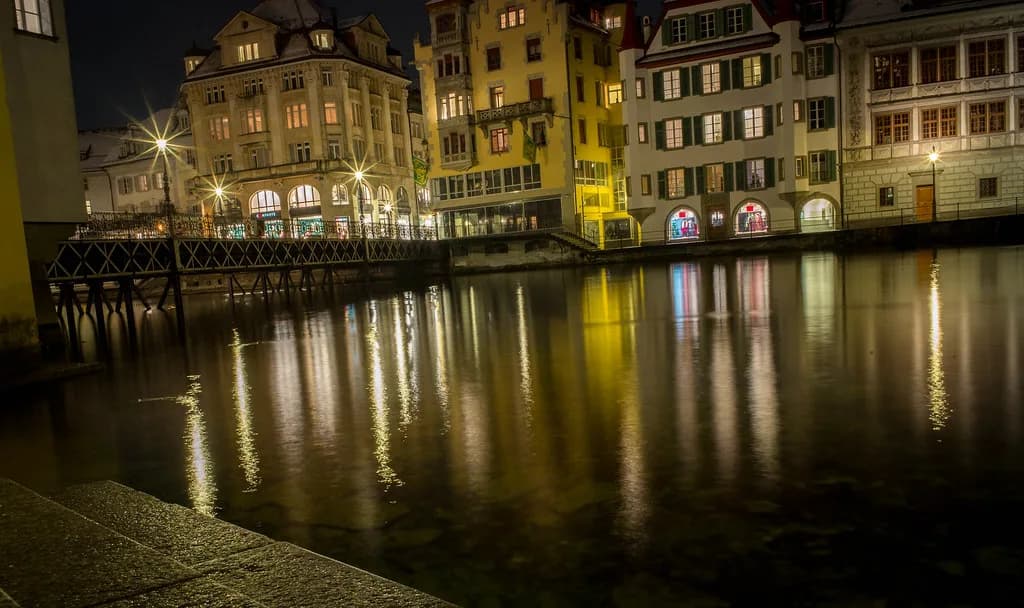
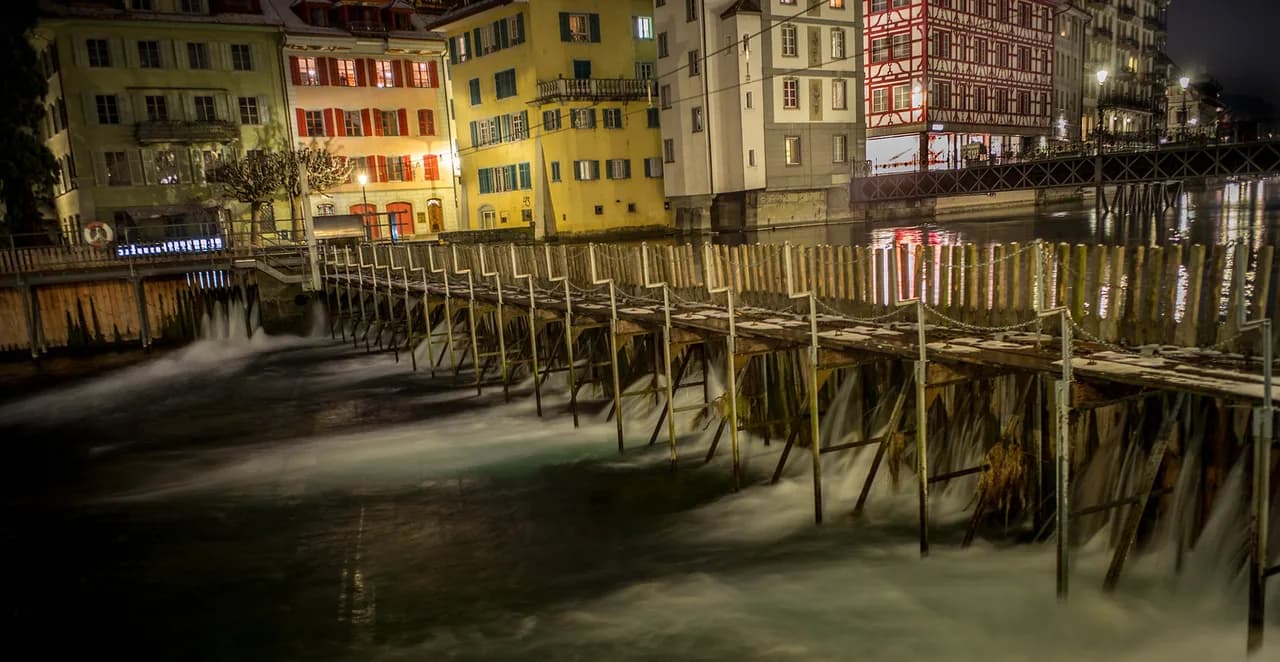
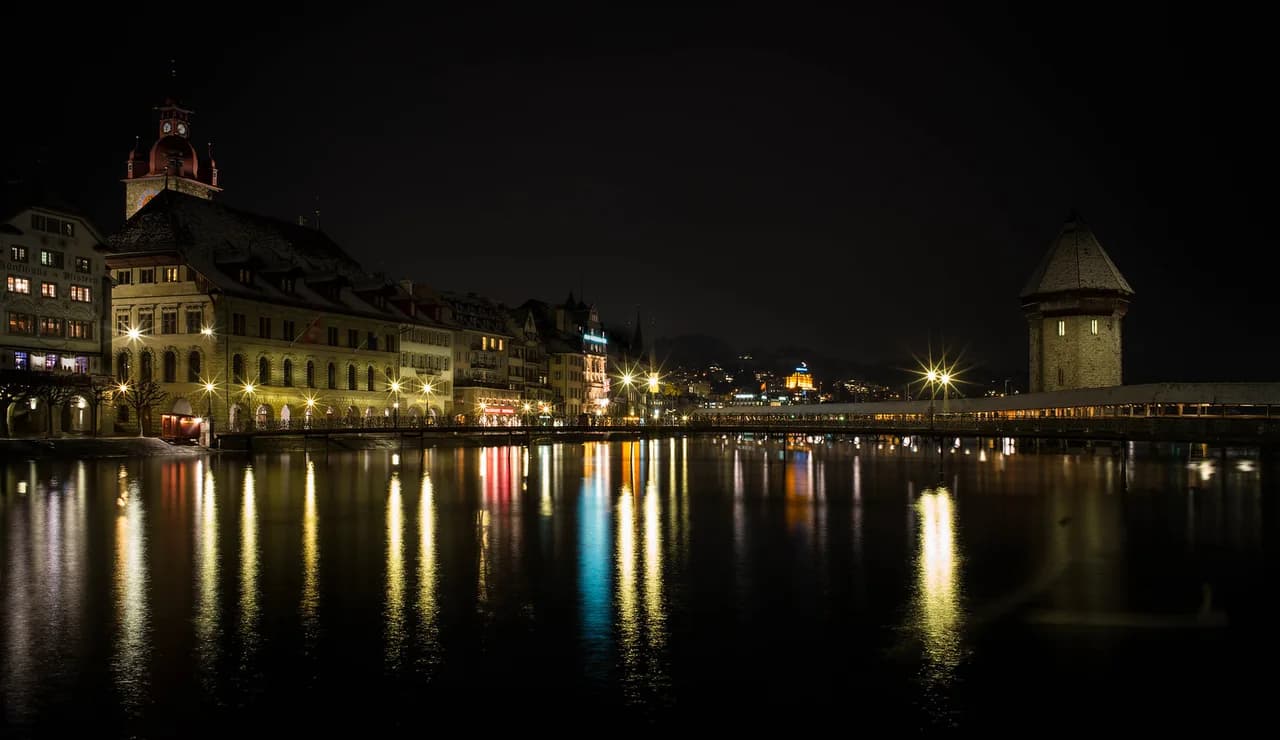
Lilu, Lucerne's light festival, fills the old town with illuminated installations in January, giving the dark evenings a reason to walk the lanes after dinner. The 2027 edition is listed for 14–24 January, which puts it squarely in the second half of the month and makes those dates the busiest of an otherwise quiet period.
If Lilu is your reason for coming, book around those ten days and expect evening crowds in the old town rather than daytime ones. If you want maximum quiet, choose the first week of January instead, after the New Year's Day holiday on Friday 1 January 2027.
Things to Do in Cold, Dark Weather
The Swiss Museum of Transport is the best bad-weather bet in the city, a full-day indoor complex with trains, planes and the Swiss Chocolate Adventure ride. Pair it with the Rosengart Collection for Picasso and Klee, or with a guided walk through the old town when you want to be outside without committing to a long hike.
Food carries January well: cheese fondue in a wood-paneled old-town restaurant, lake fish, and long lunches that stretch across the short daylight hours. A lunch boat cruise on the lake combines a warm cabin with Alpine views, which is often the most comfortable way to see the water in midwinter.
Views and Mountain Days
Pick one mountain rather than trying to tick all three. On a clear day, Pilatus or Rigi give the classic lake-and-Alps panorama above the fog; when you want reliable snow and high-altitude certainty, Titlis above Engelberg is the safer choice. Each involves a train or boat leg from Lucerne plus a cable car or cogwheel ride, so check current winter service and timetables before setting out.
Dress for the top rather than the city, since temperatures drop sharply with altitude and wind on the summits is stronger than at lake level. Allow a full day for any of them and keep a city fallback ready in case low cloud closes the views.
Walks Close to the City
The lakeside promenades and the old-town ramparts give you a walk without leaving Lucerne, and the tourism office lists winter walking and snowshoe routes across the surrounding region for anyone wanting more. These are short-day activities: start early, because the light fades by late afternoon.
Day Trips That Work in January
Engelberg and Titlis make the strongest winter day trip, with snow at altitude and a direct rail connection from Lucerne. Rigi works well on a clear day for the lake panorama, while Zurich or Bern are the sensible rail alternatives when the mountains are clouded in and you want museums, shops and restaurants instead. The Zurich and Bern trains run year-round from Lucerne's main station.
Carnival Is Still to Come
January is the quiet before Lucerne Carnival, which takes over the city in February and peaks on Carnival Tuesday, 9 February 2027, before Ash Wednesday on 10 February. If you want the masked parades and the brass bands, January is the wrong month; if you want the city to yourself, it is the right one.
Who January Suits
January rewards travelers who treat Lucerne as a city break with a mountain bonus: cheaper rooms than December, empty lanes, and the Lilu festival lighting up the dark. It punishes anyone counting on sunshine, long hikes or open mountain transport every day. If you want guaranteed snow and a livelier calendar, look at February for Carnival; if you want longer days and milder air, wait for March.
Plan Your Visit
Build your January trip around two city days and one flexible mountain day, and let the morning forecast decide which is which. Book Lilu dates early if the festival is the draw, and keep one indoor anchor per day so a week of cloud never wrecks the plan.
Explore more Lucerne winter guides
Frequently Asked Questions
Is January a good time to visit Lucerne?
Yes, if you want a quiet city break with cold, often gray weather and short daylight. It suits museum days, the Lilu Light Festival and one clear-day mountain excursion, but not anyone expecting sunshine, long hikes or a busy events calendar.
Does Lake Lucerne freeze in winter?
It does not normally freeze, because the city does not stay consistently below zero long enough for the lake to ice over. The boats keep running on winter schedules, so the water stays part of the trip rather than a frozen curiosity.
Does it snow in Lucerne in January?
Snow in the city is possible but not dependable; rain and damp cold are more typical at lake level. For reliable snow, head higher to Rigi, Pilatus or Titlis above Engelberg, where the winter cover lasts through the season.
When is the Lucerne Light Festival in 2027?
Lilu is listed for 14–24 January 2027, which makes the second half of the month the busiest stretch. If you want the festival, plan around those dates; if you want maximum quiet, go in the first week of January instead.
Can you visit Mount Pilatus or Rigi in January?
Both are reachable from Lucerne in about an hour, but winter service on the cable cars and cogwheel railways varies. Check the winter timetable before building a day around either, and keep Titlis as the high-altitude backup when you want guaranteed snow.
How many days do you need in Lucerne in winter?
Two full city days cover the old town, the Chapel Bridge, the Swiss Museum of Transport and an evening at Lilu, with a third day for one mountain. Add a fourth if you want a rail day trip to Zurich or Bern as a cloud fallback.
Sources
Winter travel notes
Optional updates when we add or revise winter guides.
You might also like
Continue reading
More guides you'll find useful