Lucerne in November: Weather, Open Sights and What to Do
Lucerne in November is cold, often grey and refreshingly uncrowded. Here is what the weather feels like, what stays open and which mountain trips still run.
On this page
Lucerne in November is a compact lake city settling into winter: cold air off Lake Lucerne, bare trees along the Reuss, and an Old Town that you can cross without dodging tour groups. Daylight is short and the weather is often grey, but the rewards are thin crowds and cheaper rooms than December or summer bring. This is a month for readers who want the scenery without the peak-season machinery, and who can accept one mountain day instead of three.
The Swiss Travel Centre sells a four-day, three-night Lucerne winter itinerary for travel from November to March, which shows the season being marketed as a package rather than a dead zone. That framing is useful for planning: the city keeps functioning, hotels stay open, and public transport runs on its usual reliable rhythm. What changes is the excursion layer — mountain railways and cableways trim their offer once the summer season ends.
Weather in November
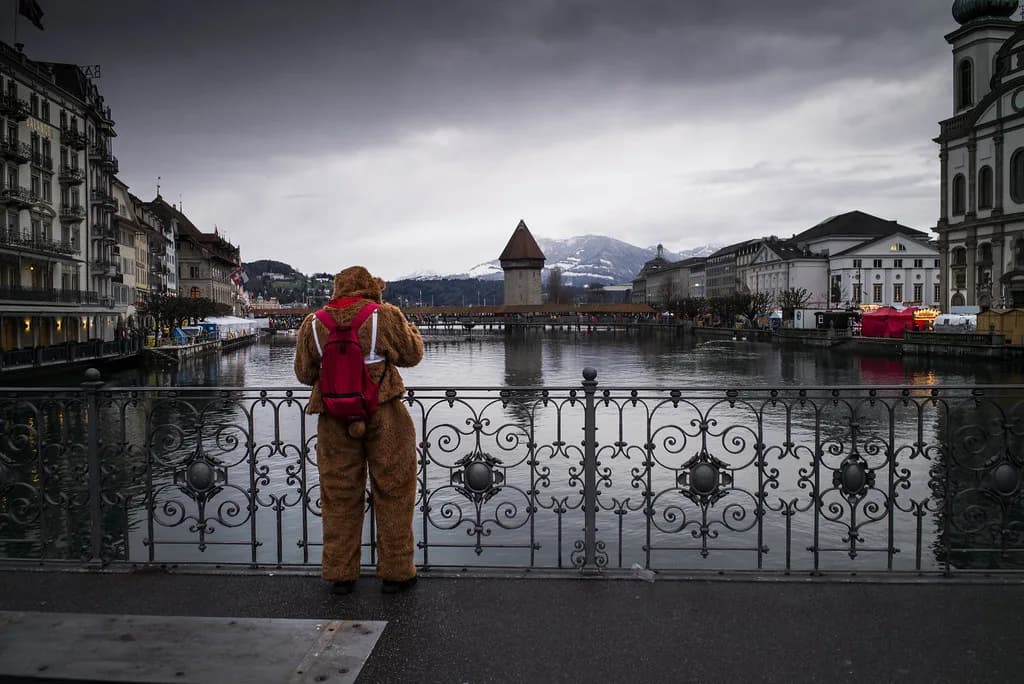
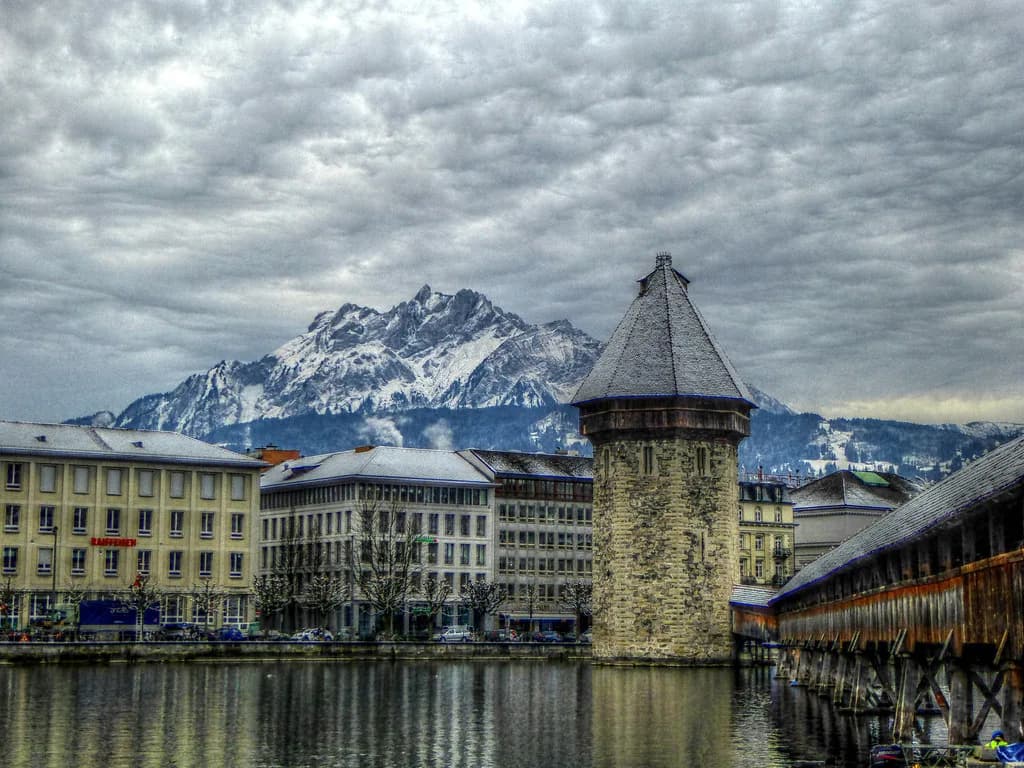
Expect typical late-autumn conditions rather than a forecast: cool days that need a warm mid-layer, colder mornings near the water, and plenty of cloud. Rain falls as rain in the city at this elevation, while the peaks above Lake Lucerne can already hold snow, which is why the mountains look white in photos taken from the Chapel Bridge in November. Treat any specific temperature you read here as a long-run average for packing decisions, and pull the short-term picture from MeteoSwiss in the days before you travel.
Daylight is the constraint that shapes a November itinerary more than temperature. The clocks went back on 25 October 2026, so evenings arrive early and the light fades fast after mid-afternoon; plan outdoor time — the bridge, the lakefront, the old walls — for the morning and keep afternoons for indoor stops. Sunrise and sunset shift noticeably across the month, so pull the current figures for your exact dates from a national almanac or MeteoSwiss rather than relying on a general rule.
What November Changes
November sits in the gap between the summer excursion season and the Christmas season, and that gap has consequences. Many mountain attractions around Lucerne are closed in November, as travelers planning late-autumn trips to the region regularly report, so a peak you had counted on may simply not be running on your dates; check the operating calendar of each cableway or railway directly before you build a day around it. Pilatus runs on its winter pattern, with the cable car rather than the cogwheel train as the way up.
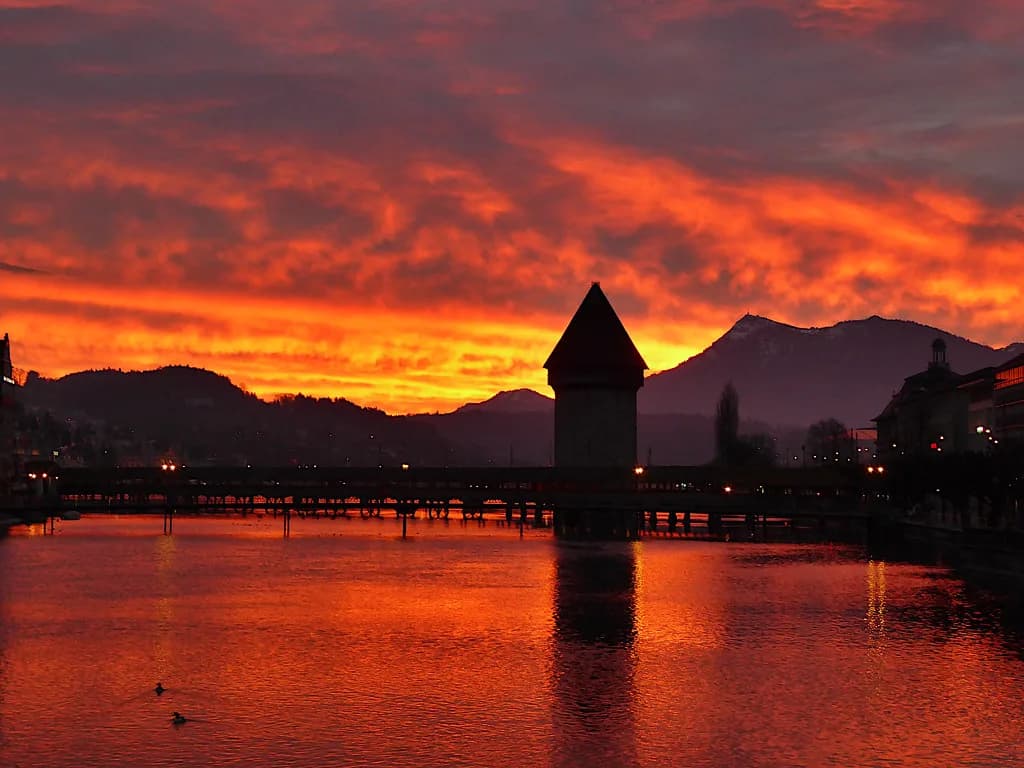
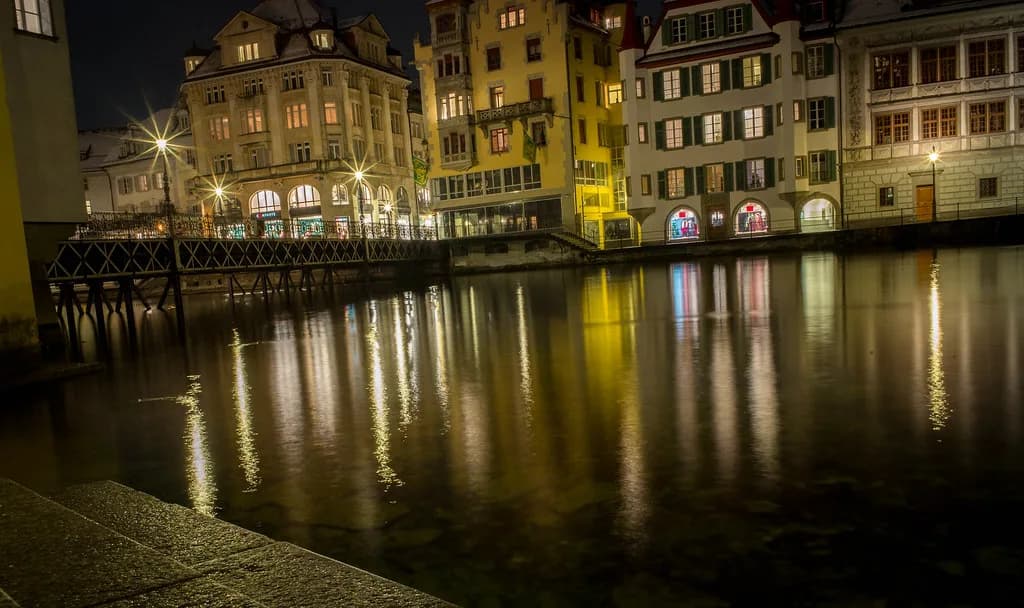
In the city itself, little shuts down. The Chapel Bridge, the painted facades of the Old Town and the Jesuit Church stay in place and are simply quieter; the bridge loses its flower boxes for the season but keeps its ceiling paintings, so look up as you cross. Boat services on Lake Lucerne continue in reduced form rather than disappearing, which makes a short cruise a realistic morning plan if the sky clears.
The Old Town and Chapel Bridge in Low Season
Give the Old Town at least two hours on foot: the painted houses, the fountain columns and the squares reward slow walking, and the public fountains run with drinking water from Pilatus, so a refillable bottle is enough. In November, with December's market crowds still weeks away, you can actually see the facades rather than the backs of other visitors. Start at the Chapel Bridge, cross the Reuss, and work uphill through the lanes without a fixed route.
Lake Lucerne by Boat
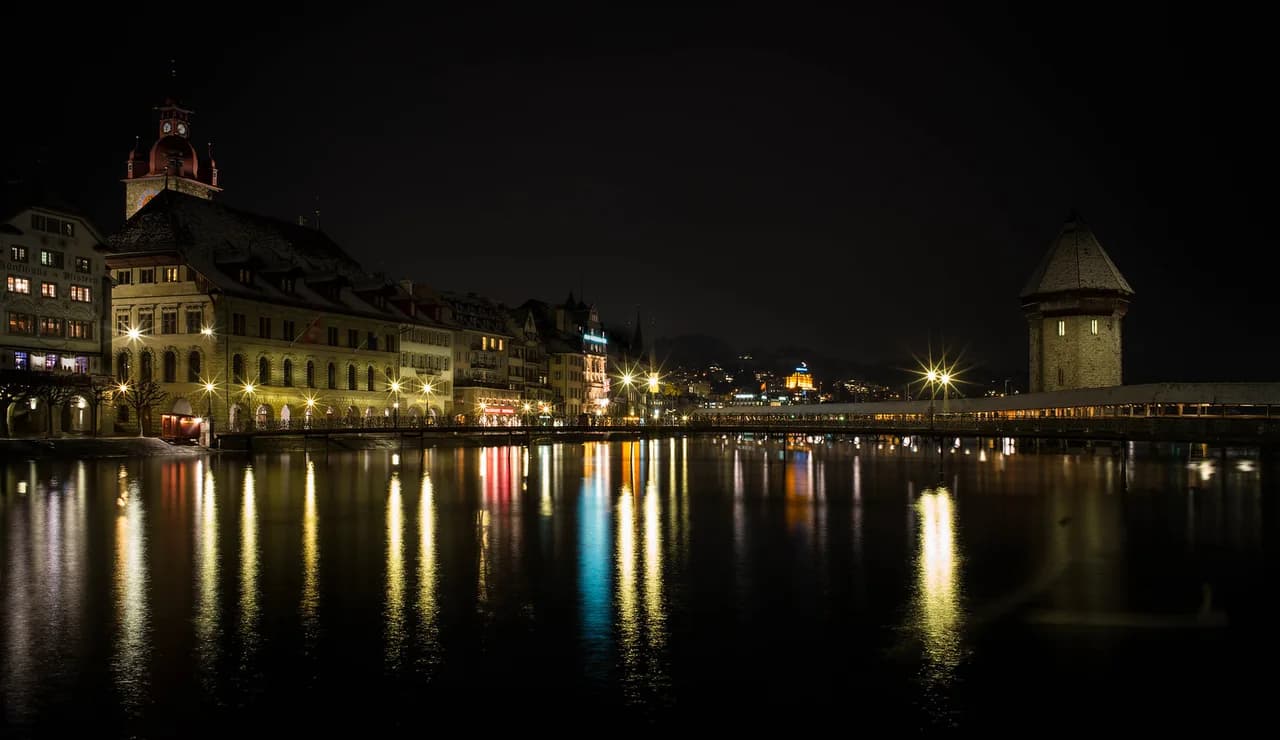
A boat trip is still the best way to understand the city's setting, but schedule it for daylight. Choose a morning or early-afternoon departure so the shore, the Pilatus ridge and the mouth of the Reuss stay visible, and treat an evening cruise as an atmospheric outing rather than a sightseeing one. Winter sailings are fewer than in summer, so check the current Lake Lucerne timetable before you commit a half-day.
Rainy-Day Lucerne
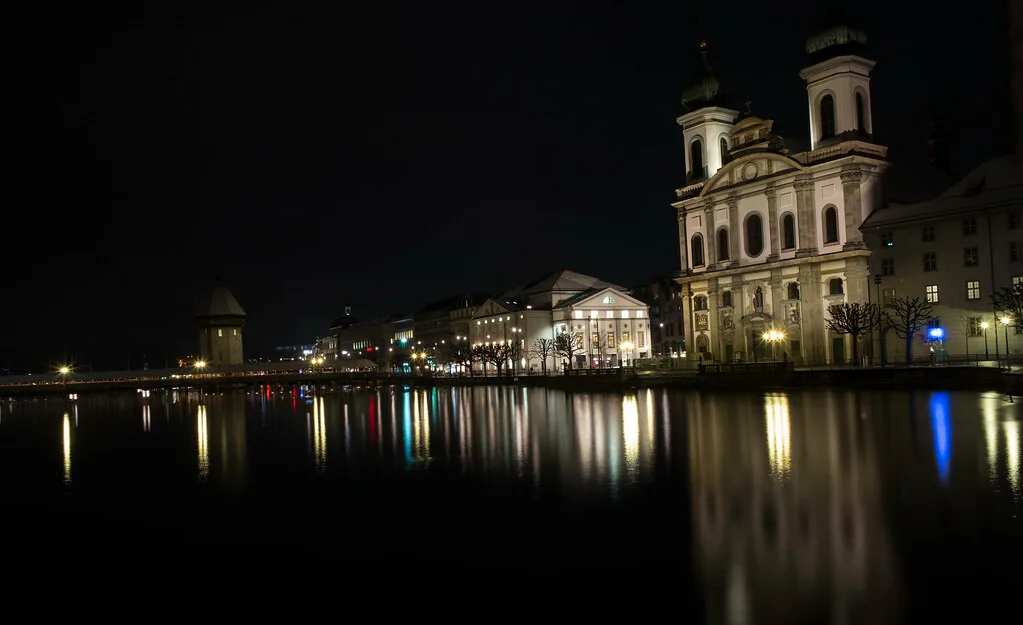
When the lake disappears into cloud, the Jesuit Church near the river is an easy stop worth building an afternoon around — a 17th-century baroque interior that surprises people who expect Swiss restraint. Chocolate is the other reliable indoor option: Max Chocolatier, close to the Chapel Bridge, is where you can book a chocolate workshop and make your own bar in Lucerne, and booking ahead is sensible because sessions are small. Both fit neatly into a wet afternoon without a ticket to anywhere else.
Day Trips That Still Work in November
Pilatus is the closest mountain decision. In winter the cogwheel railway is out and the cable car is the way up, so the trip depends on that cableway running and on the summit not being in cloud; pick a clear morning and go early, since the light goes by mid-afternoon. Mount Rigi, reached from Vitznau by boat or bus and then by cogwheel railway, is a strong alternative and can be built into a full day with the lake crossing included.
Titlis, above Engelberg, is the high-altitude option and the longest day: a train from Lucerne to Engelberg, then a cable car to a summit above 3,000 meters where snow is essentially guaranteed and the glacier cave and cliff walk give you something to do beyond the view. Budget a full day, and check the cableway's operating status before buying a ticket, because November maintenance is exactly when these systems pause.
Crowds, Costs and How November Compares
November is the calmest stretch of the Lucerne winter in practice: accommodation prices sit below summer levels, restaurants have space, and the bridges are walkable. December brings Christmas-market visitors and higher room rates, while mid-January brings the LILU light festival and its own short spike of interest. If your priority is the city itself rather than an event, November gives you the best ratio of scenery to people.
Compare published rates directly: hotels quote November and December differently, and mountain excursions carry their own seasonal prices. A Swiss Travel Pass can change the arithmetic, covering city transport and lake boats and discounting several mountain rides, but it only pays off if you are moving around the country.
Getting Around
Lucerne is walkable, and that is the main transport plan. If you stay in official accommodation you receive a Visitor Card that covers city buses and trains within Lucerne, which is handy in rain but does not extend to the mountains or the lake boats. For those you buy a ticket or rely on a Swiss Travel Pass; the pass covers boat cruises on Lake Lucerne and gives discounts on most mountain excursions, while the Rigi railway is included.
Arriving is straightforward: Zurich and Basel airports are both roughly an hour from Lucerne by train or car, and the train drops you at the station beside the lake. Driving works but parking in the center is expensive and unnecessary for a city break; snow on the roads is unlikely in Lucerne itself, though it can be a different matter if you drive toward Engelberg.
Who Should Come in November
November suits travelers who want Lucerne's setting without the machinery of peak season: couples and solo travelers happy to walk, ride a boat in daylight, and take one mountain day if the weather cooperates. It also suits anyone combining Lucerne with Zürich, since the two are an easy train ride apart and both are quiet before December; see our guide to Zürich in November for what stays open on the other end of that ride.
Choose another month if you need guaranteed snow in town, long daylight for photography, or the Christmas atmosphere as the point of the trip. December delivers markets and lights; January brings the light festival and colder, clearer days on the peaks. November is the month you pick for space and value, not for spectacle.
Plan Your Visit
Build a November Lucerne trip around two fixed points: a city morning for the Old Town and Chapel Bridge while the light is good, and one mountain day chosen after you have checked the cableway and railway operating calendars. Fill the gaps with the lake when it is clear and the Jesuit Church or a chocolate workshop when it is not.
Check the specific excursion timetables and mountain operating days, and keep the plan flexible enough to swap Pilatus for Rigi or Titlis if cloud sits low. Book rooms early enough to compare November with December, and let the short daylight decide your schedule rather than the other way round.
Explore more Lucerne winter guides
Frequently Asked Questions
Is November a good time to visit Lucerne?
Yes, if you value quiet streets and lower room rates over guaranteed atmosphere. The Old Town, Chapel Bridge and Jesuit Church are all open and far less busy than in summer or December, and the lake still runs boat services. The trade-offs are grey skies, early darkness and reduced mountain transport.
How cold is Lucerne in November?
November is late autumn in a lake city: cool, often cloudy, and cold enough for a proper jacket, with colder air on the mountains above town. Use long-term climate averages for planning and check a short-term forecast from MeteoSwiss before you pack, since a single November can swing widely.
Can you go up the mountains from Lucerne in November?
Sometimes. Pilatus is reached by cable car in winter because the cogwheel train does not run, and some mountain attractions around Lucerne close for the season in November. Check each cableway or railway's operating calendar before committing a day, and keep a lake cruise as a backup.
Does it rain a lot in Lucerne in November?
November is a wet, overcast month on average, with rain rather than snow in the city and snow possible on the peaks. Rather than expecting a dry week, plan one indoor anchor per day, such as the Jesuit Church, a chocolate tasting at Max Chocolatier or a museum.
How much daylight does Lucerne get in November?
Daylight shortens quickly through the month, and after the clocks went back on 25 October 2026 the evenings close in early. Plan outdoor sights and any lake cruise for the morning and early afternoon, and check sunrise and sunset times for your exact dates.
What is there to do in Lucerne in November?
Walk the Old Town and cross the Chapel Bridge, take a daylight boat trip on Lake Lucerne, visit the Jesuit Church, book a chocolate tasting at Max Chocolatier, and attempt one mountain day at Pilatus, Rigi or Titlis if the weather and operating calendar allow.
Sources
Winter travel notes
Optional updates when we add or revise winter guides.
You might also like
Continue reading
More guides you'll find useful