Lucerne in March: Weather, Openings and What to Do
Lucerne in March brings cold mornings, milder afternoons and thinning crowds. See typical weather, what is open on the lake and mountains, and who this month suits.
On this page
March in Lucerne is a month of two altitudes. The city sits at lake level, where grey cloud can settle for days, while the peaks of Central Switzerland often rise above it into clear sun. That split is the central planning decision of a March visit: whether to stay down in the Old Town or ride up for the view.
The month is quiet compared with summer, and the Christmas markets that draw crowds to the lakefront are long finished. What you get instead is a city going about its ordinary life, shorter queues at the big sights, and a landscape shifting from winter to spring. It suits travelers who value elbow room and don't mind variable weather; it is less reliable for anyone set on long lakeside afternoons in the sun.
Why March Splits Lucerne's Winter and Spring
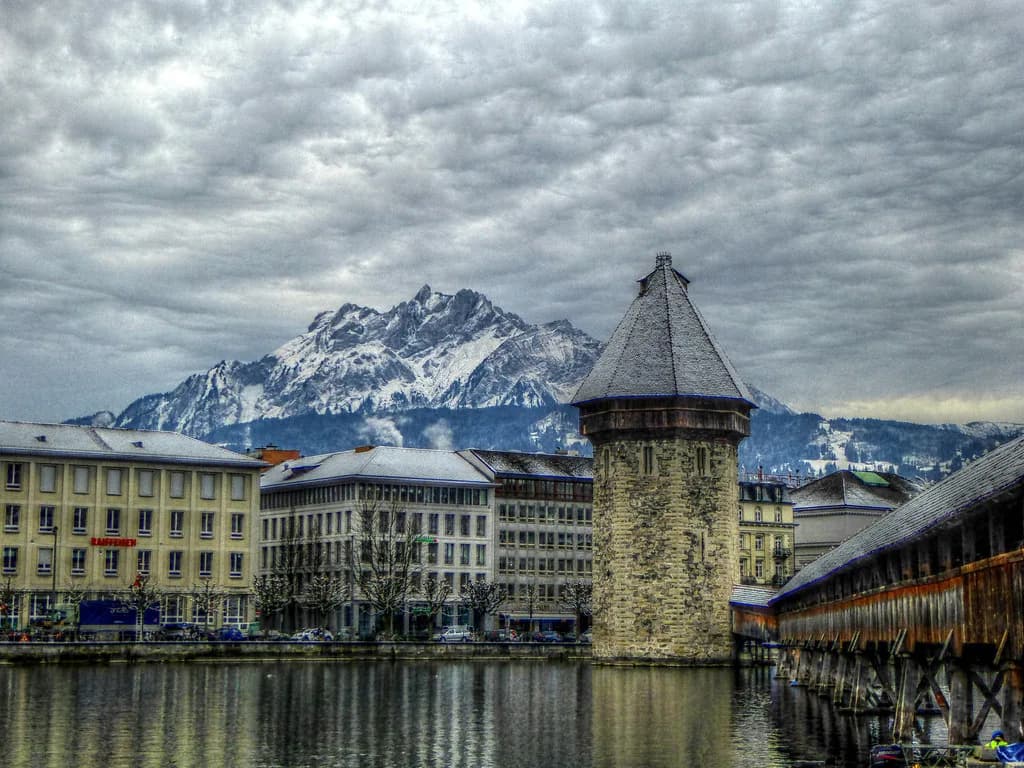
Lucerne sits between a lake and steep mountains, and in March that geography matters more than the calendar. Cold air can trap low cloud over the water while the summits above stay bright, so a morning that looks hopeless from the Chapel Bridge may be sunny a few thousand feet up. Locals plan around this inversion, and visitors who do the same get far more out of the month.
The other shift is daylight. European clocks go forward on 28 March 2027, which pushes sunset an hour later and gives you genuine evening light for walks along the waterfront in the final days of the month. Before that date the afternoons close in early, which concentrates sightseeing into the middle of the day. If you have flexible dates, late March is noticeably more generous than the first week.
For a broader picture of the season, the guide to Lucerne in winter covers how the city behaves from December through the colder months, from ice on the lakefront to the pace of the Old Town. March overlaps that season at its tail end, with the same architecture and museums but a slow loosening of the cold.
Weather in March
Typical conditions are cold but not severe. Long-term averages put a March day around 8°C (46°F) at its mildest and about 0°C (32°F) at night, so mornings often start at or just below freezing and soften by early afternoon. Treat those figures as the usual range rather than a forecast and expect variation from year to year.
March is a transition month, so precipitation can arrive as rain in the city or snow on the hills, sometimes within the same day. The lakefront wind adds a raw edge that the air temperature alone doesn't convey, and the paved quays can be slick after a cold night. Build slack into any day that depends on clear skies or dry ground.
Daylight grows quickly across the four weeks, from short early-March afternoons to evenings lit until well past the working day once the clocks change on 28 March 2027. Plan indoor sights for the morning and outdoor walking for the brightest hours around midday, then use the later light at month's end for a second stroll.
Early March vs. Late March
The first half of March still feels like winter at lake level: cold starts, occasional snow, and a city dressed for the cold rather than the sun. It is the cheapest and quietest stretch of the month, and the mountains are the main reason to be here, since the peaks can be brilliant while the town sits under cloud. Bring patience for grey days and you will be rewarded with space.
Late March tilts toward spring. Temperatures ease, the snow line retreats up the slopes, and later sunsets transform the end of the day. This is the better window if you want long walks, alfresco coffee when the sun appears, and enough light after sightseeing to enjoy the waterfront without hurrying back to a hotel.
The catch is variability in both halves. A mild late-March week can feel like April; a cold snap can drag conditions back to February. Packing for layering rather than a fixed season is the practical response, and the earlier month guide to Lucerne in February shows what the coldest version of this pattern looks like.
What Is Open in March
Lucerne's core sights run through the year. The Chapel Bridge and Water Tower, the Old Town lanes, the Lion Monument and the Glacier Garden are city landmarks rather than seasonal attractions, and the Swiss Museum of Transport is an indoor option that works whatever the sky is doing. Expect standard shoulder-season hours rather than summer's extended ones, and check the day's times with each venue before you set out.
Mountain transport is the less predictable part of March. Cable cars and cog railways in the region are known to take maintenance windows in the spring before the summer rush, and the exact dates change from year to year. Rather than assume a lift is running, check a few days before you go: for Mount Pilatus, the Pilatus Bahnen site; for Mount Rigi, the Rigi Bahnen site; and for the cableways around Stans and Engelberg, the relevant lift company's page. Have a valley-level plan in reserve just in case.
For a fuller inventory of what stays open through the colder months, the Lucerne in winter guide maps the seasonal rhythm of the city. March simply extends that pattern, with the caveat that mountain access deserves a direct check close to your travel date.
Clocks Go Forward on 28 March 2027
The clock change is the single most useful date in a March itinerary. On 28 March 2027, European clocks move forward an hour, so from that evening onward sunset arrives noticeably later. If your trip straddles the date, put your waterfront walk, lake-view dinner or late photo session after it, when you are not racing the dark.
Before the change, the day compresses. On a cold, cloudy morning it can feel as if there is no good light at all, which is exactly when an indoor museum or a covered walk in the Old Town earns its place. After the change, late afternoon becomes a real window, and a simple promenade along Lake Lucerne turns into the highlight of the day.
Things to Do in Cold, Changeable Weather
The Old Town is the obvious foul-weather asset: narrow lanes, painted facades, arcades and squares you can cross quickly between showers. The Chapel Bridge gives you a covered crossing of the river, and the Lion Monument is a short, sheltered stop nearby. Combined with a museum or two, that makes a satisfying day even when the peaks are hidden.
Indoors, the Swiss Museum of Transport rewards a half day, and the Glacier Garden mixes geology with local history in a compact site. For a slower afternoon, the covered passages and cafes of the old center let you wait out a squall with coffee and a view of the river. Mix one indoor anchor with one outdoor stretch and the weather can do what it likes.
If you want the city's full winter repertoire, from ice skating to the seasonal food and drink that carry locals through to spring, see the guide to things to do in Lucerne in winter. March keeps some of that character while shedding the heaviest crowds.
Mountains Above the Fog
The classic March move in Lucerne is to climb above the cloud. Mount Rigi, Mount Pilatus and Stanserhorn all rise well clear of the lake, and on an inversion day the summit can be bathed in sun while the city sits in grey. Check the mountain webcams and the lift operator's status in the morning before committing, and travel up as early as you can to make the most of the clearer hours.
Rigi is the gentlest option, with ridge paths and broad views that suit a half day even when the air is sharp. Pilatus is the more dramatic, and its cableways are the kind of infrastructure that can pause for maintenance or wind in the shoulder season, so confirm before you build a day around it. Stanserhorn offers a third summit choice when one of the others is out of action.
The same logic applies at the other end of the season. If you are weighing a late-winter trip against a spring one, the comparison with Lucerne in spring is instructive: April and May bring more reliable warmth, but March gives you mountain sun with far fewer people on the same paths.
Lake Lucerne Cruises in the Shoulder Season
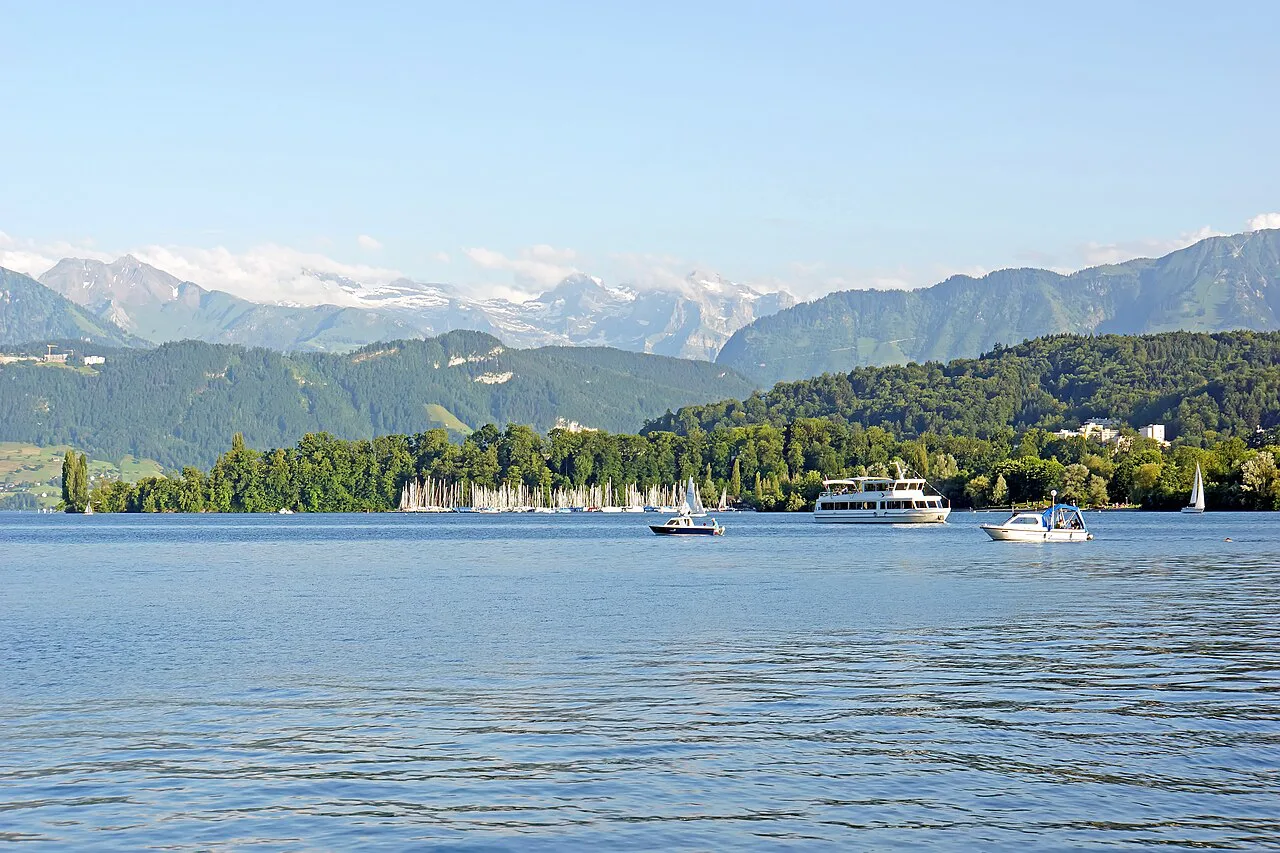
Boats on Lake Lucerne are a year-round pleasure in principle, but March sits between the winter and summer timetables. Expect reduced sailings rather than the full summer network, and be prepared for a cold wind on deck. The reward is a quiet lake, sharp air and views of snow still sitting on the upper slopes.
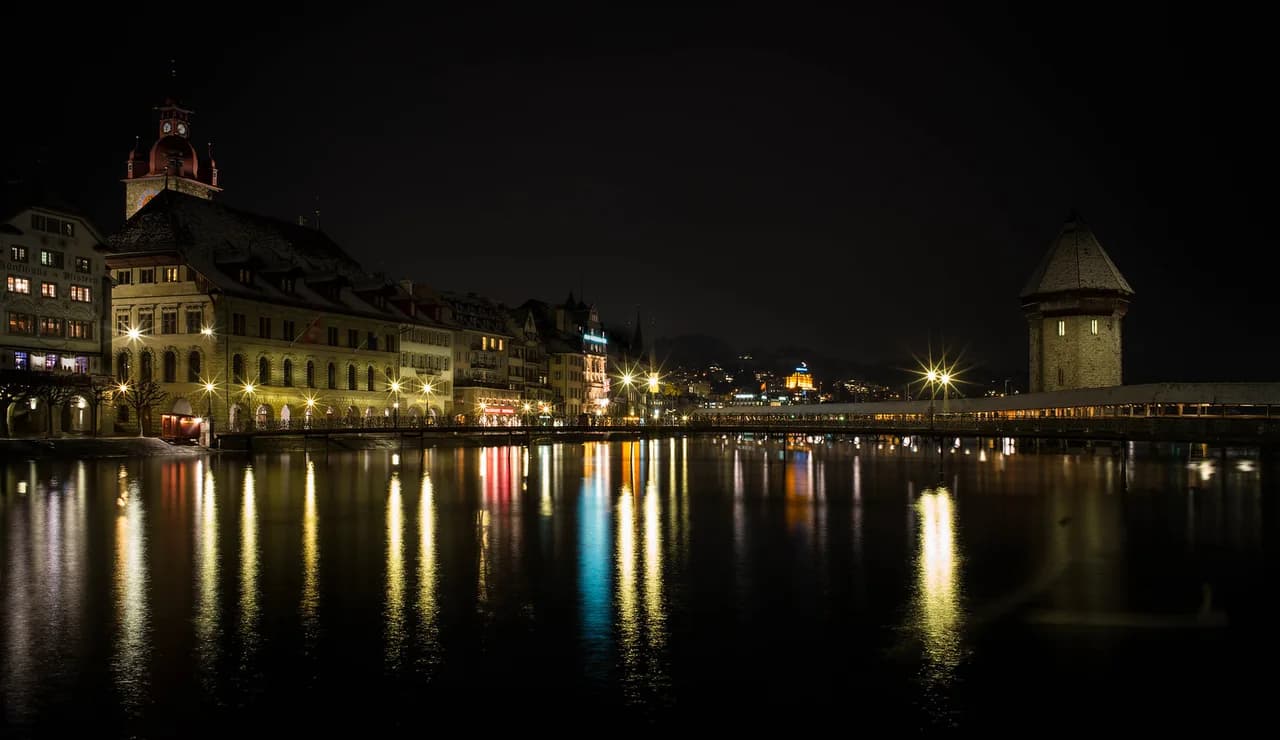
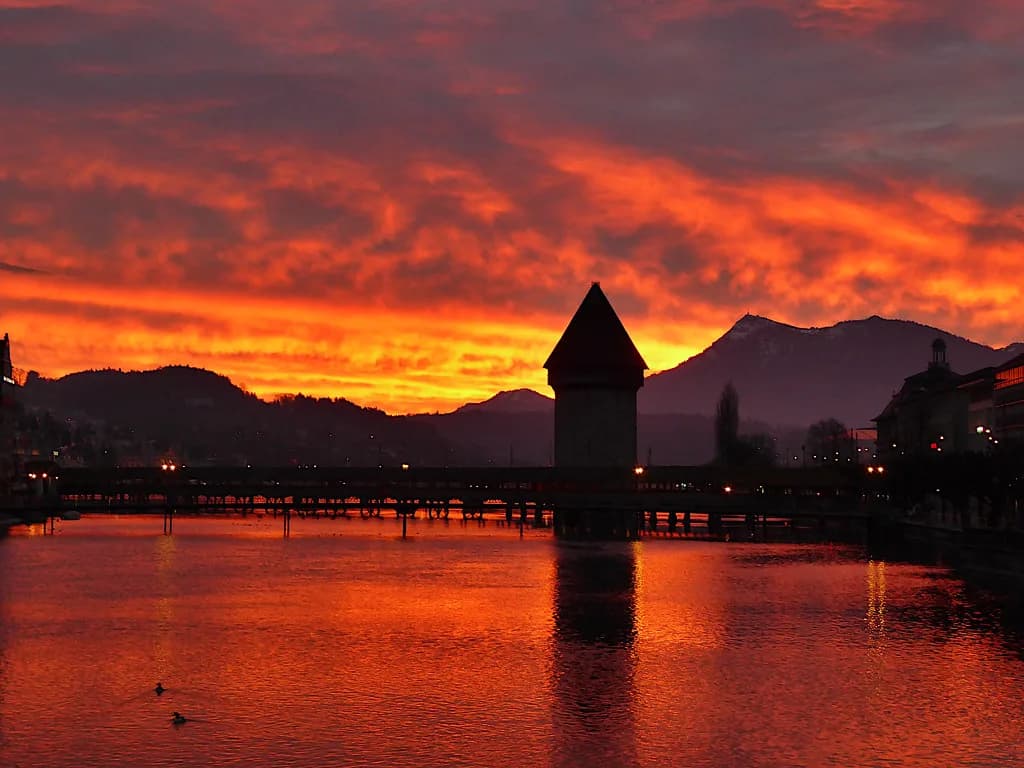
Choose a shorter crossing rather than a full-day loop if the weather is uncertain, and sit inside where possible. The classic views of the city from the water, with the Chapel Bridge and the old waterfront in frame, are arguably best in the low, clear light of a cold March afternoon.
If your dates fall earlier in the season, the December guide explains how the lakefront and its boat services behave around the holidays, which helps you compare a festive visit with a quieter March one.
Holidays and Events Around March
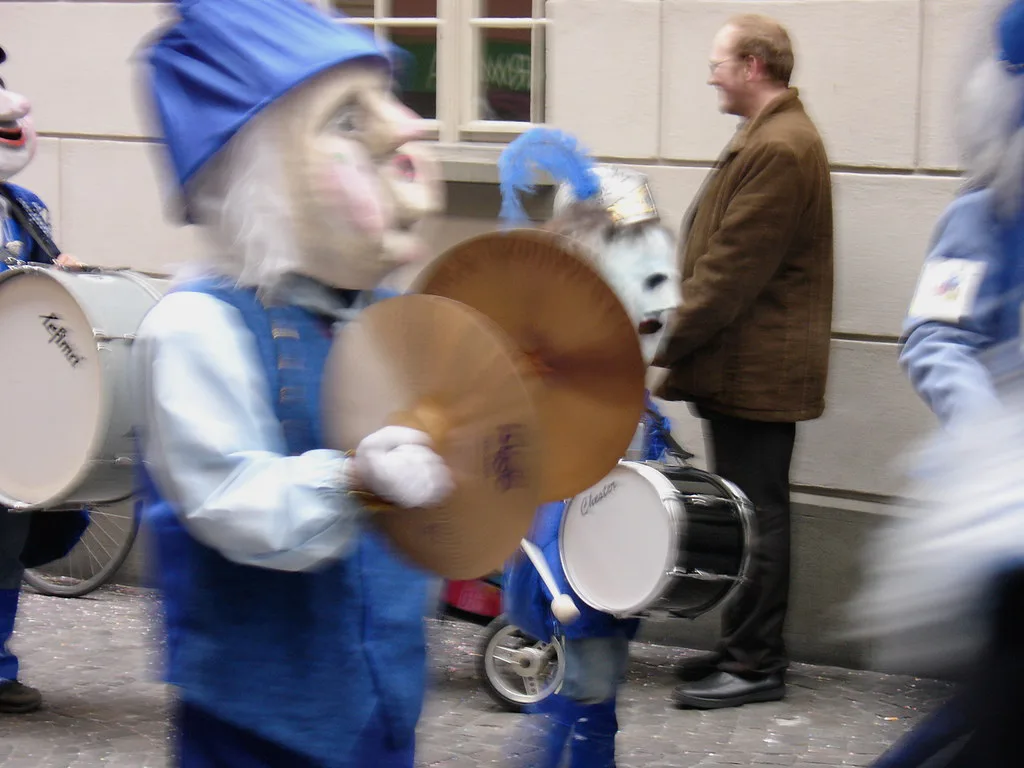
Most of March is event-light, which is part of its appeal. Carnival falls earlier in the year, with Carnival Tuesday on 9 February 2027, and the Christmas markets that fill the squares in December are long gone by March. If you want the city's liveliest weeks, those belong to February and December rather than this month.
The exception sits at the very end. Easter Sunday falls on 28 March 2027, with Holy Week running from 21 to 28 March, so the final days of the month bring church services, family visits and a busier city center. That is also the day the clocks change, which makes it a turning point for both the calendar and the light: plan your last days around it if you are traveling late in March.
If the holiday atmosphere is what draws you, the comparison with Christmas in Lucerne is worth making, since December turns the same squares into something completely different from March's quiet streets. For New Year's Eve, the year-end guide covers how the city marks the turn of the year.
Day Trips That Work in March
Central Switzerland rewards short hops. Zürich is an easy rail ride away and works in any weather, with museums, a compact old town and its own lakeside walks. If the forecast for Lucerne is grey, Zürich's lower altitude and city life make a sensible fallback, and the guide to Zürich in March covers its shoulder-season conditions.
Closer to home, the villages around the lake and the lower slopes of Rigi offer gentle walks when the snow has retreated. Mountain-top excursions are the better bet on clear days; on murky ones, stay low and make the most of covered markets, churches and cafes. The pattern is simple: mountains for sun, towns for cloud.
For anyone comparing Lucerne with the wider region, the November guide to Lucerne in November shows the other end of the cold season, when the city is darker and wetter but equally crowd-free. It is a useful benchmark for how much difference a few weeks of extra light makes.
Crowds, Prices and the Trade-offs
March is one of the quieter months in Lucerne. You will share the Old Town with far fewer people than in July or August, and the big sights are easier to enjoy at your own pace. Room rates and mountain tickets also tend to sit below high-season levels, though the exact figure varies by provider and date, so compare prices and dates for your own trip before you book.
The trade-off is the weather. Short days early in the month, grey lake-level skies and the chance of cold rain or snow are real costs, and a mountain day can be lost to cloud or a maintenance closure. Anyone who needs guaranteed sunshine or a full programme of outdoor activities should look at May or early September instead, when conditions are more stable.
March suits travelers who want the city without the crowds, who enjoy a bit of planning around the forecast, and who are happy to trade guaranteed weather for space and flexibility. It also suits people combining Lucerne with a wider Swiss trip, since the same shoulder-season logic applies across Central Switzerland.
Who March in Lucerne Suits
March rewards travelers who treat the weather as a planning variable rather than a fixed expectation. Ride up to Rigi or Pilatus when the cloud sits low, stay in the Old Town when it doesn't, and use the extra hour of light after 28 March 2027 to stretch your afternoons. The result is a quieter, cheaper Lucerne than summer offers.
If you need reliable warmth, long lakeside evenings from the start of your trip and everything running at full summer capacity, aim for May or later. If you want space, sharp mountain air and the pleasure of watching a city wake up from winter, March delivers, provided you check mountain transport before you commit to it.
Frequently Asked Questions
What is the weather like in Lucerne in March?
March is cold and changeable. Long-term averages suggest a typical high near 8°C (46°F) and an overnight low around 0°C (32°F), with mornings at or below freezing and milder afternoons. Rain or snow is possible in the same week, and low cloud can sit over the lake while the mountain tops stay sunny.
Is March a good time to visit Lucerne?
It works well for travelers who want fewer crowds and lower prices and don't mind variable weather. The main risk is grey, cold days at lake level and reduced mountain transport in the shoulder season. If guaranteed sunshine matters more than space, a later spring visit is the safer choice.
Are the mountains open in Lucerne in March?
Mount Rigi, Pilatus and Stanserhorn rise above the lake and often sit above the cloud, but lifts and railways can pause for maintenance or wind in the shoulder season. Check the specific operator's status on the morning you plan to go, and keep a valley-level plan in reserve.
Do lake cruises run on Lake Lucerne in March?
Boats generally operate, but March sits between the winter and summer timetables, so expect a reduced choice of sailings rather than the full summer network. A shorter crossing is the safer bet on an uncertain day, and the lake is quiet compared with summer.
When do the clocks change in Lucerne in March 2027?
European clocks go forward on 28 March 2027, giving an hour more evening light from that date onward. If your trip covers the change, plan waterfront walks and late-afternoon viewpoints after it rather than before.
Is Lucerne crowded in March?
No, March is one of the quieter months. The Old Town and major sights are far less busy than in July or August, with the exception of the final days around Easter Sunday on 28 March 2027, when the city fills up for the holiday.
What can I do in Lucerne in March if it rains?
Head indoors: the Swiss Museum of Transport and the Glacier Garden are solid half-day options, and the Old Town's lanes and arcades let you move between showers. The Chapel Bridge gives a covered river crossing, and cafes along the water are good places to wait out a squall.
Does Carnival fall in March in Lucerne?
No. Carnival Tuesday falls on 9 February 2027, with Ash Wednesday the following day, so the carnival season is over well before March. March's event interest is concentrated at the very end, around Holy Week and Easter Sunday on 28 March 2027.
Sources
Winter travel notes
Optional updates when we add or revise winter guides.
You might also like
Continue reading
More guides you'll find useful