Sorrento in January: Plan a Quiet Winter Getaway
Sorrento in January is mild and quiet, with highs near 13°C and short daylight. See the weather, what stays open and the winter trade-offs.
On this page
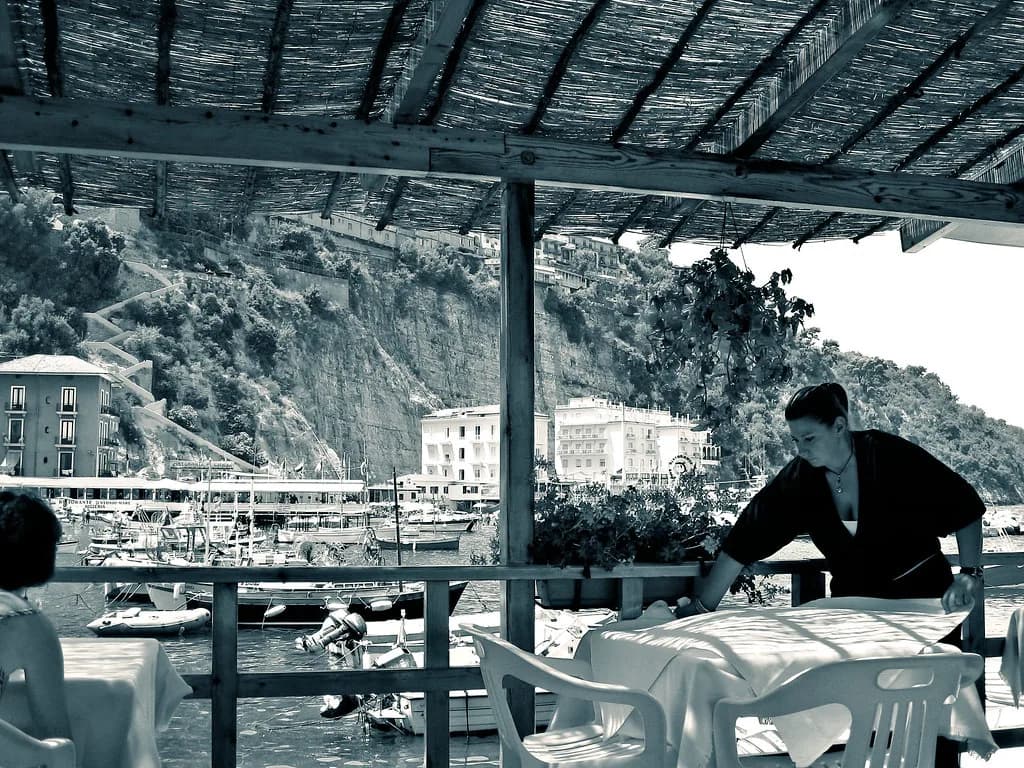
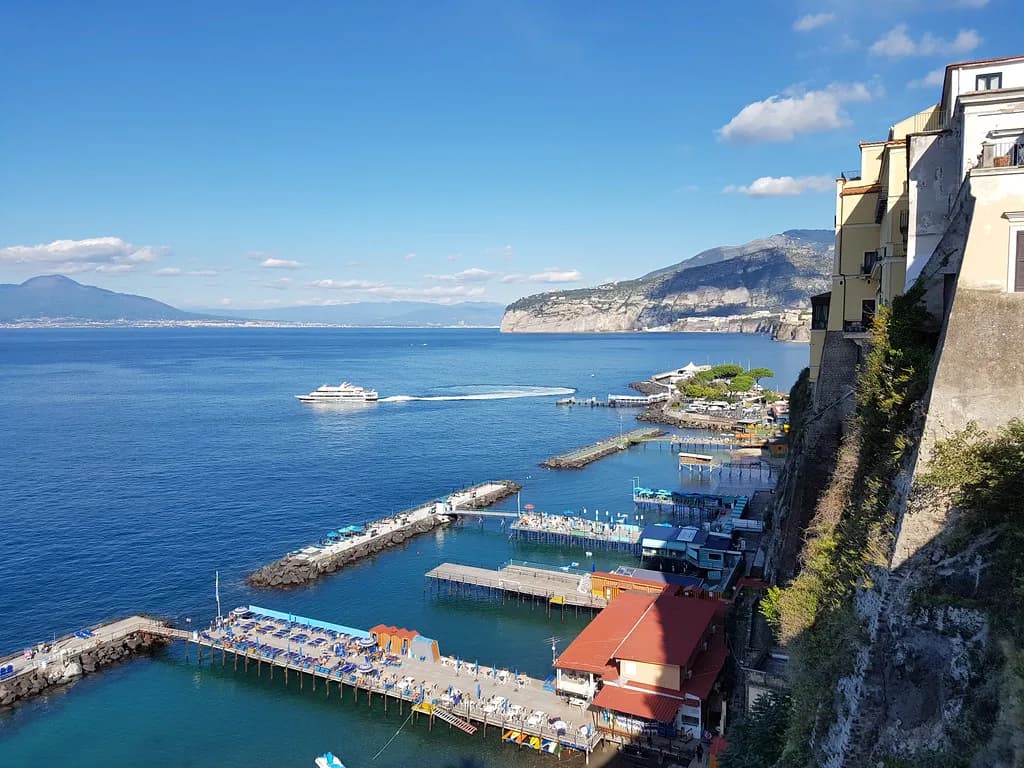
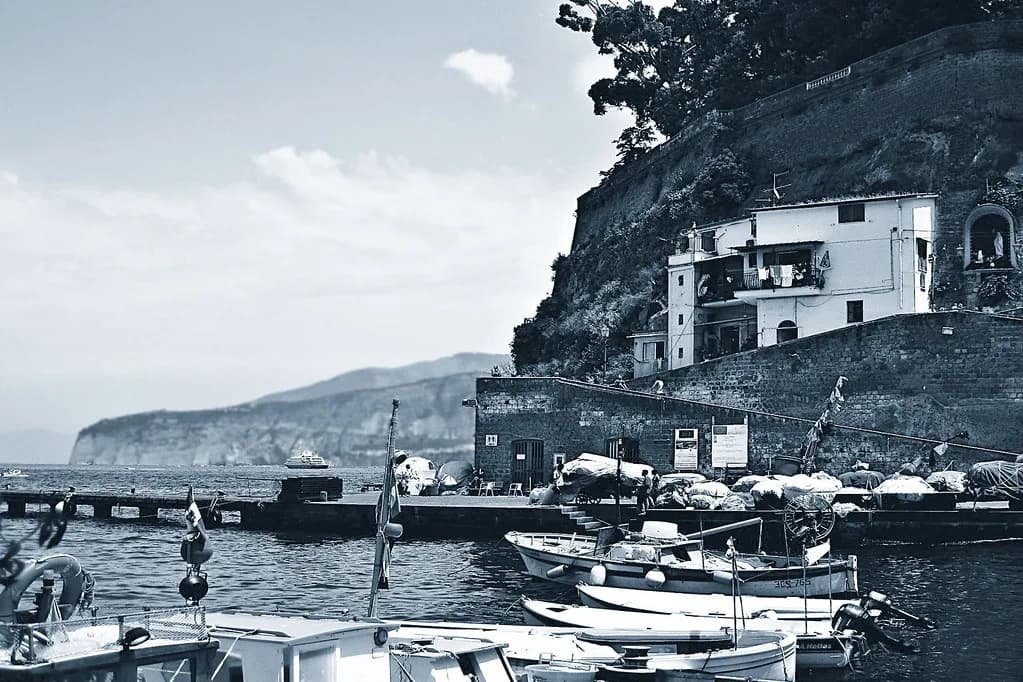
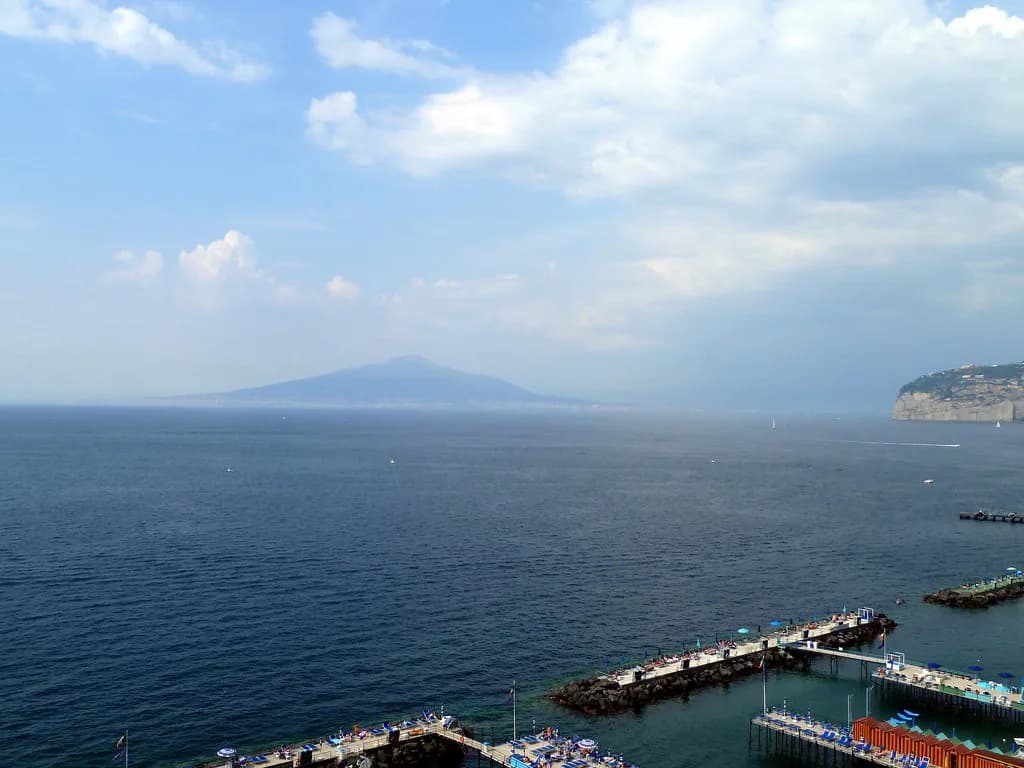
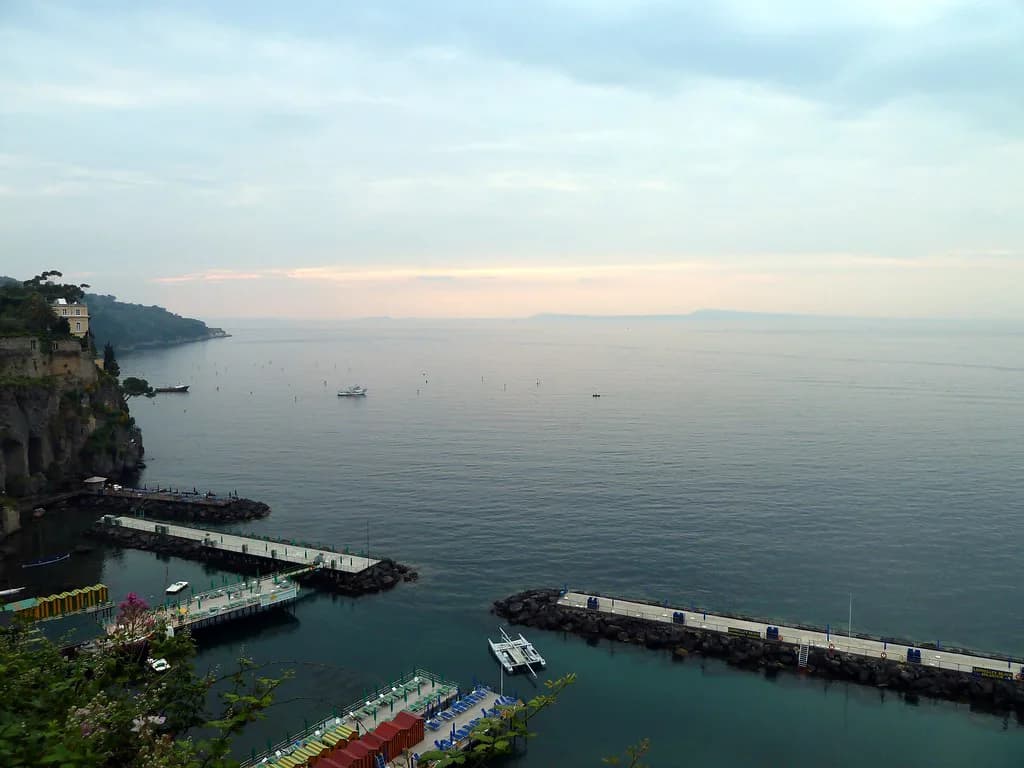
January in Sorrento is mild by European standards, but it is still winter: expect changeable skies, frequent rain chances and daylight that fades soon after 5 PM. The town keeps its shape, with café life around the central square, seafood restaurants, limoncello shops and views across the Bay of Naples. It suits travelers who want a calm base for Pompeii and Naples more than a beach holiday.
The trade-off is obvious: fewer crowds and a slower pace come with reduced daylight and a real chance of rain. Local winter conditions can shift quickly, and visitors making the short drive from Naples on a holiday can still meet heavy traffic, so build in some slack on arrival day. Treat January as a sightseeing month and an in-town month, not a coast-and-beach month.
Weather in January
Typical January conditions in Sorrento run from an average high near 13°C (55°F) to an average low near 9°C (49°F), so days feel cool rather than cold and nights are milder than inland parts of Italy. Rain is a genuine feature: there is around a 28% chance of rain on a given day, so plan at least one indoor-friendly option for each day. These are long-term averages, not a forecast, and a wet, windy week is entirely possible.
Wind averages around 13 mph (21.5 kph) in January, which is noticeable on seafront terraces and viewpoints but rarely disruptive in town. Humidity sits near 71%, so the air often feels damp when the sky is overcast. Coastal locations on the Sorrentine Peninsula share this character, and the south-facing setting helps Sorrento feel milder than Naples on many days.
The Short January Day
The daylight budget in January is roughly 9.6 hours, with sunrise around 7:22 AM and sunset around 4:59 PM. That means an early start matters: if you are heading to Pompeii or up the coast, leave soon after first light so you have a full morning of usable light and a comfortable return before dusk. These figures are long-term averages rather than a fixed schedule for a specific date.
Use the middle of the day for outdoor time and the darker late afternoon for food, museums or a stroll through town. The short days also argue against a packed day-trip itinerary: two destinations in one day is usually one too many. A single anchor sight per day, with a relaxed lunch, is a better fit for this month.
What Changes in January
The traffic story on the coast improves after the summer crush; the Sorrento–Naples road is notoriously congested in the high season, and much of that pressure eases in winter. That said, a winter holiday arrival can still mean slow traffic on the same roads, so do not schedule a tight connection after landing at Naples. Once in town, the streets are quieter and the pace is noticeably calmer than in spring or summer.
Winter does not shut Sorrento down. Shops selling limoncello and lemon-themed ceramics continue trading, restaurants serve local food, and the town’s café culture carries on around the main square. Some seasonal businesses on the wider coast reduce their hours or close, so if a particular restaurant, shop or attraction is central to your plans, ring ahead before you build a day around it.
Christmas Tail and Epiphany
Christmas decorations and lights may still be up in early January, but the main holiday rush is over. Epiphany on Wednesday 6 January 2027 marks the traditional end of the festive season in Italy, and by then Sorrento has settled into its winter rhythm. Read more about how the town handles the holiday period in the Christmas in Sorrento guide if your dates land in late December.
A single short note on markets: some festive stalls and decorations remain in early January, but market planning is not the reason to come this month. The more reliable winter pleasure is the town itself, with its café life, sea views and food, which continues after the holidays end.
Things to Do
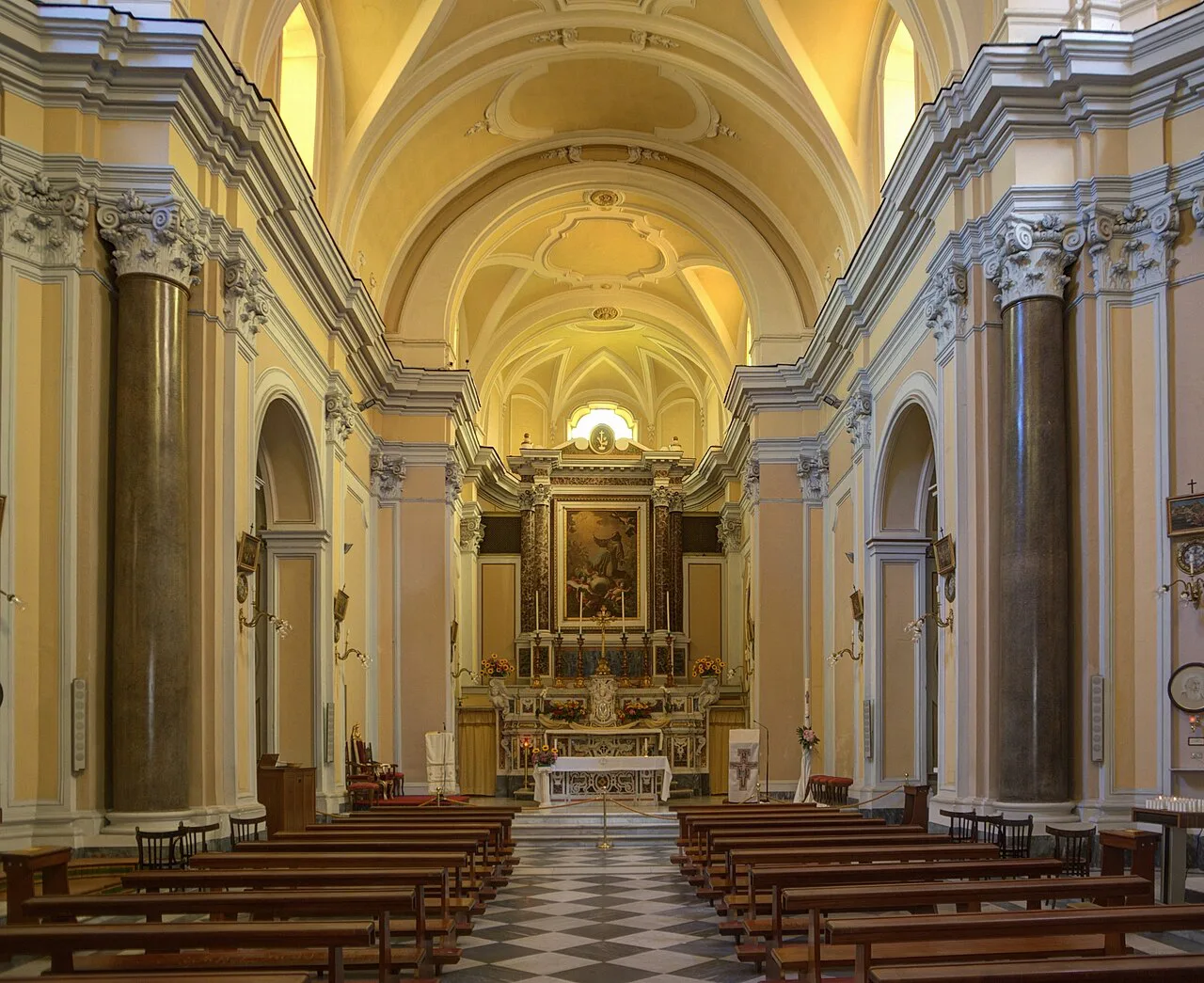
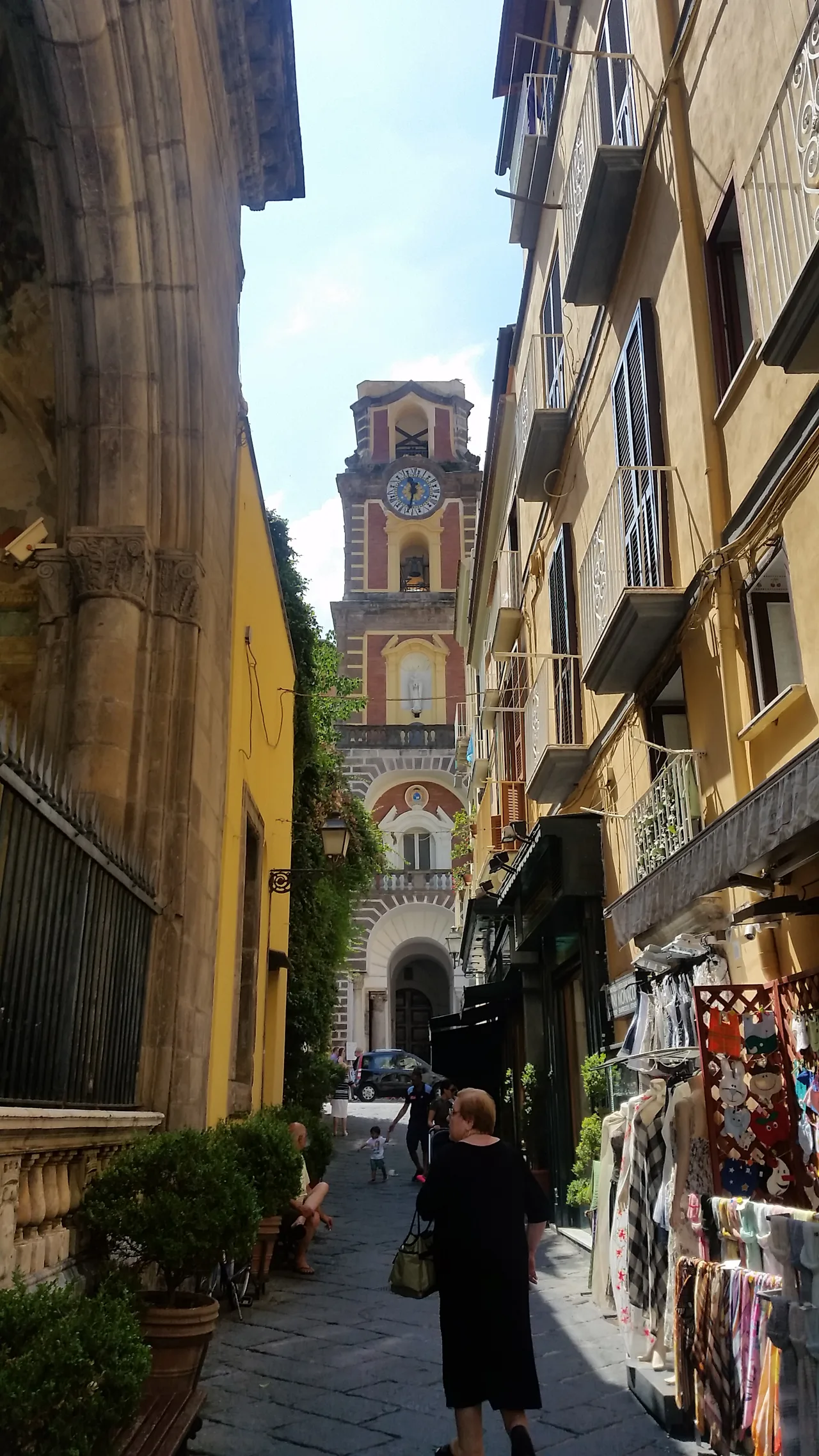
Start in Piazza Torquato Tasso, the social heart of town, where cafés and shops cluster and the pace slows in January. The Fauno Bar on the square is a good place to anchor a coffee stop or a late lunch, and the surrounding lanes reward a slow wander. Sea views from the town’s terraces and the walk toward Sant’Agnello are particularly rewarding on a clear winter day.
For rainy hours, lean on food and the town’s café culture: a long lunch of local seafood, a limoncello tasting at a shop, or a slow coffee with a view. The region’s signature dishes include spaghetti alle vongole and simple pasta with tomatoes, olive oil, garlic and white wine. Positano is reported to keep a lively restaurant scene through the off-season, so a lunch stop there can combine a coastal drive with a good meal.
If you have a clear day, the drive toward Positano and the coast road is worth the effort for the limestone bays and the views across the Tyrrhenian Sea. Keep the outing short, however: the low sun means you want to be heading back before late afternoon. February brings slightly different conditions, and the Sorrento in February guide explains what shifts on this quieter stretch of the Sorrentine Peninsula.
Day Trips That Work in January
Pompeii is the standout January day trip: lines are reported to be long early in the morning but gone by early afternoon, so arriving at opening time is the pragmatic choice. The site is large and exposed, so a clear morning with cool air is more comfortable than the summer heat. Check the official Pompeii site for current opening hours and ticket arrangements before you go.
Naples is a natural half-day add-on for museums and food, and Trenitalia and the Circumvesuviana connect it to Sorrento, but January services and schedules should be checked on their timetables before you build a plan around them. Mount Vesuvius is colder than the coast and exposed to icy winds, so treat it as a fair-weather option and confirm access through Vesuvio Express or the Parco Nazionale del Vesuvio before setting out. Capri is reachable but many restaurants and shops close in winter, so it works best for a quiet walk to the Gardens of Augustus rather than a full day of browsing.
For a wider picture of the country in the same month, the Italy in January guide maps how other regions handle the season. The Amalfi Coast road is far quieter than in summer, but it remains a slow, winding drive: fewer cars do not make it a fast road. Match your day trip to the light rather than trying to cover the entire coast in one run.
Capri and Positano in January
The two famous villages behave very differently in winter. Capri is reported to feel as though winter is not really its season, with many restaurants and shops closed and quiet streets in Anacapri, though the Grotta Azzurra and the Gardens of Augustus still reward a visit. Positano, by contrast, is reported to keep a lively atmosphere, with restaurants serving through the off-season.
If you want a lively winter base, choose Sorrento and use Positano for a day; if you want solitude and sea views, Capri can work, provided you accept that many businesses will be shut. Amalfi and Scala make a reasonable inland-and-coast pairing, with Scala offering a quieter counterpoint and a cathedral worth a stop. Pick one of these per day rather than trying to tick off all three.
Getting Around
Trains remain the practical way to reach Naples and Pompeii, but January timetables and any service changes should be confirmed with the train operator before you rely on a specific departure. The drive from Naples to Sorrento is a short distance on paper, but holiday traffic can make it slow, so do not book a tight onward connection. In town, walking is usually the easiest way to get around.
For the coast road, a car gives flexibility but demands patience: the route is winding and the low winter sun can make driving harder late in the day. Buses are an alternative, but winter schedules should be checked with the local operator. If your trip extends into March, the Sorrento in March guide covers how services and daylight change as spring approaches.
Crowds and Prices
January is low season, so you will find fewer visitors in Sorrento and on the coast, and the atmosphere is local rather than touristy. Prices for accommodation and some services are generally softer than in spring and summer, though exact rates vary by property and date, so compare what is actually available for your dates. Restaurants are less crowded, which makes walk-in dining easier.
The bargain is real but comes with reduced services: some seasonal businesses cut hours or close, and you may find fewer dining choices in the smaller coastal villages. Decide whether you value quiet and lower costs more than a full roster of open attractions. For many travelers, the balance tips toward January precisely because the town feels like itself.
Who January Suits
January suits travelers who want a mild, quiet base for Pompeii, Naples and the coast, and who are happy to trade beach weather for café life and shorter sightseeing days. It is also a good month for food-focused trips, with local seafood and limoncello easy to find. If you need guaranteed sunshine and long evenings outdoors, choose a later month instead.
Travelers who plan around a specific restaurant or a ferry-dependent itinerary should look up timetables directly before booking, because winter service levels change. Those who want the coast at its liveliest should look toward spring. Families with young children may find the short daylight and rain risk a challenge, while couples and solo travelers often enjoy the slower pace.
Plan Your January Trip
Build your January days around light: start early, keep one indoor option ready for rain, and do not overpack the itinerary. Sorrento works well as a base for Pompeii and Naples, and a single coastal drive to Positano is a good use of a clear day. Check train times and site opening hours before you commit to a fixed schedule.
Expect mild days near 13°C (55°F), cool nights near 9°C (49°F) and a real chance of rain, and pack accordingly. The reward is a quieter town, easier tables and the Bay of Naples without the summer crush. If you want reliable beach weather, wait; if you want a calm winter base, January delivers.
Explore more Sorrento winter guides
Frequently Asked Questions
How cold does Sorrento get in January?
Typical January conditions run from an average high near 13°C (55°F) to an average low near 9°C (49°F). These are long-term averages, not a forecast, so a colder or milder week is possible. Nights are cool but rarely freezing on the coast.
Does it rain a lot in Sorrento in January?
There is roughly a 28% chance of rain on a given January day, so rain is a regular feature of the month rather than a rare event. Plan one indoor-friendly option for each day and keep plans flexible. Conditions can change quickly on the coast.
How many hours of daylight does Sorrento get in January?
January averages about 9.6 hours of daylight, with sunrise around 7:22 AM and sunset around 4:59 PM. Those are long-term averages, not exact times for every day. Plan outdoor sights for the morning and early afternoon.
Is Sorrento worth visiting in January?
Yes, if you want a mild, quiet base for Pompeii, Naples and the coast rather than beach weather. Expect a slower pace, a real chance of rain and short daylight. It suits sightseeing and food-focused trips more than sunbathing.
Can you visit Capri or the Amalfi Coast from Sorrento in January?
Capri is reachable, but many restaurants and shops close in winter, so it works best for a quiet walk rather than a full day of browsing. The Amalfi Coast road is quieter than in summer but still slow and winding.
Is January a good time for Pompeii and Vesuvius?
Pompeii works well in January: lines are reported to be long early in the morning and gone by early afternoon, so arrive at opening time. Vesuvius is colder and windier than the coast, so treat it as a fair-weather option. Check current details before you go.
Sources
Winter travel notes
Optional updates when we add or revise winter guides.
You might also like
Continue reading
More guides you'll find useful