Aix-en-Provence in January: What to See and Expect
Aix-en-Provence in January means cool, gusty mistral days, near-empty squares and markets that run all year. Here is what is open and what to plan around.
On this page
January is Aix-en-Provence with the tour groups gone: a working Provençal city where the daily markets still set up and the cafés still fill at lunch, but the streets between them are unusually quiet. Daytime temperatures hover around 10°C (50°F), which is cool rather than freezing, and the sun shows up often enough to make a terrace seat tempting. It suits travelers who would rather linger over a museum and a long lunch than tick off a checklist.
The catch is the mistral, the cold northwesterly wind that funnels down the Rhône valley and can turn a bright afternoon sharp within minutes. Plan each day around shelter and sunshine rather than distance, and Aix rewards you with a version of Provence that summer visitors never see. If you need the fuller seasonal picture before committing, the guide to aix en provence in winter covers the whole November-to-March arc.
January Weather: Highs, Lows and the Wind
Typical January days in Aix run from a low of about 2°C (36°F) to a high of about 10°C (50°F), so mornings start cold and afternoons rarely climb out of a jacket. The month brings roughly 9.3 hours of daylight, with sunrise near 8:06 and sunset around 17:27, which means you should front-load outdoor plans and keep afternoons for interiors. Winds average around 16 mph, and that figure understates the mistral's gusts.
Rain is not the defining feature of a January visit: historical data puts the chance of rain at about 22%, with roughly 0.079 inches on an average day, and cloud cover near 51%. What you feel more than rainfall is wind chill when the mistral blows, which is why a sunny square can empty in ten minutes and refill once the gusts drop. Treat the wind, not the thermometer, as the variable that shapes your day.
These are long-term averages, not a forecast, and a January week can deliver four brilliant blue days or a damp, gusty stretch. Check a short-range forecast from Météo-France in the days before you travel and build one indoor anchor into each day so a bad morning costs you an hour rather than the whole plan. The same averages hold for late November and early December, as the Aix-en-Provence in November guide sets out.
How the Mistral Shapes a January Day
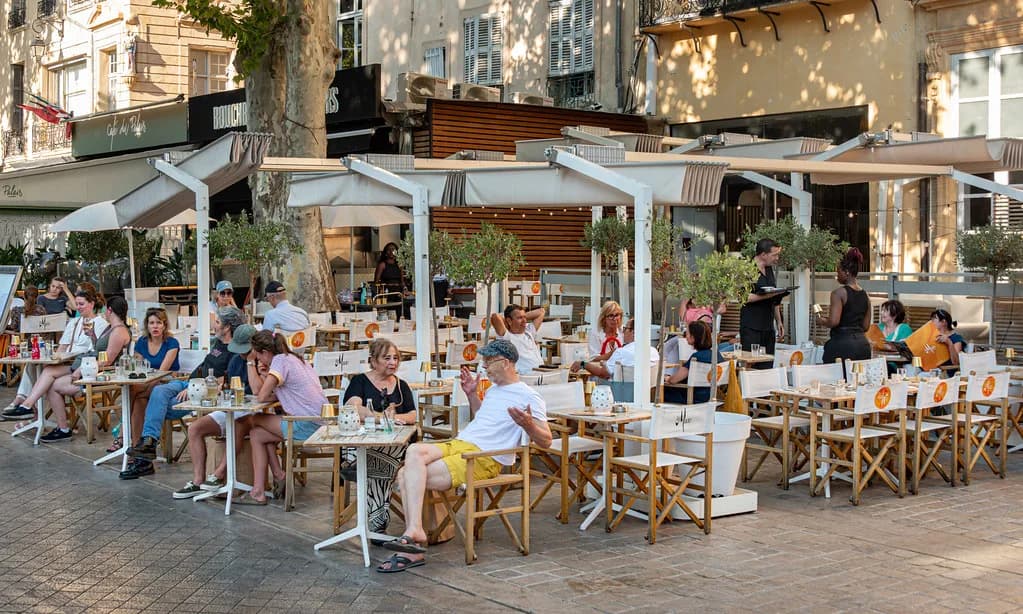
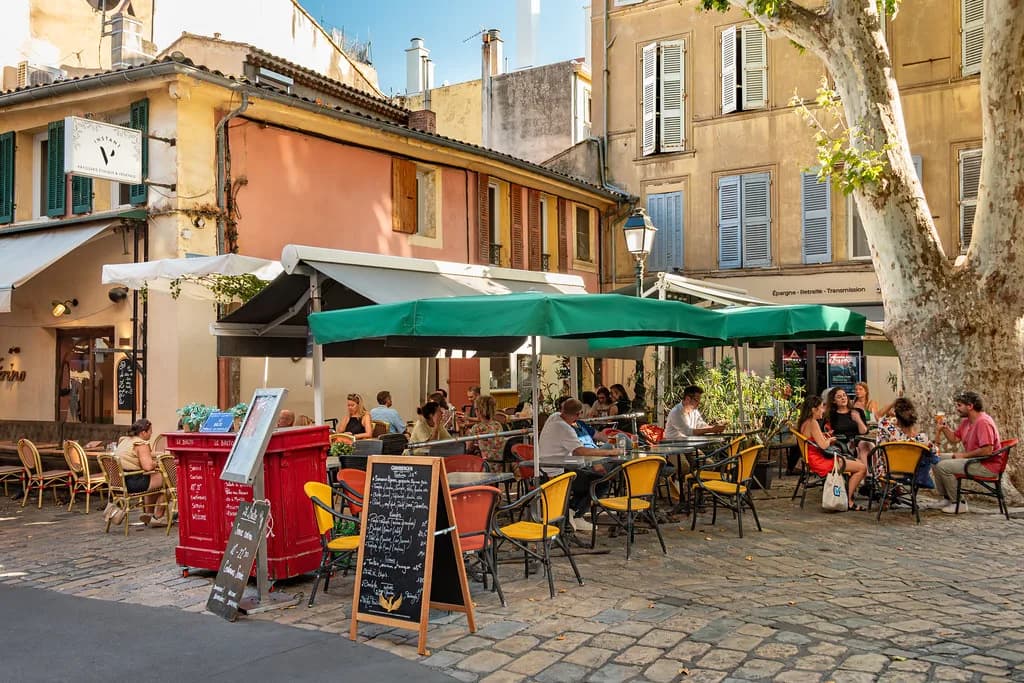
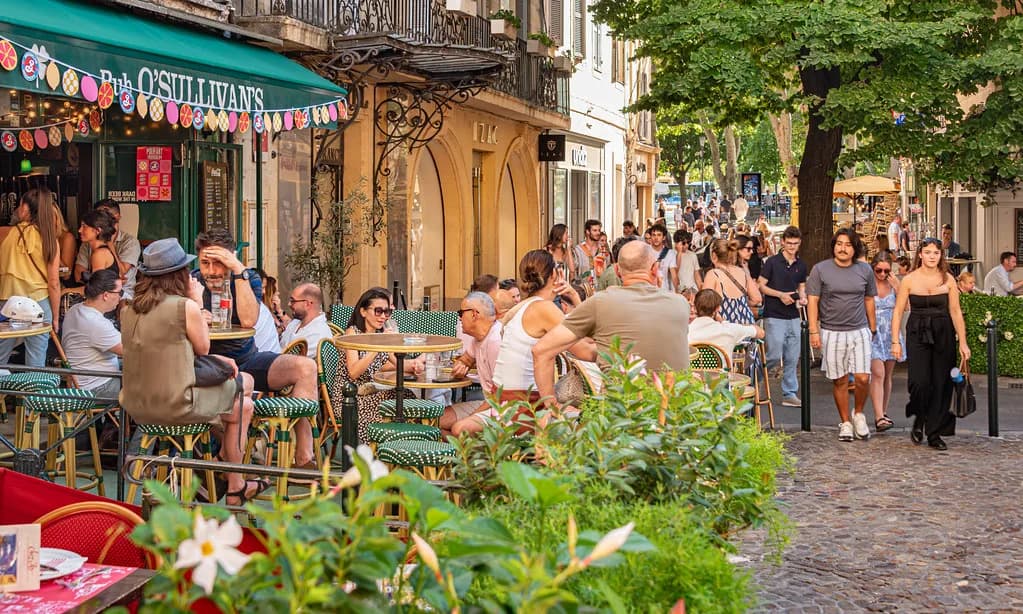
When the mistral is down, Aix in January feels milder than the numbers suggest: a sweater and a light jacket are enough in the sun, and the café terraces on the squares fill up. When it is up, the cold snaps at exposed skin and the wide, open stretches of the old town become a wind tunnel. The practical answer is to alternate: sunlit south-facing squares in the middle of the day, narrow lanes and cloisters when the gusts arrive.
Locals adjust rather than retreat. Aix keeps a lively street life through the cold months, with musicians, markets and people talking on the squares, so the city never feels shut down even on raw days. Follow that rhythm and you get the best of January: outdoor time during the sunny middle hours, then a museum, a long lunch or a bookshop when the light goes.
What Stays Open in Winter
The city's markets keep running through January, and larger towns like Aix-en-Provence hold a daily market all year round rather than a seasonal one. That matters more than any single sight: the market is where January in Provence actually looks like itself, with root vegetables, citrus, winter greens and cheese instead of the tomatoes and stone fruit of summer. Village markets across the region continue on their weekly pattern too, so a short drive can put you in a much smaller, quieter market square.
Museums in and around Aix keep regular hours in winter and mount temporary exhibitions that are not tied to the holidays, which makes January a strong month for art. The tourist office has historically run at least one walking tour a day on weekdays and weekends in the quieter season, with guides working in French but willing to translate for English-speaking visitors. Confirm the day's departure point and language directly with the Aix-en-Provence Tourist Office when you arrive.
What thins out is choice, not access. Fewer tours run than in summer, some seasonal businesses take their own break, and restaurants can close on odd days after the holidays. The fix is simple: pick two or three museums you actually want to see, book the walking tour early in your stay so you get local orientation, and leave the rest loose.
Cours Mirabeau and the Old Town on a Cold, Bright Day
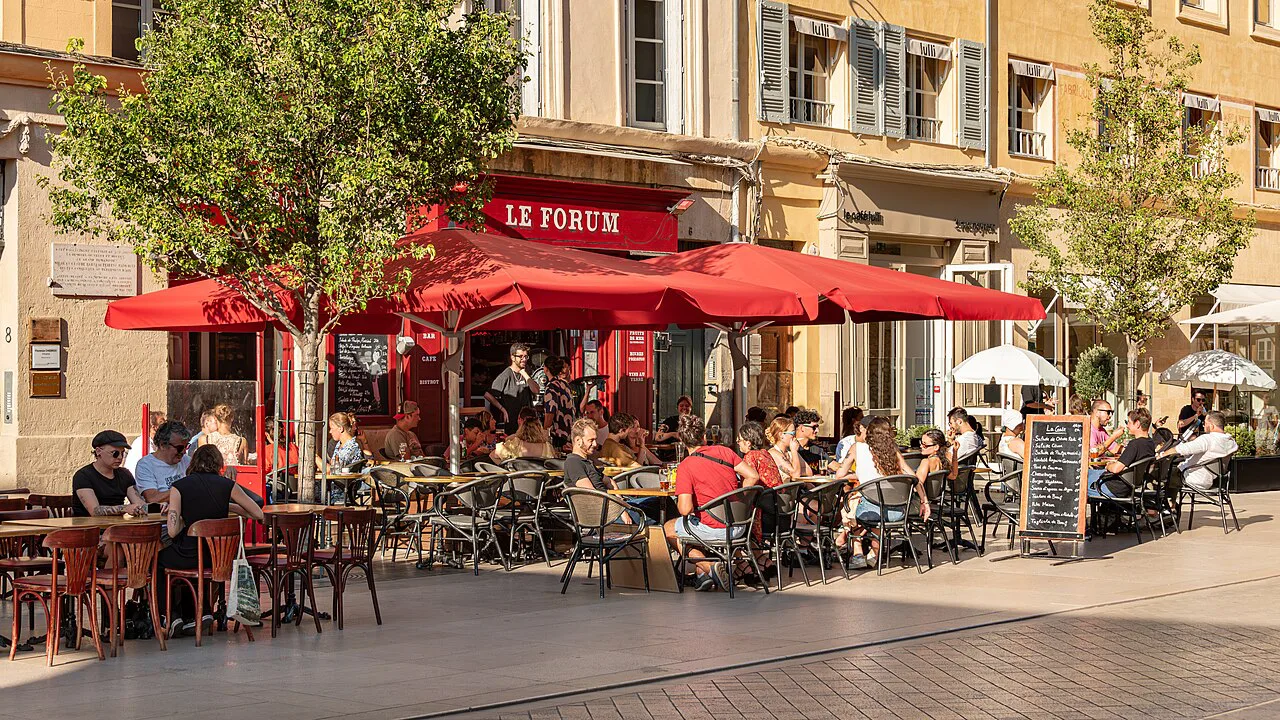
Cours Mirabeau is the natural first walk: a broad, tree-lined boulevard with fountains, cafés and enough width that the sun reaches the pavement even in January. The moss-covered Fontaine Moussue is the landmark to find, fed by water that stays warm enough year-round for the moss to thrive. Walk it once in the morning light and once in the late afternoon, when the low sun angles down the street and the plane trees throw long shadows.
From there, the old town is a maze of narrow lanes where the wind drops and the stone holds a little warmth. Aim for the cathedral quarter, the small squares around the town hall and the daily market stalls, which give you a reason to cross the city on foot rather than shelter indoors. Two hours of walking with café stops is a realistic January half-day, not a full one.
Cézanne's Studio and the Atelier des Lauves
Cézanne's studio, the Atelier des Lauves, is a small, intimate space where the artist's furniture, still-life objects and working tools remain in place, and it is exactly the sort of compact indoor sight that suits a short January day. Visits are typically organized in timed slots, and the studio sits uphill from the center, so pair it with a brisk walk rather than saving it for the last hour of daylight. Reserve ahead through the studio's own booking channel, since capacity is limited by the size of the room.
Cézanne runs through the whole city, and a January visit lets you follow him without summer queues: the studio, the views toward the Sainte-Victoire mountain that he painted repeatedly, and the Granet's holdings of his work. On a clear cold day the mountain is at its sharpest, which is one argument for January over spring haze.
Museums for a Windy or Wet Afternoon
Musée Granet anchors the city's art offering, with sculpture and painting from old masters through to Cézanne, and a ticketed exhibition program that can draw a queue even out of season. Check what is on before you go and whether any galleries are closed for renovation, then buy a timed ticket if the headline show interests you. Hôtel de Caumont offers a different pleasure: an elegant 18th-century mansion with courtyard gardens and a café, good for an unhurried couple of hours when the mistral is up.
For something smaller and more local, the Musée du Vieil-Aix fills a 17th-century mansion with period furnishings, paintings and folk art, and the Fondation Vasarely outside the center shows Victor Vasarely's optical and kinetic work in a building he designed. The Camp des Milles, a former internment camp turned memorial and museum, is the most serious half-day in the area and worth planning for rather than squeezing in. Any of these turns a foul-weather afternoon into the reason the trip was worth taking.
Cathédrale Saint-Sauveur and Its Quarter
Cathédrale Saint-Sauveur combines Romanesque and Gothic building campaigns, a medieval baptistery and cloisters, and a noted 15th-century triptych, all in a compact, cool interior that rewards a slow look. Entry to the cathedral itself is generally free, though the cloister may have its own small charge and hours, so check the notice at the door. The lanes around it hold galleries, bookshops and quiet squares that make a natural loop back toward the market.
This quarter is also where January's quieter mood pays off. In summer the cathedral and its surroundings are a crush; in January you can sit in the cloister or study the triptych without a crowd at your shoulder. Combine it with the market and a long lunch and you have a complete day without leaving the old town.
Food in January: Market Produce and Provençal Winter Dishes
The January market is a different market from the one travelers photograph in July. Expect citrus from the coast, leeks, cabbage, spinach, celeriac, pumpkins, walnuts and truffle-adjacent produce, and expect the vendors to cook around the season rather than fight it. Build a lunch from what you see: a warming daube, a chickpea or vegetable soup, or a plate of Provençal cheeses, all better suited to the cold than a summer salad.
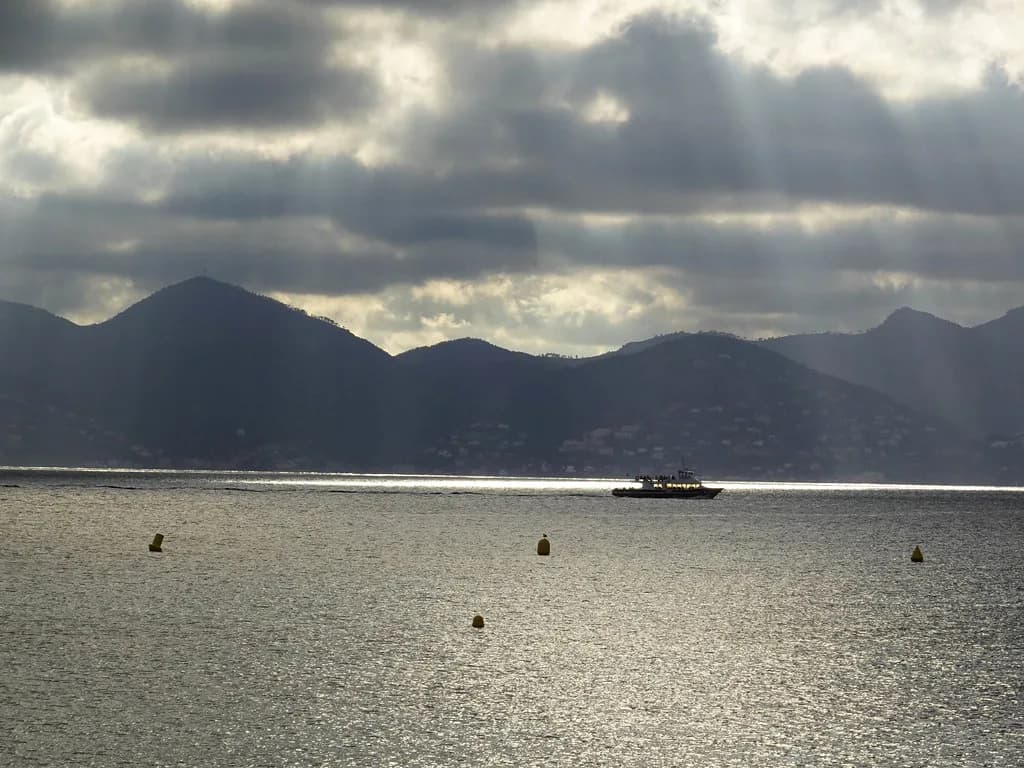
Aix is also the capital of the calisson, the almond-and-melon confection sold in the old town, and the santon makers who supply Provençal nativity scenes keep their shops through the season. If your trip falls early in January, the holiday market of December is gone but the santon shops are not, which makes a small, useful souvenir. If you are weighing the month before or after, Cannes in January shows how another Provençal city handles the same cold, bright season.
New Year's Day and Epiphany Week
New Year's Day is a public holiday in France, so if it lands on a weekend the first days of January become a holiday stretch, with many shops and some restaurants closed on 1 January itself. Treat that day as a walking and museum day rather than a shopping day, and book any restaurant you care about in advance. Epiphany falls on 6 January, when bakeries across Provence sell galette des rois, the almond-filled king cake, and the season's santon displays may still be up in the old town for the first days of the month.
Beyond those fixed dates, the city's January calendar of exhibitions and concerts is published by the tourist office and individual venues, so it is worth checking a week or two before you travel rather than relying on a plan made months earlier. The month does not have a single headline festival the way December does, which is precisely why it stays quiet.
Winter Day Trips: Marseille by Bus and Cassis
Marseille is the obvious day trip and the easiest: buses run from the central bus station in Aix to the city, and in winter you arrive without a car, with museums, restaurants and shops open and working as usual. That makes it a genuine January option rather than a compromise, and you can be back in Aix for dinner.
Cassis and the Calanques reward a clear, cold day, when the limestone cliffs and the sea are at their most dramatic and the coastal paths are empty. Winter is not the season for boat trips into the calanques, so plan on walking the marked trails and checking the national park's own guidance on access and any seasonal path closures before setting out. For a wider view of what January looks like across the country, the France in January guide sets out the regional differences.
How Quiet and How Expensive January Feels
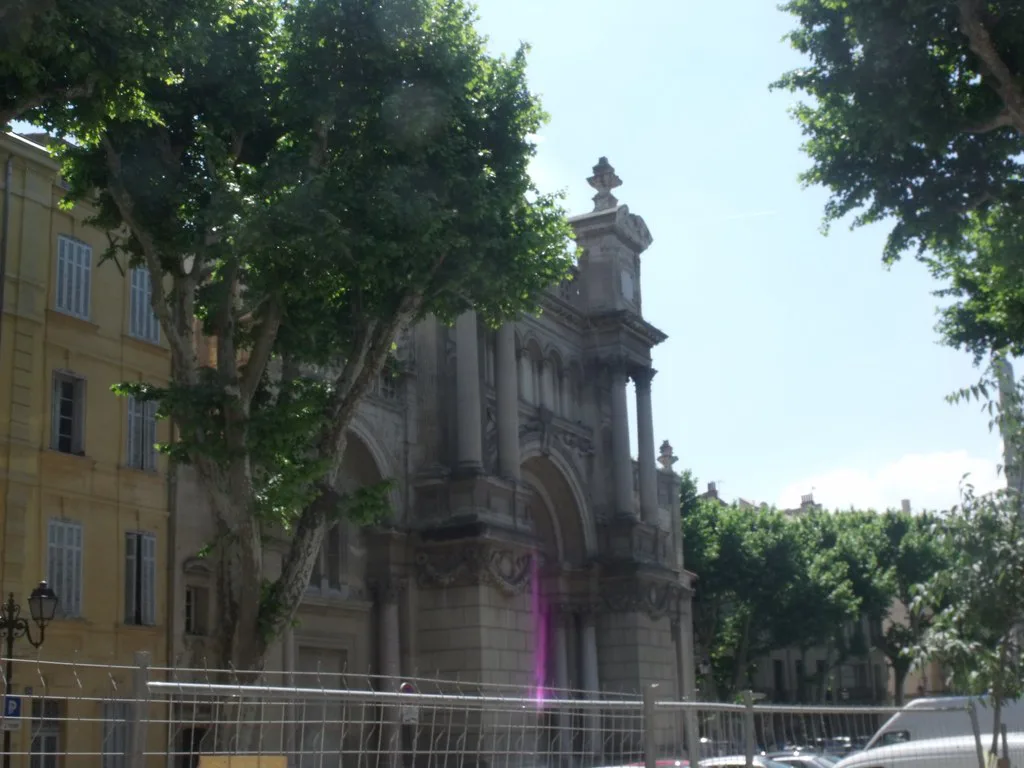
January is the quietest month of the Aix year outside the immediate New Year weekend. Fewer tourists means no queue at the cathedral, tables available at lunch and a calmer pace on Cours Mirabeau, and it also means some businesses run reduced hours or take a short break after the holidays. Rates at hotels and short-term rentals generally sit well below summer levels, but each property sets its own prices, so compare them on the booking platform before you book.
The trade-off is atmosphere. If you want markets at full throttle, long terrace evenings and everything open late, January will feel pared back. If you want the city to yourself, cheaper beds and the sense of seeing a place as it actually lives, the month delivers. Budget for heating and a good coat rather than for crowds.
Who January Suits, and Who Should Wait
Come in January if you are traveling for art, food and walking, if you dislike heat and crowds, and if you are happy to plan each day around the sun and the wind rather than around a fixed itinerary. Come if you want Marseille and the Provençal villages without summer traffic, and if short daylight hours do not bother you because you were going to spend them in museums and at the table anyway.
Wait for spring if your idea of Provence involves long outdoor lunches, lavender, pool time or late evenings on a terrace. In late March the clocks move forward and days lengthen quickly, and the region opens up, with Holy Week bringing a busy holiday period. If you can travel in late March rather than January, you get warmer days at the cost of more people.
Practical Timing: A Realistic Two-Day Plan
Day one: market in the morning while the light is low, then Cours Mirabeau and the old town, lunch at a market-adjacent bistro, and a museum in the afternoon once the wind picks up. Day two: Cézanne's studio in a morning slot, the cathedral and cloister before lunch, then either a second museum or the bus to Marseille if the weather turns. Keep the evenings early: sunset around 17:27 means dinner starts soon after dark, and many kitchens open on the early side in winter.
Sundays are quieter still, with some shops and a number of restaurants closed, so use Sunday for walking, the cathedral quarter or a day trip rather than for shopping. If your dates are flexible, a Tuesday-to-Thursday core gives you the fullest choice of openings, and booking the two or three things you care most about in advance removes the risk that a short January timetable spoils the day.
Plan Your January Trip
January in Aix-en-Provence is a trade: you give up long warm evenings and a full events calendar, and you get empty squares, bright cold light, open museums and markets that belong to the city rather than to tourists. If that trade sounds right, book the studio visit and a couple of lunches, then let the weather decide the rest.
Frequently Asked Questions
What is the weather like in Aix-en-Provence in January?
January days typically run from about 2°C (36°F) at night to around 10°C (50°F) in the afternoon, with roughly 9.3 hours of daylight and sunset near 17:27. Rain is possible but not dominant, at about a 22% chance on an average day. The mistral wind is the real variable: when it blows, a sunny square feels much colder than the thermometer suggests.
Are markets open in Aix-en-Provence in January?
Yes. Aix-en-Provence has a daily market that runs all year round, and the produce simply shifts with the season toward citrus, root vegetables, greens and cheese. Smaller villages across Provence keep their weekly market days through the winter as well.
Is January a good time to visit Aix-en-Provence?
It is a strong month for museums, food, walking and day trips, and the city is far quieter than in summer. It is a weaker choice if you want long terrace evenings, pool weather or a packed festival calendar. Short days and the mistral are the main things to plan around.
Is Aix-en-Provence crowded in January?
Outside the New Year weekend, January is the quietest stretch of the Aix year. You will not face summer queues at the cathedral or the museums, and tables are easy to find. Some restaurants and shops run reduced hours or take a short break after the holidays, so a few closures are normal.
Can you day trip to Marseille from Aix-en-Provence in winter?
Yes. Buses connect central Aix with Marseille, and the city's museums, shops and restaurants operate through the winter. Check the current departure times with the bus operator before you go, since winter timetables can be thinner than in summer.
What is there to do in Aix-en-Provence in January?
Prioritize the daily market, Cours Mirabeau, Cathédrale Saint-Sauveur, Cézanne's studio, and museums such as the Granet, Hôtel de Caumont, Musée du Vieil-Aix and the Fondation Vasarely. A tourist-office walking tour early in the trip gives you orientation, and Marseille or Cassis work as winter day trips on a clear day.
Should I visit in January or wait for spring?
Choose January for quiet streets, lower prices and an art-and-food trip that does not depend on warm weather. Wait for spring if you want long outdoor lunches and late light: the clocks go forward on 28 March 2027, and Holy Week runs 21–28 March 2027, which brings warmer days but more visitors.
Sources
Winter travel notes
Optional updates when we add or revise winter guides.
You might also like
Continue reading
More guides you'll find useful