Luxembourg in January: Weather, What's Open and Things to Do
Luxembourg in January brings cold, grey days, short daylight and low crowds. See typical temperatures, what stays open and which museums and walks fill a trip.
On this page
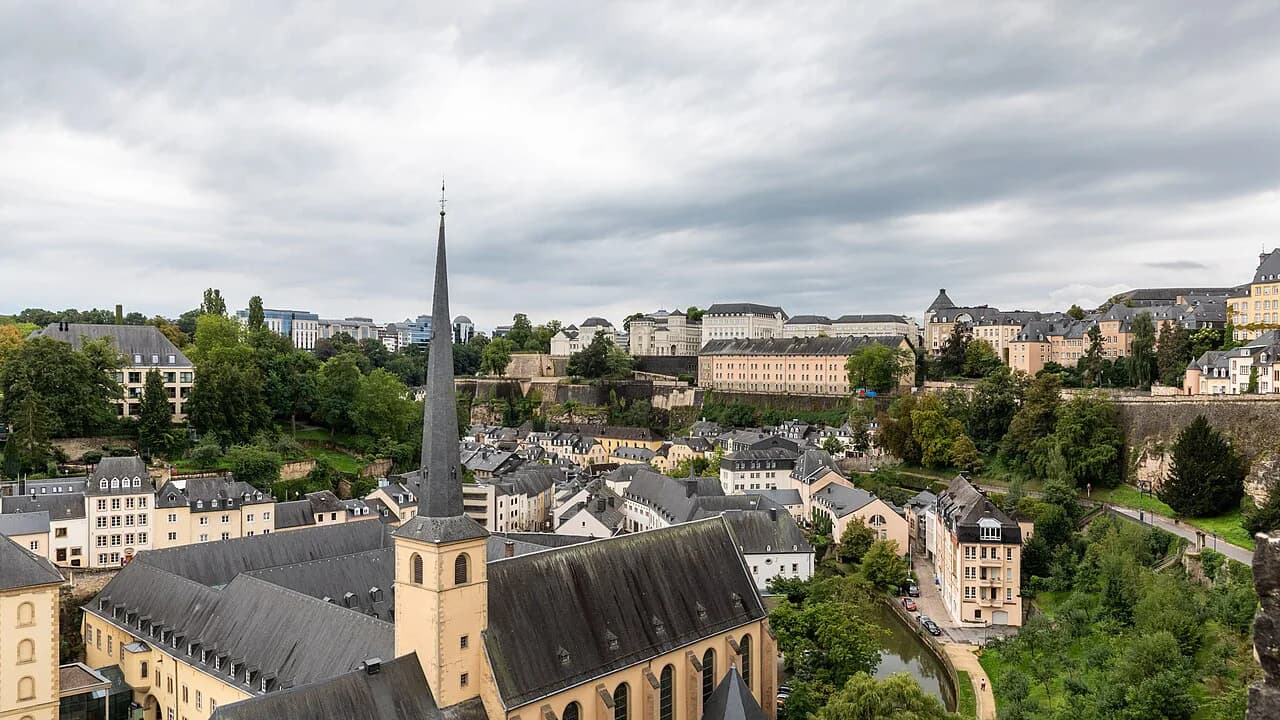
Luxembourg in January is a small country at its most hushed. The capital's fortress walls and valley parks empty out once the holidays end, hotel rates ease, and you can walk the Corniche without competing for the view. Days are short and skies are frequently overcast, so the month rewards travelers who prefer museums, food and slow walks to long sightseeing days.
Two windows define the month. The opening days belong to Winterlights, the city's winter festival of markets, concerts and family workshops, which runs until 3 January 2027. After that the city returns to ordinary winter rhythm, and you get the old town, the casemates and the valley walks largely to yourself.
Weather in January
January is typically the coldest month of the year in Luxembourg, with average highs around 3 to 4 °C (roughly 37 to 39 °F) and average lows near -1 to -2 °C (about 28 to 30 °F). Frost is common at night, and the ground can stay hard for days; snow falls in most winters but often melts within a day or two in the capital. Treat these as long-term averages rather than a forecast and look at a short-range outlook in the final week before you travel.
Rain is a steady feature rather than an event: expect roughly 15 to 18 wet days across the month, many of them light drizzle or short showers rather than all-day downpours. Sunshine is scarce, often only one to two hours a day on average, and the sky can stay a flat grey from morning to dusk. That makes a waterproof outer layer and shoes with grip more useful than an umbrella in the wind.
Daylight is the constraint that shapes your itinerary. Around New Year, sunrise comes shortly after 8:30 and sunset before 16:50, giving fewer than eight and a half hours of light; by the end of January you gain roughly an hour. Plan outdoor viewpoints for late morning and save the afternoons for interiors, because the light fades fast after 16:00.
How January Changes the City
The next Winterlights festival runs from 20 November 2026 to 3 January 2027, so the first few days of January still have markets, live concerts, exhibitions and workshops for children spread across the city center. If you want festive atmosphere without December's peak crowds, arriving on 2 or 3 January is the sweet spot; from 4 January the 2026-27 edition has ended.
After the festival closes, the capital shifts into its ordinary winter mode. Museums and galleries keep regular hours, the tourist office and city buses keep running, and the old town remains fully walkable, but outdoor terraces thin out and some seasonal stands disappear. Restaurant kitchens still fill at lunch and dinner, so booking ahead matters most on weekends rather than on weekdays.
For comparison across the season, December holds the markets and the crowds while February is usually the quieter, slightly brighter run-up to Carnival, with Carnival Tuesday falling on 9 February 2027. January sits between them as the cheapest and calmest stretch, which is exactly why some travelers choose it and others avoid it. If you are weighing a different country entirely, our France winter guide covers the same decision for a larger neighbour.
What Is On in January
Beyond the festival's closing days, the month's fixed marker is Epiphany on Wednesday 6 January 2027. It is a public holiday in Luxembourg, so expect some shops and offices to close and a quieter weekday in the city center; confirm individual business hours with the venue you plan to visit.
Most of January is event-light by design, which is part of its appeal. The city's cultural institutions program exhibitions, film screenings and lunchtime concerts through the winter, and the Ville de Luxembourg events calendar lists what is scheduled week by week.
Things to Do
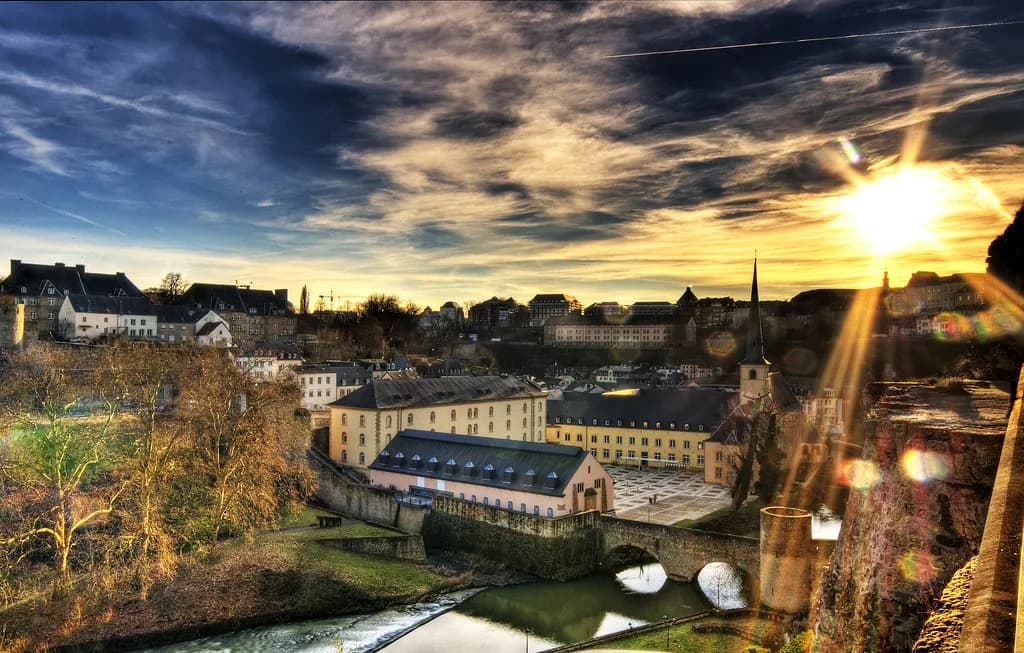
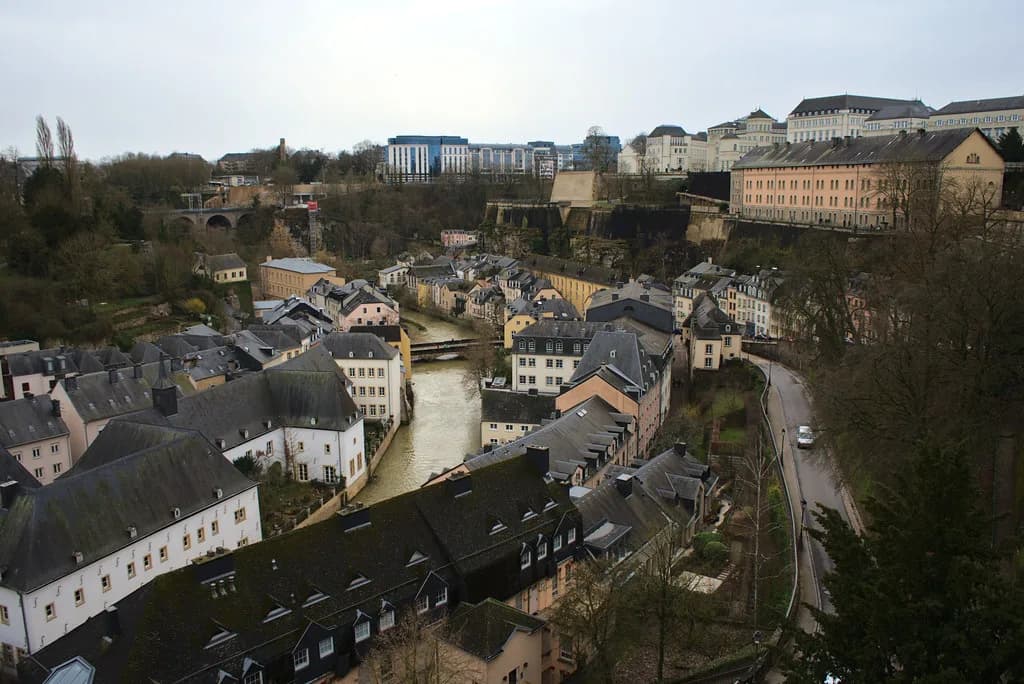
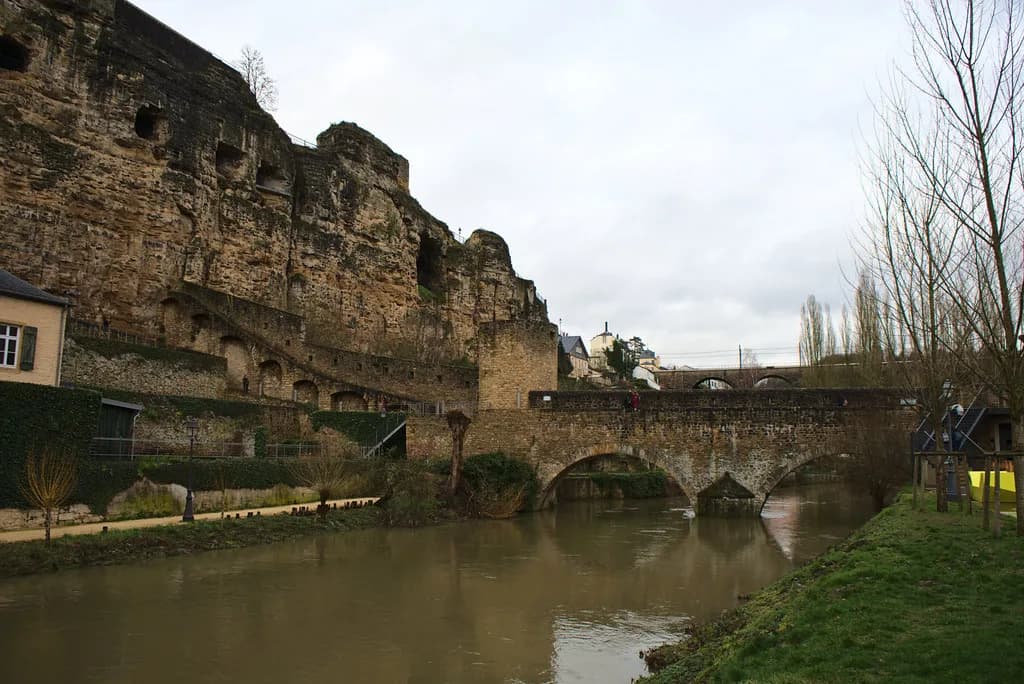
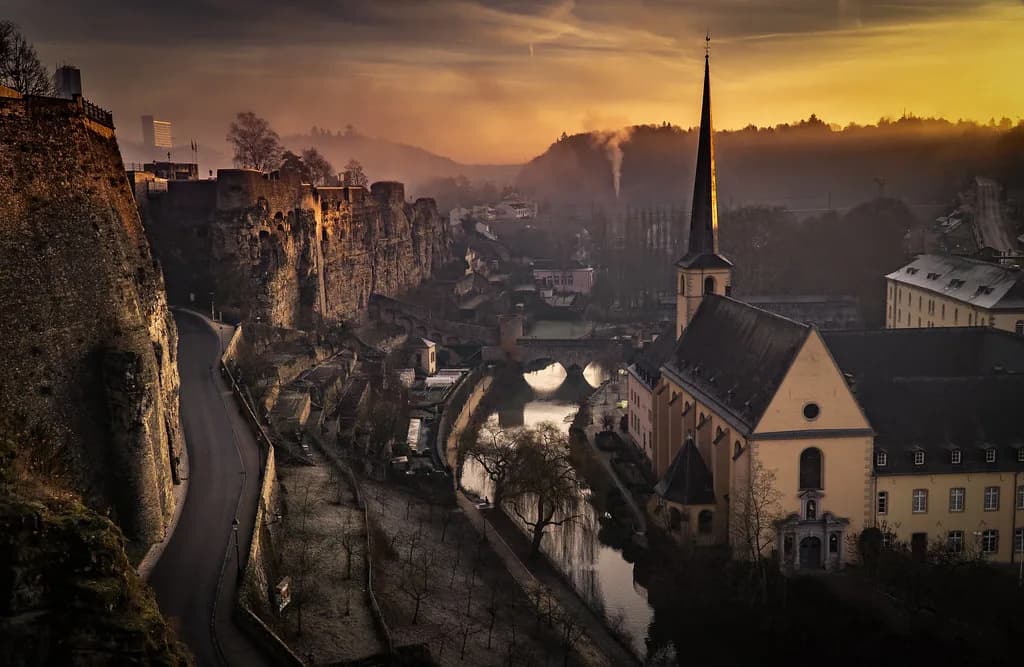
Start with the fortifications. The Bock promontory and the Chemin de la Corniche give you the classic view over the Grund quarter and the Alzette valley, and both are free and open to walk at any hour. Go in the late morning when the low sun catches the stone, and keep the visit short because the wind on the exposed rock is raw.
The casemates, the tunnels carved into the rock beneath the city, are the best bad-weather card in town: dark, dry and temperature-stable. Pair them with a museum afternoon in the Ville Haute, where the capital's main collections sit within a few minutes' walk of each other. The free-things listings for the city give a sense of which sights cost nothing and which carry an entry fee.
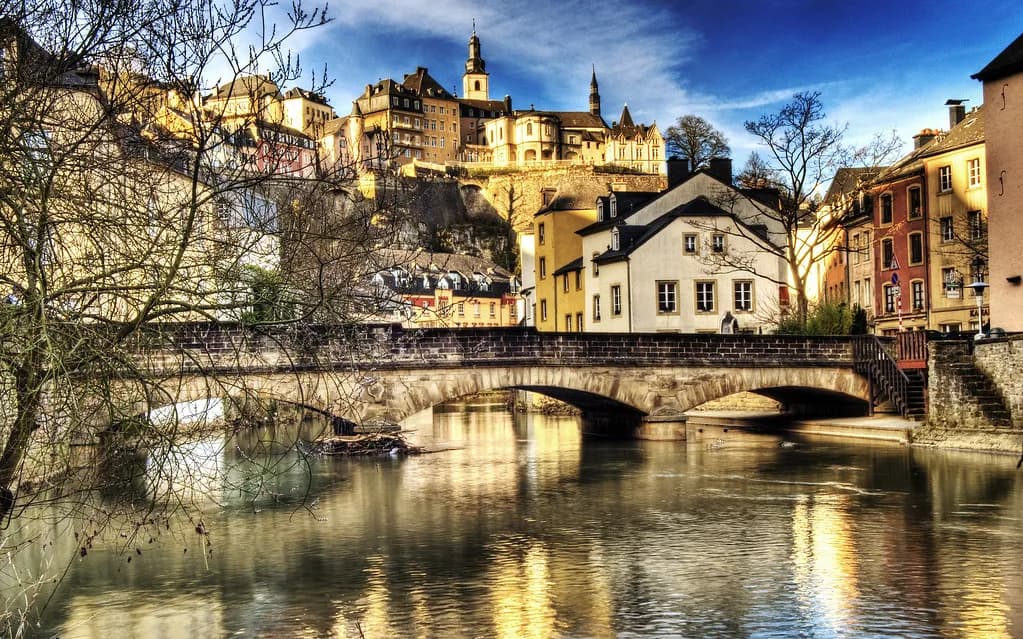
Walks along the Pétrusse and Alzette valleys work well in January precisely because the bare trees open up views that summer foliage hides. The Pétrusse valley path drops below the Adolphe Bridge and loops back up into the city, a compact hour or two that fits inside the short daylight. Wear shoes with tread, since the stone steps stay damp and slippery.
For food, January is the season of hearty Luxembourgish cooking: judd mat gaardebounen, bean and bacon soups, and preserved plum tarts, served in the brasserie-style rooms of the old town. A long lunch is a rational response to a grey afternoon, and it is a good way to see the city's restaurant culture when terraces are closed.
Winter Day Trips
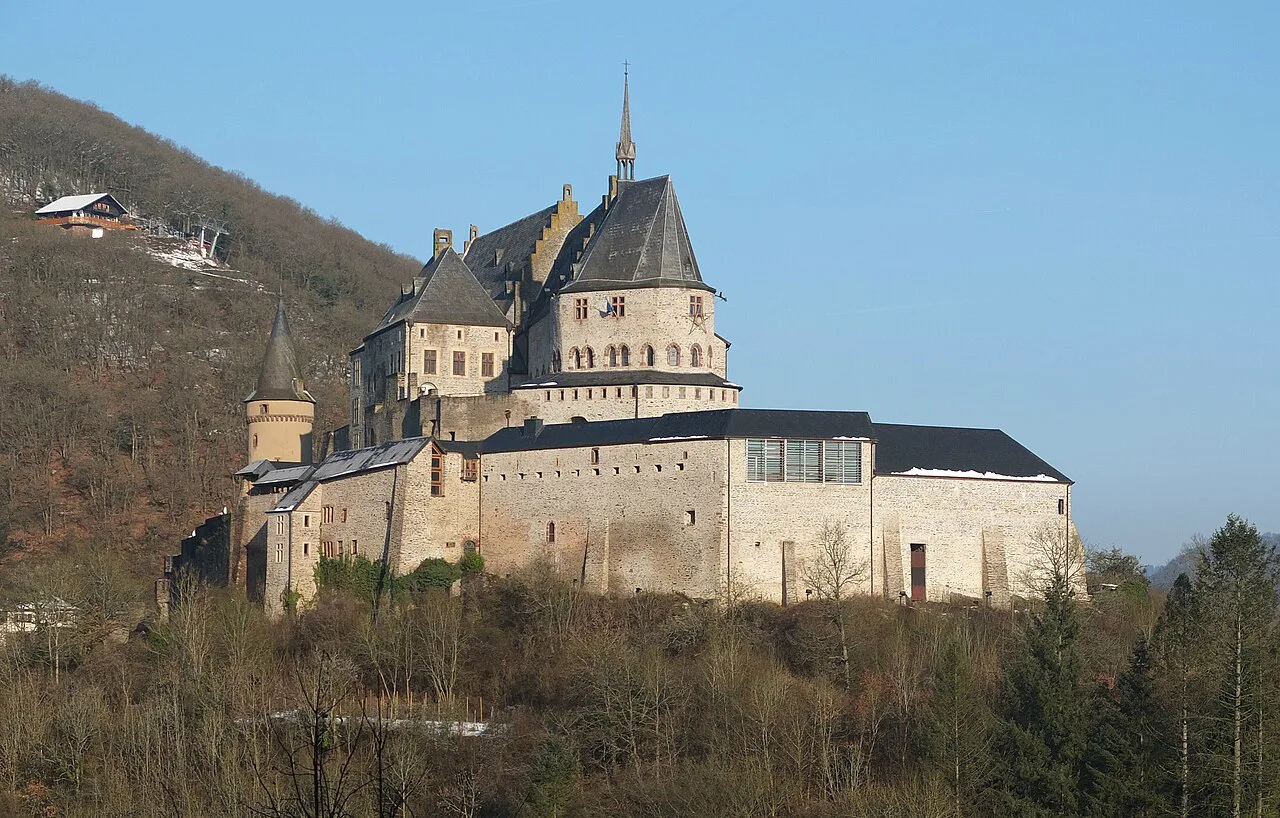
Vianden, an hour or so northeast by bus or train-and-bus combination, is the strongest day trip: the castle above the Our valley is a dramatic winter sight, and the town itself is small enough to cover in a half day. Check the castle's winter opening days before committing, since out-of-season hours are narrower than in summer.
Echternach and the Mullerthal region suit walkers who do not mind mud. The trails through the sandstone gorges are quieter than in summer, but some routes get slippery and a few seasonal businesses close; stick to marked paths and short loops. The Moselle wine villages are another option, though the vineyards are dormant and the draw is the river landscape rather than wine tourism.
Crowds, Prices and Who It Suits
January is the lowest-demand month in Luxembourg, which shows up as easier hotel availability and softer rates than December or the spring. You trade that saving for grey skies, early dusk and the occasional closed attraction. Travelers who want guaranteed sunshine or long outdoor days should look at late spring or early autumn instead.
The month suits museum-goers, walkers who do not mind cold, and anyone combining Luxembourg with a longer winter trip through the region. It does not suit travelers chasing Christmas-market atmosphere after 3 January, or families counting on outdoor attractions that shut for the season. If festive markets are the goal, plan the days around New Year's Eve in Luxembourg rather than mid-January.
January is also a sensible moment for a short city break, because two full days cover the old town, the casemates and a valley walk without rushing. Add a third day and a day trip to Vianden or Echternach becomes realistic, even with the short daylight.
Getting Around in Winter
The capital itself is compact and best on foot: the old town, the station district and the valley parks are all within walking distance or a short bus ride. City buses run on winter schedules, and the Night Bus network covers late evenings, useful when dinner runs long.
For day trips, the national rail network connects Luxembourg City with Ettelbruck and the north, while buses reach Vianden and the Mullerthal. Winter timetables are thinner than summer ones, particularly on Sundays, so build in slack and check the departure board on the day rather than relying on a printed plan.
Is January Right for Your Trip?
Luxembourg in January is a cold, quiet, budget-friendly version of the country. The festival's final days give you a taste of the winter season, then the capital hands you its fortifications, museums and valleys with almost no competition. Pack for rain and cold, plan around the short daylight, and the month delivers a focused, unhurried trip.
Explore more Luxembourg winter guides
Frequently Asked Questions
Which is the coldest month in Luxembourg?
January is typically the coldest month, with average highs of about 3 to 4 °C (roughly 37 to 39 °F) and nighttime lows near or just below freezing. Frost and occasional snow are normal, though snow in the capital often melts within a day. Treat these as long-term averages and watch a short-range forecast before you travel.
Is Luxembourg worth a day trip in January?
It can be, but a single day only covers the old town, the Corniche viewpoint and one museum or the casemates. With daylight ending before 17:00 around New Year, a day trip works best if you arrive in the morning and stay central. Two nights gives you time for a valley walk and a proper meal.
What can you do in Luxembourg City in winter?
The fortifications at the Bock, the casemates tunnels, the national museum collections in the Ville Haute and walks through the Pétrusse and Alzette valleys all work in cold weather. The Winterlights festival adds concerts and family workshops through 3 January 2027. Food is part of the program: the old town's brasseries serve hearty Luxembourgish dishes all winter.
Is 3 days enough for Luxembourg?
Three days is a comfortable minimum for the capital: two days for the old town, casemates and valley walks, plus one day for a trip to Vianden or Echternach. Because January daylight is short, front-load outdoor sights into the morning and keep afternoons for interiors. Add a fourth day if you want the Moselle or the Mullerthal trails.
Does it snow in Luxembourg in January?
Snow falls in most winters, but in Luxembourg City it often turns to slush within a day or two; the Ardennes and the north hold snow longer. January temperatures hover near freezing, so a mix of frost, drizzle and occasional snow is the realistic expectation. Check the forecast in the days before departure rather than counting on a white landscape.
Is January a good time to visit Luxembourg for lower prices?
January is the quietest month, so hotel availability is easier and rates generally sit below December and spring levels. The trade-off is grey weather, short daylight and the end of the festive program after 3 January 2027. Travelers who prioritize atmosphere and outdoor time may prefer December or a later month.
Sources
Winter travel notes
Optional updates when we add or revise winter guides.
You might also like
Continue reading
More guides you'll find useful