Luxembourg in March: Weather, Events and What's Open
Luxembourg in March brings lingering cold, longer evenings after the clocks change and quiet sights. Here is the typical weather and what suits your trip.
On this page
Luxembourg in March is still a winter country in disguise: the Grand Duchy wakes up slowly, with cold mornings, bare vineyards and a capital that belongs to locals rather than tour groups. It suits travelers who want museums, fortifications and long lunches without queues, and who accept that a terrace coffee is a gamble. Anyone chasing blossom, open-air swimming or vineyard harvests should aim for a later month.
The month's character changes on 28 March 2027, when European clocks go forward and evenings stretch out. Before that date, plan around short afternoons and indoor anchors; afterwards, an evening walk along the Corniche or a late train back from the Moselle becomes genuinely pleasant.
What Luxembourg is like in March and who the month suits
Think of March as the tail end of the low season rather than the start of spring. Hotel rates and restaurant pressure ease compared with summer, and the old town of Luxembourg City is walkable without jostling. The trade-off is weather that can serve drizzle, raw wind and a bright cold afternoon in the same day, so a flexible plan beats a fixed itinerary.
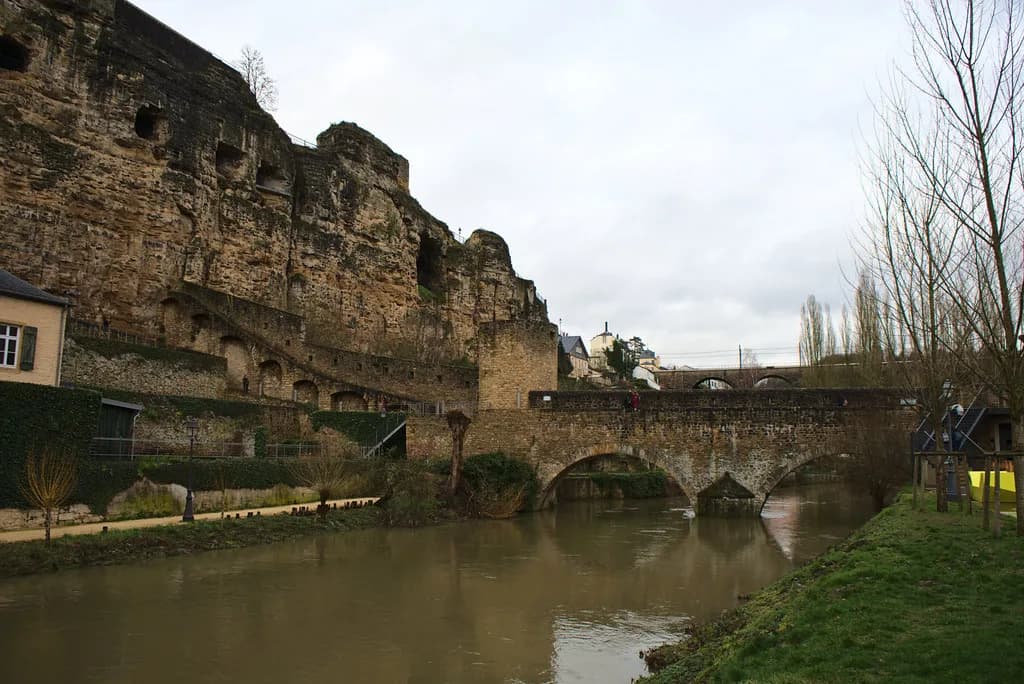
The month rewards city-focused travelers most: museum time at the national art and history collections, the Bock casemates area, and the Grund quarter's lanes. Countryside regions such as the Mullerthal and Éislek are open in principle, but trail conditions depend on how wet and cold the preceding weeks have been, so keep a town-based back-up for each day.
If your image of Luxembourg is a summer postcard of vineyards and forest paths, March will feel muted. If you want a compact, affordable-feeling city break with real food and few crowds, it is one of the better-value windows in the calendar before Easter travel picks up.
Weather in March: typical highs and lows, rain and daylight
March in Luxembourg is a transitional month: long-term averages put daytime highs in the single digits to low teens Celsius and nights close to or just above freezing, which translates to roughly the low 40s to mid 50s Fahrenheit by day and the low to mid 30s at night. Treat those as typical conditions, not a forecast, and expect the warmer end of the range late in the month. Check the national weather service, MeteoLux, in the days before you travel for the actual picture.
Rain is a normal feature rather than an exception, with frequent showery days and modest sunshine totals. Daylight grows quickly: the month begins with roughly eleven hours of daylight and ends near thirteen, which is why late March feels so different from early March. Mud on forest trails is common in the first half of the month.
Snow is possible but rarely lasting in the capital and along the Moselle; the higher Ardennes ground in the north, around Éislek, holds cold longer. For a month-by-month picture of what falls where, the guide to whether it snows in Luxembourg.
When the clocks change: 28 March 2027 and longer evenings
European clocks go forward on 28 March 2027, so the last days of March gain an extra hour of evening light. Sunrise shifts later on the clock, which means darker early mornings for a few days, while sunset jumps to around eight in the evening. If your trip straddles that weekend, plan outdoor viewpoints and village strolls for the post-change days.
Before the change, the practical rhythm is early starts and early dinners. After it, restaurants with terraces and the city's riverside paths become usable after work, and a day trip to the Moselle returns you to Luxembourg City in daylight.
What is open in March: castles, museums and the off-season rhythm
March is when Luxembourg's visitor infrastructure runs on reduced rhythms rather than shutting down. Major museums keep regular opening days, while some smaller castles and rural visitor attractions move to weekend-only or reduced schedules until the Easter holidays. Check each venue's own calendar before setting out, and build your day around two confirmed indoor stops.
Public transport is the practical backbone of a March visit. Luxembourg's nationwide free public transport makes spontaneous regional day trips cheap to plan, and trains and buses link the capital with Esch-sur-Alzette, Echternach, Vianden and the Moselle towns. Regional buses to smaller villages run less often outside peak season.
The seasonal light trail and Christmas markets are long gone by March, so the city's appeal in this month is architectural and culinary rather than festive. If you want that atmosphere, plan around Christmas in Luxembourg instead and accept the cold.
Luxembourg City in March: old town, fortifications and museums
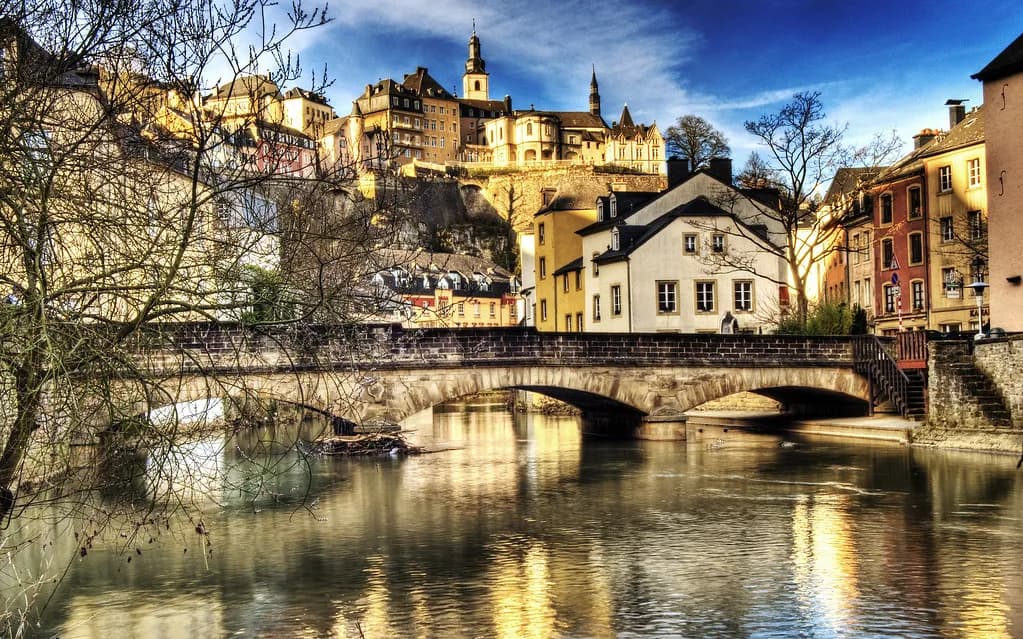
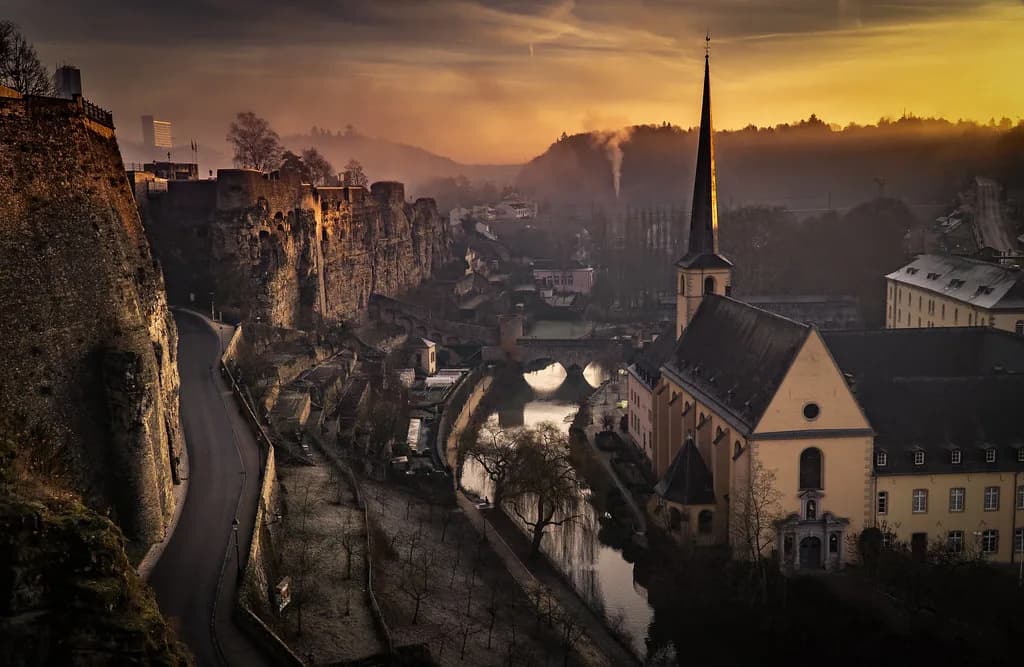
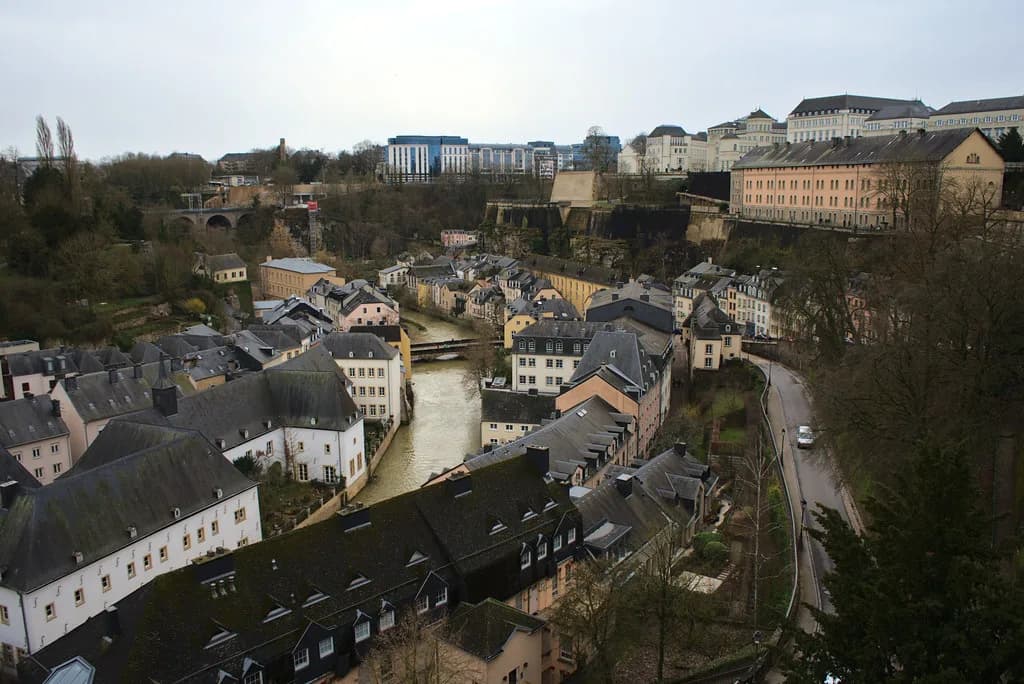
The capital compresses well into two or three days. Start with the Chemin de la Corniche, the elevated promenade above the Alzette valley, then drop into the Grund and Clausen quarters on foot. The Bock promontory and the remains of the fortifications give the city its unusual double level, and they are free to walk.
Museum-wise, the Musée national d'histoire et d'art on Marché-aux-Poissons is the anchor, and its exhibition From Renoir to Monet: Impressionism from the Rau Collection runs from 9 October 2026 to 4 April 2027, which makes it a genuine March option. Dates and any ticketing details are published on the museum's own listing and the official events calendar.
For contemporary art, Mudam on the Kirchberg plateau is a short tram ride from the center and pairs well with a wet afternoon. Place d'Armes remains the social heart of the old town for a coffee between showers, and the cathedral quarter rewards a slow loop.

The Mullerthal and Éislek: walks and trails before spring
The Mullerthal, Luxembourg's Little Switzerland, is genuinely beautiful in March and genuinely muddy. Rock formations, beech woods and the narrow valleys around Echternach and Berdorf are at their most atmospheric in low mist, but the wet sandstone sections demand care and appropriate footwear, and short daylight limits ambitious loops.
In the north, Éislek's plateau country around Vianden, Clervaux and Wiltz is colder and more exposed, with the castle at Vianden dominating the town whatever the weather. Rural hotels and some attractions operate reduced winter schedules into March, so confirm what is running before committing to a remote base.
A sensible strategy is one signature walk on a dry day and town-based plans around it. The Mullerthal Trail's longer stages are better suited to late spring; in March, shorter circular routes starting and ending at a village with a bus stop work best.
The Moselle: vineyards and villages in the quiet season
The Moselle valley is pared back in March: dormant vines, shuttered wine cellars and villages such as Grevenmacher, Remich and Wormeldange going about their business. That quiet is the appeal. A train or bus along the river, a walk between two villages and a long lunch make a satisfying low-key day.
Wine tasting is hit-and-miss in this window, since many growers open their cellars for organized events rather than daily drop-ins. The larger warm-weather wine events come later in the year, so plan the Moselle as scenery and food rather than a tasting trip.
What is on in March: exhibitions and early spring events
March programming in Luxembourg leans on museums and galleries rather than street festivals. Beyond the Renoir-to-Monet show in the capital, Mudam and the capital's smaller venues run temporary exhibitions, and the national events calendar lists current shows with their exact start and end dates, which is the safest way to check what overlaps your stay.
Note that Winterlights, the city's winter light and Christmas-market season, runs from 20 November 2026 to 3 January 2027 and is over well before March. The ING Night Marathon in Luxembourg City is listed for 8 May 2027, also after your trip. Easter Sunday is 28 March 2027, so Holy Week runs 21 to 28 March and brings family visits and fuller restaurants in the final days of the month.
The country's larger traditional events, such as the Octave pilgrimage and its Mäertchen in April and May, sit after March. Treat the month as a cultural rather than festival visit.
Day trips that work in March
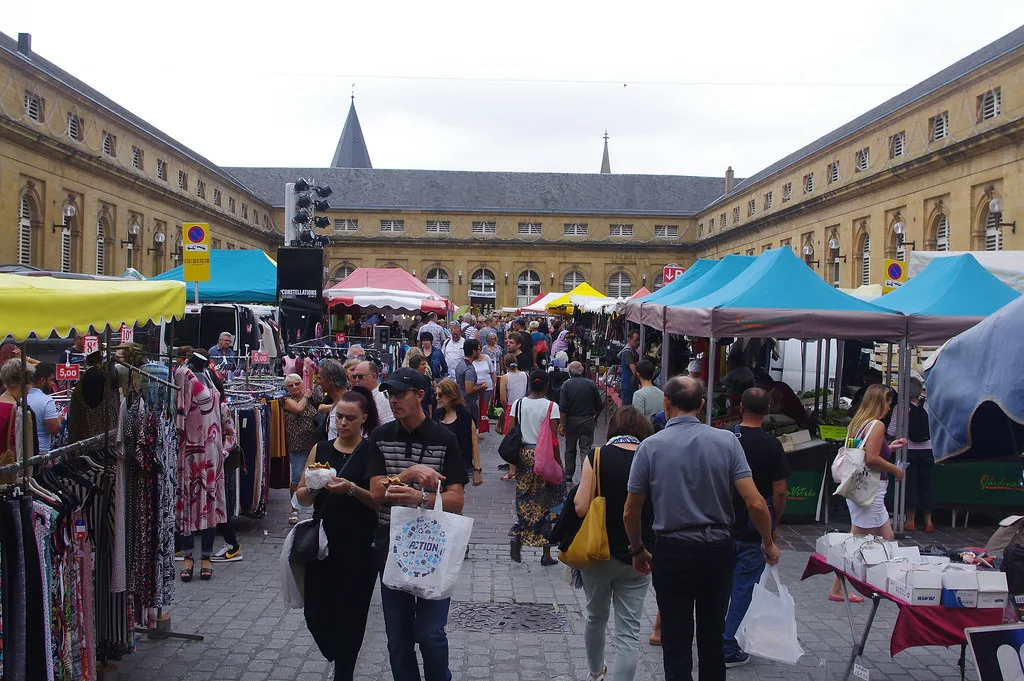
Echternach is the easiest March day trip: a compact abbey town on the Sûre with the basilica, the market square and direct access to Mullerthal walking country. Vianden pairs its hilltop castle with a small, walkable old town, and the bus ride through the Our valley is part of the experience.
Esch-sur-Alzette in the Minett region suits a wet day, with its industrial heritage and proximity to Belval's converted steelworks, now home to university buildings, museums and a concert hall. Wiltz and Clervaux in the north are longer rail journeys and better as an overnight than a rushed return.
For a shorter outing, the Moselle villages around Remich are reachable by bus and train and reward a few hours of riverside walking. Keep one indoor option in reserve for each day trip, since a single museum can rescue an afternoon of steady rain.
Crowds, prices and the trade-offs of a March visit
March sits comfortably outside Luxembourg's busiest periods, so you are not competing for space in museums or on the Corniche. Prices in the capital remain high by regional standards, but the month's lower demand gives more room to choose where you spend; compare total costs before you commit. Some travelers treat Luxembourg as a base for wider trips, though fares onward to neighboring countries add up quickly.
The real trade-offs are weather and light. Short days before 28 March, frequent rain and raw wind limit how much you can do outdoors, and many rural attractions run reduced schedules. If you drive, late-March ski traffic and Easter-week travel can make roads busier than the rest of the month.
A useful benchmark: if you would rather have four reliable outdoor hours than eight uncertain ones, March works. If your trip depends on long hikes, vineyard terraces and late dinners outside, it does not.
Who should pick another month
Travelers set on hiking the full Mullerthal Trail, cycling the Moselle, or eating on terraces every evening should look at May or June. Anyone hoping for festive markets and lights should go in December, when the city's winter season is in full swing. If you are weighing other destinations for the same late-winter window, our Germany winter guide covers where to go, what the weather does and what stays open.
If you want the deepest winter atmosphere with short days and fireside afternoons, January and February deliver it more convincingly than March, and February also brings Carnival. For the broader seasonal picture across the Grand Duchy, the Luxembourg in winter guide is the place to compare months.
Plan Your Visit
A March trip to Luxembourg works best as a city break with one or two regional outings bolted on. Book a central base in Luxembourg City, pick two confirmed exhibitions, and keep a Moselle or Echternach day flexible so you can move it to the better-weather day.
Watch the 28 March 2027 clock change when you plan travel days and evening activities, and check MeteoLux and individual venue calendars in the final week. If you are still deciding between months, weigh March's quiet streets against the fuller winter atmosphere of January or the festive season of December.
Explore more Luxembourg winter guides
Frequently Asked Questions
What is the weather like in Luxembourg in March?
Long-term averages put March days in the single digits to low teens Celsius, roughly the low 40s to mid 50s Fahrenheit, with nights near or just above freezing. Rain is common and sunshine modest, and conditions vary sharply between early and late March, so treat the averages as typical rather than a forecast and check MeteoLux before you travel.
How cold is Luxembourg in March?
Nights typically hover around freezing or a few degrees above, and the north around Éislek runs colder than the capital and the Moselle valley. Daytime cold is driven as much by wind and damp as by temperature, so the same reading can feel very different on an exposed castle viewpoint.
Does it rain a lot in Luxembourg in March?
March is a showery month rather than a washout, with frequent wet days and modest sunshine hours. The practical response is a plan with one indoor anchor each day, a museum or a long lunch, plus a flexible outdoor option.
What is there to do in Luxembourg in March?
Museums and the fortified old town of Luxembourg City carry the month, with the Musée national d'histoire et d'art and Mudam as reliable indoor stops. Day trips to Echternach, Vianden and the Moselle villages work well between showers, and shorter walks in the Mullerthal suit dry days.
When do the clocks change in Luxembourg in 2027?
European clocks go forward on 28 March 2027, giving later sunsets and darker early mornings for a few days. A trip that straddles that weekend should plan outdoor viewpoints and village walks for the post-change days.
Is March a good time to visit Luxembourg?
It is a good month for city breaks and museum time, with smaller crowds and easier access to restaurants than in summer. It is a poor month for long hikes, vineyard visits and terrace dining, so hikers and wine-focused travelers should choose May, June or the winter months instead.
Which exhibitions run in Luxembourg in March 2027?
The Musée national d'histoire et d'art's From Renoir to Monet: Impressionism from the Rau Collection runs from 9 October 2026 to 4 April 2027 and overlaps the whole month. The official national events calendar lists current shows with their exact end dates, which is the reliable way to match programming to your travel dates.
Should I go to Luxembourg in March or in winter?
March gives more daylight and a quieter city than January, but far less of the fireside, festive atmosphere that December and January provide. Choose March for practical sightseeing and a lighter feel; choose the winter months for markets, lights and a deliberately cosy trip.
Sources
Winter travel notes
Optional updates when we add or revise winter guides.
You might also like
Continue reading
More guides you'll find useful