Does It Snow in Luxembourg? Winter Snow by Month and Region
Snow in Luxembourg is most likely from December to February and deepest in the Ardennes north. See where it settles, what stays open and which month to pick.
On this page
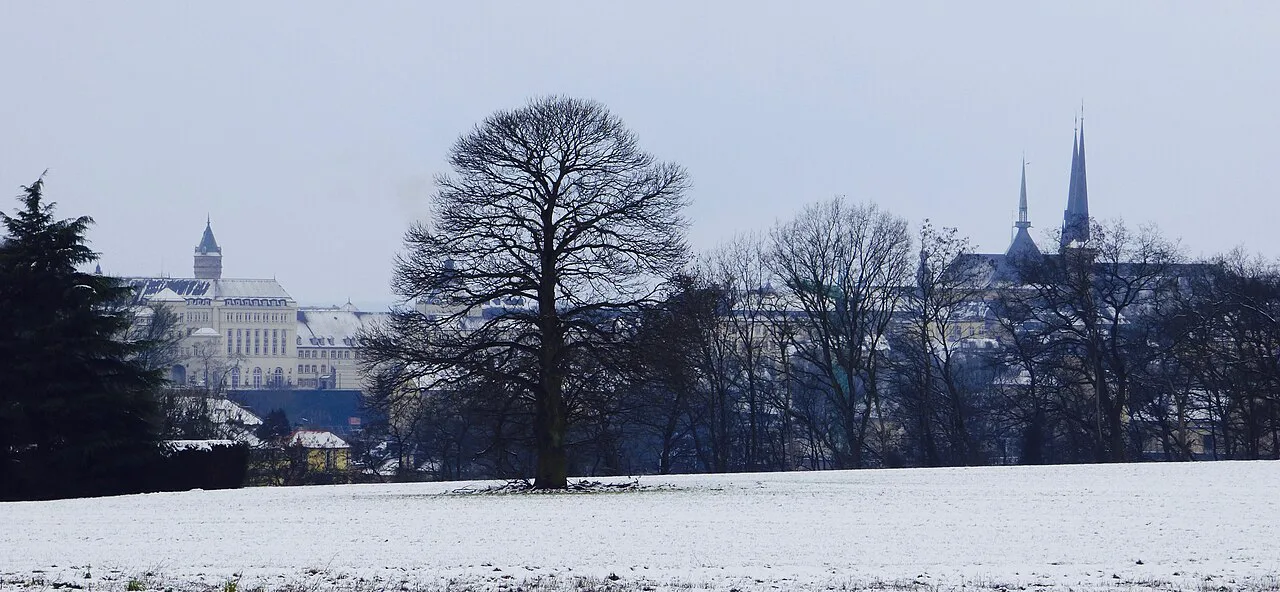
Luxembourg in winter is a small country with two quite different winters. The northern Éislek, which sits on the Ardennes plateau, is the part of the Grand Duchy where snow has the best chance of falling and, more importantly, of staying on the ground; the sheltered Moselle valley and the industrial south are milder and greener. Anyone booking a trip hoping for a white landscape should aim north and accept that no week is guaranteed.
The country suits travelers who want short flights or train rides, walkable towns, good museums and a bit of cold-weather atmosphere rather than a guaranteed snow holiday. If a white Christmas is the whole point, the Ardennes north is the only sensible target, and even there the odds favor January over December.
Does It Snow in Luxembourg? The Short Answer
Yes, snow falls in Luxembourg in most winters, but it is rarely deep or long-lasting across the whole country. The likeliest window runs from December through February, with January usually the coldest month and the best bet for snow lying on the ground. Snow can also arrive in November and March, though it tends to be brief and quickly turns to slush at lower altitudes.
What most visitors picture — a country under a continuous white blanket — is not how a typical Luxembourg winter looks. Expect a mix: cold, gray, damp weeks, occasional snow showers, and short brighter spells. The variation between the north and the south matters more than the calendar.
Snow by Month: November to March
November is a transition month: leaves are down, Christmas lights go up late in the month, and any snow is usually a light dusting on high ground in the Éislek that disappears within a day. Treat November as an atmospheric city month rather than a snow month, and plan around indoor sights and early dusk.
December brings the first realistic snow chances, especially in the Ardennes, but cold rain is just as common in Luxembourg City. Christmas week itself can be green; the festive lighting and markets supply the atmosphere regardless of the weather. Long-term climate figures for the month are the honest guide, not any single forecast.
January is the coldest month and the one to pick if snow is your priority. Frosty mornings are common, snow that falls is more likely to settle, and the northern plateau holds it longest. The trade-off is short daylight and fewer events, so build the trip around museums, castles and long lunches rather than outdoor days.
February stays cold enough for snow, particularly early in the month, and adds Carnival color in the run-up to Ash Wednesday. Late February can bring the first mild days, when valley snow turns to mud while the north keeps its cover. It is a good compromise month for travelers who want winter atmosphere without the deepest cold.
March is a shoulder month: daylight lengthens noticeably once the clocks go forward on 28 March 2027, but snow showers are still possible, more so on high ground than in the valleys. Plan March as an early-spring city break and treat any snowfall as a bonus.
Where Snow Is Most Likely: Éislek and the Ardennes
The Éislek in the north is Luxembourg's Ardennes: higher, more exposed and consistently colder than the rest of the country. Clervaux, Vianden and the countryside around them are where a winter walk is most likely to be through snow, and where castles look their best in cold light. This is also the area where the Visit Luxembourg winter pages point travelers for quiet walks and seasonal atmosphere.
The Moselle valley, running along the German border from Schengen to Wasserbillig, is milder and lower. Vineyard slopes may catch a dusting, but snow rarely lingers, and winter there is more about misty river views and wine cellars than sledges. The Mullerthal and the Minett in the south and east sit in between: cold and sometimes snowy, but less reliable than the north.
Snow Falling Versus Snow Lying: What Settles
A snow shower and a snow-covered landscape are different things, and Luxembourg often gets the first without the second. The ground stays relatively warm through December, so early snow melts on contact at low altitude; lasting cover usually needs a sustained cold spell in January or early February. Snow on roofs, fields and woodland trails in the Éislek is a realistic expectation in a normal winter; snow on the pavements of Luxembourg City is not.
Travelers who need reliable snow underfoot should look at the Ardennes plateau rather than the capital, and should think of snow as a possibility to enjoy rather than a feature to plan around. If a snow-free week would ruin the trip, consider a destination with a colder continental climate; if it would merely change the itinerary, Luxembourg works well. Our Germany winter guide shows how nearby colder regions handle the same snow-or-no-snow decision.
Luxembourg City in the Snow: What Changes
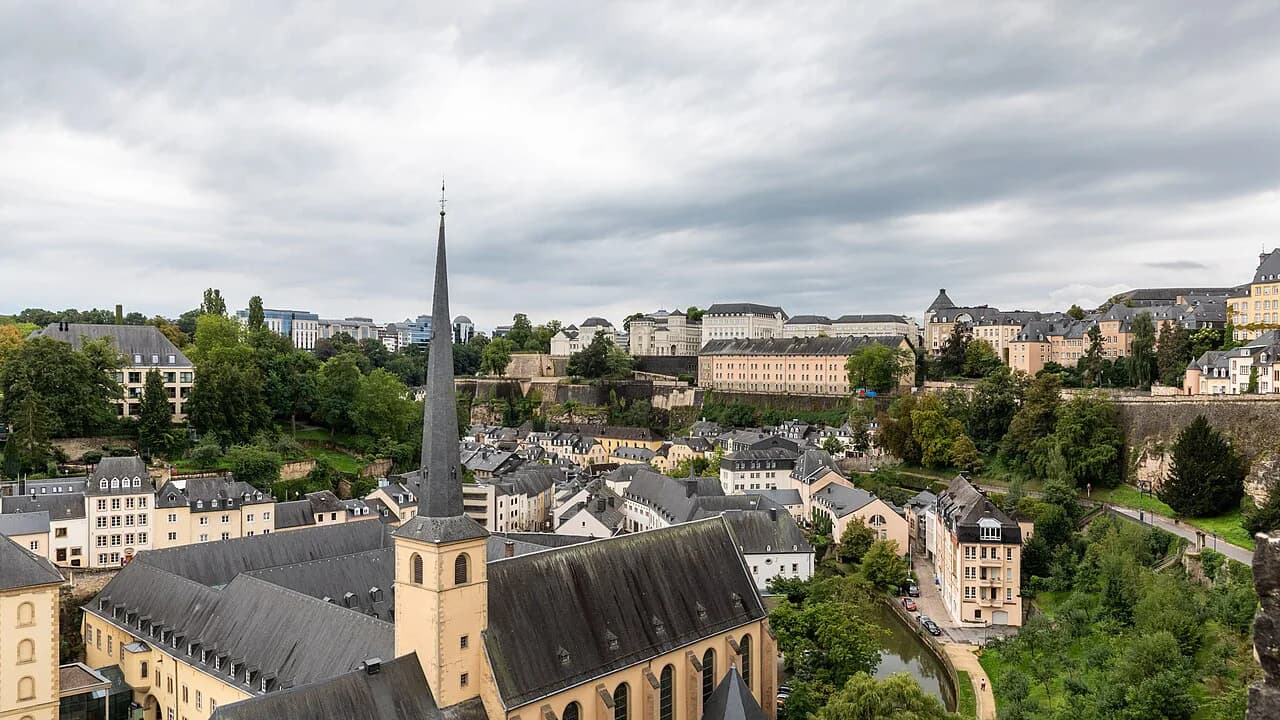
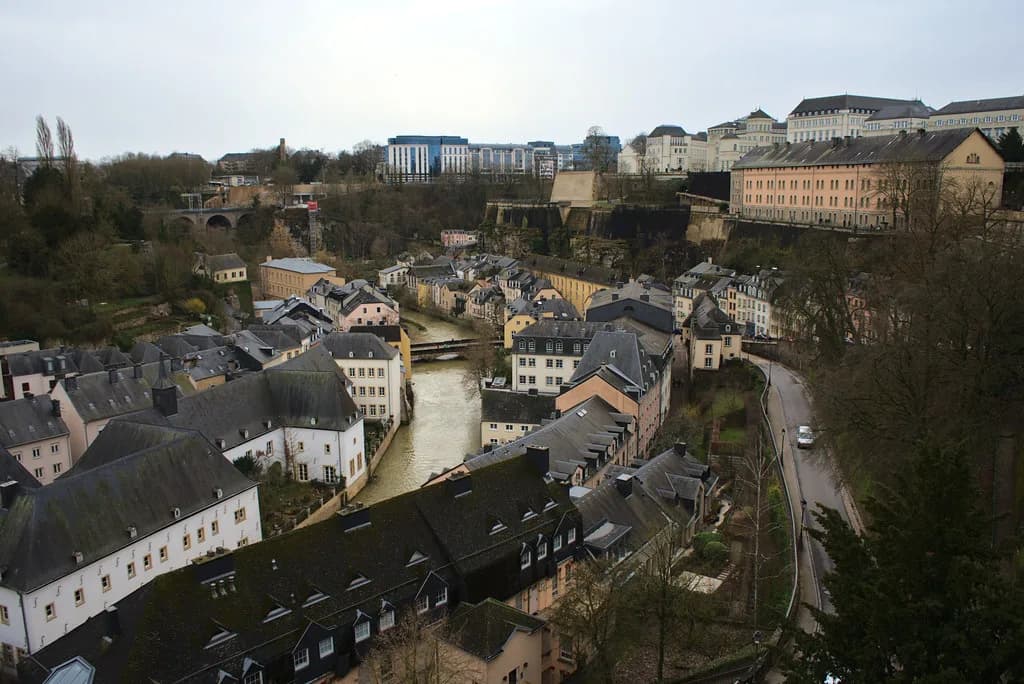
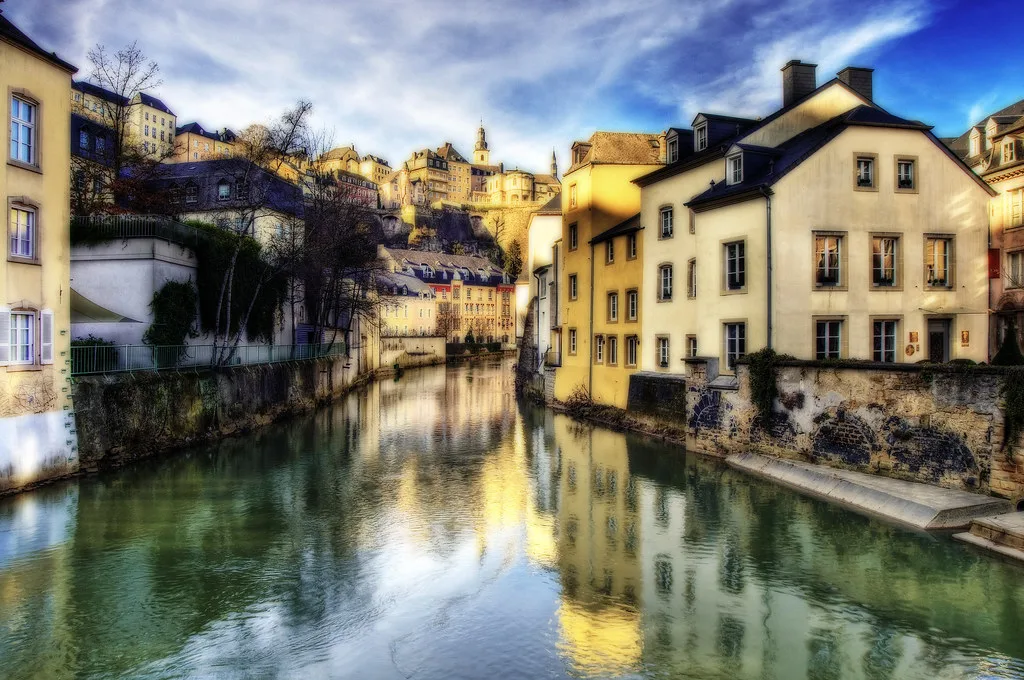
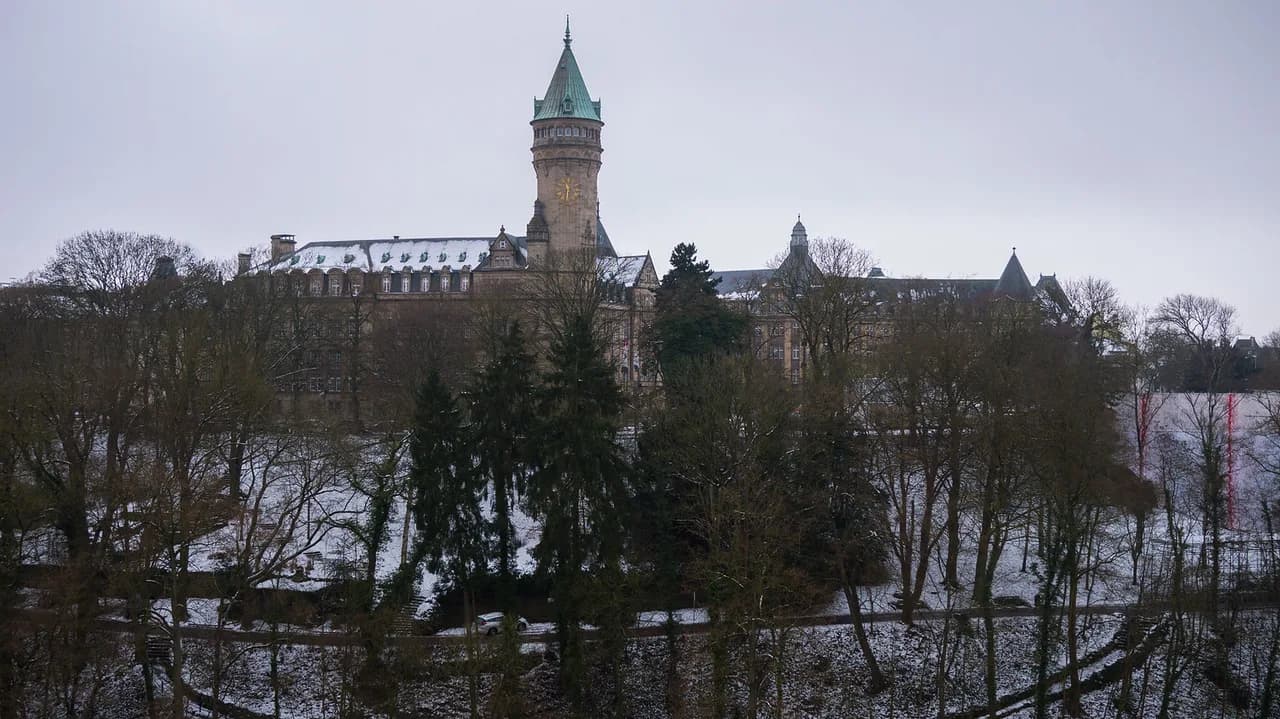
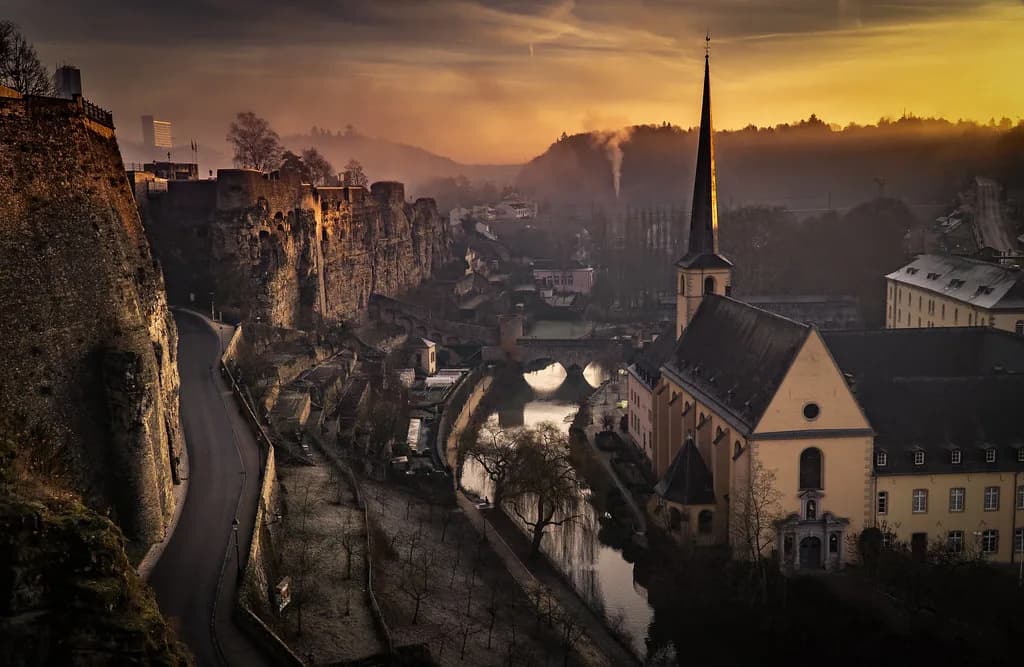
When snow does reach Luxembourg City, it transforms the fortified old town and the valley districts of Grund and Pfaffenthal, and the walk along the Corniche becomes genuinely memorable. The city's steep paths and staircases between the upper and lower town get slippery, so allow more time and favor the lifts and the panoramic elevator over the stairs. Public transport is free nationwide, which makes it easy to abandon a walk and take the bus or tram instead.
Weather in January: The Coldest Month
January is the month with the best snow odds and the least to do outdoors. Expect cold days, frosty nights, and a mix of dry bright spells, gray drizzle and occasional snow. Daylight is short, with sunset well before 5pm for most of the month, so plan indoor visits for the afternoon.
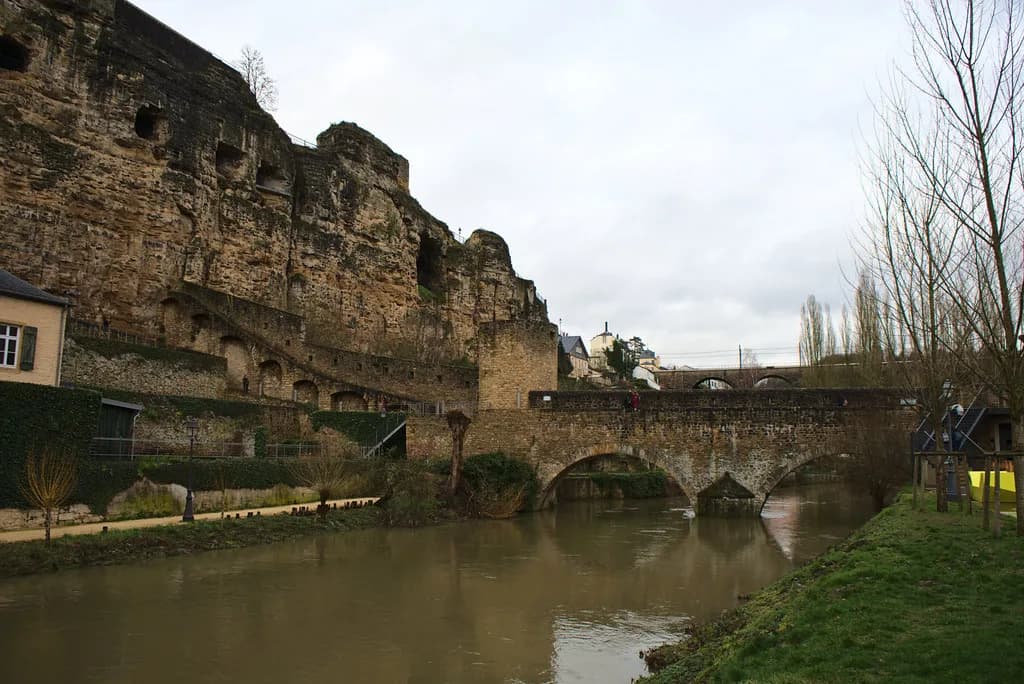
The upside is quiet: museums, the Bock casemates area, the Mudam and the capital's restaurants are far less crowded than in December, and hotel rates tend to be lower outside Carnival week. Travelers who want a calm, cold city break with a chance of snow will find January the most honest version of a Luxembourg winter.
Weather in February: Carnival and Late-Winter Snow
February keeps winter firmly in place, with cold nights and a realistic chance of snow, especially in the first half of the month. Ash Wednesday falls on 10 February 2027, and the Fuesent season fills the weeks before it with processions, masked balls and traditional pastries. The processions in Diekirch and Remich are the best known, drawing crowds from across the country.
Combine Carnival with the north if you want both: base in Luxembourg City for the festivities, then drive or take the train up to the Éislek for a day or two of snowy walking. Book early for the Carnival weekend, when accommodation in the capital fills fastest.
Daylight and Short Days
Luxembourg sits at roughly the latitude of southern England, so midwinter days are short: expect daylight from around 8:30am to 4:45pm in late December, stretching noticeably by late February. The clocks go back on 25 October 2026 and forward again on 28 March 2027, so a March visit gains an extra hour of evening light at the end of the month.
Practically, that means planning one main outdoor objective per day and pairing it with indoor time. Snow itself brightens the landscape considerably, so a cold clear day after a snowfall feels far less gloomy than a damp gray one.
What Is Open in Winter
Most of Luxembourg's core sights function through the winter: the museums, the casemates and fortifications of the capital, the castles at Vianden and Clervaux, and the Slate Museum at Haut-Martelange, which Visit Luxembourg lists as open for visits all year round. The Family of Man photography exhibition in Clervaux is a good cold-weather stop in the north, and the country's restaurants and wine cellars keep working through the season.
What thins out are outdoor and seasonal attractions: some rural castles and small museums cut their days outside the main season, and vineyard visits slow down. Rather than assume, look up the individual site before you build a day around it, especially in January and early February.
Things to Do When It Snows, and When It Doesn't
On a snowy day, head north: a winter walk near Clervaux or Vianden, a castle visit with snow on the towers, and a long lunch in a village inn make a satisfying circuit. Around the Mullerthal, forest trails are beautiful under snow but demand proper footwear and a shortened route. In the capital, the Corniche and the Chemin de la Corniche give the best snow views without leaving town.
When there is no snow, Luxembourg still works: the Mudam and the National Museum of History and Art in the capital, the casemates, the abbey town of Echternach, and the Moselle valley's wine villages. Indoor options in Esch-sur-Alzette and the Minett cover the industrial heritage side, and the free public transport network makes a car-free winter trip genuinely easy.
Christmas Markets and the Winterlights Dates
Luxembourg City's Winterlights season runs from 20 November 2026 to 3 January 2027, with markets on Place d'Armes, Place de Paris and Place de la Constitution. The city tourist office publishes opening hours for each day of the run, from 11am until 9pm or 10pm most days, with the 11am opening repeated throughout the run. That gives a long window that overlaps with a realistic chance of cold weather but not necessarily of snow.
Carnival: Fuesent in February
After New Year, Luxembourg's winter calendar shifts to Fuesent, the local Carnival, which runs through the weeks before Ash Wednesday on 10 February 2027. Expect processions, masked balls and deep-fried pastries, with Diekirch and Remich as the best-known procession towns. It is the liveliest stretch of the winter and a strong reason to choose February over January if you want company.
Getting Around in Snow and Ice
Luxembourg's public transport is free nationwide and covers trains, buses, the tram and the funicular, which makes it a practical winter choice when roads are icy. From Luxembourg City, trains reach Ettelbruck and Clervaux in the north and Wasserbillig on the Moselle, so a snowy day trip to the Éislek does not require a car. Allow extra time on rural bus routes after snowfall, when timetables can slip.
Drivers should expect untreated minor roads in the Ardennes and should check conditions before setting out for the north. The country is small enough that a change of plan costs an hour rather than a day, which is one of its quiet advantages in winter.
Who a Snowy Luxembourg Trip Suits, and Who Should Pick Another Month
A winter trip to Luxembourg suits city-break travelers who want museums, food, walkable towns, short journeys and a chance of snow rather than a guarantee of it. It also suits travelers combining the capital with the Ardennes for a day or two, and anyone who enjoys cold, quiet landscapes more than crowds. The Winterlights weeks and Carnival are the two liveliest periods; January is the quietest and the most likely to be white.
It suits less those who need reliable snow underfoot, ski-style facilities or long daylight hours. If snow is essential, choose the Éislek in January or early February and accept that the weather may still deliver rain; if short days and gray skies would spoil the trip, save Luxembourg for late spring or summer.
Plan Your Snowy Luxembourg Trip
Decide first what snow means for your trip: a landscape you hope to see, or a condition you need. If it is the latter, focus on the Ardennes north in January, keep the itinerary flexible, and treat the capital as a base rather than the destination. If it is the former, any winter month can work, with February adding Carnival and December adding lights.
Book transport and a city base early for the Carnival and Winterlights weeks, look up individual castle and museum calendars before building day trips, and judge expectations by long-term climate patterns rather than any single forecast. That way a snowy week becomes a bonus and a green one still leaves plenty to do.
Explore more Luxembourg winter guides
Frequently Asked Questions
Does it snow in Luxembourg City?
Snow reaches the capital in most winters, but it usually falls as showers and melts quickly on the milder valley floor. The streets of the old town and the Grund can turn white for a day or two during a cold spell, most likely in January or early February. Treat a snowy Luxembourg City as a stroke of luck rather than a plan.
Which is the coldest month in Luxembourg?
January is typically the coldest month, with frosty nights and the best odds of snow settling, particularly on the higher ground of the Éislek in the north. February stays close behind and can deliver late-winter snow in its first half. The Moselle valley and the far south stay milder throughout.
Where in Luxembourg gets the most snow?
The Éislek, the northern strip on the Ardennes plateau around Clervaux and Vianden, is where snow falls most often and stays longest. The sheltered Moselle valley and the industrial south around Esch-sur-Alzette rarely hold snow for long. The Mullerthal sits somewhere in between.
Will there be snow in Luxembourg at Christmas?
A white Christmas is possible in the Ardennes north but far from certain, and in Luxembourg City a green 25 December is the more common outcome. Snow that falls in December often melts at low altitude. If a white Christmas is the priority, base yourself in the Éislek and keep your plans flexible.
Is Luxembourg worth visiting in winter?
Yes, for travelers who want walkable towns, strong museums, good food and a chance of snow without crowds. The Winterlights weeks bring lights and markets, and February adds Carnival processions in Diekirch and Remich. If you need guaranteed snow underfoot or long daylight hours, another month or a colder destination fits better.
Sources
Winter travel notes
Optional updates when we add or revise winter guides.
You might also like
Continue reading
More guides you'll find useful