Luxembourg in February: Weather, Things to Do & What's Open
February in Luxembourg is cold, quiet and uncrowded, with short days but empty museums and casemates. Here is what the weather and the trip feel like.
On this page
February is the deepest, quietest part of the Luxembourg winter, when the Christmas stalls are long gone and the city settles into a cold, workaday rhythm. Days are short and the weather is raw rather than pretty, but the upside is space: museums, tunnels and viewpoints that clog up in summer are largely yours. This guide is for travelers weighing a February city break against waiting for spring.
February at a Glance: The Coldest, Quietest Stretch
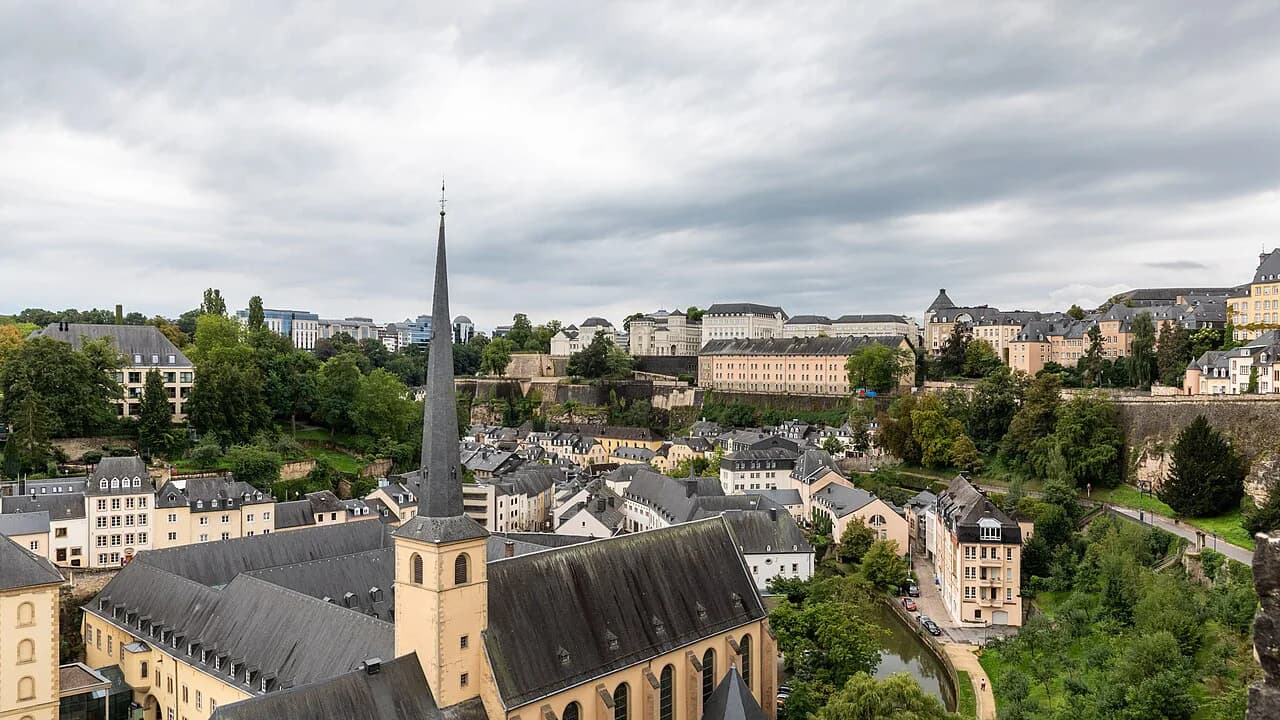
February sits at the cold end of the Luxembourg winter, and travel platforms consistently rank it as one of the least popular months for a city visit. That reputation works in your favor: you are not competing for restaurant tables or museum entry, and accommodation is easier to find at short notice. The trade-off is a stripped-back version of the city, with no festive programming and a strong chance of grey, damp days.
This month suits museum-goers, budget-conscious city-break travelers and anyone who prefers a place without a crowd. It does not suit travelers chasing Christmas lights, long daylight hours or outdoor cafés. If festive atmosphere is the point of your trip, aim for December instead; if you want longer days and milder air, wait for late March or April.
Weather in February: Typical Highs, Lows, Wind and Daylight
Typical February conditions in Luxembourg City run from an average high of about 4°C (40°F) down to a low of around -2°C (28°F), which feels raw when the wind picks up. Historical summaries describe the month as really cold and slightly windy, with wind speeds averaging around 16 mph and humidity staying high. Treat these as long-term averages that describe the character of the month, not a forecast for your dates.
Rain is a steady feature rather than an event: the same climate summary puts the chance of precipitation at roughly 31% on a typical day, with cloud cover around a third. In practice that means a mix of drizzle, damp cold and occasional brighter breaks, and slush is more likely than a clean snow cover in the city itself. Build a wet-weather backup into each day rather than hoping the sky cooperates.
Daylight is the constraint that shapes a February trip. Historical records put the average day at roughly 10 hours of daylight, with sunrise around 7:47 and sunset around 17:51 in mid-month, and days lengthening noticeably by the end of February. Plan outdoor walks and viewpoints for the middle of the day and keep indoor sights for the dark edges.
How to Structure a Two- or Three-Day Visit Around Short Days
With light fading soon after 17:00 in early February, the practical structure is one outdoor block and one indoor block per day. Use the brightest hours for the Chemin de la Corniche and the Grund, then move underground or into a museum once the light goes. This also means you spend the coldest, dampest part of the day indoors rather than on an exposed rampart.
Two full days cover the old town, the casemates and one museum comfortably; a third day gives you room for a day trip or a slower food-focused afternoon. If you are arriving by train, note that Luxembourg's public transport is free nationwide, which makes short trips and spontaneous changes of plan unusually cheap. The country's compact size means even a low-energy February itinerary can include more than one town.
What Stays Open in February: Museums, Casemates and Viewpoints
The city's core sights operate as year-round cultural infrastructure rather than seasonal attractions. The Bock Casemates, the network of tunnels in the city walls that sheltered up to 35,000 people during the Second World War, are a working visitor site with timed entry, and booking ahead is advisable. They double as the best bad-weather refuge in the city: sheltered, atmospheric and genuinely historic.
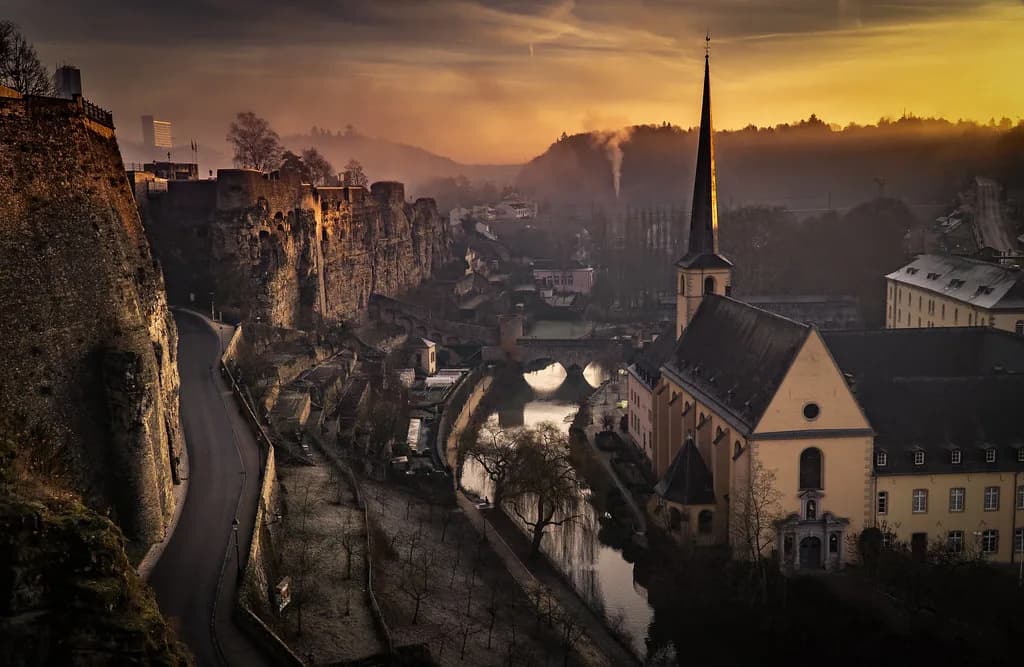
The main museums, including the Mudam contemporary art museum, the National Museum of Art and History, the Luxembourg City History Museum and the National Museum of Natural History in the Grund, give you a full indoor circuit for cold afternoons. The Chemin de la Corniche, the walkway along the old ramparts with panoramic views over the valley, stays open and free at any hour, though it is exposed and best saved for a clear midday window.
Cafés and chocolate shops in the upper town stay open through the month and make sensible warm-up stops between sights; the Chocolate House is a well-known option for hot chocolate and handmade confections. The Grand Ducal Palace is a landmark to see from the square rather than a winter interior visit, since its guided tours run in summer.
What Winds Down After the Christmas Season
Luxembourg City's festive markets and the accompanying Winterlights program end in early January, so by February the squares are back to their everyday role. Place d'Armes, Place Guillaume II and Place de la Constitution are still worth crossing for their architecture and café terraces, but do not expect chalets, mulled wine or a giant tree. If markets are central to your plans, plan around Christmas in Luxembourg rather than February.
One exception worth confirming directly with the organizers is any outdoor ice rink that may be installed on a city square over the winter; seasonal rink schedules vary year to year and are not fixed by the calendar alone. Contact the venue directly, or Luxembourg's national tourist office, for the current season's arrangements.
Things to Do: Walks, Tunnels and the Old Quarters
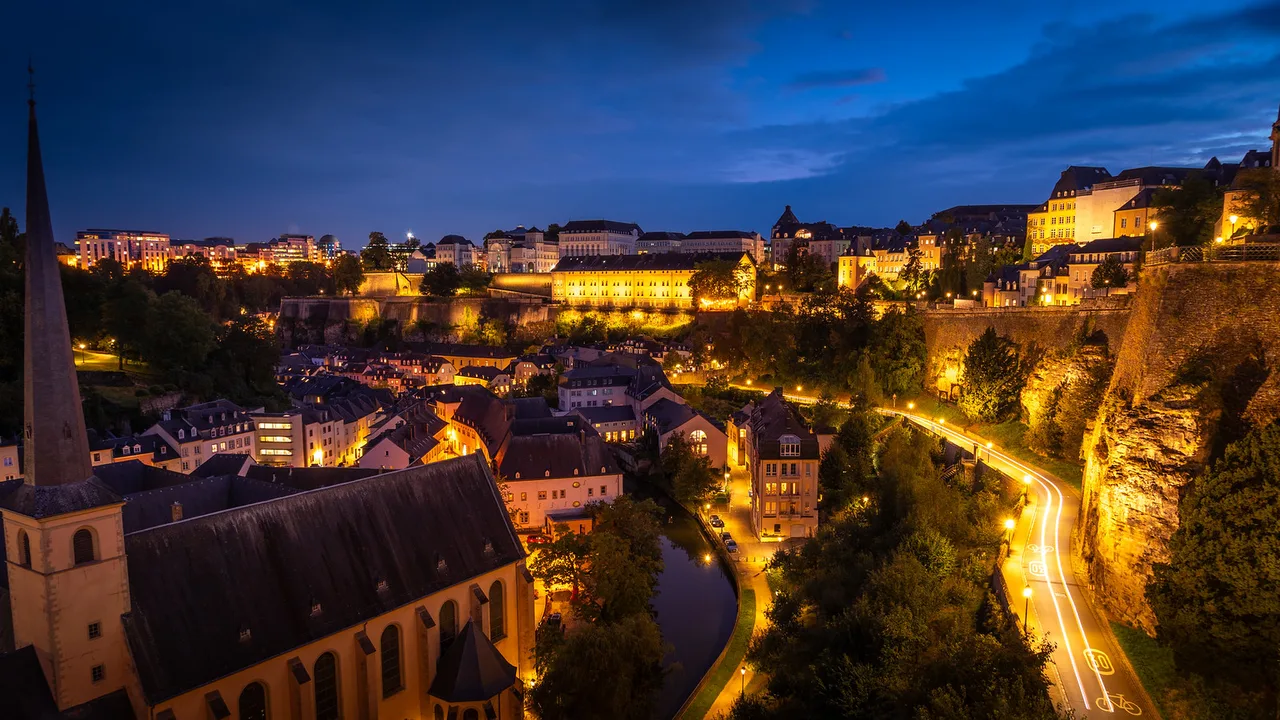
The Wenzel Circular Walk is the best self-guided introduction to the city's medieval layout, marked with signposts and threading through narrow streets and hidden corners around the Grund and the fortifications. It works in winter because it is flexible: you can walk a section, duck into a café, and resume without losing the route. Wear shoes with grip, since cobbles and wet leaves are the main hazard.
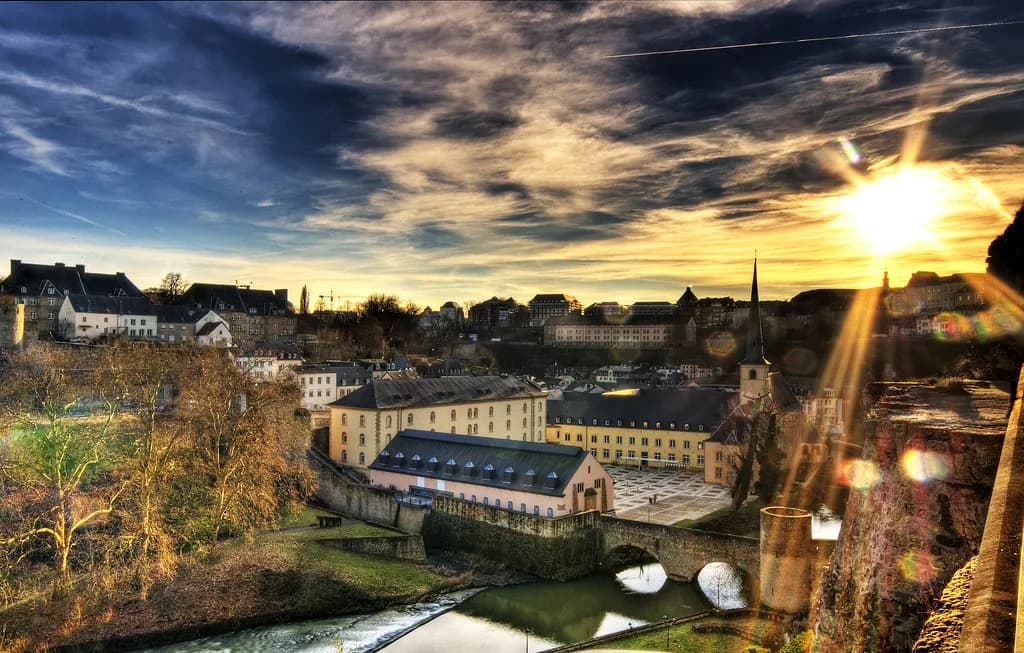
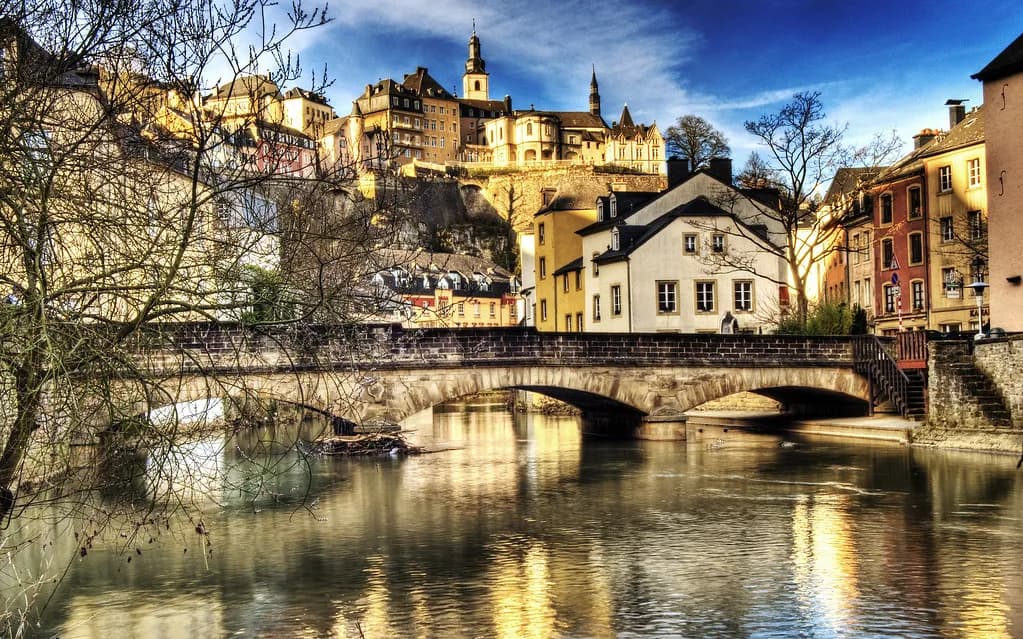
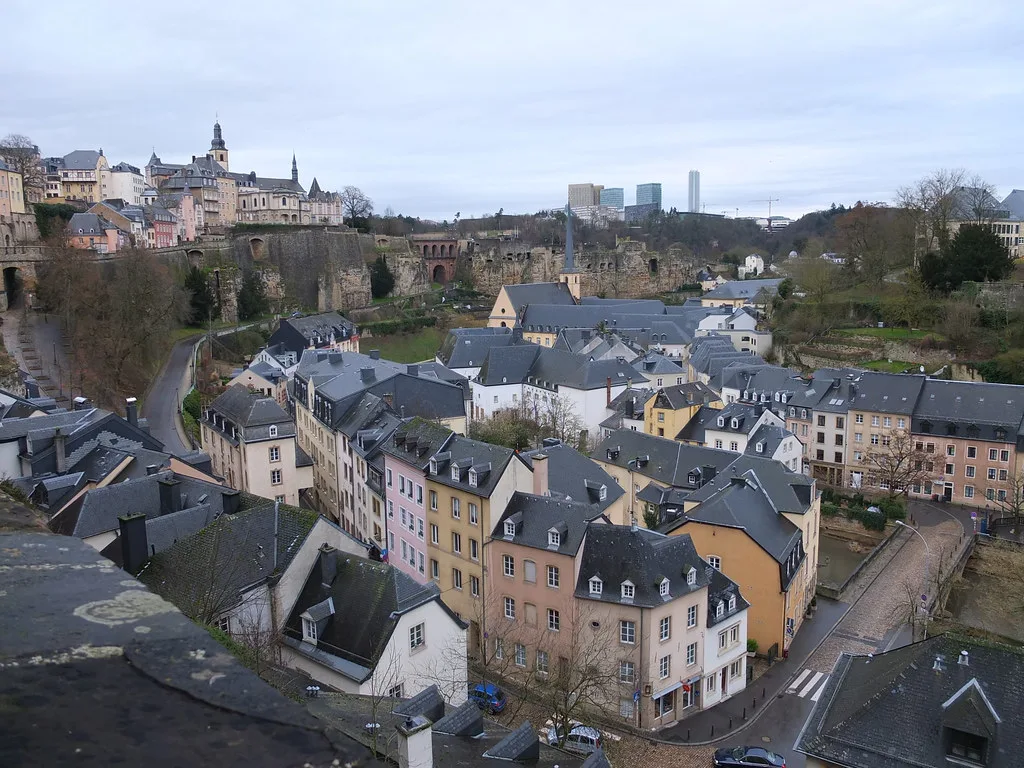
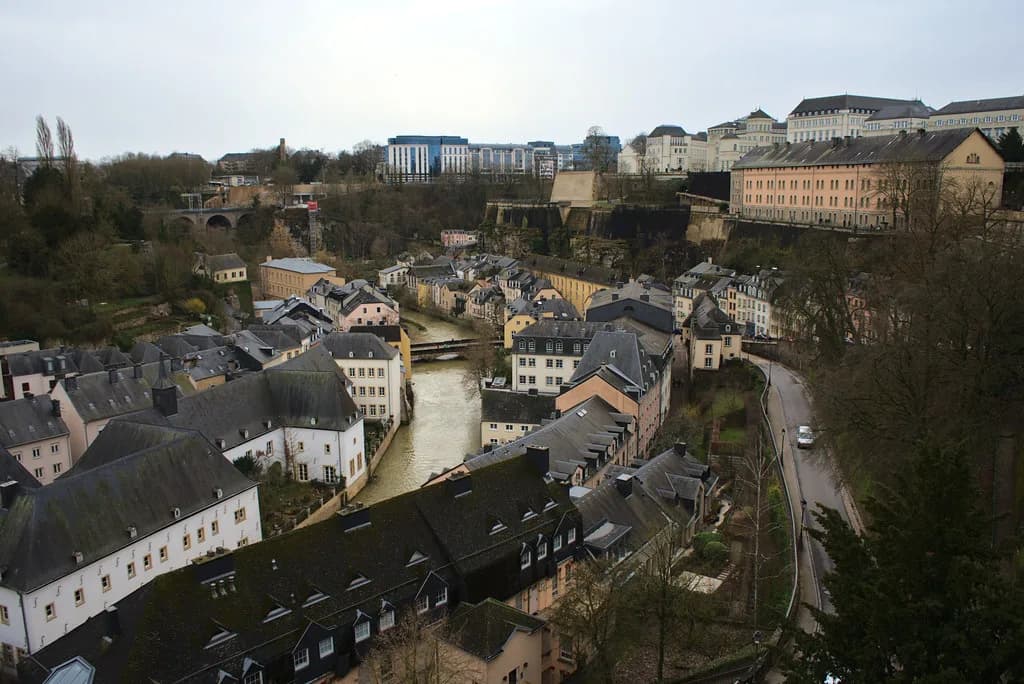
The Grund, the valley quarter on the Alzette with 19th- and 20th-century houses and cobbled lanes, is the most photogenic part of the city and is quiet in February. A glass elevator connects the valley with the upper town, saving you a climb in cold weather. Pair the Grund with the riverside walk and the view back up to the Oberstadt from the Rue Münster bridge.
For a different angle on the city, the panoramic elevator in Pfaffenthal lifts you to a viewing deck with a glass floor, giving you a valley panorama without a long walk. It is a short stop rather than a half-day, and it pairs well with the bridges and viaducts on the western edge of the center.
Museums and the LuxembourgCard
The LuxembourgCard bundles entry to the city's museums and dozens of sites across the country, which makes it a useful tool on short winter days when you want to duck between indoor sights without buying a ticket each time. Ask at the tourist office or check the official card page for the current participating sites, validity options and price, since these are updated periodically. For a two-day city break with one day trip, the card can be better value than it looks.
Beyond the capital, the card's countrywide coverage encourages the kind of short winter excursion that would otherwise feel like an expensive gamble: a castle, a small museum and a warm lunch in one day. Check which sites keep reduced winter opening days before you commit, because rural attractions often cut their weekly hours outside the main season.
Food and Drink: Hearty Luxembourgish Dishes and Warm-Up Stops
February is the right month for the country's heavier traditional cooking. Judd mat Gaardebounen, smoked pork with broad beans, and Gromperekichelcher, potato fritters, are the dishes to look for in a cozy restaurant, along with the local cheeses and wines that round out a cold-weather meal. Ask for the daily special rather than assembling a tasting menu; winter cooking here is comfort food, not fine dining theatre.
Between meals, the upper town's cafés and chocolate shops are the natural warm-up stops, and the area around the Grand Ducal Palace has a dense cluster of bars and restaurants. The city also has a serious culinary side, with Michelin-starred kitchens in the Grund and Gare districts, though those need booking rather than a spur-of-the-moment walk-in. In February, a reservation is likelier to succeed than in summer.
Day Trips That Work in Winter
Vianden, with its hilltop castle above the Our valley, Echternach with its abbey and old town, and Clervaux in the Ardennes are the classic day trips from the capital, all reachable by public transport in a country where trains and buses are free. Winter narrows the appeal of castle interiors and gardens, so check each site's seasonal hours before you set out. Trier, just over the German border, is the strongest option when the weather turns, since its Roman monuments and museums give you an all-weather day. If you are tempted to push further afield, our Germany winter guide covers where to go and what stays open across the border.
Because the country is small, these trips are short in travel time and make sense even on a two-night stay. Build the day around one indoor anchor and one short walk, and keep the return before dark.
Getting Around Without a Car
Luxembourg's public transport is free throughout the country, including trains and buses, which changes the economics of a February trip considerably. You can base yourself in the capital and reach day-trip towns, the airport and the surrounding countryside without hiring a car or buying tickets. Bring a warm layer for platform waits rather than planning around a car's climate control.
Within the city, most of the historic core is walkable, with the valley districts connected to the upper town by lifts, stairs and short bus rides. The main friction is vertical rather than horizontal: the Grund and Pfaffenthal sit below the center, so plan loops that end uphill or use the elevators.
Crowds, Prices and the Trade-Offs
February is the low season, and the main practical benefit is room to move: fewer queues at the casemates, easier restaurant bookings and more choice of dates. Pricing varies by hotel and by week, so compare specific dates rather than relying on a general rule about the month. Set against that, you lose festive programming and outdoor dining, and you will likely spend more time indoors than in spring.
Expect some rural attractions and castle interiors to run reduced winter hours, which can turn a planned day trip into a shorter outing. Checking opening days the week before you travel matters more here than in high season.
Who Should Go in February and Who Should Wait
Go in February if you want a compact, affordable city break built around museums, tunnels and hearty food, and if you can accept grey skies and a short daylight window. The city rewards slow travel in winter: a morning walk, a long lunch, an afternoon underground. Families with small children and travelers who need outdoor cafés and long evenings will enjoy Luxembourg far more in spring or early summer.
If your heart is set on festive lights and markets, shift your planning to December, when the Winterlights program runs into early January. If you simply want milder weather and longer days, aim for March or later instead of February.
Plan Your February Visit
February in Luxembourg is a trade: short days, damp cold and a stripped-back event calendar in exchange for space, cheaper comparisons and a city that feels local rather than staged. Build your days around one outdoor block in the best midday light and one indoor anchor, and use the free transport network to add a day trip without fuss. If you want the festive version of the winter, that is a December trip; February is for the quieter, deeper visit.
Explore more Luxembourg winter guides
Frequently Asked Questions
What is the weather like in Luxembourg in February?
Typical February conditions run from an average high of about 4°C (40°F) to a low of around -2°C (28°F), with a roughly 31% chance of precipitation on a given day, noticeable wind and about 10 hours of daylight. These are long-term averages describing the month's character, not a forecast, so check a short-range forecast before you travel.
Is February a good time to visit Luxembourg?
It is a good time if you want uncrowded museums, the Bock Casemates and the Chemin de la Corniche without summer queues. It is a poor fit if you are chasing Christmas markets, since the festive season ends in early January, or if you need long daylight hours and outdoor café weather.
What is there to do in Luxembourg in February?
Focus on the Chemin de la Corniche and the Grund in the brightest part of the day, and use the Bock Casemates, the Mudam, the National Museum of Art and History and the City History Museum for cold or wet afternoons. The Wenzel Circular Walk works well as a flexible self-guided route with café stops.
Are museums and the Bock Casemates open in February?
The main city museums and the Bock Casemates operate through the winter, with timed entry at the casemates and advance booking advisable. Rural castles and smaller sites often run reduced winter days, so confirm each venue's current schedule before making a day trip.
How many hours of daylight does Luxembourg get in February?
Plan on roughly 10 hours of daylight on average, with mid-month sunrise around 7:47 and sunset around 17:51 and days lengthening toward the end of the month. Structure outdoor walks and viewpoints around the middle of the day.
Is Luxembourg expensive in February?
February falls in the low season, so there is more availability and easier restaurant bookings, but rates vary by hotel and by week, so compare your actual dates. Free nationwide public transport removes a significant daily cost.
Should I visit in February or December?
Choose December if festive markets, lights and a livelier atmosphere are the priority. Choose February if you want space, lower-season availability and a quieter, museum-led city break, and accept that the festive programming has finished.
Sources
Winter travel notes
Optional updates when we add or revise winter guides.
You might also like
Continue reading
More guides you'll find useful