Malta in January: Winter Weather, What's Open and What to Do
Malta in January brings mild, changeable weather, short daylight and quiet sightseeing in Valletta, Mdina and Gozo. Here is what to expect and plan around.
On this page
January in Malta is mild rather than warm, and the island's mood shifts with the wind. A sheltered, sunny corner in Valletta can feel pleasant enough for a long lunch outdoors, while the same afternoon on an exposed waterfront or a Gozo coastal path turns raw. It suits travelers who want history, churches, food and walking without summer heat or summer crowds, and it disappoints anyone hoping to swim and sunbathe.
The month rewards a loose itinerary. Build each day around one indoor anchor, such as a museum or a cathedral, and add outdoor time when the sky cooperates. That way a wet morning costs you a walk rather than the whole day.
Weather in January
Typical January conditions are cool and changeable, with an average daytime high of 15.7°C (60°F) and a night-time low of 10°C (50°F); the average air temperature across the month is 12.9°C (55°F). Rainfall averages around 79 mm (3.1 inches), which can arrive as a short heavy shower, several unsettled hours or occasionally a wetter day. These are long-term averages, not a forecast, so treat them as the shape of the month rather than a daily promise.
Sunshine is genuine but not guaranteed: the island averages about 5.4 hours of bright sunshine per day in January. Sunshine and wind matter as much as the air temperature, because shade, a sea breeze and an exposed promenade make a bright day feel markedly cooler.
The sea sits at around 16°C (61°F) in January. That is cold for most visitors, and wind and swell conditions matter as much as the water temperature when deciding whether to go in.
Daylight and How Short the Days Are
Days are short but lengthening. At the start of January Malta gets about 9 hours 46 minutes of daylight, rising to roughly 10 hours 24 minutes by the end of the month, so you gain around 38 minutes of usable light across your stay.
Sunrise moves from about 07:12 to 07:03 and sunset from about 16:58 to 17:27 across the month. That late-afternoon sunset means outdoor sightseeing and coastal walks are best placed before mid-afternoon, with museums, churches and long lunches filling the darker hours.
Early versus late January
Do not expect late January to be noticeably warmer or more settled than the first week. Weather on any given day usually matters more than which part of the month you choose, and either period can bring sunshine, wind, rain or cooler spells.
The one reliable difference is light: the days at the end of the month give you a little more time outdoors after lunch. If your plans lean heavily on walking or photography, that extra half hour is the better reason to book late.
What is open in winter
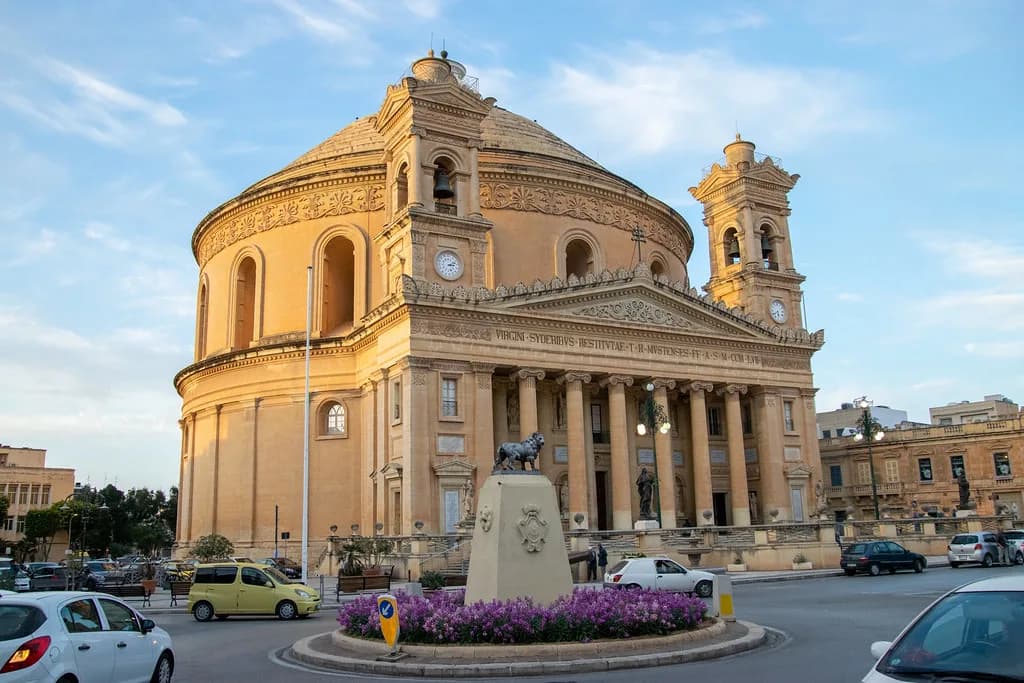
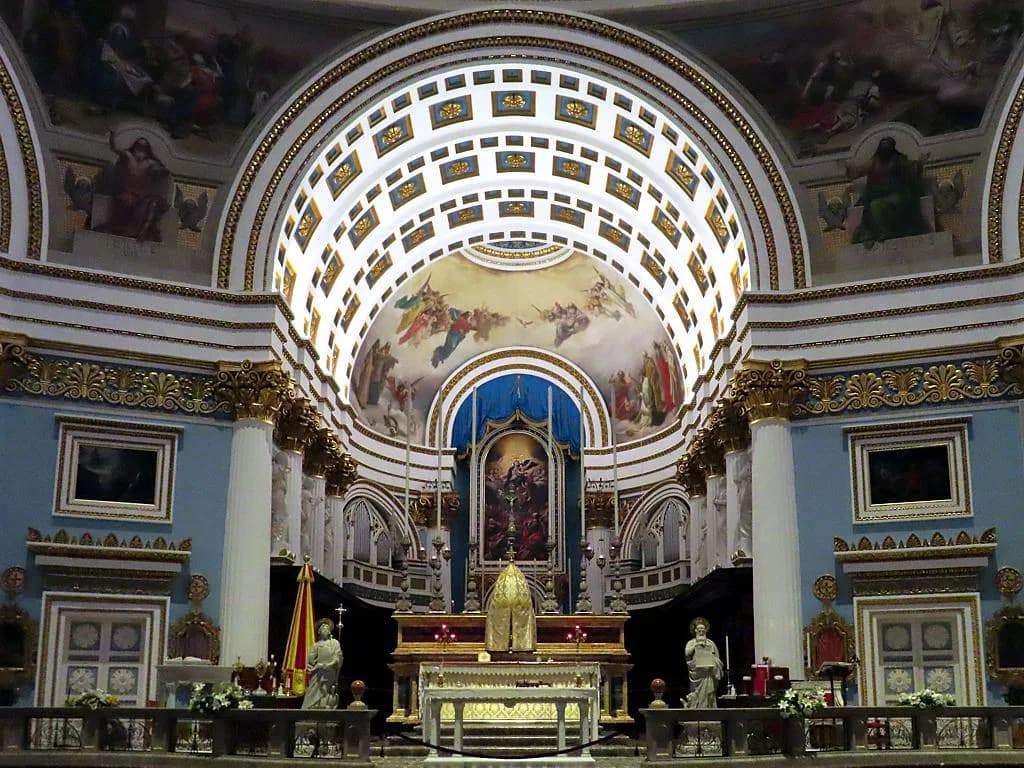
The core sightseeing circuit runs year-round, which is why January works. Valletta's museums and churches, Mdina's lanes and the Three Cities can all be combined into days that mix outdoor walking with indoor stops when the weather turns.
Boat trips, coastal tours and long exposed walks are the plans to keep flexible, since wind and rougher seas can affect conditions. On Gozo, exposed coastal and countryside areas feel noticeably colder when it is windy, even when a sheltered village street feels pleasant in the same sunshine.
If you are crossing to Gozo, factor the sea state into the day rather than the other way round. A settled day makes the crossing and the island's walks far more enjoyable than a windy one.
New Year's Day and what is on in January
New Year's Day falls on 1 January and is observed across the island, with families gathering for meals and some businesses running reduced hours. Plan the day around a long lunch or a walk, since not everything will be trading normally.
The Valletta Baroque Festival is one of Malta's main winter cultural events, with Baroque music performed in historic churches, theatres and other venues. The organiser publishes each season's dates and programme, so confirm the schedule before building a trip around a specific concert.
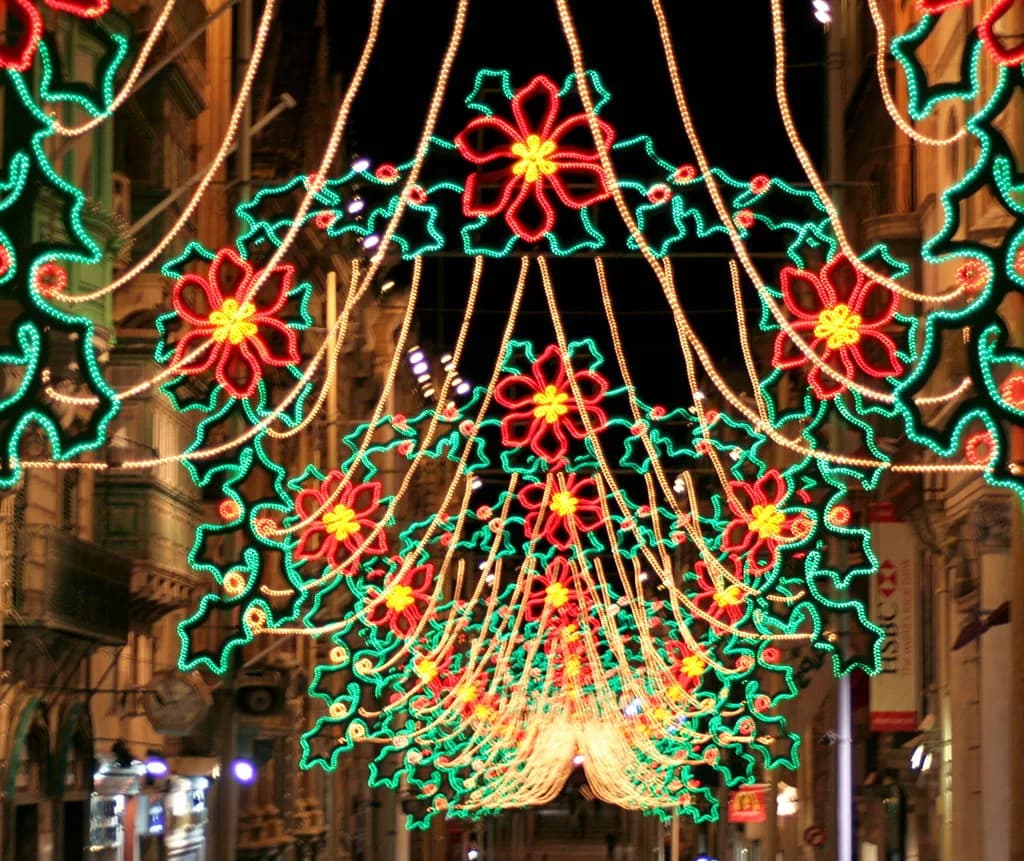
If you are still in town for New Year's Eve, the harbor celebrations are a separate draw; see the guide to New Year's Eve in Malta for how the night is organized before you commit to a spot.
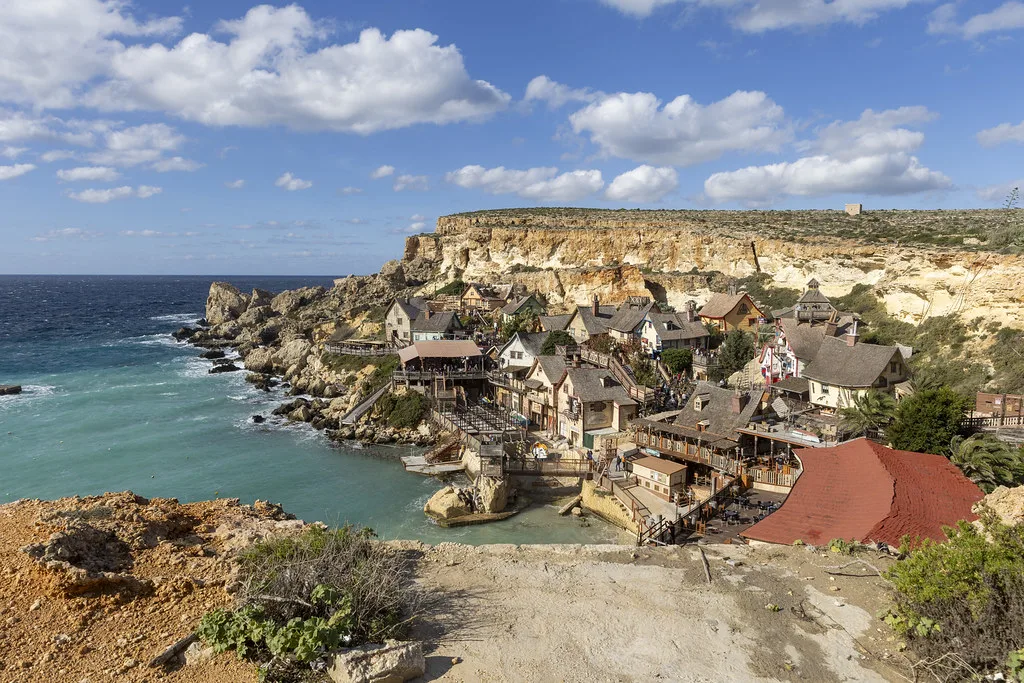
Things to do: Valletta, Mdina and the Three Cities
Valletta is well suited to January because you can alternate between outdoor streets and indoor stops within minutes. The city's museums, churches, cafés and restaurants keep you busy when it rains, while the grid of lanes is easy to walk in cool weather.
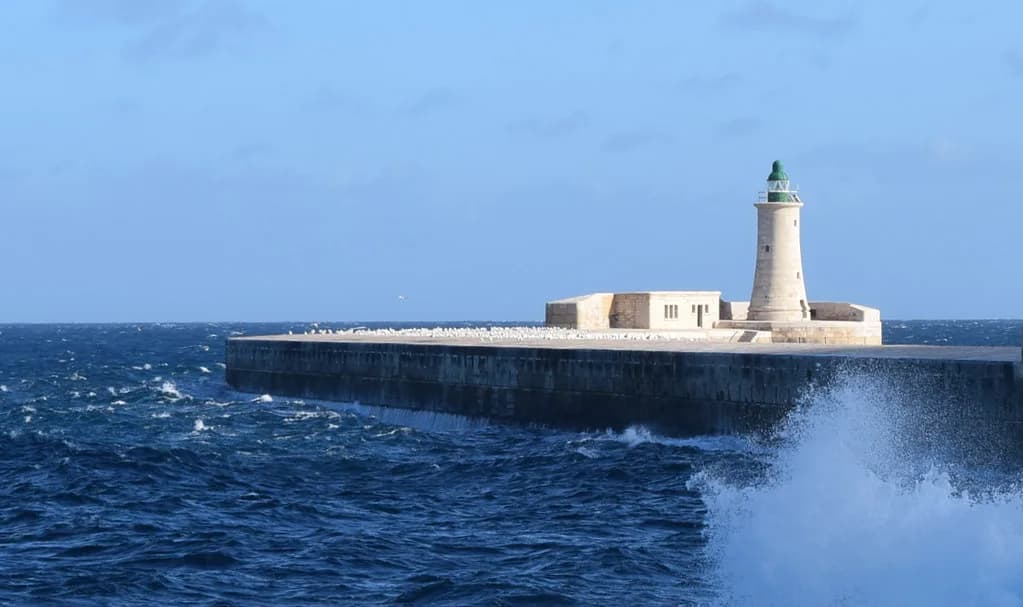
The Upper Barrakka Gardens and the Grand Harbour views are the classic outlook, and they are especially good in clear winter light; Fort St Angelo across the water in the Three Cities is visible from the harbor edge. Exposed waterfront spots like these feel much colder when the wind is up, so save them for calm days.
Mdina is compact and made for a half-day, with narrow lanes, historic buildings and views over the island. Pair it with Rabat nearby for a slower afternoon and a warm meal when the temperature drops.
Things to do: countryside walks and Gozo
On dry, calm days, winter is a good time for walking. The countryside around Rabat, Dingli, Buskett and Chadwick Lakes is greener than in summer and far less punishing to hike in cool air.
Check wind and rain before committing to a long route, and keep a shorter alternative in mind. Wet paving and slippery countryside paths are the real hazard in January, not the temperature.
Gozo rewards a full day on a settled forecast, with village streets, coastal paths and historic sites. Wind is the deciding factor: an exposed headland can be bracing to the point of unpleasant while an inland lane feels mild.
Rainy-day options: museums, churches and food
A wet forecast does not mean a lost day. Malta's museums, churches and historic buildings give you reliable indoor options, and heavy rain mostly makes paving slippery and outdoor sightseeing uncomfortable rather than shutting the island down.
Build at least one indoor option into each day and avoid a schedule in which every hour depends on good weather. Cafés and long lunches are part of the plan in January, not a consolation prize.
Can you swim in January?
Swimming is possible but most visitors will find the water cold at around 16°C (61°F). January is not normally considered a beach or swimming month, and the wind and sea state decide the rest.
If a daily swim matters to your trip, choose accommodation with an indoor or heated pool and treat the sea as a bracing extra. Avoid entering the water when it is rough or in unfamiliar spots.
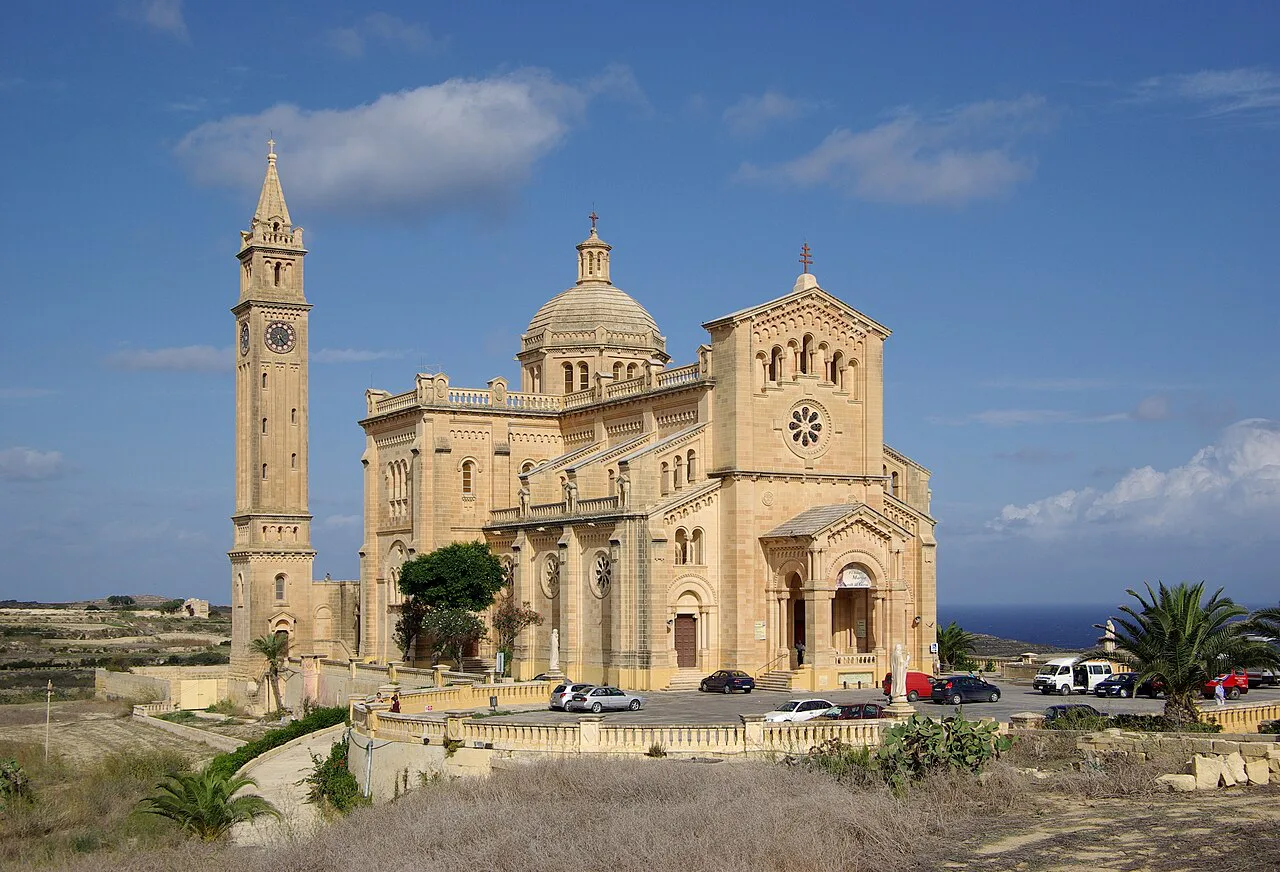
Day trips that work in winter
Valletta, Mdina, Rabat and the Three Cities are the safest day trips in January because they combine transport, shelter and food without depending on the sea. Hop-on, hop-off sightseeing routes cover several areas with less time spent walking outdoors, though you should compare the north and south routes before choosing.
Gozo works well on settled days, but check the weather and crossing conditions before you set out. Boat trips and coastal tours are the plans to leave flexible, since wind can change the day quickly.
Crowds, prices and the trade-offs
January is one of Malta's quieter months, which means less pressure on the main sights and easier walking through Valletta and Mdina. Prices for flights and rooms are typically at their lowest of the year; check current rates with the airline or hotel before booking.
The trade-offs are short daylight, changeable weather and a sea that most people will not want to swim in. Wind is the factor that surprises visitors most, because it changes how the same temperature feels depending on where you stand.
If you want guaranteed sunshine and swimming, this is the wrong month. If you want uncrowded historic cities, good food and long walks in cool air, the trade works in your favor, much as it does for winter in Sicily, where the same mild, quiet season rewards city wandering over beach time.
Who January suits and who should choose another month
January suits travelers who enjoy history, culture, food and walking, and who are happy to plan around the day's weather. It is well suited to couples, solo travelers and anyone who prefers a quiet city to a crowded one.
It is much less suitable if swimming, sunbathing or dependable warmth is the point of the trip. Those travelers should look at Malta in February or the spring months instead, when the sea and the sunshine both improve.
If you are weighing a wider winter trip and want to compare Malta's mild, windy version of the season with colder alternatives, the overall picture helps set expectations.
Plan Your Visit
Book January for the cities, not the beach. Give Valletta and Mdina the best of the daylight, keep one indoor option for every day, and put Gozo and any boat trip on whichever day looks calmest.
Leave the timetable loose enough to swap a coastal walk for a museum when the wind picks up, and you will get the version of Malta that January does best: quiet streets, long lunches and bright, cold, clear light.
Explore more Malta winter guides
Frequently Asked Questions
What is the weather like in Malta in January?
Typical January conditions are mild but changeable, with an average high near 15.7°C (60°F) and a low near 10°C (50°F). Rainfall averages around 79 mm across the month, often arriving as short showers, and the island gets about 5.4 hours of bright sunshine on an average day. These are long-term averages rather than a forecast.
Is Malta warm in January?
Mild, not warm. Daytime highs usually hover around 15.7°C (60°F), which feels pleasant in sheltered sunshine and noticeably cooler in shade, on an exposed waterfront or in the evening. Wind changes how the same temperature feels, so a windproof layer earns its place in your bag.
Can you swim in Malta in January?
You can, but the sea is typically around 16°C (61°F) and most visitors will find it cold. January is not normally a beach or swimming month, and rough seas or strong wind can make the water unsafe regardless of temperature. An indoor or heated pool is the more dependable option.
Does it rain a lot in Malta in January?
Rain is possible throughout the month, averaging around 79 mm, and it can range from a brief heavy shower to several unsettled hours or a wetter day. A rainy forecast rarely means the whole day is lost, so pair outdoor plans with a museum, church or long lunch nearby.
How many hours of daylight does Malta get in January?
Daylight runs from about 9 hours 46 minutes at the start of the month to roughly 10 hours 24 minutes by the end, gaining around 38 minutes. Sunrise moves from about 07:12 to 07:03 and sunset from about 16:58 to 17:27, so plan outdoor sightseeing for the earlier part of the afternoon.
Is Malta good to visit in January?
Yes, if your priorities are sightseeing, history, food and walking without summer heat or crowds. It is a poor fit for a beach holiday, since the sea is around 16°C (61°F) and the weather is changeable. Travelers who want guaranteed sunshine should look at spring instead.
What events happen in Malta in January?
New Year's Day on 1 January is observed across the island, with many families gathering for meals and some businesses on reduced hours. The Valletta Baroque Festival is the month's main cultural event, with performances in historic churches and theatres; the organiser publishes the season's dates and programme.
Is January a good time to see Valletta and Mdina?
Yes. Both cities are compact and easy to walk in cool weather, and you can move between outdoor streets and indoor museums, churches and cafés within minutes. They are also quieter than in summer, which makes the main sights and the lanes far more comfortable.
Sources
Winter travel notes
Optional updates when we add or revise winter guides.
You might also like
Continue reading
More guides you'll find useful