Malta in November: Weather, Crowds and What's Open
Malta in November brings typical highs near 21°C (70°F), about 13 rainy days and six hours of sunshine. Here is what the weather changes and who it suits.
On this page
Malta in November feels like the Mediterranean on a slow exhale: warm enough for a jacket-free afternoon, cool enough to walk Valletta's hills without wilting, and quiet enough that you can hear your own footsteps in Mdina. The first days of the month often still carry a late-summer edge, then the island shifts into windier, wetter weather. It suits travelers who want culture, coastal scenery and good food without summer heat or queues, and it disappoints anyone set on a reliable beach holiday.
Why November Is a Shoulder-Season Month in Malta
November sits between Malta's hot, crowded summer and its cool, quiet midwinter, and the island behaves accordingly. The sea still holds warmth, the sun still breaks through most days, but the weather turns changeable and the crowds thin out noticeably. That makes it a strong month for sightseeing and a weak one for planning around swimming or sunbathing.
The main trade-off is predictability. You can string together several bright, mild days and then hit a spell of wind and short showers, so the sensible approach is to keep outdoor plans flexible and hold a museum or two in reserve. If you want the mildest version of the month, aim for the first week; if you want the emptiest streets and lowest-season calm, the second half delivers that.
Weather in November: Typical Temperatures, Rain and Sunshine
Typical November conditions are mild by northern European standards, with an average high of about 21°C (70°F) and nights cooling to roughly 14°C (57°F). November is also the wettest month of the year on the island, averaging around 109 mm spread over about 13 rainy days, though the rain often arrives as short showers rather than settled all-day downpours.
Sunshine is still part of the picture: expect roughly six hours of sun a day within about ten hours of daylight, with sunsets falling near 5pm as the month progresses. Wind is a real feature too, since Malta is exposed and November tends to be one of its windier months. Treat all of these as long-term averages rather than a forecast, and expect the character of the day to change quickly.
Another set of November averages puts the mean temperature near 17°C (63°F), with highs around 21°C (70°F), lows near 15°C (59°F) and precipitation of about 90 mm. The two rainfall figures measure the same month differently, so don't read them as a contradiction; the takeaway is a genuinely wet month by Maltese standards, softened by mild air and frequent bright spells.
Daylight and Sea Temperature: Short Afternoons and Chilly Swims
Days shorten noticeably through November, with roughly ten hours of daylight and a sunset that arrives around 5pm. That still leaves a full morning and early afternoon for sightseeing, but it argues for starting outdoor plans early and saving indoor visits for the darker end of the day.
The sea is milder than the air suggests, hovering near 21–22°C (70–72°F), which is why some visitors still swim in the first half of the month. The catch is wind and the absence of lifeguards on the beaches at this time of year, so a dip is a decision for confident swimmers who don't mind choppy water, not a family beach day.
Early November vs Late November: How Conditions Shift
The first week or so of November often keeps a late-summer feel, with hot, sunny days before the weather turns cooler, windier and wetter. Front-load the coastline in that window: the Dingli Cliffs walk, the view down to the Blue Grotto and a harbor-front stroll in Sliema all make more sense before the wind picks up.
By the second half of the month, the walled cities and museums become the better bet. Valletta's streets drain quickly after rain, Mdina's alleys are atmospheric in cloud, and the Hypogeum and national museums absorb a wet afternoon without complaint. Think of it as a two-part trip: cliffs and coast early, stone and galleries later.
What Is Open in November
November is off-season, which means accommodation is easier to find and some deals appear, but it is not a shutdown. Heritage sites, churches, museums and the main bus network keep running, and visitor passes covering hop-on hop-off routes, heritage sites and a harbor cruise remain on offer with multi-day validity.
The pattern to plan around is reduced hours rather than closed doors. Rather than assume a site's November schedule, look up the individual operator before you build a day around it; the big draws in Valletta and the prehistoric temples are the ones worth booking ahead when a timed slot is required.
Valletta in Winter Weather: St. John's Co-Cathedral and the Barrakka Gardens
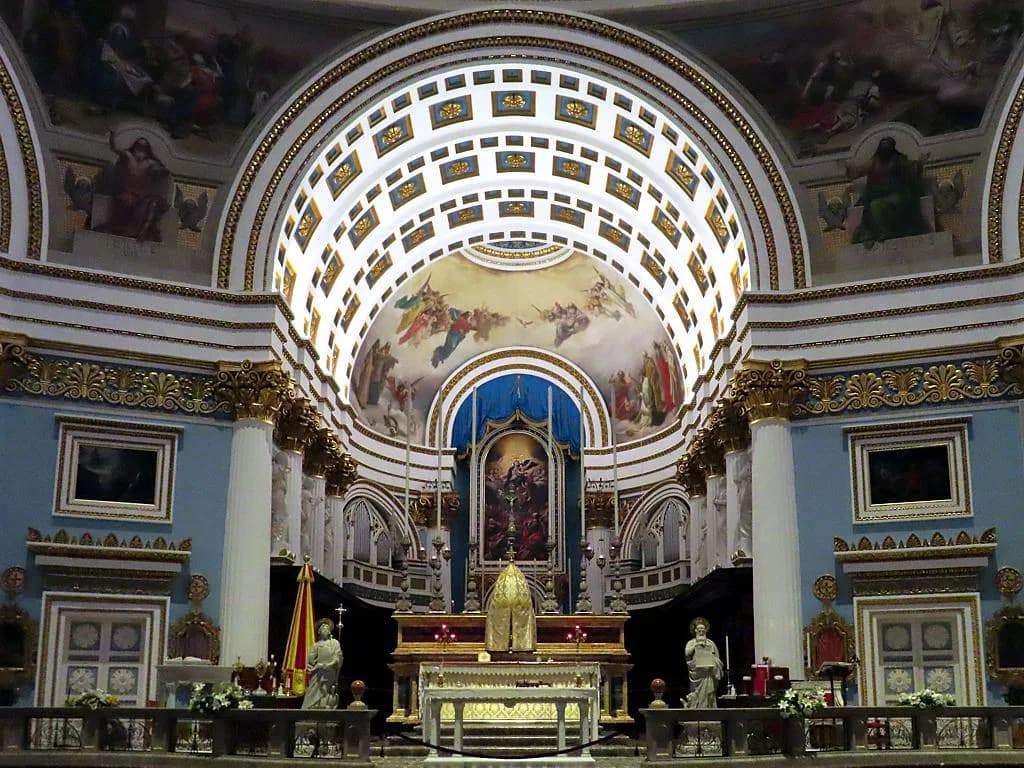
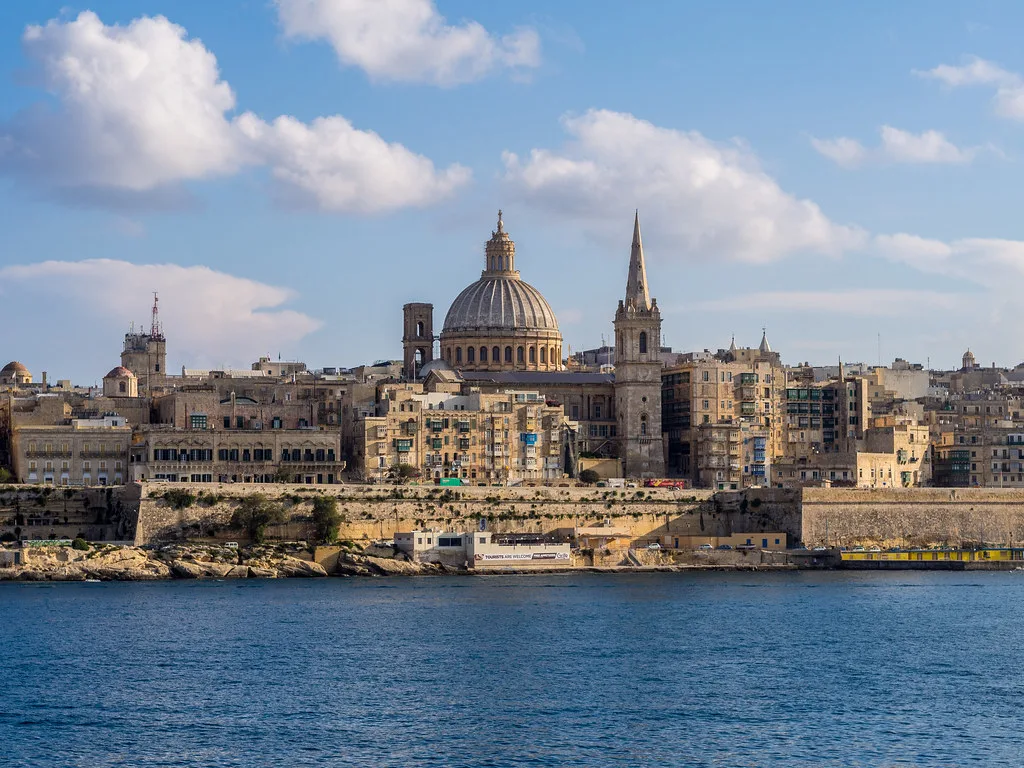
Valletta is the anchor of any November trip, and the weather makes it easier to enjoy. St. John's Co-Cathedral, with its gilded interior, and the Grandmaster's Palace reward a slow morning, while the Upper Barrakka Gardens give you the harbor view and the ceremonial cannon firing. The whole city is a UNESCO World Heritage Site packed into less than a square kilometer, so a single day covers a lot if you don't overplan.
Use the gardens as a weather gauge: on a clear day, ride the elevator down to the harbor front and cross to Birgu for Fort St. Angelo and the marina. On a grey day, stay up on the grid of streets and duck between the co-cathedral, the National Museum of Archaeology and the cafés. The winter months are the time to appreciate that density rather than fight through it.
Mdina and Rabat on a Quieter Day
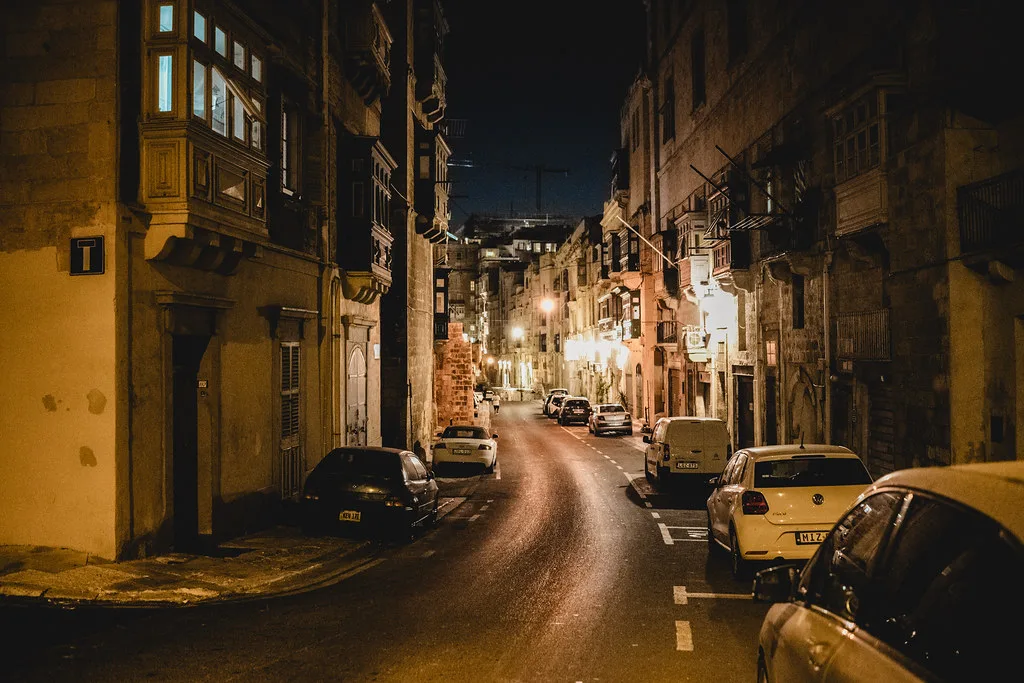
Mdina, the former capital, is a fortified hill town of narrow lanes and honey-colored stone, and in November you can walk it without the summer scrum. Pair it with Rabat next door, where St. Paul's Cathedral and the catacombs sit within easy reach, and you have a half-day that works in almost any weather.
Mdina's walls give long views over the island when the cloud lifts, and its streets stay sheltered when it doesn't. Combine the two towns with a stop at the Dingli Cliffs on a brighter afternoon, since the coast road is close and the sunset side of the island is spectacular on a clear day.
Gozo and the Three Cities: Ferries, Harbour Cruises and Forts
Gozo is a genuine day trip, not a box to tick. The crossing and the island's Cittadella, villages and coastal cliffs fill a full day, and organized jeep and quad tours run with hotel transfers and a boat leg past Comino. Check sailing times with the ferry operator on the day, since winter schedules and wind can affect crossings.
The Three Cities, across the Grand Harbour from Valletta, are the easier winter excursion. Vittoriosa, Cospicua and Senglea are compact and walkable, and a half-day guided tour with a traditional boat trip in the harbor gives you the water perspective without committing to a full day out. Fort St. Angelo and the marina are the highlights in Birgu itself.
Hiking, Cliffs and the Coast: Dingli Cliffs and the Blue Grotto
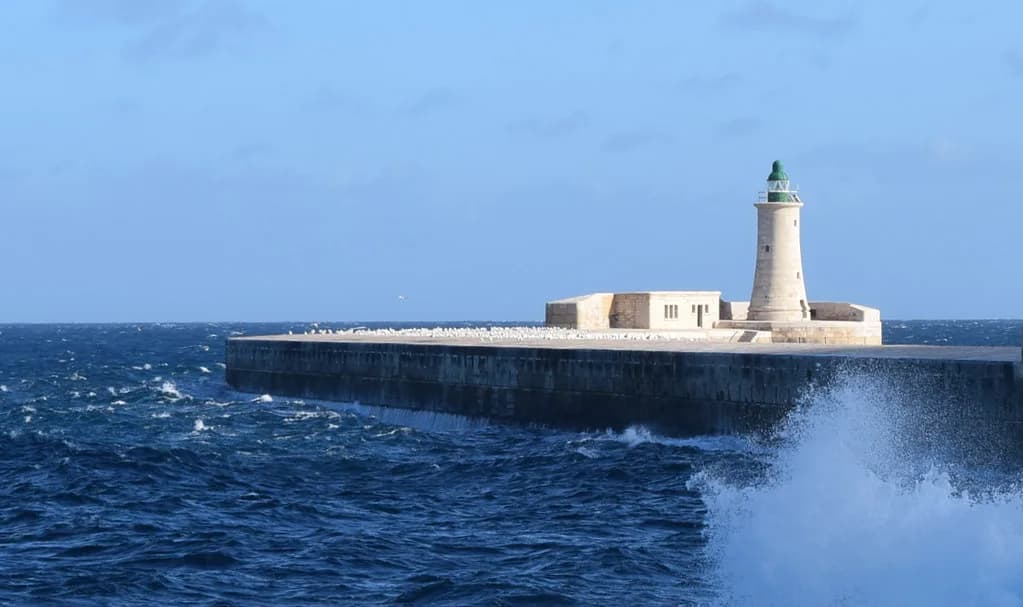
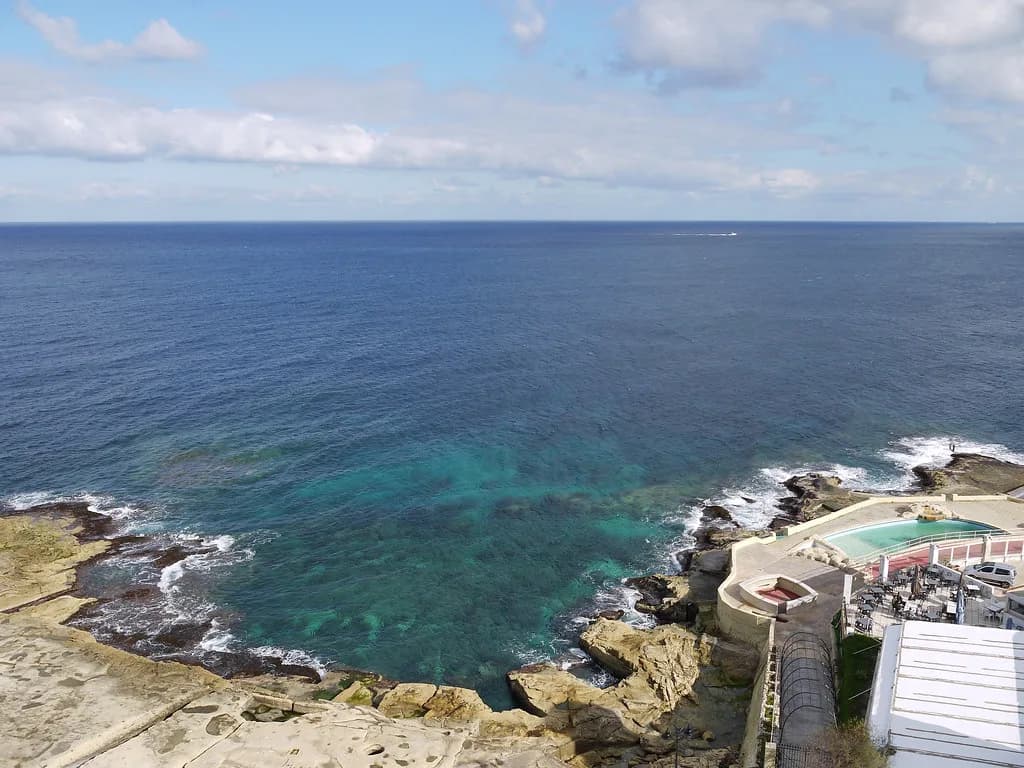
The Dingli Cliffs run for a couple of kilometers and rise to about 250 meters (820 feet) at their highest point, with wide views over the Mediterranean. On a windy November day the water turns white below, which is part of the appeal, but bring a windproof layer and don't expect shelter along the edge.
The Blue Grotto, on the southeast coast, is a sea cave reached after a short climb along the road, with restaurants and cafés opposite the water. November can make the sea rough enough to affect boat trips into the caves, so treat the boat as a bonus and the coastal walk as the sure thing.
Museums and Prehistoric Sites for a Rainy Day
Malta's prehistoric heritage is remarkable and mostly weatherproof, from the Ħaġar Qim and Mnajdra temples on the south coast to Ġgantija on Gozo. The Ħal Saflieni Hypogeum is the one to plan around, since it takes a limited number of visitors and slots should be reserved well ahead for a November visit.
In Valletta, the National Museum of Archaeology and the National War Museum at Fort St. Elmo are the obvious wet-weather anchors, and both pairs well with a long lunch. If your dates drift toward the end of winter, the same sites work under colder skies, and a February trip follows a similar rhythm with a bit more chill.
Local Food Worth Planning Around
November is a good excuse to eat your way around the island: rabbit stew, fresh fish and seafood, pastizzi from a corner shop, and honey rings with coffee. The cooler weather makes these heavier dishes welcome in a way they aren't in July. A street-food walking tour in Valletta is an efficient way to cover several specialties in one go with context.
Reserve your sit-down meals around the weather rather than the clock. A long lunch in Valletta or Birgu is the ideal response to a passing shower, and an early dinner leaves room for a walk before the 5pm sunset closes the day. If you want the fuller winter picture across the season, the wider winter guide covers how the island changes from December onward.
Events and Holidays in November
November is a quiet month for festivals, but classical-music fans should look up the Three Palaces Festival, which has been held in November at historic venues. Confirm the current edition's dates and venues with the organizer before planning around it, since programming changes year to year.
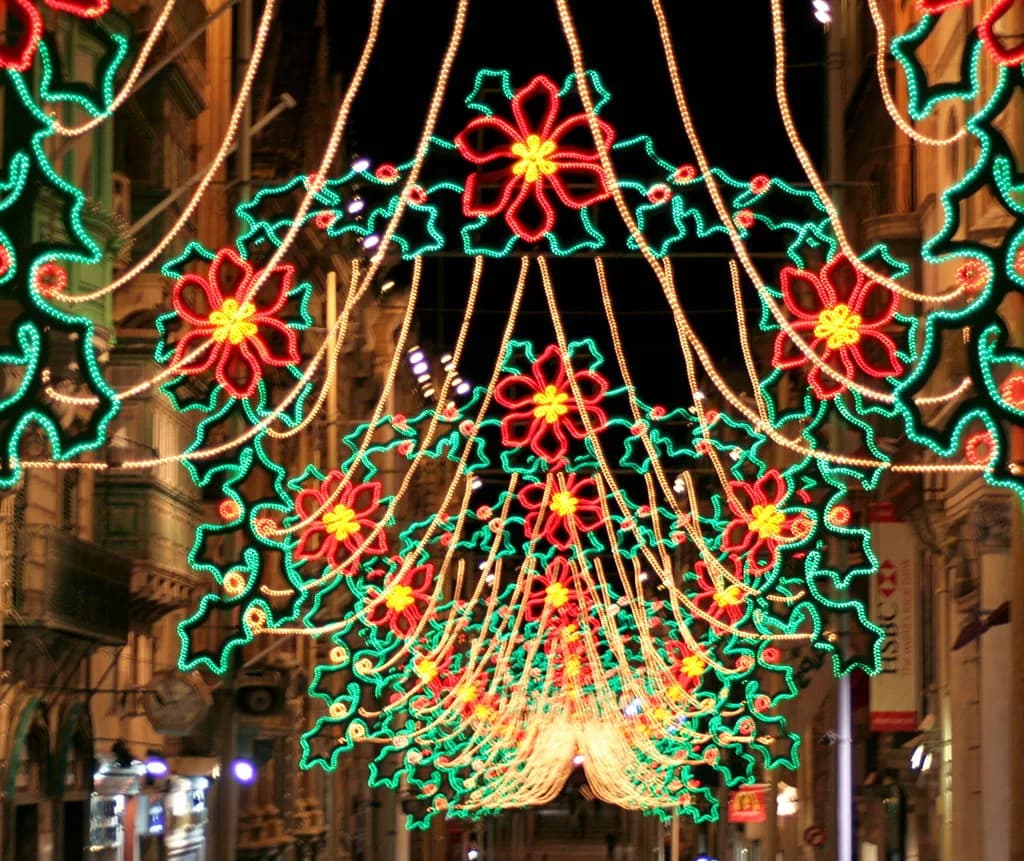
Beyond that, November is mostly about local life: Sunday services, village festas winding down and the first Christmas decorations appearing late in the month. If your trip stretches into December, the festive season takes over with markets and processions, which are covered in the Christmas in Malta guide.
Getting Around Malta Without a Car
Malta's public bus network is the practical choice for most visitors, connecting the airport, Valletta, Sliema, Mdina and the coast without the stress of parking. The main bus terminal sits just outside Valletta's walls, which makes the capital a natural base for day trips in any direction.
Driving is an option, but remember that Malta drives on the left, a legacy of British rule, and the road network around Valletta includes dense roundabouts and ramps. If you're not comfortable with left-hand driving, skip the rental car and use buses and tours instead; the island is small enough that nothing is far.
Day Trips That Work in November
The best November day trips keep travel time short and weather risk low. Mdina and Rabat combine into a half day, the Three Cities fill a morning with a harbor boat, and Gozo takes a full day with an early start. Valletta itself is a day trip from Sliema or St. Julian's, with a ferry or bus ride each way.
For something further out, the south coast around Ħaġar Qim and Mnajdra pairs archaeology with cliff scenery, and the Blue Grotto sits nearby. Build in slack: winter transport and sea conditions can shift, so don't chain three distant stops into one tight day.
Costs and Crowds in Words
November is off-season, so crowds are light and prices soften compared with summer. Valletta's streets are quiet on weekend mornings, Mdina feels almost private, and accommodation is easy to find, sometimes with seasonal deals. That's a meaningful change from July and August, when the same sites are shoulder to shoulder.
Don't expect bargain-basement everything: the savings show up as availability and flexibility more than dramatic discounts, and some seasonal businesses may run reduced hours. Budget in the normal way and check current transport and entry costs with Malta Public Transport and the official Visit Malta visitor site rather than relying on older figures.
Who Should Visit Malta in November and Who Should Not
November suits travelers who prioritize architecture, history, food and coastal walks, and who don't mind carrying a light rain jacket. Couples, solo travelers and culture-focused visitors get the island at its most usable, with mild air, short queues and long lunches. It's also a good month for a compact city break built around Valletta.
It is not the month for a beach holiday. If your idea of Malta is sunbathing, swimming every day and long evenings outdoors, aim for late spring or early autumn instead. Families with small children should also weigh the wind and short days, while anyone chasing guaranteed heat should look elsewhere entirely. If you'd rather trade the beach for mild days and quiet streets, our Taormina winter guide shows how a similar off-season decision plays out elsewhere in the Mediterranean.
Plan Your November Trip
Treat November as a culture-first month with weather-dependent extras. Plan Valletta and Mdina for the days when showers pass through, keep the Dingli Cliffs and Blue Grotto for brighter slots, and decide on a swim only if you're a confident swimmer comfortable with wind and no lifeguards.
The island rewards a slower pace in November: fewer people, softer light and enough warmth to spend most of the day outside. Book the Hypogeum and any timed sites ahead, check opening hours with each operator, and let the forecast rather than a fixed itinerary decide whether the day belongs to the coast or the museums.
Frequently Asked Questions
Is November a good time to visit Malta?
Yes, if you want mild weather, fewer crowds and a culture-focused trip. Expect changeable conditions with short showers, some wind and early sunsets, rather than guaranteed beach weather. It is a strong month for Valletta, Mdina and the coast, and a weak one for daily swimming.
What is the weather like in Malta in November?
Typical November conditions include average highs near 21°C (70°F), nights around 14°C (57°F), about six hours of sunshine and roughly 13 rainy days, often as short showers. Sea temperatures hold near 21–22°C, though wind makes swimming feel colder. These are long-term averages, not a forecast.
Is early November warmer than late November in Malta?
Generally yes. The first week often keeps a late-summer feel with hot, sunny days, before the weather turns cooler, windier and wetter. Plan coastal walks and cliff visits early in the month and save museums and walled cities for later.
Can you sunbathe or swim in Malta in November?
Swimming is possible, especially in the first half of the month, when the sea still sits near 21°C (70°F). Wind and the absence of lifeguards make it a choice for confident swimmers. Sunbathing is possible on bright days but not reliable enough to plan a beach holiday around.
What can you do in Malta in November when it rains?
Head indoors to St. John's Co-Cathedral, the National Museum of Archaeology, the National War Museum at Fort St. Elmo or the Ħal Saflieni Hypogeum. Mdina and Rabat also work well in cloud, and a long lunch in Valletta or Birgu fills a wet afternoon comfortably.
Is everything open in Malta in November?
Heritage sites, museums, churches and the bus network keep running, and visitor passes remain available. Off-season means reduced hours at some places rather than closures, so look up each site's schedule before building a day around it.
Do buses run in Malta in November?
Yes, public buses connect the airport, Valletta, Sliema, Mdina and the coast throughout the year, and the main terminal sits just outside Valletta. Winter schedules can differ from summer, so check routes, fares and timetables.
Sources
Winter travel notes
Optional updates when we add or revise winter guides.
You might also like
Continue reading
More guides you'll find useful