Malta in February: Weather, Events and What's Open
Malta in February brings mild 16°C highs, around 12 rain days and quiet sightseeing. See the weather, what stays open and whether the month suits your trip.
On this page
February is Malta at its quietest and coolest, a Mediterranean winter month when the island's appeal shifts from swimming to stone streets, museums and long lunches. Days are mild enough for walking, but you will want a waterproof layer and a plan that does not depend on the sea. It suits travelers who want culture without queues; it disappoints anyone hoping for a warm-weather beach trip.
February at a Glance
This is low season on the islands, with thin crowds in Valletta and Mdina and a relaxed pace at the sights that carry the crowds in summer. The trade-off is a real one: cooler air, a handful of wet days and a sea that most people will not want to enter. Treat February as a city-and-culture month rather than a sun holiday and the island delivers well. If you are weighing a similar off-season culture trip elsewhere, our Italy winter guide covers how the same trade-offs play out across the country.
If your dates are flexible, it helps to see how February sits between the quieter depths of the season and the gradual easing of spring. A broader look at Malta in winter shows how December, January and March differ in weather and crowds, which makes it easier to pick the month that matches your priorities.
Weather in February
February averages on Malta run to a high of about 16°C (61°F) and a low of around 13°C (55°F), according to long-term figures from Holiday Weather. Those are typical conditions rather than a forecast, so expect warmer and colder days around them. Rain falls on roughly 12 days across the month, totaling about 63 mm, and the island still manages around 7 hours of sunshine a day.
The sea is the number to weigh carefully: average water temperature sits near 16°C (61°F), which is bracing for all but the most committed swimmers. Breezes pick up on exposed coasts, so a calm morning can feel very different from a windy afternoon on the same stretch of shore. Plan outdoor time for the middle of the day, when the sun does the most work.
Rain in February tends to arrive in spells rather than all-day downpours, which makes a flexible schedule more useful than a fixed one. Keep one indoor sight as a backup for each day outdoors, and you will lose little when a shower passes through. The same averages hold across the island, although the open, windward coasts feel cooler than sheltered inland towns.
Daylight and Planning a February Day
Days are still short in February, so the practical approach is to front-load your sightseeing and leave the late afternoon for indoor stops. Start with outdoor sites such as the temples or Mdina's streets while light is best, then move to museums, churches or a theatre tour as the afternoon fades. A single base in Valletta or Sliema keeps transfers short and gives you more usable hours.
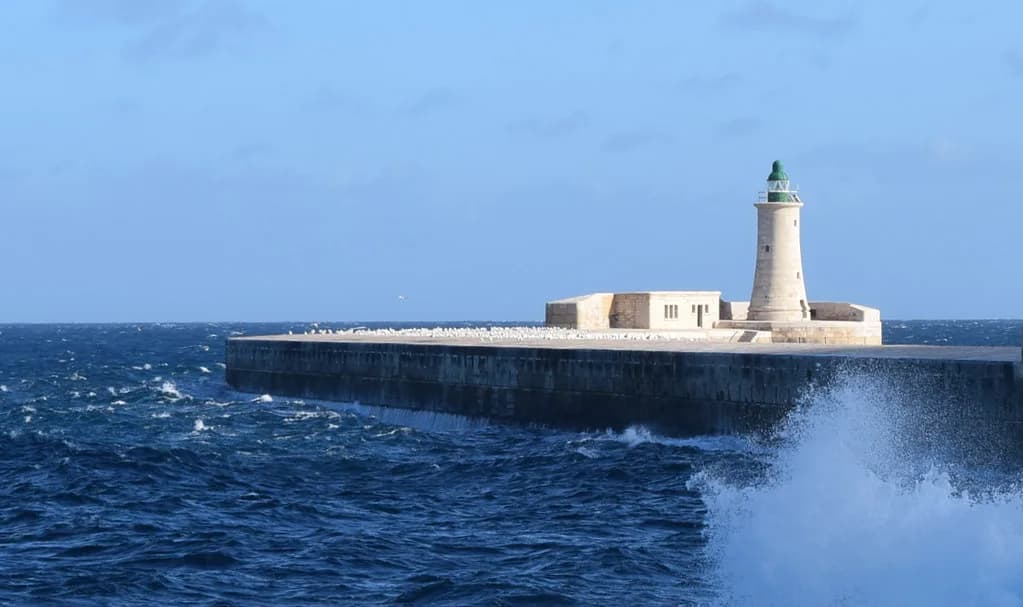
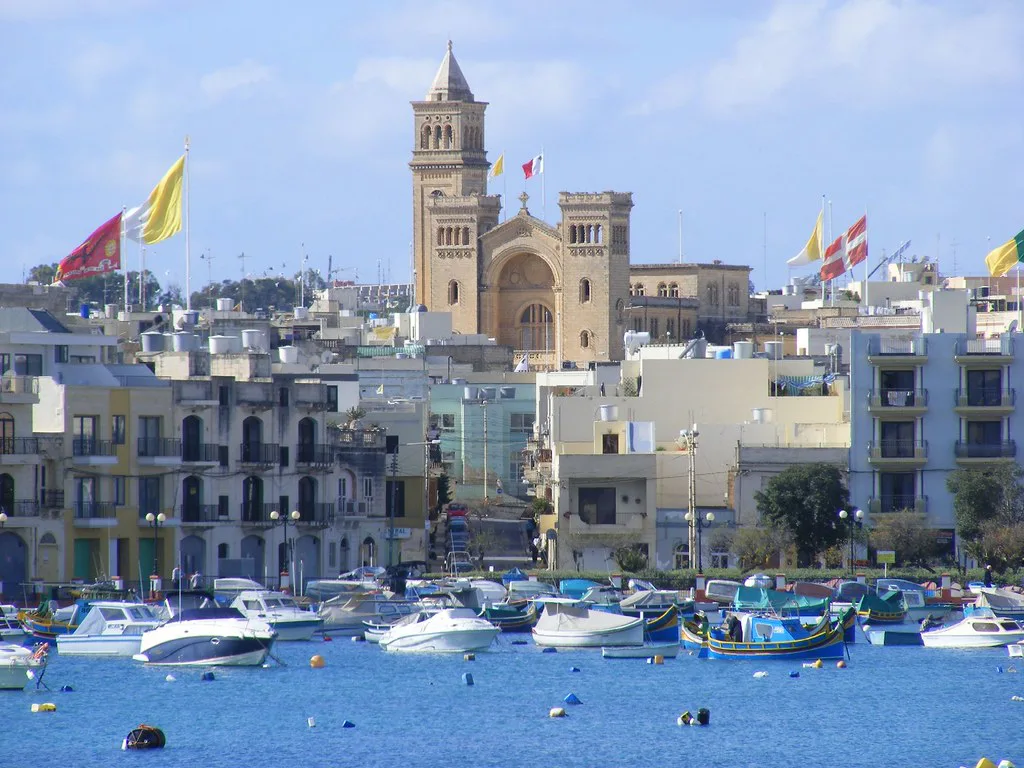
The harbour area rewards an early start, with the fortified skyline and the waterfront best seen before the day's crowds and clouds build. For a wider menu of indoor and outdoor options that work in cool weather, the guide to things to do in Malta in winter is a useful planning companion. It helps to group sights by district so that a wet morning does not strand you on the far side of the island.
Carnival: The Month's Big Date
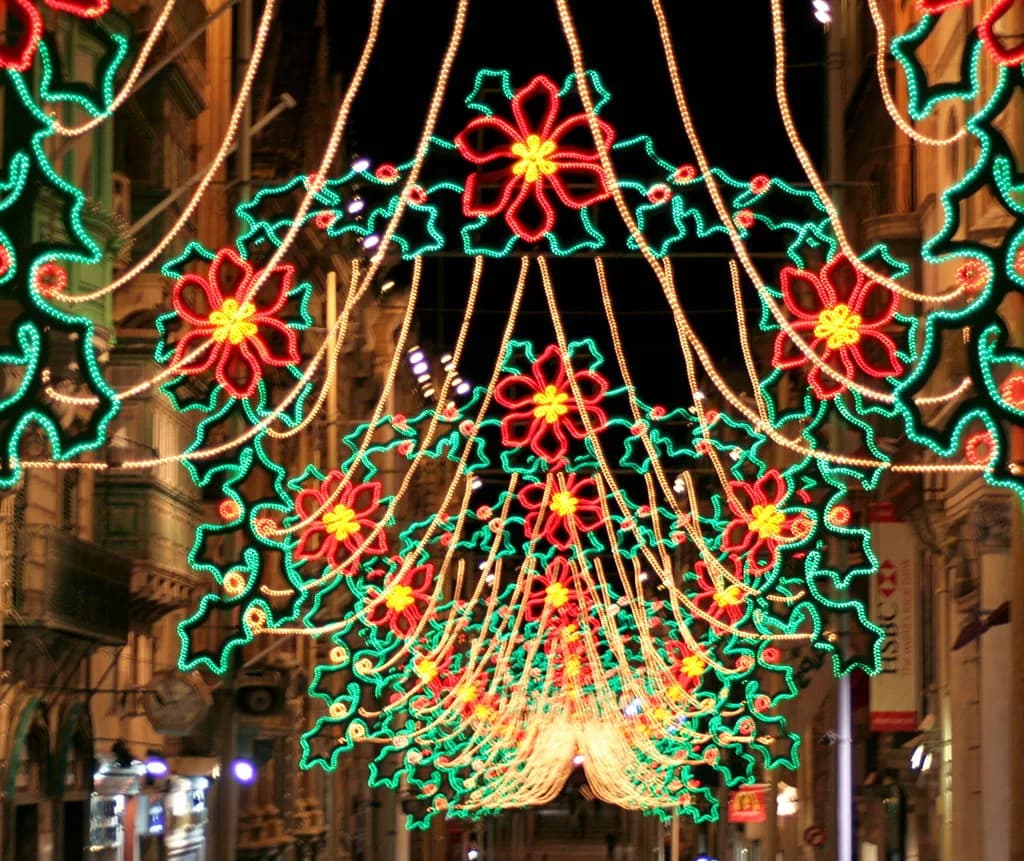
Carnival is the one date-driven decision in February. In 2027, Carnival Tuesday falls on 9 February, with Ash Wednesday on 10 February, so the days before Lent bring parades, costumes and late nights, especially around Valletta and the harbour towns. If you want the island at its most animated, build your trip around that window; if you want quiet streets, avoid it.
Outside Carnival week, February has few crowd-drawing fixtures, which is exactly why the month stays calm. Accommodation and restaurants are easier to book at short notice, and the sights that normally queue in summer are manageable. Confirm parade routes and start times with the local carnival organizers closer to your dates, since the programme is set year by year.
What Stays Open in February
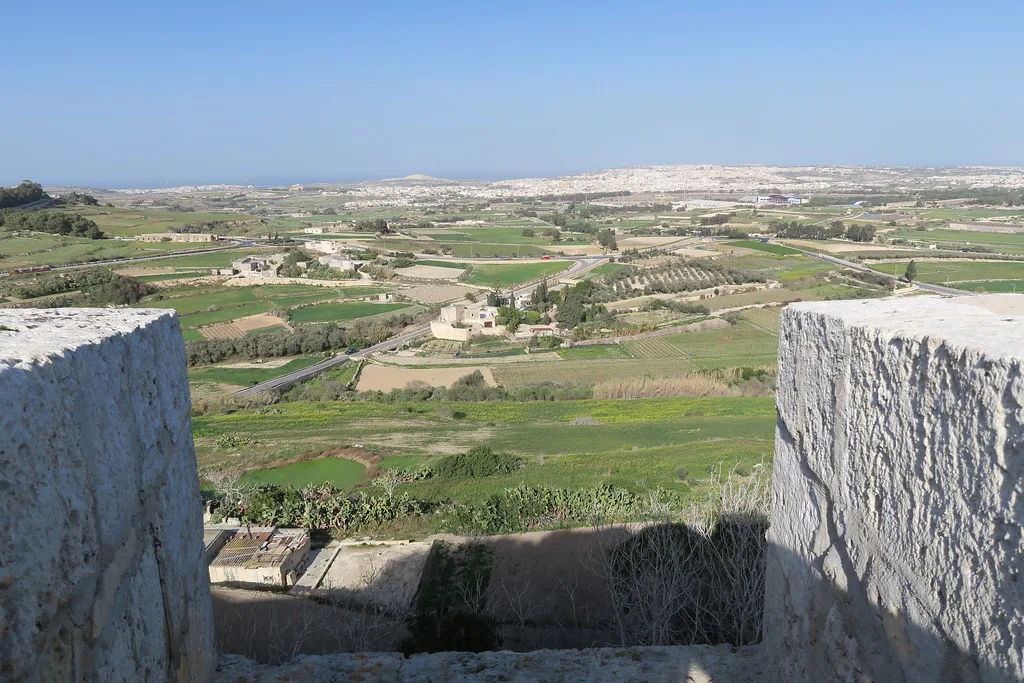
The core of Malta's sightseeing stays available in February. Valletta's museums, churches and palaces keep regular hours, Mdina remains open to visitors, and the Manoel Theatre offers its historic interior and performances. The Megalithic Temples at Qrendi, a UNESCO World Heritage site, are an outdoor stop that suits a dry, bright morning.
Casa Rocca Piccola in Valletta is a good rainy-day pick, a lived-in noble house that shows how a Maltese family used its rooms across the centuries. Pair it with a walk through the grid of streets around it and a stop at one of the city's cafés. Indoor sights like these are what make a wet February day workable rather than wasted.
Winter opening patterns vary by site, and a few smaller attractions run reduced schedules outside summer. The reliable method is to pick your must-see sights first and confirm their hours directly before you build the rest of the day around them. That one step prevents most wasted mornings in low season.
What Winds Down
The beach side of Malta largely pauses in February. Lidos and beach clubs cut back or close, boat excursions to the Blue Lagoon and around the coast run a reduced winter programme or stop altogether, and waterfront swimming is out for most visitors. That is the honest trade-off of a winter trip: you gain the sights and lose the sea.
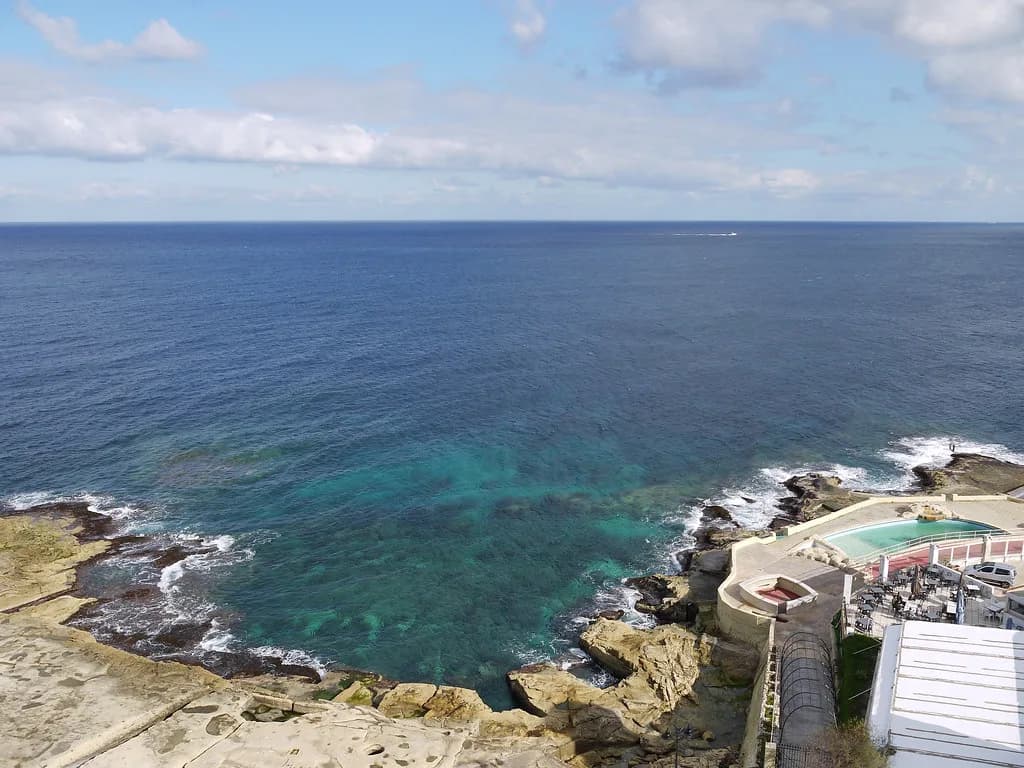
Coastal walks still work well on clear days, and the island's cliffs and harbors are arguably more dramatic without summer haze. Just check the marine forecast before committing to an exposed route, since wind is the factor that turns a pleasant walk into a cold one. If swimming matters to you, February is the wrong month; look instead at the later spring months, when the sea begins to warm.
Things to Do in February
Build days around Valletta's dense core: the Co-Cathedral, the Grandmaster's Palace, the Upper Barrakka Gardens with their harbour view, and the steep side streets that connect them. The gardens are a good midpoint for a coffee stop and a look across the water to the Three Cities. In cool weather the city's compact scale means you can cover a lot without long transfers.
Mdina is the other essential February stop, a walled, largely car-free town that feels especially atmospheric in low season. Walk the ramparts for views across the island, then retreat into the cathedral and the narrow lanes when the wind picks up. It pairs well with a stop at the temples at Qrendi on the same day if you have a car or a driver.
Evenings are where February is underrated. Maltese restaurants stay open year-round, wine bars in Valletta and the harbor towns are cozy rather than crowded, and theatre and indoor shows give you something to do after dark. A long dinner with local wine is a better use of a cold evening than chasing an outdoor bar.
Day Trips to Gozo
Gozo is a realistic day trip in February, though you should build the day around the ferry and bus timetables rather than winging it. Sights on the island are quieter, the Victoria citadel and the Ġgantija temples are easier to see, and the crossing itself gives you a bracing view of the channel. Check the Gozo Channel ferry schedule for your dates before you commit to a late return.
Allow more time than you would in summer: winter bus frequencies are thinner, and a missed connection can eat an hour. A single overnight on Gozo removes the pressure entirely and lets you see the island at the pace it deserves in low season. The temples at Qrendi, on Malta itself, make a simpler half-day alternative if the crossing looks rough.
Crowds, Prices and Who February Suits
February is one of the least crowded months on Malta, and the practical effect is that you can see top sights without booking far ahead and eat in popular restaurants without a long wait. Room rates and flight prices tend to sit at their lowest of the year outside Carnival, though you should compare your exact dates rather than assume. The saving is real, but so is the cooler weather you are paying less for.
The month suits travelers who want culture, walking and food, who do not mind a few wet days, and who value quiet streets over beach time. It also works for a long weekend in Valletta or a week split between Malta and Gozo. It is the wrong choice if your idea of a Malta trip is swimming, sunbathing and boat days, or if you need guaranteed sunshine. A week is not too long if you mix Valletta days with Mdina, the temples and an overnight on Gozo.
Walking Your Dog in February's Mild Weather
February is one of Malta's coldest months, but for a visiting dog owner that reads more like good news than bad. According to holiday-weather.com's February averages for Malta, the average high temperature is 16 °C (61 °F) and the average low is 13 °C (55 °F), giving an average temperature of 13 °C (55 °F). The average day temperature sits at 13 °C (57 °F) and the average night temperature at 12 °C (54 °F). Those figures mean midday walks stay comfortable rather than punishing, and you are unlikely to be dealing with the kind of heat that makes pavement too hot for paws later in the year.
The trade-off is wetter ground. The same February averages record 12 rainfall days across the month and 63.4 mm of rain, so a towel by the door and a willingness to walk in light drizzle will serve you better than a fixed schedule. Sunshine is still generous for the season at an average of 7 hours a day, which leaves plenty of daylight for a morning and an afternoon outing without rushing home before dark. The sea temperature averages 16 °C (61 °F), useful context if your dog enjoys a paddle but not an invitation for a long swim.
BeHotel Malta's guide to visiting in February describes the month in similar terms, with temperatures ranging from an average of 9-16°C and an average sea temperature of around 16ºC, and notes that February is one of Malta's coldest months. For a dog, that range is mild enough that the main planning question is not heat but timing: fit the longer walks into the 7 hours of average daily sunshine and keep the rainy days shorter and closer to wherever you are staying.
Plan Your Visit
February rewards a flexible plan: outdoor sights in the morning light, indoor stops for the afternoon, and a backup museum for each wet day. The island is quiet, the sights are open, and the main constraint is the cold sea rather than the crowds. Pack for cool, changeable weather and you will find Malta at its most livable.
Book with Carnival week in mind if you want atmosphere, or avoid it if you want calm. Check the specific sights and the Gozo ferry timetable once your dates are firm, then let the short days shape the rest. For most culture-minded travelers, February is a smart, underrated month on the island.
Explore more Malta winter guides
Frequently Asked Questions
Is it warm enough to swim in Malta in February?
For most people, no. The average sea temperature in February is around 16°C (61°F), which is bracing even on a sunny afternoon, and air temperatures hover near 13°C (55°F) as a monthly average. Hotel pools are often unheated at this time of year, so treat swimming as an option for the hardy rather than a planned activity.
How much does it rain in Malta in February?
Long-term averages put rainfall at about 63 mm spread across roughly 12 days of the month, so expect several wet days rather than constant rain. Showers tend to pass through in spells, which makes it easy to slot in an indoor sight and return outside later the same day. Sunshine averages around 7 hours a day.
Is a week in Malta in February too long?
A week works well if you split it sensibly. Give Valletta two or three days, add Mdina, the Megalithic Temples at Qrendi and a harbour walk, and consider an overnight on Gozo so the crossing does not eat your day. Travelers who want beach time every day will find a week long; culture-focused visitors rarely run out of things to see.
What is there to do in Malta in February?
The month suits indoor and outdoor sightseeing: Valletta's Co-Cathedral and palaces, Casa Rocca Piccola, the Manoel Theatre, Mdina's ramparts, the temples at Qrendi and the Upper Barrakka Gardens. Evenings are for Maltese restaurants, wine bars and theatre. Carnival week, which peaks on Carnival Tuesday, 9 February 2027, is the month's liveliest stretch.
Is February a good time to visit Malta?
It is a good time for culture, walking and food, and a poor time for a beach holiday. Crowds are thin, sights are easy to visit and accommodation is plentiful, but days are short, roughly a dozen days bring rain, and the sea stays cold. Choose February if you want quiet streets and low-season ease; choose late spring if warmth matters more.
Sources
Winter travel notes
Optional updates when we add or revise winter guides.
You might also like


Continue reading
More guides you'll find useful