Malta in March: Weather, Crowds and What's On
Malta in March brings milder days, more sunshine and lighter crowds. See typical temperatures, sea conditions, what's open and which events shape the month.
On this page
March sits at the hinge of Malta's year: the winter rain eases, the light lasts longer and the island fills with a little more life without the summer crush. You can spend a morning on the Mdina ramparts and an afternoon in a Valletta museum without queuing behind coach groups. It is a month for people who would rather walk a coastal path than lie on a towel, and who accept that one day in three may turn grey and gusty.
The trade-off is predictability. A warm, still day can slide into cold wind and heavy showers within hours, so a good March plan pairs outdoor sights with indoor backups rather than committing to long boat trips. Build your days around bright mornings and keep a cathedral, palace or museum in reserve for the afternoon.
What Malta Is Like in March
This is the month the Maltese winter begins to break up, and the island's mood lifts with it. Restaurant terraces start to reopen when the sun holds, promenades in Sliema and St Julian's get busier, and the calendar of outdoor events fills in again. It is still emphatically not peak season, which is exactly why many travelers rate it highly. For another Mediterranean island making the same gentle transition, see our Sicily winter guide.
Compared with February, March brings longer days and a better chance of dry, bright weather, though you should still treat it as early spring rather than summer. April is warmer and greener but also busier. If you want the quietest version of this shoulder period, look at what February in Malta offers and weigh it against March's extra daylight.
March Weather: Typical Highs, Lows and Sunshine
Typical March days in Malta are mild rather than hot. Long-term averages put daytime highs somewhere between 10°C and 17°C (50°F to 62°F), with about 7.3 hours of sunshine a day, rising gradually through the month. Evenings stay cool, and the humidity that hangs over the islands year-round makes a 12°C evening feel sharper than the number suggests.
Another set of figures puts daytime temperatures nearer 15°C to 20°C (59°F to 68°F) with roughly 30 to 40 mm of rain across the month, usually in short showers rather than set-in wet days. Treat any March figure as a long-run average, not a forecast: some years deliver bright, almost warm afternoons, others deliver wind and grey cloud for days. Pack for both possibilities.
Rain, Wind and Sea Temperature in March
Rain in March tends to arrive in passing showers, often with strong wind that dies down quickly. The humidity means a wet, windy day feels colder than the thermometer implies, so plan museum or cathedral time for those afternoons rather than pushing on along an exposed coast. Snow on the islands is a rare curiosity rather than something to plan around; what winter really brings is covered in does it snow in Malta.
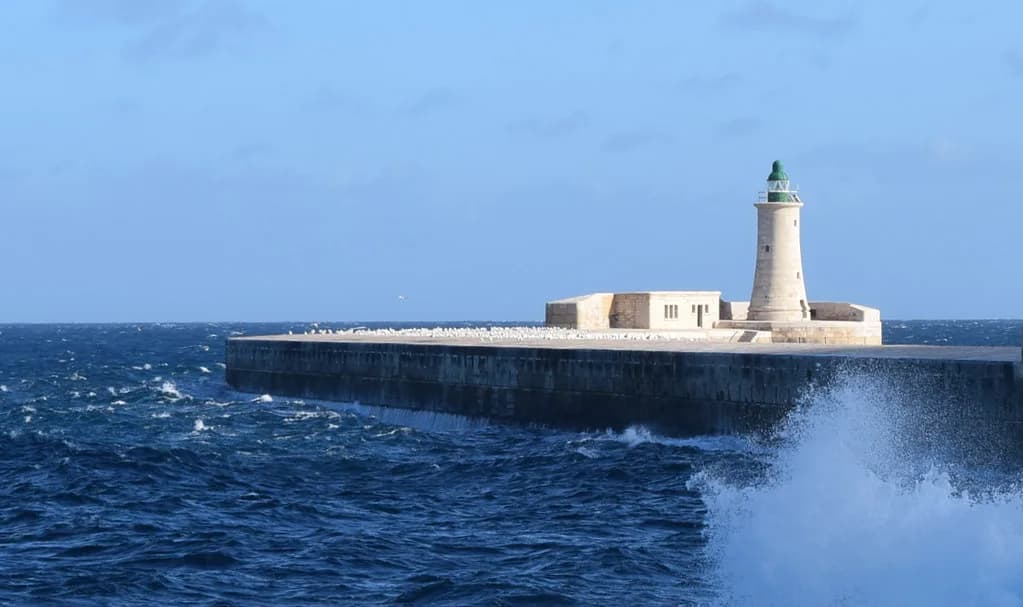
The sea is the slowest thing to warm. Surface temperatures hover around a 15°C (58°F) low in March, which is bracing for most swimmers even on a sunny day. The swimming season has not started, lifeguards are not on the beaches, and the water can still be rough with currents, so treat the coast as walking country rather than swimming territory.
Daylight and How It Shapes Your Days
March daylight stretches noticeably compared with midwinter, and the clocks go forward on 28 March 2027, pushing sunset an hour later for anyone visiting at the end of the month. That extra light makes late-afternoon walks along the Sliema seafront or up to the Upper Barrakka Gardens practical in a way they are not in January.
Use the pattern: bright mornings for Mdina's lanes, Dingli Cliffs or the coastal trails, when the light is good and the ground drier. Save the middle of a showery afternoon for the Grandmaster's Palace state rooms, St John's Co-Cathedral or a national museum. That rhythm keeps a wet day from becoming a wasted one.
Crowds, Prices and the Shoulder Season Trade-off
March is quieter than summer but noticeably livelier than midwinter. You will still find room at popular sights and shorter waits at restaurants, while prices generally sit below peak-season levels because demand has not yet surged. It is an appealing balance for travelers who want value without the emptiness of January.
The compromise is that some summer infrastructure is still winding up. Boat services and beach facilities may run reduced schedules or not at all early in the month, and outdoor dining depends on the day. Check boat and beach operators directly for anything that matters to your trip, and build flexibility into your plans rather than counting on a full summer timetable.
What Is Open in March
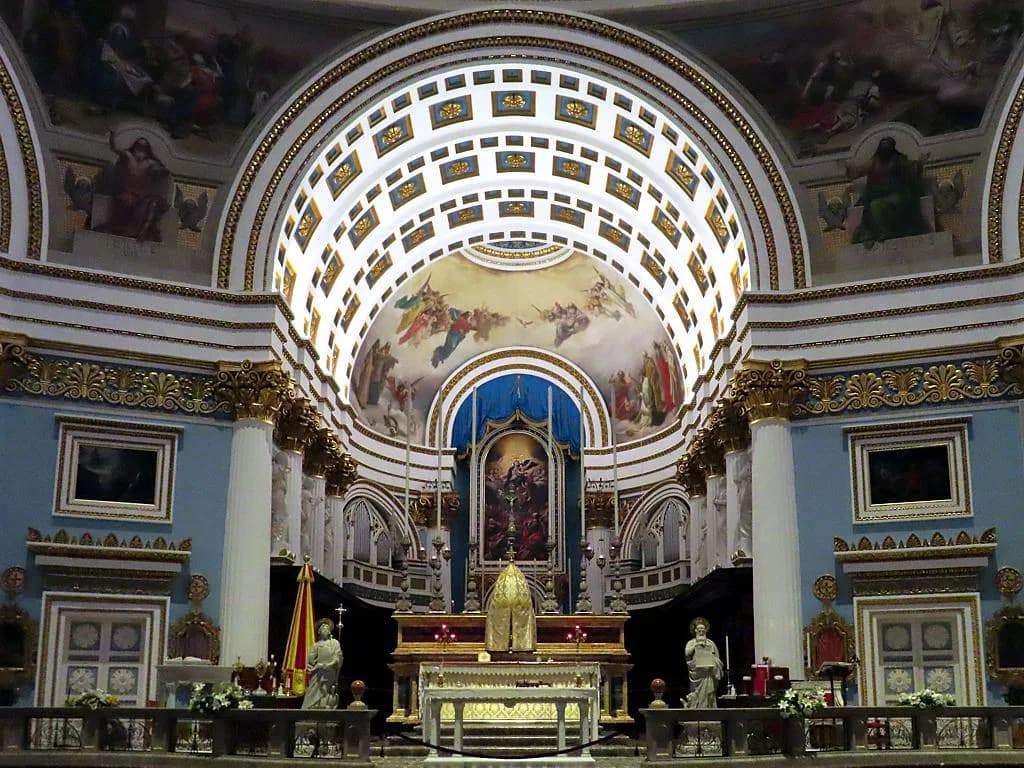
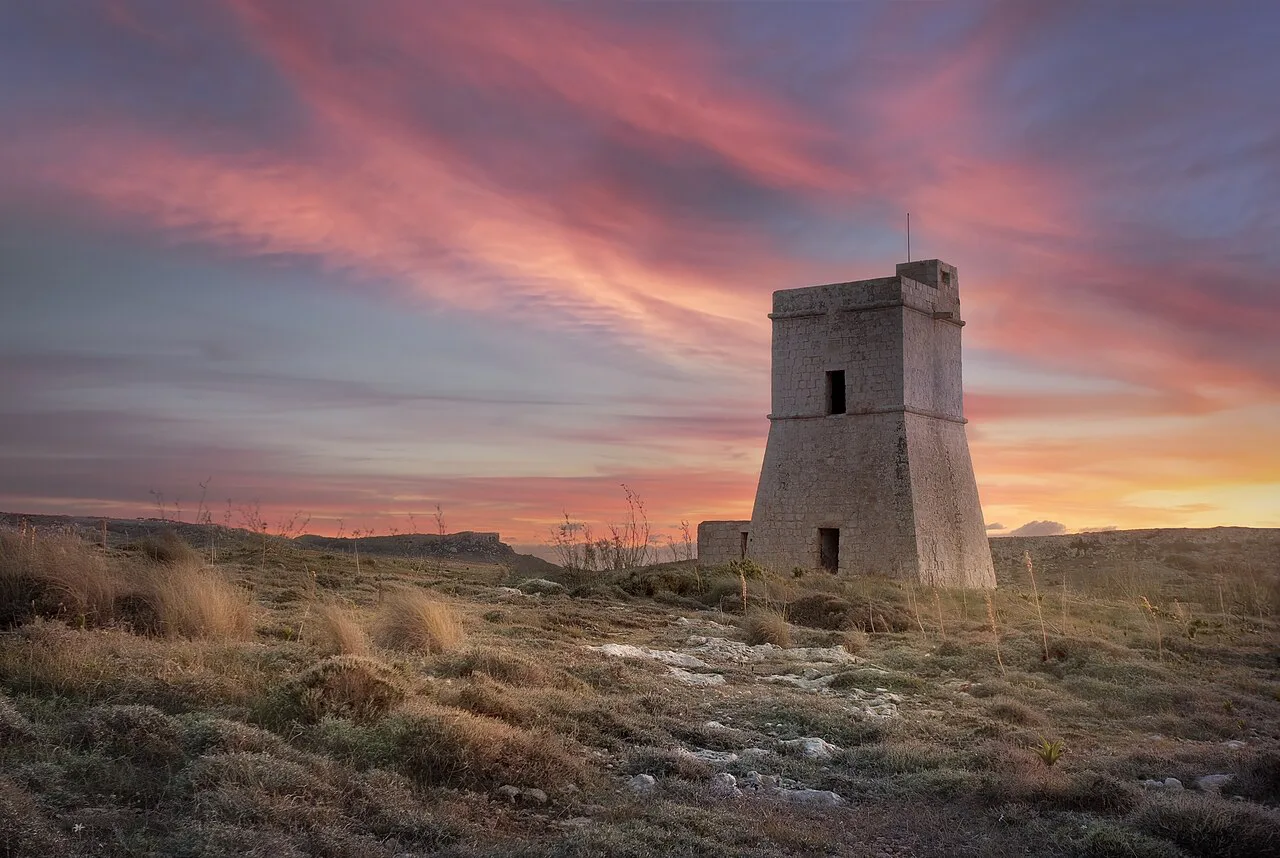
Malta's headline sights run year-round: St John's Co-Cathedral and the Grandmaster's Palace in Valletta, the silent streets of Mdina, the megalithic temples and the harbor towns of the Three Cities. Opening hours vary by site and season, so confirm times with the individual operator for the day you plan to visit. Museums and cathedrals are the reliable wet-weather anchors of any March itinerary.
Boat trips and harbor cruises depend on the weather and the season of the company running them; a calm morning in late March is far more promising than a windy one in early March. Comino and the Blue Lagoon are best treated as a fair-weather option rather than a fixed plan. If you are weighing the whole season rather than one month, the winter overview covers how services and openings shift from December through March, though it is worth checking current prices and dates before you travel.
Things to Do in March
The best March days combine walking with culture. Take the Xemxija Heritage Trail, the Marfa Ridge paths or the cliffs around Dingli and Żurrieq on a bright morning, then spend the afternoon in Valletta's museums or Mdina's lanes. A picnic at Buskett Gardens or Ta' Qali National Park works whenever the sun holds.
Food is a reliable pleasure in any weather. Maltese rabbit stew, pastizzi, bragioli and sheep's cheese appear on menus across the island, and a long lunch is a sensible response to a showery afternoon. Boat harbor tours of the Grand and Marsamxett harbors give you the forts and creeks from the water when the sea is calm enough.
Valletta, Mdina and the Three Cities on Foot
Valletta is compact enough to cover on foot in a day, but its steps and slopes reward a slower pace. Pair the Upper Barrakka Gardens with the co-cathedral and the palace state rooms, and break the day in a square with coffee. Horse-drawn karozzin cabs and small electric cabs offer a rest for anyone who has had enough of the hills.
Mdina, the Silent City, is at its best in March's low-season calm: narrow cobbled lanes, city walls and few people to share them with. Rabat next door makes an easy add-on. Across the water, the Three Cities of Vittoriosa, Senglea and Cospicua are quieter still, and a slow walk around Vittoriosa's marina and fortifications fills an afternoon, as it does in November.
Coastal Walks, Beaches and the Sea in March
Malta's coast is a walking asset in March even though it is not a swimming one. Mellieħa Bay and Għajn Tuffieħa are near-empty and good for a stroll or a picnic, and the Dingli and Blue Grotto cliffs give big views on clear days. Keep back from wet rocks and rough water, and don't count on lifeguards.
If you crave warm water and sunbathing, this is the wrong month. The sea is still around 15°C (58°F) at its coolest and the beaches are not set up for summer use. Plan March as a sightseeing and walking trip, and look at a summer or later-spring visit if swimming is the point.
Day Trips to Gozo and Around the Island
Gozo works as a March day trip when the weather is settled: the Ġgantija temples, Victoria's citadel and the island's quieter lanes reward a full day. The crossing depends on conditions, so leave room in your plan to swap days if the forecast turns. Comino and the Blue Lagoon are fair-weather options only.
On the main island, Marsaxlokk's Sunday fish market and the fishing village itself make a good southern excursion, and the megalithic temples south of Valletta suit a mixed-weather day. The Megalithic Temples of Malta are among the island's oldest sights and are a sensible indoor-ish stop when showers roll through.
What's On in March: St Joseph, Freedom Day and Holy Week
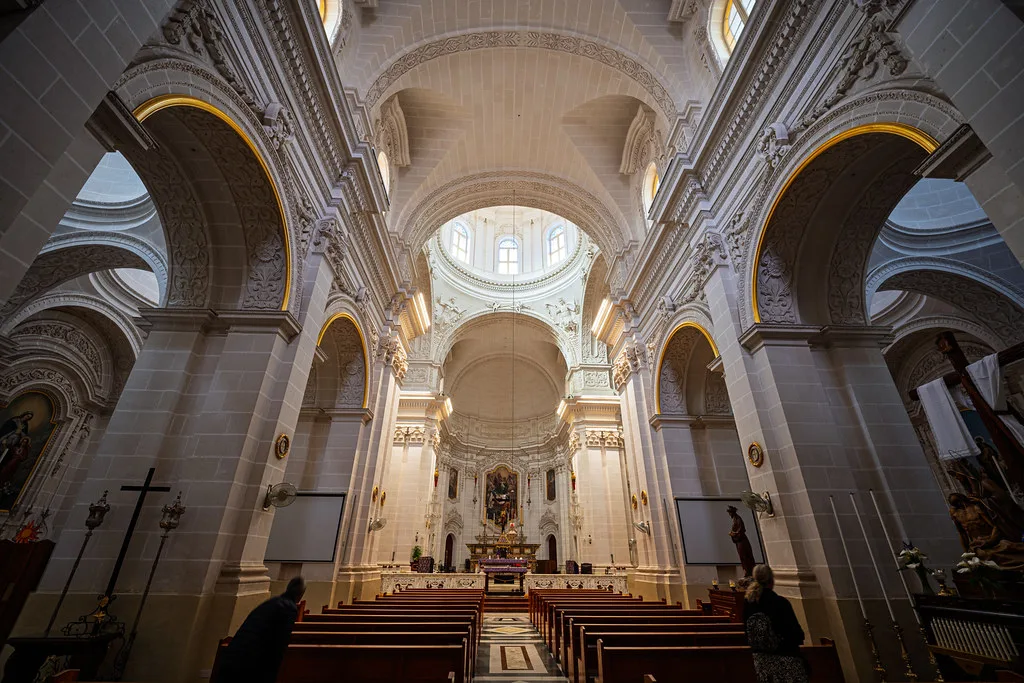
The Feast of St Joseph falls on 19 March and is a public holiday, with Rabat the traditional center of celebrations: a marching band, food stalls and fireworks. Freedom Day on 31 March marks the departure of the last British troops in 1979, with flowers laid at the monument in Vittoriosa. Both are fixed annual dates, so they shape the month's rhythm rather than catching you out.
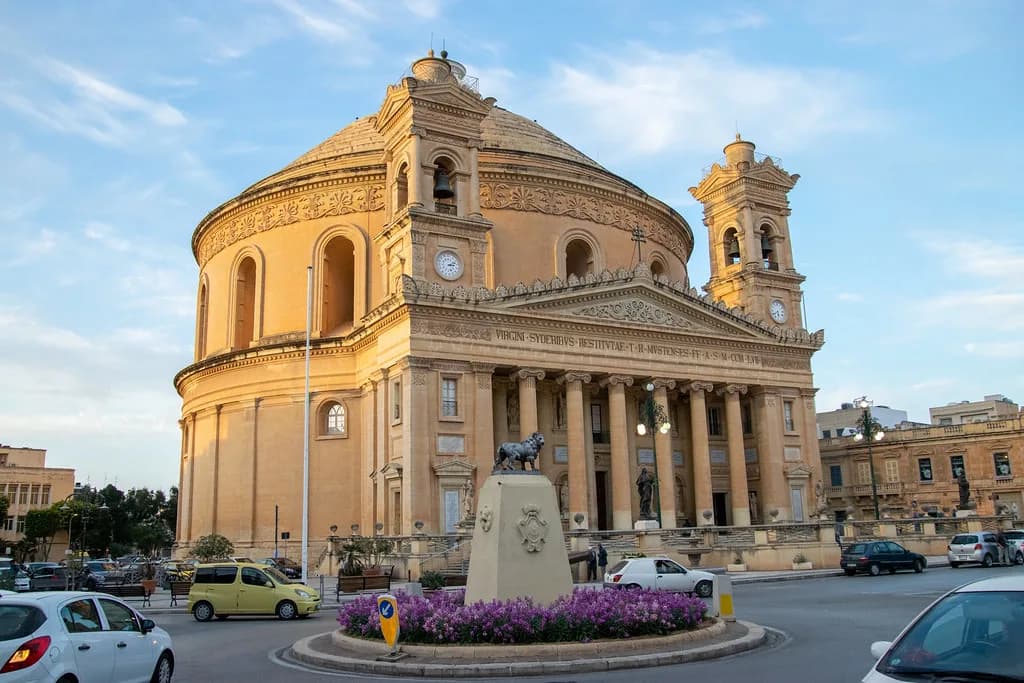
Lent and Holy Week dominate late March in 2027, with Easter Sunday on 28 March. Processions fill the streets of Valletta, Naxxar, Senglea, Żebbuġ and Mosta, and Good Friday is especially solemn. Easter Sunday brings feasts and the run with the Risen Christ in Valletta, Mosta and Cospicua. Book ahead if you plan to be there for the holiday weekend.
Who March Suits and Who Should Wait
March suits walkers, sightseers and travelers who want culture without crowds and value without the depths of winter. It rewards people who can go with the weather: a bright day for Mdina or the cliffs, a wet one for museums and long lunches. The month also suits anyone who wants to see the island waking up after winter.
It does not suit anyone set on beach days, warm swimming or guaranteed sunshine. If those are your priorities, aim for later spring or summer. And if you want the deepest off-season quiet, the end of the year is emptier still; Christmas in Malta is a different kind of trip built around lights and family gatherings rather than sunshine.
Getting Around Malta in March
Public buses reach most of the island, and the network is a cheap way to link Valletta, Sliema, Mdina and the southern villages without a car. Ho-ho sightseeing buses run three routes with commentary and suit a short first look, while a hire car makes remote trails and the quieter coasts easier to reach. Traffic is far lighter than in summer.
Ferries and boats across the harbors and to Gozo are useful shortcuts when they run, but March conditions can interrupt them. If you are timing a trip around the shoulder months, December and January have their own patterns of closures and quiet, and comparing them helps you pick the month that fits your tolerance for short days and patchy services.
Plan Your March Visit
March in Malta is a gamble worth taking for the right traveler: mild days, longer light, cultural sights without queues and a calendar that wakes up with St Joseph, Freedom Day and Holy Week. Accept that the weather can turn, the sea stays cold and not every summer service is running. Plan outdoor mornings, indoor afternoons and flexible boat days, and the month delivers a calmer, more affordable Malta.
Explore more Malta winter guides
Frequently Asked Questions
Is Malta worth visiting in March?
Yes, for sightseeing, walking and culture. The weather is usually mild with more sun than midwinter, the crowds are light and prices sit below peak season. It is not a beach or swimming month, so it suits travelers who want to explore rather than sunbathe.
Can you sunbathe or swim in Malta in March?
Swimming is for hardy souls only. The sea is around 15°C (58°F) at its coolest, lifeguards are not on the beaches and the water can still be rough. Sunbathing is possible on a warm, still day, but the swimming season has not started.
How warm is Malta at the end of March?
Late March is usually the mildest part of the month, with typical daytime highs in the mid to upper teens Celsius and longer, sunnier days after the clocks change on 28 March 2027. Evenings stay cool, and a passing shower or windy spell can still arrive.
Does it rain much in Malta in March?
Rain is usually light and showery, and one set of figures puts the month at roughly 30 to 40 mm spread over short spells rather than set-in wet days. Wind can come with it, and the humidity makes wet days feel colder than the temperature suggests.
Which sights and events are open or on in Malta in March?
The major sights run year-round, including Valletta's co-cathedral and palace, Mdina, the megalithic temples and the Three Cities. Events include the Feast of St Joseph on 19 March, Freedom Day on 31 March and, in 2027, Holy Week processions leading to Easter Sunday on 28 March.
Is March crowded in Malta?
No, crowds are light by Maltese standards. It is busier than January or February but well below the summer peak, so popular sights and restaurants are easier to enjoy. The Easter holiday weekend is the exception, when demand rises.
Sources
Winter travel notes
Optional updates when we add or revise winter guides.
You might also like
Continue reading
More guides you'll find useful