Things to Do in Malta in Winter: What Works Nov–Mar
Plan a Malta winter trip around the sights that work in wind and rain, from Valletta's museums and gardens to Mdina, the cliffs and Gozo's Citadel.
On this page
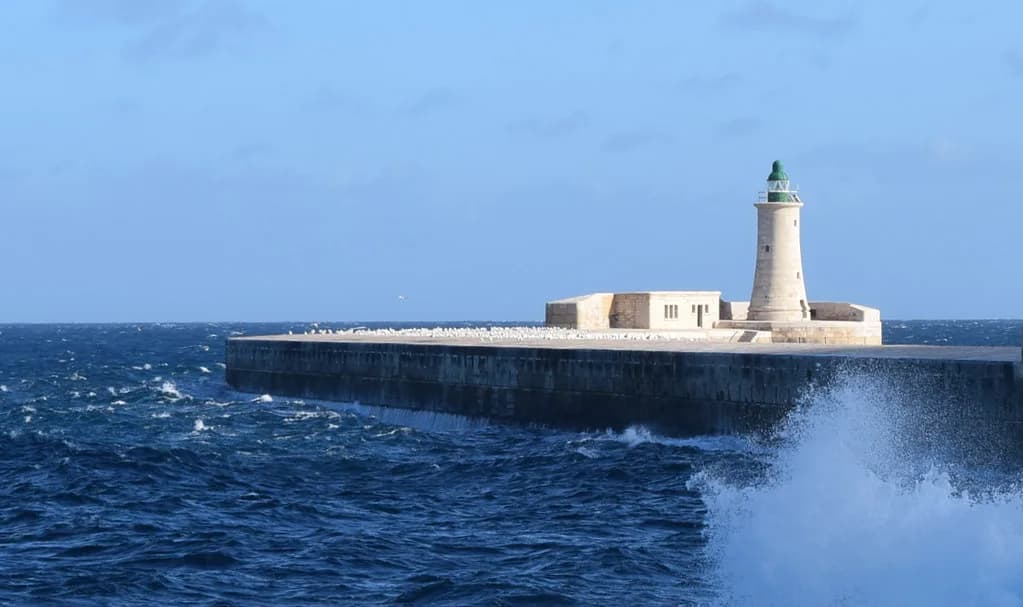
Malta in winter is a different island from the brochure version: greener after the autumn rains, quieter on the coast, and cool enough that a windy headland feels like a serious outing. Typical November highs sit around 20°C (68°F), dropping to roughly 15–17°C (59–62°F) in December and January, so this is walking and sightseeing weather rather than swimming weather. It suits travelers who want baroque cities, archaeological sites and coastal paths without summer heat and crowds, and it disappoints anyone chasing guaranteed sun.
The season's rhythm matters more than any single sight. Days shorten, winds pick up, the sea stays around 15–16°C (59–61°F), and rain arrives in sudden heavy bursts rather than steady drizzle. Plan one indoor anchor per day and keep a coastal walk or boat trip as a swap for the clearest, calmest morning of your stay.
Weather in Winter
Long-term averages give a clear picture for planning. November runs about 14–20°C (57–68°F) with 75.7 mm of rain and 6.5 hours of sunshine daily; December drops to 11–17°C (52–62°F) with 96.2 mm, the wettest month; January and February sit near 10–15°C (50–59°F) and 9–15°C (48–59°F) with roughly 5–6 hours of sun. January and February are also the windiest months, and February is when Carnival falls, with Carnival Tuesday on 9 February 2027.
Numbers understate the chill. High humidity and unheated limestone buildings make 12°C (54°F) feel raw indoors and in the evening, and wind on exposed cliffs cuts through layers. Snow is very rare, but hail is not unusual in winter, so a wet morning can close a coastal plan quickly. Check the forecast each morning and keep a museum or church interior as the fallback.
Daylight is gentler than in northern Europe but still short. Expect roughly ten hours in midwinter, which means starting walks by mid-morning if you want the cliffs and temples in good light. A detailed month-by-month look helps you pick dates, whether that means a quieter January or the windier, greener weeks of February.
How Winter Changes the Island
November through March is low season, and the north-coast resorts around Buġibba and Qawra feel half-asleep: fewer ferries and boat trips, thinner restaurant hours, and beaches that belong to walkers. That quiet is the appeal, and it also means you should build days around what genuinely runs year-round — fortified cities, churches, museums and coastal paths — rather than around water.
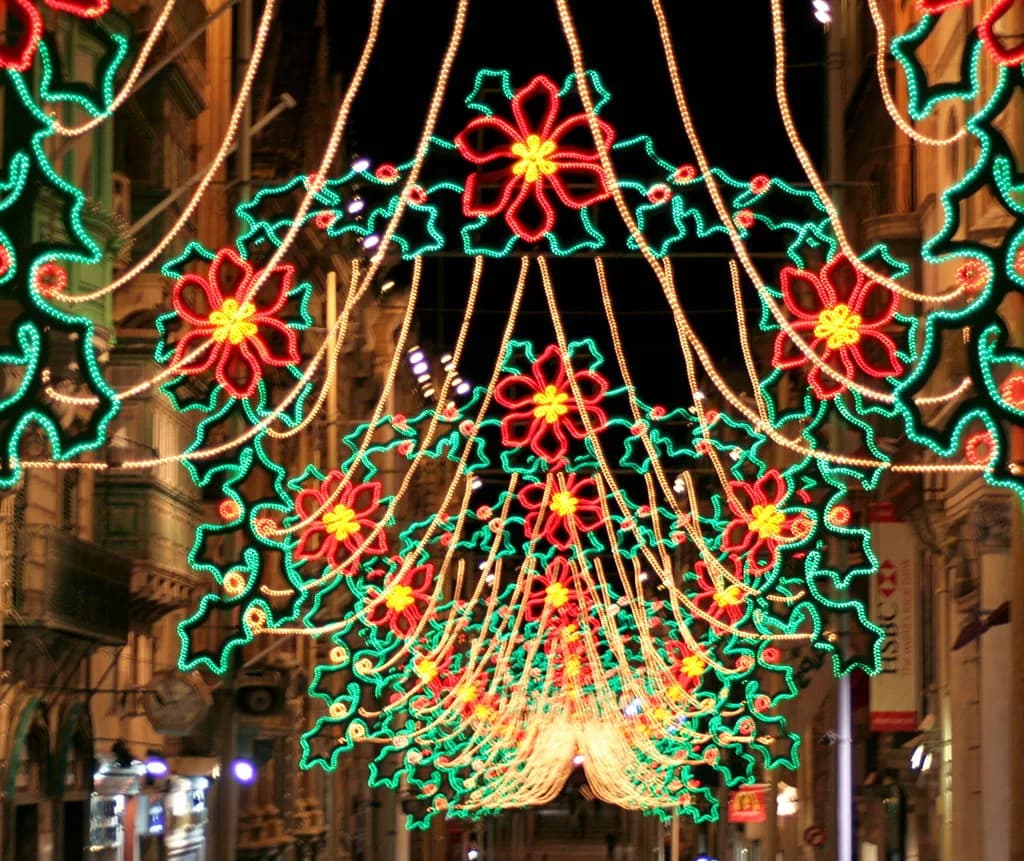
The Christmas and New Year weeks are the exception inside that low season. Valletta's Republic Street fills with lights and nativity displays, hotels run festive lunches, and the period gets busier and pricier than the rest of the winter. Outside those weeks, you get the same sights with breathing room, though unheated interiors still feel cold and a few seasonal venues trim their hours.
Valletta in Winter
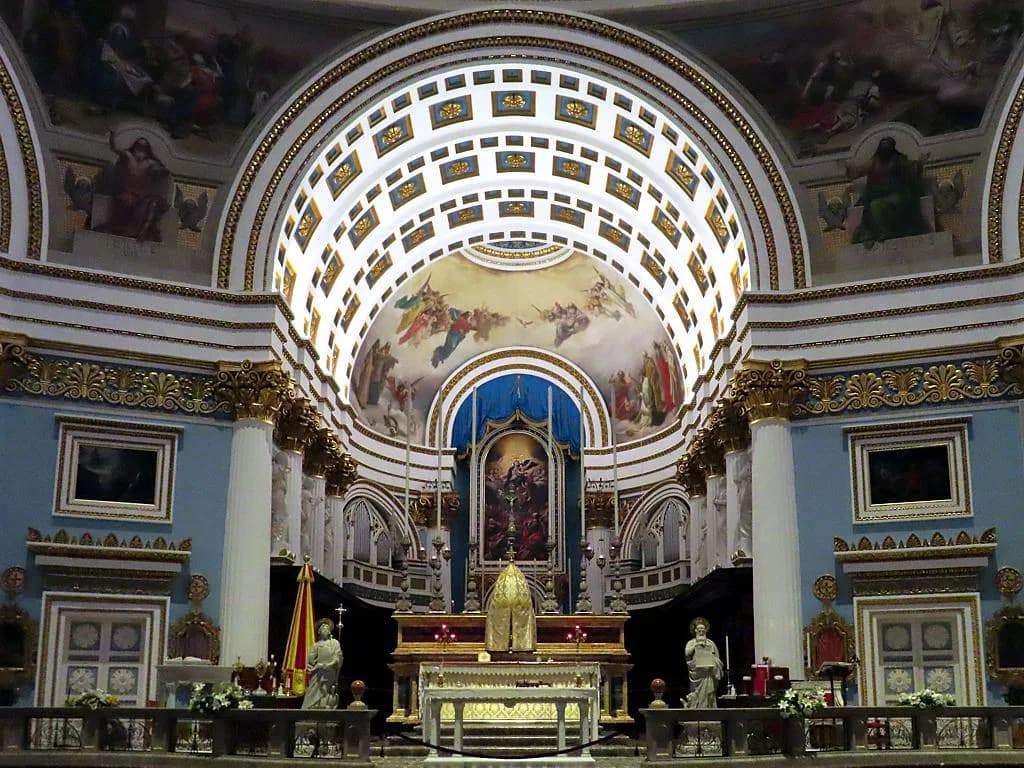
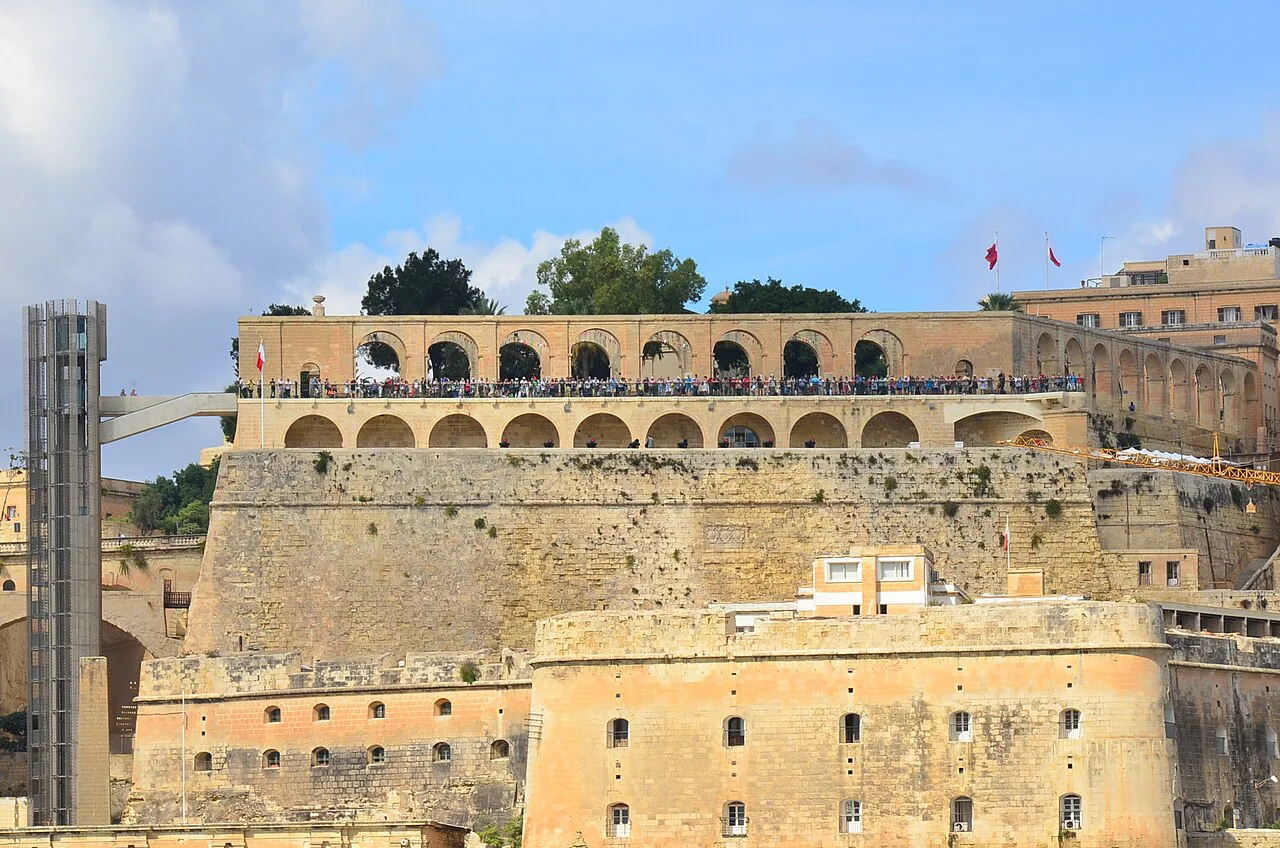
Valletta is the best winter day on the island because it stacks up indoors and out. Walk the grid of sloping streets and sun verandas, drop into St John's Co-Cathedral for the baroque interior, then climb to Hastings Garden for the view toward Ta' Xbiex and Manoel Island. The Upper Barrakka Gardens give you the Grand Harbour panorama and the ceremonial cannon firing, which runs twice daily at noon and 4 pm according to an older trip report — confirm the current schedule locally before you build a morning around it.
Free walking tours meet near the Triton Fountain at the city gate, a two-hour introduction that works well on a cool morning when you want to keep moving. From the Upper Barrakka Gardens an elevator drops to the harbor level for the short ferry to Birgu; a 2019 trip report put the return ferry at €2.80 and noted departures every half hour, but winter timetables and fares change, so read the posted schedule on the day.
Rainy afternoons are made for the National Museum of Archaeology and the Grandmaster's Palace state rooms and armoury, both in the city center. Street food helps too: pastizzi, the flaky ricotta or mushy-pea pastries, are sold all over Valletta and make a cheap, quick lunch between showers.
The Three Cities
Across the Grand Harbour, Birgu (Vittoriosa), Senglea and Cospicua reward a full winter day. Fort St. Angelo, the Inquisitor's Palace, the Maritime Museum and the marina front give you a mix of interiors and harbor views, and the narrow lanes are quiet enough in winter to wander without a plan. It is the kind of district that works in drizzle as well as sun, because there is always a church or hall to step into.
Getting there is part of the pleasure: the ferry from Valletta crosses the harbor in minutes, and the walk to the fort gives you the classic view back toward the capital's bastions. Winter wind can make the crossing bumpy, so treat the ferry as weather-dependent and keep the bus as the fallback.
Mdina and Rabat
Mdina, the old fortified capital, is at its best in winter: the silent narrow lanes, the bastion views and the absence of summer crowds make the honey-colored stone feel like a stage set. It is compact, so pair it with Rabat next door, where the Roman Villa and the catacombs give you genuinely indoor archaeology for a wet afternoon.
Catch the bus from Valletta or the university area; a 2019 account used a single ticket valid for two hours to chain Mdina with the west coast, but winter timetables change and fares should be checked with Malta Public Transport. Rabat is also where the Feast of St Joseph is traditionally celebrated on 19 March, one marker that spring is arriving.
Dingli Cliffs and the West Coast
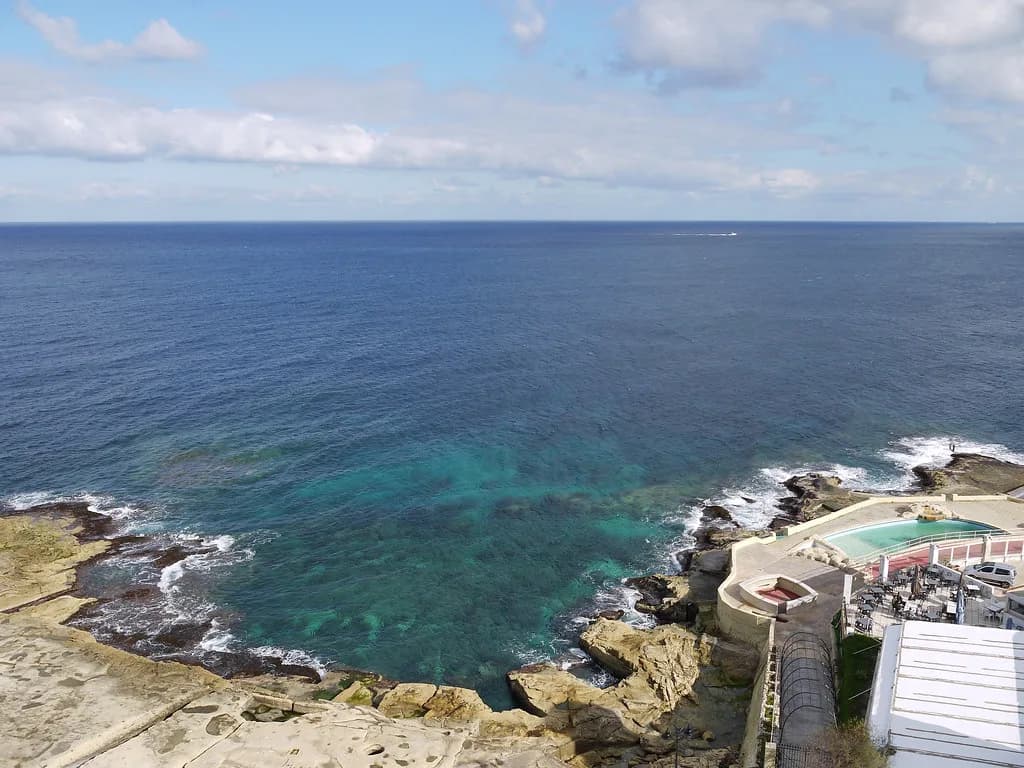
Dingli Cliffs are the island's best clear-day walk, a coastal path over a couple of kilometers with the land dropping about 250 m (820 ft) to the sea. Wind is the deciding factor: on a bright, blustery day the whitecaps and cliff colors are spectacular, but the same wind makes the edge uncomfortable and the bus stop bleak.
Go early, take the bus rather than driving the narrow lanes, and keep a picnic sheltered behind the rocks as the wind allows. If the forecast turns, swap the cliffs for Mdina or Valletta's museums; the walk needs a clear horizon to be worth the trip.
The South: Blue Grotto, Temples and Marsaxlokk
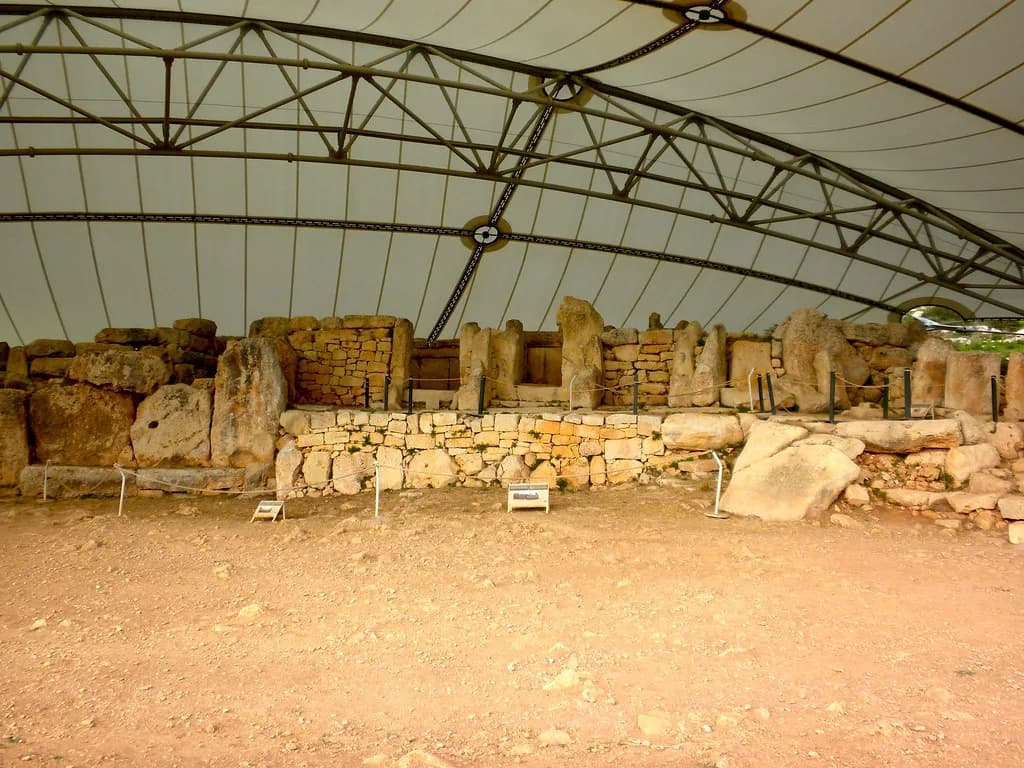
The southern coast holds the island's densest cluster of winter-friendly sights. The Blue Grotto sea caves and the Ħaġar Qim and Mnajdra temples sit close together above dramatic cliffs, and the Megalithic Temples of Malta are among the oldest free-standing structures in the world, worth a slow morning even in wind.
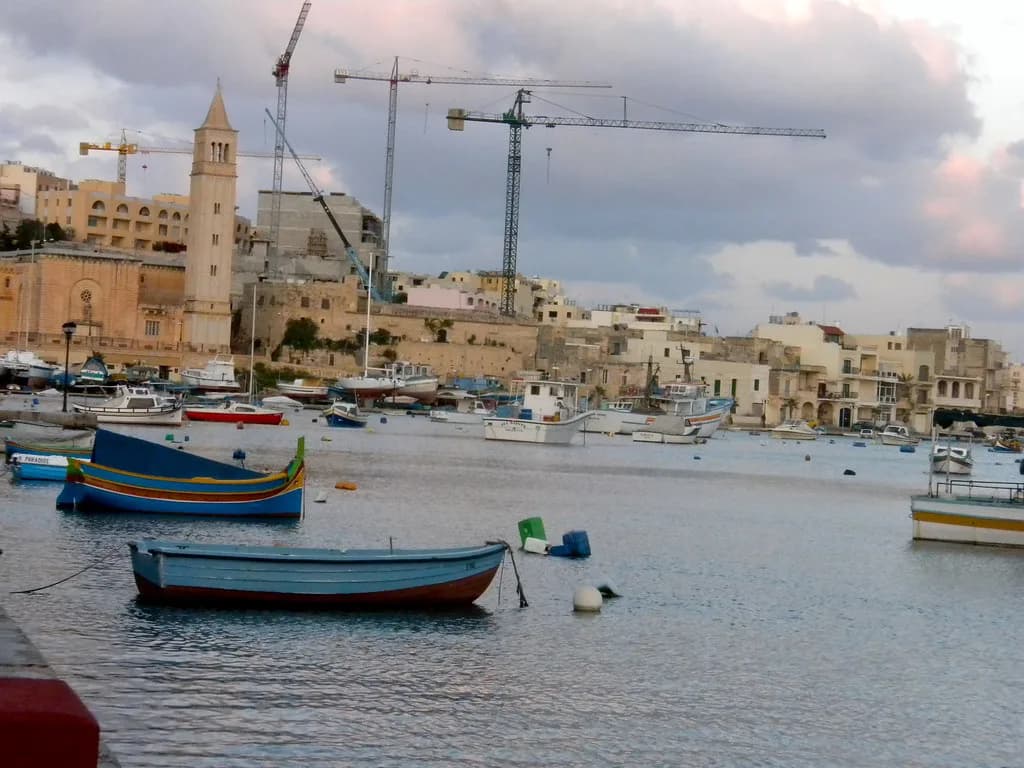
Boat trips into the Blue Grotto depend on sea conditions and are not guaranteed in winter; check current running times with the boat operators at the site on the day before counting on a crossing, as sailings can be called off at short notice. Marsaxlokk's fishing village is a quieter stop in winter, with the harbor and fish restaurants making a good lunch pause after the temples.
Gozo in Winter
Gozo rewards the winter traveler who accepts the ferry crossing as part of the day. Victoria's Citadel, the island's walled heart, gives you archaeology, views and shelter in one stop, and the terraced countryside turns green after the autumn rains. With the day-trip crowds gone, the pace is slower and the villages feel lived-in.
Winter sailings and wind cancellations affect the crossing, so check the ferry operator's schedule before committing a day, and keep Gozo for a calm-weather slot rather than a fixed date. If the sea is rough, the Three Cities or a Valletta museum day is the sensible substitute.
Rainy-Day Malta
When the rain comes in hard, head indoors and stay there. The National Museum of Archaeology in Valletta, the Grandmaster's Palace state rooms and armoury, and St John's Co-Cathedral together fill a wet day, and the island's baroque churches give you shelter in almost every town. These interiors are not heated to northern standards, so plan a long lunch or cafe stop to warm up.
Rain is often intense but short-lived, so a flexible plan beats a fixed itinerary. Keep one indoor anchor per day, check the radar in the morning, and use the gaps between showers for the harbor-front walks and viewpoint gardens that make Valletta memorable.
Food to Plan Around
Maltese winter eating is part of the sightseeing. Pastizzi cost little and appear everywhere, sold in traditional pastries filled with ricotta or mushy peas. In the festive weeks, look for Imbuljuta tal-Qastan, the hot chestnut-and-chocolate drink served around Christmas, and for the treacle rings and chocolate logs that fill the bakeries.
Long lunches in Valletta and Marsaxlokk suit the winter rhythm: you eat indoors while a shower passes, then walk again. Pastizzi, coffee and a harbor table make a low-cost day that still feels like a proper Maltese experience.
Christmas and New Year, Briefly
The festive season is the one crowded, expensive window inside an otherwise quiet winter. Republic Street lights up, nativity displays appear in churches and squares, and Christmas Eve brings midnight mass with the Sermon of the Child, followed by an early-morning breakfast tradition. Christmas Day 2026 falls on a Friday, and many restaurants and cafes close or run hotel lunches only.
New Year's Eve in Valletta centers on the Grand Harbour area, with fireworks and a music stage drawing crowds from across the island; New Year's Day 2027 falls on a Friday and is a big family holiday, so plan lunch ahead. Venues often run ticketed events, so decide your evening before you arrive.
What Slows Down in Winter
Beach clubs, summer boat excursions and some coastal restaurants cut back or close, and ferry and bus timetables run on winter schedules. Comino and the Blue Lagoon are weather-dependent at best in winter, so treat any boat day as a bonus. Christmas Day is the one day when transport is most limited, with buses pausing around midday before resuming in the afternoon, and Epiphany on 6 January 2027 is a Wednesday that anchors the end of the festive period.
Resorts on the north coast empty out, which means quieter promenades and fewer open kitchens. Build your base around Valletta, Mdina or the south so that a wet day still leaves you near museums and buses, and settle the handful of places you really want to eat at ahead of time.
Who a Winter Trip Suits
Winter suits walkers, museum-goers, history fans and budget travelers who value empty streets over beach weather. It does not suit swimmers, sun-seekers or anyone who needs guaranteed blue skies: the sea stays near 15–16°C (59–61°F), wind and humidity make mild temperatures feel colder, and rain arrives in bursts. If you want warmth and reliable sun, aim for late spring or September instead, or compare the same off-season trade-off with Italy in winter if you are weighing Malta against another Mediterranean base.
If you are weighing dates, November offers the mildest temperatures and the last of the autumn green, while January and February are the coldest and windiest but the quietest. A month-by-month comparison helps you match the weather to your tolerance for cold and rain.
Getting Around
Malta Public Transport's buses connect Valletta, the airport, Mdina, the cliffs and the southern sights, and they are the simplest way to move without driving on the left. Driving on the left is a legacy of British rule, and the island's roundabouts and ramps make it a demanding place to start if you are used to the right. Winter schedules are thinner than summer ones, so check routes and times the day before, and keep a taxi app as backup for evening returns.
Build a two- or three-base plan: Valletta for the capital, the harbor and the Three Cities; Mdina or Rabat for the center and west; and the south for the temples, Blue Grotto and Marsaxlokk. Gozo works as a day trip when the sea is calm, not as a fixed date. That structure keeps travel time low and rainy-day options close.
Plan Your Visit
Malta in winter is a compact, affordable island for travelers who plan around weather rather than against it. Anchor each day indoors, keep a coastal walk or boat trip for the calmest forecast, and leave the festive weeks for the crowds and the lights if that is your priority.
Book the Christmas and New Year window early, treat boat trips and cliff walks as forecasts allow, and use the buses to link Valletta, Mdina, the south and Gozo. Done that way, a November-to-March trip delivers the history, food and harbor views that summer visitors rush past.
Frequently Asked Questions
Is Malta good for winter sun?
It is mild rather than sunny. Winter days typically reach 15–17°C (59–62°F) in December and January, with roughly five to six hours of sunshine and frequent windy, wet spells. Travelers wanting reliable warmth should aim for late spring or September instead.
What is there to do in Malta when it rains?
Head indoors: the National Museum of Archaeology, St John's Co-Cathedral and the Grandmaster's Palace state rooms and armoury in Valletta, plus the Roman Villa and catacombs at Rabat. Showers are often short, so keep a cafe or long lunch as a pause between them.
Is Malta warm enough to swim in winter?
The sea sits around 15–16°C (59–61°F) in winter, which is a local habit rather than a visitor plan. Some protected spots see winter dips, but most travelers should treat swimming as out of season and plan walks, museums and harbor views instead.
Is Malta worth visiting in December?
Yes, if you want the festive atmosphere and accept changeable weather. December is the wettest month, but Valletta's lights, nativity displays and Christmas Eve traditions give the trip a focus, and the weeks outside the holidays stay quiet and affordable.
How many days do you need in Malta in winter?
Three to five days covers Valletta, the Three Cities, Mdina and Rabat, and one southern day for the temples and Blue Grotto area, with Gozo as an optional weather-dependent day. Add a day if you want a cliff walk and a slower harbor afternoon.
What closes in Malta in winter?
Some beach clubs, summer boat excursions and coastal restaurants cut back outside the festive weeks, and ferry and bus timetables run on winter schedules. Core sights such as Valletta's museums, Mdina and the temples stay open, though some interiors keep shorter seasonal hours.
Sources
Winter travel notes
Optional updates when we add or revise winter guides.
You might also like
Continue reading
More guides you'll find useful