Malta in Winter: What November to March Is Really Like
Malta in winter is mild and quiet, with 14-20°C days, a cool sea and bursts of heavy rain. See what stays open, what closes and which month suits you.
On this page
Malta in winter is a Mediterranean island with the heat turned down: daytime highs in the mid-teens to around 20°C, a sea that stays cool, and towns that empty out enough for you to walk Valletta's steep streets without a crowd. It suits travelers who want history, architecture and coastal walking more than swimming, and who accept that a wet, windy day can arrive without much warning.
The season runs roughly from November to March, and the choice of month changes the trip far more than the destination does. November and March are the mild shoulder months, December is the wettest month of the year, January and February are the coldest and windiest, and the Christmas to New Year week is the one stretch when the island fills up in the middle of an otherwise quiet low season.
What Malta Is Like in Winter and Who It Suits
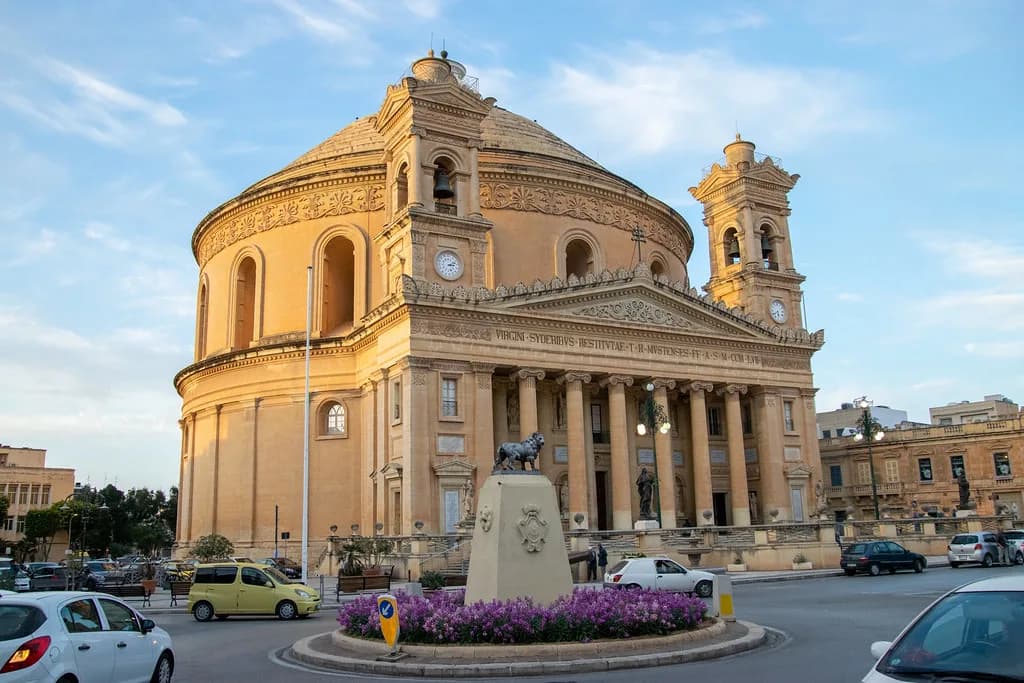
Malta packs a UNESCO-listed capital, a silent medieval hill town, prehistoric temples and a dramatic limestone coast into an island you can cross in under an hour by bus. In winter those sights are uncrowded and the light is soft, which makes walking and photography easier than in the fierce summer sun. If your idea of a Mediterranean escape is a sun lounger and a warm sea, this is the wrong season. For a read on how a larger Mediterranean island handles the same months, our Sicily winter guide covers what November to March is really like.
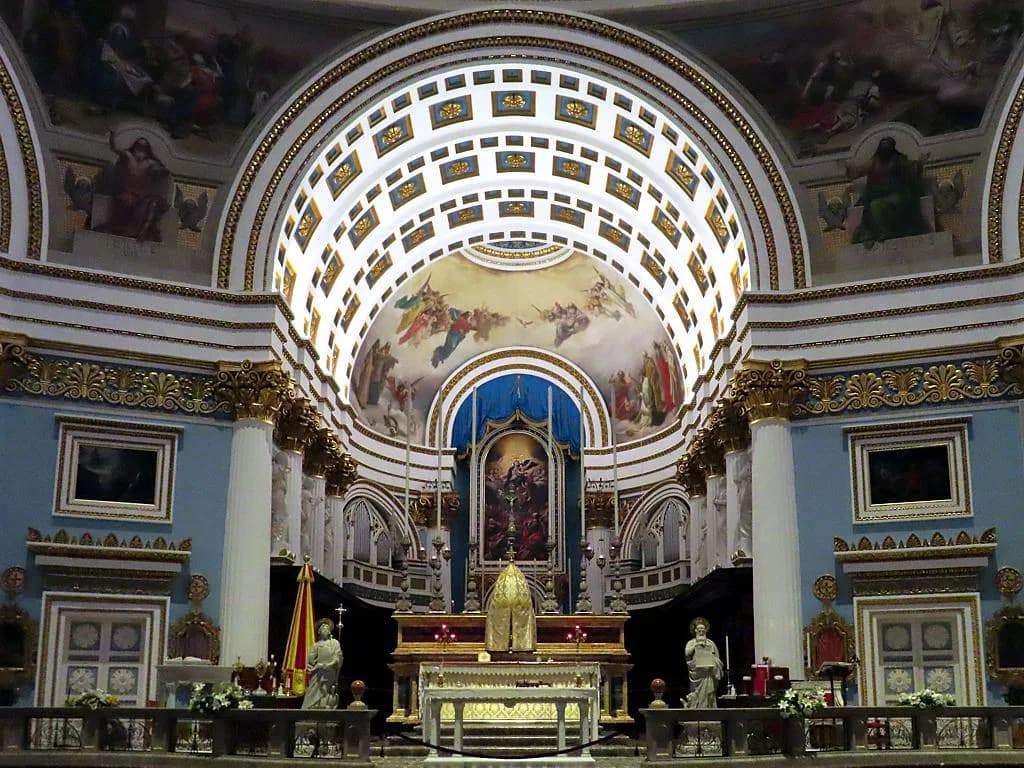
The island rewards travelers who plan around weather rather than fighting it. Split days between indoor sights such as St John's Co-Cathedral and the Grandmaster's Palace in Valletta and outdoor stretches such as the Dingli Cliffs or the Birgu waterfront, so a rainy morning costs you a museum order change rather than a day. Note that many Maltese buildings are poorly insulated and lack central heating, so a 15°C day can feel colder indoors than you expect from the number.
Buses reach most of the island's highlights, and one ticket can cover a multi-stop day, which a November trip reported after riding from Mdina to Dingli Cliffs to the Blue Grotto; winter bus tickets were €1.50 and valid for two hours. Rental cars are an option, but remember Malta drives on the left, a legacy of British rule. For most winter visitors the bus network plus a few taxis is the simpler choice. For the practical details, see the Malta in March.
Winter Weather Month by Month
Long-term averages give a clear picture of the season as a whole. November averages 14-20°C (57-68°F), December 11-17°C (52-62°F), January 10-15°C (49-59°F), February 9-15°C (49-59°F) and March 10-17°C (50-62°F), with January the coldest month. Treat these as typical conditions rather than a forecast, because individual days swing well either side.
November is the mildest entry point, with sunshine around 6.5 hours a day and roughly 76 mm of rain across the month. It is a good month for arrivals who want to walk all day and still sit outside at lunch, and it is the reason some travelers describe the island as wonderful in fall. Rain arrives in fewer, heavier episodes rather than steady drizzle.
December brings about 5.2 hours of sunshine and around 96 mm of rain, and it is often named the wettest month of the year. Expect short, intense downpours, strong winds at times and grey spells between bright days. The upside is that the island is at its quietest before the holiday weeks, so for a full month-by-month breakdown of the festive period see the Malta in December guide.
January and February are the coldest and windiest months, with averages of 10-15°C (50-59°F) in January and 9-15°C (48-59°F) in February, sunny spells around 5.5 to 6.4 hours a day, and rain of about 90 mm in January and 60 mm in February. Snow is very rare, recorded only a handful of times by official weather stations. Strong winds and humidity make the air feel colder than the thermometer suggests, so February often feels like the rawest month even though January is nominally the coldest.
March is the turn of the season, with roughly 7.3 hours of sunshine, temperatures rising to 10-17°C (50-62°F) and the sea beginning to warm slightly. Days lengthen noticeably, and the outdoor terraces start to fill, but wind and showery days are still common. For a closer look at that transitional month read the Malta in March guide.
Rain, Wind, Sunshine and Daylight
Malta's annual rainfall is modest, under about 600 mm, but it tends to fall in short, tropical-style bursts that soak you fast. From September through March, sudden heavy rain is possible, and low-lying roads can flood because the island's natural drainage has been built over. Keep the day flexible and avoid low-lying areas when a downpour is forecast.
Sunshine hours drop to between about five and seven a day in winter, still well ahead of northern European cities. Daylight is longer than at the same latitude in the UK or Germany, with roughly ten hours at the winter solstice, so short days are less of a constraint than in a Nordic winter. Malta's fairly compact coast means bad weather usually moves through quickly rather than sitting over the island for days.
Wind matters more than temperature for comfort. The sea is often rough in the winter months, and exposed spots like the Dingli Cliffs can be genuinely bracing even on a sunny afternoon. On a windy, grey day, plan a museum and a long lunch instead of a coastal walk, and take the coastal walk when the sun is out.
Sea Temperature and the Swimming Question
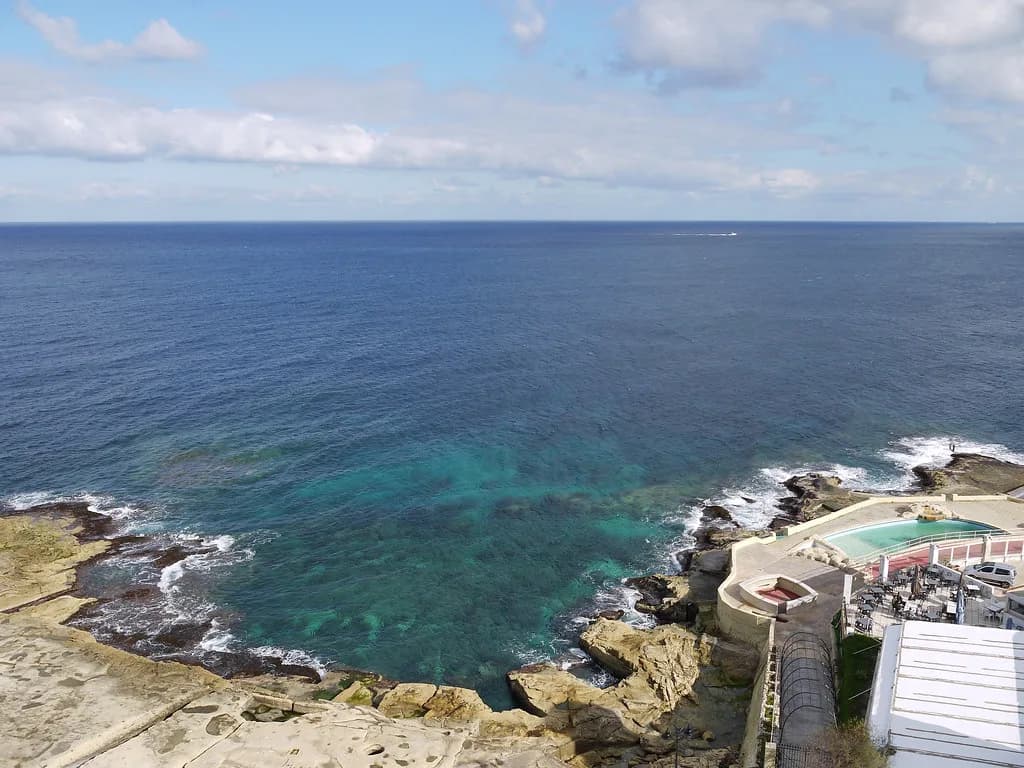
The sea in January and February sits around 15-16°C (59-61°F), cold enough that even strong swimmers usually skip it, and wind makes it feel colder still. Some hardy locals and visitors swim year-round in sheltered spots such as the Sliema sea pools, and a November stay can still allow a short dip on a calm, sunny day. If swimming is central to your winter break, pick this destination for shoulder months like November rather than the depths of January.
Swimming infrastructure mostly sleeps in winter. Beach clubs, boat trips and lifeguarded swimming are a summer operation, and winter coastal walks are best enjoyed from the shore. Check operator pages for boat trips to Gozo and Comino before you build a day around them, since rough seas can cancel departures without much notice.
What Closes or Slows Down Between November and March
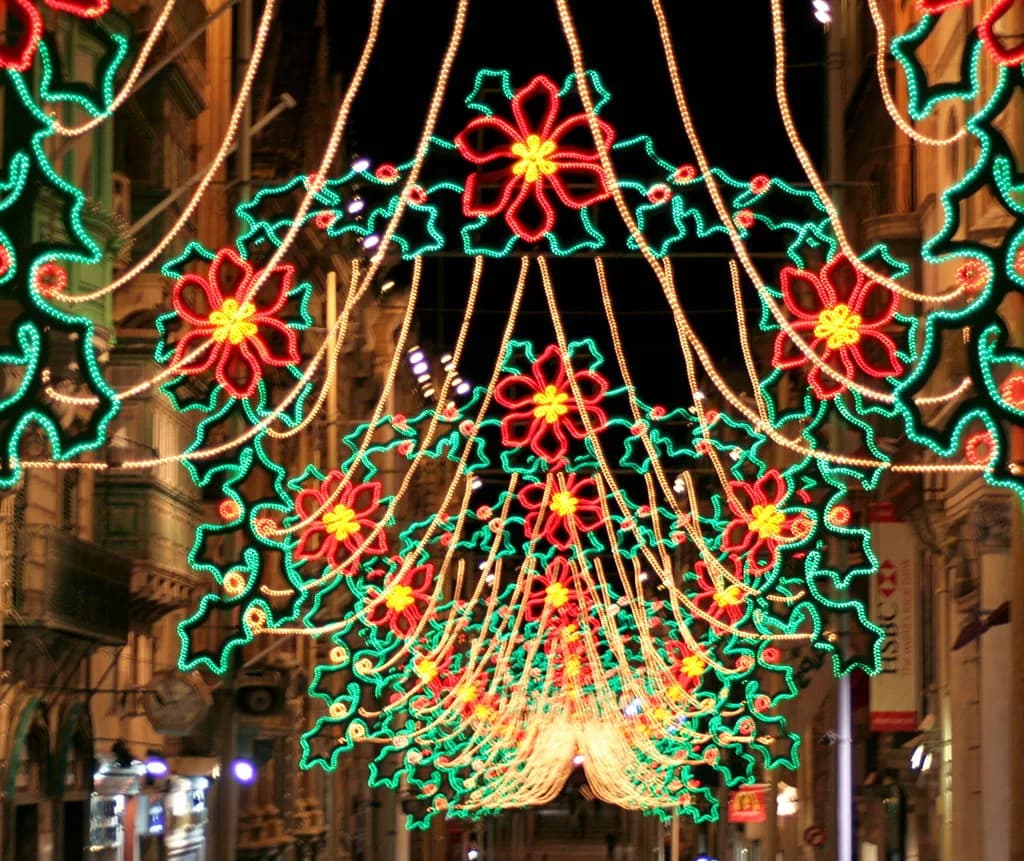
Malta's winter closures are about boats and beaches more than sights. Boat trips, sea-based excursions and beach-club service wind down, while the island's churches, museums and fortified towns keep working. A brief note on the festive side: Valletta's Republic Street and Sliema's shopping areas fill with lights and decorations, and the season has a quiet, family feel rather than a commercial market scene.
Public transport shifts onto a winter footing, and around the Christmas to New Year period a Saturday-style service operates from Christmas Day until about Epiphany. On Christmas Day itself, buses stop for a mid-day gap and finish earlier in the evening, so plan that day around a taxi or a hotel base. Christmas Day 2026 falls on a Friday and New Year's Day 2027 on a Friday, so both holiday-week Fridays need extra planning.
What Stays Open: Valletta, Mdina and the Three Cities
Valletta runs year-round, and the entire fortified city is a UNESCO World Heritage Site. St John's Co-Cathedral, the Grandmaster's Palace state rooms and the Upper Barrakka Gardens, with its harbour view and ceremonial cannon firing twice a day at noon and 4pm, all continue outside the spring tourist peak. A free walking tour from the Triton Fountain is a good first morning if you want the lay of the land before heading out on your own.
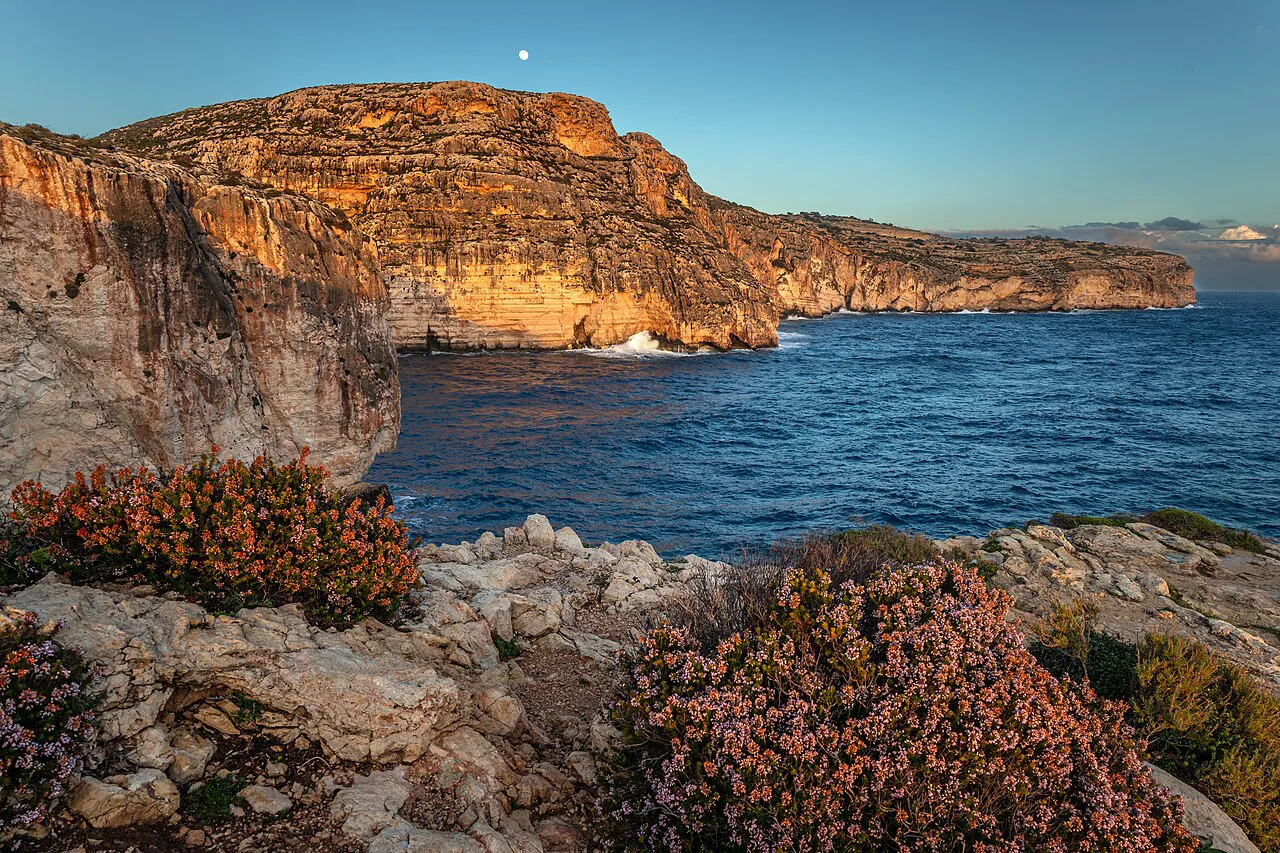
Mdina, the former capital, is a maze of narrow limestone streets that is quieter and more atmospheric in winter than in the summer crush. A useful winter route combines Mdina, the Dingli Cliffs about 250 metres above the sea, and the Blue Grotto, all reachable by bus in one day. The views from the cliffs are best on a clear, windy day when the coastline shows its colours.
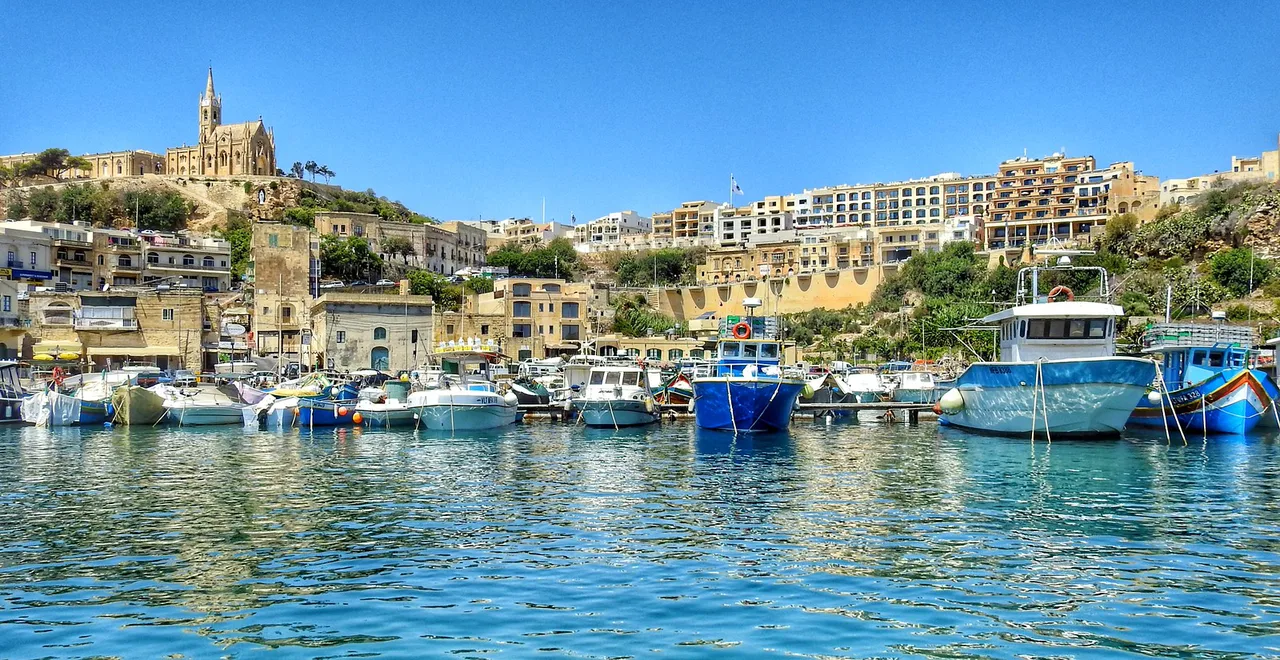
The Three Cities across the Grand Harbour are an easy winter half-day from Valletta. A short ferry from the Valletta waterfront reaches Birgu, where Fort St. Angelo, the Maritime Museum and the Inquisitor's Palace sit among quiet streets and a marina full of yachts. Walking these streets in winter gives you the place almost to yourself, which is very different from summer.
Christmas and New Year in Malta
Christmas in Malta is a family and church affair with a simpler spirit than the commercial markets of northern Europe. Nativity displays appear in villages, hotels and churches, and Valletta's Republic Street and Sliema's shopping centre glow with giant lights and decorations. Christmas Day is the only official public holiday of the season, and many restaurants and shops close, so book a hotel lunch in advance if you want one.
Christmas Eve traditions matter here. A late-night midnight mass often ends in an early breakfast between midnight and 4am, and the local Christmas Eve custom includes a hot chestnut-and-chocolate drink, Imbuljuta tal-Qastan. In a Catholic country, churches are the heart of the season, and a midnight service is conducted in Maltese or Latin, so ask locally about one in English.
New Year's Eve in Valletta draws crowds to St George's Square and the Grand Harbour for fireworks and live music, and many venues run ticketed events, so plan the evening in advance rather than turning up. New Year's Day 2027 falls on a Friday and is a big family celebration, with set menus and buffets and many regular cafes closed. Epiphany on Wednesday 6 January 2027 marks the end of the festive service and is a traditional family day.
Carnival comes before Lent, with Carnival Tuesday on 9 February 2027 and Ash Wednesday on 10 February 2027. If you want a festive winter trip, the Christmas and New Year weeks are the busiest and most expensive part of the season, so book early. For a fuller picture of the season, see the Malta in December guide.
Things to Do in Winter: Fortified Towns, Cliffs and Coastal Walks
The best winter days combine a heritage site with a stretch of coast. Valletta's Upper and Lower Barrakka Gardens give harbour views over the Three Cities, while the Dingli Cliffs and the Blue Grotto coast offer a wilder, windier landscape that suits a walk. Nature trails such as Xemxija, Selmun and the Marfa Ridge are more attractive in the cooler months than in summer heat.
Museums and churches are the natural wet-weather plan. St John's Co-Cathedral, the Grandmaster's Palace and the Archaeology and Maritime Museums all keep regular winter hours, and Malta's megalithic temples, among the oldest free-standing stone structures in the world, are open for visits. Combine one indoor sight with a shorter walk and a long lunch rather than trying to fill a day on foot in the rain.
Day Trips That Work in Winter
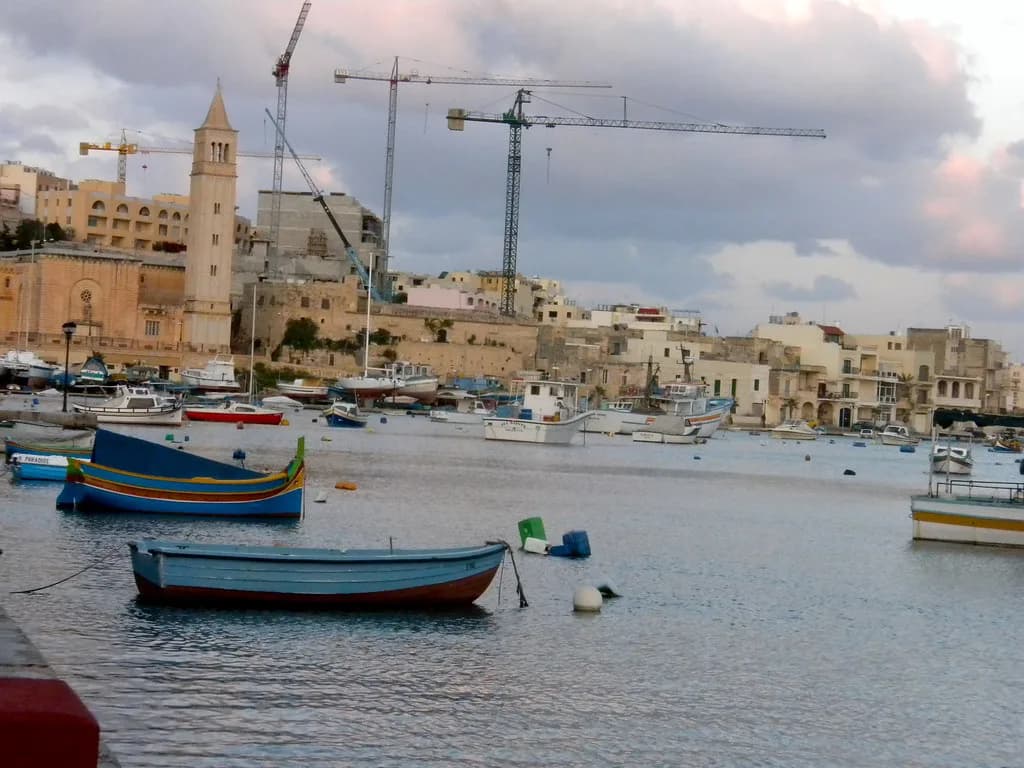
Gozo is the obvious full-day trip, with the ferry running year-round and the island's Ġgantija temples, the Citadella in Victoria and the coastal cliffs accessible in the off-season. Comino and the Blue Lagoon are quieter in winter, but boat services are weather-dependent, so keep the plan flexible. Marsaxlokk's fishing village and harbour make an easy southern outing on a calmer day.
The Blue Grotto and the Dingli Cliffs combine in one bus day, and a November trip found the buses ran reliably along the south coast even with a flexible coastal schedule. Fares and services change, so check Malta Public Transport for current routes and ticket options before you set out. Avoid building the day around a boat trip when wind and swell are up.
Food and Drink for a Cold-Weather Trip
Maltese food suits the season: rabbit stew, baked pasta and pastizzi filled with ricotta or mushy peas are warming, cheap and easy, and a single pastizzi makes a good snack between sights. Winter also brings treacle rings and the chocolate Yule log at Christmas. In Valletta, try a tiny street-side cafe for cheap coffee and local pastries rather than paying the harbourfront premium.
Coffee and wine are the easy social anchors here, and village bars stay open through the winter even when the seafood terraces close. The harbour towns of Birgu and Marsaxlokk are good lunch stops on a dry day, while a wet afternoon is a fair excuse for a long lunch inside. Malta's drinking water is safe, though many prefer bottled because of the taste of desalination.
Crowds, Prices and the Holiday Weeks
November through March is the low season for tourists, and the island's sights, hotels and transport are generally calmer and cheaper than in summer. The exception is the Christmas and New Year weeks, when accommodation and restaurant tables tighten and prices rise, so book those dates in advance. Outside those weeks, you can often decide on the day.
Aim for a midweek visit to Valletta and Mdina to avoid the worst of any weekend rush, and use the winter quiet to visit the star sights early. If you value a lively bar and restaurant scene, the low season can feel too sleepy outside St Julian's and Sliema. If you value space and short queues, it is the best time of year.
Getting Around Malta in Winter
The bus network is the backbone of a winter trip, with routes linking Valletta, Mdina, the Dingli Cliffs, the Blue Grotto and the airport. Routes and fares change, so check Malta Public Transport for current winter timetables and ticket options before you travel rather than relying on old figures. For late arrivals or the Christmas Day gap, a pre-booked taxi is the safer option.
Who Should Pick Another Month
Winter in Malta suits walkers, history lovers and travelers who want a mild, quiet Mediterranean break with a coat rather than a swimsuit. If you want guaranteed sunshine, warm sea and boat trips to Comino, wait until late spring, and May and June offer the best balance of warmth, sunshine and manageable crowds. If you mainly want festive markets and long shopping evenings, a larger northern European city delivers more.
For a short winter break from northern Europe, Malta's three to four days of Valletta, Mdina, the cliffs and the coast are enough to fill a long weekend, with the island's buses removing the need for a car. Go in November or March for the mildest, brightest shoulder weather, or in January or February for the quietest streets and the most unpredictable skies. For a closer look at the quietest weeks, read the Malta in February guide.
Plan Your Winter Trip to Malta
Choose your month by purpose: November and March for outdoor walking in mild weather, December and January for Christmas atmosphere and empty streets, February for Carnival and the quietest roads. Build each day around one indoor sight and one outdoor stretch so wet weather rearranges your plan without wrecking it.
Book the Christmas and New Year weeks early, confirm any boat trip close to the day, and use the bus network as your default. A winter Malta trip rewards a flexible plan rather than a fixed itinerary.
Explore more Malta winter guides
Frequently Asked Questions
Is Malta good for winter sun?
It is mild rather than hot. Winter days average about 9-20°C (48-68°F) depending on the month, with 5-7 hours of sunshine a day and short heavy downpours possible from September through March. If you want reliable beach weather, choose late spring or early fall instead.
What is the coldest month in Malta?
January is usually the coldest month, averaging 10-15°C (49-59°F), though February is close and often feels rawer because of wind and humidity. The sea stays around 15-16°C (59-61°F), and snow is very rare.
Does it rain a lot in Malta in winter?
Rainfall is modest over the year, but winter rain comes in short intense bursts rather than steady drizzle, and low-lying roads can flood. December is often the wettest month, and November and March both bring around 45-75 mm across the month.
Is Malta warm enough to swim in winter?
For most people, no. The sea sits near 15-16°C (59-61°F) in January and February, and wind can cancel boat trips and make the shore uncomfortable. A sheltered dip on a calm November day is possible for hardy swimmers, but don't build a winter break around the sea.
What is there to do in Malta in winter?
Valletta's churches and museums, Mdina's streets, the Three Cities by ferry, the Dingli Cliffs and Blue Grotto coast, and winter coastal walks all work well. Christmas lights, Nativity displays and the New Year fireworks in Valletta add a festive reason to visit.
Is Malta busy in winter?
Outside the Christmas and New Year weeks, it is the low season and the island is noticeably quieter and cheaper. The holiday weeks are the one exception, when accommodation fills and you should book early.
Sources
Winter travel notes
Optional updates when we add or revise winter guides.
You might also like
Continue reading
More guides you'll find useful