Croatia in Winter: Coast, Snow and Crowds by Month
Croatia in winter splits into a mild, quiet Adriatic coast and a cold, snowy interior. Compare typical temperatures, what stays open, and the best month.
On this page
Croatia in winter is not one destination but two climates that happen to share a border. The Adriatic coast, from Istria down through Split to Dubrovnik, stays mild enough for long walks along half-empty stone streets, while the interior around Zagreb and the highlands runs cold, often wet and sometimes white. That split is the whole decision: pick your region first, then your month.
The payoff is quiet. Summer crowds vanish, hotel rates fall, and you can see Dubrovnik's walls or Zadar's old town without queuing. The cost is short daylight, rain on the coast, the occasional fierce bura wind, and reduced ferry and bus schedules that change what an island-hopping plan can realistically cover.
What Croatia in Winter Is Like: Two Climates in One Country
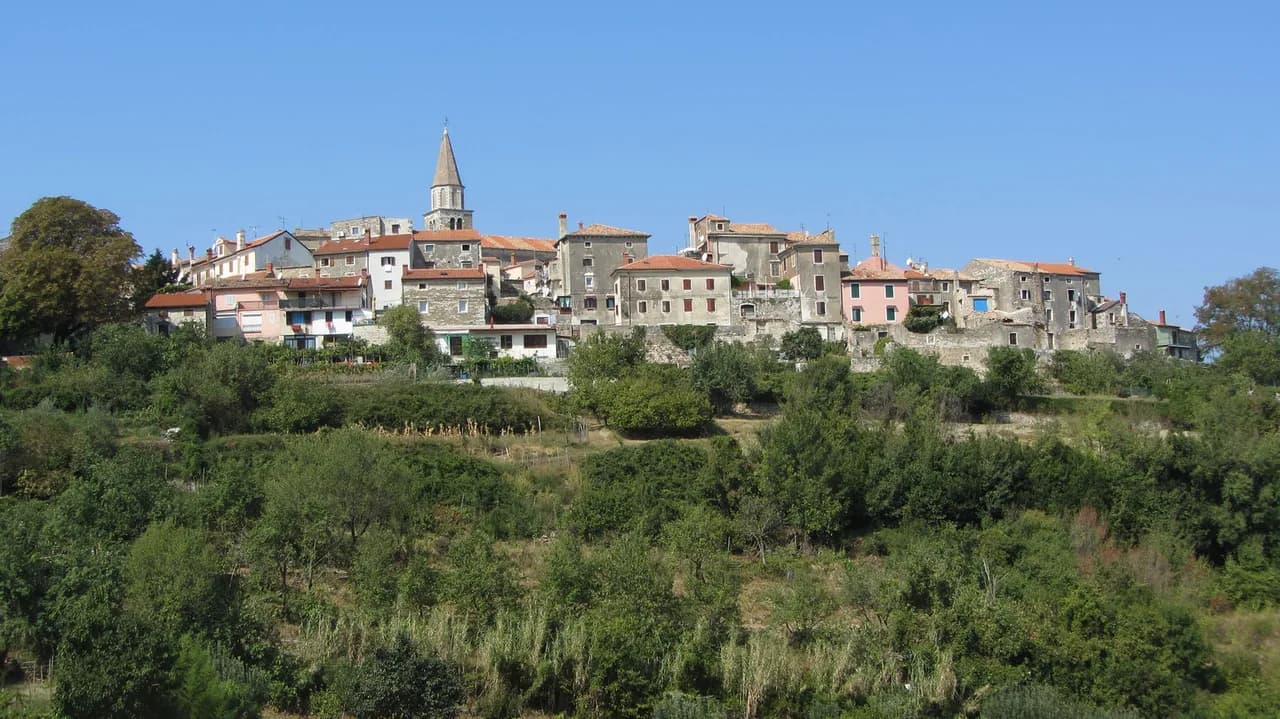
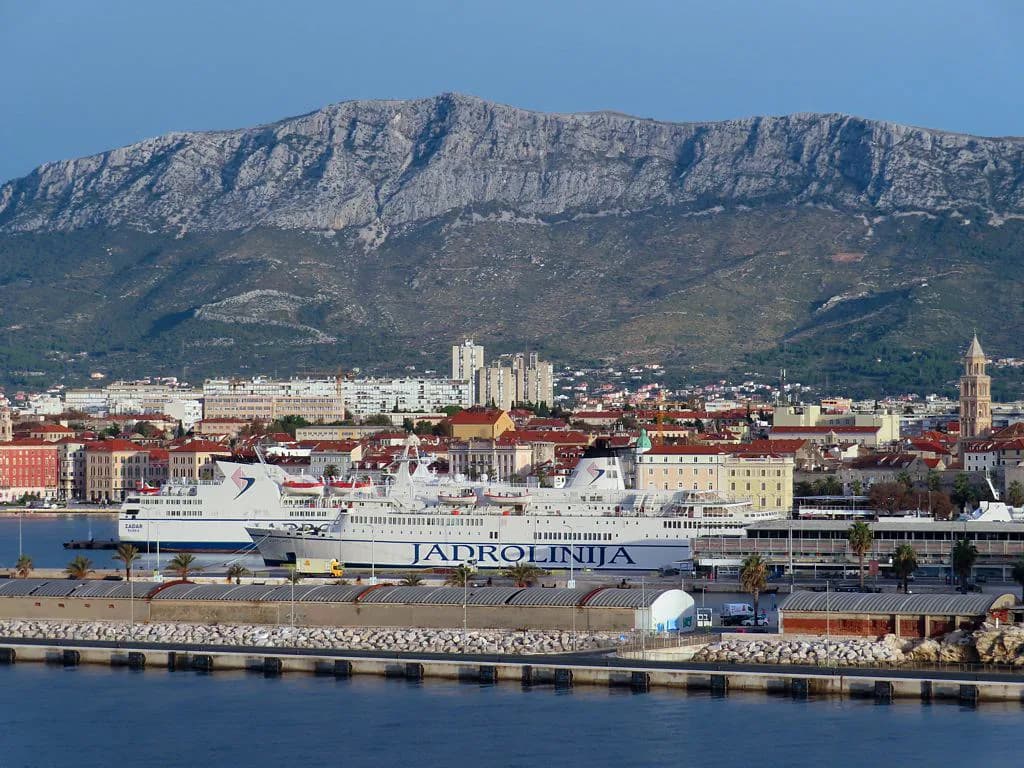
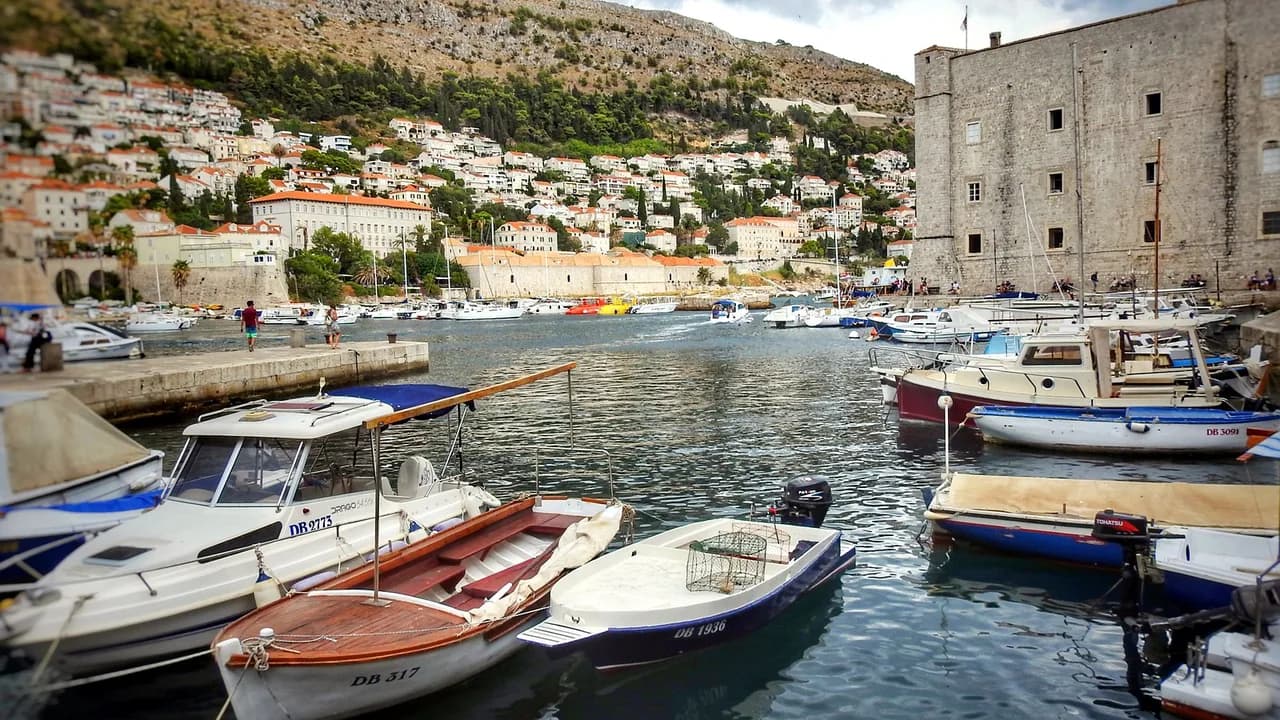
Think of Croatia as three winter zones. The coast and islands are mild maritime Croatia, the immediate hinterland behind Split and Rijeka is cooler and wetter, and the continental interior around Zagreb, Gorski Kotar and Plitvice is a proper central European winter with frost and snow. Coastal towns such as Split, Zadar, Pula, Rovinj and Dubrovnik revert to local life, which means a friendlier, calmer version of the same streets.
That reversion is also the trade-off. Some seasonal businesses shut after the summer rush, restaurants trim their menus and a portion of the coastal accommodation stock closes outright, while the inland cities keep running normally because they serve residents rather than tourists. Plan a coastal stay around a base that stays open, and treat off-season closures as the rule rather than the exception.
One practical consequence of the mild coastal winter is that the sea is cold and swimming is out for most visitors. Days can still be bright, and sunshine is far from rare, but the water and air suit walking, photography and café time rather than beach time.
Weather in Winter: Coast Versus Interior
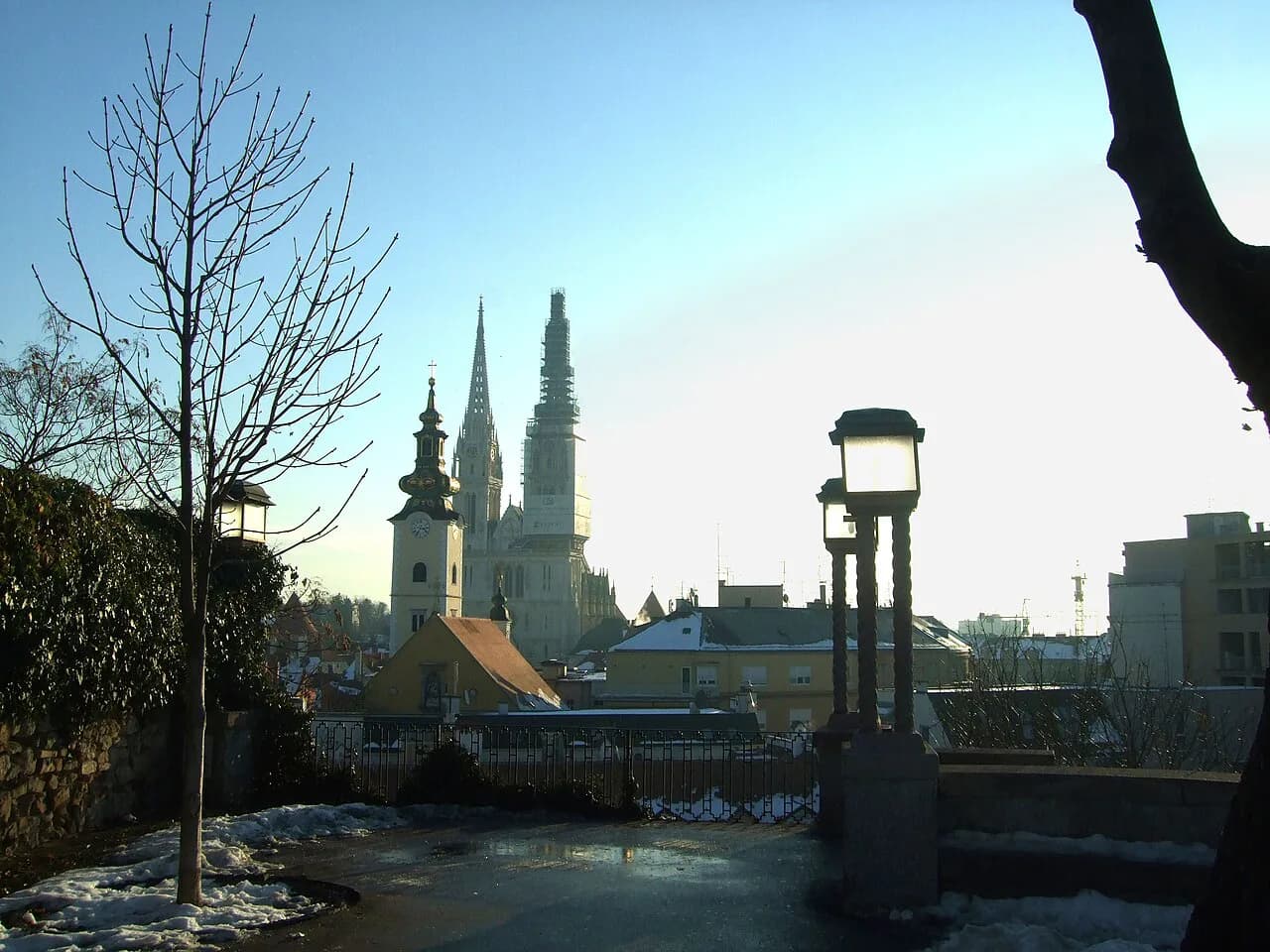
On the coast, daytime temperatures in the cooler months sit roughly between 10°C and 15°C (50–60°F), dropping to single figures in the evening, so a light winter coat does most of the work. Inland is another matter: Zagreb and the north hover around freezing, with January highs near 3°C (37°F) and lows around -3°C (27°F), and January is the coldest month nationwide.
Rain is the coastal winter's defining feature, and the southern Adriatic is wettest, with roughly five to six inches over a January. Snow is common inland and in the highlands but rare at sea level on the coast, where it usually shows as flurries that do not settle. The bura, a strong northeasterly wind, is the wildcard: when it blows hard, ferries are cancelled and exposed bridges close.
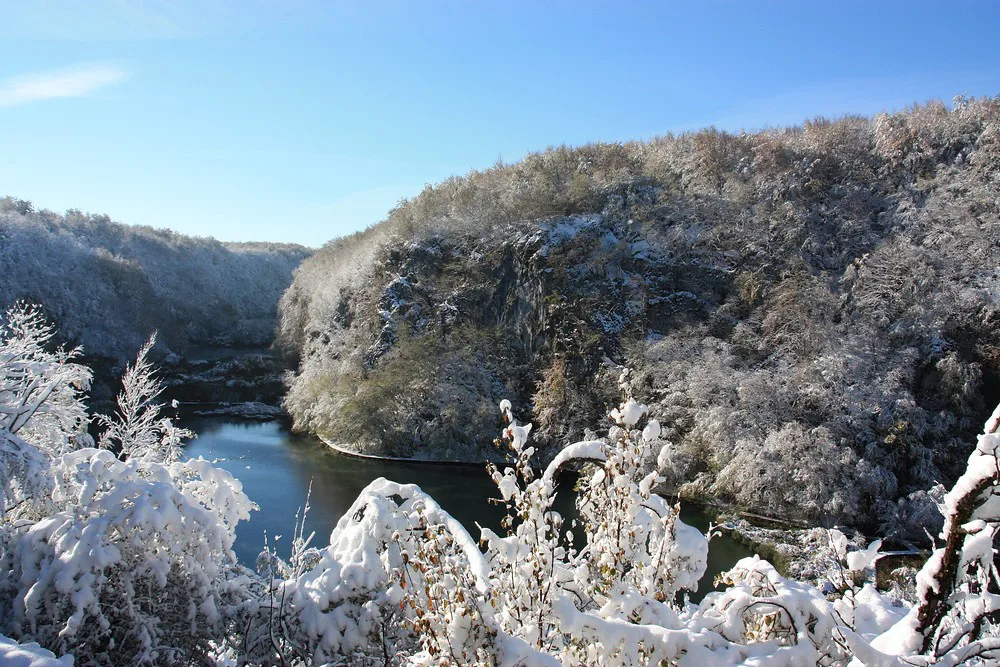
For snow the reliable ground is the interior: Plitvice Lakes and the northern uplands regularly hold a white cover through January and February. Coastal snow can happen but should never be the reason you book a flight.
Croatia in December
December is when the country shifts into festive mode while the coast empties. Cities light up, Advent activity starts in mid-November and Christmas markets are in full swing by the end of the month, with Zagreb the most established hub. Temperatures inland typically run around 3–8°C (37–46°F), cold enough for a dusting of snow.
Christmas Day 2026 falls on a Friday and New Year's Day 2027 on a Friday, which stretches the holiday period across two long weekends and pushes up demand for the few coastal hotels that stay open. Book those dates early and expect holiday transport schedules on the public holidays themselves.
If you want snow rather than city lights, December is a gamble inland and a near-certain miss on the coast. Plitvice in December delivers frozen lakes and far fewer people, but the national park's winter opening arrangements and transport to it need checking before you build a day around them.
Croatia in January
January is the coldest, quietest and cheapest-feeling month. The Christmas crowds leave, coastal hotels either cut rates or close, ferries run reduced routes and highland roads can be disrupted by snow, while ski season is in full swing at Sljeme above Zagreb and Platak near Rijeka. Plitvice under snow and ice is the month's standout, with low-season pricing at the park gates.
Culturally January is stronger than its reputation suggests. Museums and galleries across the country open late and free on the last Friday of the month for Night of the Museums, and the Snow Queen Trophy brings World Cup skiing to Sljeme. Both are worth planning a city stay around.
Expect short daylight and weather that can cancel a ferry at a day's notice. Build coastal itineraries around one base rather than three islands, and keep a museum or spa day in reserve for the day the bura wins.
Croatia in February
February stays cold inland but the days lengthen noticeably, which makes it a good month for city breaks and national park visits rather than beach ambitions. It is also carnival season, and the coastal towns are at their liveliest since New Year.
Carnival Tuesday falls on 9 February 2027, with Ash Wednesday the next day, so the preceding weekend is the peak. Rijeka hosts the country's largest carnival, complete with the ceremonial handing of the city key to the carnival master and the Korzo turning into one long street party; smaller towns across Istria and Dalmatia hold their own masked processions.
Elsewhere February's appeal is simple: fewer people than December, more daylight than January, and snow still reliable at Plitvice and in Gorski Kotar. The coast remains wet and windy, so treat it as a city-and-food destination rather than a seaside one.
Croatia in March
March is the transition month and the most forgiving compromise. Daylight returns, coastal rain continues, and inland snow starts to lose its grip at lower altitudes, though the highlands can still hold cover early in the month. Clocks go forward on 28 March 2027, adding an hour of evening light exactly when you want it.
Easter Sunday falls on 28 March 2027, so Holy Week runs 21–28 March and brings a genuine spike in domestic travel to the coast, with processions in towns across Dalmatia and the islands. Book that week like a summer weekend, because that is what it becomes.
If your priority is walking Plitvice without ice underfoot or driving inland without snow chains in mind, late March is the better bet than January. You trade guaranteed snow for easier logistics.
Islands and Ferries in Winter
Island hopping works in winter only if you accept that the network contracts. Ferries reduce routes and sailing times, and sailings are cancelled when the bura is strong, which can strand you for a day or more on a small island. Hvar, Brač and Korčula are reachable, but connections are fewer and less forgiving of a missed boat.
The sensible winter approach is one island, one base, and a mainland plan B. Check current seasonal timetables before you commit to an itinerary that depends on a same-day transfer, and avoid tight connections between an island ferry and a long-distance bus or flight.
What Is Open in Winter
Cities keep working: museums, galleries, churches, cafés, restaurants and public transport in Zagreb, Split, Zadar, Rijeka and Dubrovnik run on winter schedules that are shorter but reliable. The national parks stay accessible, with Plitvice open on reduced hours and prepared routes. What thins out is the tourist infrastructure: seasonal restaurants, beach bars, excursion boats and many coastal hotels.
Dubrovnik's Winter Festival keeps the old town dressed and programmed into the early months, which gives a December or January visit more texture than the walls alone. Confirm specific event listings and opening hours with the Dubrovnik tourist board and the individual venues before you build a day around them.
Things to Do in Winter: Cities, Parks and Hot Springs
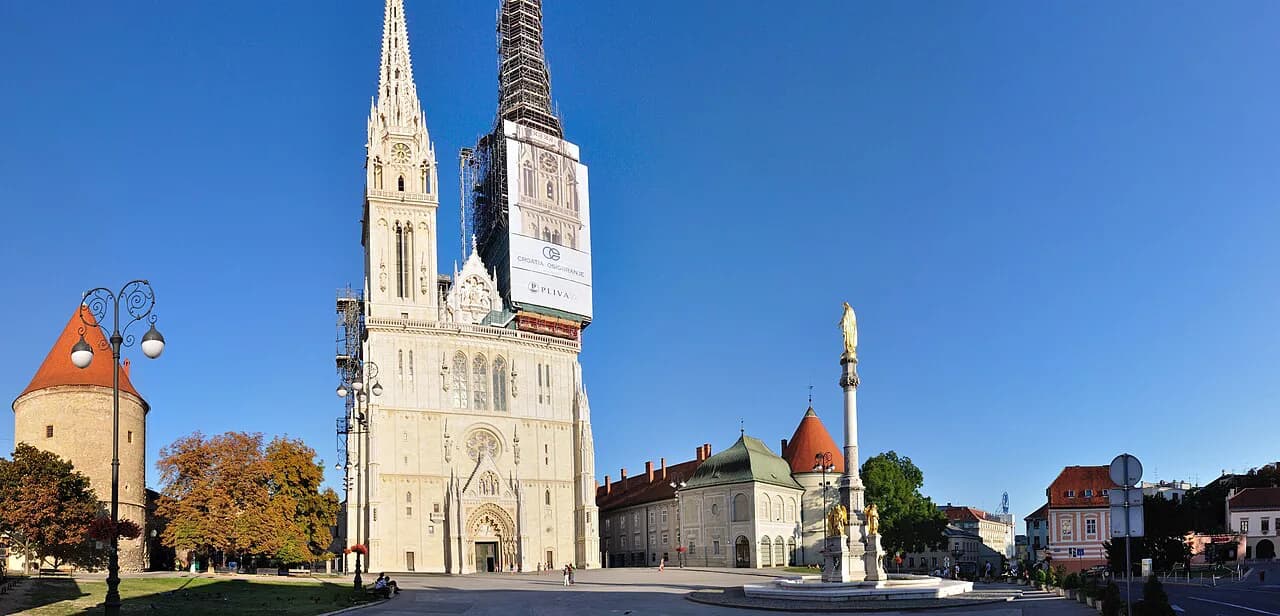
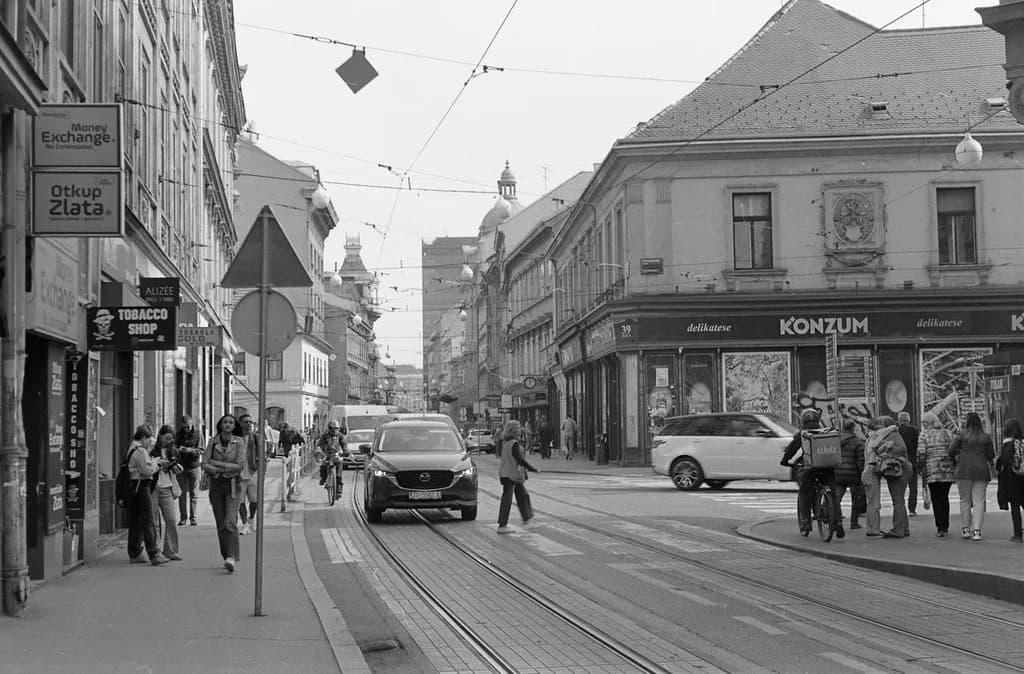
Start with the cities. Zagreb's upper town, markets and café culture suit a cold day, Split's Diocletian's Palace is more atmospheric half-empty, and Dubrovnik's walls and Fort Lovrijenac reward the soft winter light. Zadar's old town and Rijeka's Korzo fill an afternoon each without any need for sunshine.
Then the parks. Plitvice's frozen waterfalls and snow-covered boardwalks are the classic winter image, and the park's prepared routes make a visit feasible with proper footwear. Krka is a realistic add-on from Split, but boat sections and trail access vary by season, so check the park's own winter information before travelling.
For a wet, cold day, the north has the answer: Sveti Martin na Muri is known for thermal spa waters, and the inland spa towns give you a warm indoor afternoon when the coast is raining sideways. Food is the other reliable winter activity, from Istrian truffle dishes and local wines to fritule, the small festive doughnuts sold across the country in the colder months.
Snow and the Interior
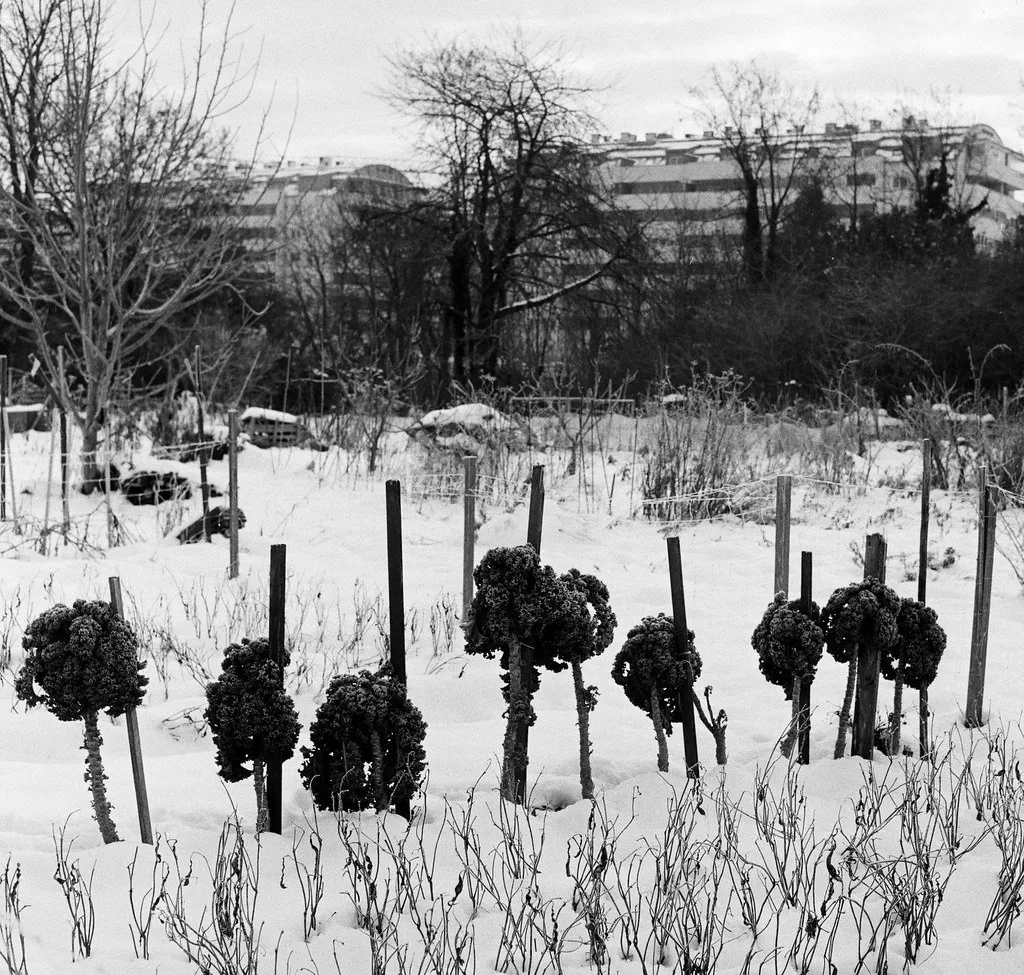
The snow belt runs through Zagreb's mountain backdrop, Gorski Kotar and the uplands around Plitvice. Sljeme above the capital and Platak north of Rijeka are the accessible ski areas, with Platak close enough to the sea that you can ski with an Adriatic view on a clear day. Away from the lifts, snowshoeing and quiet forest walks are the draw.
Highland road travel is frequently disrupted by snow, so build slack into any inland driving day and prefer daylight hours. If your trip hinges on seeing snow, aim for January or February and base yourself near the interior rather than day-tripping from the coast.
Christmas and New Year on the Coast
Croatia's festive season is called Advent, and it starts in mid-November before markets open everywhere by the end of the month. Zagreb's is the best known, but coastal cities stage their own smaller versions, sometimes with palm trees in the frame, and Split's old town fills with stalls, crafts and mulled wine. Treat the markets as one evening of a longer trip rather than the reason for it.
Christmas Day 2026 is a Friday and New Year's Day 2027 is a Friday, so both holidays create long weekends. Expect nationwide closures and holiday transport schedules on the days themselves, and book the restaurant you want well ahead.
Epiphany on 6 January 2027, a Wednesday, closes the festive period and is a public holiday, which matters if you are travelling that week by bus or ferry. After it, coastal Croatia goes very quiet very fast.
Carnival in Rijeka and Coastal Towns
Carnival is the winter event that pulls Croatians to the coast in February. Rijeka's edition is the biggest, with masquerades, concerts and street dancing centred on the Korzo, while Istrian and Dalmatian towns hold smaller processions with local masks and music. The season builds from mid-January and peaks around Carnival Tuesday on 9 February 2027.
Carnival weekends fill hotels in Rijeka and the surrounding coast, so book ahead if those dates matter. Outside the parades, February remains a low-season month with low prices and short queues.
Day Trips That Work in Winter
The most reliable winter day trips are short and city-based. Ljubljana is a straightforward train ride from Zagreb, Zagreb to Plitvice is a common organised day tour, and Split gives access to Krka and the surrounding hinterland. Mostar and Kotor work from Dubrovnik, but the Kotor run involves a border crossing and premium bus fares by Croatian standards.
Driving between Split and Dubrovnik means crossing a short stretch of Bosnia and Herzegovina, so carry your passport even inside the EU travel area. Winter road closures and the bura can lengthen that drive considerably, which is an argument for the bus or a flight in the coldest weeks.
Crowds, Prices and Short Days
Winter is Croatia's low season, which translates into cheaper accommodation, easier restaurant reservations and no queues at the sights that define the summer. November through February is where the savings concentrate, with the Christmas and New Year period and Carnival weekend as the exceptions when demand spikes.
Against that, daylight is short in December and January, the coast is wet, and the bura can cancel your ferry. The practical fix is to plan one indoor anchor per day and leave the outdoor highlight flexible.
For a calmer, cheaper version of the country, November is a genuinely good window: autumn colour, mild temperatures and none of the crowds, provided you accept rain as part of the deal. If you are weighing another Mediterranean destination with a similar off-season trade-off, our Greece winter guide covers the same question of what stays open. Italy poses much the same question, which is why our Italy winter guide is worth reading alongside this one.
Who a Winter Trip Suits, and When to Pick Another Month
Winter Croatia suits city-break travellers who want Dubrovnik and Split without the crush, photographers chasing frozen Plitvice, food and wine travellers in Istria, and anyone who values low prices over beach weather. It also suits carnival-goers in February and museum lovers in January.
It does not suit anyone hoping to swim, island-hop freely or rely on beach clubs and boat excursions. If warm sea is the point, come in late spring or early autumn instead; if snow is the point, come in January or early February and head inland.
Plan Your Winter Trip to Croatia
Decide the region before the month: coast for cities and quiet streets, interior for snow and parks, Rijeka for carnival. Then pick a base that stays open, keep one flexible day for weather, and check the ferry operator's seasonal timetable before you lock in island plans. Confirm winter opening hours for Plitvice and any specific event with the venue or tourist board before booking around them.
December and New Year give you lights and atmosphere at peak prices; January gives you the coldest, cheapest and quietest version with reliable snow inland; February adds carnival and more daylight; March brings longer evenings and the Easter surge. Any of them beats a summer queue.
Explore more Croatia winter guides
Frequently Asked Questions
Is Croatia worth visiting in winter?
Yes, for the right trip. The coast is mild and half-empty, with Dubrovnik, Split and Zadar far calmer than in summer, and the interior offers snow at Plitvice and around Zagreb. It is not a beach holiday, and rain plus short daylight are real limitations, so plan around cities, parks and food rather than swimming.
How cold is Croatia in winter?
It depends entirely on where you are. Coastal days typically sit around 10–15°C (50–60°F) with cooler evenings, while inland around Zagreb hovers near freezing, with January highs near 3°C (37°F) and lows around -3°C (27°F). January is the coldest month nationally, and the bura wind makes the coast feel sharper.
Does it snow in Croatia?
Yes, but mostly inland. Snow is common in the interior and highlands, including Plitvice and Gorski Kotar, and reliable in January and February. On the coast it is rare and usually melts on contact, so do not book a coastal trip expecting a white landscape.
Which part of Croatia is warmest in winter?
The southern Adriatic coast and the islands are mildest, with daytime temperatures roughly 10–15°C (50–60°F). The interior around Zagreb and the mountains is markedly colder, often near freezing. The trade-off is that the coast is also wetter and windier in winter.
Can you swim in Croatia in winter?
For most visitors, no. The sea is cold through the winter months and coastal air temperatures rarely climb high enough for comfortable swimming. A few hardy locals swim year-round, but treat winter as walking, sightseeing and spa weather rather than beach weather.
Do ferries run to the Croatian islands in winter?
Yes, but on reduced routes and schedules, and sailings are cancelled when the bura blows hard. Tight same-day connections are therefore risky and can strand you on a small island for a day. Choose one island base with a mainland fallback and check the seasonal timetable.
What is there to do in Croatia in winter?
Cities first: Zagreb's museums and cafés, Split's palace, Dubrovnik's walls and Zadar's old town. Then Plitvice's frozen waterfalls, thermal spas such as Sveti Martin na Muri, and winter food from Istrian truffles to fritule. Rijeka's carnival in February and Zagreb's Advent in December add seasonal colour.
Is Croatia cheap in winter?
Generally yes, outside the Christmas, New Year and Carnival peaks. Accommodation drops well below summer rates, restaurants are easier to book and sightseeing is uncrowded. Coastal closures mean less choice in some towns, but the remaining options are cheaper and calmer than in high season.
Sources
Winter travel notes
Optional updates when we add or revise winter guides.
You might also like
Continue reading
More guides you'll find useful